
Suddenly, surfaces matter.
Hands matter.
That toy your baby just dropped on the floor and immediately put back into their mouth?
It matters more than you ever imagined.
For new parents, cleanliness is no longer about appearances. It’s about protection.
And for decades, boiling water has been the default answer.
But is boiling really the most thorough solution anymore?
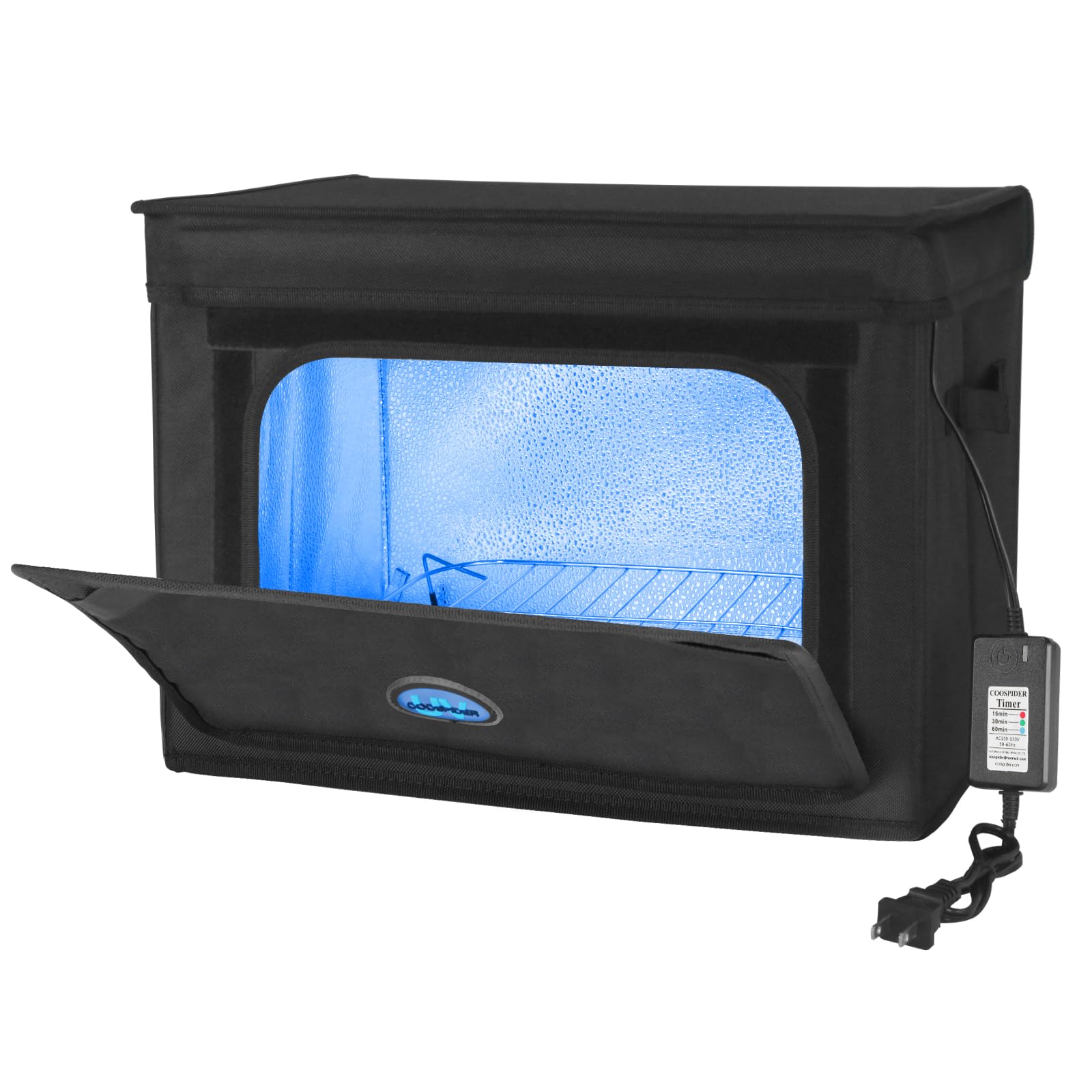
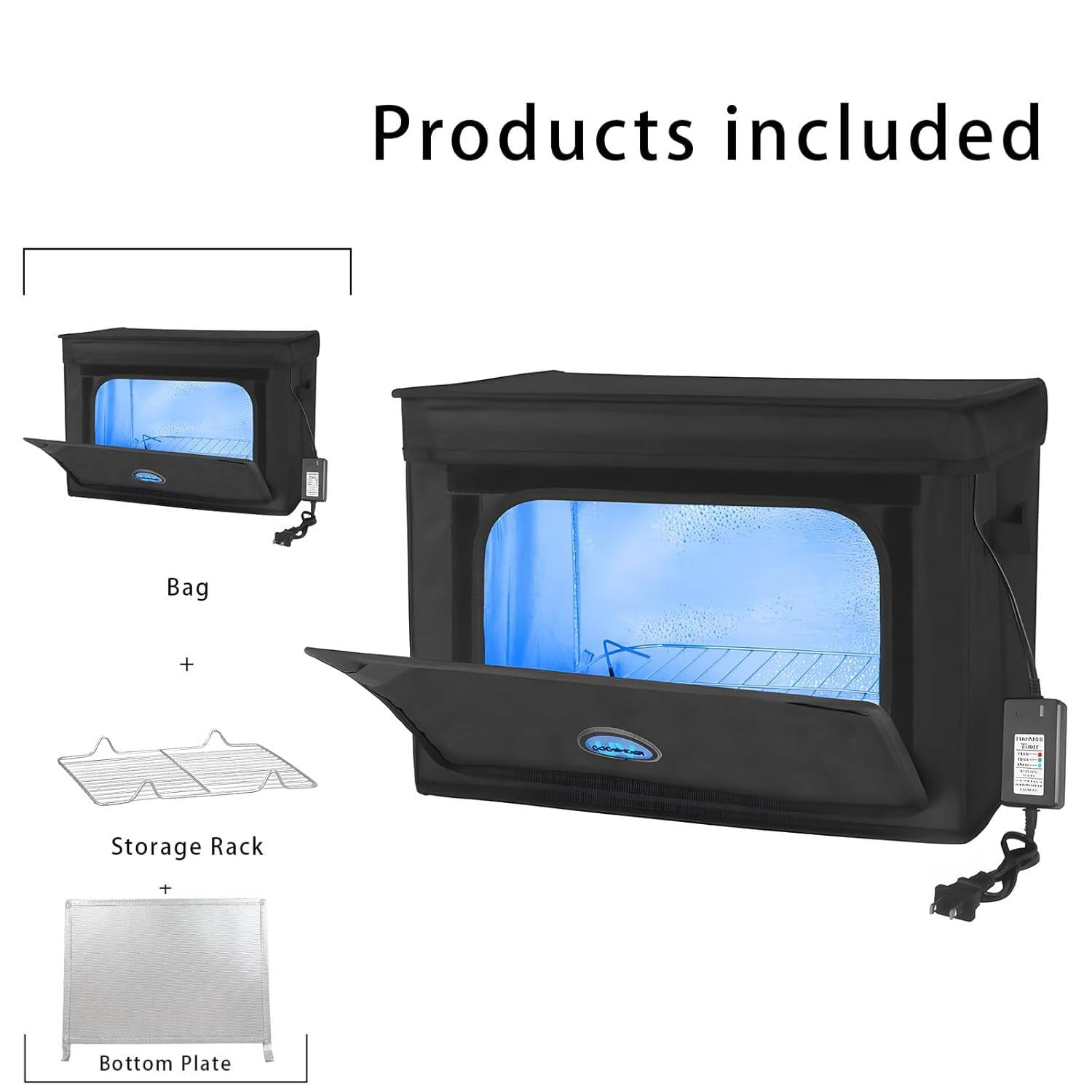
In recent years, UV sterilization has quietly entered nurseries, kitchens, and diaper-changing stations—not as a gimmick, but as a practical upgrade for modern parenting.
This article breaks down why UV sterilization has become a must-have for new parents, how it compares to boiling water, and how to use it safely and effectively for baby bottles, toys, and everyday essentials.
1. Why New Parents Are Extra Sensitive to Hygiene (And Rightfully So)
1.1 Babies Explore the World With Their Mouths
Adults touch with their hands.
Babies explore with their mouths.
Anything within reach—bottles, pacifiers, teething toys, plush toys—will eventually be sucked, chewed, or licked.
This behavior is normal and healthy.
But it also means that germs have a fast track into a baby’s body.
1.2 Immature Immune Systems Need Extra Support
Newborns and infants have developing immune systems. While exposure to the environment is part of healthy growth, excessive bacterial load is not helpful.
Good hygiene isn’t about creating a sterile bubble.
It’s about reducing unnecessary risk, especially in the first years of life.
2. The Traditional Method: Boiling Water
2.1 Why Boiling Has Been the Go-To for Generations
Boiling water is:
-
Simple
-
Accessible
-
Chemical-free
Heat has long been used to reduce bacteria on baby items, especially bottles and nipples.
For many families, it’s the first method they learn.
2.2 The Hidden Limitations of Boiling
Despite its popularity, boiling has clear drawbacks:
-
Limited reach: Water can’t penetrate tiny crevices, valves, or complex toy shapes
-
Material damage: Repeated boiling can warp plastics, weaken silicone, and shorten product lifespan
-
Time and effort: Heating, cooling, drying—it’s a process
-
Risk of burns: Especially stressful when you’re sleep-deprived
Boiling works—but it’s not perfect.
3. Enter UV Sterilization: A Modern Parenting Upgrade
3.1 What Is UV Sterilization, Really?
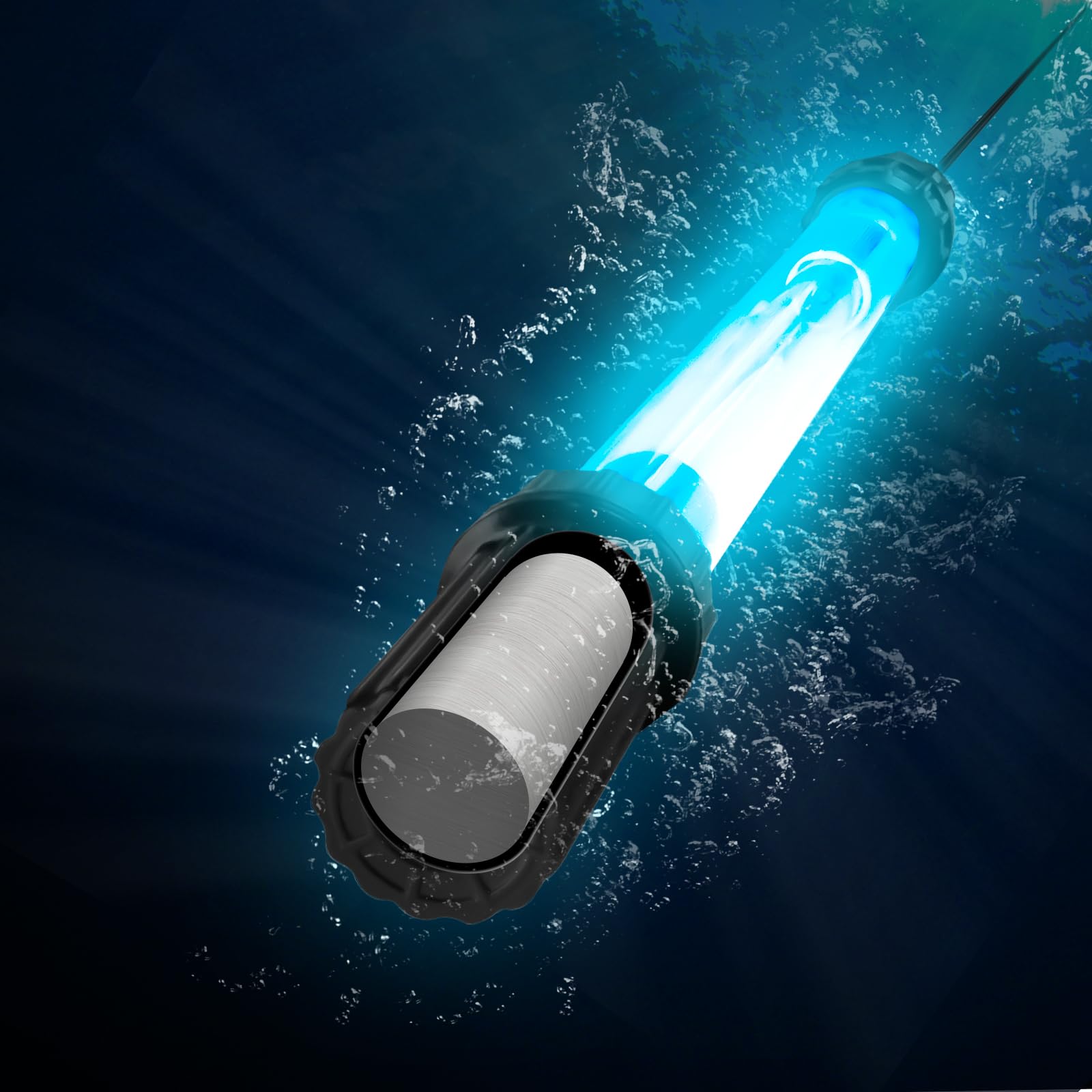
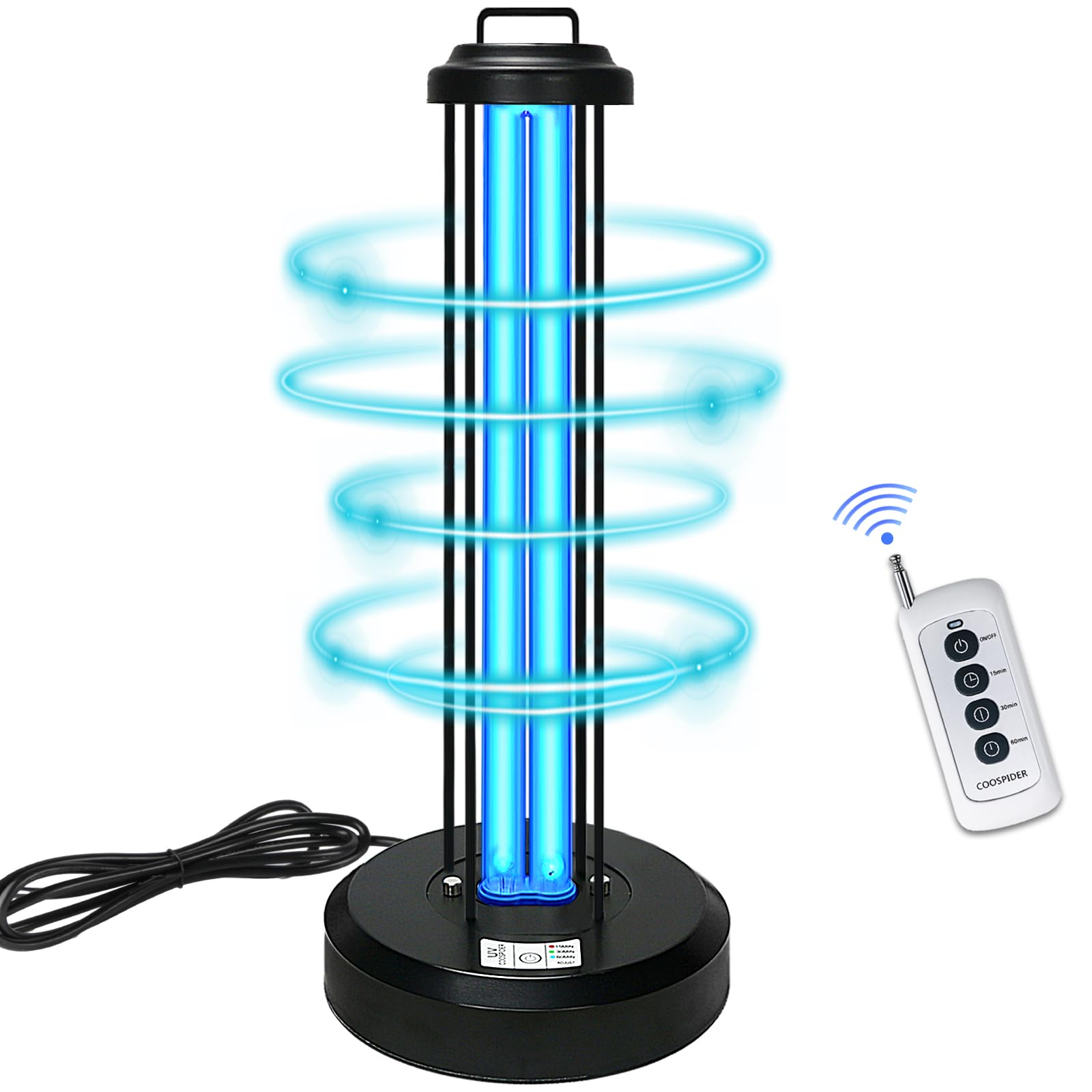
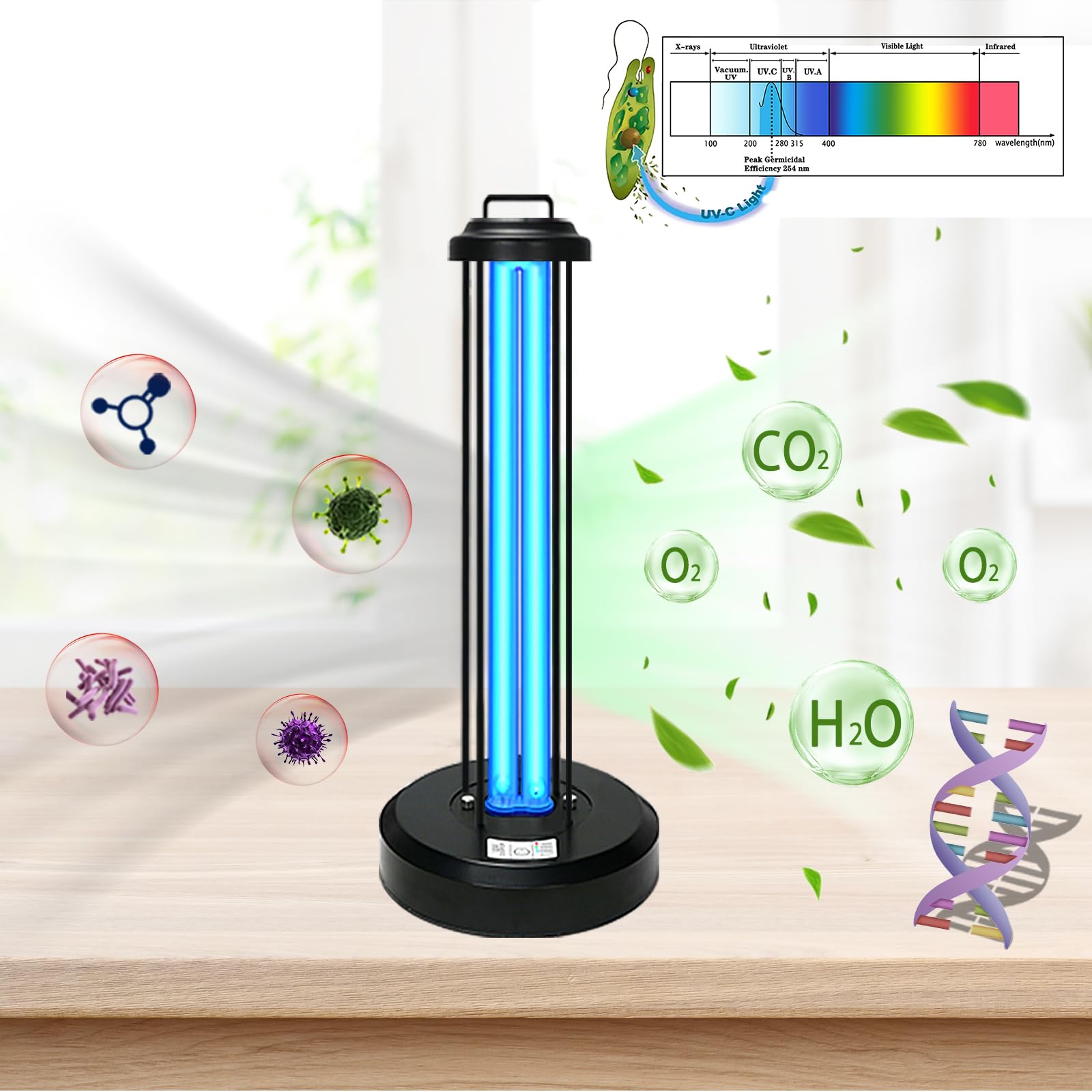
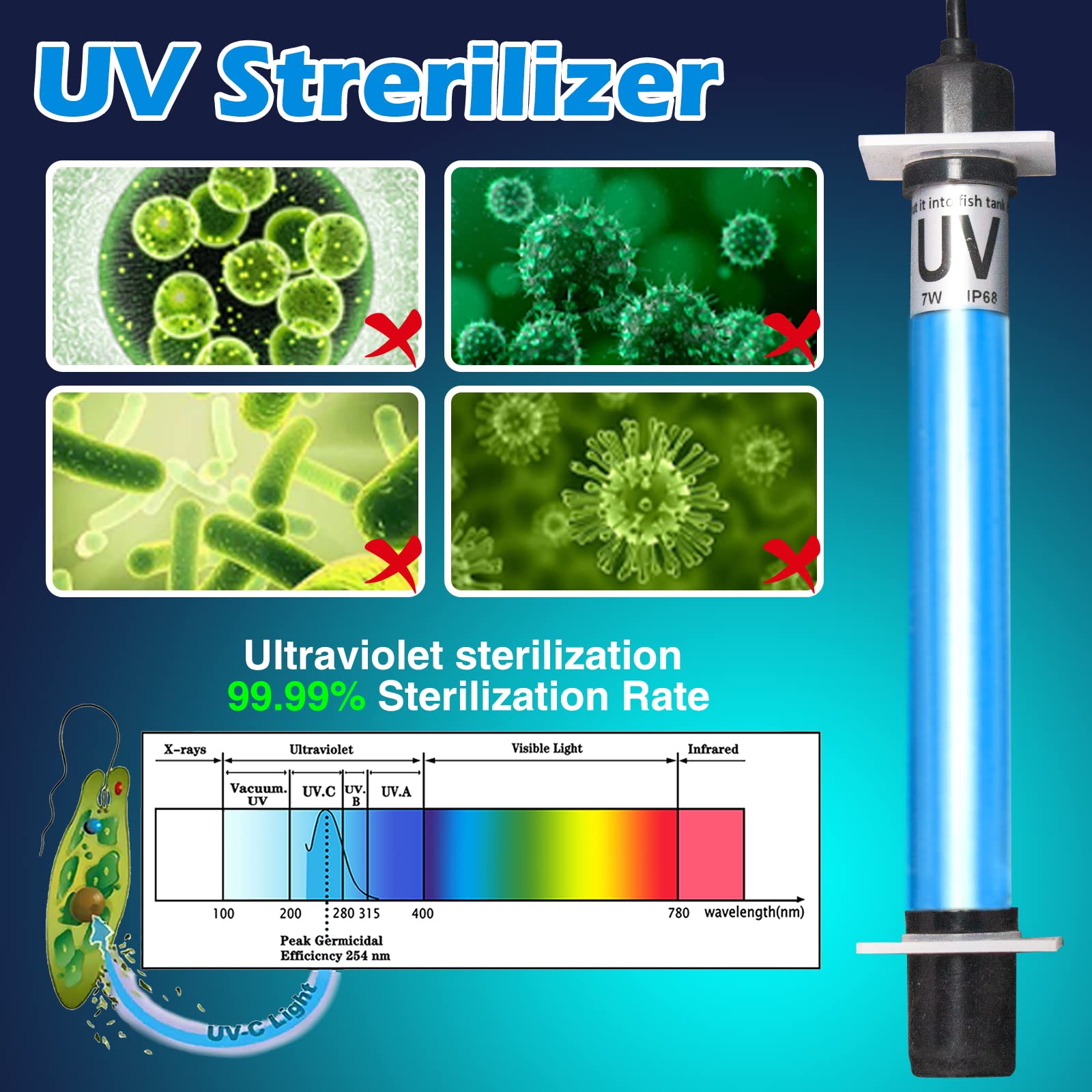
UV sterilization uses ultraviolet light—typically UV-C—to disrupt the DNA and RNA of bacteria and viruses, preventing them from reproducing.
It doesn’t rely on:
-
Heat
-
Water
-
Chemicals
Instead, it works through light exposure in a controlled environment.
3.2 Why UV Makes Sense for Baby Products
UV sterilization is especially suited for baby items because it:
-
Reaches surfaces water can’t
-
Works at room temperature
-
Leaves no residue
-
Is gentle on materials
For busy parents, it offers consistency without exhaustion.
4. UV vs. Boiling: A Practical Comparison
4.1 Coverage and Thoroughness
Boiling:
-
Depends on full water contact
-
Struggles with complex shapes
UV:
-
Works on exposed surfaces
-
Penetrates fine grooves, threads, and textures
When items are arranged properly, UV can be more comprehensive for everyday objects.
4.2 Material Longevity
Repeated boiling can:
-
Cause clouding in plastic bottles
-
Weaken silicone nipples
-
Fade colors on toys
UV sterilization avoids thermal stress, helping products last longer—an important consideration for cost-conscious parents.
4.3 Convenience Under Pressure
When your baby is crying and needs a bottle now:
-
Boiling feels slow
-
Cooling feels endless
UV sterilization:
-
Often completes a cycle in minutes
-
Requires minimal handling
-
Fits into chaotic schedules
Convenience matters—especially at 3 a.m.
5. What Can New Parents Sterilize With UV?
5.1 Baby Bottles and Accessories
UV sterilization is commonly used for:
-
Bottles
-
Nipples
-
Caps
-
Valves
-
Pump parts (check manufacturer guidelines)
These items often have small, hard-to-clean areas where bacteria can hide.
5.2 Toys (Yes, Even the Soft Ones)
Babies don’t distinguish between “clean” and “dirty” toys.
UV works well for:
-
Teething toys
-
Plastic rattles
-
Silicone teethers
-
Some fabric toys (surface sterilization only)
It’s especially useful for items that can’t be boiled or washed frequently.
5.3 Pacifiers and Everyday Essentials
Pacifiers are notorious germ magnets.
UV sterilization offers a fast, dry method to reduce surface bacteria without constant washing or boiling.
6. Safety First: What Parents Need to Know About UV
6.1 UV Is Safe When Used Properly
Modern UV sterilizers are designed as enclosed systems, meaning:
-
Light stays inside the unit
-
No direct exposure to eyes or skin
-
Automatic shut-off mechanisms
Parents should never use open UV lamps around babies.
6.2 UV Is Not a Replacement for Cleaning
This is critical.
UV sterilization works best on clean surfaces.
Before UV:
-
Wash off milk residue
-
Remove visible dirt
UV finishes the job—it doesn’t replace basic cleaning.
6.3 Follow Manufacturer Guidelines
Different materials tolerate UV differently.
Always:
-
Check product instructions
-
Avoid overexposure
-
Replace UV bulbs or units as recommended
Responsible use ensures both effectiveness and safety.
7. Why UV Feels More “Parent-Friendly” Than Boiling
7.1 Less Stress, More Control
New parents are already overwhelmed.
UV sterilization:
-
Reduces manual steps
-
Minimizes handling
-
Creates a repeatable routine
Less mental load matters just as much as cleanliness.
7.2 Fits Modern Lifestyles
Today’s parents juggle:
-
Work
-
Night feedings
-
Household responsibilities
UV sterilizers fit seamlessly into modern kitchens and nurseries, working quietly in the background.
8. Common Myths About UV Sterilization
Myth 1: “Boiling Is Always Better”
Boiling is effective—but not universally superior. UV offers advantages in reach, convenience, and material care.
Myth 2: “UV Is Too Technical for Parents”
Modern units are designed for non-technical users. One-button operation is common.
Myth 3: “UV Makes Things Too Sterile”
UV reduces surface bacteria—it doesn’t eliminate all microbial exposure. Babies still interact with the real world.
9. When UV Sterilization Is Especially Helpful
UV sterilization shines in situations like:
-
Frequent bottle feeding
-
Multiple daily toy rotations
-
Households with pets
-
Travel and limited access to boiling facilities
It’s not about fear—it’s about practical risk reduction.
10. Building a Balanced Hygiene Routine
The healthiest approach combines:
-
Regular washing
-
Occasional boiling (when appropriate)
-
UV sterilization for daily maintenance
No single method is perfect. Together, they form a system that works for real life.
11. A Note to New Parents: You’re Doing Enough
It’s easy to feel pressure—to sanitize everything, all the time.
Remember:
-
Babies are resilient
-
Perfection is not required
-
Consistency matters more than intensity
UV sterilization isn’t about doing more.
It’s about doing smarter.
Final Thoughts: Why UV Is Becoming a New Parent Essential
UV sterilization doesn’t replace tradition—it improves it.
For new parents, it offers:
-
Thorough surface disinfection
-
Material-friendly care
-
Time-saving convenience
-
Peace of mind without panic
That’s why more parents are quietly adding UV sterilizers to their daily routines—not as a luxury, but as a support tool.
Because when your baby depends on you, anything that makes protection simpler, safer, and calmer is worth having.