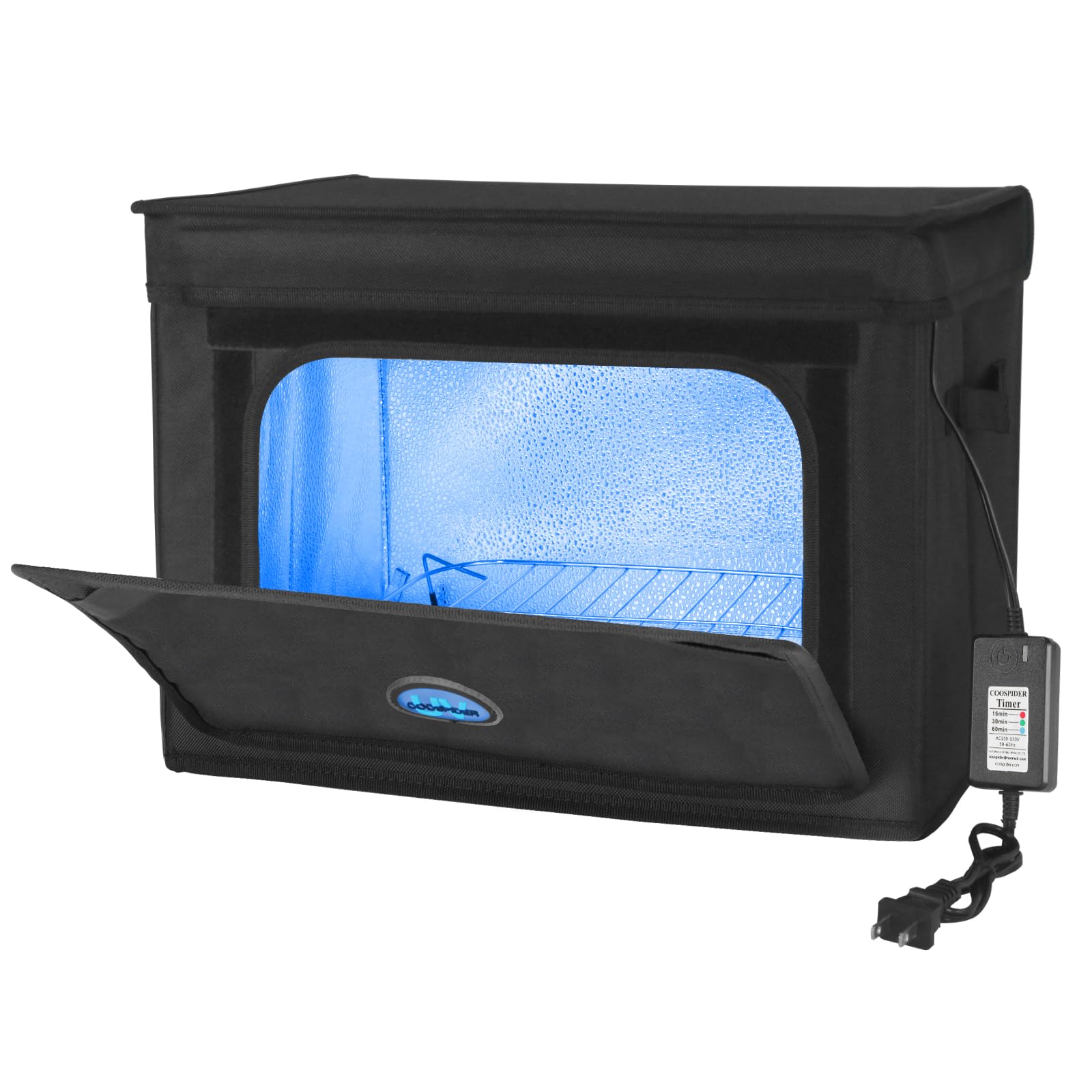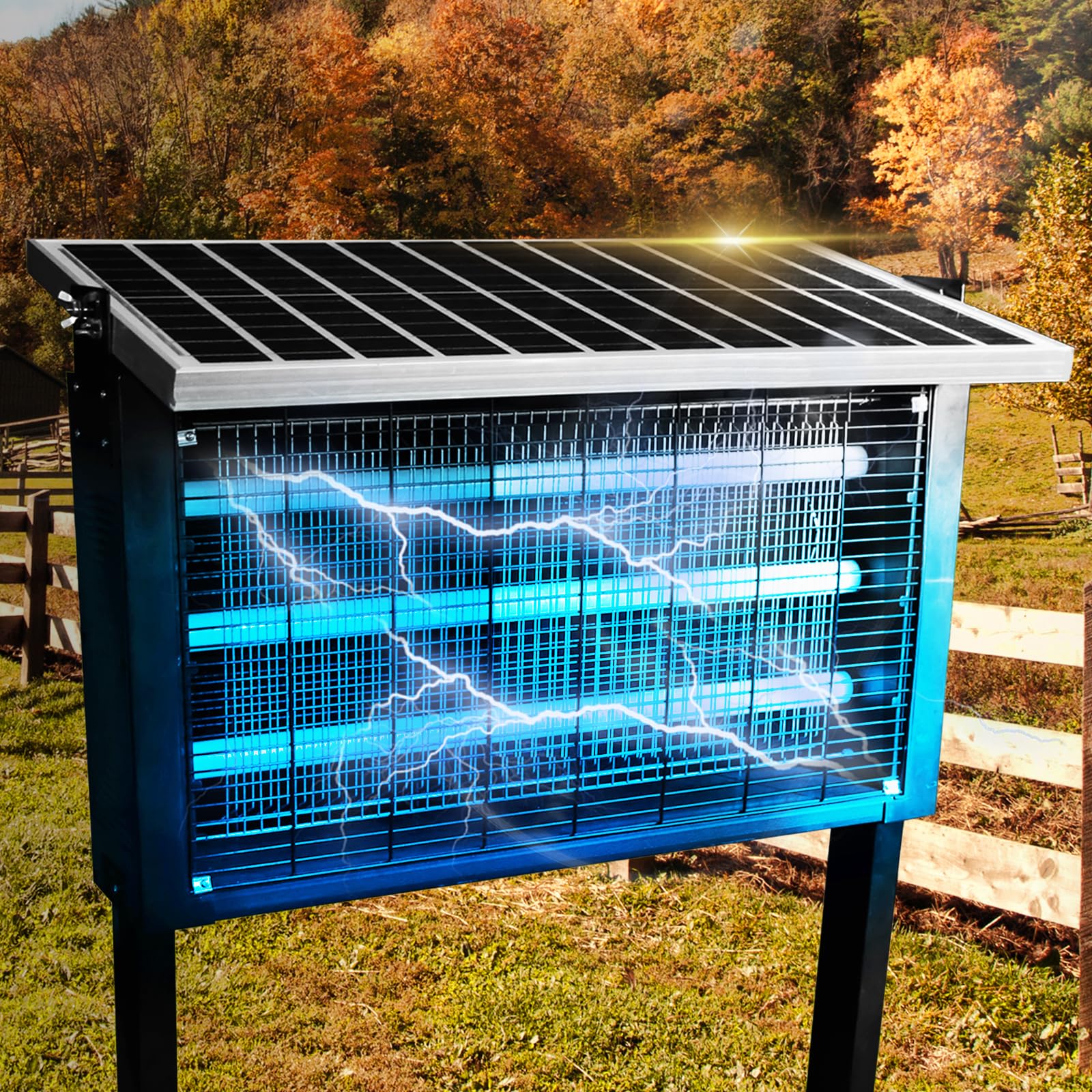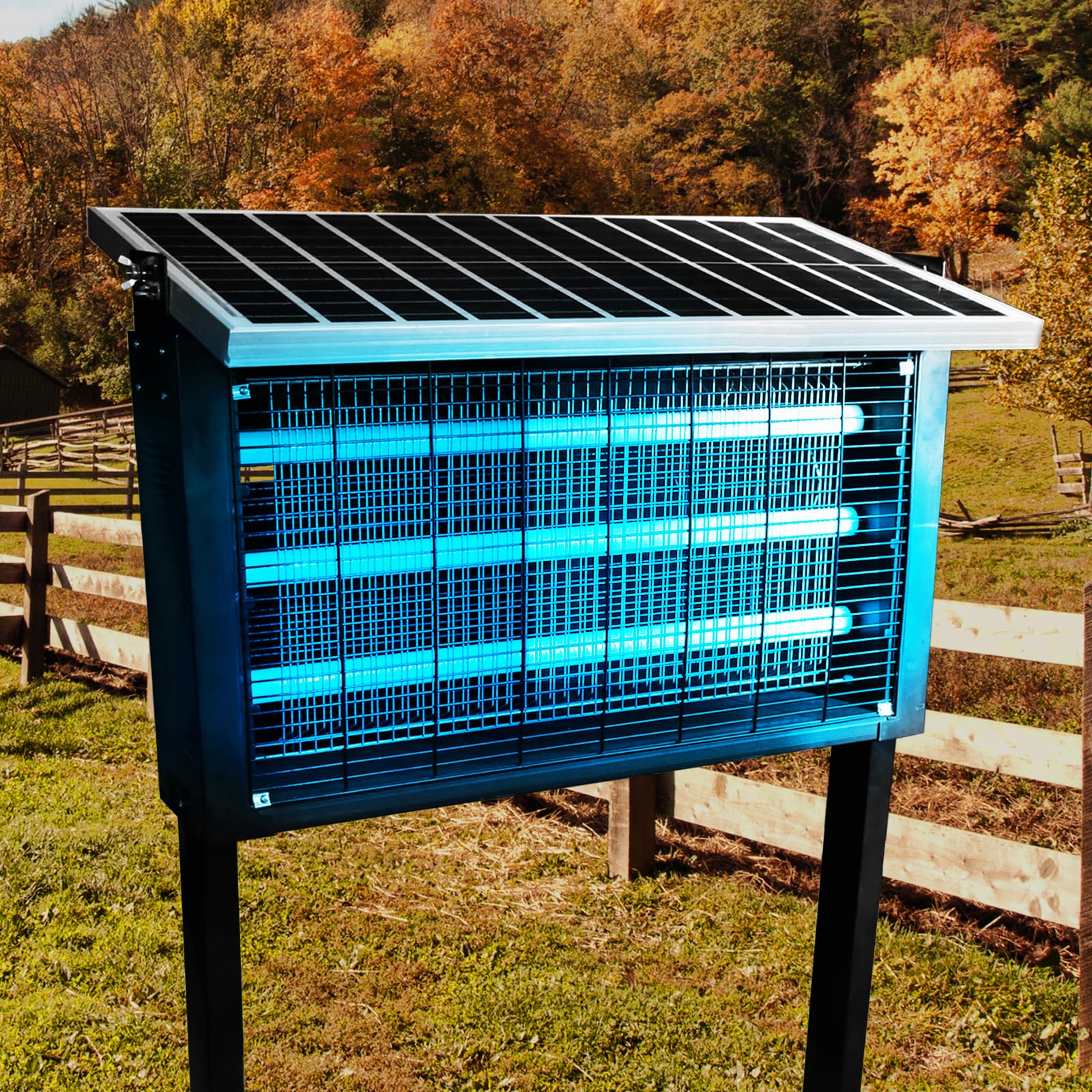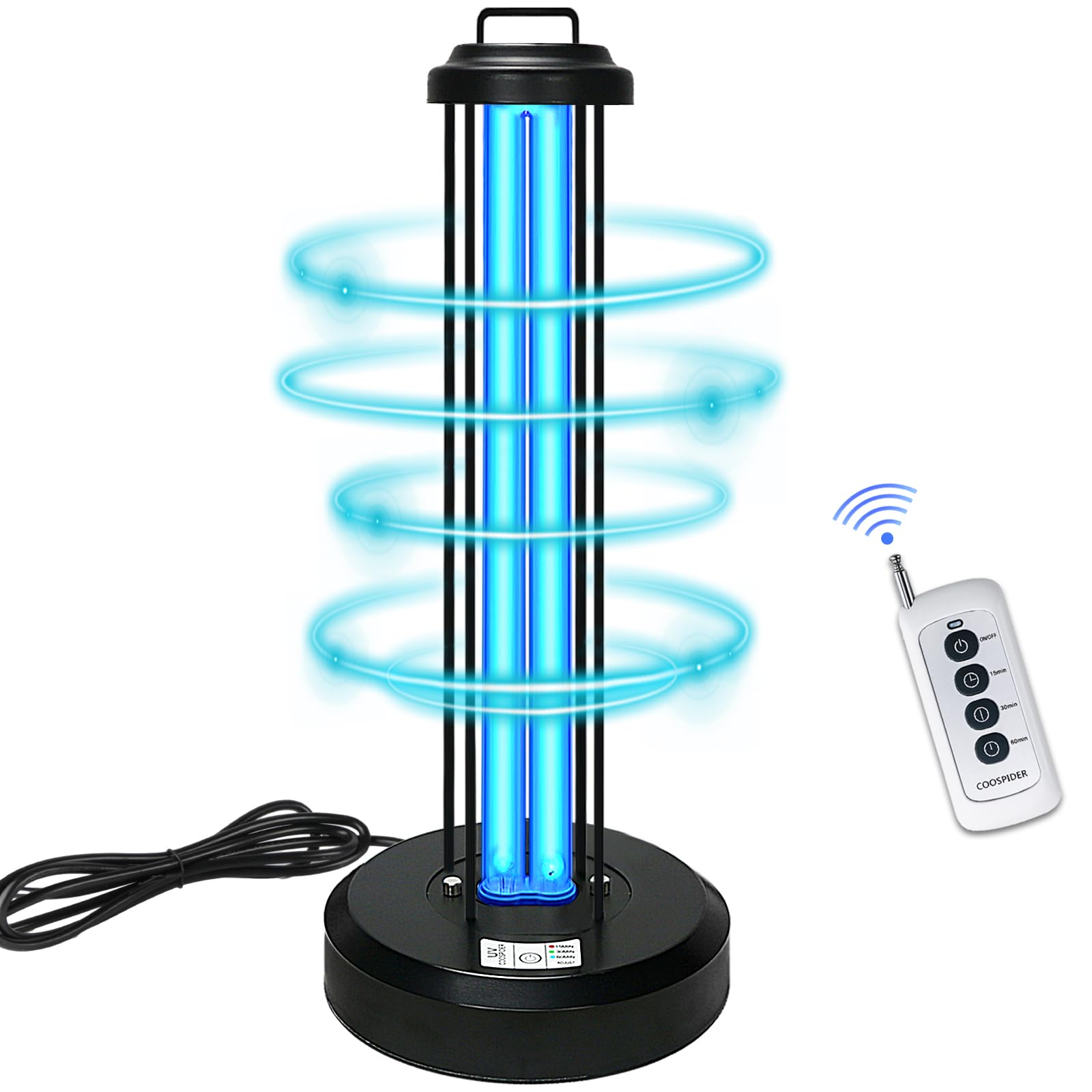
Mosquito killer lamps are everywhere. From online marketplaces to backyard patios, from bedrooms to camping sites, these devices promise a simple solution to one of humanity’s most persistent problems: mosquitoes. Advertisements often show dramatic results—sparks flying, insects falling, and peaceful nights guaranteed.
But behind the marketing claims lies a fundamental question many consumers ask before buying:
Do mosquito killer lamps really kill mosquitoes—and do they work as well as we think?
The answer is not a simple yes or no. Science, laboratory experiments, and field studies reveal a far more nuanced reality. In this article, we examine mosquito behavior, experimental data, and real-world performance to uncover the truth behind mosquito killer lamps.
1. Why the Effectiveness of Mosquito Lamps Is So Controversial
Few household products spark as much debate as mosquito killer lamps. Some users swear by them, while others claim they are useless.
This controversy exists because:
-
Mosquito behavior is complex
-
Different lamps use different technologies
-
Results vary dramatically by environment
-
Many experiments are misunderstood or oversimplified
To evaluate effectiveness, we must look beyond anecdotes and examine controlled scientific evidence.
2. Understanding the Enemy: How Mosquitoes Actually Find You
Before evaluating mosquito lamps, it’s critical to understand how mosquitoes locate humans.
Scientific research shows mosquitoes are attracted primarily by:
-
Carbon dioxide (CO₂) from breathing
-
Body heat
-
Skin odors and sweat compounds
-
Movement
Light, especially UV light, plays a much smaller role than many people assume.
This fact alone reshapes how we evaluate mosquito killer lamps.
3. The Origin of UV-Based Mosquito Lamps
Most mosquito killer lamps are based on a concept originally developed for general insect attraction, not mosquitoes specifically.
UV light is highly effective at attracting:
-
Moths
-
Flies
-
Beetles
Mosquitoes, however, evolved to hunt warm-blooded hosts—not light sources.
This difference is at the heart of many failed expectations.
4. What Science Says: Laboratory Experiments on UV Traps
Controlled Lab Studies
In laboratory settings, researchers often test insect traps by:
-
Releasing known quantities of mosquitoes
-
Isolating variables such as light, heat, and CO₂
-
Measuring capture or kill rates
Results consistently show:
-
UV light alone attracts very few mosquitoes
-
Mosquito attraction increases significantly when CO₂ is introduced
-
Light-based traps kill many insects—but not primarily mosquitoes
This explains why some lamps appear “busy” but fail to reduce bites.
5. The Famous Misconception: “Dead Insects = Mosquito Control”
Many consumers judge effectiveness by counting dead insects inside the lamp.
Scientific reality:
-
Most trapped insects are non-biting species
-
Killing random insects does not reduce mosquito populations
-
Mosquito density remains largely unchanged
In experiments, researchers often found less than 10% of captured insects were mosquitoes.
6. Field Experiments: Real-World Performance Outdoors
Laboratory success does not always translate to outdoor environments.
Backyard Field Tests Show:
-
UV lamps compete with human attraction—and usually lose
-
Wind disperses light cues
-
Natural odors overpower artificial signals
In open environments, mosquitoes overwhelmingly choose humans over lamps.
7. Why Some People Still Feel Mosquito Lamps “Work”
Despite weak scientific support, many users report positive experiences.
Possible explanations include:
-
Placebo effect
-
Seasonal mosquito decline
-
Lamps attracting mosquitoes away from certain zones
-
Reduced visibility of insects, not actual reduction
Perception does not always match population-level outcomes.
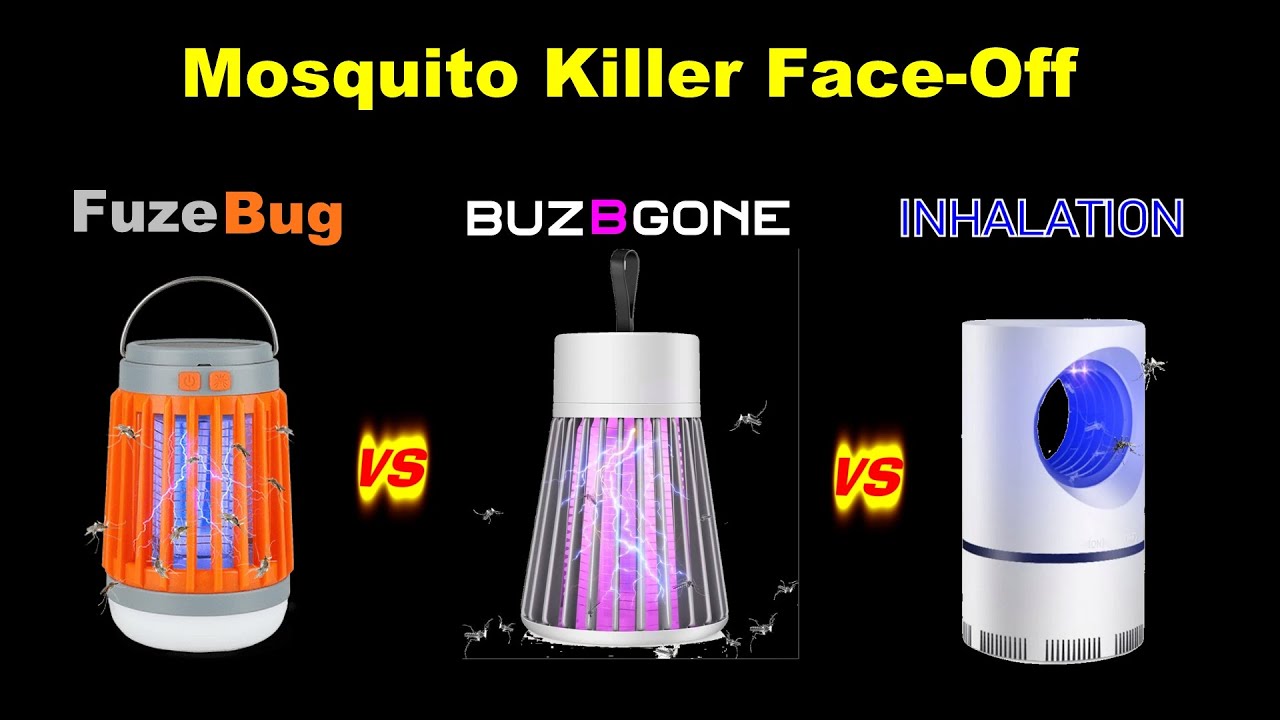
8. Different Types of Mosquito Killer Lamps Explained
Not all mosquito lamps are the same.
Common Categories:
-
UV electric grid zappers
-
UV + fan suction traps
-
Solar-powered UV lamps
-
Hybrid traps with CO₂ simulation
Effectiveness varies dramatically by design.
9. Experiments Comparing Lamp Types
Studies comparing different devices show:
-
UV-only lamps perform worst against mosquitoes
-
Fan-based traps perform slightly better indoors
-
CO₂-enhanced traps outperform all others
The more closely a trap mimics a human, the better it performs.
10. Why CO₂ Matters More Than Light
CO₂ is the primary long-distance attractant for mosquitoes.
In experiments:
-
Adding CO₂ increased mosquito capture rates by 5–10 times
-
Light alone rarely initiated approach behavior
This is why professional mosquito control systems focus on gas-based attraction.
11. What About Indoor Use? A Different Story
Indoor environments change the equation.
In enclosed spaces:
-
Human movement is limited
-
Airflow is restricted
-
Light signals become more relevant
Studies show modest improvements indoors—but still not complete control.
12. Scientific Consensus: What Experts Actually Agree On
Entomologists generally agree:
-
UV lamps are not reliable mosquito control tools
-
They are more effective against flying insects overall
-
Mosquito reduction requires multi-factor strategies
This consensus often conflicts with consumer marketing claims.
13. Why Marketing and Science Diverge
Mosquito lamps persist because:
-
Visual feedback (sparks, insects) feels convincing
-
Consumers equate action with effectiveness
-
Long-term population effects are hard to measure
Marketing thrives on immediate impressions—not controlled outcomes.
14. Do Mosquito Lamps Ever Make Things Worse?
Surprisingly, yes.
Some studies suggest:
-
Lamps attract insects toward human activity areas
-
Increased insect presence may attract predators
-
Ecosystem disruption affects local balance
Improper placement can backfire.
15. Beneficial Insects: The Hidden Cost
Experiments show UV lamps kill:
-
Pollinators
-
Predatory insects
-
Non-biting species
These losses can indirectly increase mosquito populations by removing natural predators.
16. A Closer Look at Experimental Design Pitfalls
Many “proof” videos and tests fail because:
-
No control group is used
-
No baseline mosquito count is measured
-
Short observation windows distort results
Good science requires comparison—not isolated observation.
17. Case Study: Backyard Experiment Breakdown
A typical flawed experiment:
-
Lamp placed near seating area
-
Dead insects counted
-
Fewer bites assumed
A proper experiment would require:
-
Pre- and post-treatment mosquito counts
-
Multiple nights
-
Control zones without lamps
Most consumer tests fail this standard.
18. When Mosquito Lamps Can Be Part of the Solution
Despite limitations, mosquito lamps can still help when:
-
Used indoors
-
Combined with repellents
-
Positioned away from people
-
Integrated into a broader strategy
They are supplements, not solutions.
19. The Role of Environment in Effectiveness
Lamp performance depends heavily on:
-
Mosquito species
-
Climate
-
Vegetation
-
Human activity
No single device works universally.
20. Scientific Alternatives That Actually Reduce Mosquitoes
Research-backed methods include:
-
Eliminating standing water
-
Using larvicides in breeding areas
-
CO₂-baited traps
-
Physical barriers like screens
These methods show measurable population reduction.
21. Why “Instant Kill” Is the Wrong Metric
Effective mosquito control focuses on:
-
Population suppression
-
Bite reduction over time
-
Breeding disruption
Killing visible insects is emotionally satisfying—but scientifically weak.
22. Consumer Expectations vs. Biological Reality
Mosquito lamps promise:
-
Immediate relief
-
Silent operation
-
Effortless control
Biology delivers:
-
Gradual change
-
Conditional effectiveness
-
Ongoing management
Mismatch breeds disappointment.
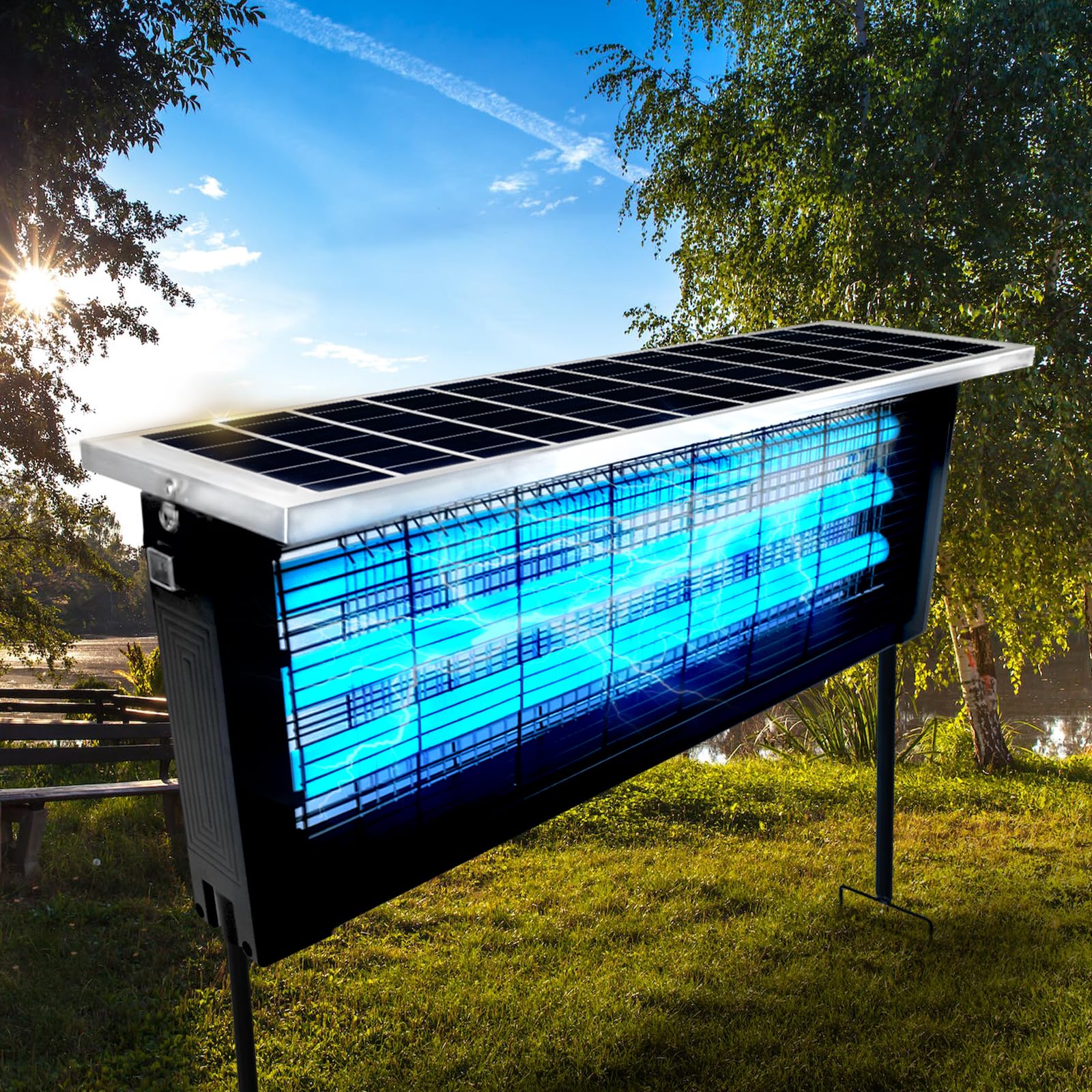
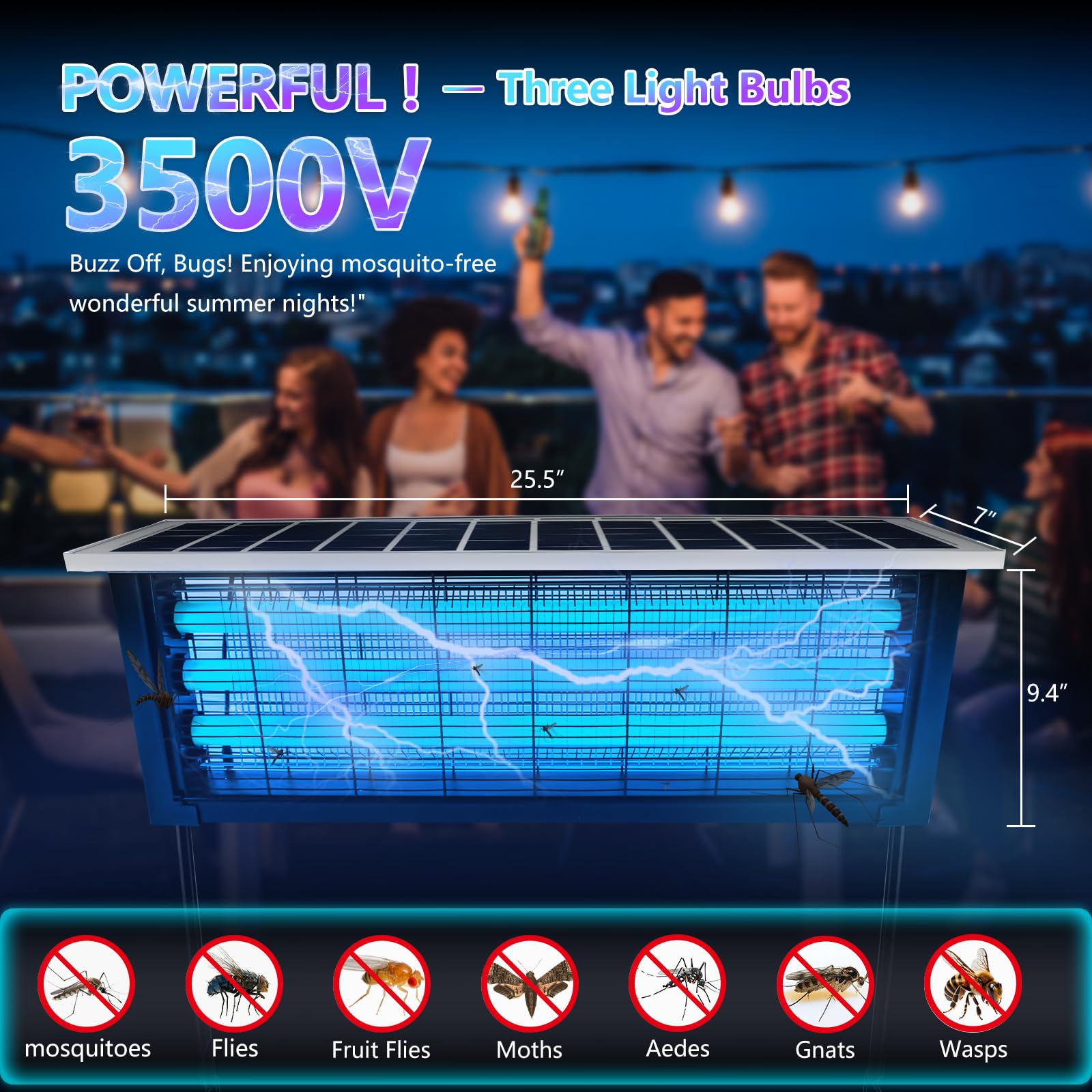
23. What Solar Mosquito Lamps Change—and Don’t
Solar-powered lamps improve:
-
Energy efficiency
-
Convenience
-
Sustainability
They do not fundamentally change attraction biology.
24. Reading Between the Lines of Product Claims
Be cautious of claims such as:
-
“Kills 99% of mosquitoes”
-
“Scientifically proven” (without references)
-
“Chemical-free mosquito control”
Science rarely supports absolutes.
25. How to Use Mosquito Lamps More Responsibly
If you choose to use one:
-
Place it away from people
-
Combine with repellents
-
Avoid pollinator-heavy areas
-
Use selectively, not continuously
Responsible use minimizes harm.
26. What Scientists Want Consumers to Understand
Experts emphasize:
-
No single device solves mosquitoes
-
Behavior-based solutions matter
-
Education reduces frustration
Knowledge is the best defense.
27. The Psychological Comfort Factor
Even limited effectiveness can:
-
Improve perceived comfort
-
Encourage outdoor use
-
Reduce anxiety
These benefits are real—but subjective.
28. Future Technology: What Might Actually Work Better
Emerging research focuses on:
-
Synthetic human odor blends
-
Smart CO₂ regulation
-
AI-controlled traps
-
Targeted species attraction
Future solutions may finally match biology.
29. Final Verdict: Do Mosquito Killer Lamps Really Work?
Scientifically speaking:
-
They kill insects
-
They kill some mosquitoes
-
They do not significantly reduce mosquito populations
They work—but not in the way most people expect.
30. Conclusion: Science Over Sparks
Mosquito killer lamps are not scams—but they are often misunderstood. Science shows that mosquitoes are far more interested in you than in light. Without addressing that reality, no lamp alone can deliver mosquito-free living.
The real answer is not blind trust or total rejection—but informed use.
When consumers understand what mosquito lamps can and cannot do, they stop chasing miracles and start building strategies that actually work.
And in the fight against mosquitoes, knowledge is the most powerful repellent of all.