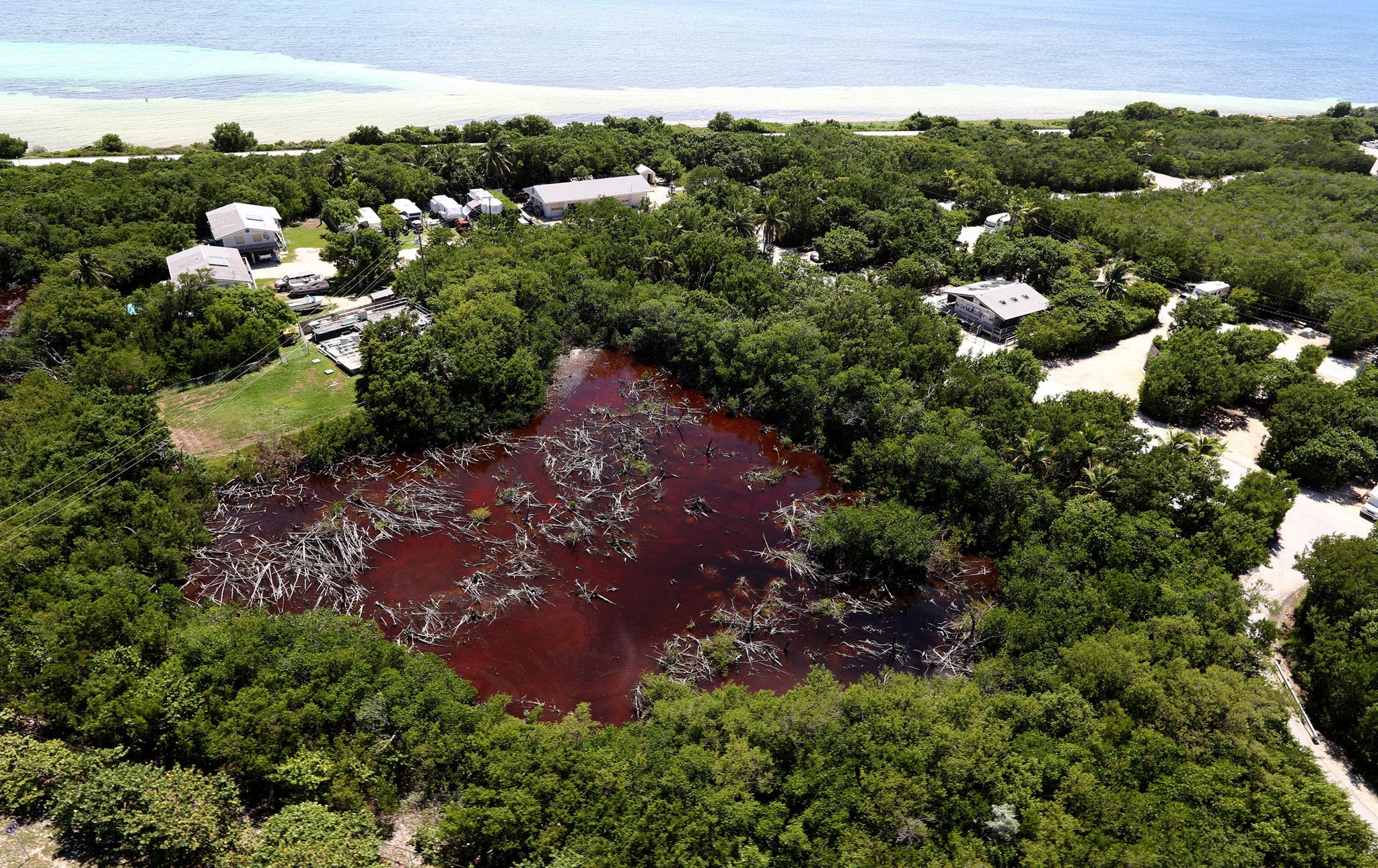
Mosquito season in America isn’t one-size-fits-all. What works in the humid wetlands of Florida may fail miserably in the dry, scorching summers of Texas. The climate, landscape, rainfall patterns, and even local mosquito species vary dramatically from state to state—and your mosquito control strategy should reflect that.
If you’ve ever wondered why citronella candles barely make a dent in one location but seem somewhat helpful in another, the answer lies in regional ecology. Mosquito pressure in the swamps of Louisiana isn’t the same as it is in suburban Arizona. A smart homeowner adjusts tactics based on geography.
In this in-depth guide, we’ll explore how to choose the right mosquito prevention strategy depending on where you live—from the Southeast’s humidity to the Midwest’s seasonal bursts and the West Coast’s microclimates. By the end, you’ll know exactly how to build a layered, location-specific defense plan that keeps your backyard livable all summer long.
Why Mosquito Control Must Be State-Specific
Mosquitoes thrive under certain conditions:
-
Warm temperatures
-
Standing water
-
High humidity
-
Dense vegetation
-
Human population density
But the balance of those factors varies widely across the United States.
For example:
-
Florida has year-round mosquito activity in some regions.
-
Texas battles heat-tolerant mosquito species during long summers.
-
Northern states deal with intense but shorter mosquito seasons.
-
Desert states experience outbreaks after monsoon rains.
Understanding your state’s mosquito profile is the foundation of effective control.
Southeast: High Humidity, Heavy Rain, Relentless Pressure
States covered: Florida, Louisiana, Georgia, Alabama, Mississippi, South Carolina
The Environment
The Southeast is mosquito heaven. Warm temperatures, frequent rain, wetlands, and dense greenery create ideal breeding conditions. In parts of Florida, mosquito season never truly ends.
Key challenges:
-
Year-round or extended mosquito season
-
High humidity boosts survival rates
-
Swamps, marshes, and retention ponds
-
Rapid breeding cycles
Best Mosquito Control Strategy
1. Eliminate Standing Water Weekly
In high-humidity states, water accumulates quickly. Check:
-
Gutters
-
Pool covers
-
Flower pot saucers
-
Drainage ditches
-
Low lawn spots
Even a few ounces of water can host hundreds of larvae.
2. Invest in CO₂ Mosquito Traps
In heavily infested regions like Florida and Louisiana, passive methods aren’t enough. CO₂ traps mimic human breath and lure mosquitoes away from living spaces.
Place traps:
-
25–40 feet from patios
-
Near tree lines or shaded areas
-
Upwind from gathering spaces
Turn them on early in the season for population suppression.
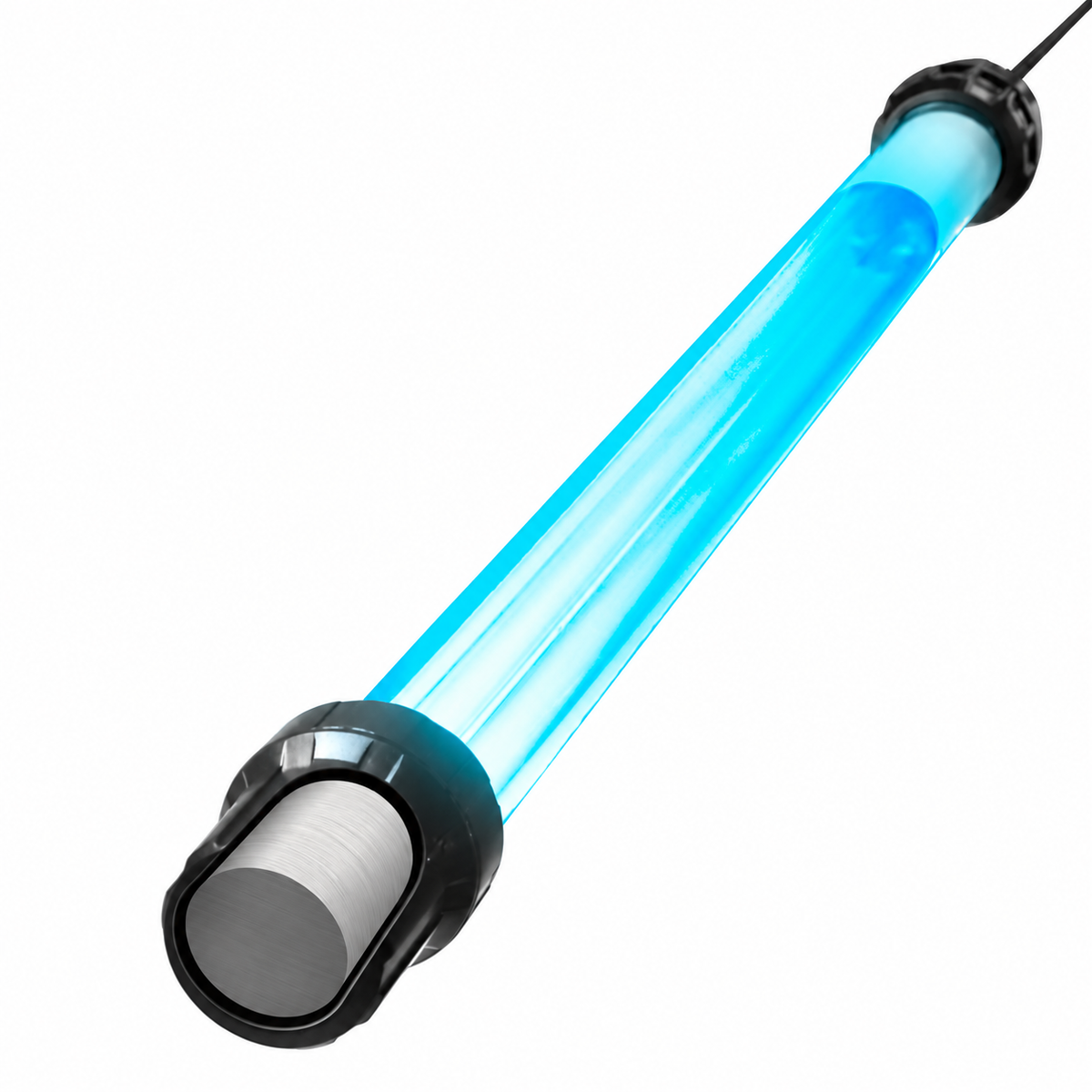
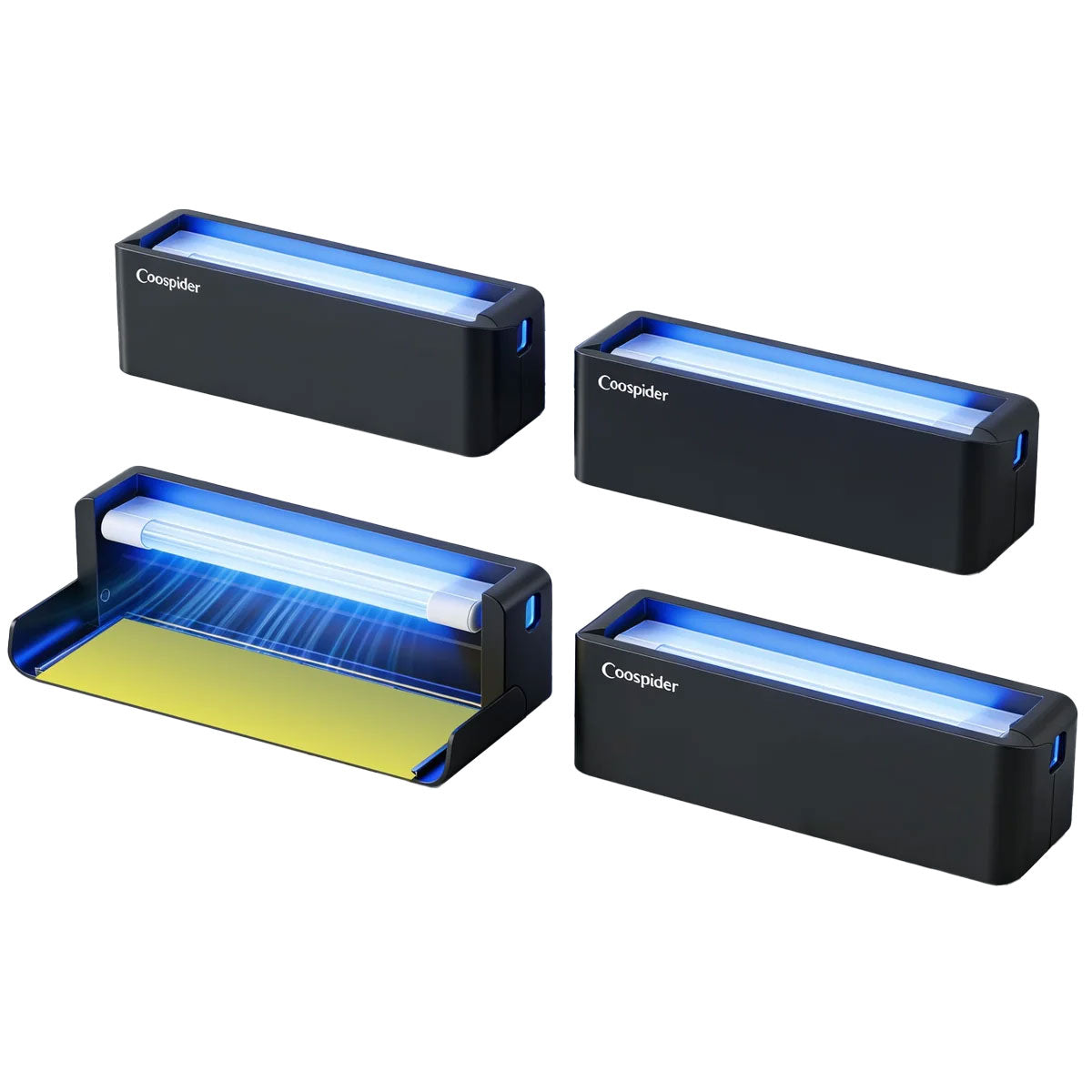
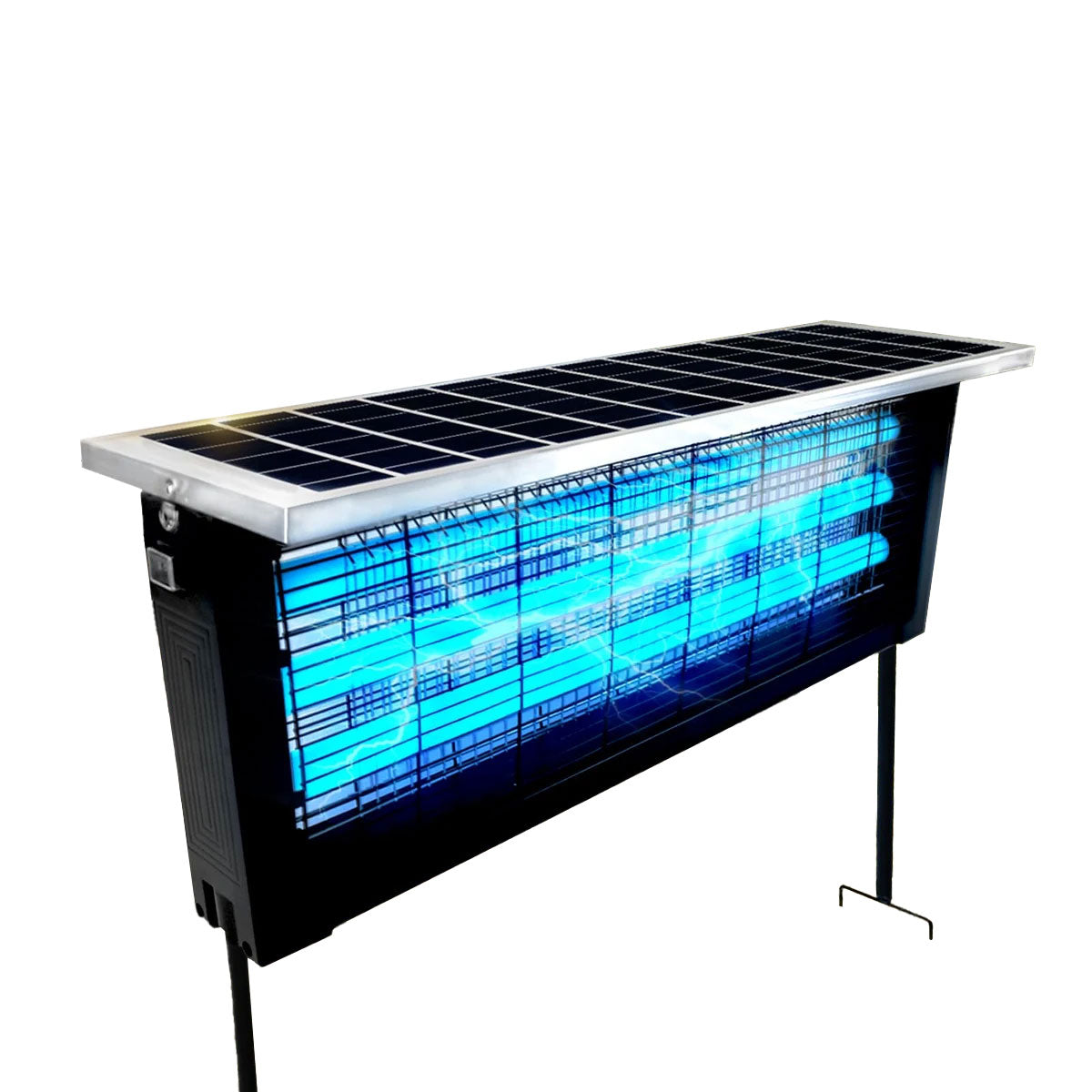
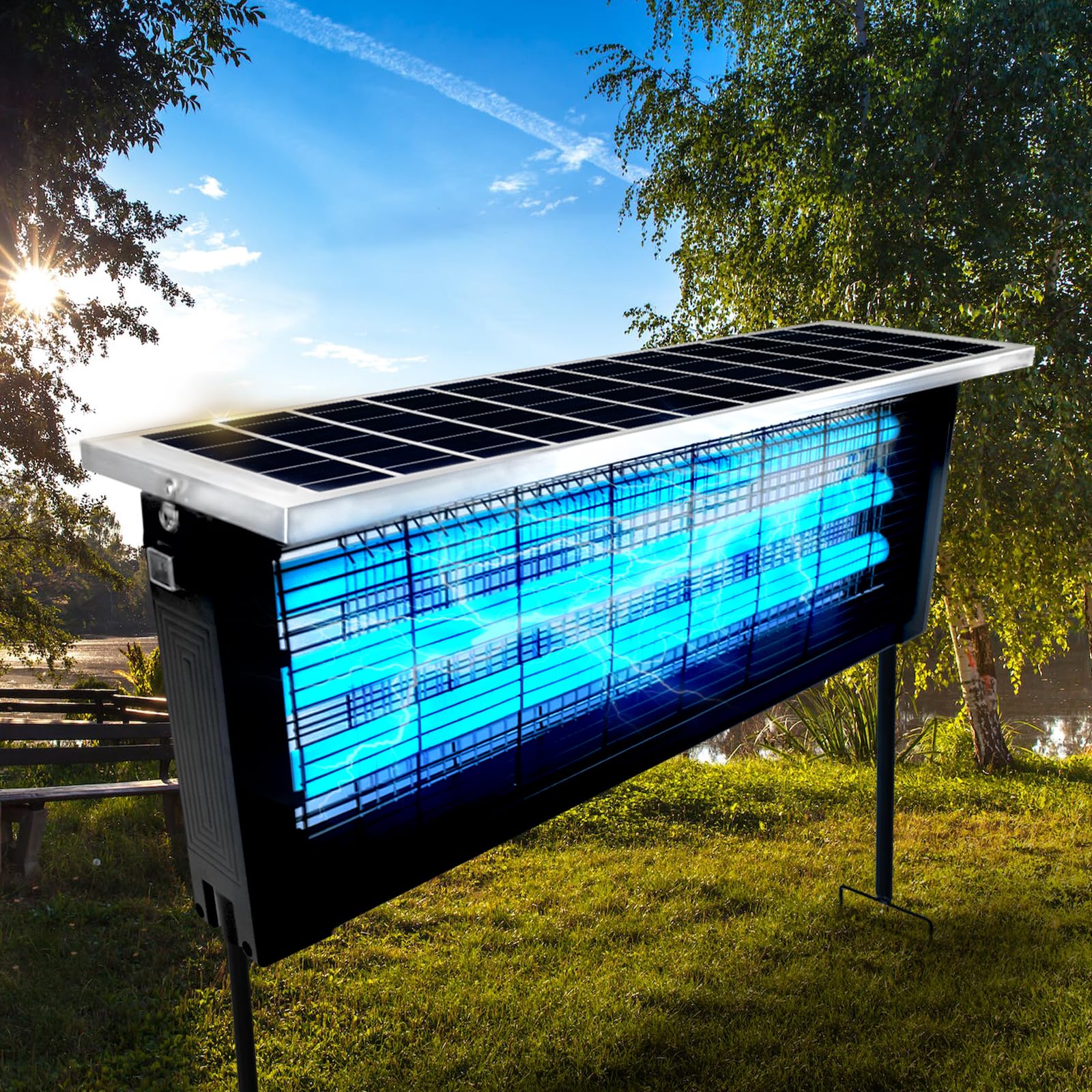
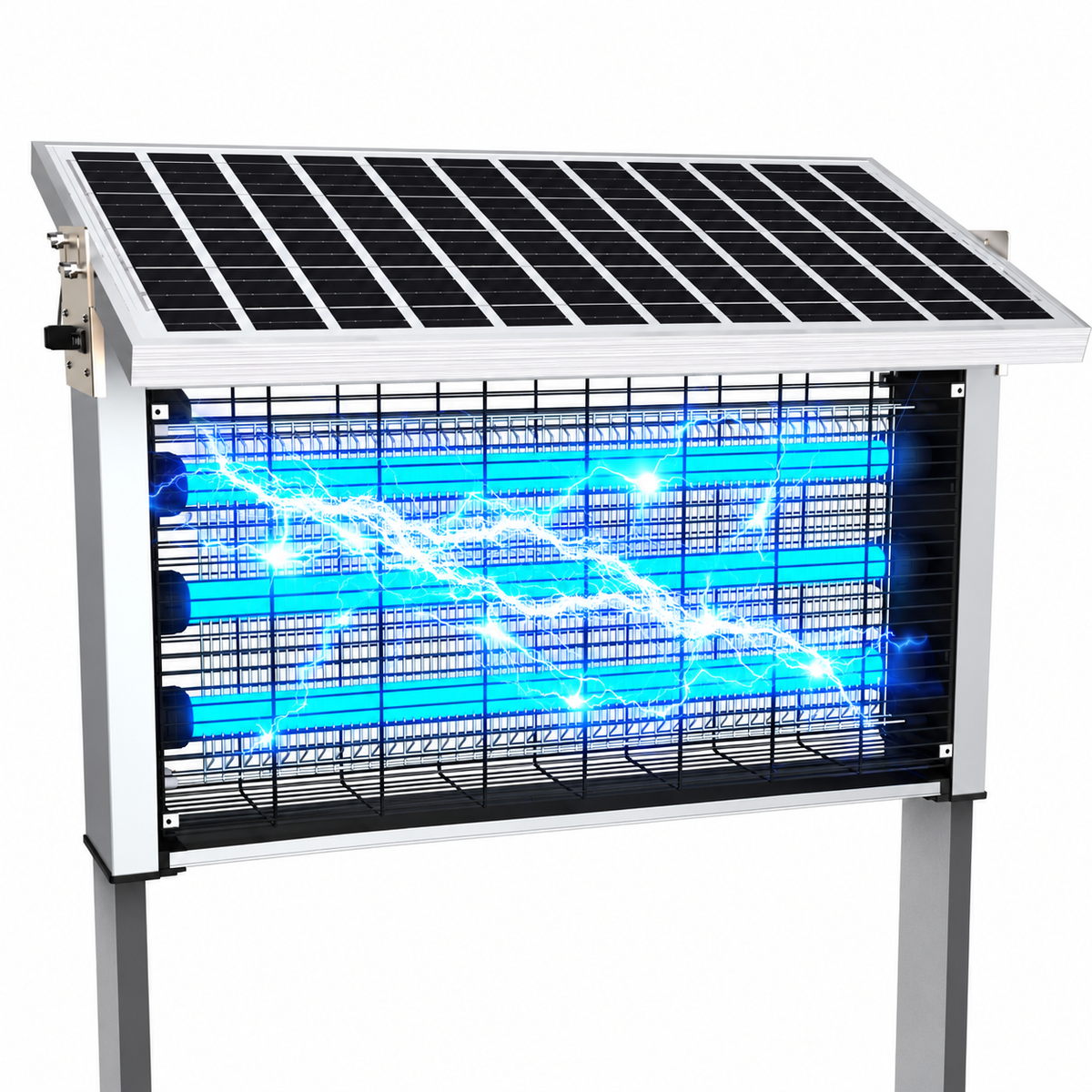
3. Use Perimeter UV Mosquito Lamps
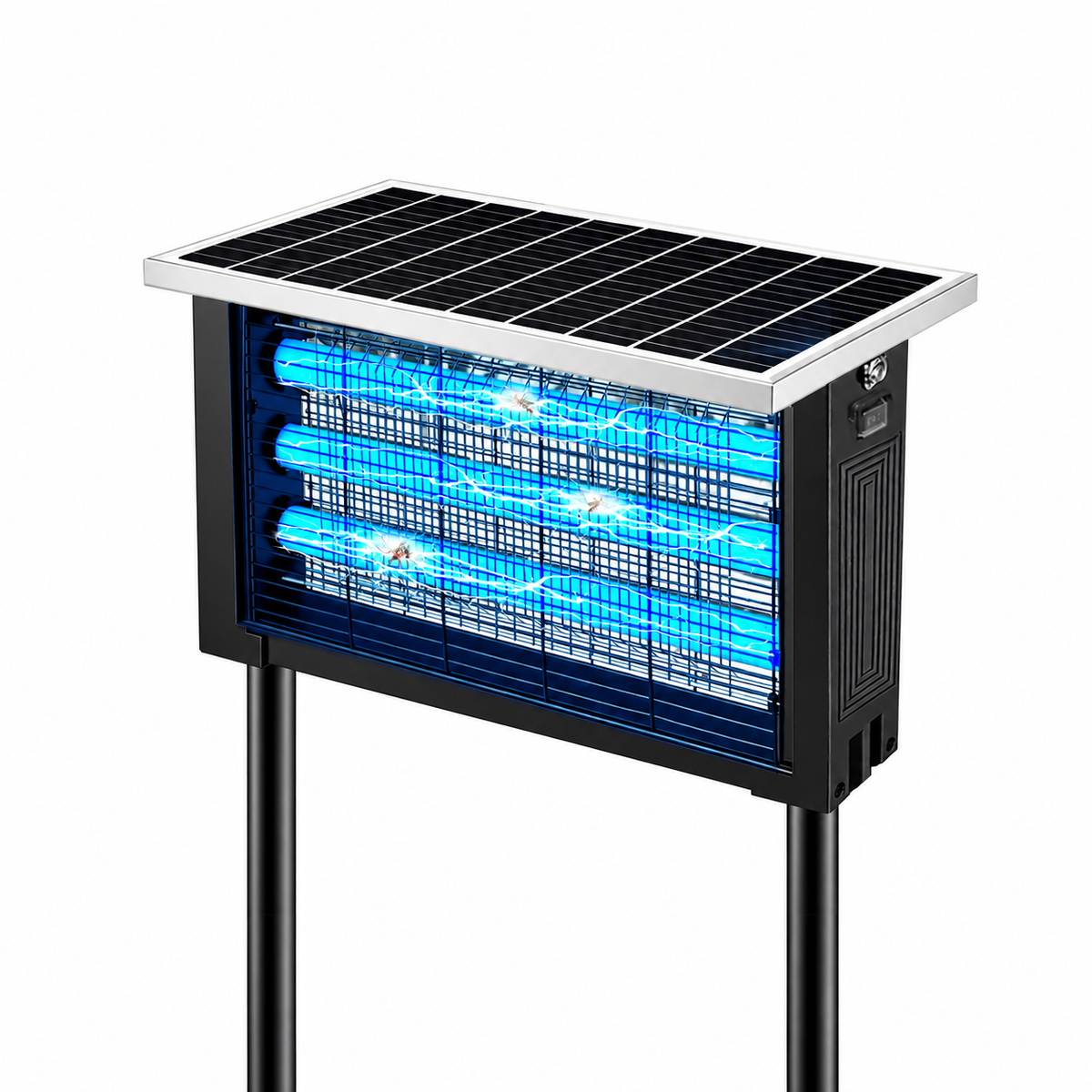
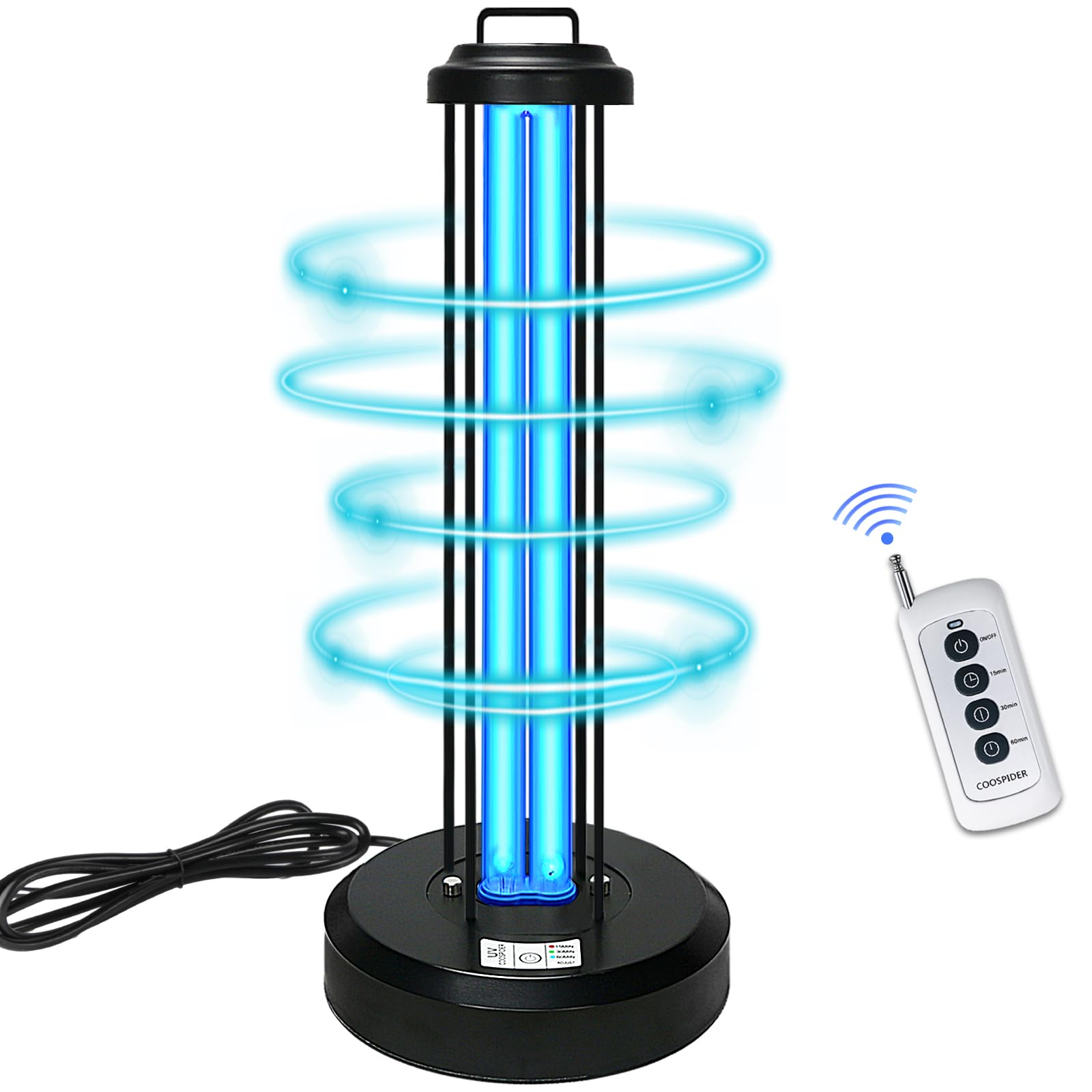
In high-pressure states, a single device won’t cut it. Install multiple UV mosquito lamps along fence lines to intercept insects before they reach your seating area.
4. Schedule Professional Barrier Treatments
In areas with extreme mosquito density, periodic yard treatments can dramatically reduce populations when combined with DIY prevention.
Gulf Coast & East Texas: Heat Meets Humidity
States covered: Texas (eastern regions), coastal areas
Texas deserves special attention because its mosquito challenges vary by region. East Texas resembles Louisiana in humidity, while West Texas is far drier.
The Environment in East Texas
-
Long, hot summers
-
High humidity
-
Sudden heavy rainfall
-
Dense suburban landscaping
Best Strategy for Texas Heat
1. Combine Fans with Repellent Systems
Mosquitoes are weak fliers. In hot Texas summers, large outdoor fans serve double duty—cooling guests and disrupting mosquito flight.
Position fans:
-
Around dining tables
-
Near grill areas
-
Along patio edges
2. Choose Heat-Resistant Mosquito Control Devices
Extreme heat can reduce the effectiveness of certain traps. Look for systems rated for high-temperature operation.
3. Focus on Irrigation Control
Overwatering lawns creates hidden breeding grounds. Adjust sprinkler timing and ensure proper drainage.
4. Time Your Outdoor Events Strategically
In Texas, mosquito activity spikes at dusk. Consider earlier evening gatherings or activate control devices 1–2 hours before sunset.
Midwest: Seasonal Swarms and Rain Bursts
States covered: Illinois, Ohio, Michigan, Wisconsin, Minnesota
Midwestern mosquito seasons are intense but shorter. Spring rains create massive breeding surges that peak in late spring and early summer.
The Environment
-
Snowmelt and spring rainfall
-
Lakes and ponds
-
Warm but not tropical summers
-
Suburban backyards with moderate vegetation
Best Mosquito Control Plan
1. Early-Season Prevention Is Critical
Start prevention as soon as temperatures rise consistently above 50°F.
Remove standing water in early spring before mosquito populations explode.
2. Deploy UV Lamps Before Peak Season
Installing mosquito lamps in late spring can reduce adult populations before summer gatherings begin.
3. Maintain Lawn Height
Keep grass trimmed short. Mosquitoes rest in tall, damp grass during the day.
4. Use Screened Structures for Evening Events
Because Midwestern evenings can be humid after rain, screened gazebos or patio enclosures offer strong protection.
Northeast: Short but Aggressive Mosquito Season
States covered: New York, Massachusetts, Pennsylvania, New Jersey
Mosquito season in the Northeast may be shorter than in Florida, but it can be intense—especially near wooded areas or coastal zones.
The Environment
-
Wet springs
-
Humid summers
-
Forested neighborhoods
-
Coastal marshes
Best Prevention Strategy
1. Focus on Yard Drainage
Poor drainage after spring rains fuels mosquito breeding. Improve soil grading if necessary.
2. Install Perimeter Defense
Use UV mosquito lamps and traps around property edges rather than directly near seating areas.
3. Choose Light-Colored Outdoor Décor
Dark patio furniture can attract mosquitoes seeking heat contrast.
4. Encourage Airflow
Open backyard layouts with fans help counter still, humid air.
Southwest: Desert States and Monsoon Surges
States covered: Arizona, New Mexico, Nevada
Many people assume desert states have minimal mosquito problems—but monsoon season changes everything.
The Environment
-
Dry climate most of the year
-
Sudden summer monsoon rains
-
Irrigated lawns in suburban neighborhoods
-
Water-saving landscaping
Best Mosquito Control Approach
1. Monitor After Rainfall
Mosquito outbreaks often occur 5–7 days after heavy rain. Increase prevention during that window.
2. Inspect Irrigation Systems
Leaky drip lines and overwatered desert plants create unexpected breeding pools.
3. Use Targeted Traps
Mosquito populations may not be constant, but outbreaks can be sharp. Portable mosquito traps are effective during surge periods.
4. Clear Roof Drains and Flat Surfaces
Flat roofs common in desert homes can collect rainwater.
West Coast: Microclimates Matter
States covered: California, Oregon, Washington
The West Coast has varied mosquito challenges depending on proximity to water, elevation, and urban density.
Coastal Areas
Cooler temperatures limit mosquito activity somewhat, but wetlands and bays still present issues.
Inland Valleys
Warmer temperatures and irrigation-heavy agriculture increase mosquito pressure.
Best Strategy
-
Adjust prevention based on local humidity
-
Use mosquito dunks in decorative ponds
-
Combine fans and traps
-
Maintain landscaping carefully
In agricultural regions, standing water in nearby fields can increase pressure, so perimeter defense becomes more important.
Mountain States: Elevation Changes Everything
States covered: Colorado, Utah, Idaho
Higher elevations generally reduce mosquito density, but lakes and snowmelt can create temporary surges.
Best Approach
-
Focus on early summer prevention
-
Monitor snowmelt pools
-
Use portable mosquito control systems for cabins or vacation homes
-
Keep woodpiles dry and elevated
Urban vs. Rural Considerations
Regardless of state, your setting matters.
Urban Areas
-
Storm drains
-
Construction sites
-
Neighboring properties
-
Rooftop water pooling
Urban dwellers benefit from balcony mosquito traps and compact UV devices.
Rural Areas
-
Ponds and livestock water
-
Dense vegetation
-
Natural wetlands
Rural properties often require larger-scale perimeter traps and possibly professional treatments.
Building a Layered Mosquito Control Plan Anywhere in the U.S.
No matter where you live, the most effective mosquito prevention strategy includes:
-
Source reduction – Remove standing water.
-
Perimeter trapping – Intercept mosquitoes before they reach you.
-
Airflow creation – Use fans to disrupt flight.
-
Targeted lighting – Avoid bright white lights that attract insects.
-
Personal protection options – Offer repellents for guests.
-
Consistent monitoring – Adjust tactics based on rainfall and temperature.
Common Mistakes Homeowners Make
-
Using only citronella candles in high-pressure states
-
Turning on traps only during gatherings
-
Ignoring irrigation leaks
-
Placing mosquito devices too close to seating areas
-
Waiting until peak season to start prevention
Early preparation always outperforms reactive control.
Final Thoughts: Match Your Strategy to Your State
From the humid wetlands of Florida to the scorching summers of Texas, mosquito control demands regional awareness. A backyard solution that works beautifully in Arizona may fail in Louisiana.
Instead of relying on outdated or one-size-fits-all methods, build a customized mosquito defense plan based on:
-
Your state’s climate
-
Local rainfall patterns
-
Landscaping style
-
Property size
-
Seasonal timing
When you tailor your approach to your environment, you dramatically increase effectiveness—and reclaim your backyard.
This summer, don’t just fight mosquitoes. Outsmart them based on where you live.
Because whether you’re grilling in Florida’s humidity or relaxing under Texas stars, your outdoor space should belong to you—not the mosquitoes.