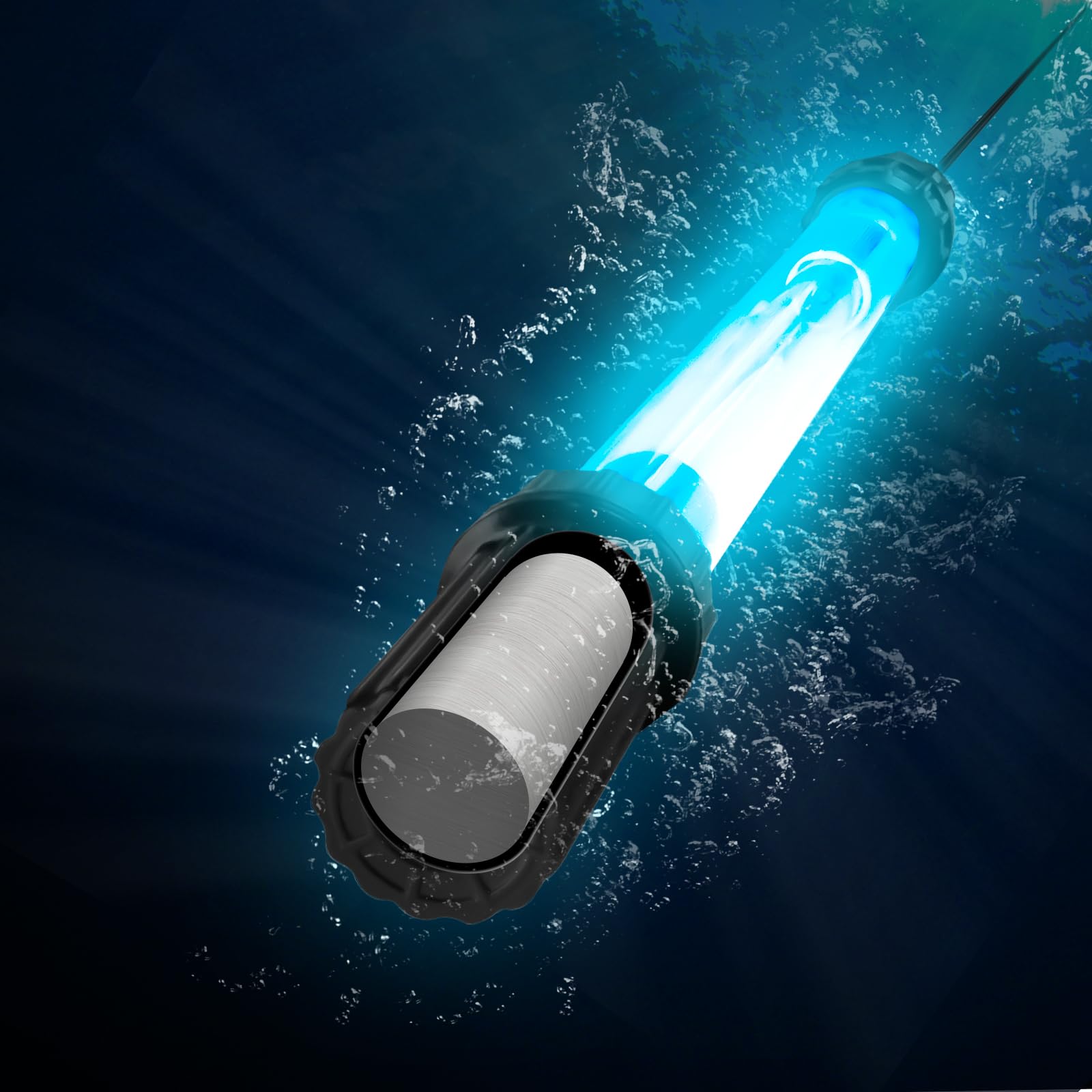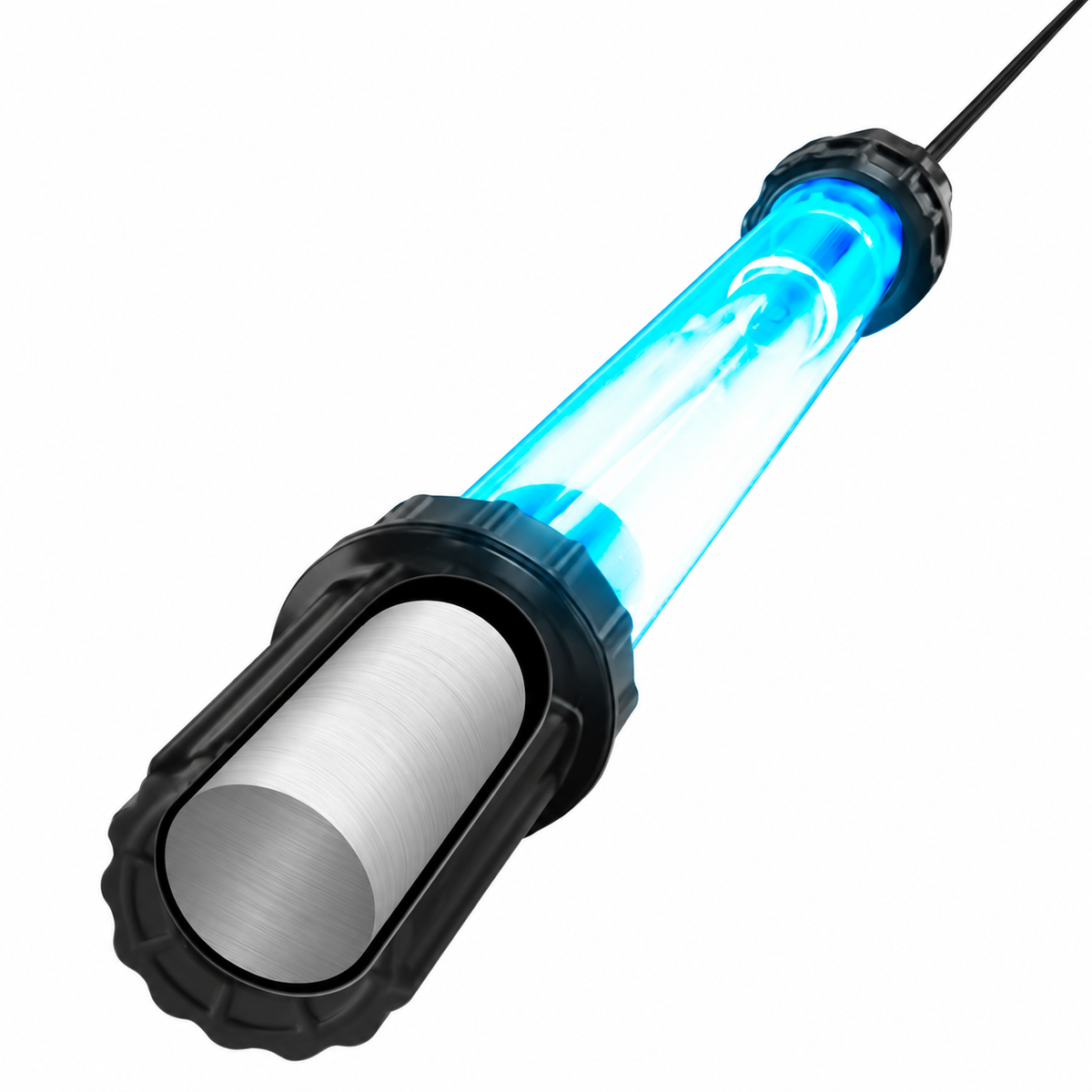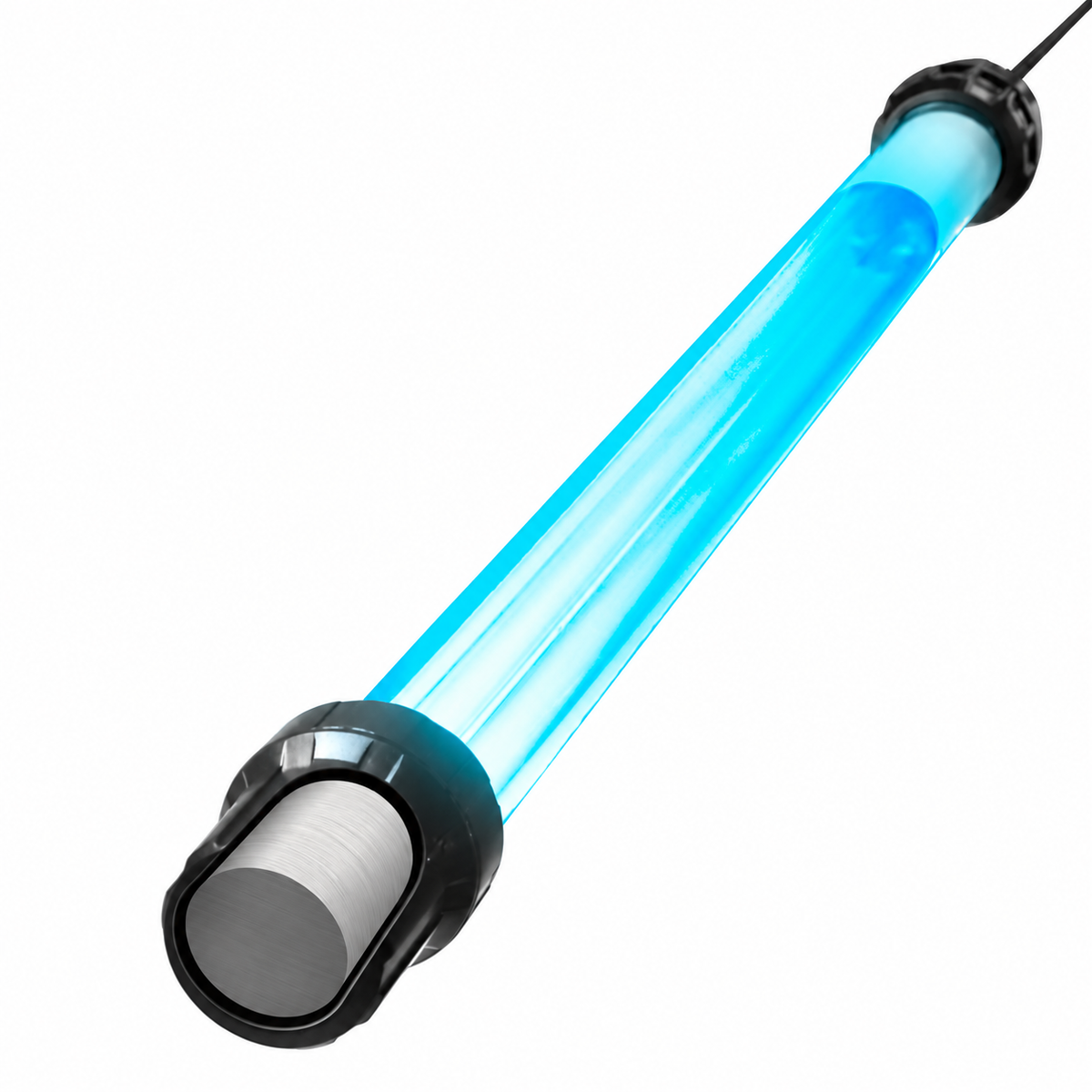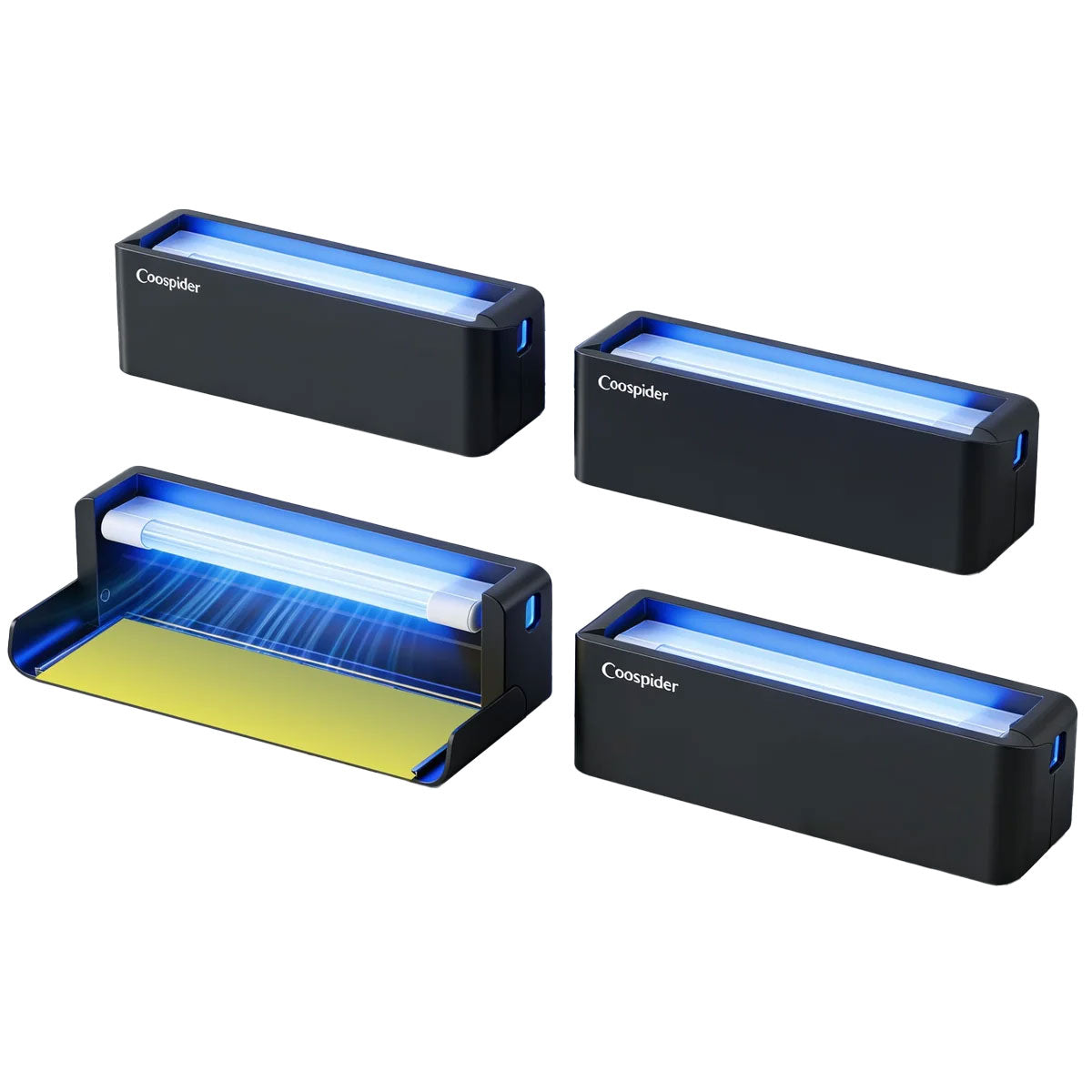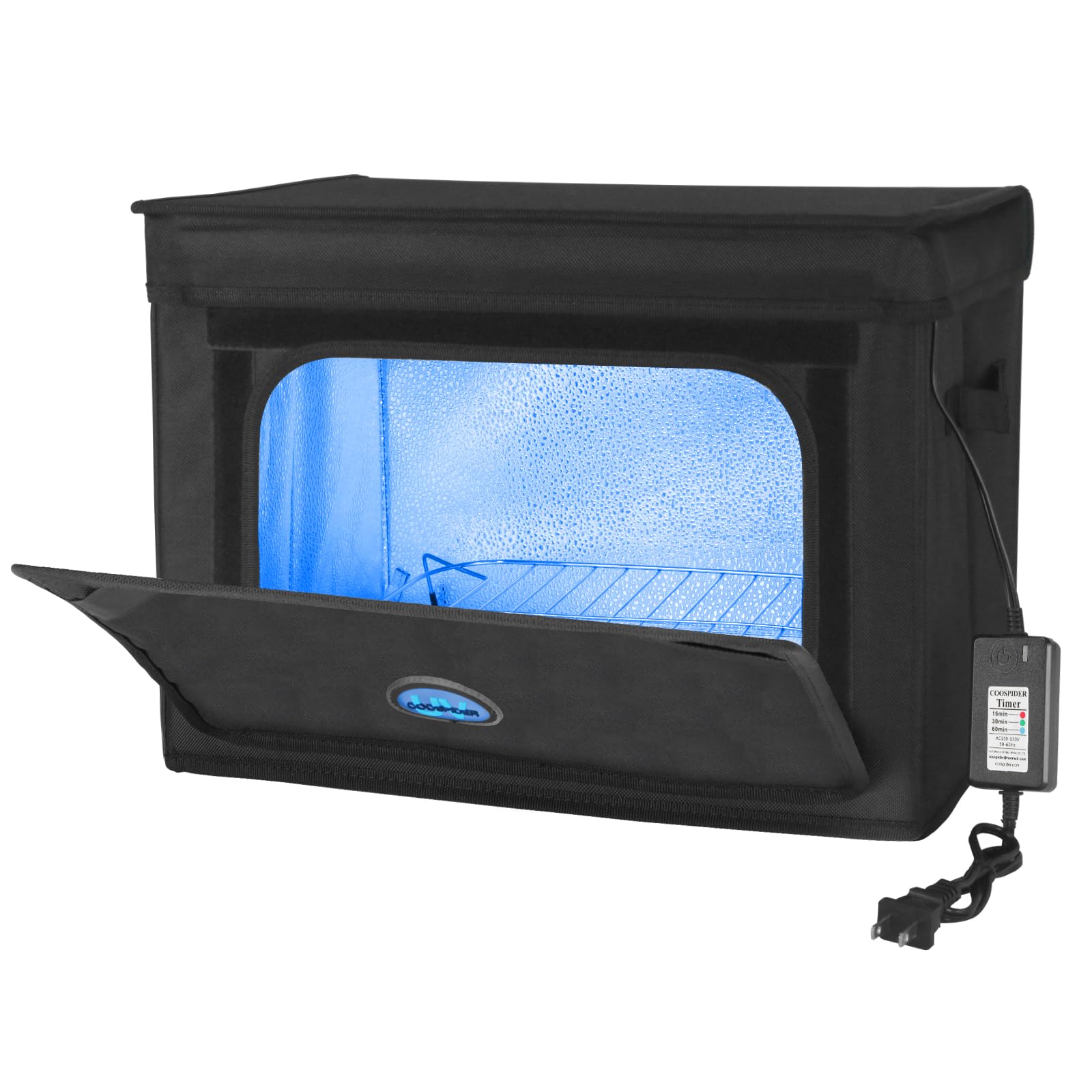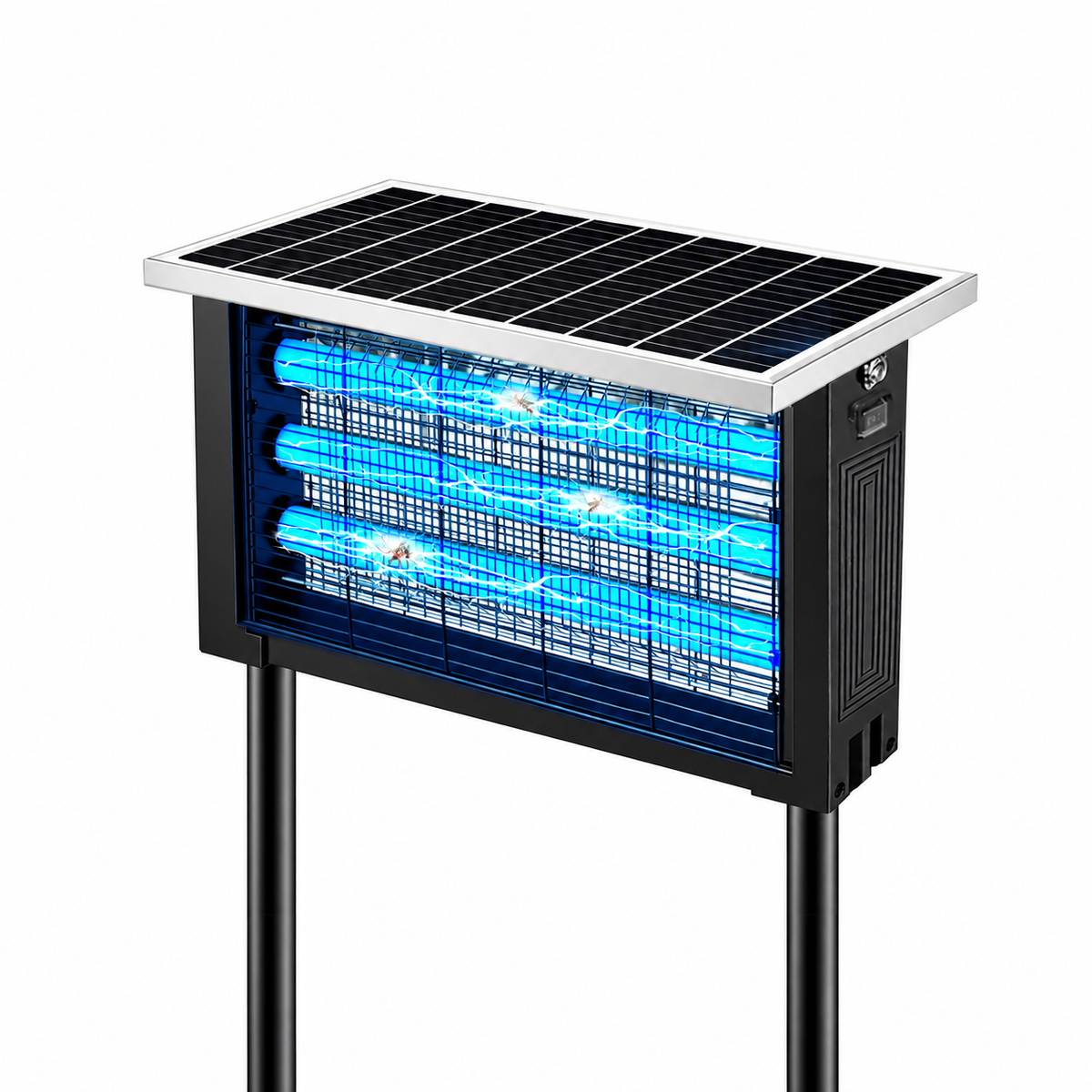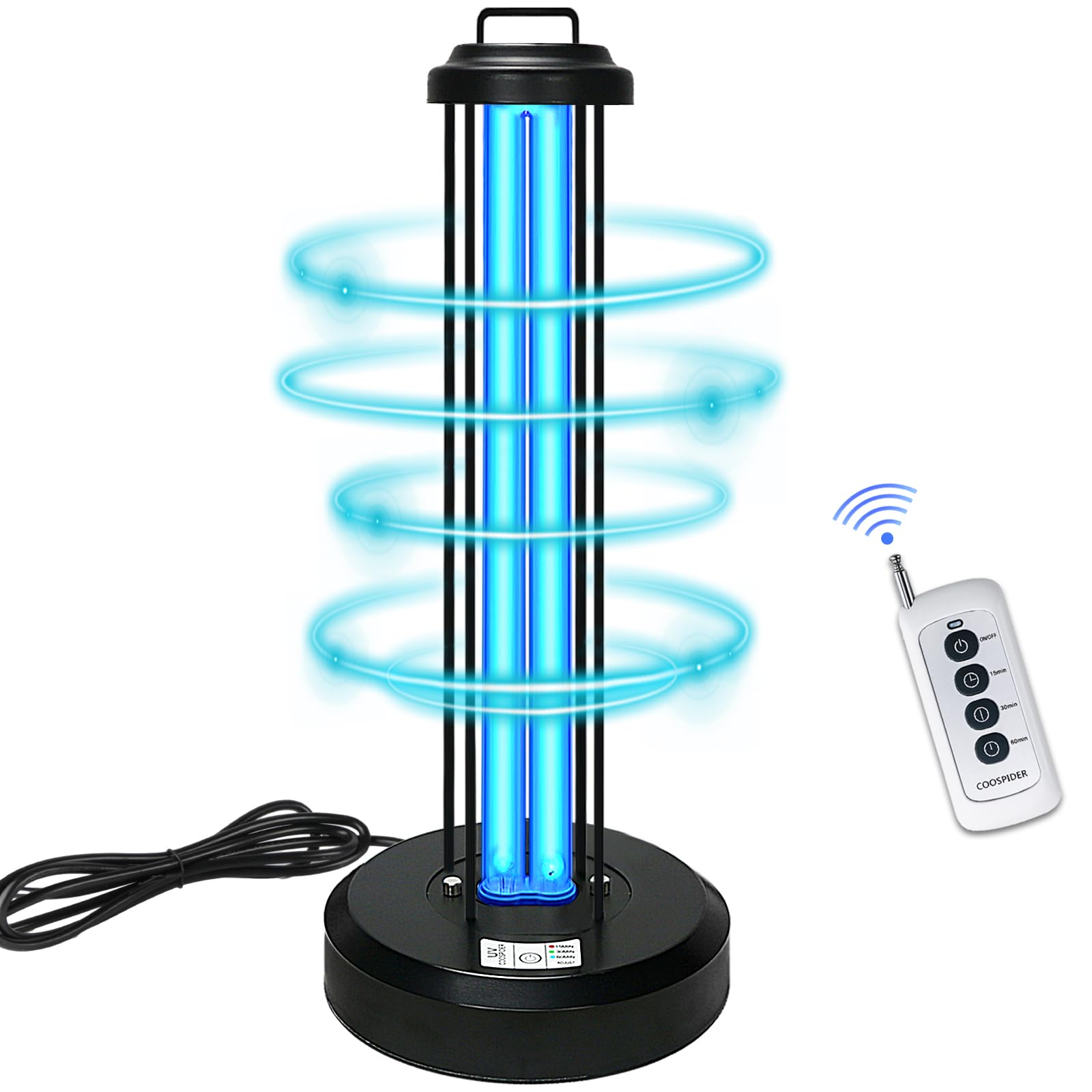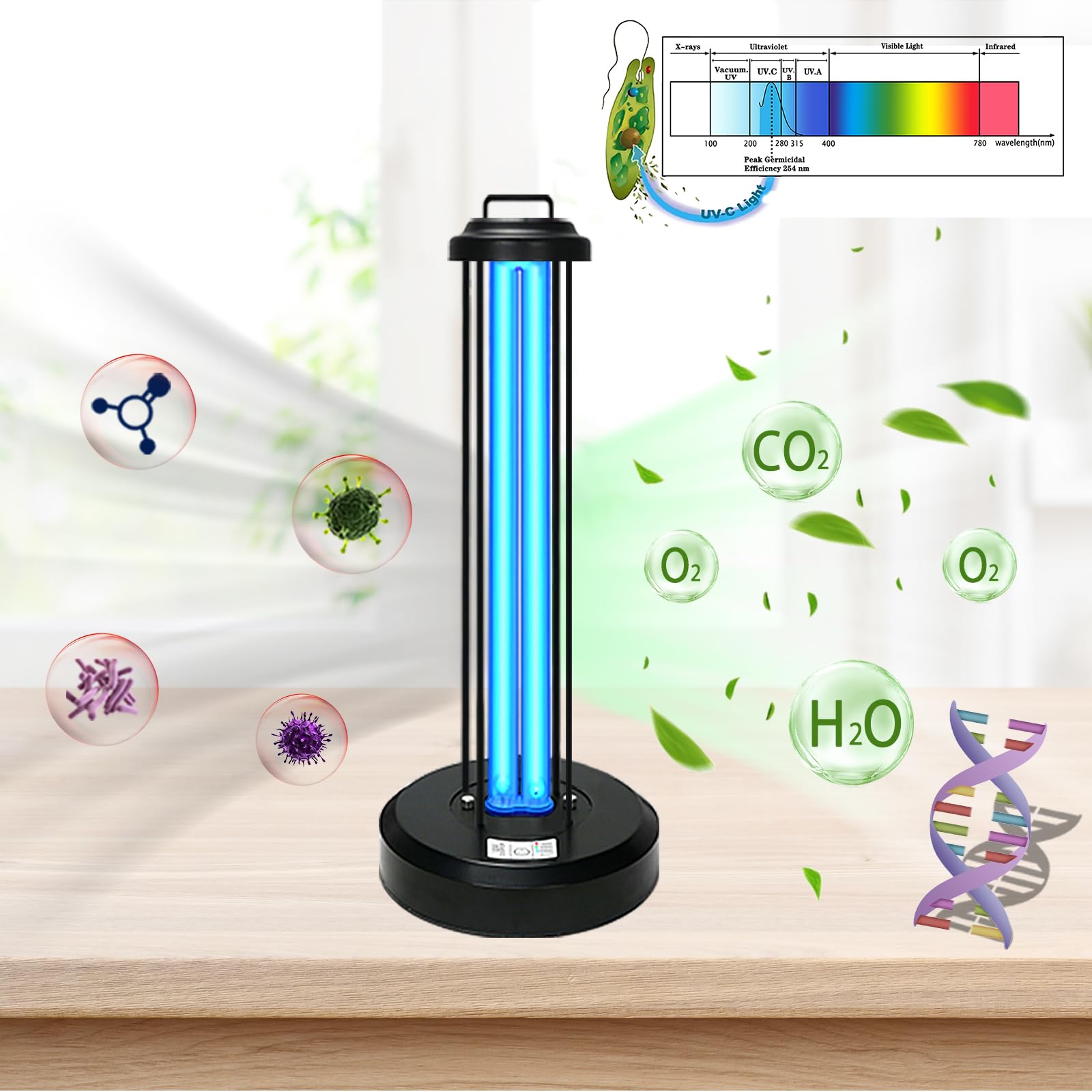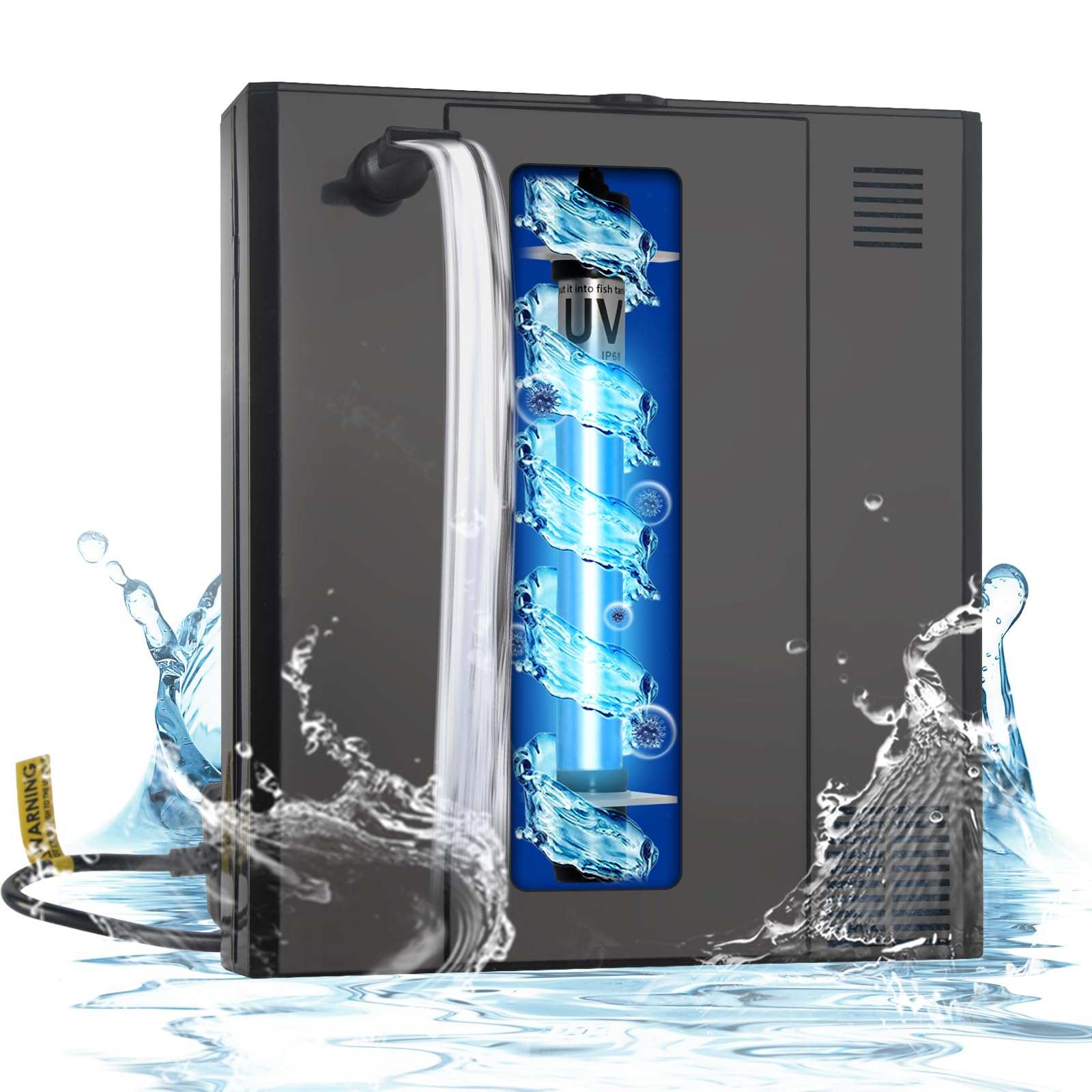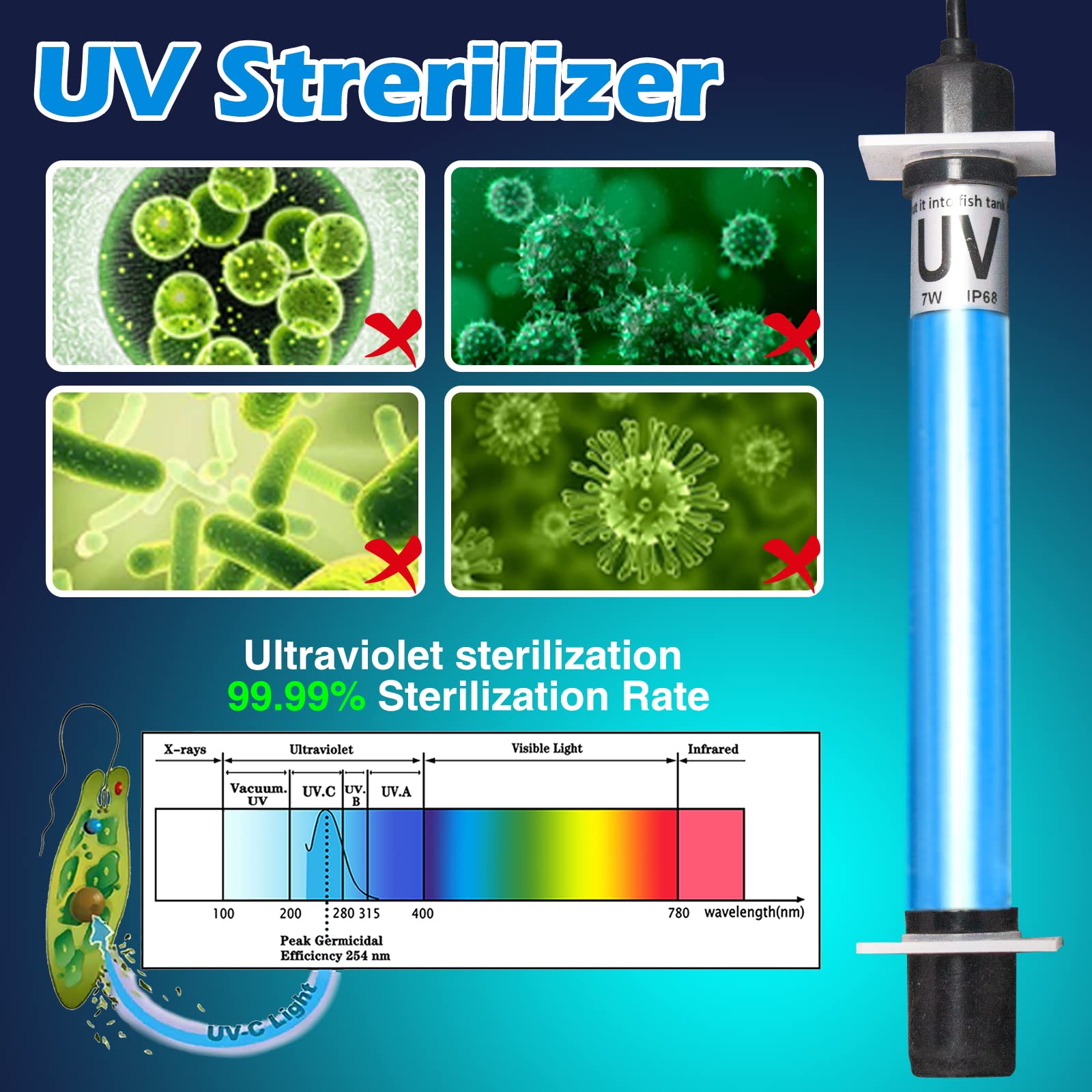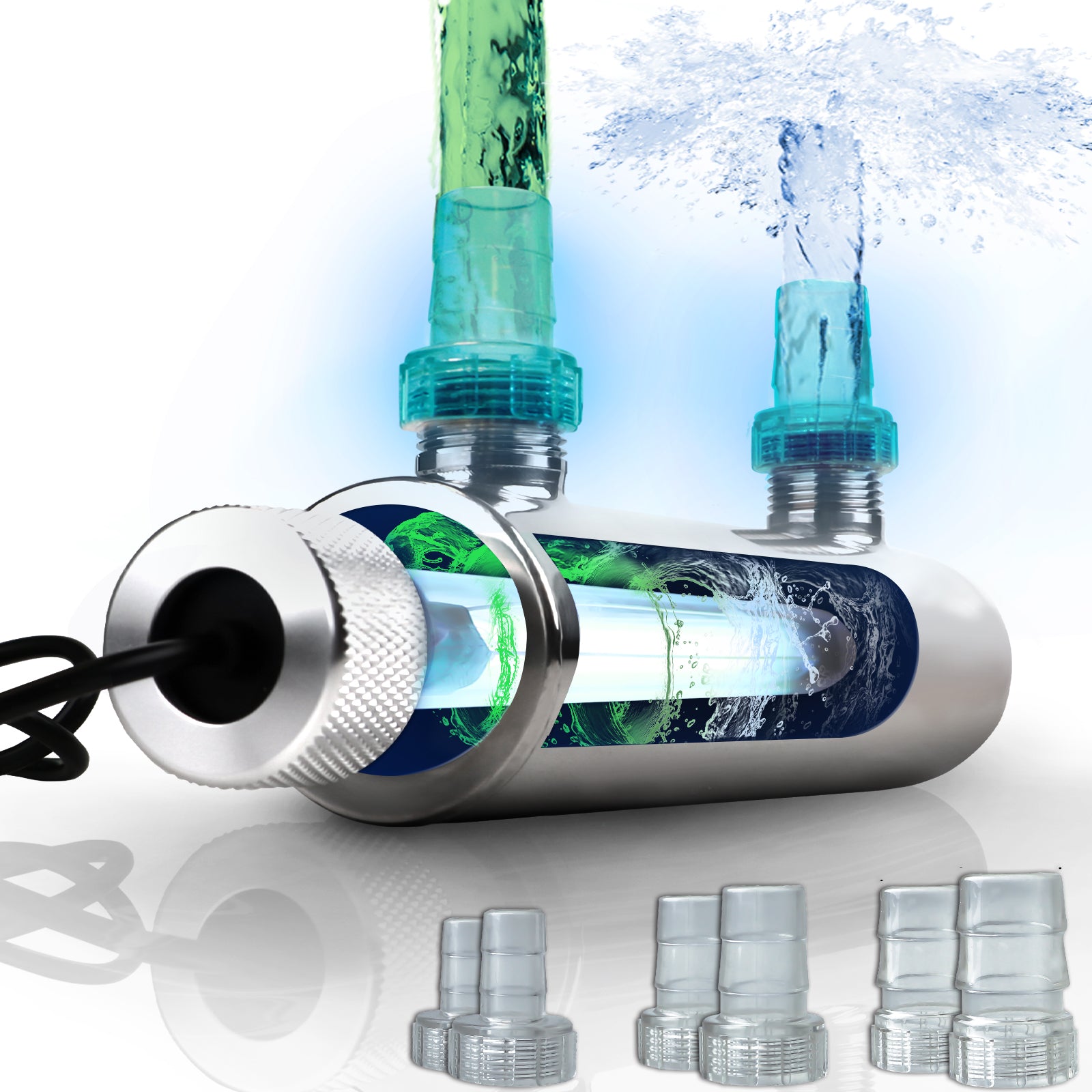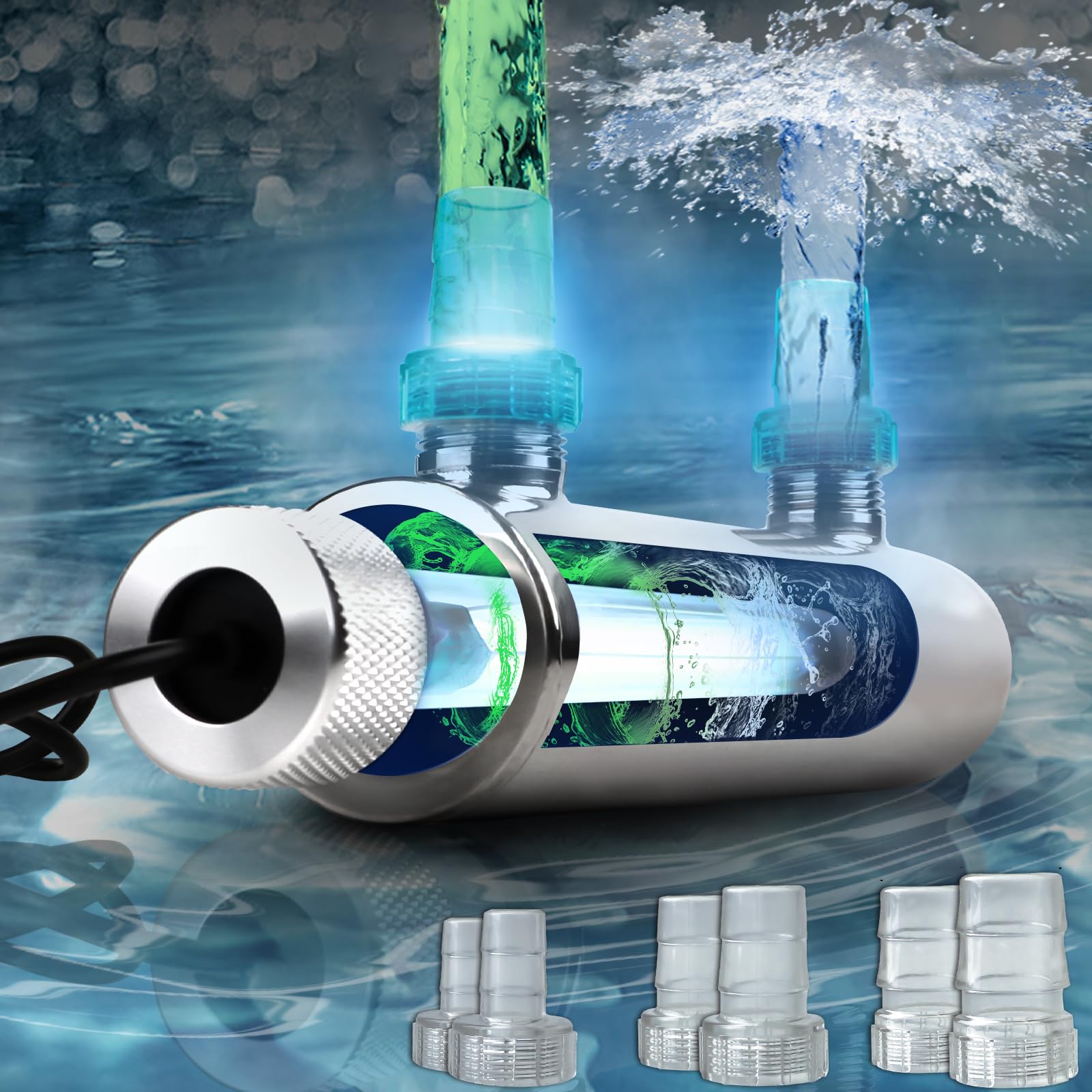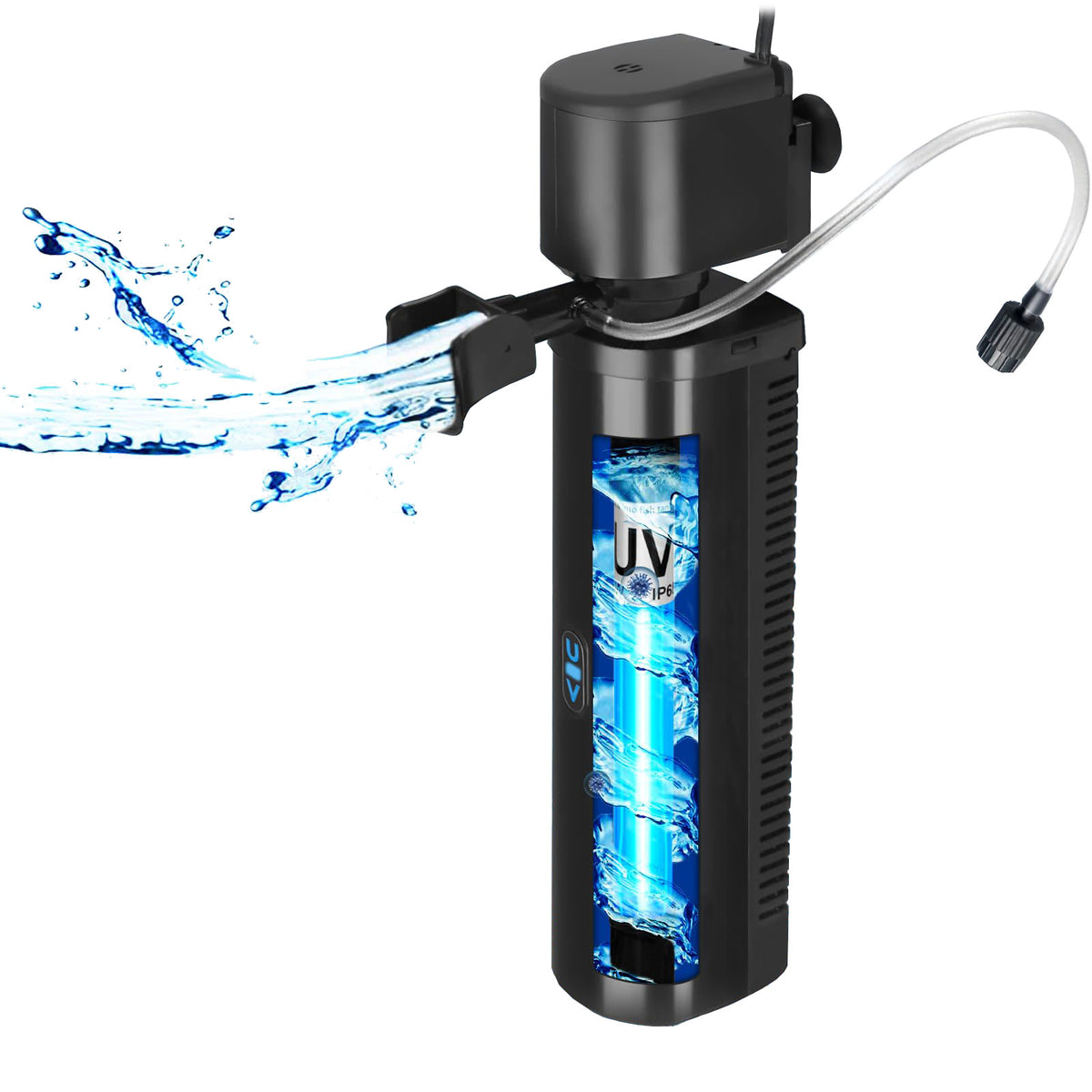
Ultraviolet (UV) disinfection technology has become an essential part of modern sanitation practices. From water purification systems and HVAC units to laboratory equipment, hospitals, aquaculture facilities, and home air purifiers, UV lamps play a vital role in reducing harmful microorganisms without relying on chemical disinfectants.
However, many users assume that once a UV lamp's performance begins to decline, replacement is the only option. In reality, a significant percentage of apparent "performance loss" is not caused by the lamp itself reaching the end of its lifespan, but by contamination that blocks or scatters ultraviolet radiation. Dust, mineral deposits, grease, fingerprints, oxidation, and environmental pollutants can create a barrier that dramatically reduces the amount of UV-C energy reaching the target surface.
The good news is that proper maintenance and deep cleaning can often restore a large portion of a UV lamp's effective output. While cleaning cannot reverse natural aging of the lamp or replenish mercury depletion, it can eliminate external factors that prevent the lamp from operating at its full potential.
This guide explores how UV lamps lose efficiency, why deep cleaning matters, and the safest, most effective methods to restore performance while extending equipment life.
Why UV Lamp Efficiency Declines Over Time
Many people think UV lamps simply "burn out" like ordinary light bulbs. In reality, germicidal UV lamps experience a gradual decline in ultraviolet output long before visible light disappears. A lamp may still appear bright to the human eye while producing significantly less UV-C energy.
Several factors contribute to this reduction:
Surface Contamination
The quartz sleeve or outer glass envelope surrounding the UV source can accumulate:
-
Airborne dust
-
Mineral scaling from hard water
-
Oil residue from fingerprints
-
Smoke or cooking grease
-
Mold and biological films
-
Industrial pollutants
Even a thin layer of contamination can absorb or reflect UV-C wavelengths, reducing germicidal effectiveness.
Environmental Conditions
UV systems installed in humid environments or exposed to poor air quality often accumulate deposits much faster than those operating in clean, climate-controlled conditions.
Heat and Aging
Continuous operation causes gradual degradation of internal components. Electrodes wear down, and the amount of usable UV radiation produced by the lamp slowly decreases.
Improper Maintenance
Many UV systems are installed and forgotten until problems occur. Skipping routine inspections allows dirt and residue to build up over months or even years, reducing performance without obvious warning signs.
Understanding these causes helps owners distinguish between a lamp that truly needs replacement and one that simply needs professional cleaning and maintenance.
How Dirt and Deposits Affect Germicidal Performance
UV-C disinfection depends on direct exposure. When ultraviolet light reaches bacteria, viruses, mold spores, or algae, it damages their DNA and RNA, preventing reproduction and effectively neutralizing the threat.
However, this process works only if sufficient UV energy reaches the target. Any contamination on the lamp surface acts like a filter.
Imagine trying to shine a flashlight through a dirty window. The light source may still be functioning perfectly, but less illumination reaches the other side because dirt blocks transmission. The same principle applies to UV-C systems, except even small reductions in output can significantly affect microbial control.
Common contaminants include:
Mineral Deposits
Water treatment systems frequently develop calcium and magnesium buildup on quartz sleeves. Hard water can leave a white, chalky coating that blocks UV penetration.
Dust and Airborne Particles
HVAC UV lamps often collect fine dust that gradually forms an insulating layer across the surface.
Organic Residues
Grease, oils, and fingerprints are particularly problematic because they create uneven films that absorb UV radiation.
Oxidation and Surface Films
Long-term exposure to moisture and environmental contaminants can leave thin oxidized layers that reduce transparency.
Removing these barriers allows more UV-C energy to pass through, often producing a noticeable improvement in system performance.
Signs Your UV Lamp May Need Deep Cleaning
Not every drop in disinfection effectiveness means the lamp has reached the end of its service life. Before replacing expensive components, look for these warning signs:
Reduced Water or Air Treatment Performance
You may notice increased algae growth, recurring odors, or lower water quality despite the UV system appearing operational.
Visible Dirt or Cloudiness
Inspect the quartz sleeve or protective glass. If it appears cloudy, dusty, or stained, cleaning may be necessary.
Mineral Scaling
White or yellowish crusts around the lamp assembly often indicate mineral accumulation.
Longer Equipment Run Times
Some automated systems compensate for reduced UV efficiency by increasing operational cycles, which can increase energy consumption.
Routine Maintenance Schedule
Even if no obvious problems are present, UV lamps used in demanding environments benefit from periodic deep cleaning every few months.
Regular visual inspections help identify maintenance opportunities before efficiency drops significantly.
Safety First: Precautions Before Cleaning UV Lamps
UV lamps are precision devices that require careful handling. Before beginning any maintenance procedure, follow these essential safety guidelines.
Disconnect Power Completely
Always turn off the UV system and unplug it or isolate it from its electrical supply. Never attempt to clean a lamp while the system is energized.
Allow the Lamp to Cool
UV lamps can become hot during operation. Wait until all components have cooled before touching them.
Wear Protective Gloves
Skin oils can leave residue on quartz surfaces. Nitrile or cotton gloves help prevent contamination while also protecting your hands from cleaning solutions.
Use Eye Protection
Although the system should be powered off, protective eyewear is recommended when working with cleaning chemicals or fragile glass components.
Handle Quartz Components Carefully
Quartz sleeves are durable but can crack if dropped or struck. Place removed parts on a clean, padded surface during maintenance.
Follow Manufacturer Guidelines
Always review the owner's manual for cleaning recommendations specific to your UV system model.
Safety and patience are far less expensive than replacing damaged components.
Tools and Materials for Proper UV Lamp Cleaning
Having the right supplies makes the process easier and reduces the risk of accidental damage.
Recommended cleaning materials include:
-
Lint-free microfiber cloths
-
Isopropyl alcohol (70%–99%)
-
Distilled water
-
White vinegar for mild mineral deposits
-
Manufacturer-approved quartz cleaner
-
Soft cotton swabs for hard-to-reach areas
-
Nitrile gloves
-
Non-abrasive polishing cloths
Avoid using:
-
Steel wool
-
Abrasive scrubbing pads
-
Harsh industrial solvents
-
Ammonia-based glass cleaners
-
Paper towels that leave fibers behind
-
Metal brushes or scraping tools
A gentle approach preserves the transparency and integrity of the quartz surface.
Step-by-Step Guide to Deep Cleaning an Old UV Lamp
Step 1: Shut Down and Disassemble the System
Turn off power and disconnect the equipment. Remove protective covers and carefully extract the UV lamp according to the manufacturer's instructions.
If your system includes a quartz sleeve, remove it separately if recommended.
Step 2: Inspect the Components
Look for:
-
Dust accumulation
-
Fingerprints
-
Mineral buildup
-
Surface stains
-
Cracks or chips
-
Discoloration indicating aging
If the quartz sleeve is physically damaged, replacement is safer than repair.
Step 3: Remove Loose Debris
Use a dry microfiber cloth or compressed air designed for electronics to remove dust and loose particles. Avoid rubbing dirt across the surface, as trapped grit may cause micro-scratches.
Step 4: Clean with Isopropyl Alcohol
Dampen a lint-free cloth with isopropyl alcohol and gently wipe the lamp or quartz sleeve. Rotate the component as you clean to ensure complete coverage.
Never pour liquid directly onto electrical components.
Alcohol effectively removes oils, fingerprints, and many organic residues without leaving significant residue.
Step 5: Dissolve Mineral Deposits
For hard water scaling, soak a cloth in white vinegar and gently apply it to affected areas. Allow the vinegar to soften deposits for several minutes before wiping them away.
For heavier buildup, repeat the process rather than increasing scrubbing pressure.
After using vinegar, rinse the component with distilled water to remove any remaining acidic residue.
Step 6: Dry and Polish
Use a fresh, dry microfiber cloth to polish the quartz surface until it is completely clean and streak-free.
Inspect the lamp under bright light. A properly cleaned sleeve should appear clear and transparent without smudges or haze.
Step 7: Reassemble Carefully
Replace all components in the correct order, ensuring seals and O-rings are properly seated. Tighten fittings only to the recommended specifications to avoid stressing fragile parts.
Step 8: Test System Operation
Restore power and confirm that the UV system starts normally. If your equipment includes UV intensity monitoring, compare readings before and after cleaning to evaluate the improvement.
Can Deep Cleaning Really Restore Germicidal Efficiency?
The answer depends on why performance declined in the first place.
If contamination was the primary issue, deep cleaning can restore a substantial portion of effective UV transmission. In many water treatment and HVAC applications, technicians observe significant gains after removing mineral scale or heavy dust buildup.
However, cleaning cannot reverse internal lamp aging. Over time, UV output naturally declines as electrodes degrade and internal materials wear out. A thoroughly cleaned lamp that has exceeded its rated service life may still require replacement.
Think of deep cleaning as restoring access to the lamp's remaining potential rather than creating new output.
Repair vs. Replacement: Knowing When to Upgrade
Maintenance professionals often ask whether it is worth refurbishing an older UV lamp system. Consider the following factors.
Cleaning and Refurbishment Make Sense When:
-
The lamp is within its rated operating life.
-
Surface contamination is clearly visible.
-
Quartz sleeves remain intact.
-
Electrical connections are in good condition.
-
UV output improved after previous maintenance.
Replacement Is the Better Option When:
-
The lamp has exceeded the manufacturer's recommended service hours.
-
The quartz sleeve is cracked or permanently etched.
-
Internal darkening or severe discoloration is present.
-
Ballasts or electrical components repeatedly fail.
-
UV intensity remains low after cleaning.
Combining routine cleaning with timely replacement provides the best balance between cost savings and reliable performance.
The Role of Quartz Sleeves in UV System Performance
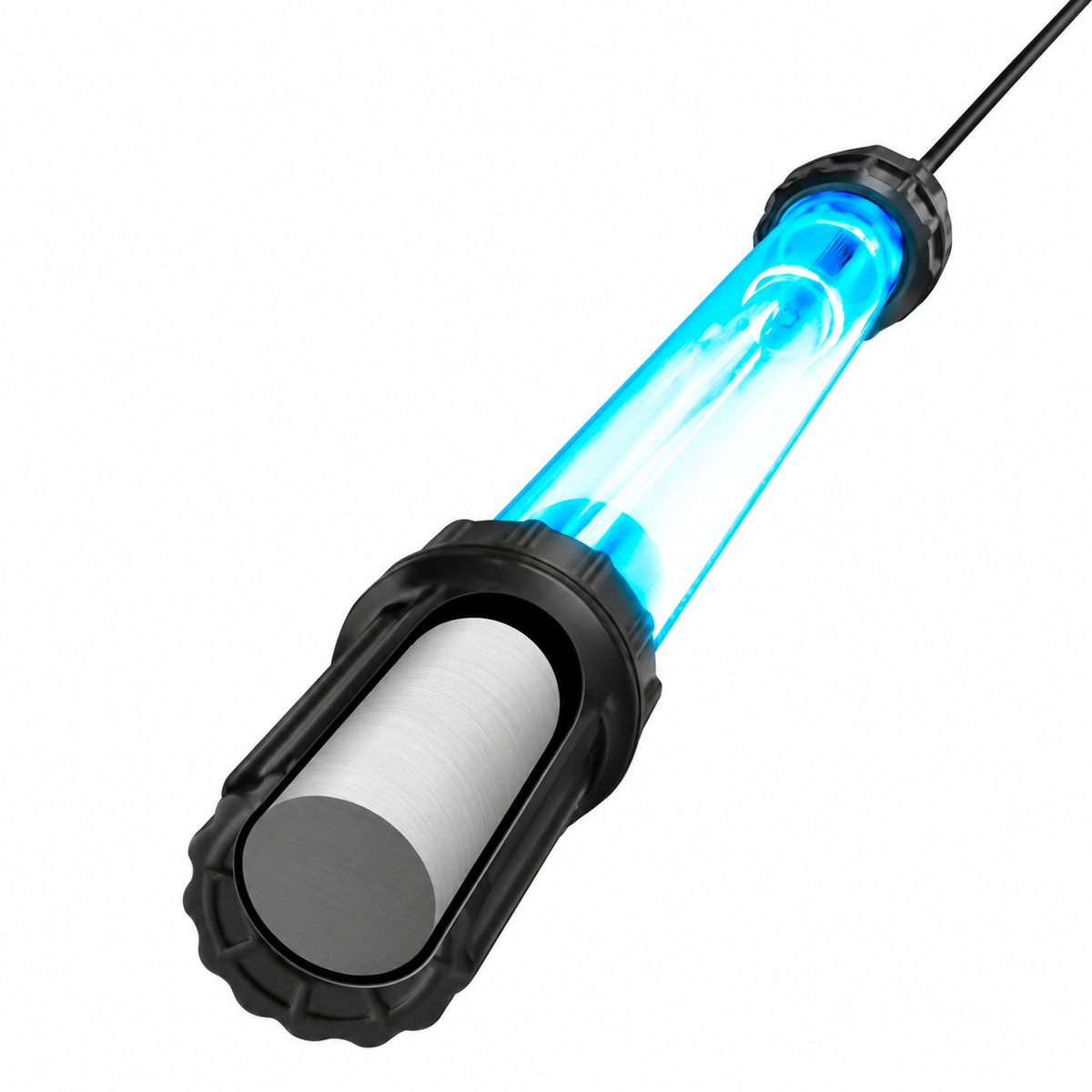
Many UV systems use a quartz sleeve to isolate the lamp from water or external contaminants. This sleeve plays a critical role because quartz allows UV-C wavelengths to pass through with minimal absorption.
Unfortunately, it is also the part most vulnerable to fouling.
Hard water minerals, iron deposits, and biological films can accumulate on the sleeve surface. In some water treatment applications, studies have shown that fouling can reduce UV transmittance by more than 20% if left unaddressed.
Regular sleeve inspection and cleaning are therefore just as important as maintaining the lamp itself.
Preventive Maintenance Tips to Extend UV Lamp Life
Deep cleaning should be part of a larger maintenance strategy rather than a one-time repair.
Create a Cleaning Schedule
The ideal frequency depends on operating conditions:
-
Residential water systems: every 3–6 months.
-
HVAC UV systems: every 3 months during heavy use.
-
Commercial and industrial applications: monthly inspections with scheduled cleanings as needed.
Keep the Installation Area Clean
Reducing dust and airborne contaminants around the system slows future buildup.
Avoid Touching the Lamp with Bare Hands
Natural skin oils create residues that attract dirt and reduce UV transmission.
Monitor Water Quality
In water purification systems, installing sediment filters or water softeners can reduce mineral accumulation.
Replace Worn Seals and O-Rings
Aging seals can allow contaminants to enter the housing, increasing maintenance requirements.
Record Maintenance Activities
Keeping a log of cleaning dates, operating hours, and lamp replacements helps optimize long-term performance.
Common Mistakes to Avoid During UV Lamp Maintenance
Even well-intentioned cleaning efforts can reduce performance if done incorrectly.
Using Abrasive Materials
Scratches scatter UV light and permanently reduce transmission.
Ignoring the Quartz Sleeve
Cleaning only the lamp while leaving the sleeve dirty provides limited benefit.
Using Tap Water for Final Rinsing
Tap water may leave mineral residue behind. Distilled water is the better choice.
Skipping Inspection
A quick wipe-down without checking for cracks, discoloration, or worn seals may overlook developing problems.
Delaying Maintenance Too Long
Allowing deposits to harden makes cleaning more difficult and increases the likelihood of permanent damage.
Avoiding these mistakes helps preserve both efficiency and equipment lifespan.
Environmental and Financial Benefits of Refurbishing UV Lamps
Replacing UV equipment prematurely increases maintenance costs and creates unnecessary electronic waste. Restoring existing systems through proper cleaning and refurbishment offers several advantages:
-
Lower operational expenses.
-
Reduced downtime.
-
Extended equipment lifespan.
-
Improved energy efficiency.
-
Less environmental impact through reduced waste generation.
For businesses operating multiple UV systems, a proactive maintenance program can significantly reduce annual replacement budgets while maintaining high sanitation standards.
Frequently Asked Questions About UV Lamp Cleaning
Does cleaning make an old UV lamp as good as new?
Not always. Cleaning removes contaminants that block UV transmission but cannot restore internal components that have naturally degraded over time.
How often should a UV lamp be cleaned?
Most residential systems benefit from cleaning every three to six months, while commercial applications may require more frequent maintenance depending on environmental conditions.
Can household glass cleaner be used?
It is generally better to avoid ammonia-based cleaners because they may leave residues or react with certain materials. Isopropyl alcohol and manufacturer-approved products are safer choices.
What if the lamp still performs poorly after cleaning?
Check the lamp's operating hours and inspect related components such as the ballast, power supply, and quartz sleeve. Replacement may be necessary if the lamp has reached the end of its service life.
Is it safe to clean UV lamps without removing them?
In most cases, removal is recommended to ensure thorough cleaning and reduce the risk of damaging electrical components.
Final Thoughts: Maintenance Is the Key to Reliable UV Disinfection
UV disinfection systems are valuable investments, but their effectiveness depends on more than simply switching them on. Dirt, mineral deposits, and environmental contamination can silently reduce germicidal performance, creating the impression that a lamp has failed when it may simply need proper care.
Deep cleaning is one of the most cost-effective ways to restore UV transmission, improve sanitation performance, and extend the life of existing equipment. By combining regular inspections, safe cleaning techniques, and timely replacement of aging components, users can maximize both reliability and value.
The transition from simple repair to complete refurbishment is not about making an old UV lamp magically new again. It is about removing unnecessary barriers, preserving the technology's full potential, and ensuring that every watt of ultraviolet energy is working as intended.
Whether you maintain a home water purifier, a commercial HVAC system, or an industrial sterilization unit, a thoughtful maintenance routine can transform an underperforming UV lamp into a highly effective disinfection tool once more. In many cases, the difference between poor performance and dependable protection is nothing more than a careful, thorough cleaning.