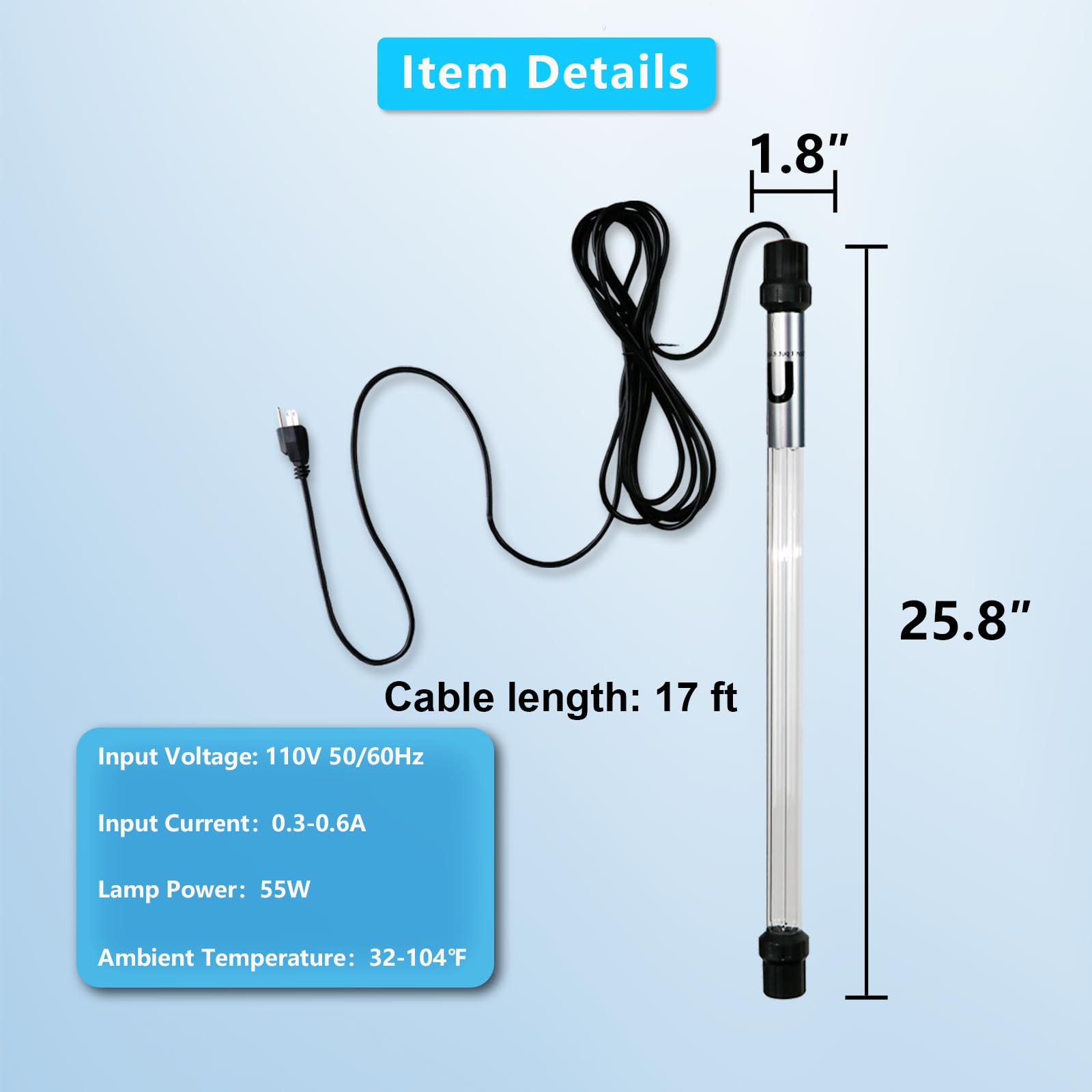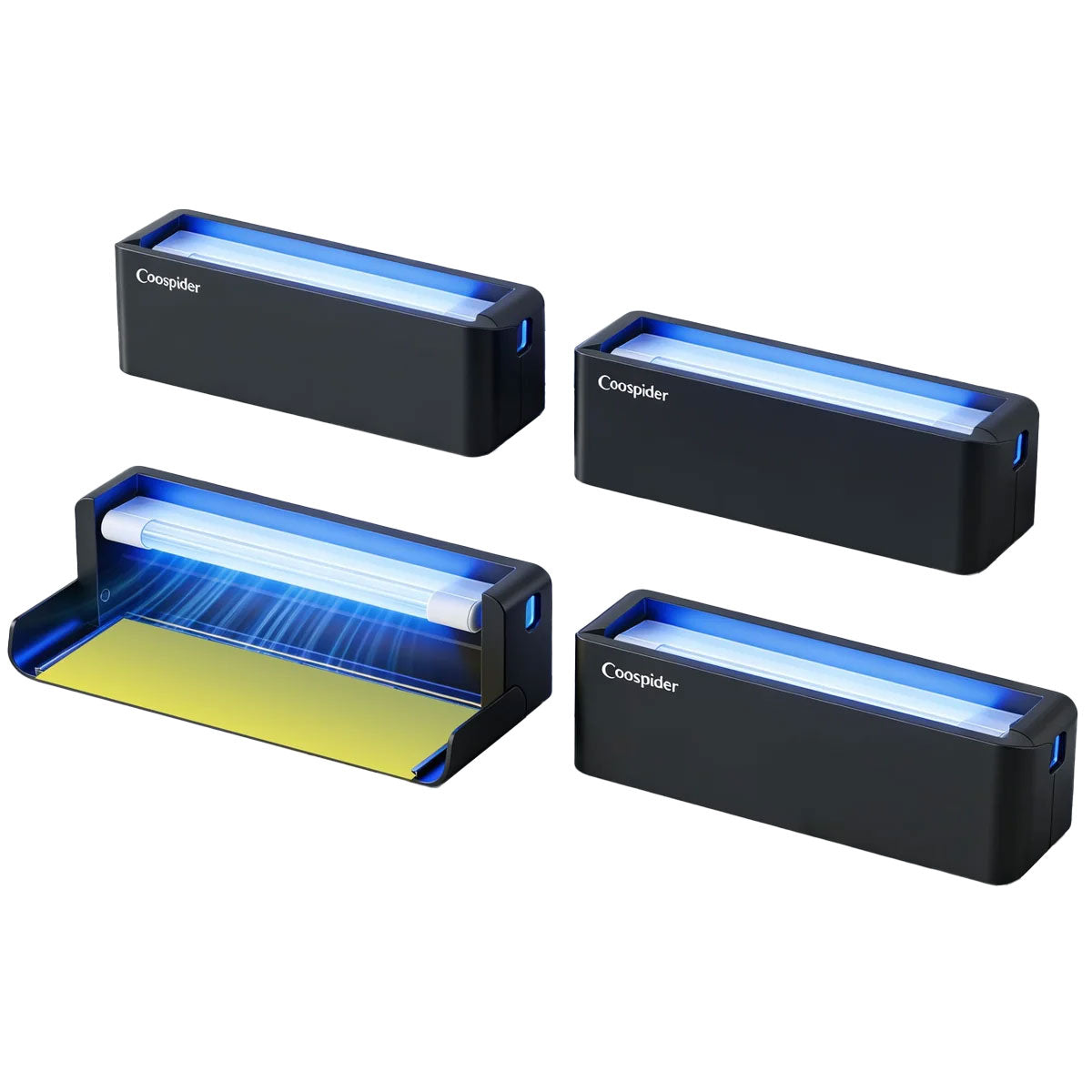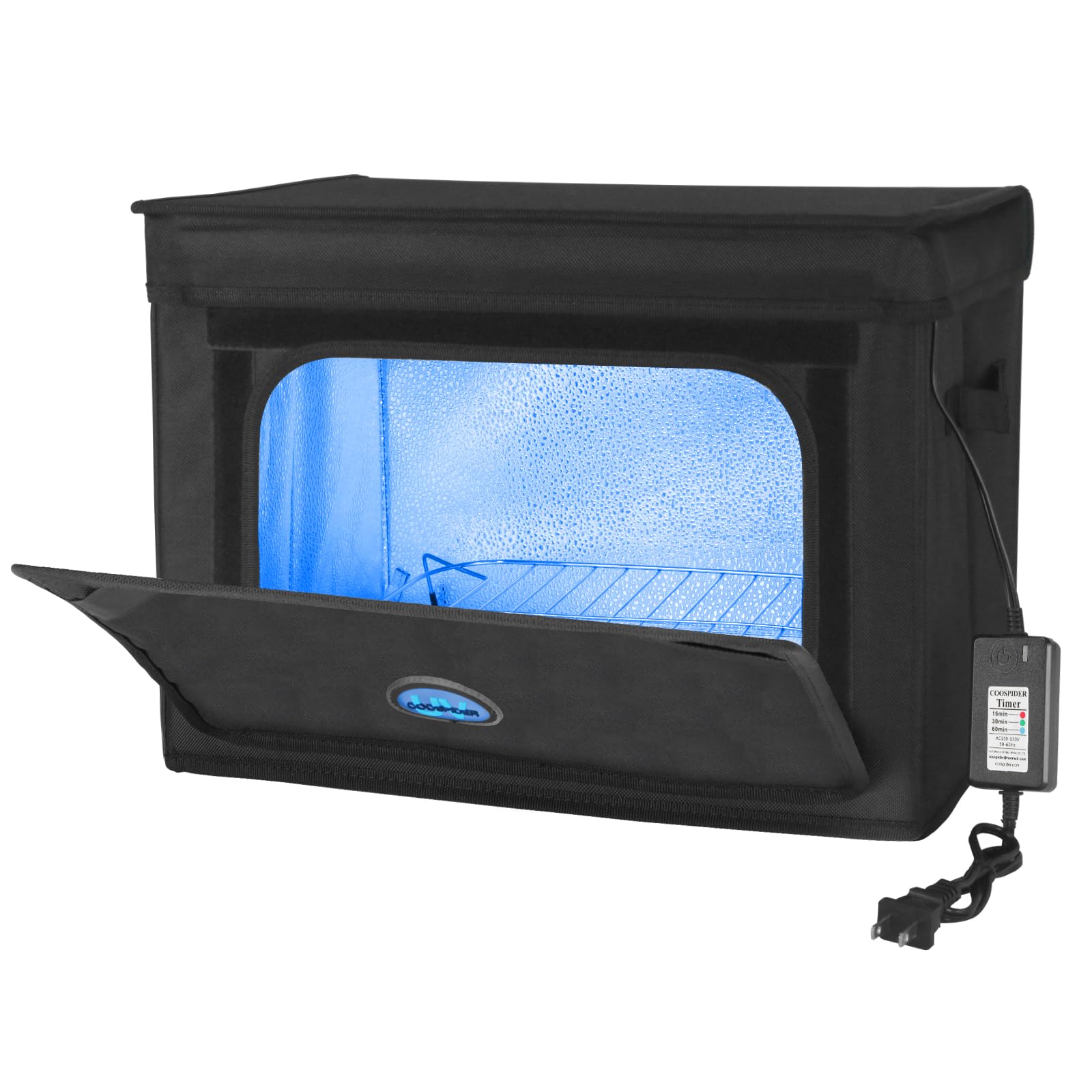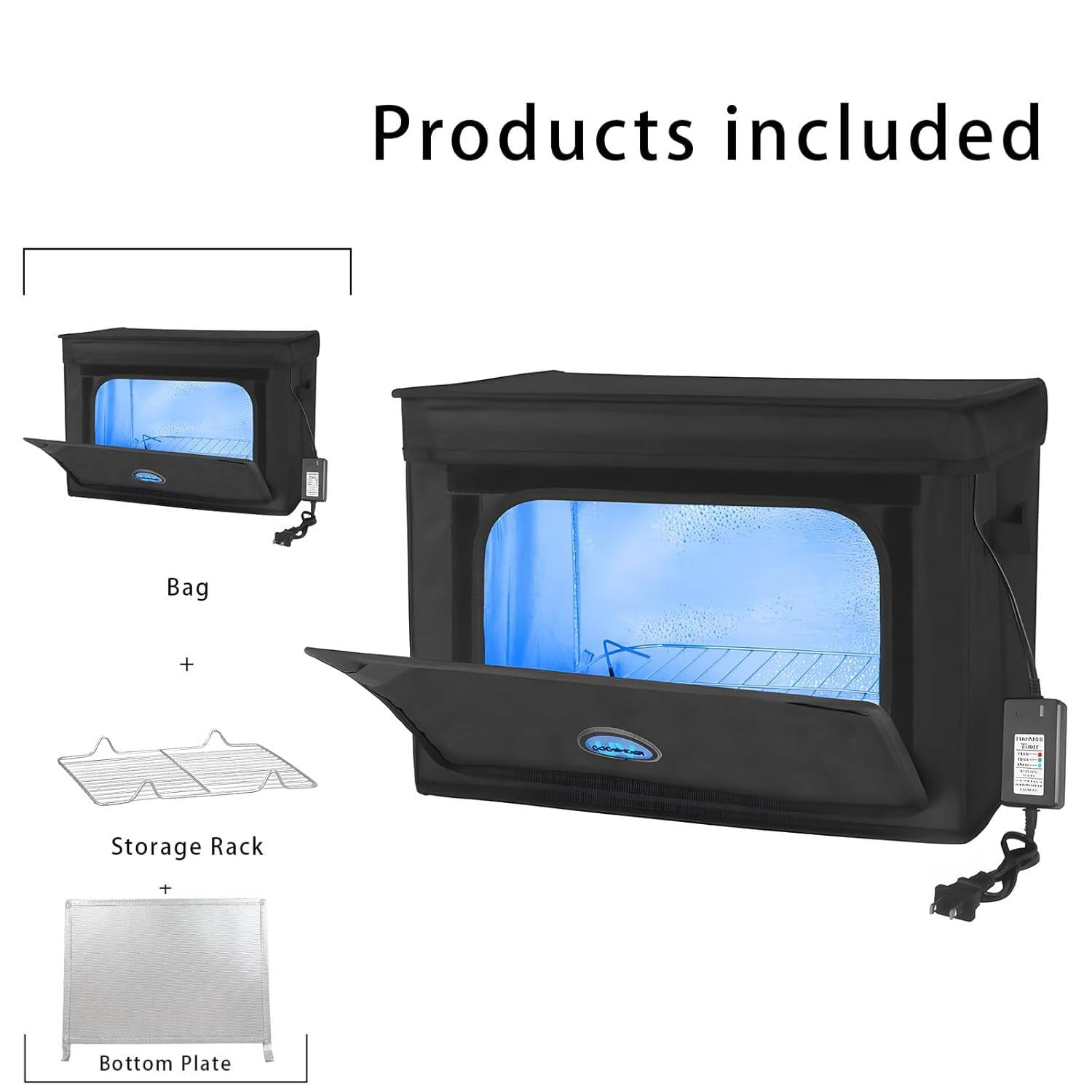
Introduction: The Hidden Risks Behind UV Disinfection Technology
Ultraviolet (UV) disinfection technology has become increasingly popular in homes, offices, healthcare facilities, laboratories, and commercial spaces. As concerns about indoor air quality, surface contamination, and hygiene continue to grow, many people are turning to UV-based devices as an additional layer of protection.
From UV air purifiers and sterilization cabinets to water treatment systems and industrial disinfection equipment, UV technology offers powerful germ-killing capabilities without relying on traditional chemical cleaners. However, while UV disinfection can be highly effective when properly designed and used, it also comes with important safety considerations.
Many buyers focus primarily on performance claims: How many microorganisms can the device eliminate? How large is the coverage area? How quickly does it work? These questions are important, but they are only part of the decision-making process.
The most critical questions often involve safety:
- What type of UV technology does the device use?
- Can the UV radiation harm human eyes or skin?
- Is the equipment properly shielded?
- Does the installation location reduce accidental exposure?
- Are safety features reliable?
- Does the product meet recognized safety standards?
Understanding these details before purchasing and installing UV disinfection equipment can help users maximize the benefits of ultraviolet technology while minimizing unnecessary risks.
Understanding High-Frequency UV Radiation in Disinfection Equipment
Not all ultraviolet radiation is the same. UV technology includes several wavelength ranges, and each behaves differently depending on how it interacts with microorganisms and human tissue.
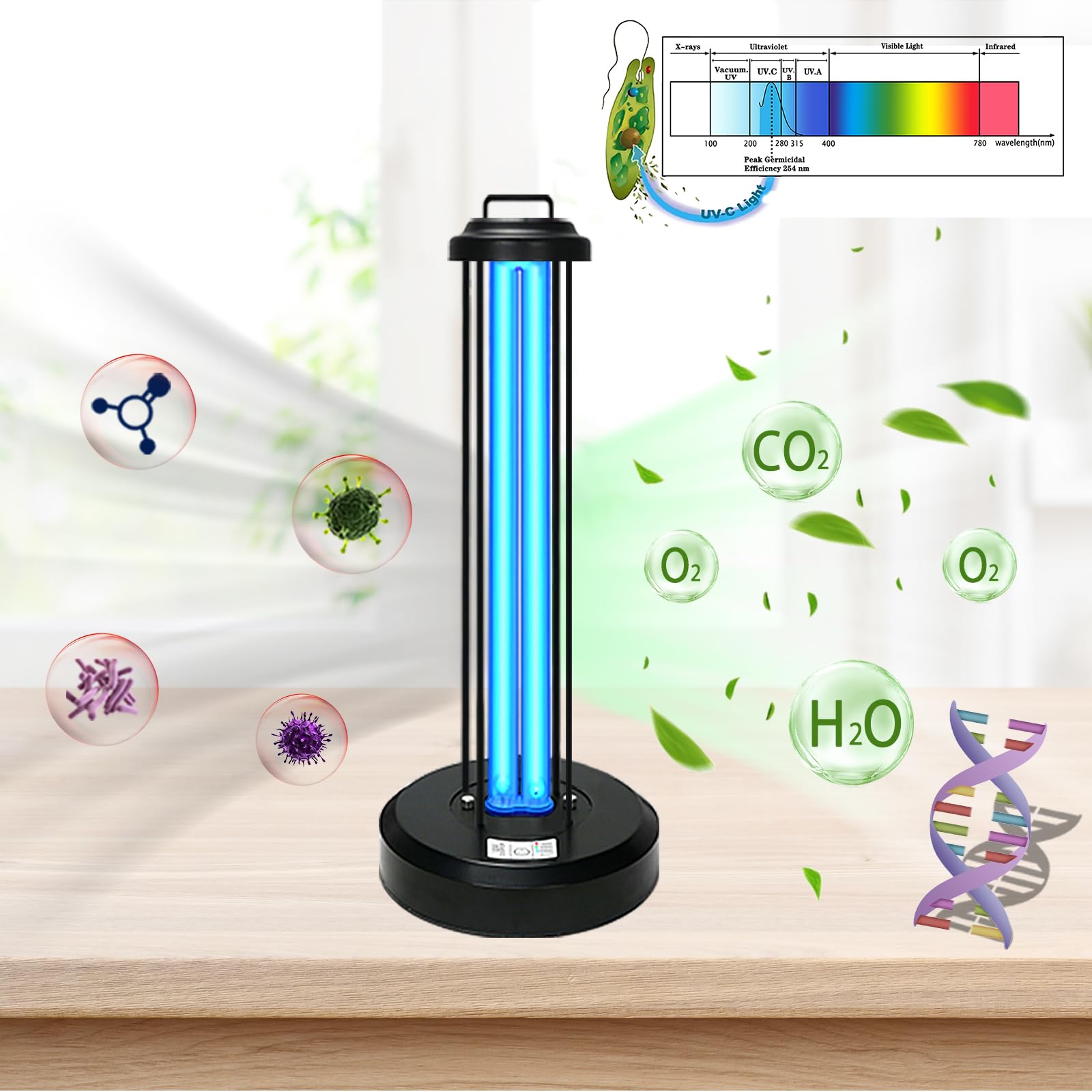
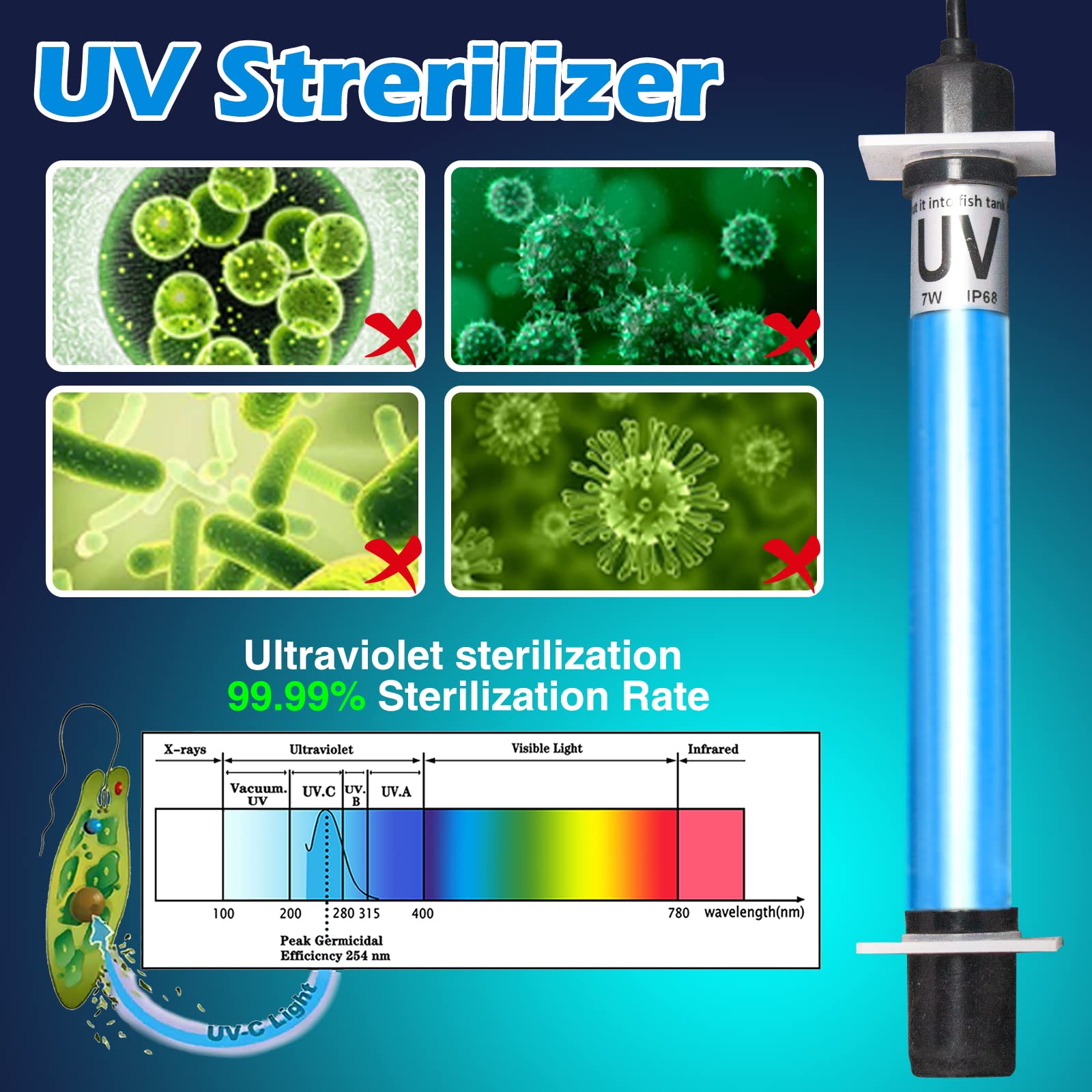
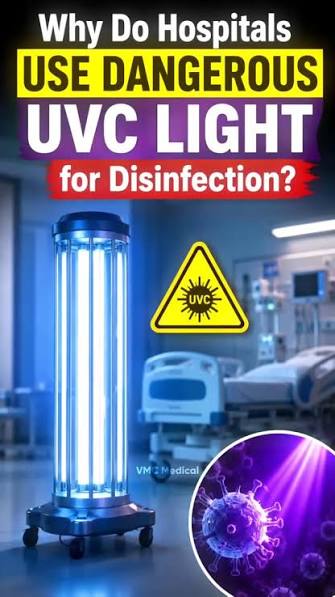
The most common UV range used for disinfection is ultraviolet-C (UVC), typically between 200 and 280 nanometers. UVC has strong germicidal properties because it can disrupt the DNA and RNA of microorganisms, preventing them from reproducing.
This ability makes UVC effective against many types of:
- Bacteria
- Viruses
- Mold spores
- Other microorganisms
However, the same energy that damages microbial genetic material can also affect human cells.
When UVC radiation reaches human skin or eyes, it may cause biological damage. This is why professional UV disinfection systems must be carefully designed with shielding, controls, and safety procedures.
Why UV Disinfection Equipment Requires Careful Evaluation
The growing popularity of UV sterilization products has created a wide range of devices on the market. Some are professionally engineered systems, while others may provide limited protection or inadequate safety controls.
Before purchasing any UV disinfection equipment, buyers should understand that effectiveness and safety depend on multiple factors.
1. UV Wavelength Matters
One of the most important technical details is the wavelength produced by the device.
Different wavelengths have different effects:
- UVC wavelengths are commonly used for germicidal applications.
- UVA wavelengths are often associated with curing, inspection, and other industrial uses.
- Certain far-UVC technologies are being researched for safer human environments.
A product that simply advertises “UV sterilization” without explaining its wavelength range should be carefully evaluated.
A reliable manufacturer should clearly provide:
- Operating wavelength
- UV output intensity
- Testing information
- Recommended usage conditions
Without this information, consumers may not be able to determine whether the device is suitable for their intended application.
The Biggest Safety Concern: UV Exposure to Eyes and Skin
The eyes and skin are the two primary areas vulnerable to UV radiation exposure.
Unlike visible light, UV radiation cannot always be detected immediately. A person may not realize they are being exposed until damage has already occurred.
Eye Risks from UV Disinfection Devices
The eyes are particularly sensitive to UV radiation because certain wavelengths can damage the cornea and other structures.
Short-term exposure may cause:
- Eye irritation
- Burning sensations
- Excessive tearing
- Light sensitivity
- Temporary vision problems
Repeated or excessive exposure may increase the risk of long-term eye problems.
This is why UV lamps should never be operated in open spaces where people may accidentally look directly at the light source.
Skin Risks from UV Exposure
UV radiation can also affect exposed skin.
Potential short-term effects include:
- Redness
- Irritation
- Sensitivity
Long-term exposure may contribute to premature skin aging and other health concerns.
Even brief exposure to high-intensity UV sources can be harmful depending on the radiation strength and distance from the device.
Common Types of UV Disinfection Equipment and Their Safety Considerations
Before buying a UV disinfection product, it is important to understand the differences between common categories.
UV Air Purification Systems
UV air purification systems are designed to reduce airborne microorganisms as air passes through a chamber containing UV lamps.
These systems are commonly installed in:
- HVAC systems
- Commercial buildings
- Healthcare environments
- Offices
- Residential spaces
Advantages
- Continuous air treatment
- Minimal user interaction
- Can operate without exposing occupants directly to UV light
Safety Considerations
A properly designed system should keep UV radiation contained inside the equipment.
Buyers should check:
- Whether the UV chamber is sealed
- Whether installation prevents leakage
- Whether maintenance requires shutting down the system
- Whether replacement lamps are properly shielded
A poorly installed UV air system may create unnecessary exposure risks.
UV Sterilization Cabinets
UV sterilization cabinets are designed for objects such as:
- Tools
- Personal items
- Laboratory equipment
- Small household products
These systems usually work by placing items inside an enclosed chamber.
Important Buying Questions
Before purchasing, ask:
- Does the cabinet automatically turn off when opened?
- Is the door properly sealed?
- Does the device prevent accidental exposure?
- Are reflective surfaces used to improve coverage safely?
A quality cabinet should make it difficult for users to come into direct contact with active UV radiation.
Handheld UV Sanitizing Devices
Portable UV sanitizers are popular because they are convenient and easy to carry.
However, they also present some of the greatest safety challenges.
Users may accidentally:
- Point the UV light toward their eyes
- Expose their skin for too long
- Use the device too close to their body
- Operate it without understanding exposure limits
A handheld device without strong safety controls requires careful handling.
Features such as:
- Motion sensors
- Automatic shutoff
- Protective covers
- Distance indicators
can significantly improve safety.
Installation Details That Determine Safety
Buying the right equipment is only the first step. Installation quality plays a major role in preventing accidental UV exposure.
Choose the Correct Location
The installation area should match the purpose of the equipment.
For example:
- Enclosed systems belong in controlled spaces.
- UV lamps should not be installed where people can directly view them.
- Maintenance areas should allow safe access without exposure.
Installing a UV device in the wrong location can reduce effectiveness and create unnecessary risks.
Consider Exposure Distance
UV intensity decreases as distance increases, but this does not mean distance alone makes exposure safe.
The actual risk depends on:
- UV intensity
- Exposure duration
- Wavelength
- Shielding
- Room conditions
A powerful UV lamp installed too close to occupied areas may still create safety problems even if users are not touching the device.
Pay Attention to Installation Angles
Direct line-of-sight exposure is one of the most common safety issues.
During installation, consider:
- Where people stand
- Where children may move
- Where workers perform tasks
- Whether reflective surfaces can redirect UV radiation
Metal surfaces, mirrors, and glossy materials may reflect UV energy depending on the material properties.