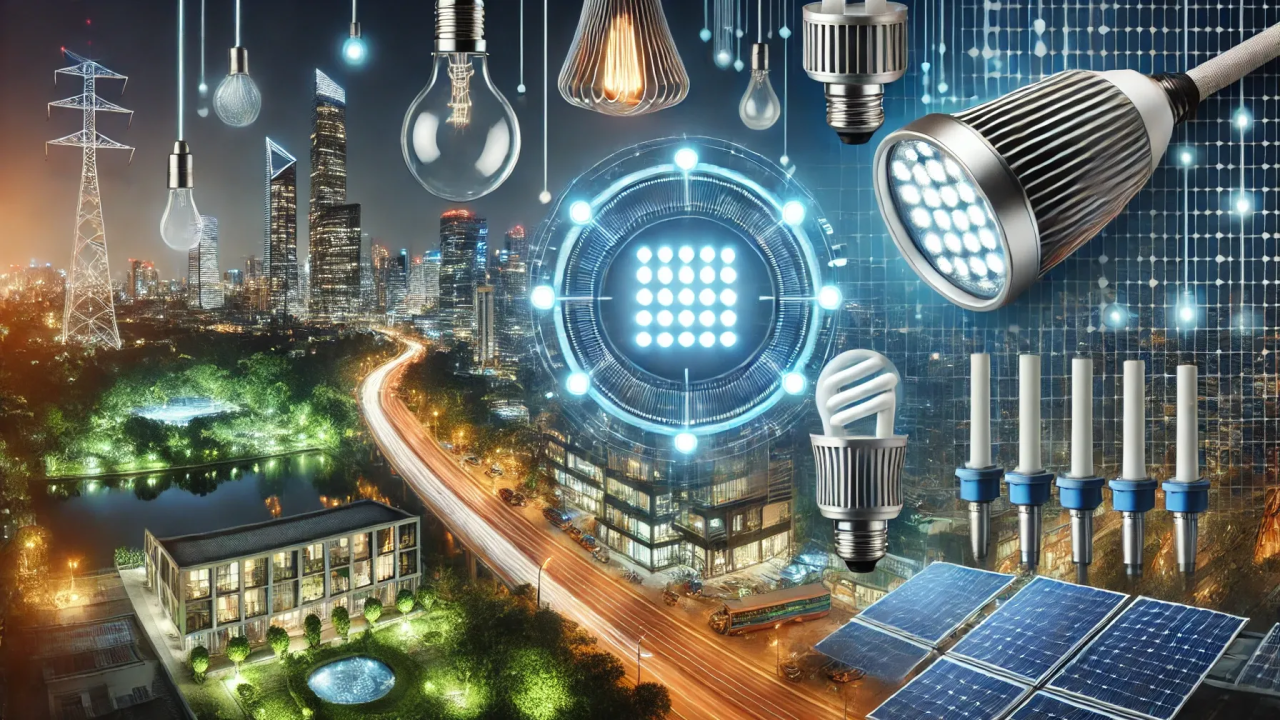
For decades, specialty lighting has played a crucial role across industries—manufacturing, medical imaging, inspection, security, agriculture, and scientific research. But over the past ten years, LED specialty lights have transformed from simple illumination tools into powerful, optimized engineering solutions. The shift isn’t just about replacing old bulbs with LEDs; it’s about redefining what light can do.
Today’s industry leaders are no longer asking “Should we switch to LED?”
Instead, the question is:
“Which LED system will deliver the best performance with the lowest lifetime cost?”
As we move deeper into 2025 and beyond, three major trends dominate the specialty lighting market:
-
Energy Efficiency — reducing operating costs with precision-engineered output
-
Smart Intelligence — automation, remote control, and data-driven optimization
-
Extreme Durability — long lifespans, rugged housings, and environmental resilience
This blog dives deep into each trend, explores real-world applications, and shows how industries are adopting next-generation LED systems to stay competitive.
1. LED Energy Efficiency: The Future of Low-Cost, High-Output Lighting
Energy efficiency has always been a selling point for LED technology, but specialty LEDs take it further. These lights are engineered not just to consume less power, but to deliver precisely targeted illumination for maximum operational performance.
1.1 Why Energy Efficiency Matters More Than Ever
For industries operating around the clock—such as manufacturing lines, medical labs, agriculture facilities, and inspection systems—lighting represents a major portion of energy consumption. Switching to optimized LED specialty lighting delivers benefits such as:
-
Lower electricity bills (often 60–90% reduction)
-
Reduced HVAC load (LEDs produce far less heat)
-
Fewer maintenance shutdowns
-
Less equipment strain from heat or over-illumination
-
Long-term ROI within 6–18 months
In many facilities, lighting accounts for up to 30% of operational cost. Energy-efficient LEDs can slash that number immediately.
1.2 High-Efficiency Chips & Optical Design
Modern specialty LEDs reach unprecedented energy performance thanks to:
-
High-efficiency semiconductor chips
-
Advanced thermal management systems
-
Custom optical lenses that focus light exactly where needed
-
Driver circuits that reduce electrical loss
This means a 15-W specialty LED can outperform a 50-W halogen or a 75-W fluorescent tube—while maintaining consistent brightness and color stability.
1.3 Adaptive Power Modes Reduce Waste
Next-level power management includes features like:
-
Auto-dimming based on ambient light
-
Load-responsive output
-
Selective area illumination
-
Timer-based power cycles
-
Motion-activated surge lighting
These adaptive modes prevent unnecessary energy loss, especially in environments like warehouses, labs, or security perimeters.
1.4 Renewable Energy Compatibility
Because LEDs run cool and draw minimal wattage, they pair extremely well with:
-
Solar panels
-
Battery backup systems
-
Portable power
-
Low-voltage installations
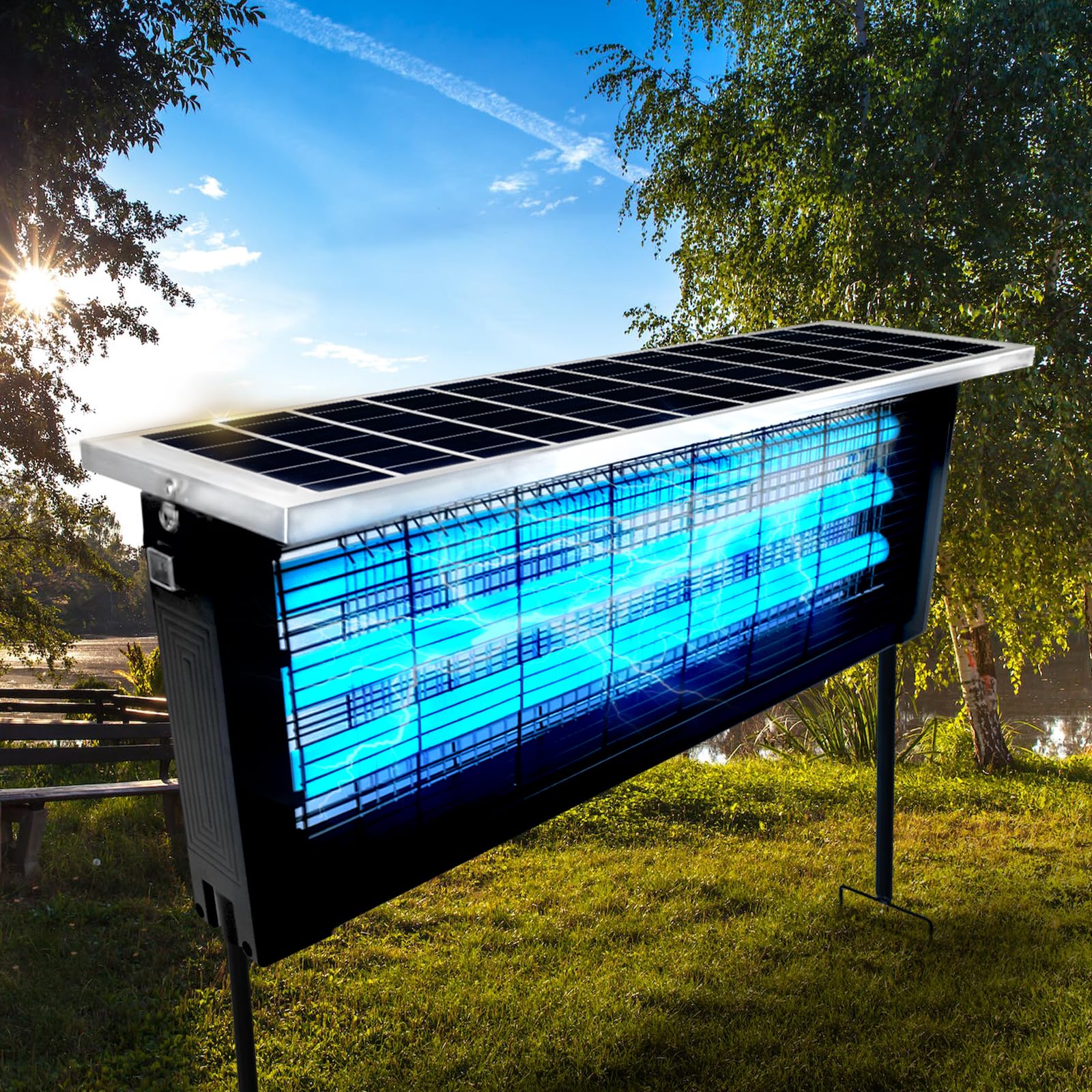
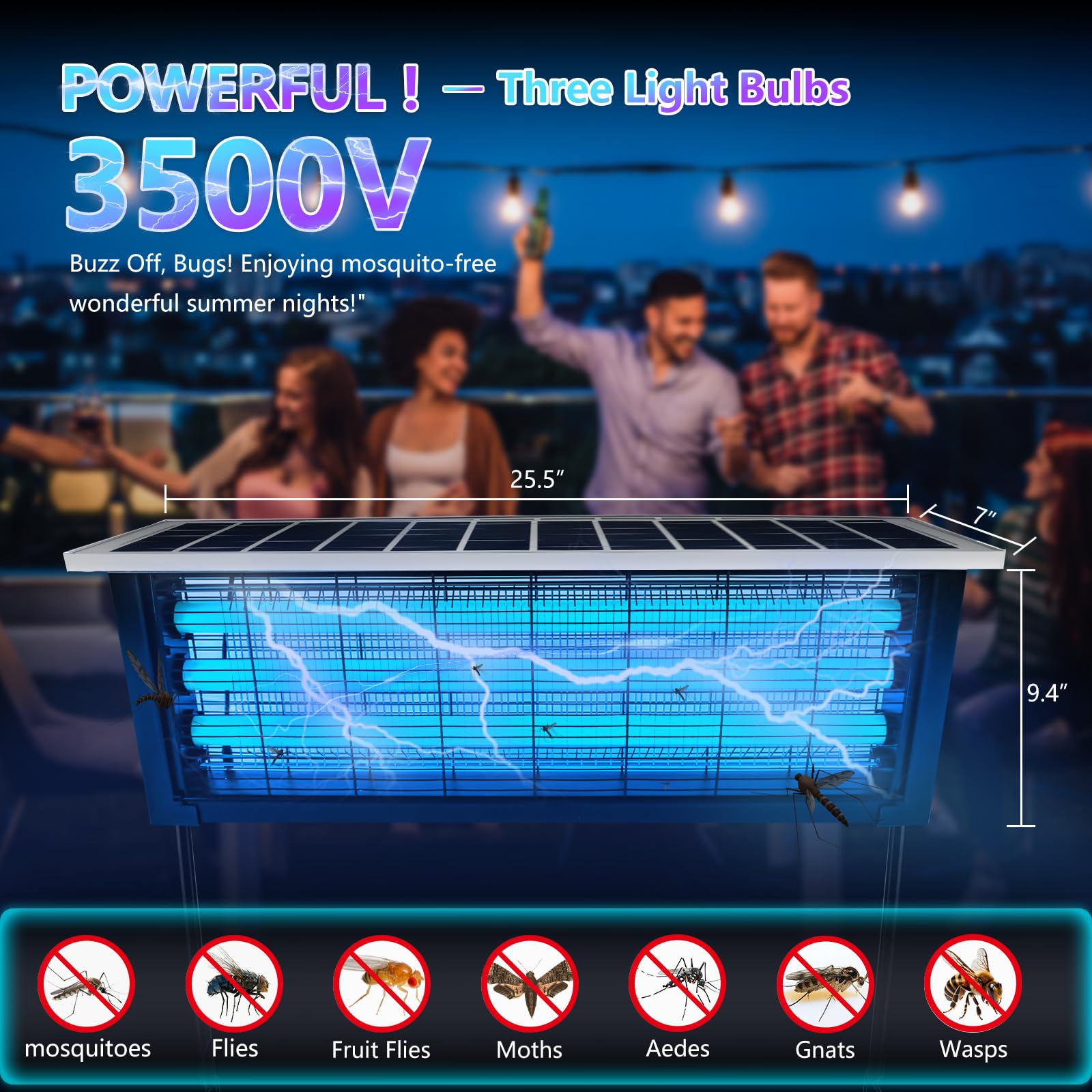
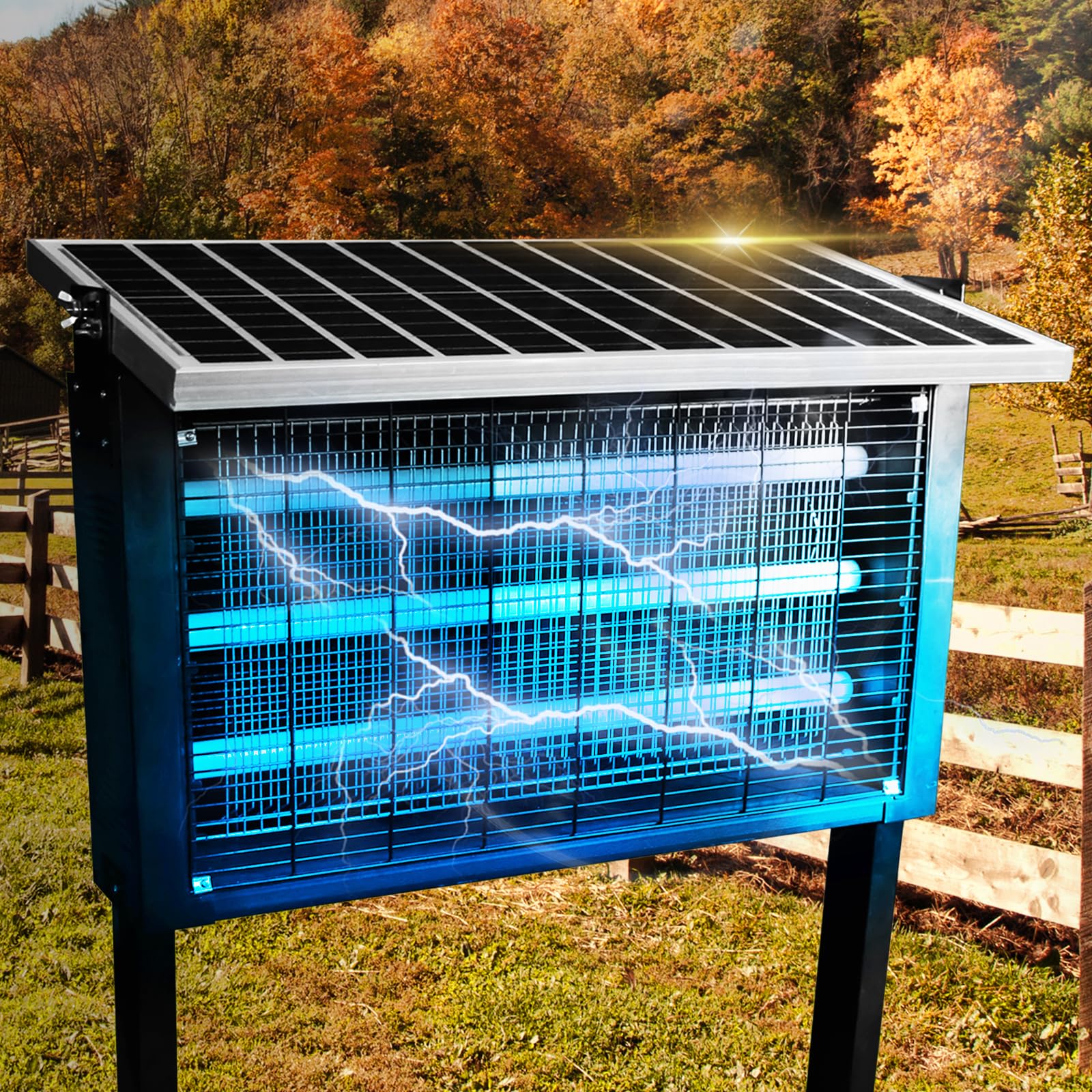
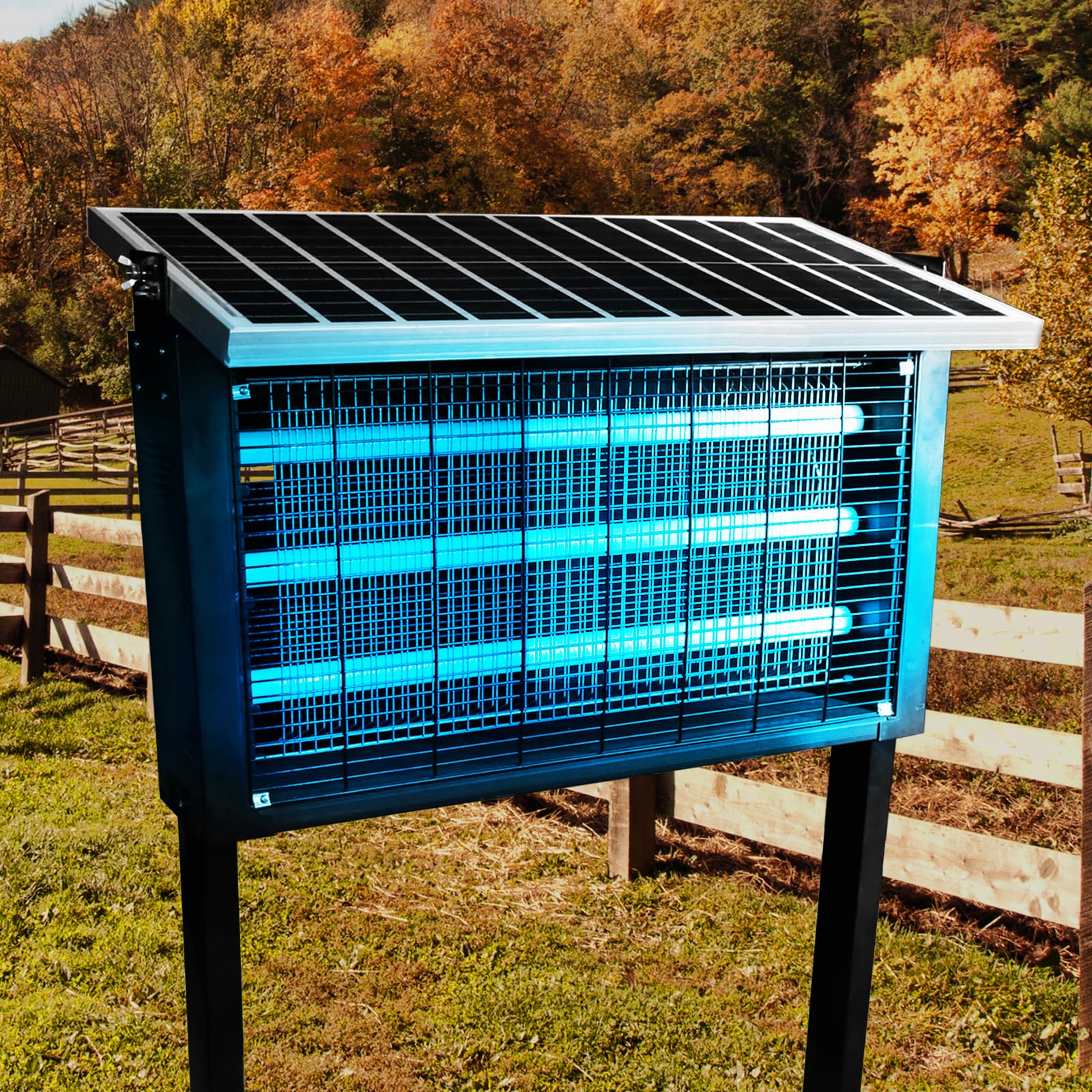
Many agricultural users already rely on solar-powered UV LEDs for sterilization and pest control. In remote areas, LED systems can operate for months with only small solar arrays.
2. Intelligent LED Systems: Smarter, Connected, and Autonomous
“Smart lighting” has moved far beyond home IoT devices. In the specialty LED world, intelligence means precise operational control, automation, real-time feedback, and data-driven optimization.
2.1 What Makes an LED System “Intelligent”?
A smart specialty lighting system typically includes:
-
Remote control via Wi-Fi, Bluetooth, or proprietary protocols
-
Sensor-based automation
-
Real-time temperature, output, and voltage monitoring
-
Programmable lighting sequences
-
Integration with industrial controllers (PLC, SCADA, DALI, Zigbee, KNX)
This allows facility managers and engineers to fine-tune brightness, spectrum, timing, and energy consumption without physical contact.
2.2 AI-Powered Optimization
AI integration is now accelerating across major lighting manufacturers. Artificial intelligence can:
-
Analyze usage patterns
-
Predict component failure
-
Automatically adjust brightness and duration
-
Reduce power consumption during low-need hours
-
Maintain consistent illumination for sensitive tasks
In inspection environments, AI can even modify LED wavelength output to highlight specific defects or materials.
2.3 Full-Spectrum Tunability for Precision Tasks
Modern specialty LEDs offer tunable color temperature and spectrum. This is especially important for:
-
Photography and cinematography
-
Biological research
-
Gem and mineral inspection
-
Aquarium and coral lighting
-
Medical diagnostics
Instead of swapping bulbs or filters, technicians can digitally configure:
-
Warm white (2700K)
-
Cool white (6500K)
-
Blue enrichment (450–490 nm)
-
Red optimization (630–680 nm)
-
UV-A or IR integration
This delivers unprecedented control over environmental lighting conditions.
2.4 Cloud-Based Remote Management
Cloud platforms allow technicians to:
-
Adjust lights from anywhere
-
Receive maintenance notifications
-
Access lifetime usage reports
-
Integrate lighting across multiple buildings or facilities
For global manufacturing chains, centralized lighting management can dramatically cut operational inconsistencies.
2.5 Smart Safety Features
Modern intelligent LED systems offer:
-
Overheat protection
-
Automatic shutdown during moisture intrusion
-
Voltage surge resistance
-
Anti-short-circuit sensors
-
Real-time system diagnostics
This prevents catastrophic failure—a major advantage over older incandescent or HID systems.
3. Extreme Durability: LEDs Built for Harsh, High-Demand Environments
Durability is one of the biggest reasons specialty industries are upgrading to LED lighting. Today’s systems are engineered to withstand:
-
High humidity
-
Corrosive chemicals
-
Saltwater exposure
-
Shock and vibration
-
High-temperature environments
-
Continuous 24/7 operation
Below are key aspects that make modern LED systems remarkably resilient.
3.1 Rugged Housing Materials
Specialty LEDs use materials such as:
-
Aircraft-grade aluminum
-
Marine-grade stainless steel
-
Tempered glass
-
Polycarbonate impact-resistant lenses
-
Thermally conductive polymers
These materials protect LEDs from mechanical damage and environmental stress.
3.2 IP66–IP68 Waterproofing
Industry-grade LEDs often come with:
-
IP66 — high-pressure spray resistance
-
IP67 — temporary submersion protection
-
IP68 — long-term underwater operation
Aquaculture, marine research, and outdoor installations rely heavily on these grades for reliability.
3.3 Vibration & Impact Resistance
In sectors such as:
-
Mining
-
Oil & gas
-
Manufacturing
-
Heavy machinery
Traditional bulbs frequently fail due to vibration. LED specialty lights incorporate shock-absorbing mounts and rigid internal structures to eliminate filament breakage—one of the biggest weaknesses of legacy bulbs.
3.4 Heat Dissipation and Thermal Management
High-performance LEDs generate heat at the chip level, but modern designs use:
-
Integrated heat sinks
-
Thermal pipes
-
Graphene or ceramic substrates
-
Active temperature throttling
This dramatically extends lifespan and ensures consistent brightness.
3.5 Corrosion Protection Coatings
In corrosive environments—especially saltwater systems—LED housings and internal components are protected with:
-
Anodizing
-
Marine coatings
-
Anti-salt-spray treatments
-
Epoxy resin sealing
These improvements make LEDs suitable for ocean research, coral tank lighting, and coastal facilities.
4. Industry Applications: Where These Trends Make the Largest Impact
The combination of energy efficiency, smart features, and durability has opened the door to countless new applications.
4.1 Manufacturing & Industrial Automation
Smart LED inspection lights help detect:
-
Surface scratches
-
Micro-defects
-
Alignment issues
-
Welding imperfections
LEDs provide flicker-free, high-precision illumination—critical for machine vision and robotics.
4.2 Medical & Scientific Research
In medical imaging and lab analysis, LED precision is essential for:
-
Color-accurate tissue examination
-
Fluorescence microscopy
-
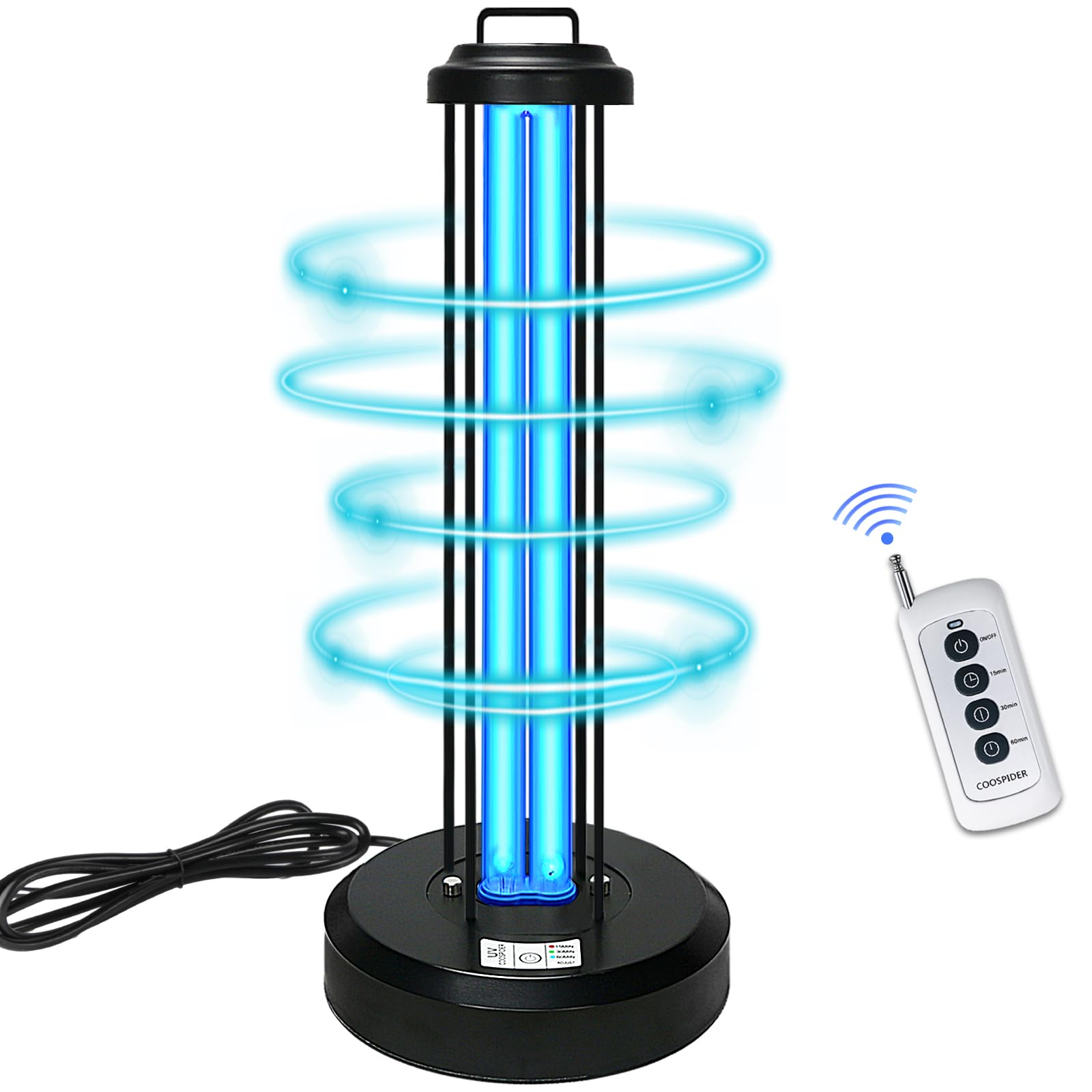
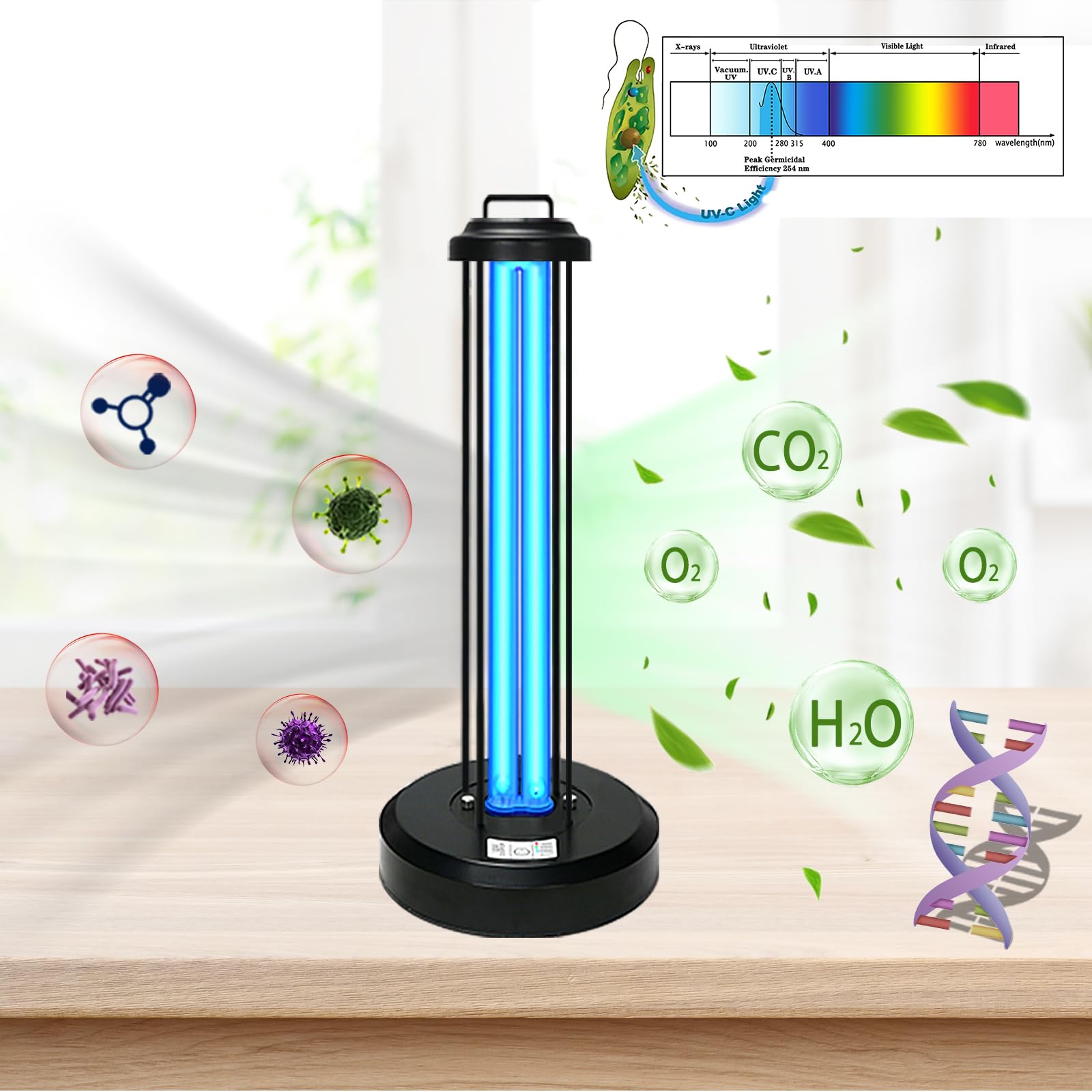
UV sterilization
-
Specimen illumination
-
Surgical task lighting
Long-life LEDs reduce the risk of interruptions during critical procedures.
4.3 Security & Surveillance
IR LEDs (850–940 nm) enable:
-
Long-range night vision
-
Covert illumination
-
Zero-glare security monitoring
Durability ensures operation in extreme weather conditions.
4.4 Agriculture & Aquaculture
Tunable spectrum LEDs can optimize:
-
Plant growth cycles
-
Coral coloration and health
-
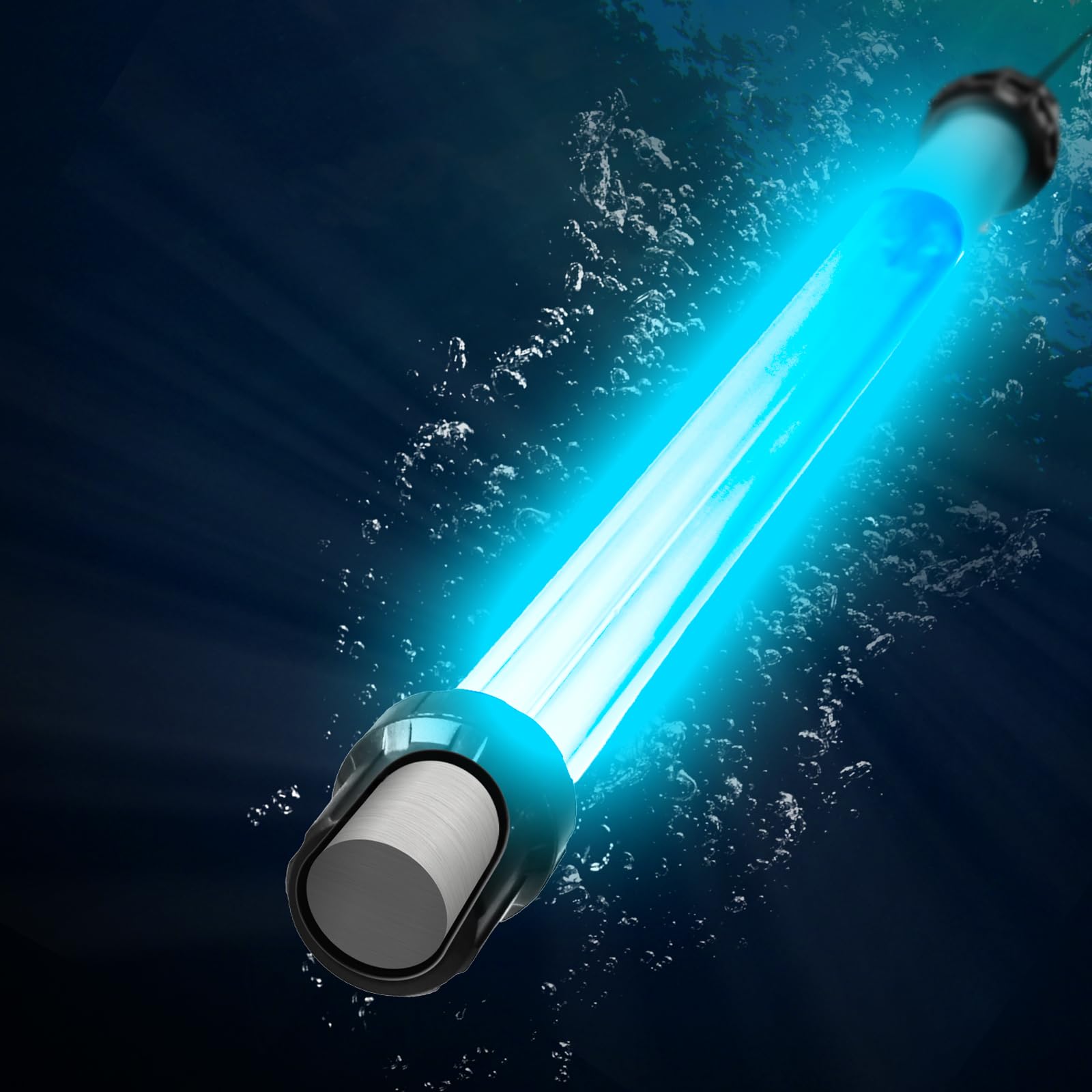
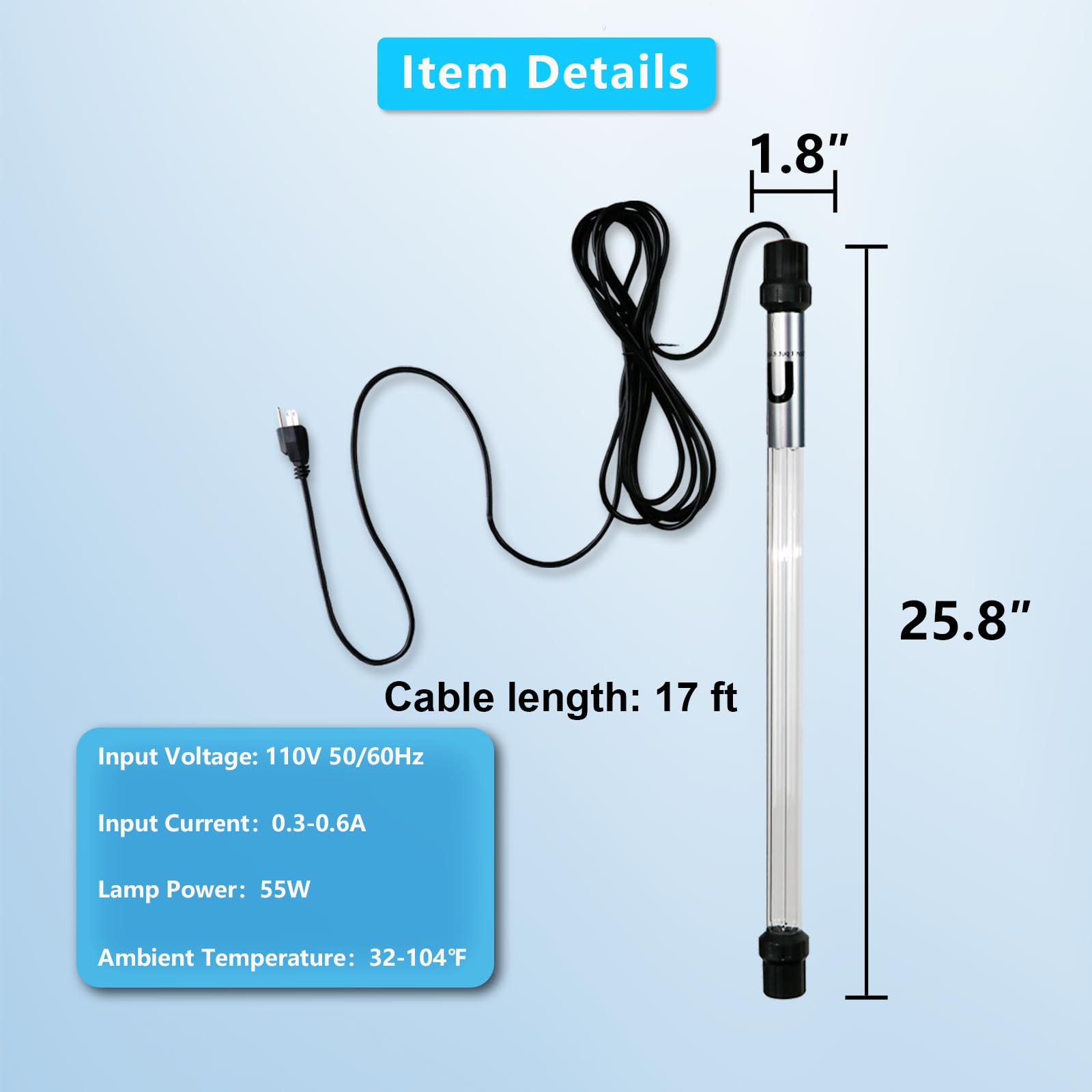
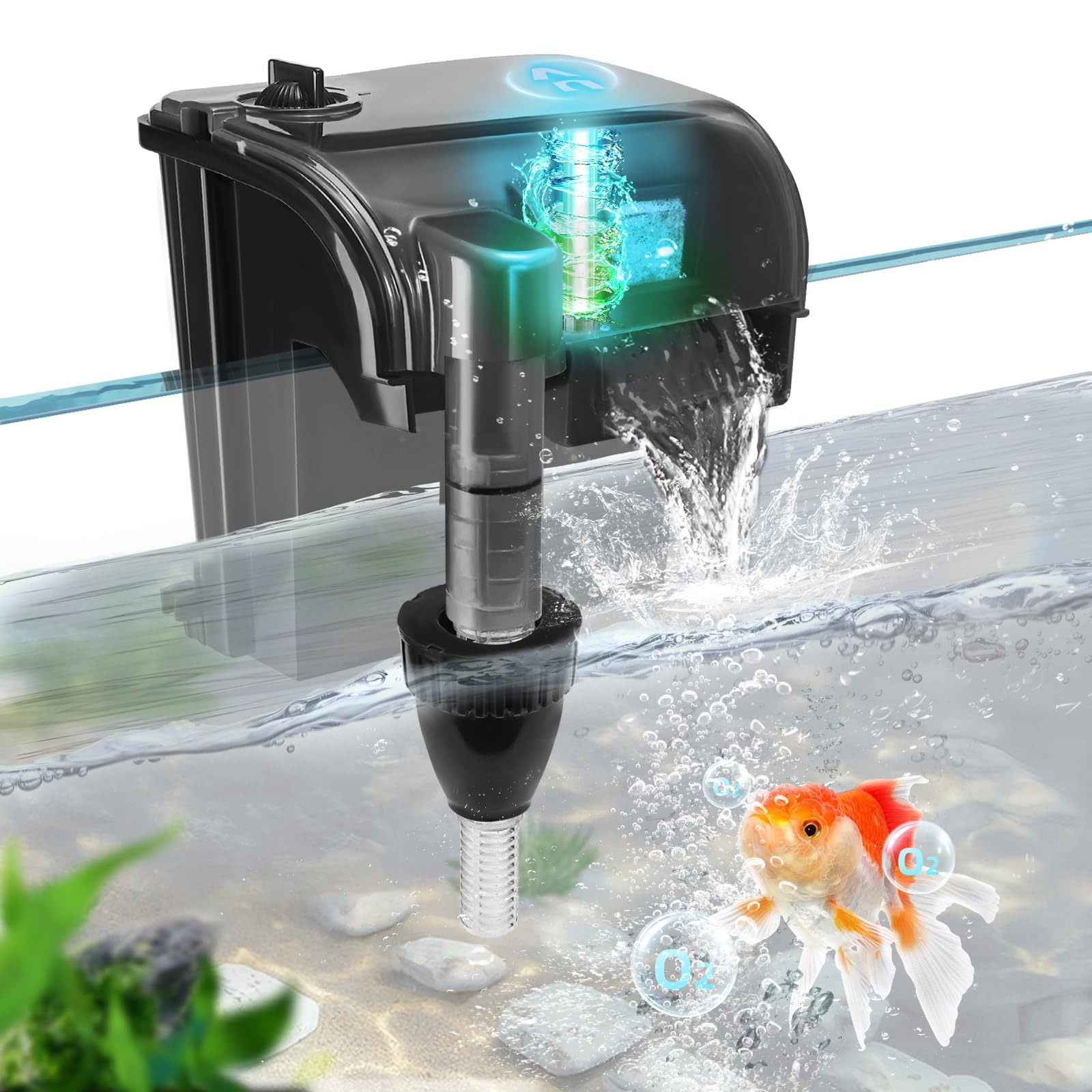
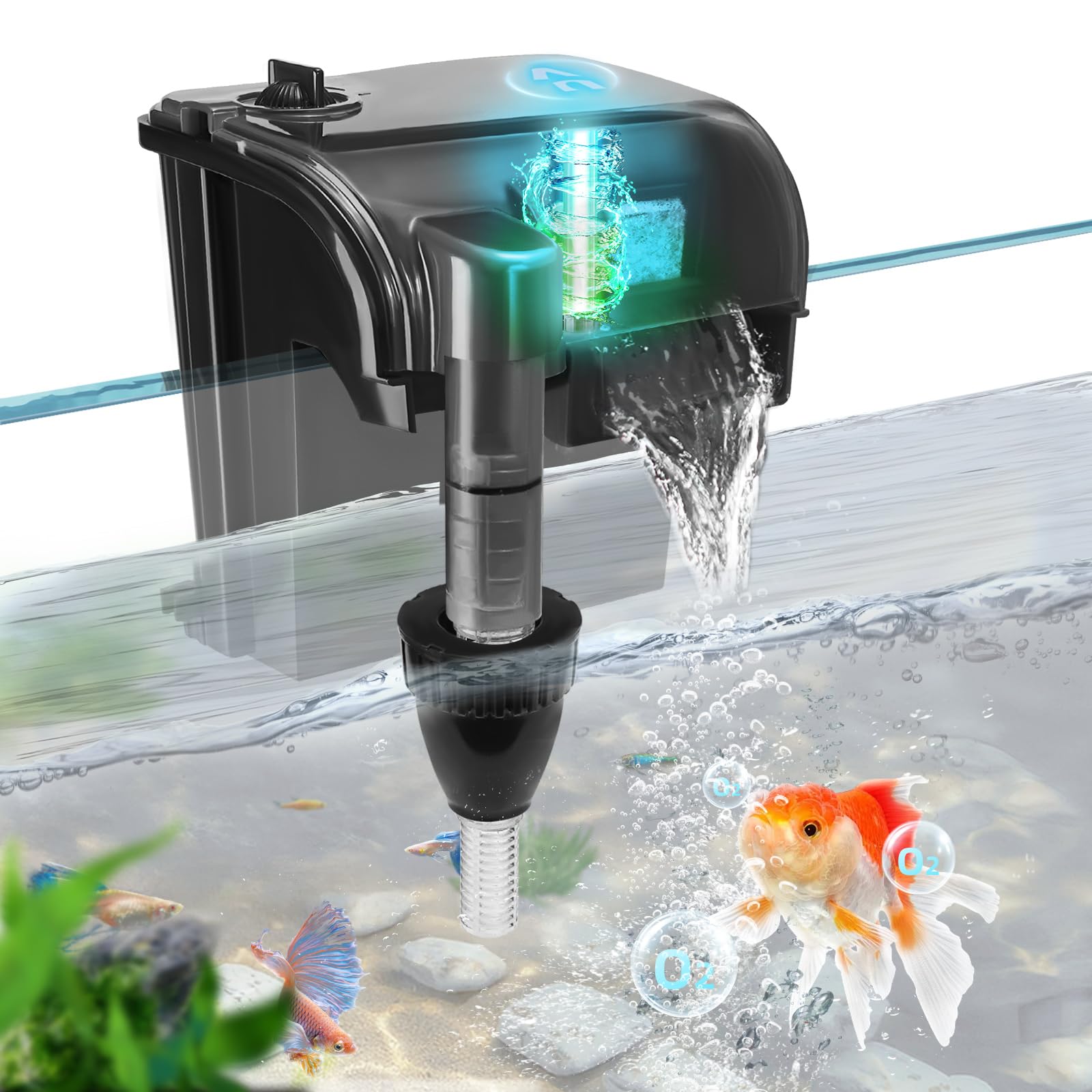
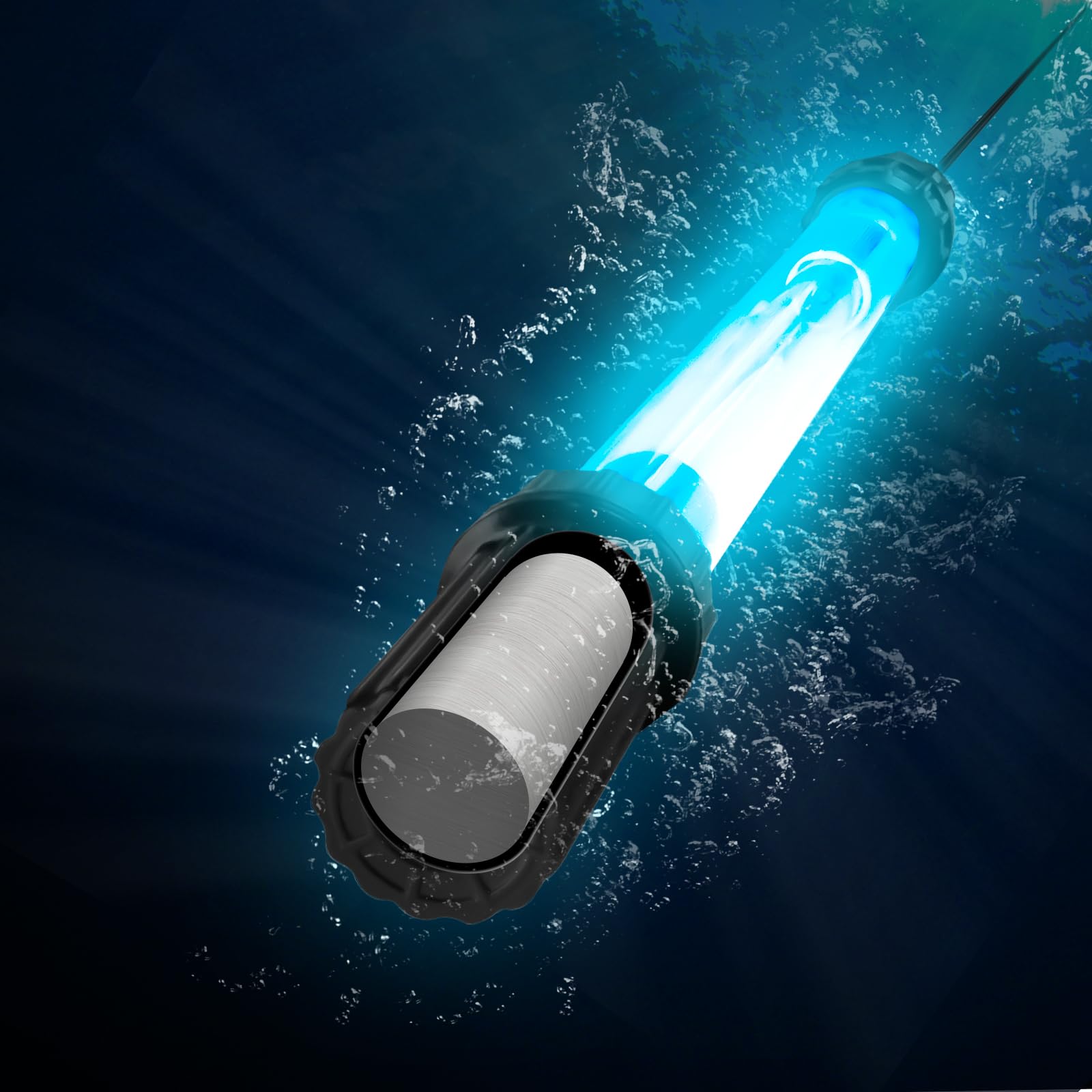
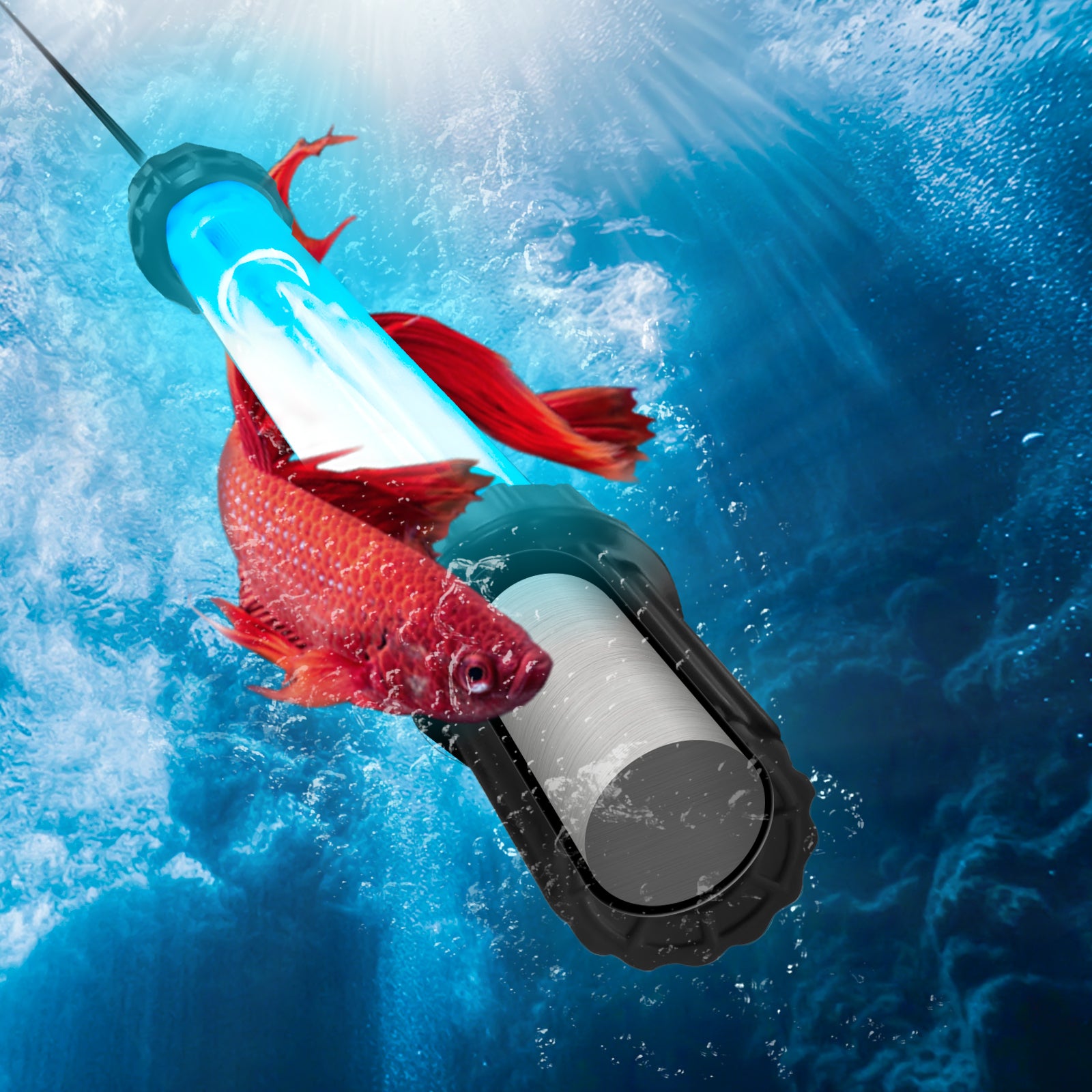
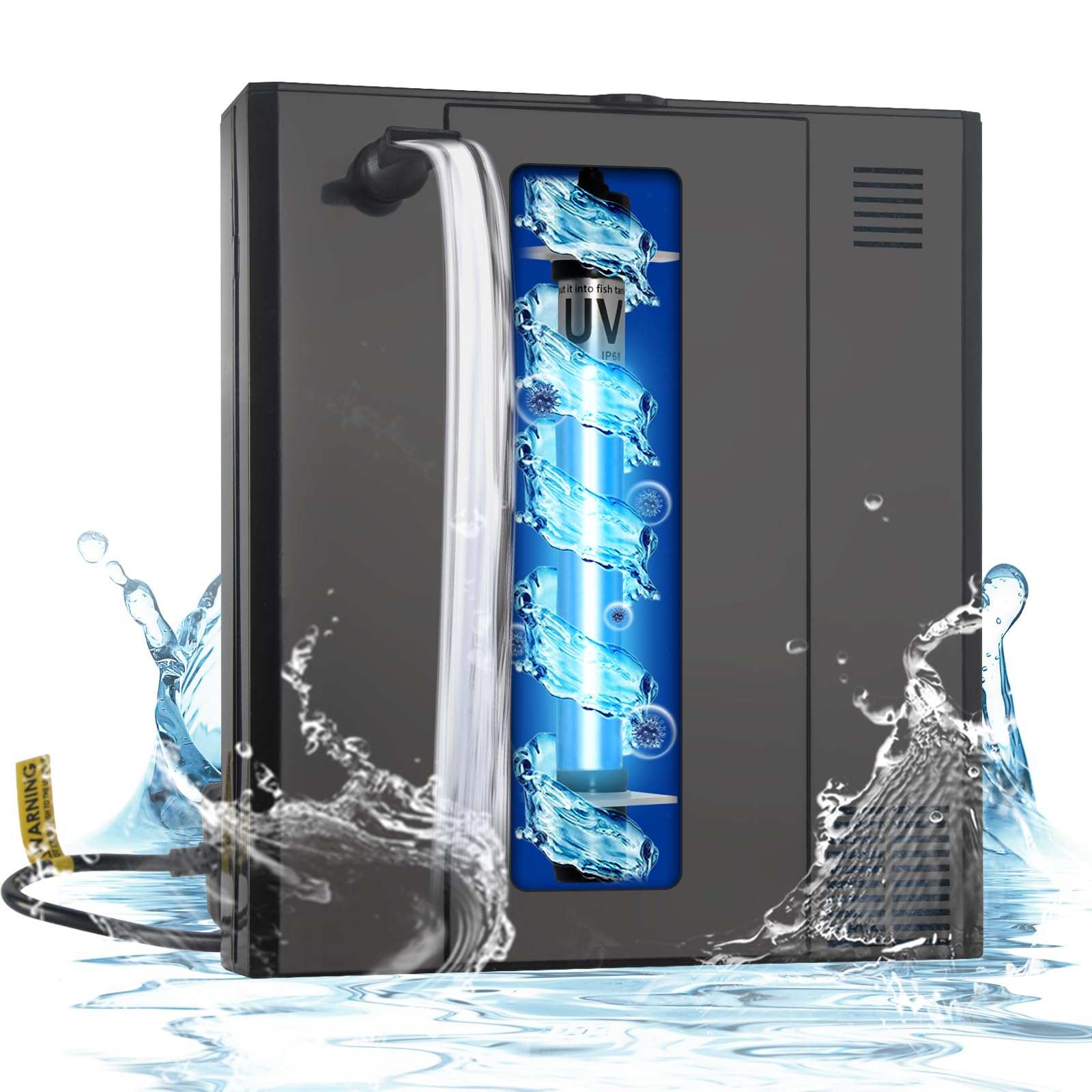
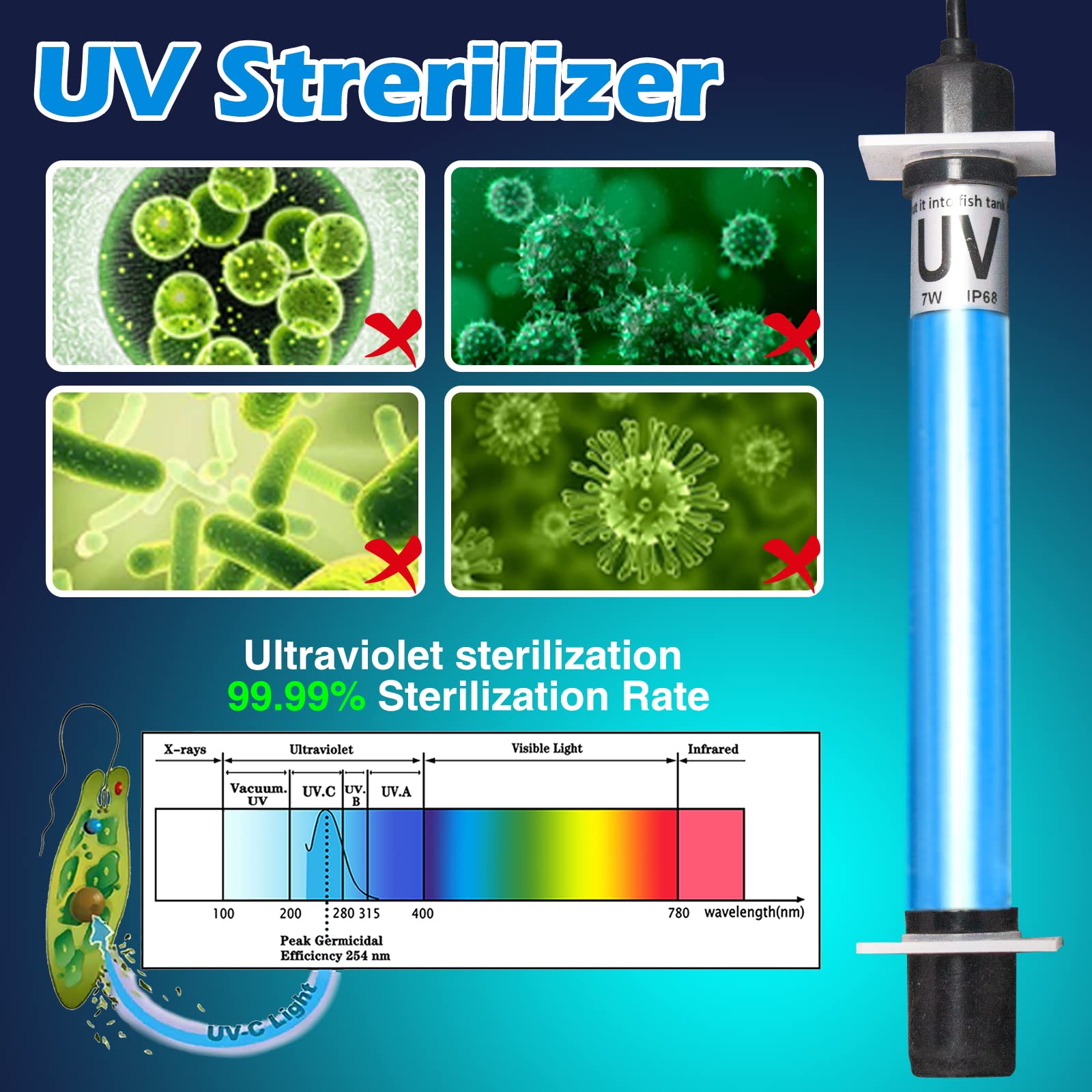
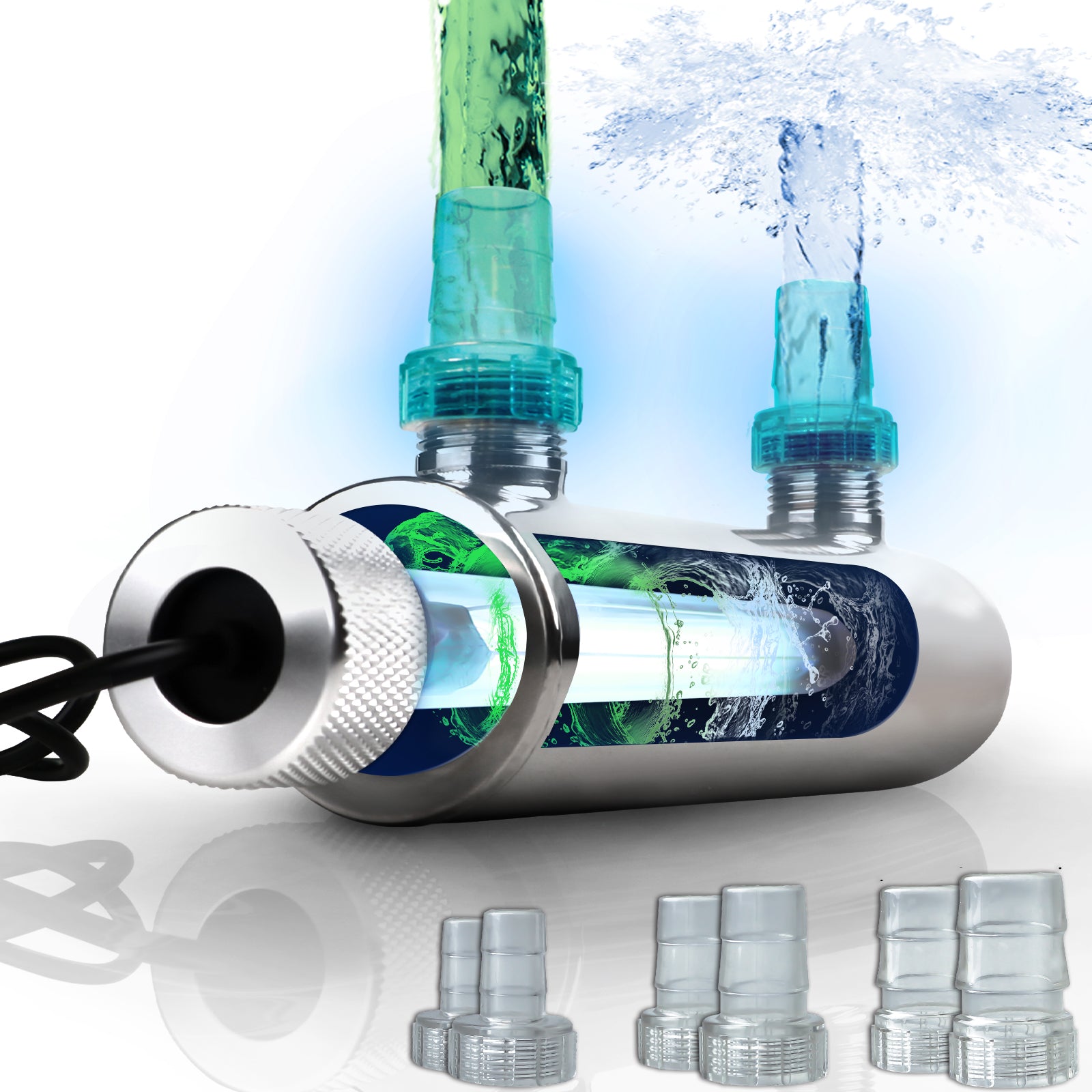
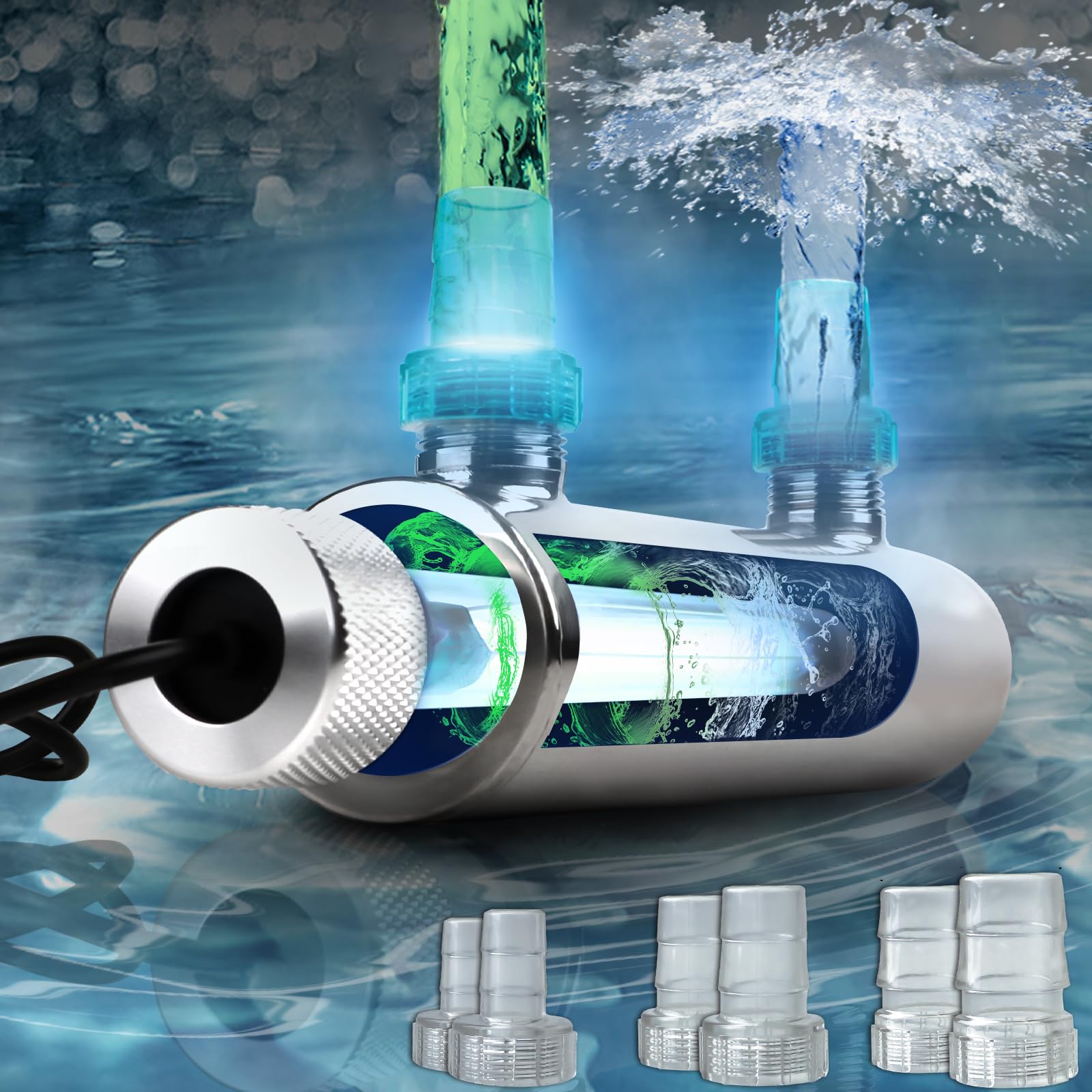
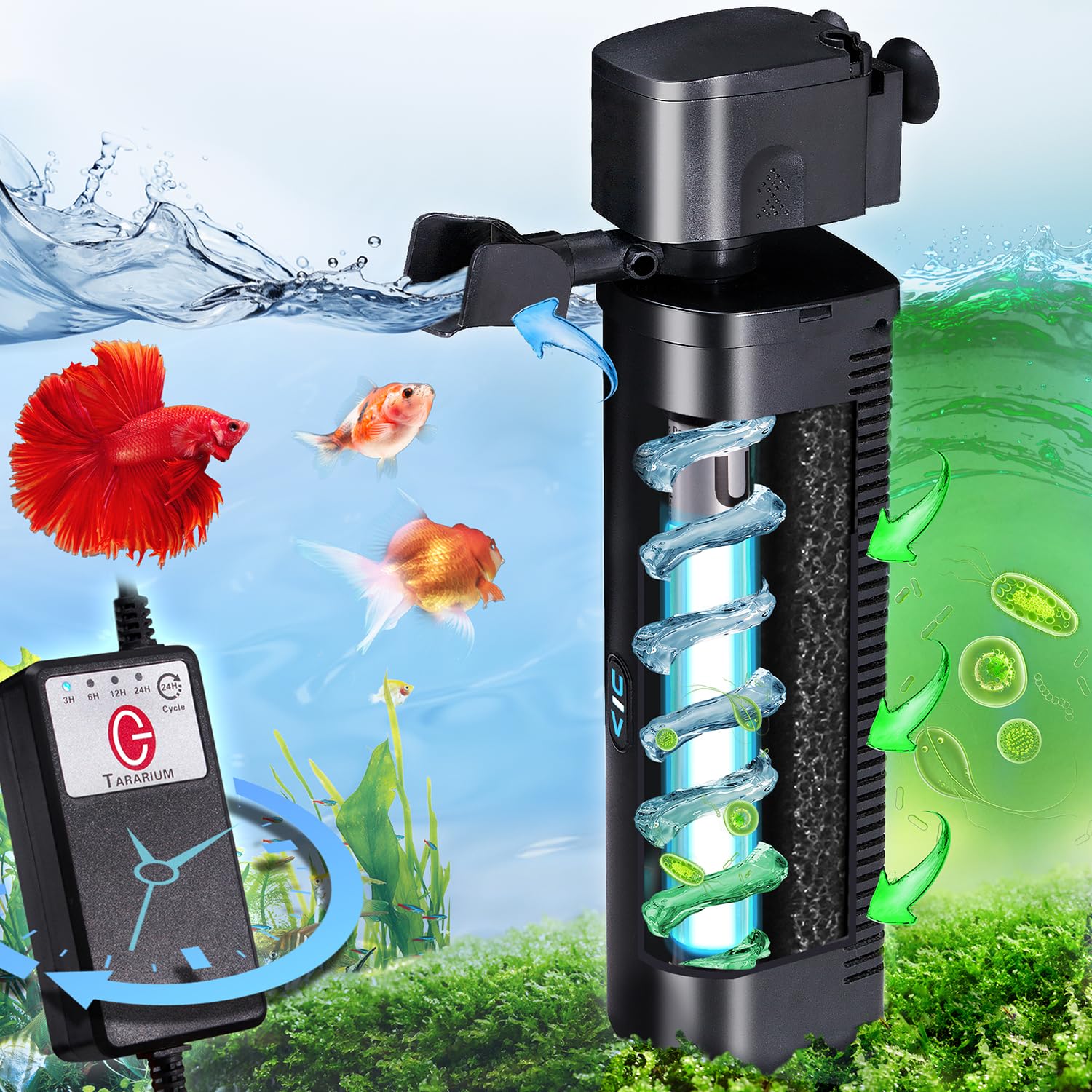
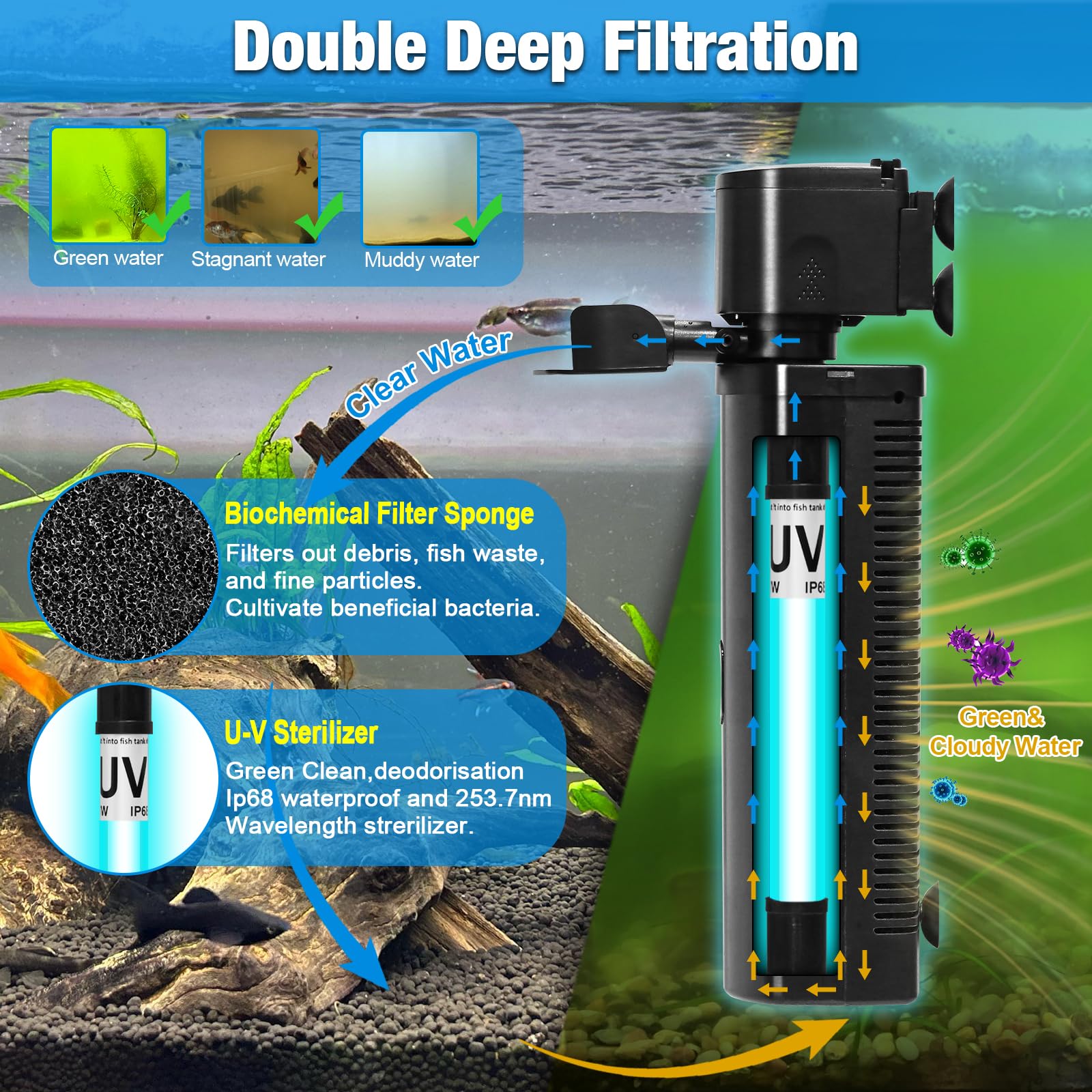
Aquatic sterilization using UV-C
-
Fish behavior and stress reduction
Energy efficiency also reduces greenhouse and aquaculture operating costs.
4.5 Outdoor & Harsh-Environment Applications
LEDs dominate:
-
Mining operations
-
Marine lighting
-
Construction sites
-
Disaster response lighting
The combination of rugged design and low maintenance is unbeatable.
5. Future Outlook: What’s Next for LED Specialty Lighting?
The next decade will bring revolutionary advancements, including:
5.1 Micro-LED & Laser-LED Hybrid Systems
Offering ultra-high brightness with minimal heat.
5.2 Fully Autonomous Lighting Networks
Where AI automatically adapts lighting based on real-time data.
5.3 Environmental Self-Healing Coatings
To repair micro-corrosion or damage.
5.4 Energy Harvesting LEDs
Powered by kinetic, thermal, or ambient light energy.
5.5 Modular LED Engines
Allowing technicians to replace individual components instead of entire units.
LED specialty lighting is evolving into a complete ecosystem—safer, smarter, and more sustainable than any previous generation of lighting technology.
Conclusion
LED specialty lighting is no longer just an upgrade—it’s a strategic investment. As industries demand higher precision, lower operating costs, and long-term reliability, LED systems deliver unmatched value. With ongoing improvements in energy efficiency, intelligent automation, and extreme durability, LEDs will dominate specialty lighting for decades to come.
Whether you’re managing a research facility, upgrading manufacturing floors, designing an aquaculture system, or building technical inspection equipment, now is the time to embrace next-generation LED solutions.
Lighting isn’t just about seeing—it’s about performing better, safer, and smarter.