Spending time outdoors should be relaxing, adventurous, and fun—but there’s one unwelcome guest that often crashes the party: bugs. Mosquitoes, ticks, gnats, and other insects can quickly turn a beautiful day into a scratchy, itchy nightmare. Many outdoor enthusiasts rely on common practices and “old tricks” to keep these pests at bay—but not all methods are effective. In fact, some can give a false sense of security, leaving you exposed.
In this guide, we’ll explore the most common outdoor insect repellent myths, explain why they don’t work, and provide safer, more effective alternatives. Whether you’re camping, hiking, gardening, or simply enjoying a backyard barbecue, understanding these misconceptions can save you from bites, discomfort, and potential disease.
1. Myth: Natural Oils Are Enough to Keep Mosquitoes Away
Essential oils like citronella, eucalyptus, lavender, and tea tree are often touted as natural insect repellents. While these oils can offer some mild protection, they are far less effective than proven chemical repellents.
- Short duration: Citronella candles or sprays often last only 20–30 minutes before losing effectiveness.
- Inconsistent results: Oil concentration varies widely between products, making it hard to rely on them.
- False sense of security: Many people assume they are fully protected, which can lead to more bites.
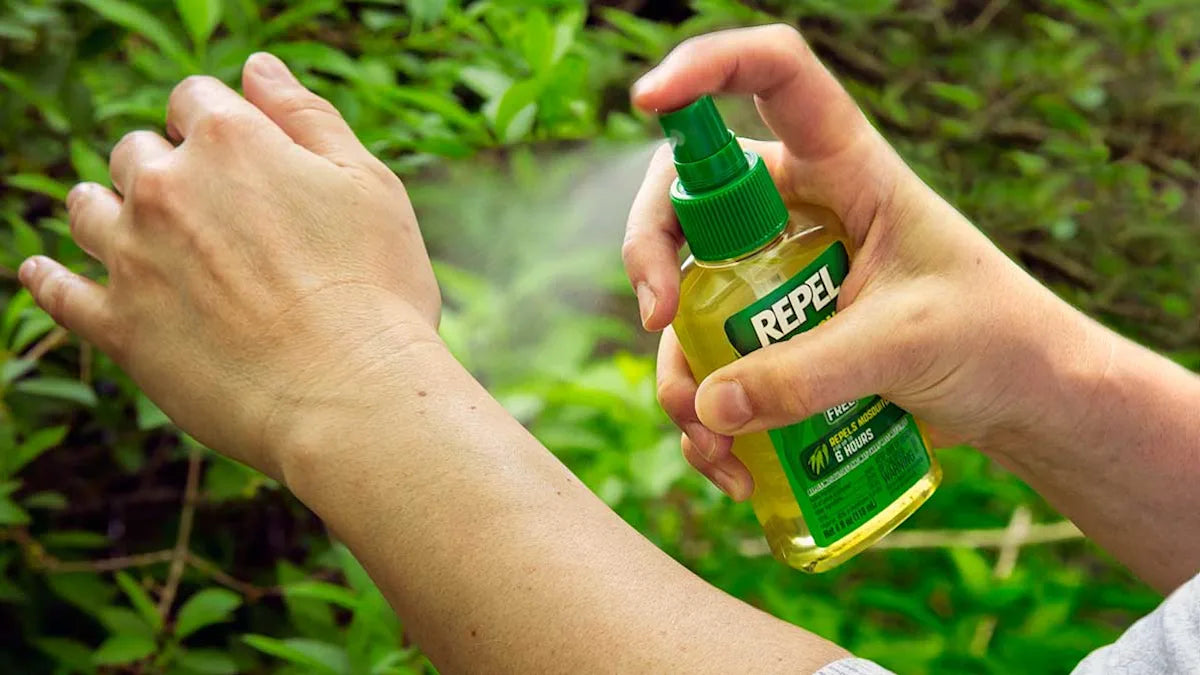
Better alternative: EPA-approved repellents containing DEET, picaridin, or IR3535 are clinically proven to repel mosquitoes for hours. For a natural option with better efficacy, consider oil of lemon eucalyptus, which has a standardized active ingredient (p-menthane-3,8-diol) and works for several hours.
2. Myth: Wearing Light-Colored Clothing Stops All Bites
It’s true that dark clothing tends to attract mosquitoes, but light-colored clothes are not a foolproof shield. Mosquitoes and ticks can bite through thin fabrics or find exposed areas like the neck, wrists, and ankles.
- Thin fabrics are no barrier: A mosquito can easily pierce a lightweight cotton shirt.
- Exposed skin remains vulnerable: Even fully covered arms and legs can leave small gaps.
Better approach: Treat clothing with permethrin or choose tightly woven fabrics that act as a physical barrier. Combine clothing strategies with topical repellents for maximum protection.
3. Myth: DEET Is Dangerous and Should Be Avoided at All Costs
Many people worry about DEET, assuming it’s harmful or toxic. The truth is, when used correctly, DEET is safe and extremely effective.
- Proper use matters: Follow product instructions and avoid over-application.
- Concentration guidelines: A 20–30% DEET formula provides several hours of protection, while higher concentrations don’t dramatically extend effectiveness.
- Safety for children: Products formulated for kids are available, and proper application ensures safety.
Alternative options: If you prefer something less chemically intense, picaridin is a synthetic option that’s nearly odorless and gentle on skin, while offering similar protection.
4. Myth: Mosquito Coils and Citronella Candles Protect Large Areas
Outdoor gatherings often feature citronella candles or mosquito coils, leading many to believe these methods create a protective bubble. Reality check: their effectiveness is highly localized and minimal outdoors.
- Limited range: Candles typically only cover a 2–3 foot radius.
- Wind reduces efficiency: A slight breeze can blow away the repellent, making it almost useless.
- False confidence: Relying solely on these products can result in more bites than anticipated.
Better solution: Combine topical repellents with protective clothing and environmental management like eliminating standing water near your outdoor space.
5. Myth: Ticks Only Live in Forests or Tall Grass
Many assume ticks only lurk in heavily wooded areas. While ticks do favor grassy and wooded areas, they are increasingly present in suburban yards and parks.
- Deer ticks and disease: Lyme disease is transmitted by ticks that can be found in residential gardens.
- Preventive strategies: Mowing lawns, clearing brush, and using tick repellents can reduce risk.
Key takeaway: Don’t ignore your backyard. Treat pets, clothing, and outdoor gear if you live in tick-prone areas.
6. Myth: Bug Zappers Are a Comprehensive Solution
Electric bug zappers can be entertaining, but they mostly kill harmless insects, not mosquitoes. Mosquitoes are attracted to carbon dioxide and body heat, not light.
- Inefficient for mosquitoes: Studies show bug zappers kill fewer than 1% of biting mosquitoes.
- Environmental impact: Zappers kill beneficial insects like moths and beetles.
Effective alternative: Focus on repellents, physical barriers, and mosquito traps designed to mimic human scent or carbon dioxide to target the real problem.
7. Myth: DIY Sprays from Kitchen Ingredients Work as Well as Commercial Repellents
Home remedies like garlic, vinegar, or alcohol-based sprays might seem appealing, but they offer little real protection.
- Short-lived effects: Most DIY sprays evaporate quickly.
- Unproven efficacy: There’s minimal scientific evidence supporting long-term bite prevention.
- Potential skin irritation: Some ingredients can cause rashes or burns.
Safer approach: Stick with EPA-approved products for skin application. Reserve DIY sprays for temporary, short-term outdoor projects if you wish, but don’t rely on them for full protection.
8. Myth: You Can Avoid Bites by Staying Still or Avoiding Dawn and Dusk
While mosquitoes are more active during dawn and dusk, they will bite at any time if conditions are right. Relying solely on timing is risky.
- Multiple mosquito species: Some species are active during the day.
- Environmental factors: Warm, humid conditions increase activity, even outside peak hours.
Better approach: Consistent use of repellent and protective clothing is more effective than timing your outdoor activities.
9. Myth: Strong-Smelling Perfumes and Lotions Keep Bugs Away
Many believe that artificial fragrances repel insects. Reality: scents like perfume, scented lotions, and deodorants do little to deter mosquitoes.
- Mosquitoes are attracted to body odor and carbon dioxide, not perfume.
- Some scents may even attract them: Sweet or floral fragrances can be more enticing to mosquitoes.
Tip: Avoid over-scented products during outdoor activities. Stick to unscented lotions or sunscreens when using topical repellents.
10. Myth: One-Time Protection Is Enough
Some people apply repellent once and assume it will last all day. Unfortunately, repellents wear off over time, especially with sweating, swimming, or rain.
- Reapply as needed: Follow product instructions for safe reapplication intervals.
- Layer protection: Clothing, repellents, and environmental management work best in combination.
11. Practical Tips for Maximum Protection
To truly stay bite-free outdoors, combine multiple strategies:
- Apply repellents correctly—cover all exposed skin.
- Wear long sleeves, pants, and socks in bug-prone areas.
- Treat clothing with permethrin for long-lasting protection.
- Reduce standing water near your home to limit mosquito breeding.
- Check for ticks daily after hiking or gardening.
- Keep outdoor lights away from seating areas—mosquitoes are attracted to light, but not all are biting species.
12. Environmental Awareness
Understanding your surroundings makes a big difference:
- Know high-risk areas: Marshes, ponds, dense woods, and grassy edges are prime breeding grounds.
- Time outdoor activities wisely: Even though timing alone isn’t enough, avoiding peak mosquito hours reduces exposure.
- Maintain your outdoor space: Regular yard maintenance reduces pest populations naturally.
13. Emerging Technologies and Solutions
Recent innovations offer new tools for outdoor protection:
- Wearable repellent devices: Wristbands and patches with proven repellents are convenient for short-term use.
- Mosquito traps using CO₂ or UV light: Effective for property-wide mosquito reduction.
- Eco-friendly sprays: Biodegradable, plant-based repellents are increasingly available with improved efficacy.
14. Final Thoughts
Outdoor activities should be enjoyable and safe, but misconceptions about insect protection are common. Believing in myths like “natural oils are enough” or “bug zappers solve the problem” can leave you exposed to bites, disease, and discomfort. By understanding the realities of insect behavior, choosing effective repellents, wearing protective clothing, and maintaining your environment, you can confidently enjoy the outdoors without unnecessary risks.