Few things ruin an outdoor evening faster than mosquitoes. Whether you’re hosting a backyard barbecue, relaxing on a patio, camping under the stars, or enjoying a quiet night in the garden, these tiny pests can quickly turn comfort into frustration. Beyond annoyance, mosquitoes also pose health risks, carrying diseases that affect millions worldwide.
In recent years, as consumers become more environmentally conscious, solar-powered mosquito killer lamps have emerged as a smart, eco-friendly alternative to traditional chemical sprays and electric bug zappers. These devices combine renewable energy, intelligent design, and effective pest control—without harming the environment or human health.
This article takes a deep dive into how solar mosquito killer lamps work, why they are considered a green solution, and how to choose and use them effectively for outdoor spaces.
1. The Growing Need for Sustainable Mosquito Control
Mosquito control has traditionally relied on:
-
Chemical repellents
-
Insecticide sprays
-
Fuel-powered coils
-
Plug-in electric zappers
While effective in the short term, many of these solutions come with drawbacks:
-
Environmental pollution
-
Harm to non-target insects
-
Potential health concerns
-
Ongoing energy or chemical costs
As outdoor living becomes more popular—and sustainability becomes a global priority—there is increasing demand for solutions that are effective, safe, and environmentally responsible.
2. Why Mosquitoes Are More Than Just a Nuisance
Mosquitoes are among the most dangerous animals on Earth in terms of disease transmission. They are known vectors for illnesses such as:
-
West Nile virus
-
Dengue fever
-
Zika virus
-
Malaria (in certain regions)
Even in areas with low disease risk, frequent bites can cause:
-
Skin irritation
-
Allergic reactions
-
Sleep disruption
-
Reduced enjoyment of outdoor activities
Effective mosquito control is not just about comfort—it’s about health and quality of life.
3. What Is a Solar-Powered Mosquito Killer Lamp?
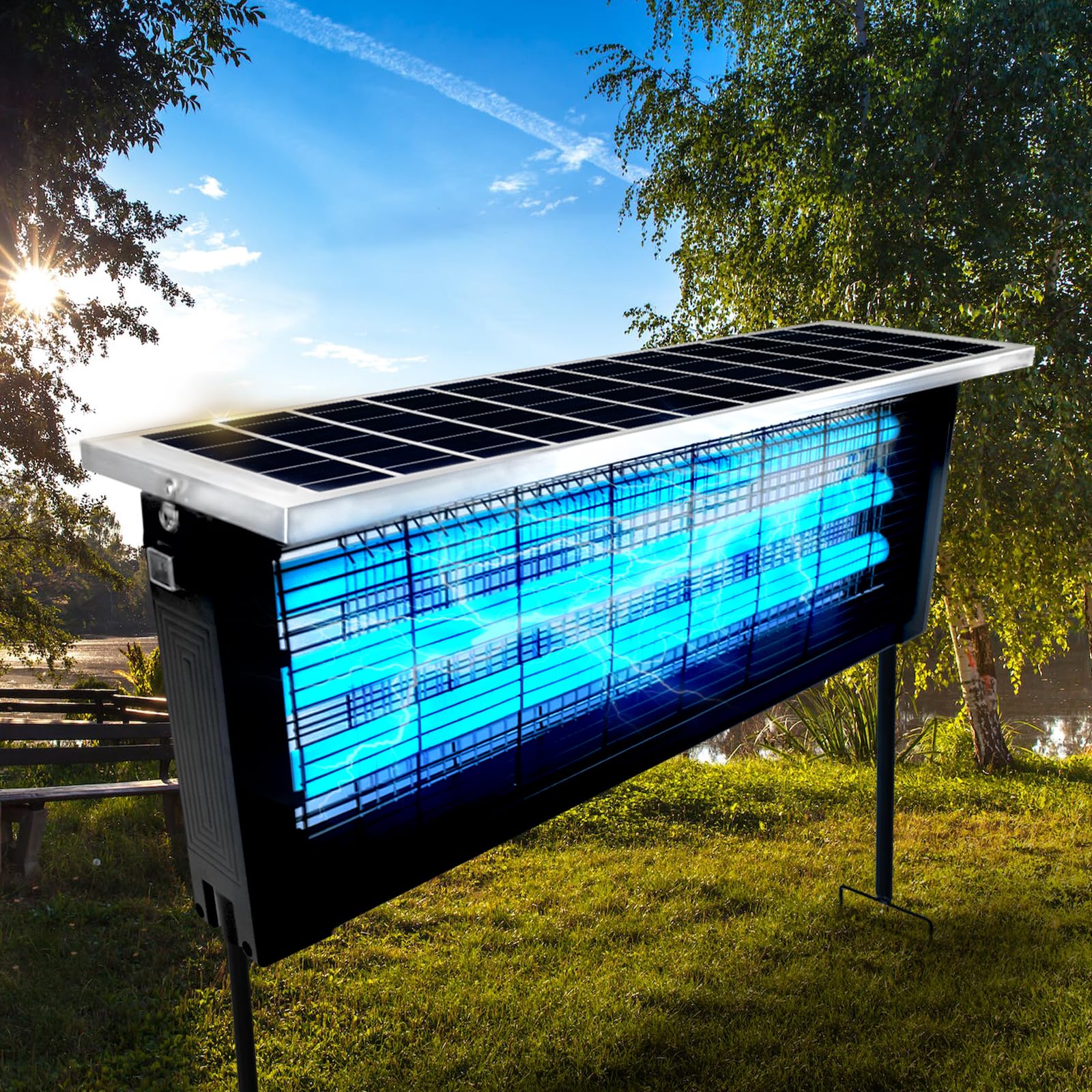
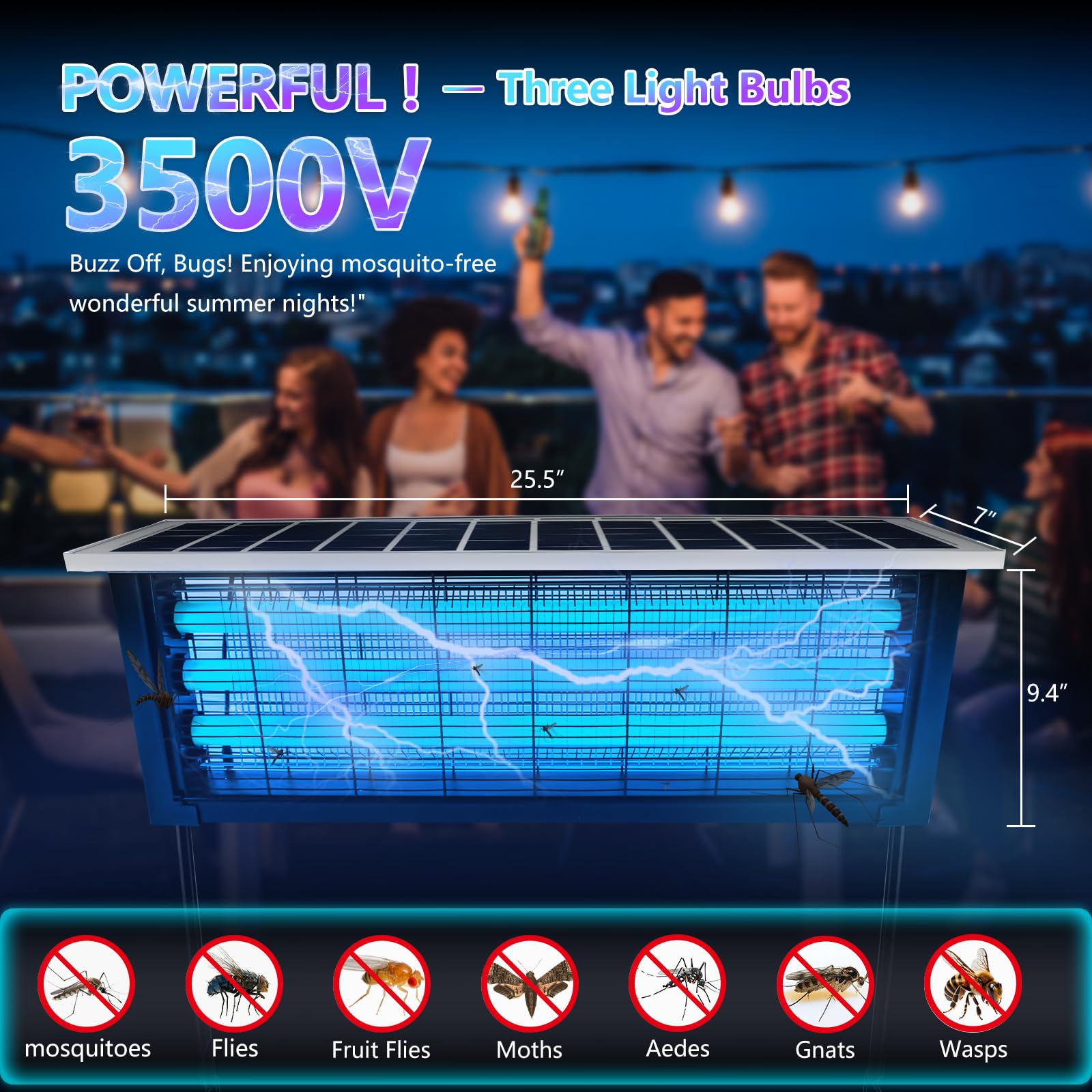
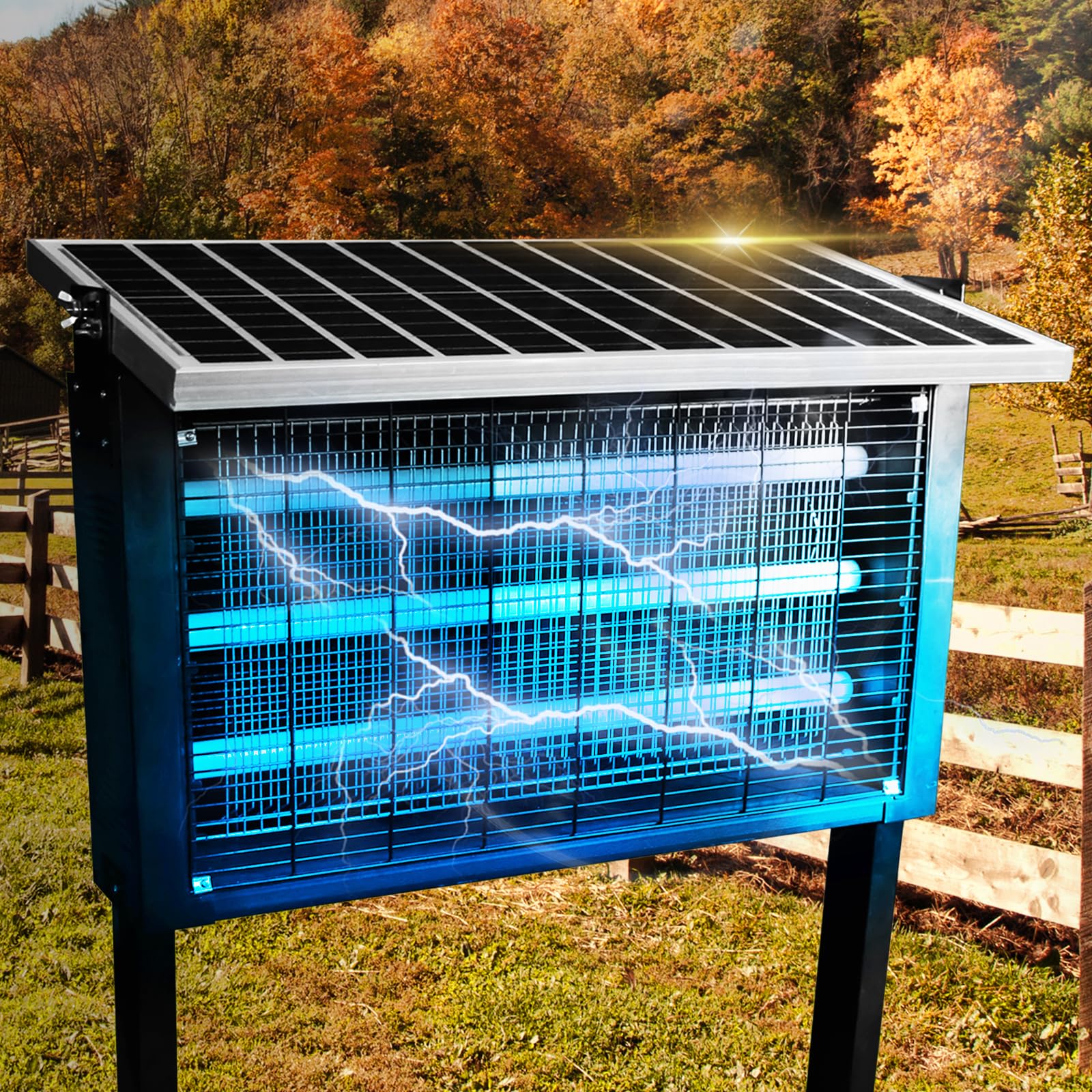
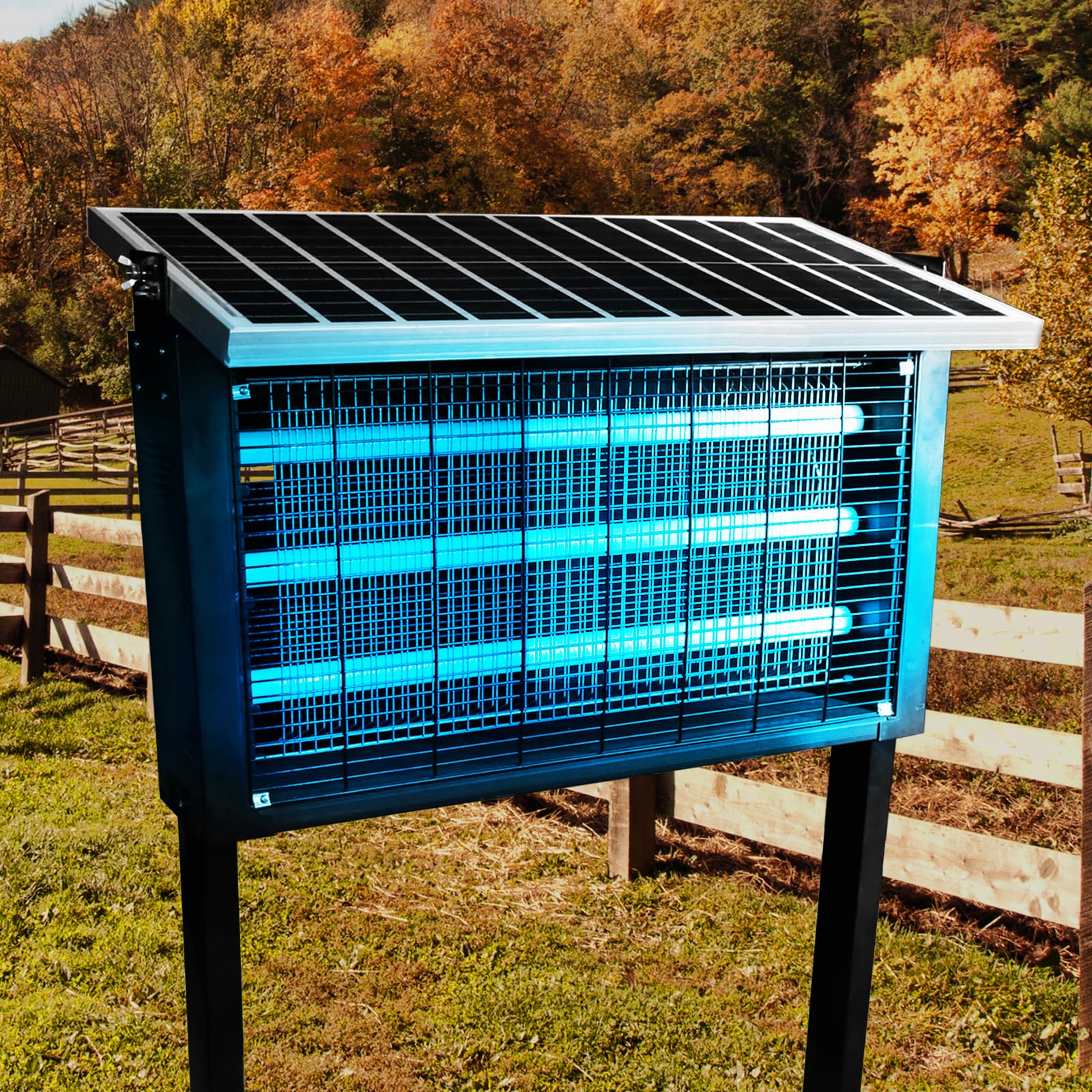
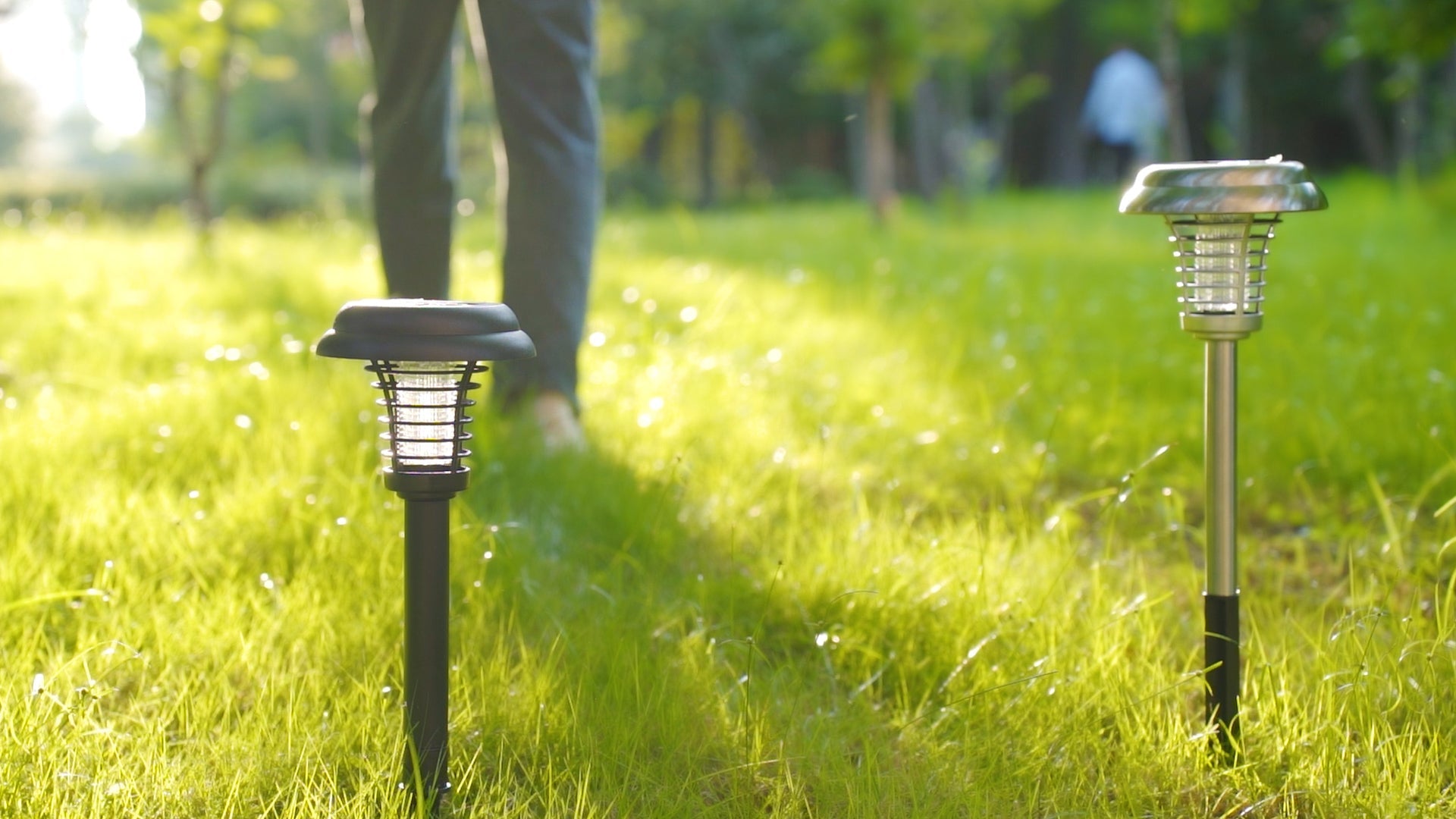
A solar-powered mosquito killer lamp is an outdoor device that:
-
Uses solar panels to collect energy during the day
-
Stores power in a built-in rechargeable battery
-
Emits light (often UV or specific wavelengths) at night to attract mosquitoes
-
Traps or kills insects using physical or electrical mechanisms
Because they rely on solar energy, these lamps operate independently of the power grid, making them ideal for outdoor and remote environments.
4. How Solar Mosquito Lamps Work: The Core Principles
Most solar mosquito killer lamps rely on three key principles:
Light Attraction
Mosquitoes are attracted to specific wavelengths of light, particularly UV and blue-violet spectrums.
Physical or Electrical Elimination
Once insects approach the lamp, they are either:
-
Electrocuted by a low-voltage grid
-
Trapped by a fan and collection chamber
-
Dehydrated inside a containment system
Energy Independence
Solar panels charge internal batteries during daylight hours, enabling automatic nighttime operation.
5. Why Solar Power Makes a Difference
Solar power offers several advantages over traditional electric mosquito control:
-
Zero electricity cost
-
Reduced carbon footprint
-
No extension cords or outlets required
-
Reliable operation in remote areas
-
Long-term sustainability
By harnessing renewable energy, solar mosquito lamps align perfectly with modern green living values.
6. Chemical-Free Mosquito Control: A Healthier Choice
Unlike sprays and coils, solar mosquito lamps:
-
Do not release toxins into the air
-
Are safe for children and pets
-
Do not contaminate soil or plants
-
Avoid inhalation risks
This makes them especially suitable for family homes, gardens, farms, and eco-friendly resorts.
7. Protecting Beneficial Insects and the Ecosystem
One common concern with insect control devices is their impact on beneficial insects such as:
-
Bees
-
Butterflies
-
Ladybugs
High-quality solar mosquito lamps are designed to:
-
Use targeted wavelengths
-
Reduce attraction to pollinators
-
Focus primarily on nocturnal pests
Responsible design helps maintain ecological balance while reducing mosquito populations.
8. Ideal Outdoor Applications
Solar-powered mosquito killer lamps are versatile and suitable for many environments, including:
-
Backyards and gardens
-
Patios and decks
-
Campsites
-
Farms and greenhouses
-
Outdoor restaurants and cafes
-
Pools and spa areas
Their cordless design makes placement flexible and convenient.
9. Automatic Operation: Set It and Forget It
Most solar mosquito lamps feature:
-
Light sensors
-
Automatic on/off functionality
They charge during the day and activate at dusk without user intervention, providing hassle-free operation.
10. Energy Storage and Battery Technology
Modern solar mosquito lamps use rechargeable batteries such as:
-
Lithium-ion
-
NiMH
Key battery features include:
-
Long lifespan
-
Stable discharge
-
Weather resistance
Efficient energy storage ensures consistent performance throughout the night.
11. Weather Resistance and Outdoor Durability
Designed for outdoor use, quality solar mosquito lamps are built to withstand:
-
Rain and humidity
-
Heat and sunlight exposure
-
Dust and debris
Look for products with appropriate waterproof ratings to ensure long-term reliability.
12. Comparing Solar Mosquito Lamps to Traditional Bug Zappers
Traditional plug-in bug zappers:
-
Require constant electricity
-
Often consume more energy
-
Are limited by cord length
Solar alternatives:
-
Use renewable energy
-
Operate anywhere
-
Reduce long-term costs
The shift toward solar represents both practical and environmental progress.
13. Understanding Light Wavelengths and Effectiveness
Not all light attracts mosquitoes equally.
Effective solar mosquito lamps use:
-
UV-A or specific blue wavelengths
-
Optimized intensity to attract pests without excessive brightness
This precision improves efficiency while minimizing unintended attraction.
14. Noise-Free Operation for Peaceful Evenings
Many solar mosquito lamps operate silently, especially those using trapping fans instead of electric grids.
This makes them ideal for:
-
Bedrooms near open windows
-
Outdoor dining areas
-
Camping environments
Quiet operation enhances comfort and relaxation.
15. Safety Features You Should Expect
Well-designed solar mosquito lamps include:
-
Protective outer cages
-
Low-voltage grids
-
Child- and pet-safe enclosures
Safety is a critical factor, especially in family environments.
16. Placement Strategies for Maximum Effectiveness
To improve performance:
-
Place lamps away from seating areas
-
Avoid competing light sources
-
Position them 1–2 meters above ground
-
Use multiple units for larger areas
Strategic placement significantly increases mosquito capture rates.
17. Seasonal Performance and Usage Tips
Mosquito activity varies by season.
For best results:
-
Deploy lamps early in mosquito season
-
Maintain consistent nightly use
-
Clean traps regularly
Consistency helps reduce local mosquito populations over time.
18. Maintenance: Keeping Your Lamp Effective
Routine maintenance includes:
-
Cleaning insect collection chambers
-
Wiping solar panels
-
Checking battery condition
Proper care ensures long-lasting performance and efficiency.
19. Cost Efficiency Over Time
While solar mosquito lamps may have a higher upfront cost, they:
-
Eliminate electricity bills
-
Reduce chemical purchases
-
Offer long service life
Over time, they are often more economical than traditional methods.
20. Eco-Friendly Living Starts at Home
Choosing solar-powered devices reflects a broader commitment to:
-
Sustainability
-
Renewable energy adoption
-
Reduced environmental impact
Small choices at home contribute to global environmental health.
21. Common Myths About Solar Mosquito Lamps
Myth: They don’t work as well as electric zappers
Reality: Properly designed solar lamps are highly effective
Myth: They only work in strong sunlight
Reality: Modern panels charge efficiently even on cloudy days
22. Solar Mosquito Lamps in Camping and Outdoor Adventures
For campers and outdoor enthusiasts, solar mosquito lamps are invaluable:
-
Lightweight and portable
-
No fuel or batteries required
-
Safe for tents and campsites
They enhance comfort without adding complexity.
23. Supporting Green Brands and Innovation
Purchasing solar mosquito lamps supports:
-
Clean energy innovation
-
Sustainable manufacturing
-
Responsible product design
Consumer choices drive industry change.
24. The Future of Solar-Powered Pest Control
Advances in technology are leading to:
-
More efficient solar panels
-
Smarter sensors
-
Improved targeting algorithms
The future promises even greater effectiveness with minimal environmental impact.
25. Integrating Solar Lamps into Smart Outdoor Spaces
As outdoor living becomes smarter, solar mosquito lamps can complement:
-
Solar garden lights
-
Smart irrigation systems
-
Eco-friendly landscaping
They fit seamlessly into modern green lifestyles.
26. Choosing the Right Solar Mosquito Lamp
When selecting a product, consider:
-
Coverage area
-
Battery capacity
-
Waterproof rating
-
Light wavelength
-
Safety certifications
Informed choices lead to better results.
27. A Balanced Approach to Mosquito Control
No single method eliminates mosquitoes entirely.
Solar lamps work best when combined with:
-
Proper yard maintenance
-
Eliminating standing water
-
Strategic placement
Integrated approaches deliver optimal outcomes.
28. Reducing Chemical Dependency in Outdoor Spaces
By adopting solar solutions, households can:
-
Reduce pesticide use
-
Protect soil and plants
-
Improve air quality
This benefits both people and the planet.
29. A Better Outdoor Experience, Naturally
Imagine enjoying:
-
Evenings without buzzing
-
Outdoor meals without bites
-
Peaceful nights under the stars
Solar mosquito lamps help make this possible—naturally and responsibly.
30. Conclusion: A Smarter, Greener Way to Fight Mosquitoes
Solar-powered mosquito killer lamps represent a powerful shift in how we approach outdoor pest control. By combining renewable energy, thoughtful design, and effective technology, they offer a solution that protects both human comfort and environmental health.
In a world where sustainability matters more than ever, choosing solar mosquito lamps is not just a practical decision—it’s a responsible one. They prove that effective mosquito control doesn’t have to come at the cost of our planet.
A greener outdoor life starts with smarter choices—and solar-powered mosquito lamps are leading the way.