Introduction: Why Build Your Own Aquarium Filter?
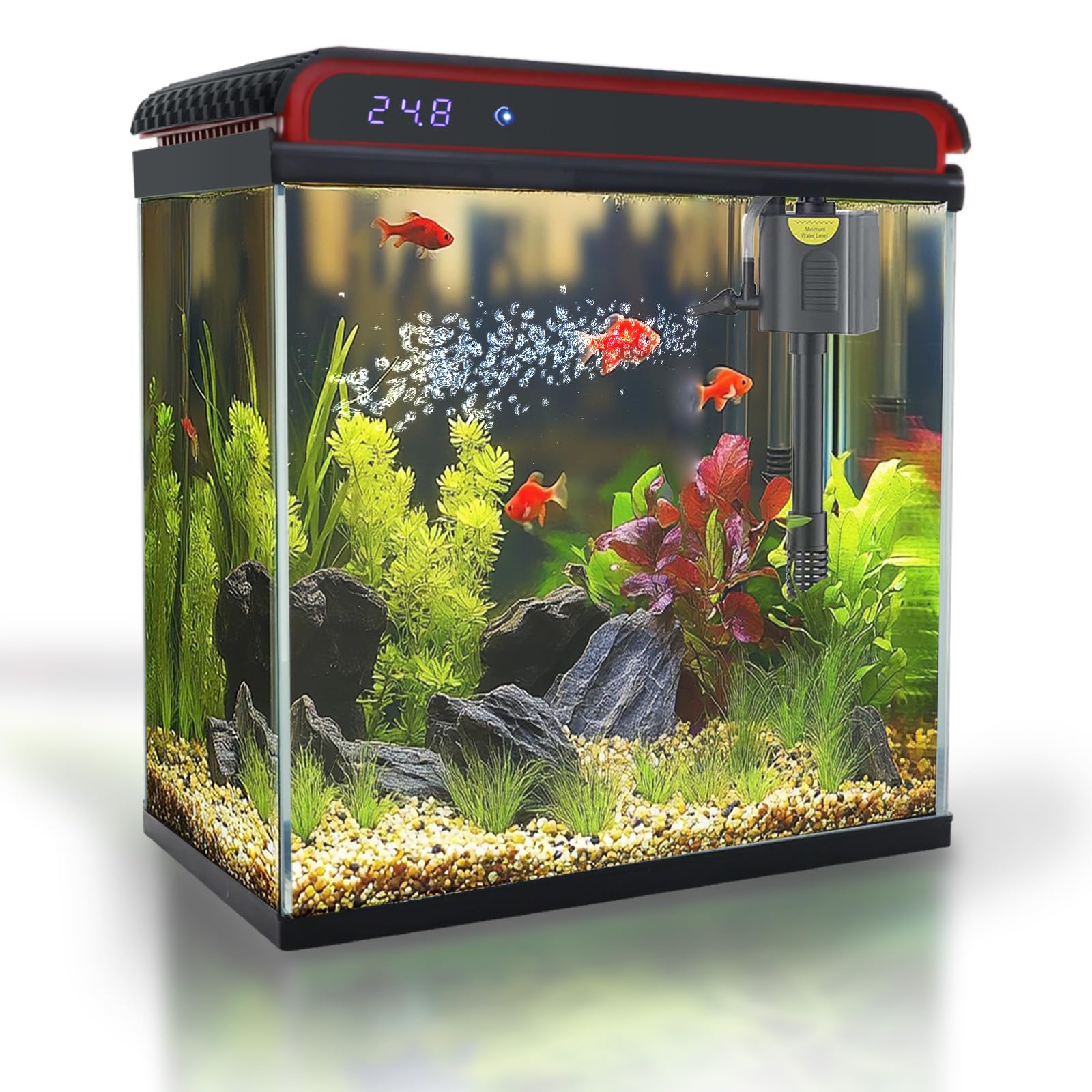
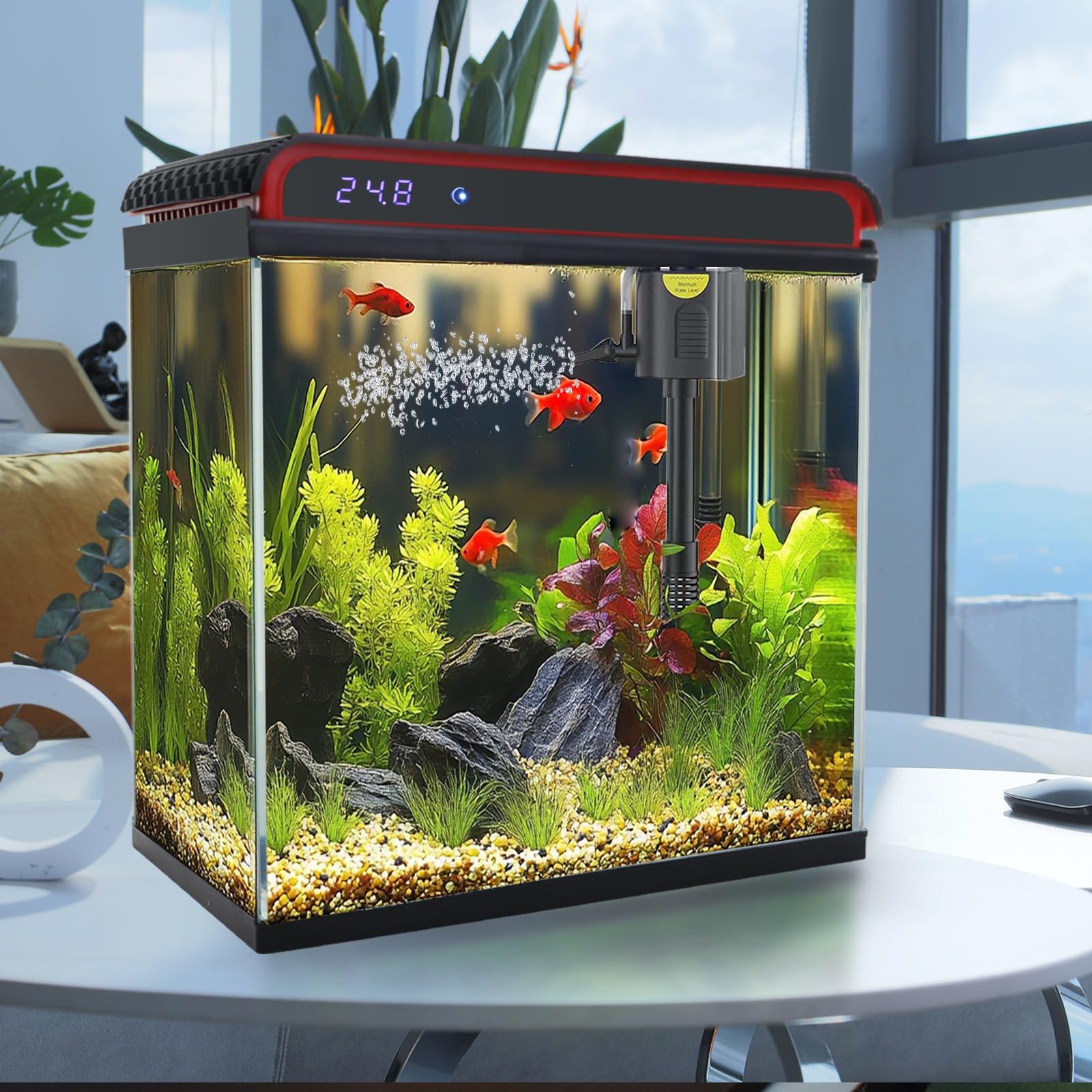
(Include image: A sleek, custom-built filter system integrated into a planted aquarium.)
In 2025, sustainability and personalization dominate the aquarium hobby. Building your own filter system isn’t just a money-saving hack—it’s a way to tailor filtration to your tank’s unique needs while reducing plastic waste. This guide dives into materials, designs, and cutting-edge DIY trends to help you create a professional-grade filter at home.
Section 1: Understanding Filtration Basics
(Include diagram: The nitrogen cycle and how filters support it.)
- Mechanical, Biological, and Chemical Filtration: Core principles for clean water.
- Bioload Calculation: How fish waste, tank size, and plant density impact filter design.
- 2025 Insight: AI-powered water testers (e.g., AquaSmart Pro) simplify parameter tracking.
Section 2: Materials and Tools You’ll Need
(Include photo collage: PVC pipes, sponges, bio-media, water pumps, and 3D-printed parts.)
Essential Components:
-
Filter Media:
- Mechanical: Recycled filter pads or stainless steel mesh.
- Biological: Lava rock, ceramic rings, or biodegradable matrix blocks.
- Chemical: Activated carbon or ion-exchange resins.
- Pump: Solar-powered low-voltage pumps (e.g., EcoFlow Mini).
- Containers: Repurposed food-safe plastic containers or 3D-printed modular units.
- Tools: Silicone sealant, drill, tubing cutter, and IoT-enabled flow sensors.
Cost Breakdown: Compare DIY (120) vs. commercial filters (500).
Section 3: Step-by-Step DIY Filter Designs
(Include illustrated tutorials with captions.)
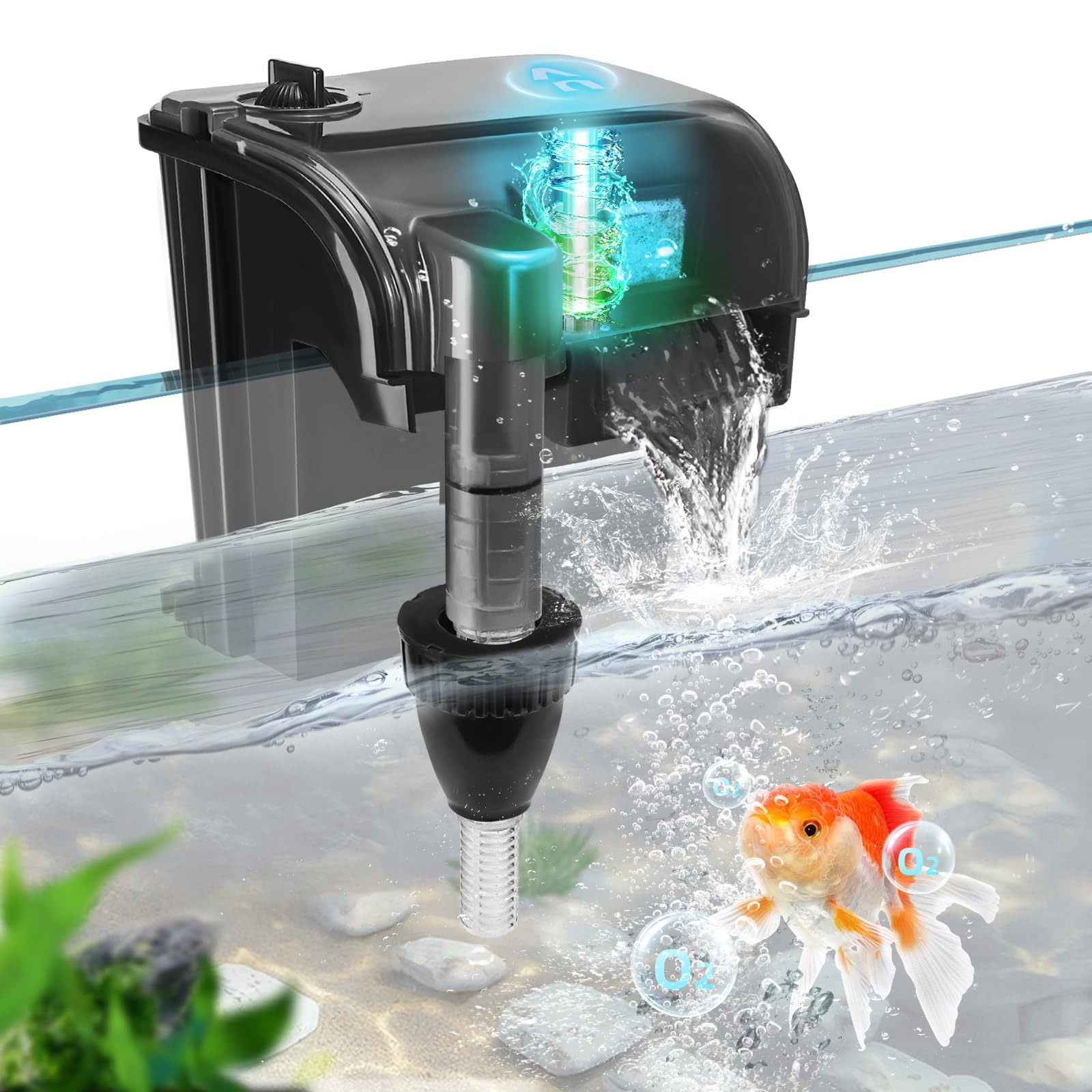
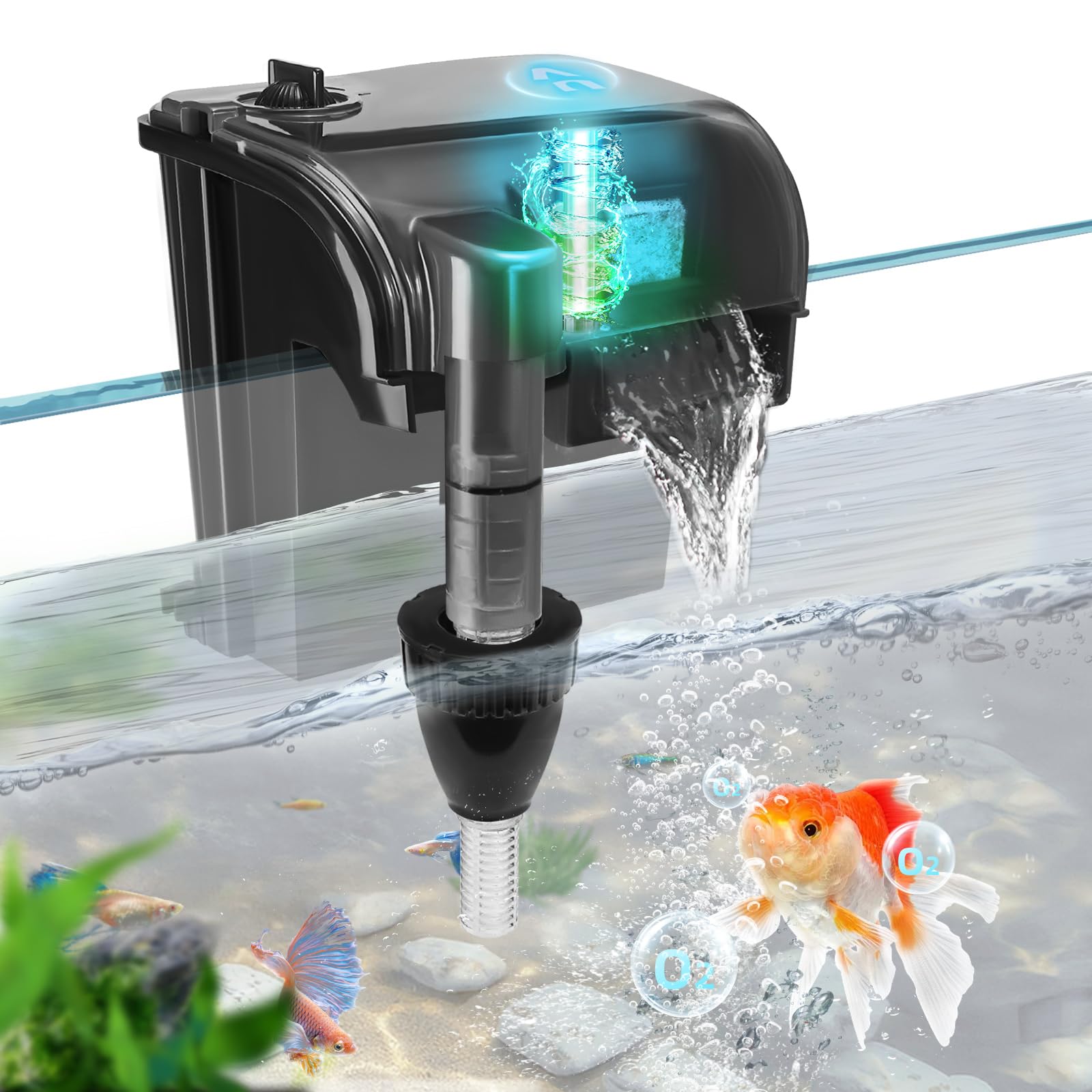
Design 1: Hang-On-Back (HOB) Filter
(Image: HOB filter made from a plastic storage box.)
- Cut inlet/outlet holes and attach tubing to a pump.
- Layer media: Coarse sponge → bio-media → polishing pad.
- Secure to tank with brackets; test flow rate (aim for 4x tank volume/hour).
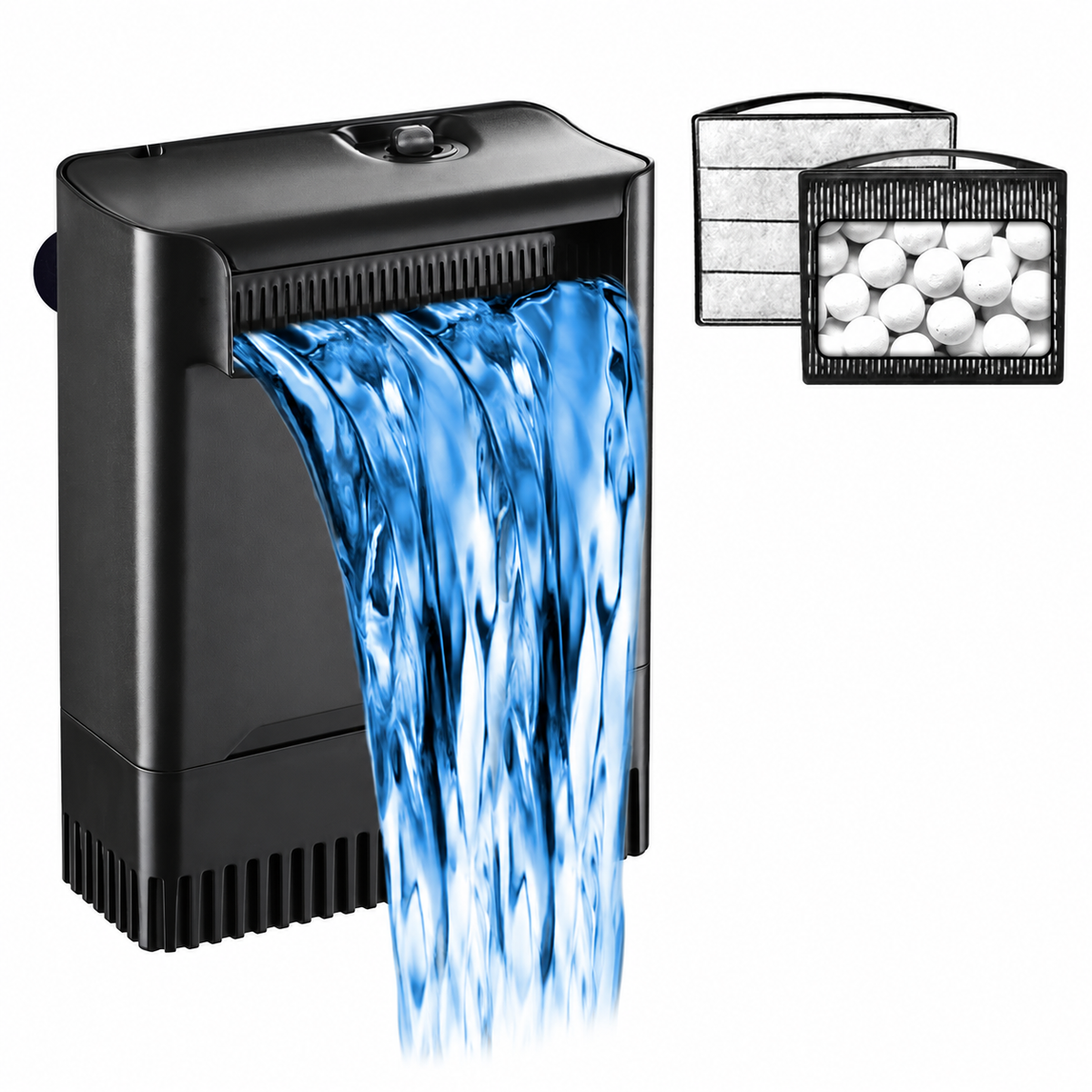
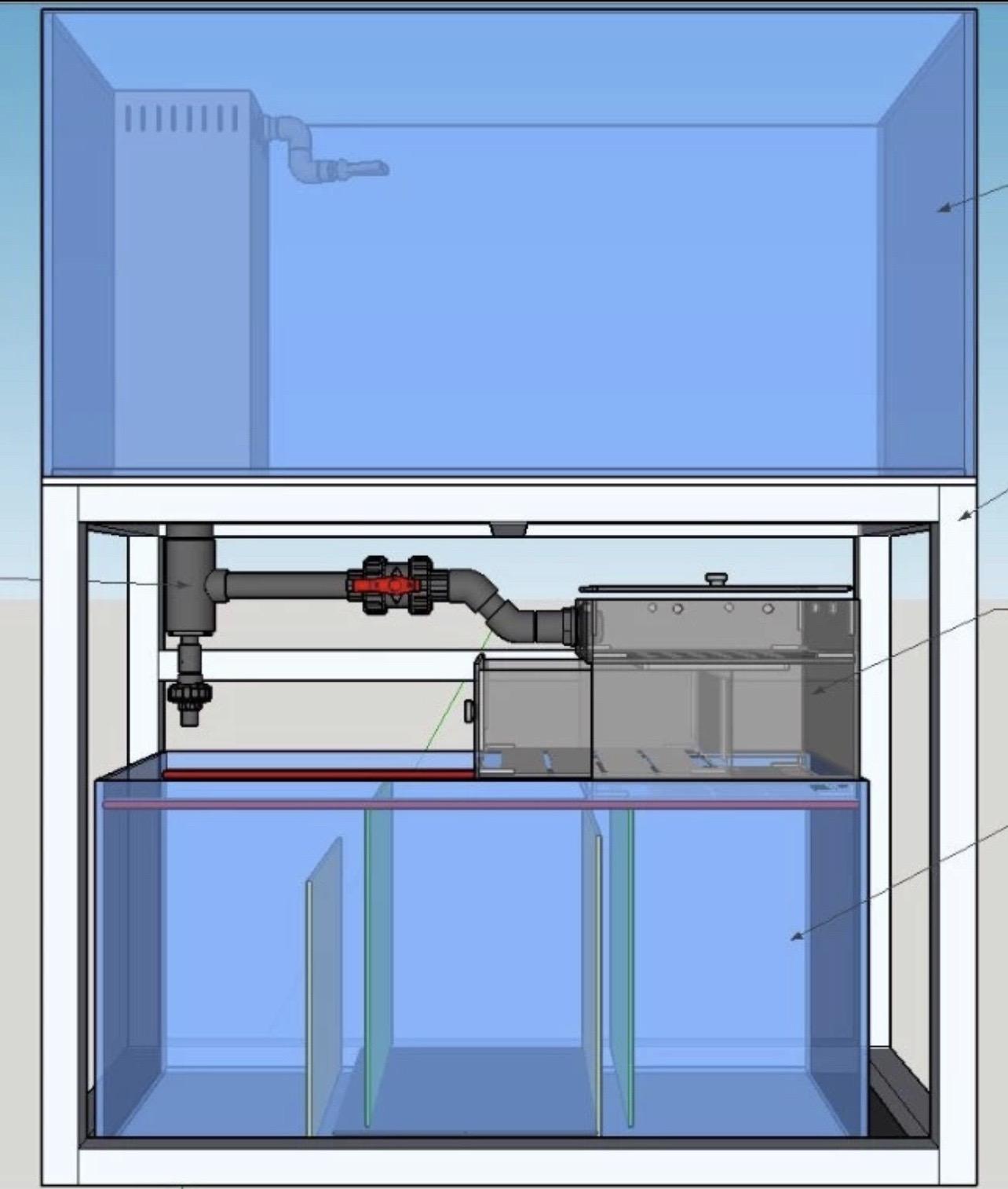
Design 2: Canister Filter for Large Tanks
(Image: DIY canister using a pressure-rated PVC pipe.)
- Drill ports for inflow, outflow, and media access.
- Stack trays with mechanical → chemical → biological media.
- Connect to pump and hide behind aquarium stands.
Design 3: Sustainable Air-Driven Sponge Filter
(Image: Sponge filter with upcycled plastic bottle housing.)
- Carve airlift tube into a sponge.
- Attach air pump for gentle filtration (ideal for fry tanks).

Section 4: Advanced 2025 DIY Trends
(Include infographic: Smart and eco-friendly filter features.)
- Solar Integration: Power pumps with mini solar panels.
- 3D Printing: Customize filter parts for odd-shaped tanks.
- Algae Scrubbers: Combine filtration with algae growth for nutrient export.
- IoT Integration: Use Arduino/Raspberry Pi to monitor flow and water quality.
Section 5: Troubleshooting Common Issues
(Include flowchart: “Why Isn’t My Filter Working?”)
- Low Flow: Clean clogged media; check pump wattage.
- Noise: Use vibration-dampening mats or silicone tubing.
- Leaks: Reapply silicone sealant; pressure-test before use.
Section 6: Case Study: A Self-Sustaining 50-Gallon Ecosystem
(Include before/after images and data charts.)
- Challenge: High maintenance in a heavily stocked cichlid tank.
- Solution: Built a hybrid canister filter with a built-in algae reactor.
- Result: 60% reduction in water changes; stable pH and nitrate levels.
Section 7: Future of DIY Filtration
- Biohacking: Engineered bacteria to boost waste breakdown.
- Zero-Waste Kits: Filters made entirely from ocean plastics.
- Community Collaboration: Open-source filter blueprints on platforms like AquaBuilders.com.
Conclusion: Empowering Hobbyists Through Innovation
Building your own filter merges creativity with science. In 2025, DIY isn’t just a hobby—it’s a movement toward sustainable, smart aquariums.

Image Credits Section
(Recommend free image sources: Wikimedia Commons, DIY aquarium forums, or CC-licensed platforms.)
Formatting Notes:
- Use bold headers, bullet points, and numbered steps for readability.
- Images should break up text; use captions to explain key steps.
- Highlight 2025-specific innovations (e.g., solar pumps, IoT) to emphasize timeliness.
- Analogies: Compare filter layers to a “water treatment plant” for clarity.
This structure balances technical depth, visual appeal, and a forward-thinking angle—perfect for engaging DIY aquarists in 2025!