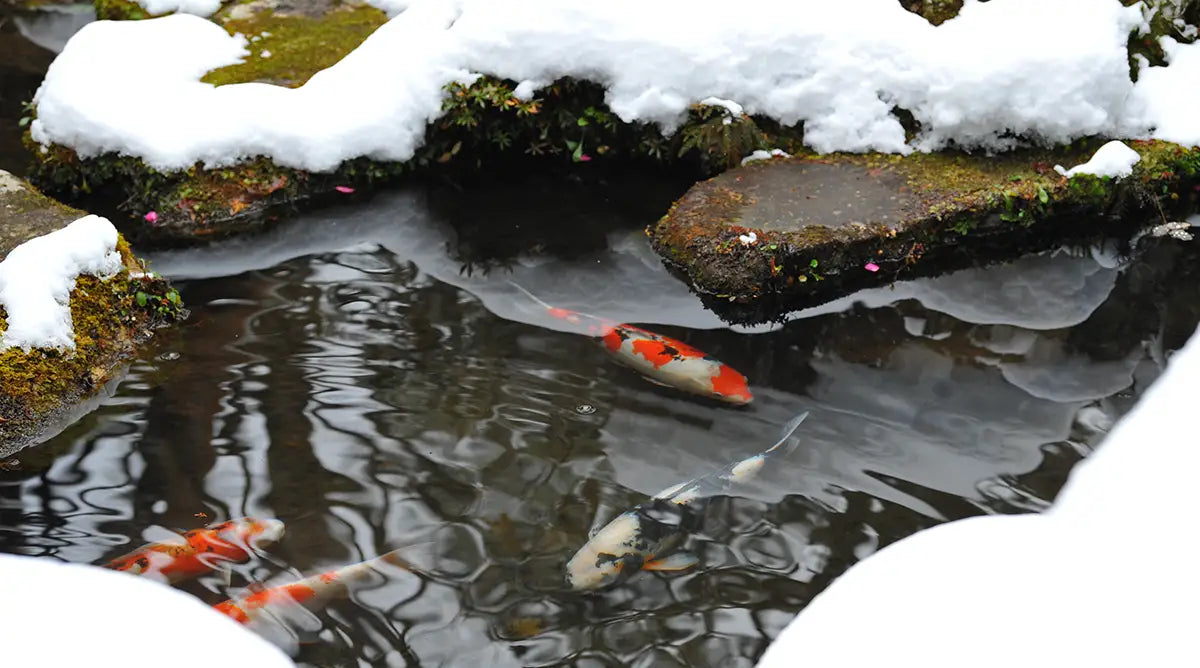
For koi enthusiasts, winter can be one of the most stressful seasons of the year. While koi are known for their resilience and ability to survive in outdoor ponds, cold climates introduce serious challenges that can threaten fish health, water quality, filtration systems, and overall pond stability. Freezing temperatures, ice formation, oxygen depletion, unstable water conditions, and improper winter preparation can quickly turn a beautiful koi pond into a dangerous environment.
Many pond owners assume koi simply “hibernate” and require little attention during winter. In reality, successful koi overwintering depends on careful seasonal preparation, proper pond management, stable water conditions, and a solid understanding of how cold temperatures affect fish metabolism and pond ecosystems.
This comprehensive guide explains how to safely overwinter koi in cold regions, including pond preparation strategies, filtration adjustments, feeding schedules, ice management, aeration techniques, common winter mistakes, and expert tips for maintaining healthy koi until spring arrives.
Understanding How Winter Affects Koi Fish
Before preparing a pond for winter, it is important to understand how koi respond to cold temperatures.
Koi are cold-water fish, meaning they can survive low temperatures better than many tropical species. However, survival does not mean immunity to stress.
As water temperatures drop, koi experience major physiological changes:
-
Metabolism slows dramatically
-
Digestion becomes less efficient
-
Activity levels decrease
-
Immune systems weaken
-
Oxygen needs shift
-
Stress tolerance declines
These seasonal changes mean koi become much more vulnerable to poor water quality, sudden temperature fluctuations, and oxygen shortages during winter.
Why Winter Pond Stability Matters
The biggest threat to koi during winter is often not the cold itself, but unstable environmental conditions.
Common winter pond problems include:
-
Rapid temperature swings
-
Ice-covered surfaces
-
Low oxygen levels
-
Ammonia buildup
-
Poor circulation
-
Filtration shutdown mistakes
-
Decomposing organic waste
A stable winter pond environment helps koi conserve energy and reduce physiological stress.
Ideal Pond Depth for Overwintering Koi
Pond depth is one of the most important factors for winter survival in cold climates.
Recommended Winter Pond Depth
In regions with freezing winters, koi ponds should ideally be:
-
At least 4 feet deep
-
Preferably 5 to 6 feet deep in extremely cold regions
Deeper ponds provide:
-
Thermal stability
-
Insulation from freezing air
-
Safer overwintering zones
Shallow ponds freeze faster and experience greater temperature fluctuations.
Understanding Water Temperature Zones
During winter, pond water forms temperature layers.
How Thermal Stratification Works
-
Surface water becomes coldest
-
Deeper water remains slightly warmer
-
Bottom zones provide winter refuge
Koi naturally move to deeper areas where temperatures remain more stable.
Disrupting these layers unnecessarily can stress fish significantly.
Fall Preparation Is the Key to Winter Success
The best winter survival strategy begins long before freezing temperatures arrive.
Why Autumn Preparation Matters
A poorly prepared pond enters winter with:
-
Excess waste
-
Weak fish
-
Unstable water conditions
-
Inadequate oxygen levels
These issues become much harder to correct once the pond freezes.
Step 1: Clean the Pond Thoroughly Before Winter
Organic waste becomes a major problem during winter.
Remove Debris Early
Before temperatures drop significantly, remove:
-
Fallen leaves
-
Dead plants
-
Excess algae
-
Sludge buildup
-
Uneaten food
Decomposing debris consumes oxygen and releases harmful compounds.
Why Organic Waste Is Dangerous in Winter
As waste decomposes, it may produce:
-
Ammonia
-
Nitrite
-
Hydrogen sulfide
-
Carbon dioxide
Ice-covered ponds trap gases more easily, increasing risks for koi.
Step 2: Adjust Feeding as Temperatures Drop
Feeding koi improperly during cold weather is one of the most common winter mistakes.
How Cold Water Affects Digestion
Koi digestion slows significantly in cold temperatures.
Food that is difficult to digest may remain in the digestive tract too long, causing health issues.
Temperature-Based Feeding Guidelines
Above 65°F (18°C)
Koi can eat normal high-protein diets.
55–65°F (13–18°C)
Transition to wheat germ-based foods.
50–55°F (10–13°C)
Feed lightly and less frequently.
Below 50°F (10°C)
Stop feeding completely in most outdoor ponds.
Koi metabolism becomes too slow for safe digestion.
Why Wheat Germ Food Is Popular for Winter
Wheat germ formulas are easier for koi to digest in cooler temperatures.
Benefits include:
-
Lower digestive stress
-
Better nutrient absorption
-
Reduced waste production
Step 3: Maintain Proper Water Quality
Cold water may look cleaner, but water quality problems still occur during winter.
Critical Winter Water Parameters
Monitor:
-
Ammonia
-
Nitrite
-
Nitrate
-
pH
-
Dissolved oxygen
-
KH (carbonate hardness)
Why Water Testing Still Matters in Winter
Beneficial bacteria slow down in cold temperatures, reducing biological filtration efficiency.
Even low feeding levels can still produce dangerous ammonia accumulation.
Step 4: Decide Whether to Run the Filtration System
Many pond owners are unsure whether filtration systems should remain active during winter.
The answer depends on climate severity and pond design.
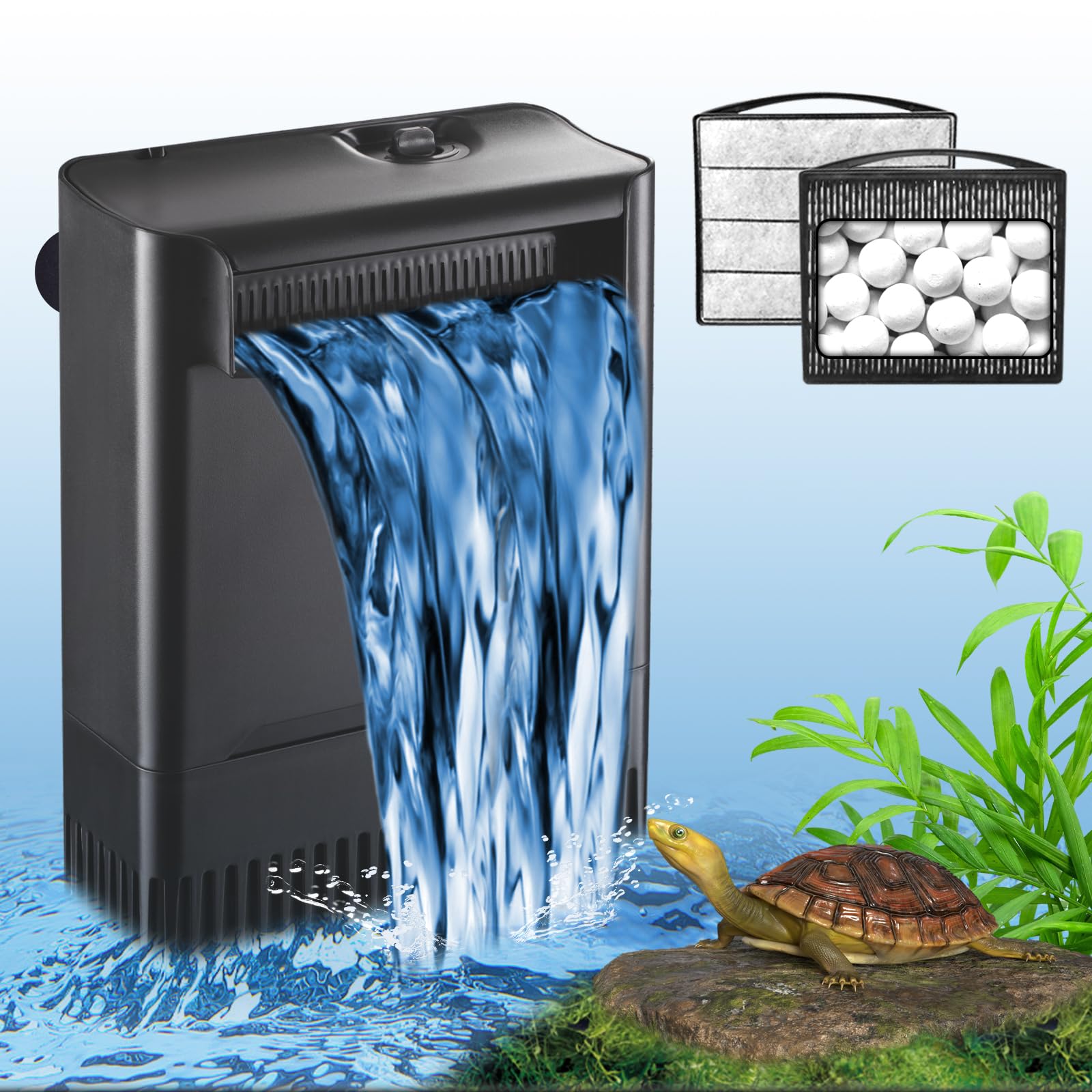
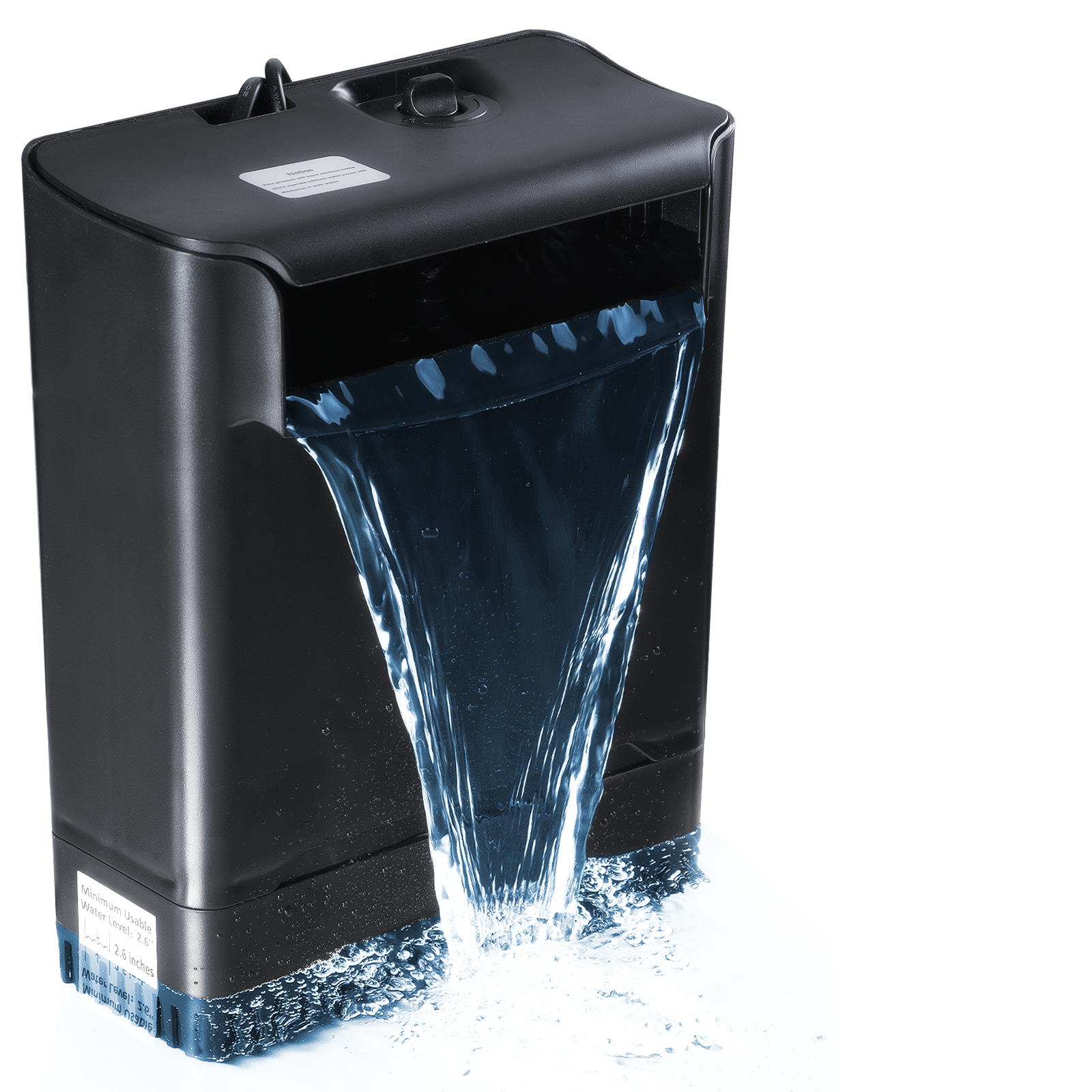
Option 1: Keep Filtration Running
In moderately cold climates, keeping filtration active may help maintain:
-
Water circulation
-
Oxygen levels
-
Biological stability
Important Consideration
Avoid excessive surface agitation in extremely cold regions.
Too much circulation may cool deeper water unnecessarily.
Option 2: Shut Down Certain Systems
In extremely cold regions, some pond owners shut down:
-
Waterfalls
-
Surface skimmers
-
Exposed plumbing
This prevents:
-
Ice blockages
-
Pipe cracking
-
Heat loss
Protecting Pond Plumbing During Winter
Frozen pipes can cause expensive damage.
Winter Plumbing Protection Tips
-
Drain exposed lines
-
Insulate vulnerable pipes
-
Remove external pumps if necessary
-
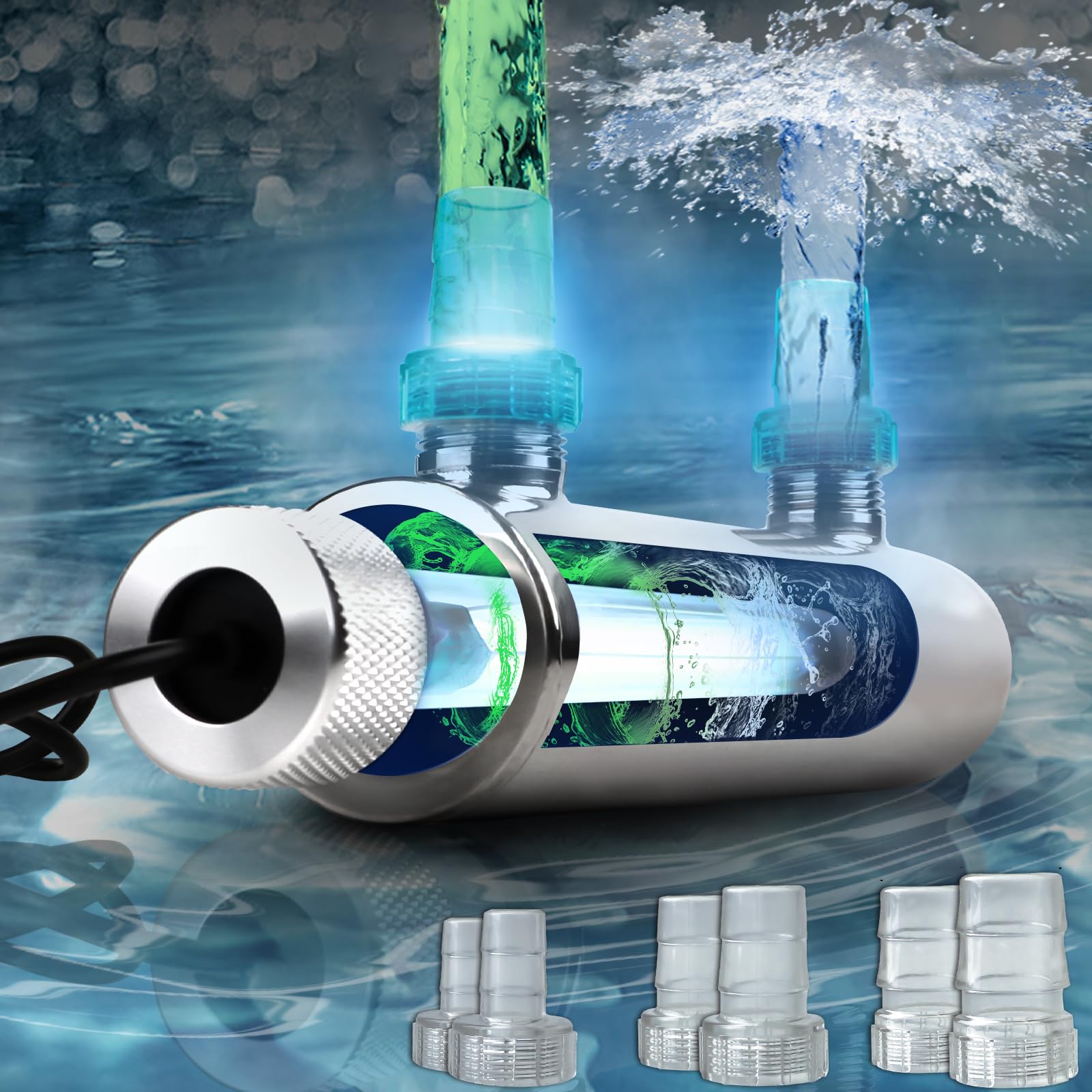
Protect UV clarifiers from freezing
Step 5: Prevent the Pond Surface from Fully Freezing
A completely sealed ice surface can create dangerous gas buildup.
Why Gas Exchange Matters
Koi and beneficial bacteria continue producing gases during winter.
Without ventilation, toxic gases may accumulate under the ice.
Safe Methods to Keep an Opening in the Ice
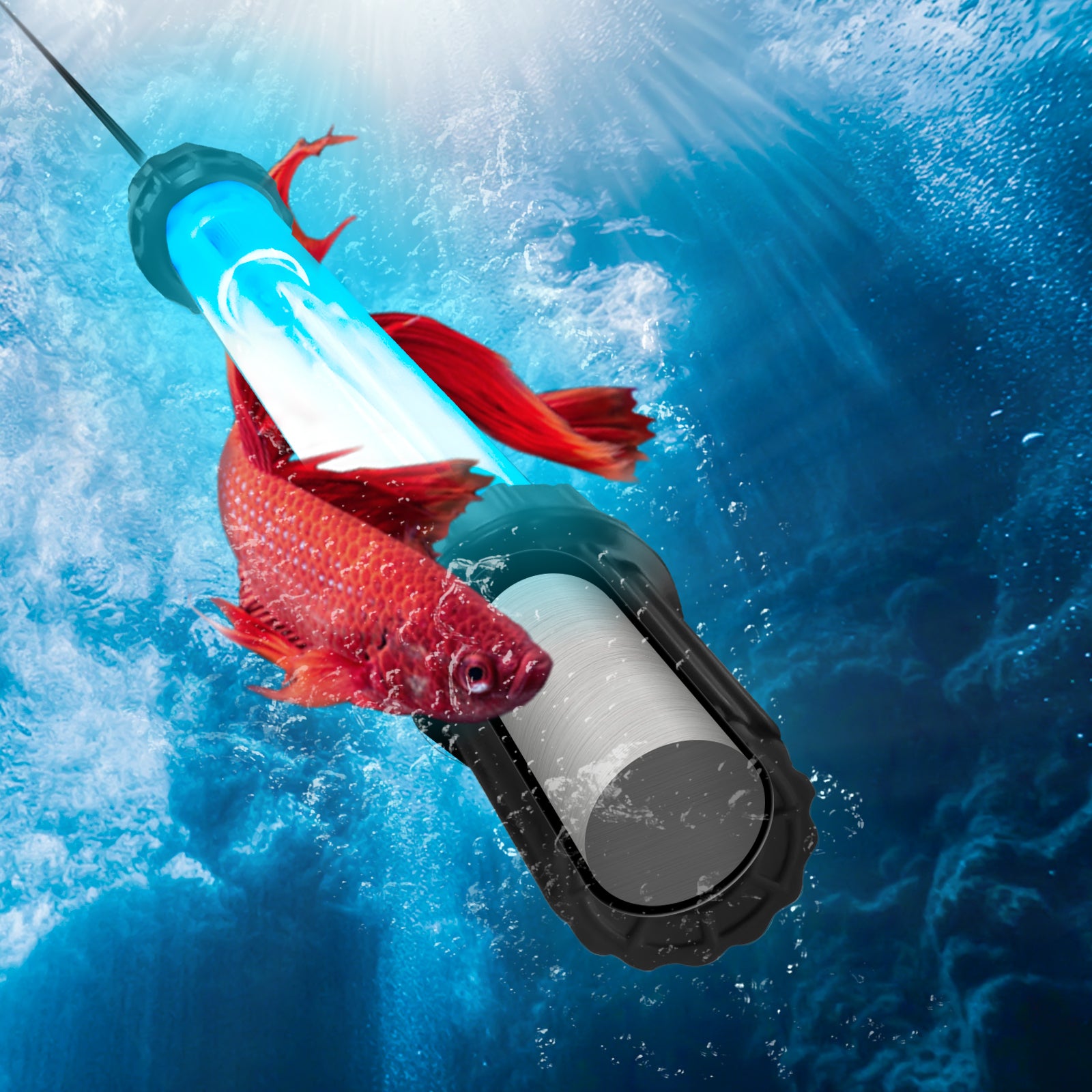
Pond De-Icers
Floating pond heaters help maintain small ventilation openings.
Aerators
Air pumps improve oxygen levels and support gas exchange.
Floating Ice Preventers
Passive devices may help reduce ice sealing.
Never Smash Ice Directly
Breaking thick ice forcefully creates shock waves that can severely stress or injure koi.
Instead:
-
Use warm water carefully
-
Install de-icers early
-
Maintain ventilation preventively
The Role of Aeration During Winter
Oxygen management remains extremely important during winter.
Benefits of Winter Aeration
Proper aeration helps:
-
Improve oxygen levels
-
Support gas exchange
-
Reduce stagnant zones
Aerator Placement Matters
In cold climates, avoid placing aerators at the deepest pond point.
Strong bottom circulation may disturb warmer thermal layers.
Instead:
-
Position aeration higher in the water column
Should You Use Pond Heaters?
Pond heaters can help stabilize winter conditions, but they are not always necessary.
What Pond Heaters Actually Do
Most pond heaters:
-
Maintain ventilation holes
-
Prevent complete ice sealing
They usually do not heat the entire pond significantly.
Full Pond Heating Systems
Some advanced koi keepers install full heating systems.
Benefits of Heated Ponds
-
Stable temperatures
-
Continued feeding
-
Reduced immune stress
-
Improved winter growth
Downsides
-
High operating costs
-
Energy consumption
-
Complex installation
Common Winter Koi Diseases
Cold temperatures weaken koi immune systems.
Common Winter Health Issues
-
Ulcers
-
Fungal infections
-
Parasites
-
Fin rot
-
Bacterial infections
Why Winter Illnesses Are Dangerous
Treatment becomes more difficult because:
-
Koi metabolism slows
-
Immune response weakens
-
Medications behave differently in cold water
Prevention is far easier than winter treatment.
Signs Your Koi May Be in Trouble During Winter
Watch carefully for:
-
Gasping at the surface
-
Loss of balance
-
Excessive isolation
-
Visible sores
-
Flashing behavior
-
Floating abnormally
Healthy overwintering koi are generally calm and inactive near deeper areas.
Predator Risks Increase During Winter
Koi become slower and more vulnerable during cold weather.
Common Winter Pond Predators
-
Herons
-
Raccoons
-
Cats
-
Otters in some regions
Winter Protection Strategies
-
Pond netting
-
Motion lights
-
Decoys
-
Deeper refuge zones
Should Koi Be Moved Indoors for Winter?
In severe climates, some hobbyists move koi indoors temporarily.
Indoor Wintering Benefits
-
Controlled temperature
-
Easier monitoring
-
Stable filtration
Potential Downsides
-
Transport stress
-
Crowding risks
-
Indoor tank maintenance challenges
Most healthy koi can survive outdoors if the pond is prepared correctly.
Winterizing Pond Plants
Aquatic plants also require seasonal preparation.
Hardy Pond Plants
Some hardy plants can survive outdoors with trimming and dormancy.
Tropical Plants
Tropical species may need indoor storage.
Leaf Nets: An Underrated Winter Tool
Falling leaves create major winter water quality problems.
Benefits of Pond Leaf Nets
Leaf nets help:
-
Reduce sludge buildup
-
Improve water quality
-
Lower maintenance workload
Install nets before heavy autumn leaf drop begins.
Why Sudden Temperature Swings Are Dangerous
Rapid temperature changes stress koi heavily.
Common Causes of Temperature Instability
-
Warm water additions
-
Inconsistent heating
-
Excessive circulation
-
Shallow ponds
Stable cold conditions are often safer than fluctuating temperatures.
Winter Water Changes: Yes or No?
Water changes can still be beneficial during winter, but caution is necessary.
Safe Winter Water Change Tips
-
Keep changes small
-
Match water temperature carefully
-
Avoid sudden chemistry shifts
Large cold-water changes may shock fish.
Monitoring Ice Thickness and Snow Coverage
Heavy snow can block sunlight penetration.
Why Light Still Matters
Aquatic ecosystems still benefit from some light exposure during winter.
Snow Management Tips
Remove excessive snow accumulation carefully if ice becomes heavily covered.
Backup Power Is Extremely Important
Winter storms increase power outage risks.
Why Power Failures Are Dangerous
Without electricity:
-
Aerators stop
-
De-icers fail
-
Oxygen levels may drop
Emergency Preparation
Consider:
-
Battery backup aerators
-
Portable generators
-
Emergency de-icers
Winter Pond Maintenance Checklist
Before Winter
-
Clean debris
-
Trim plants
-
Adjust feeding
-
Test water
-
Inspect equipment
During Winter
-
Monitor ice openings
-
Check oxygen levels
-
Observe fish behavior
-
Remove excessive snow
Early Spring
-
Resume feeding gradually
-
Restart systems carefully
-
Test water parameters
-
Inspect fish health
The Biggest Winter Mistakes Koi Owners Make
Overfeeding in Cold Water
This is one of the most harmful mistakes.
Completely Ignoring the Pond
Winter ponds still require monitoring.
Allowing Full Ice Coverage
Gas exchange remains essential.
Removing All Water Movement
Some circulation is often beneficial.
Disturbing Fish Excessively
Koi need calm, stable conditions during dormancy.
How Climate Region Changes Winter Strategy
Winter pond care differs depending on location.
Mild Winter Regions
Focus on:
-
Water quality
-
Moderate feeding adjustments
Severe Winter Regions
Focus more on:
-
Ice prevention
-
Oxygen management
-
Plumbing protection
-
Deep pond insulation
The Role of Pond Design in Winter Success
A well-designed pond makes winter care much easier.
Features That Improve Winter Stability
-
Greater depth
-
Bottom drains
-
Efficient aeration
-
Insulated construction
-
Reliable filtration systems
Why Healthy Koi Before Winter Matters Most
Strong koi enter winter with:
-
Better immune reserves
-
More stable energy stores
-
Greater stress tolerance
Good summer and fall care strongly influence winter survival outcomes.
The Future of Smart Winter Pond Management
Modern pond technology is becoming increasingly advanced.
New innovations include:
-
Wi-Fi pond monitoring
-
Smart temperature sensors
-
Automated oxygen monitoring
-
Remote-controlled de-icers
-
AI-assisted pond management
These systems help pond owners respond quickly to dangerous winter conditions.
Final Thoughts
Successfully overwintering koi in cold climates requires much more than simply waiting for spring. Proper preparation, stable water conditions, oxygen management, careful feeding adjustments, and ongoing winter monitoring all play critical roles in protecting koi health during freezing weather.
The goal of winter pond management is not to keep koi highly active but to provide a calm, stable, low-stress environment where fish can safely conserve energy until temperatures rise again.
By cleaning the pond thoroughly in autumn, maintaining proper aeration, preventing complete ice coverage, monitoring water quality, and avoiding common winter mistakes, koi keepers can dramatically improve winter survival rates and ensure their ponds emerge healthy and balanced when spring returns.
A well-managed winter pond does more than protect fish — it preserves the beauty, balance, and long-term success of the entire koi ecosystem.