
Cleanliness in schools and daycare centers has never been a minor operational detail. It is a foundational requirement that directly impacts student health, staff attendance, parental trust, and institutional reputation.
Children touch everything.
They share spaces.
They explore the world with their hands—and often their mouths.
In environments where dozens or even hundreds of students interact daily, traditional cleaning methods alone are no longer enough. Administrators are under increasing pressure to adopt smarter, more reliable hygiene strategies that go beyond surface-level cleaning.
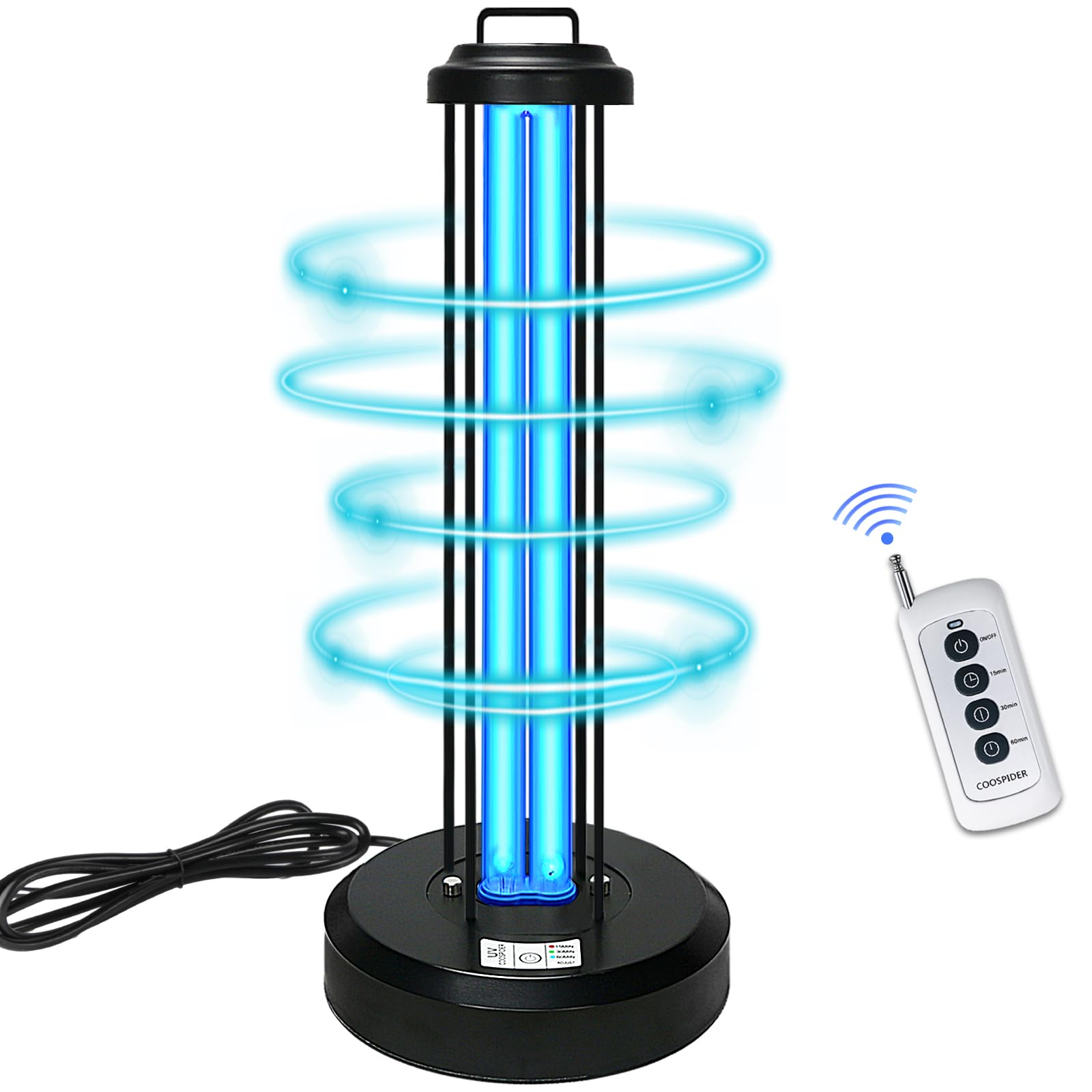
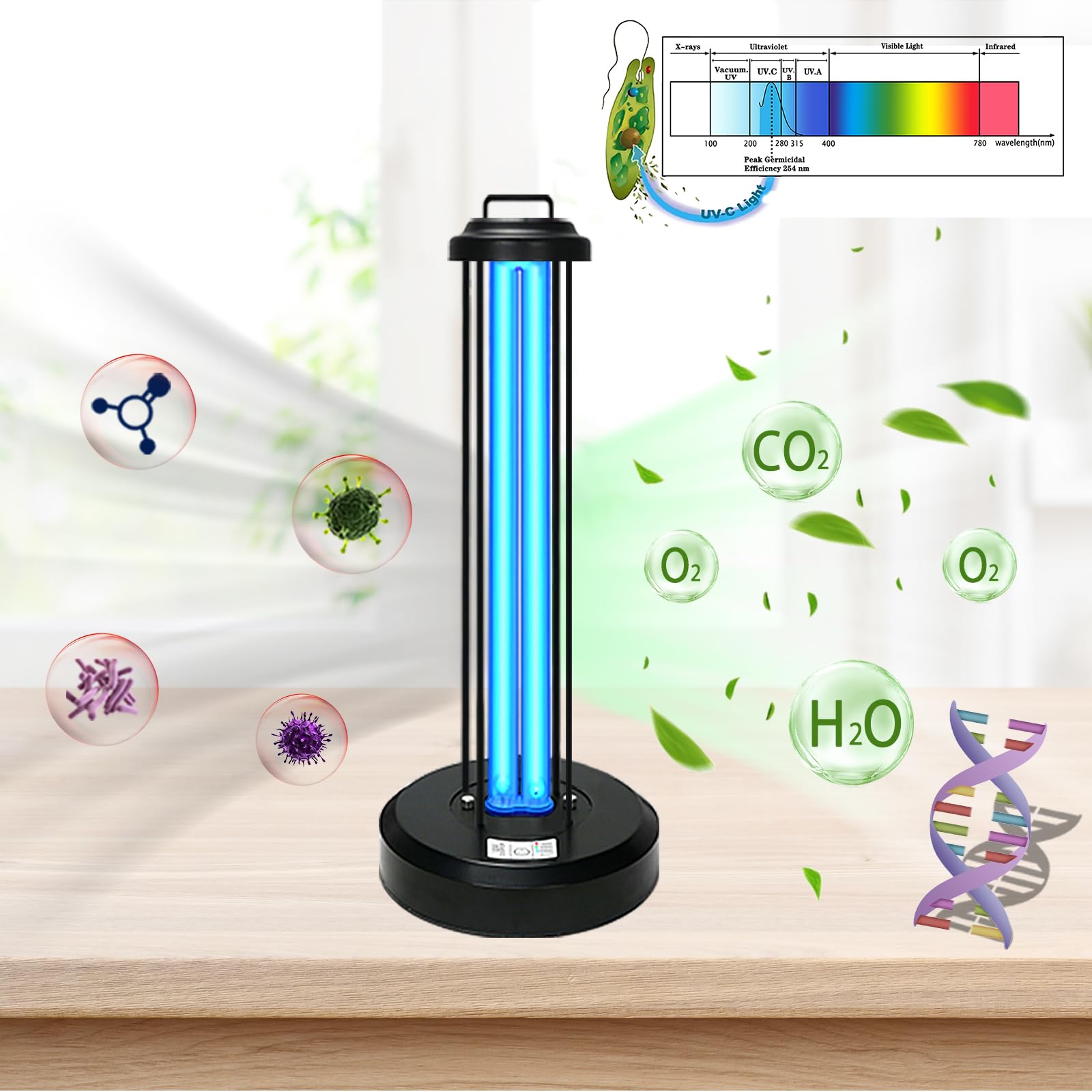
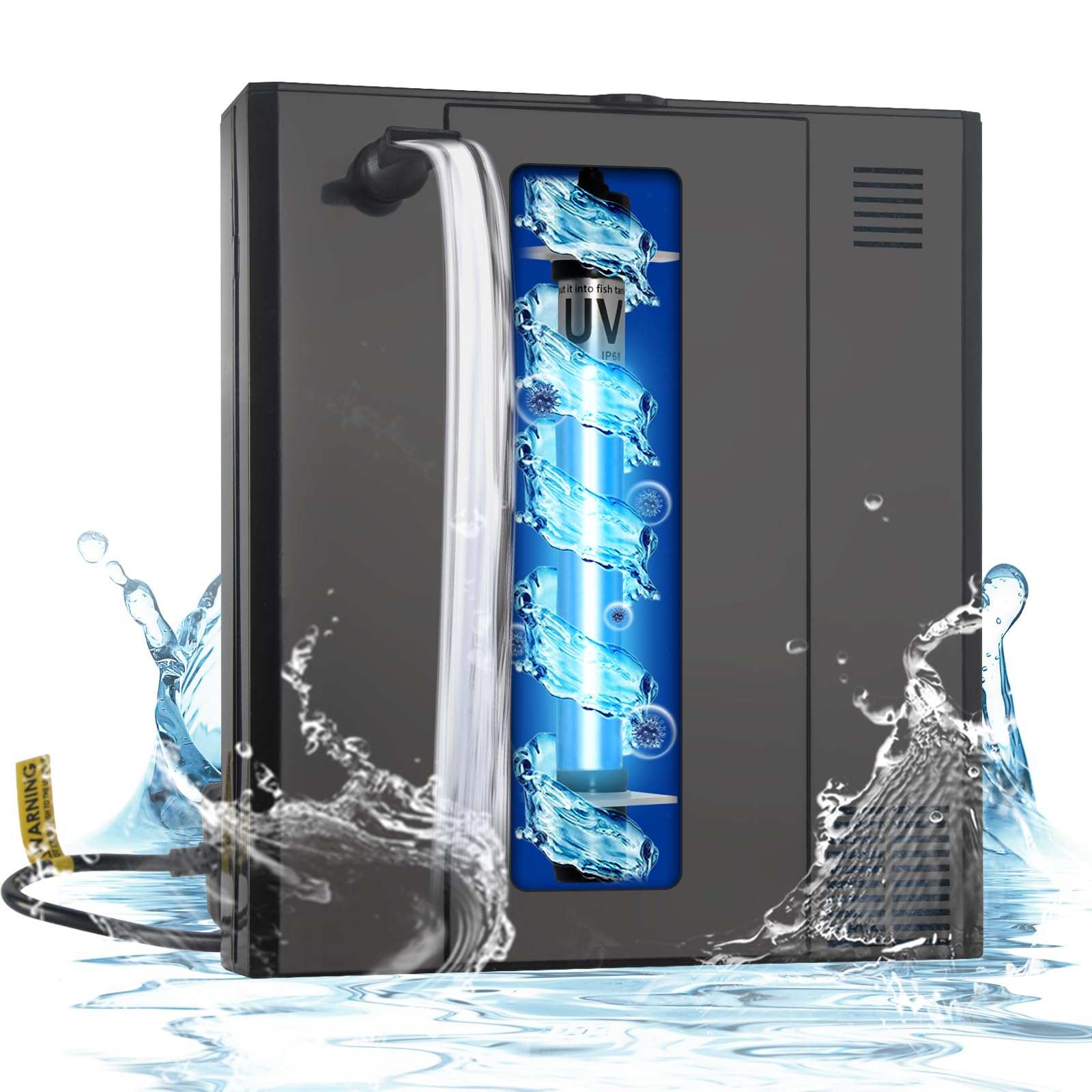
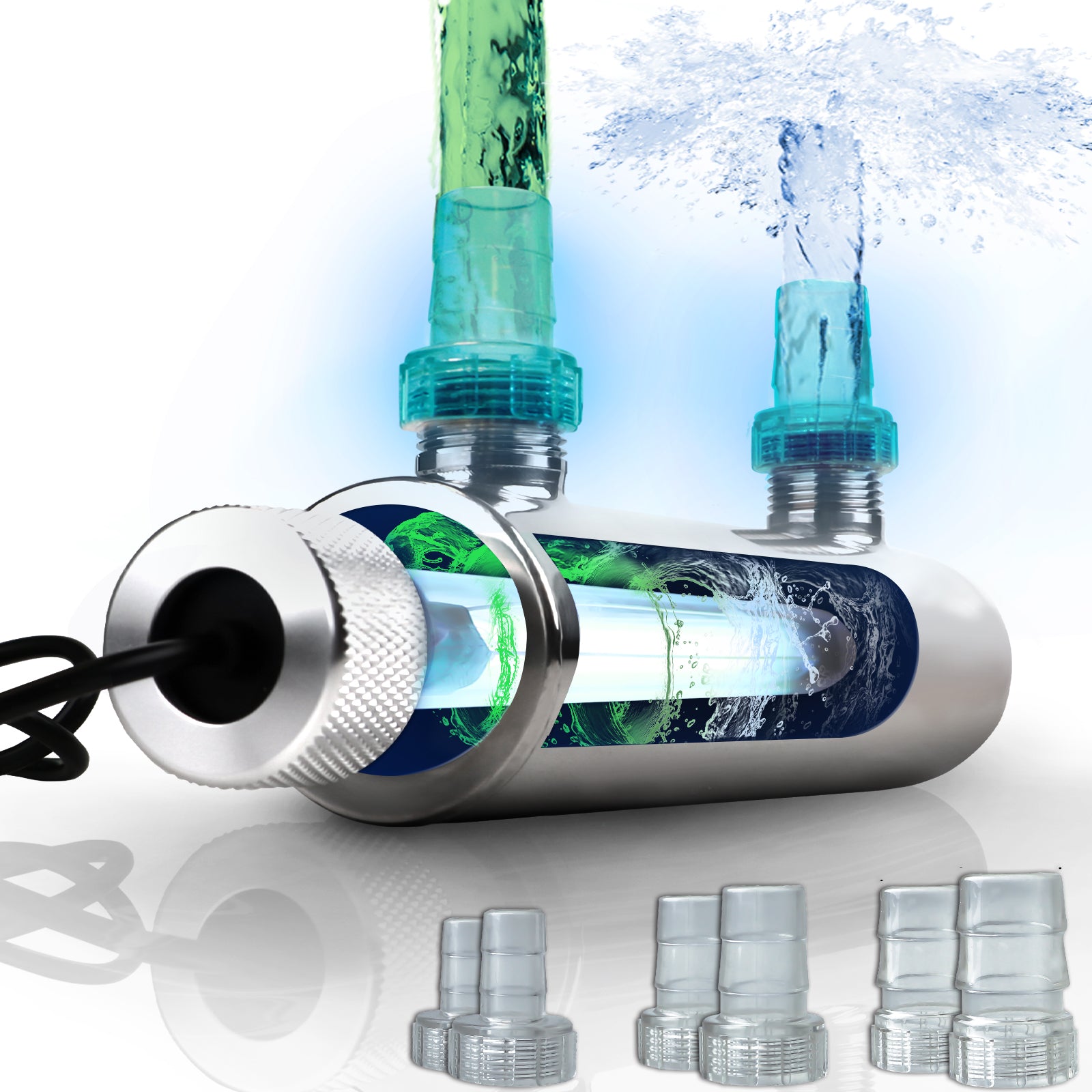
One solution gaining attention across education and childcare facilities is UV light sanitation technology. When used correctly, UV lighting offers a powerful, chemical-free method to reduce microbial contamination in classrooms, common areas, and shared equipment.
This article explores how schools and daycare centers can responsibly implement UV light solutions to enhance hygiene standards, reduce illness transmission, and create safer learning environments—without disrupting daily operations.
1. Why Hygiene Is a Critical Issue in Schools and Daycare Centers
1.1 High-Density, High-Contact Environments
Schools and childcare facilities present unique hygiene challenges:
-
Large numbers of children in confined spaces
-
Frequent physical contact with shared surfaces
-
Developing immune systems among young students
Classrooms, play areas, and common facilities are touched hundreds of times per day.
1.2 The Hidden Cost of Poor Hygiene
Inadequate sanitation leads to:
-
Increased absenteeism
-
Higher staff sick leave
-
Learning disruptions
-
Parent complaints and loss of trust
Preventing illness is not just a health issue—it’s an operational and educational priority.
2. The Limits of Traditional Cleaning Methods
2.1 Manual Cleaning Is Essential—but Inconsistent
Custodial staff work hard, but manual cleaning:
-
Depends heavily on time and staffing
-
Varies between shifts
-
Can miss hard-to-reach or frequently re-contaminated areas
Even with strict schedules, surfaces can be re-exposed to germs within minutes.
2.2 Chemical Disinfectants Have Drawbacks
While effective, chemical disinfectants:
-
Leave residues
-
Can irritate skin and respiratory systems
-
Are not ideal for constant use around children
Many schools are actively seeking chemical-reduction strategies.
3. Understanding UV Light Sanitation Technology
3.1 How UV Light Works
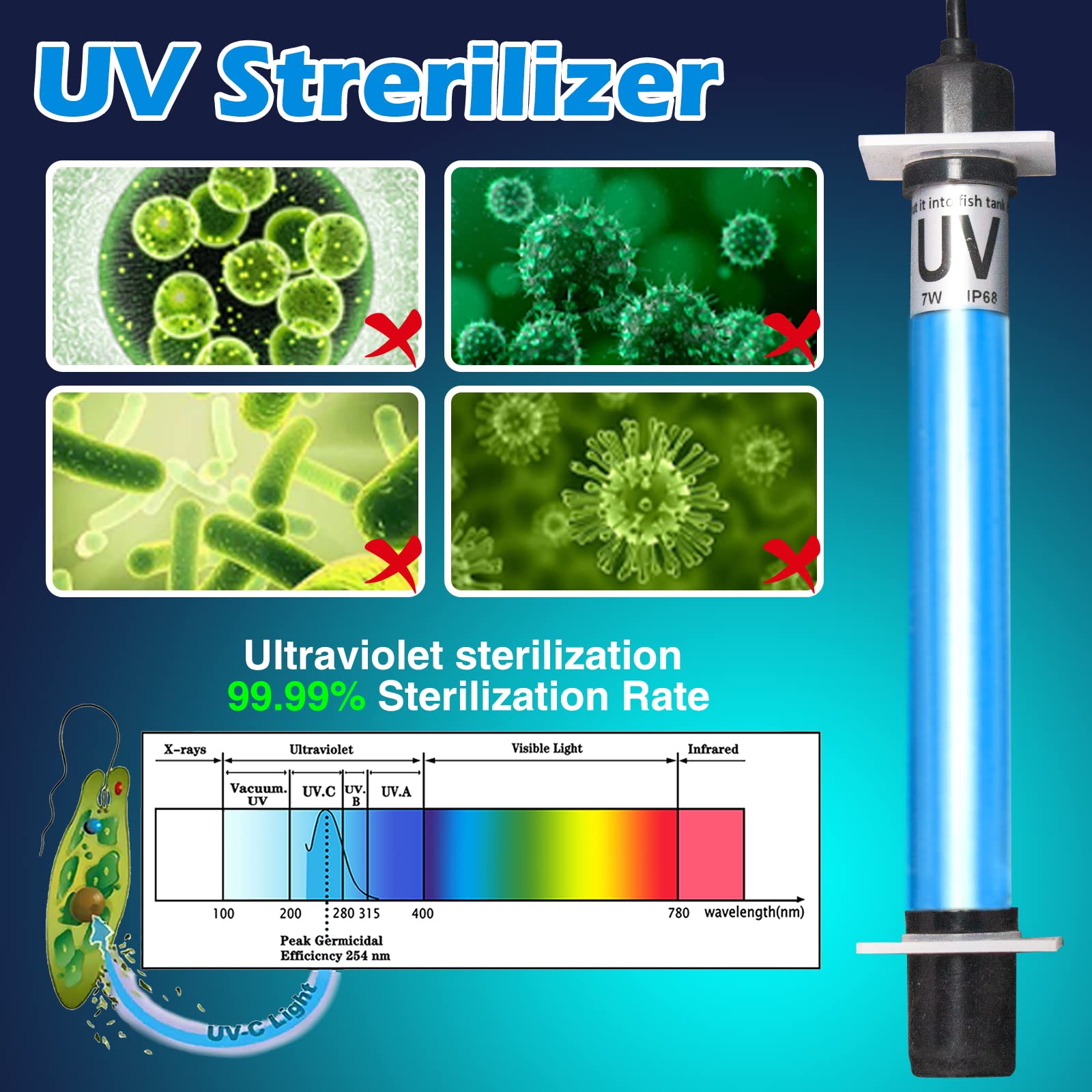
UV-C light is a specific wavelength of ultraviolet light that:
-
Disrupts the DNA or RNA of bacteria and viruses
-
Prevents microorganisms from replicating
-
Inactivates pathogens on exposed surfaces
UV sanitation is widely used in:
-
Hospitals
-
Laboratories
-
Water treatment facilities
Its adoption in education settings is a natural extension.
3.2 What UV Light Does—and Does Not Do
UV light:
-
Enhances cleaning protocols
-
Reduces microbial load on surfaces
It does not:
-
Remove dirt or debris
-
Replace regular cleaning
-
Eliminate the need for good hygiene habits
UV is a supplemental layer, not a standalone solution.
4. Why UV Light Is Well-Suited for Schools and Daycare Centers
4.1 Chemical-Free and Child-Friendly
When used in unoccupied spaces, UV sanitation:
-
Leaves no chemical residue
-
Produces no odors
-
Does not alter surface materials
This aligns well with child-safe facility standards.
4.2 Consistent and Repeatable Results
Unlike manual wiping, UV systems:
-
Deliver uniform exposure
-
Are less dependent on human variability
-
Can be standardized across rooms
Consistency is especially important in multi-classroom facilities.
5. Key Areas in Schools That Benefit Most from UV Sanitation
5.1 Classrooms
High-touch classroom surfaces include:
-
Desks and chairs
-
Shared supplies
-
Light switches
-
Door handles
Portable UV units can be used after hours to treat these areas efficiently.
5.2 Restrooms
School restrooms are among the most critical hygiene zones:
-
Sink handles
-
Flush buttons
-
Stall latches
UV sanitation adds an extra layer of protection beyond routine cleaning.
5.3 Cafeterias and Food Areas
Food preparation and dining areas benefit from UV treatment on:
-
Tables
-
Serving counters
-
Non-porous equipment surfaces
This supports broader food safety protocols.
5.4 Playrooms and Daycare Areas
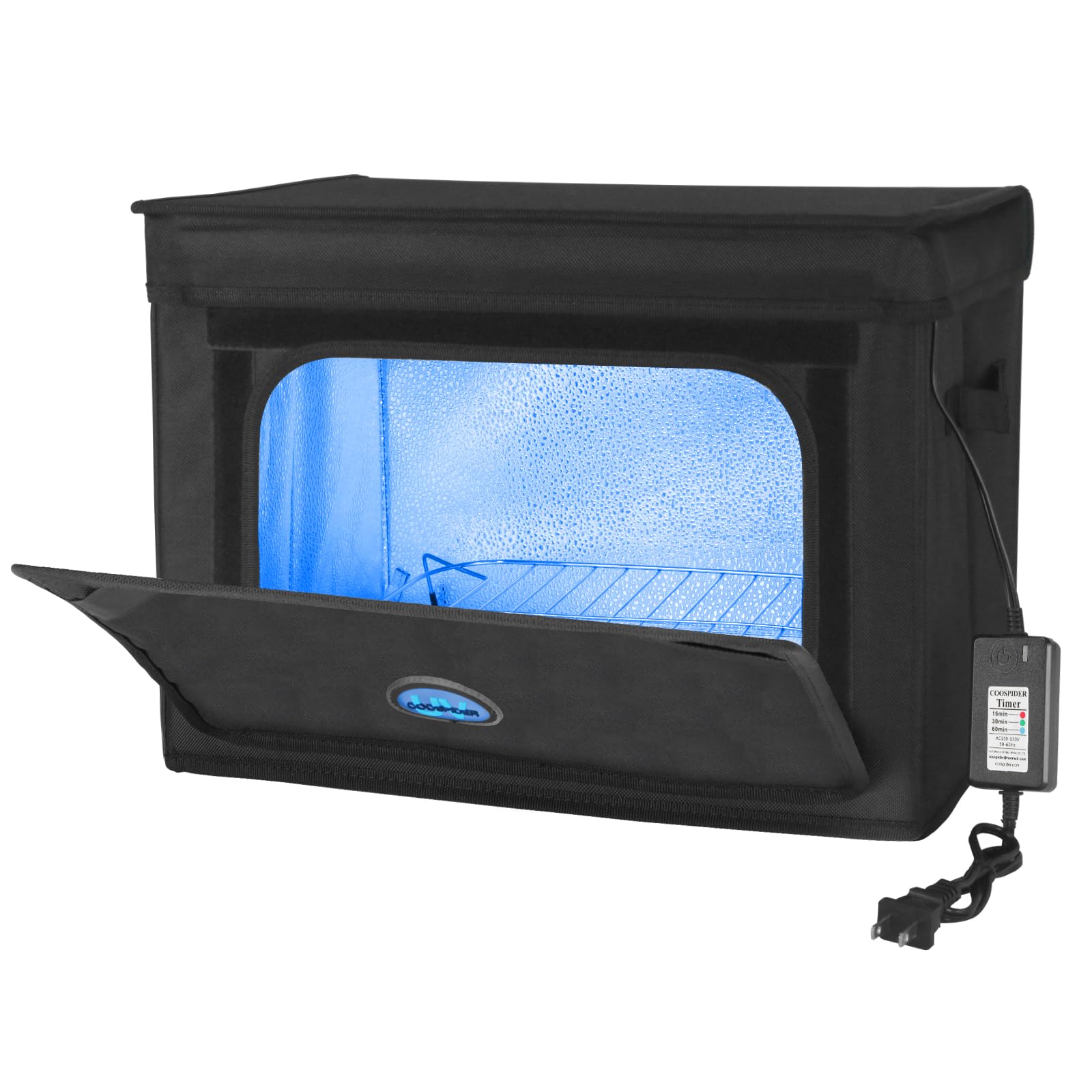
In daycare settings, toys and play surfaces are constant vectors for germ transmission. UV cabinets or targeted UV devices can help sanitize:
-
Shared toys
-
Learning tools
-
Storage bins
6. UV Light in Shared Equipment and Learning Tools
6.1 Technology and Electronics
Items such as:
-
Tablets
-
Headphones
-
Keyboards
are difficult to disinfect with liquids. UV provides a safe alternative that avoids moisture damage.
6.2 Library and Learning Materials
UV sanitation can be applied carefully to:
-
Book covers
-
Plastic learning aids
-
Reusable teaching tools
This reduces cross-contamination between users.
7. Portable vs Fixed UV Solutions in Educational Settings
7.1 Portable UV Units
Best for:
-
Classrooms
-
Multi-purpose rooms
-
Flexible scheduling
Advantages:
-
Mobility
-
Lower upfront cost
-
Easy pilot testing
7.2 Fixed or Installed UV Systems
Best for:
-
Restrooms
-
Locker rooms
-
Storage areas
Advantages:
-
Automated cycles
-
Minimal staff involvement
-
Consistent application
Many institutions use a hybrid approach.
8. Safety Protocols and Responsible Use
8.1 UV Safety in Child-Focused Environments
UV light must only be used:
-
In unoccupied rooms
-
With trained staff
-
According to manufacturer guidelines
Modern UV systems include:
-
Motion sensors
-
Timers
-
Automatic shutoff features
Safety is non-negotiable.
8.2 Staff Training and SOPs
Successful implementation requires:
-
Clear standard operating procedures
-
Staff education
-
Documentation of usage
UV sanitation should be part of the facility’s official hygiene plan.
9. Communicating UV Hygiene Measures to Parents and Staff
9.1 Transparency Builds Trust
Parents want to know:
-
What steps are being taken
-
How safety is ensured
-
Why UV is used
Clear communication reduces concern and increases confidence.
9.2 Avoiding Fear-Based Messaging
The goal is reassurance, not alarm. Messaging should focus on:
-
Proactive care
-
Enhanced cleanliness
-
Commitment to student well-being
UV is presented as an improvement—not a response to crisis.
10. Operational Benefits Beyond Health
10.1 Reduced Absenteeism
Improved hygiene contributes to:
-
Fewer illness outbreaks
-
More consistent attendance
-
Improved learning continuity
Even small reductions have significant impact.
10.2 Supporting Staff Retention
Teachers and caregivers feel safer in cleaner environments. UV sanitation:
-
Demonstrates institutional care
-
Reduces workplace stress
-
Supports morale
11. Cost Considerations and ROI
11.1 Understanding the Investment
UV systems require:
-
Initial equipment cost
-
Minimal ongoing maintenance
-
Staff training
Compared to recurring chemical expenses, long-term costs are often lower.
11.2 Measuring Return on Investment
ROI can be evaluated through:
-
Reduced sick days
-
Lower chemical usage
-
Improved parent satisfaction
Cleanliness is an investment in stability.
12. Integrating UV Into Existing Cleaning Protocols
12.1 The Layered Hygiene Model
Best practice includes:
-
Manual cleaning
-
Chemical disinfection (where appropriate)
-
UV sanitation
Each layer addresses different risks.
12.2 Scheduling UV Use Without Disruption
UV sanitation is typically performed:
-
After school hours
-
During overnight cleaning
-
Between daycare sessions
This avoids interference with daily routines.
13. Compliance and Regulatory Considerations
Schools should:
-
Follow local health and safety regulations
-
Work with certified UV equipment providers
-
Document procedures for audits
UV adoption should align with institutional policies.
14. Case Use Scenarios in Education Settings
14.1 Elementary Schools
Focus on:
-
Classroom desks
-
Shared supplies
-
Restrooms
14.2 Daycare Centers
Focus on:
-
Toys
-
Play mats
-
Nap areas
14.3 Special Education Facilities
UV supports environments where:
-
Students may have higher sensitivity
-
Hygiene standards are especially critical
15. Common Misconceptions About UV in Schools
-
UV replaces cleaning (it doesn’t)
-
UV is unsafe when used properly (it’s not)
-
UV is too complex to manage (modern systems are simple)
Education eliminates hesitation.
16. Building a Long-Term Hygiene Strategy
UV sanitation should be viewed as:
-
A long-term infrastructure upgrade
-
A signal of institutional responsibility
-
Part of a comprehensive wellness approach
Short-term thinking undermines long-term benefits.
Conclusion: Creating Safer Learning Environments Through Smarter Hygiene
Schools and daycare centers are responsible not only for education—but for protection. In environments where children learn, play, and grow together, hygiene is inseparable from care.
UV light solutions offer:
-
A science-backed sanitation layer
-
A chemical-free approach
-
A visible commitment to safety
When integrated responsibly, UV technology strengthens existing cleaning practices and helps institutions create healthier, more resilient learning environments.
In the end, the goal is simple:
Cleaner spaces, healthier students, and greater peace of mind for everyone involved.