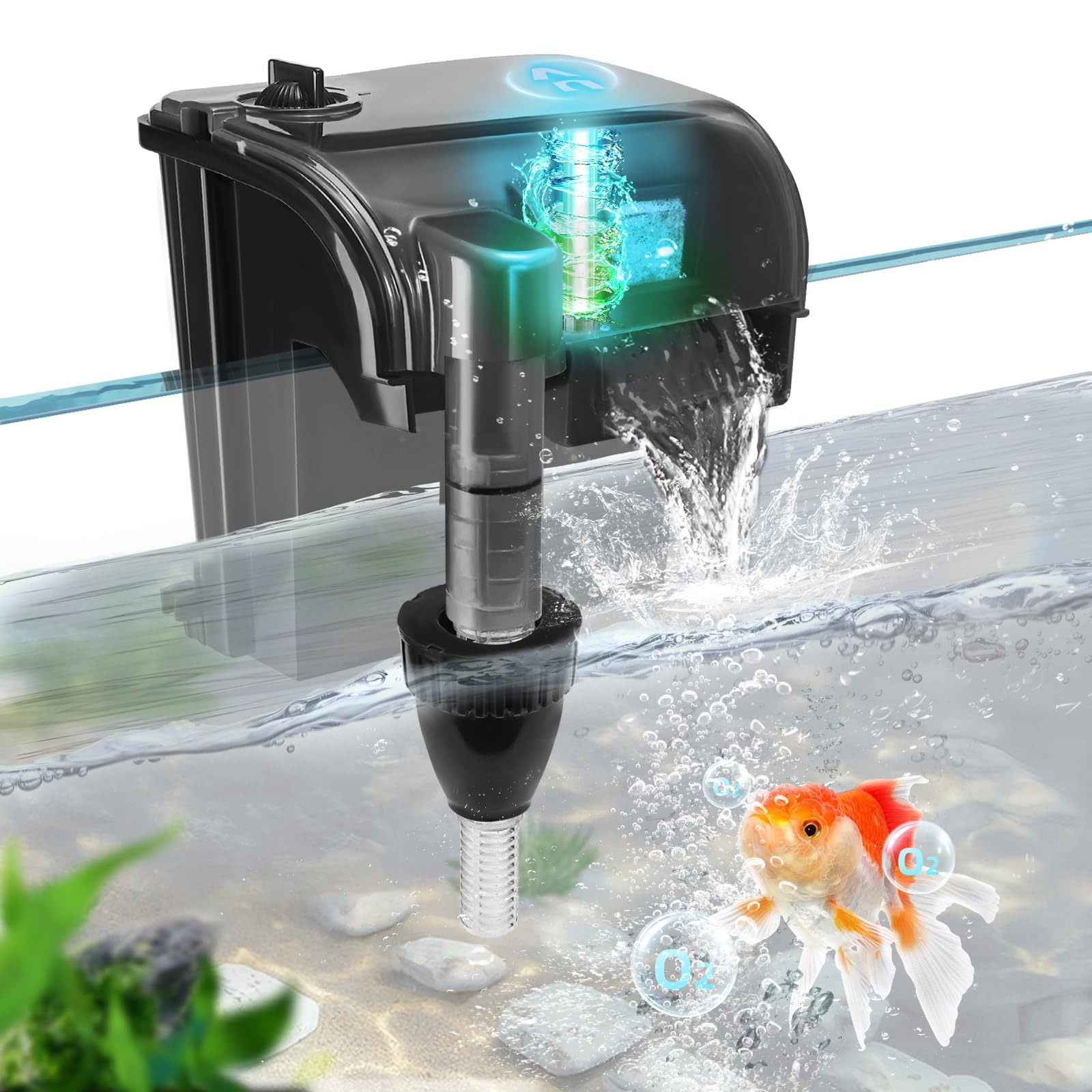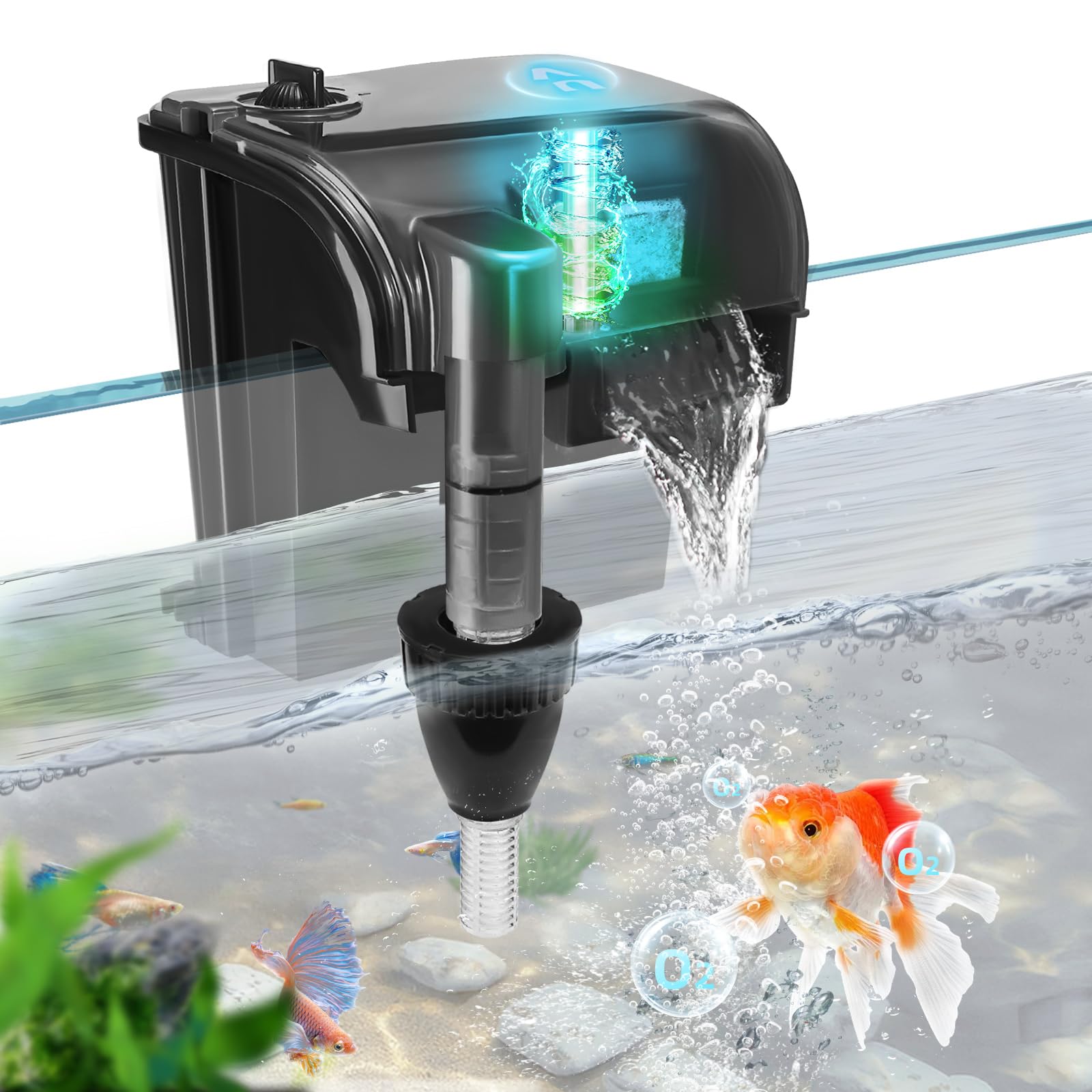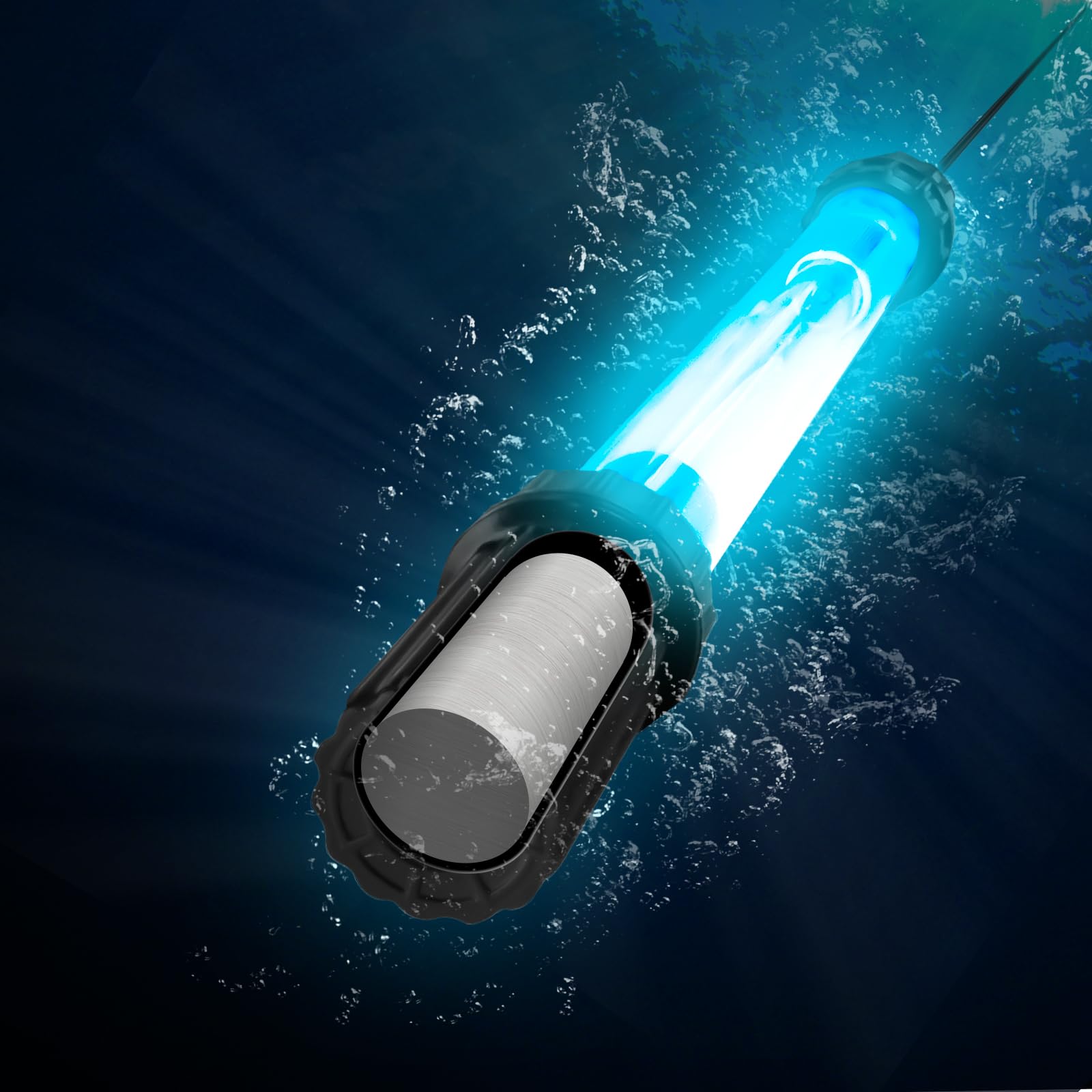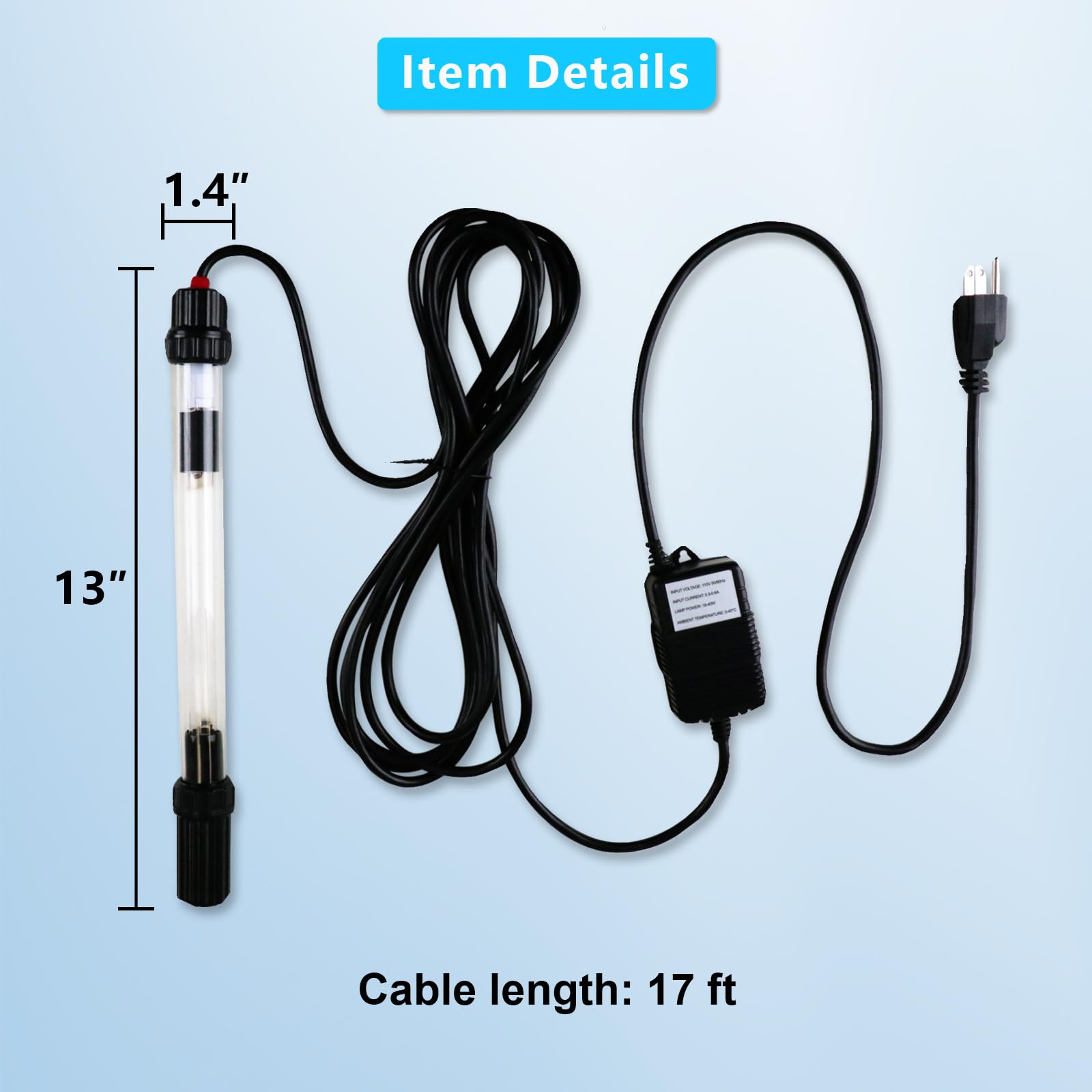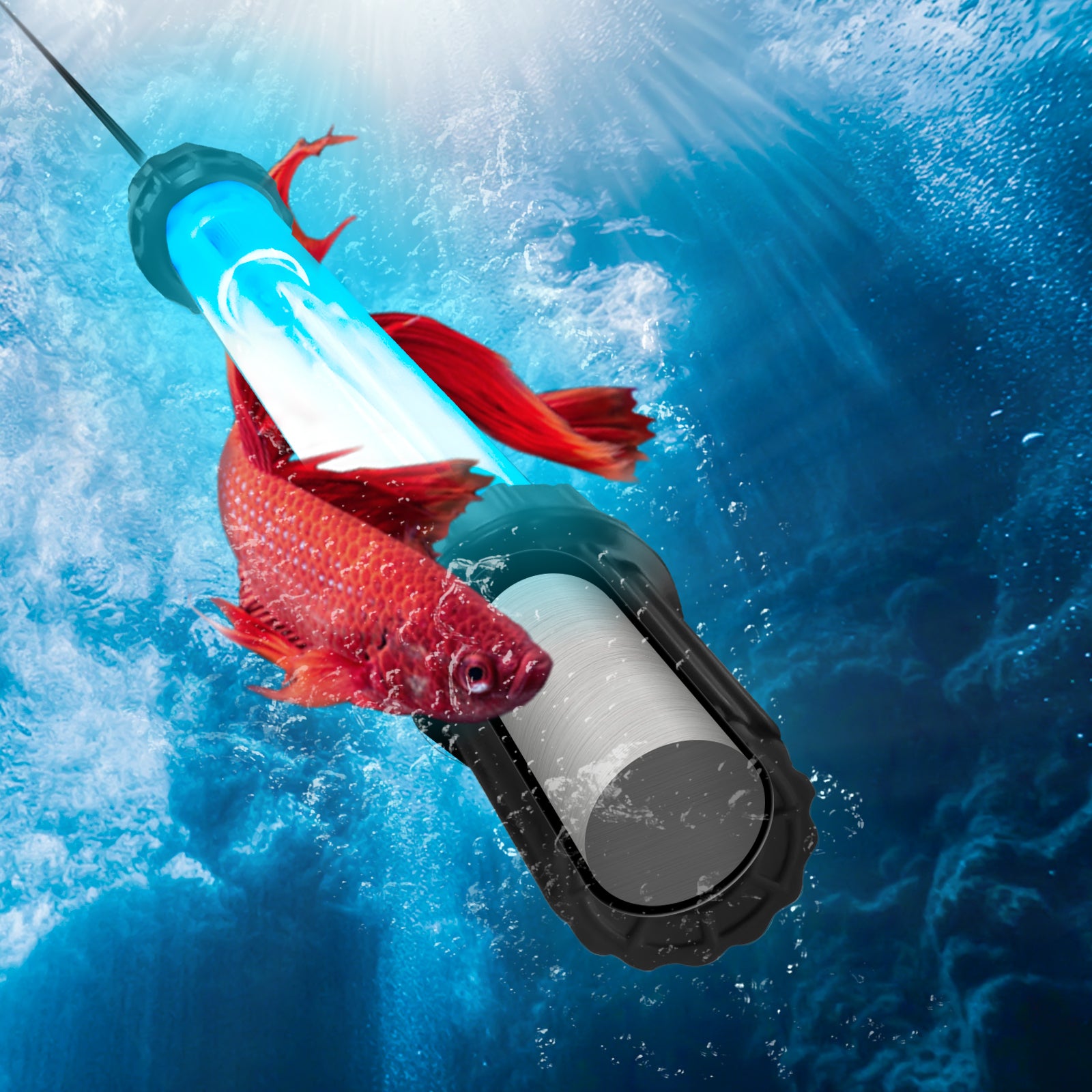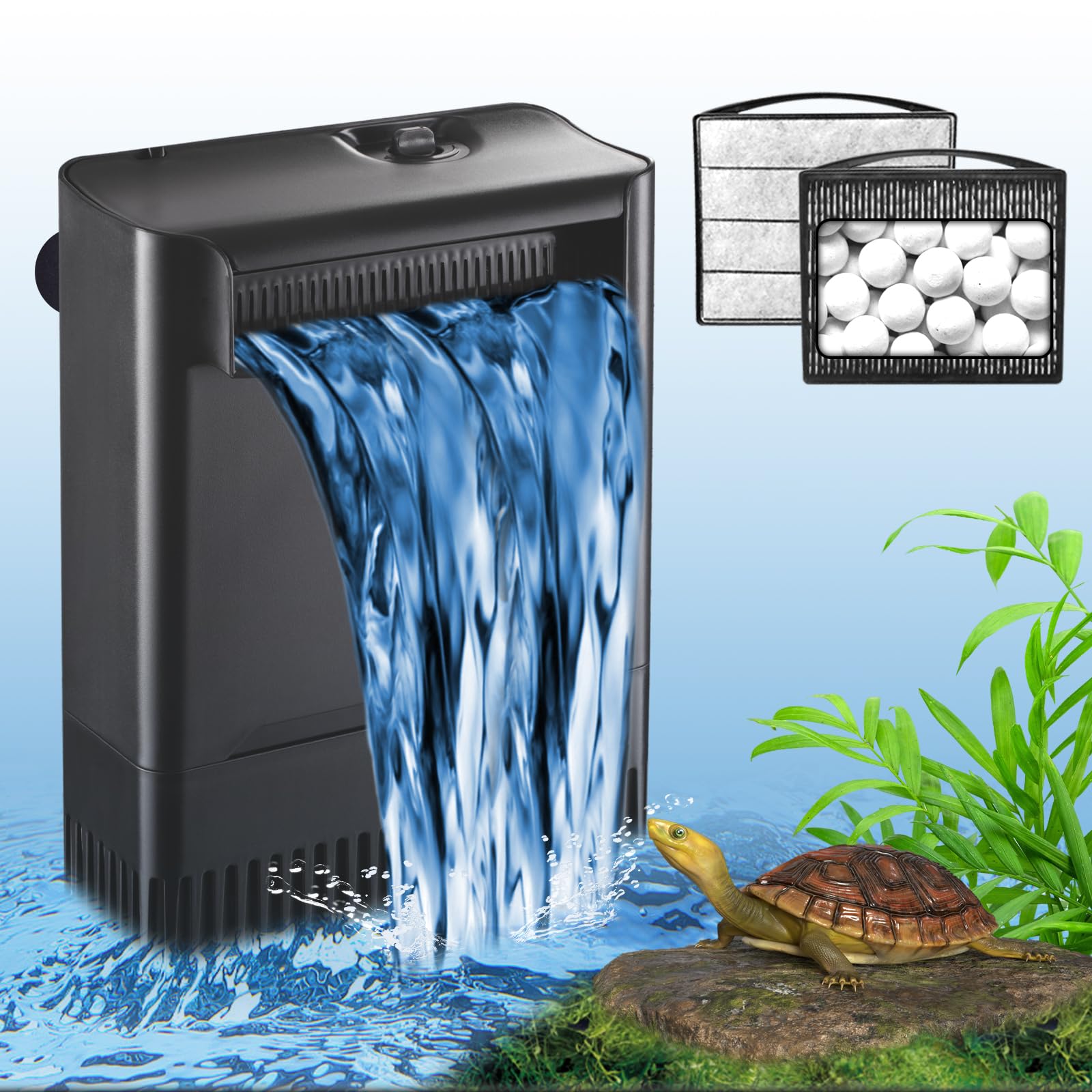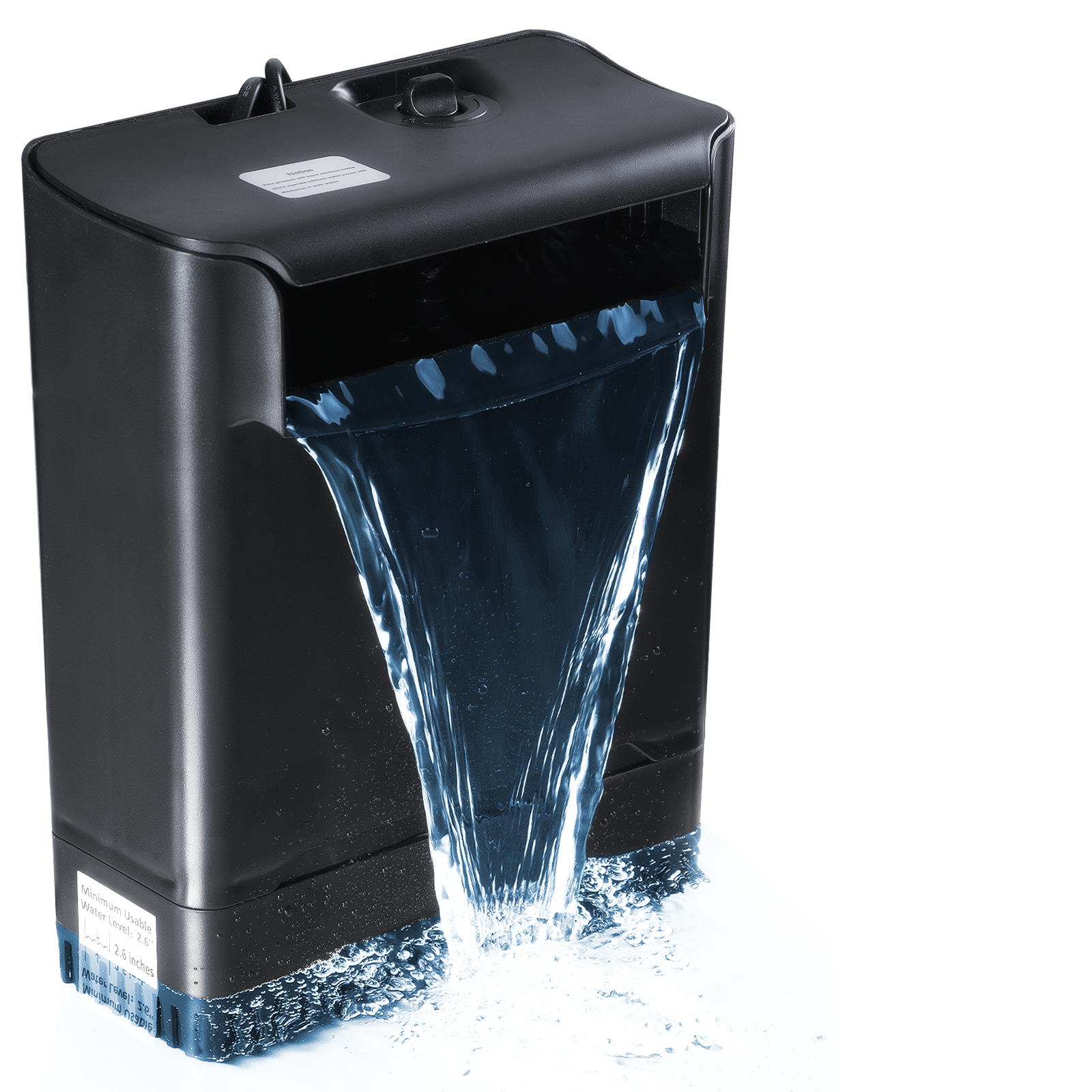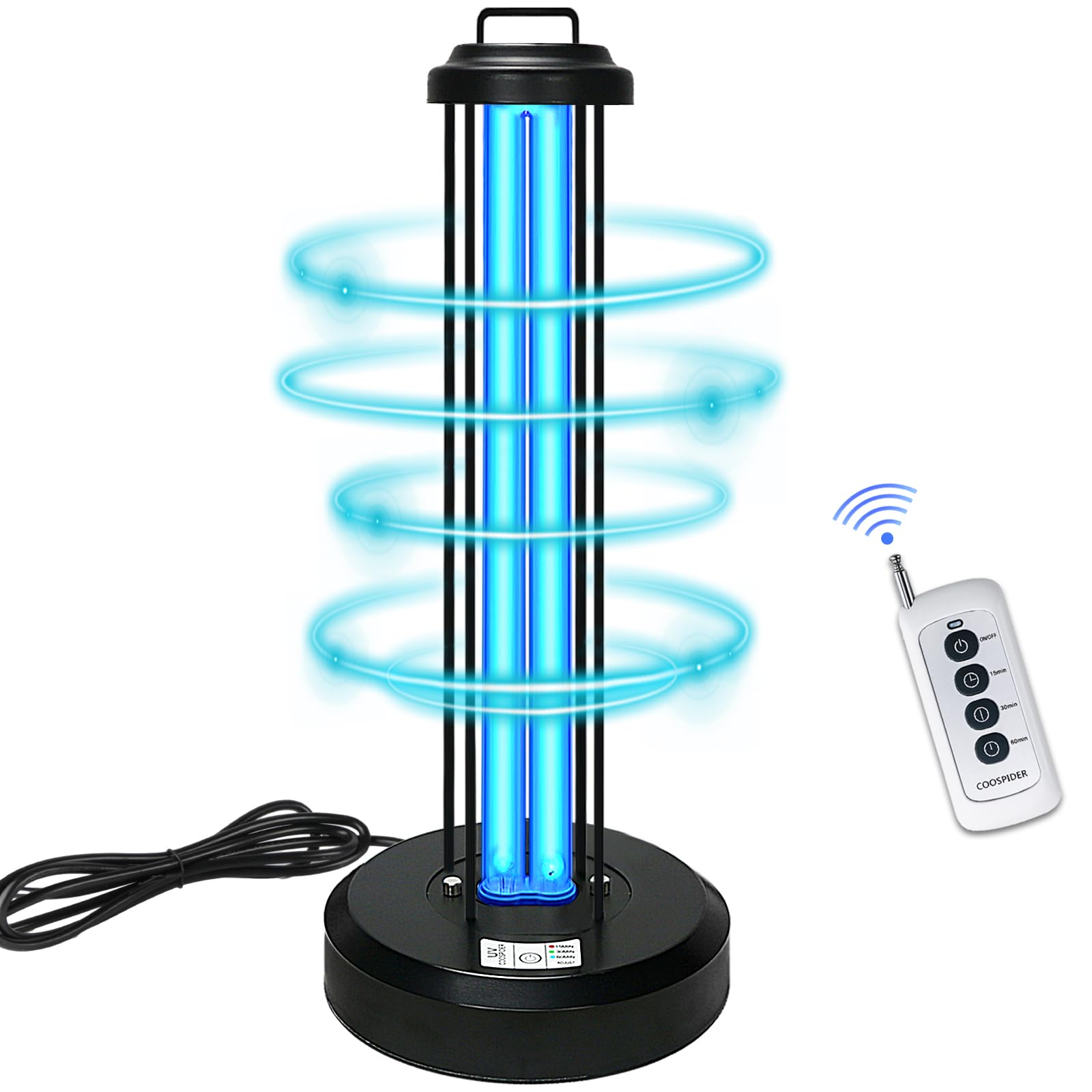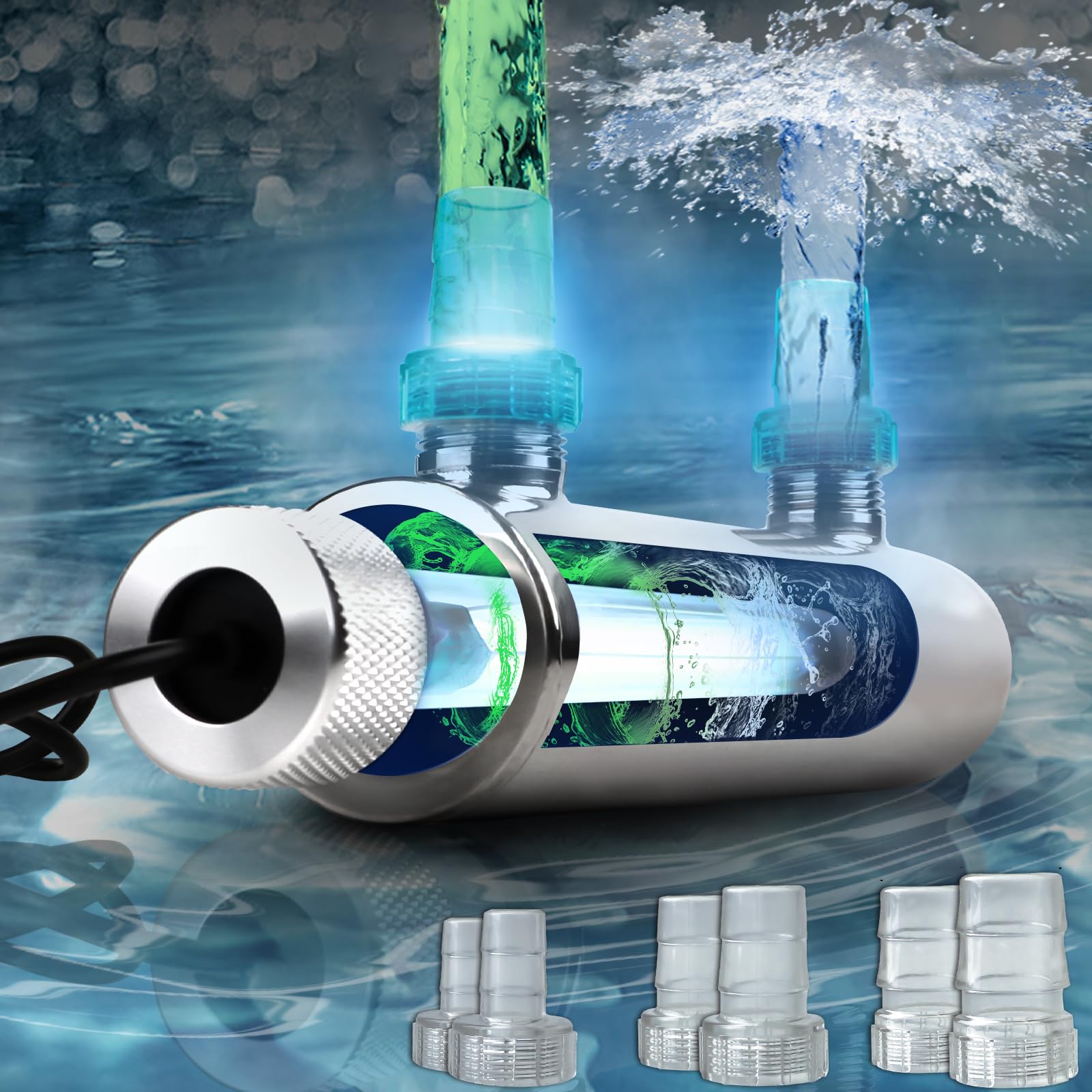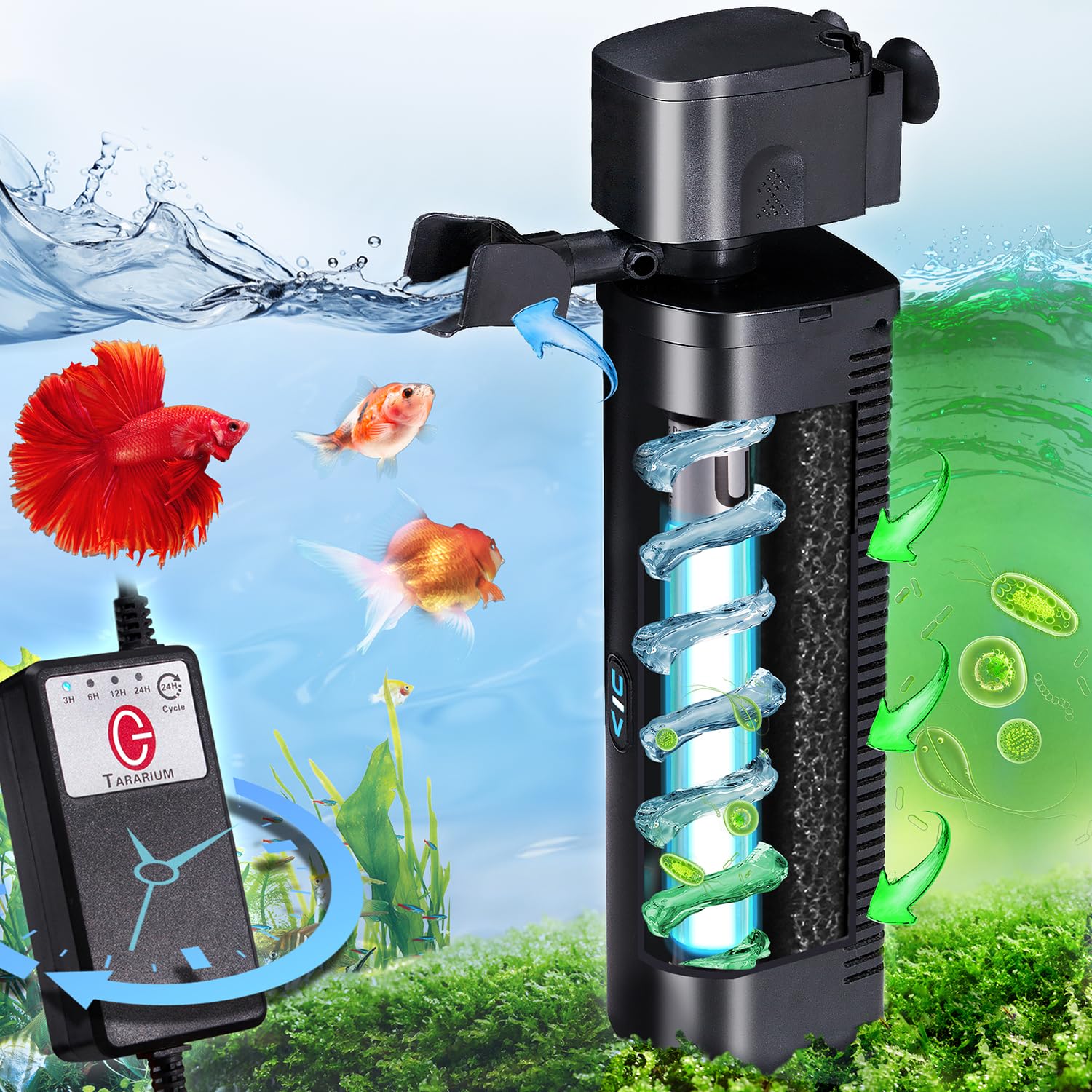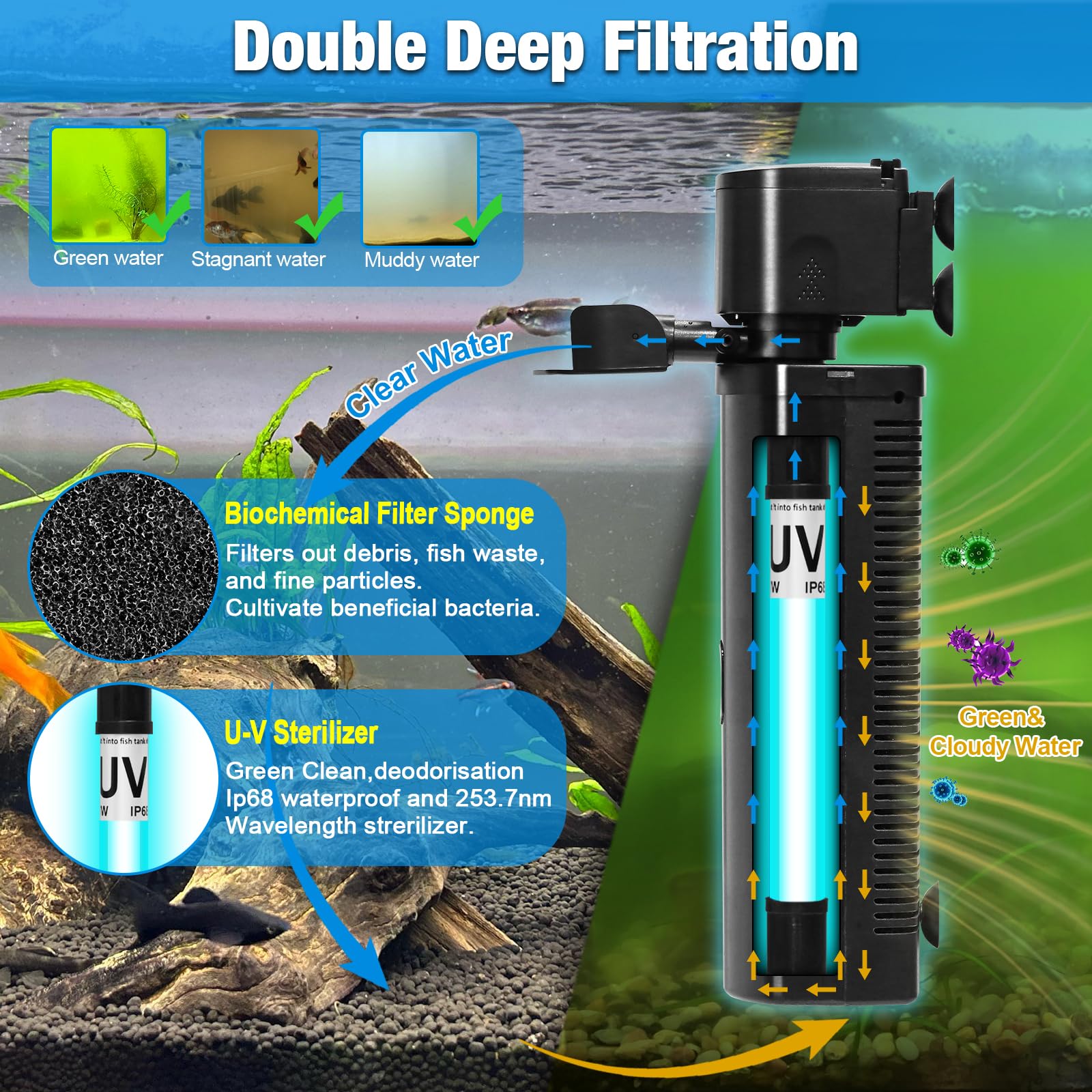
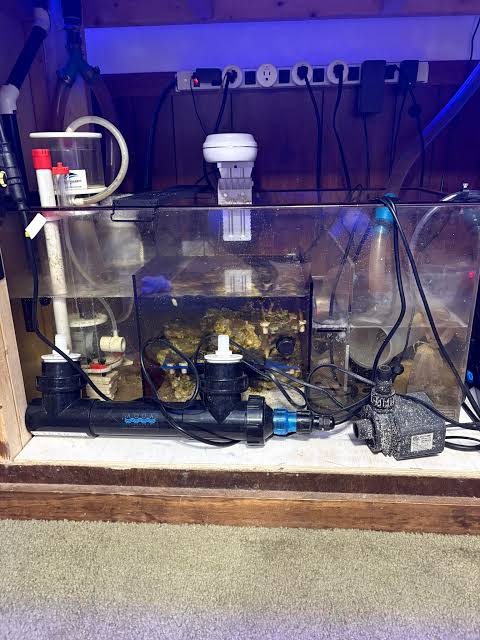
Installing a UV sterilizer is one of the most effective ways to improve water quality, control microorganisms, and add an extra layer of protection to a water treatment system. However, purchasing a high-quality ultraviolet sterilizer is only the first step. Where you install the equipment can significantly influence its performance, maintenance requirements, and long-term reliability.
Whether you are setting up a residential water filtration system, upgrading a commercial water treatment facility, maintaining an aquarium, or designing an industrial water purification process, proper UV sterilizer placement is essential.
Many property owners and facility operators assume that a UV sterilizer can be installed anywhere along a water supply line. In reality, incorrect placement can reduce treatment effectiveness, create unnecessary maintenance problems, and leave treated water vulnerable to recontamination.
For example, installing a UV sterilizer before sediment filtration can allow suspended particles to interfere with ultraviolet exposure. Similarly, positioning the sterilizer too far upstream from the point of use may allow microorganisms to enter the water through downstream plumbing.
The ideal installation location depends on your water source, filtration equipment, flow rate, treatment objectives, and system configuration.
This comprehensive guide explains where to install a UV sterilizer, how to determine the correct position within different water treatment systems, and which installation mistakes to avoid. It also explores practical placement recommendations for whole-house water systems, drinking water filters, aquariums, commercial facilities, and industrial applications.
By understanding the relationship between UV sterilizer placement and water treatment performance, you can build a more efficient, reliable, and easier-to-maintain purification system.
1. Understanding How a UV Sterilizer Works
Before deciding where to install a UV sterilizer, it is important to understand how ultraviolet water treatment works.
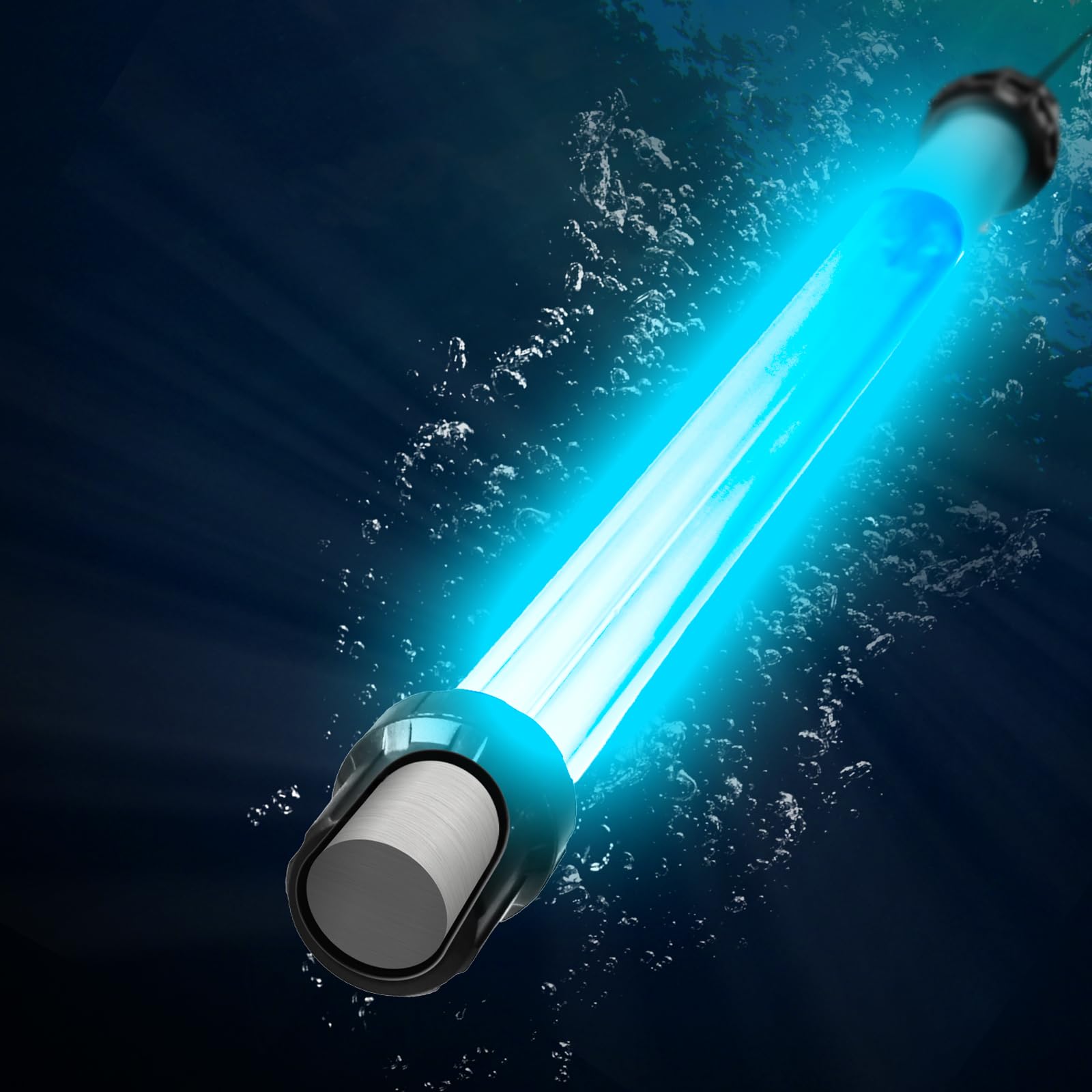
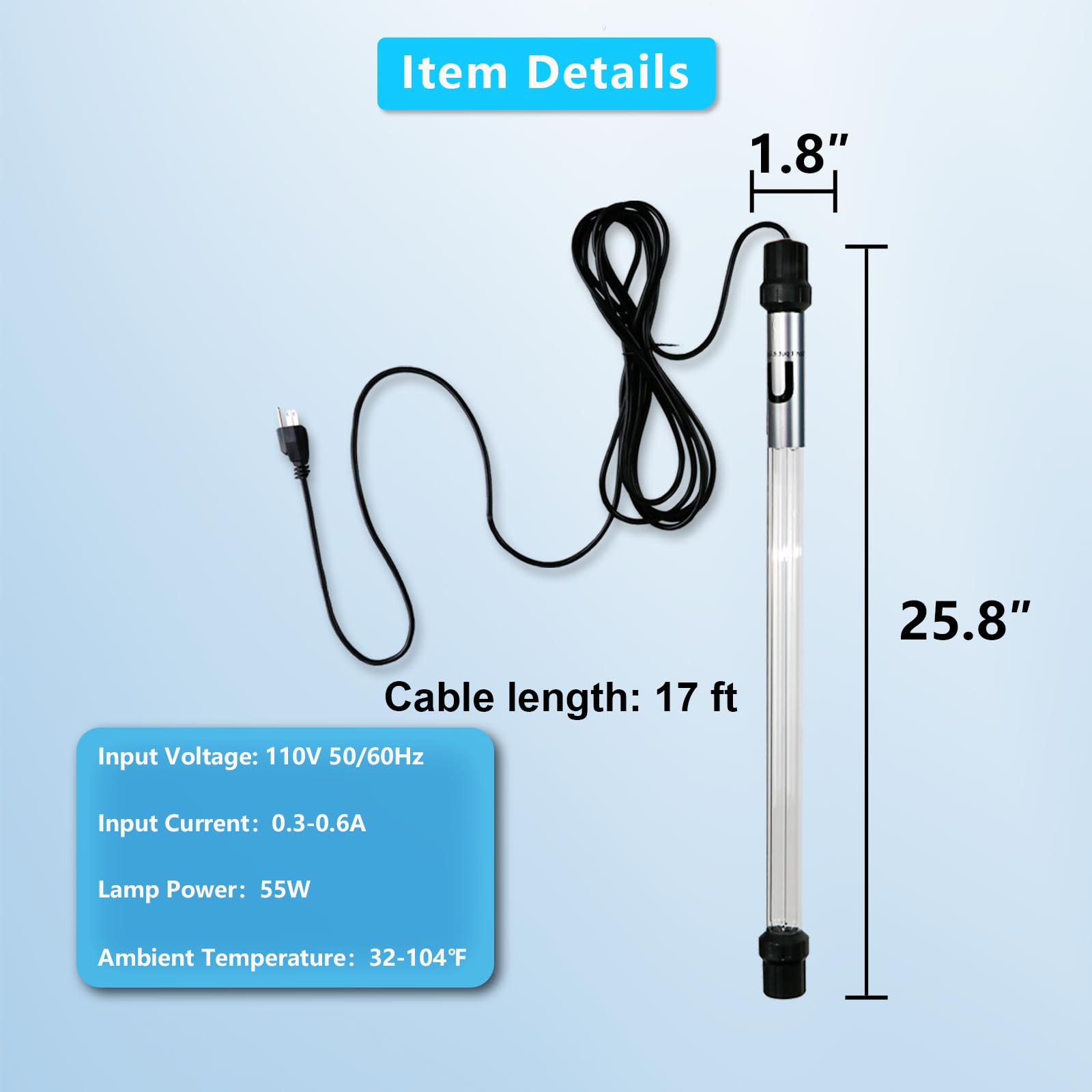
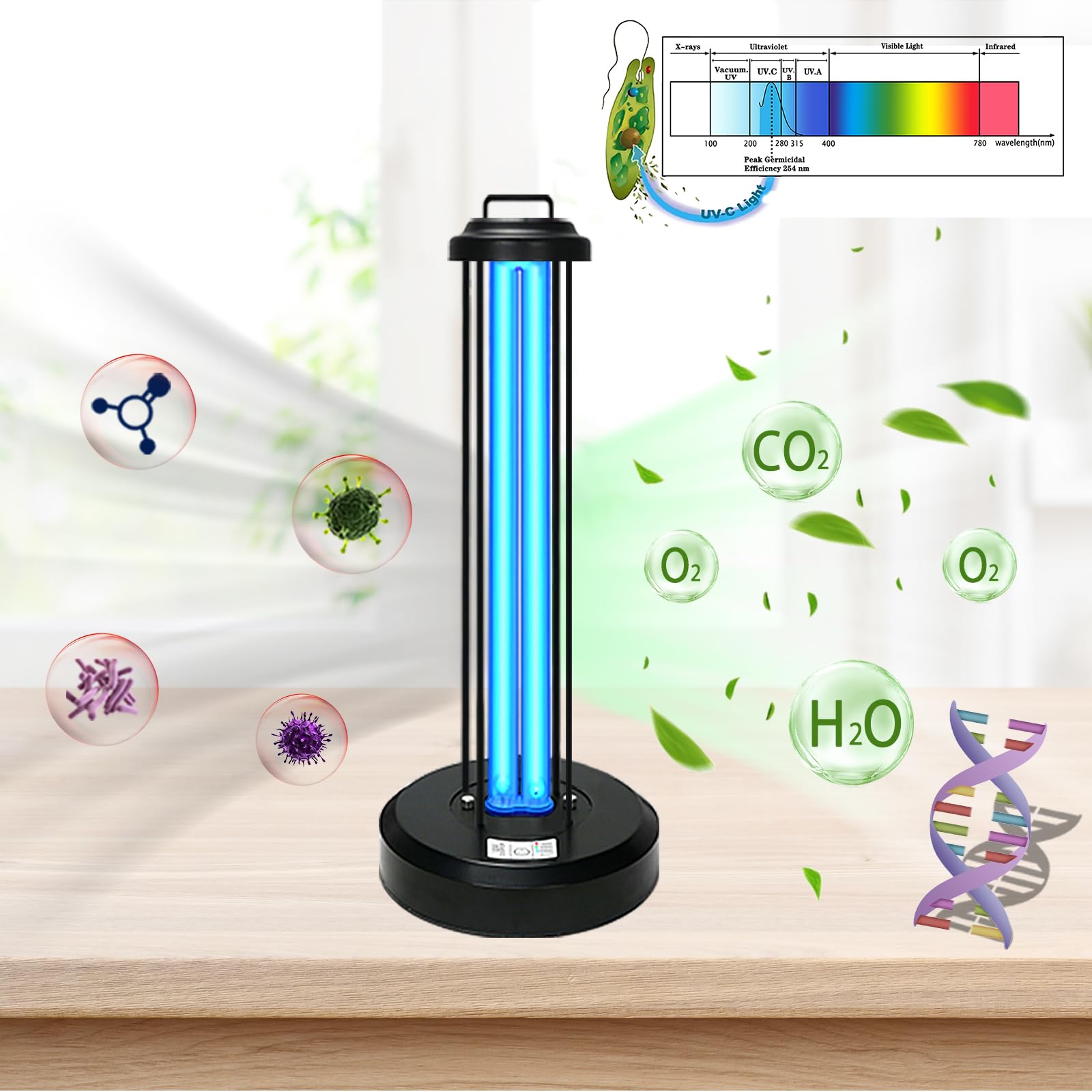
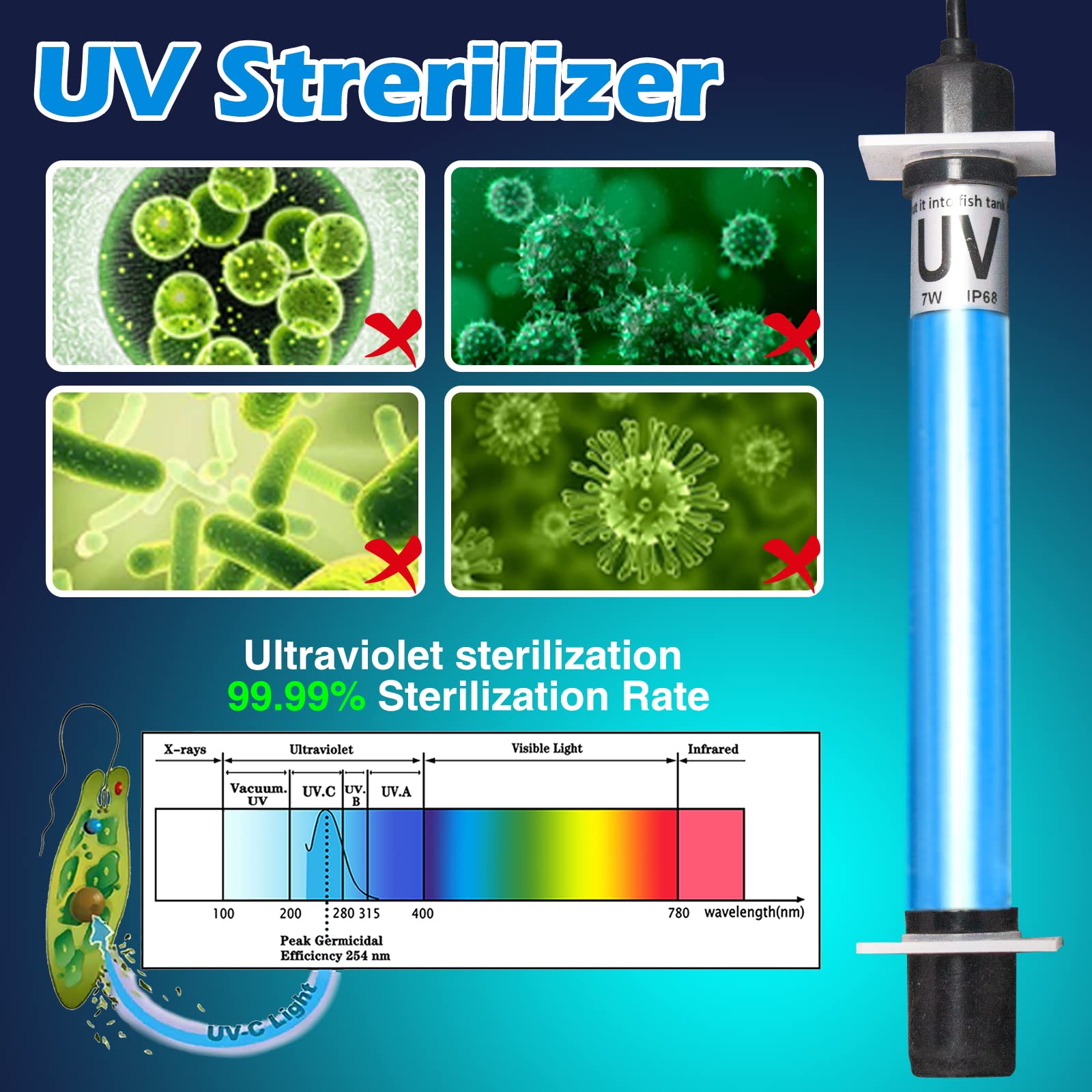
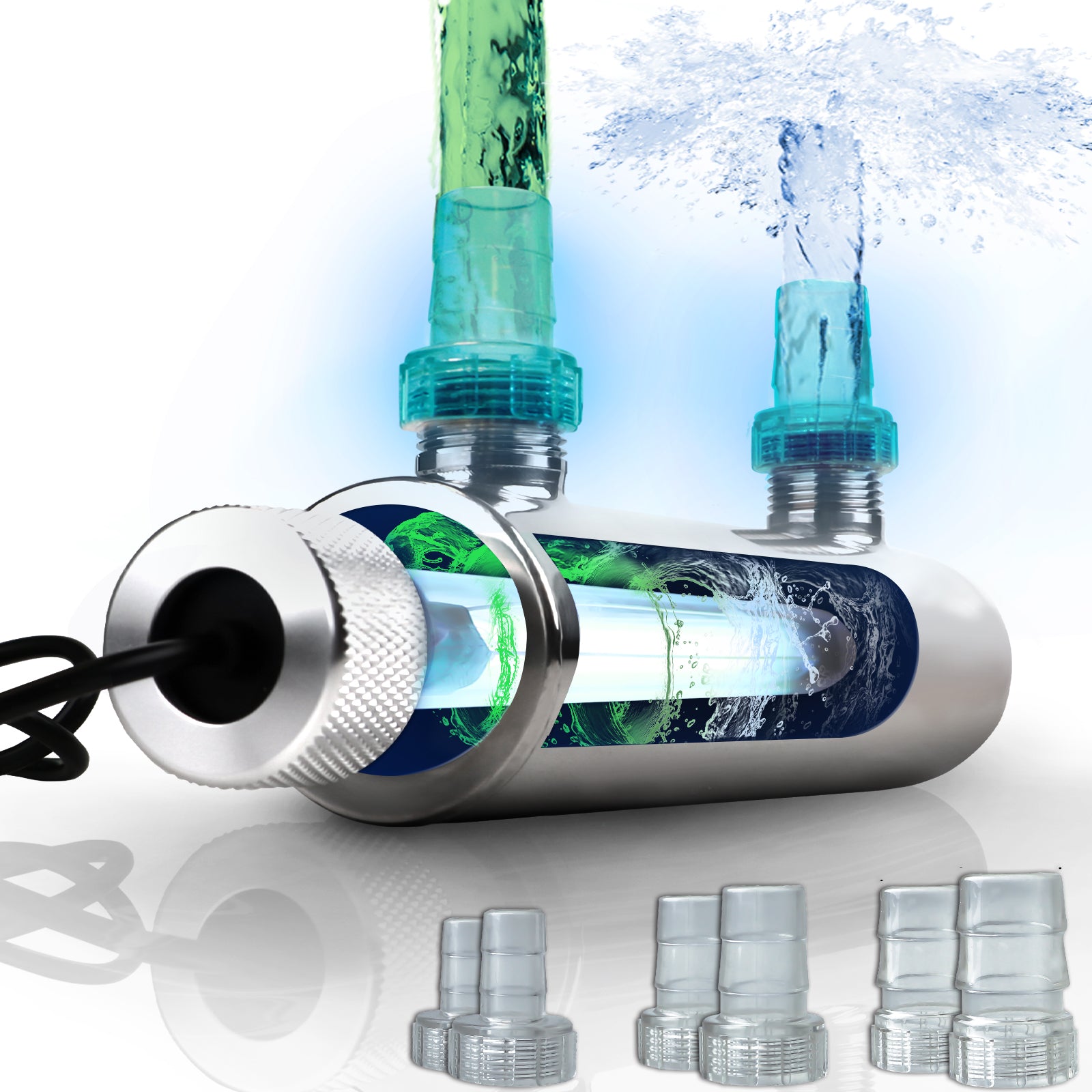
A UV sterilizer uses ultraviolet radiation to inactivate microorganisms present in water. Most conventional UV water treatment systems use UV-C radiation, typically produced by low-pressure mercury lamps emitting primarily at approximately 254 nanometers.
Certain modern systems use UV-C LED technology at other wavelengths.
When microorganisms receive a sufficient ultraviolet dose, the radiation damages their genetic material, interfering with their ability to reproduce or remain infectious.
UV treatment can inactivate a range of microorganisms, including certain bacteria, viruses, and protozoa, when the equipment is appropriately designed and operated.
However, UV treatment has several important limitations.
Unlike sediment filters, UV sterilizers do not physically remove suspended particles. They also do not remove dissolved chemicals, heavy metals, salts, or other nonbiological contaminants.
Furthermore, UV treatment does not normally leave a lasting disinfectant residual in the water.
This means that water can potentially become recontaminated after passing through the UV treatment chamber.
These characteristics explain why installation location matters so much.
A UV sterilizer generally performs best when it receives adequately pretreated water and is positioned to minimize opportunities for downstream microbial contamination.
2. Where Should a UV Sterilizer Be Installed?
After filtration and before the point of use
In most conventional water treatment systems, the UV sterilizer should be installed after sediment and other necessary filtration stages, as close as practical to the final water distribution or consumption point.

A typical whole-house configuration follows this sequence:
Water Source
Sediment Filter
Activated Carbon Filter (if required)
Water Softener or Additional Treatment
UV Sterilizer
Household Water Distribution
This configuration helps ensure that the UV sterilizer receives water with reduced sediment and other substances that could interfere with ultraviolet transmission.
It also limits the amount of downstream plumbing where microbial contamination could occur.
However, the exact configuration may differ for specialized applications.
For example, reverse osmosis systems, aquarium filtration equipment, commercial recirculation loops, and industrial water treatment facilities may require different installation arrangements.
The following sections explain these differences in detail.
3. Why UV Sterilizers Should Usually Be Installed After Sediment Filters
One of the most important principles of UV sterilizer installation is proper pretreatment.
Although UV radiation can inactivate microorganisms, its effectiveness depends on sufficient ultraviolet energy reaching the target organisms.
Suspended particles can interfere with this process.
How Sediment Affects UV Disinfection
Water containing dirt, sand, rust, silt, or other suspended particles can reduce treatment performance in several ways.
Particles may absorb or scatter ultraviolet radiation, reducing the amount of energy available for disinfection.
Microorganisms can also become associated with suspended material, potentially receiving less UV exposure than microorganisms freely suspended in clear water.
In addition, sediment can accumulate on the quartz sleeve surrounding the UV lamp.
This buildup can reduce ultraviolet transmission and increase maintenance requirements.
Recommended Sediment Filtration Placement
A typical residential installation places a sediment filter upstream of the UV sterilizer.
Depending on the water quality and equipment requirements, a filtration system may use multiple stages.
For example:
Water Source → 20-Micron Sediment Filter → 5-Micron Sediment Filter → UV Sterilizer
The appropriate filter rating should be determined by water testing, system design, and manufacturer recommendations.
A 5-micron filter is commonly used in residential UV pretreatment configurations, but it is not a universal requirement or a substitute for evaluating water quality.
Benefits of Proper Sediment Pretreatment
Installing sediment filtration before UV treatment can provide several advantages:
-
Improved ultraviolet transmission.
-
Reduced particle-related shielding.
-
Less frequent quartz sleeve cleaning.
-
More consistent treatment conditions.
-
Reduced accumulation of debris inside the UV chamber.
-
Improved long-term system reliability.
For well water and other sources with variable sediment levels, pretreatment is particularly important.
4. Should a UV Sterilizer Be Installed Before or After a Carbon Filter?

In most conventional residential water treatment systems, the UV sterilizer should be installed after the activated carbon filter.
Activated carbon filters are designed to reduce certain chemicals, odors, tastes, and organic compounds.
They may also reduce chlorine and other disinfectants, depending on the filter design.
However, activated carbon filters are not necessarily designed to disinfect water.
In some circumstances, microorganisms can grow within carbon filtration equipment, especially when disinfectant residuals have been removed.
Installing the UV sterilizer downstream provides an additional microbial treatment stage after carbon filtration.
Recommended Installation Sequence
For systems requiring both sediment and activated carbon treatment:
Water Source → Sediment Filter → Carbon Filter → UV Sterilizer → Point of Use
This arrangement allows the sediment filter to capture larger particles before water reaches the carbon filter.
The carbon filter then performs its intended chemical treatment before water enters the UV chamber.
Important Consideration for Municipal Water
If your home receives chlorinated municipal water, installing activated carbon filtration can remove some or all of the chlorine residual.
While this may improve taste and odor, it can also reduce the ongoing microbial protection provided by that residual.
UV treatment does not replace the continuing protection of chlorine throughout a plumbing network.
Therefore, whole-house carbon and UV systems should be designed carefully, particularly where water may remain stagnant in downstream plumbing.
5. Where to Install a UV Sterilizer in a Whole-House Water Filtration System
A whole-house UV sterilizer treats water entering the building before it reaches household fixtures.
This type of installation is particularly common in homes using private wells, although it may also be incorporated into other water treatment systems.
Recommended Location
The UV sterilizer should generally be installed on the main incoming water line after necessary pretreatment equipment and before water branches into the household distribution network.
For example:

A typical private well configuration might include:
-
Well pump and pressure tank.
-
Sediment filtration.
-
Iron or manganese treatment, if required.
-
Water softener, if required.
-
Activated carbon filtration, if required.
-
UV sterilizer.
-
Household water distribution.
The precise order of the upstream treatment equipment depends on the contaminants present and the technologies selected.
Why Install the UV Sterilizer Near the End?
Placing the UV sterilizer after the major treatment stages helps reduce interference from sediment, dissolved substances, and other water quality issues.
It also ensures that microorganisms potentially introduced or released by upstream treatment equipment encounter the UV disinfection stage before entering the household plumbing.
Should the UV Sterilizer Treat Hot and Cold Water?
Whole-house UV sterilizers are generally installed on the incoming cold-water supply before the plumbing branches toward water heaters and cold-water fixtures.
This allows the incoming supply to receive UV treatment before distribution.
UV units should not be installed on hot-water lines unless specifically designed and approved for that operating temperature.
Installation Space Requirements
Choose a location that provides sufficient space for maintenance.
Most conventional UV systems require periodic lamp replacement and quartz sleeve cleaning.
The installation must allow technicians to remove these components without dismantling surrounding plumbing.
Always follow the manufacturer's specified service-clearance requirements.
6. UV Sterilizer Placement for Private Well Water
Private well water can present unique treatment challenges because water quality may vary depending on geology, seasonal conditions, groundwater movement, and surrounding land use.
Unlike regulated municipal water supplies, private wells generally require homeowners to arrange their own water quality testing and treatment.
A UV sterilizer can provide an additional microbial treatment barrier when properly selected and installed.
However, the water should be evaluated before equipment is purchased.
Test Your Well Water First
Relevant testing parameters may include:
-
Total coliform bacteria.
-
E. coli.
-
Turbidity.
-
Iron.
-
Manganese.
-
Hardness.
-
Ultraviolet transmittance (UVT).
-
Other contaminants relevant to local conditions.
UV transmittance is particularly important because it indicates how effectively ultraviolet radiation passes through the water.
Low UVT can reduce treatment effectiveness even when water appears visually clear.
Recommended Well Water Treatment Arrangement
A representative installation may follow this sequence:
Well Pump → Pressure Tank → Sediment Filtration → Required Water Conditioning → UV Sterilizer → Household Distribution
Why the Pressure Tank Usually Comes Before UV Treatment
In conventional well systems, the pressure tank is normally located upstream of the UV sterilizer.
This allows the UV unit to treat water after it leaves the tank and before it enters household distribution plumbing.
Placing the UV sterilizer before a conventional pressure tank can introduce additional downstream storage where microorganisms may accumulate.
However, the complete arrangement should follow the system designer's recommendations.
What About Existing Bacterial Contamination?
Installing a UV sterilizer does not automatically eliminate contamination already present inside plumbing, pressure tanks, or fixtures.
If testing identifies bacterial contamination, the source should be investigated and corrected.
Appropriate system cleaning and disinfection may also be necessary before the UV installation is placed into service.
7. Where Should a UV Sterilizer Be Installed in a Reverse Osmosis System?

Reverse osmosis (RO) systems are widely used to reduce dissolved contaminants in drinking water.
They typically combine sediment filtration, activated carbon treatment, a semipermeable membrane, and additional polishing stages.
A UV sterilizer may be incorporated when microbial control is required.
UV Placement Before or After the RO Membrane
For many point-of-use drinking water systems, UV treatment is installed downstream of the RO membrane.
The appropriate location depends on whether the system includes a storage tank.
Systems With Storage Tanks
For an RO system that stores treated water, positioning UV treatment after the storage tank and near the dispensing faucet can provide a final disinfection stage.
A representative arrangement is:
Sediment Filter → Carbon Filter → RO Membrane → Storage Tank → Post-Filter → UV Sterilizer → Drinking Water Faucet
This arrangement helps address microorganisms that may enter or develop in downstream components.
Tankless RO Systems
In tankless systems, UV treatment may be integrated near the final dispensing stage.
However, not every RO system requires a UV sterilizer.
The decision should be based on source water quality, treatment objectives, equipment design, and applicable drinking water requirements.
Important Installation Considerations
The UV system must be compatible with the RO system's operating pressure and flow rate.
It should also be designed for the expected water quality and treatment requirements.
For systems with intermittent water use, automatic controls and manufacturer-approved operating procedures are important.
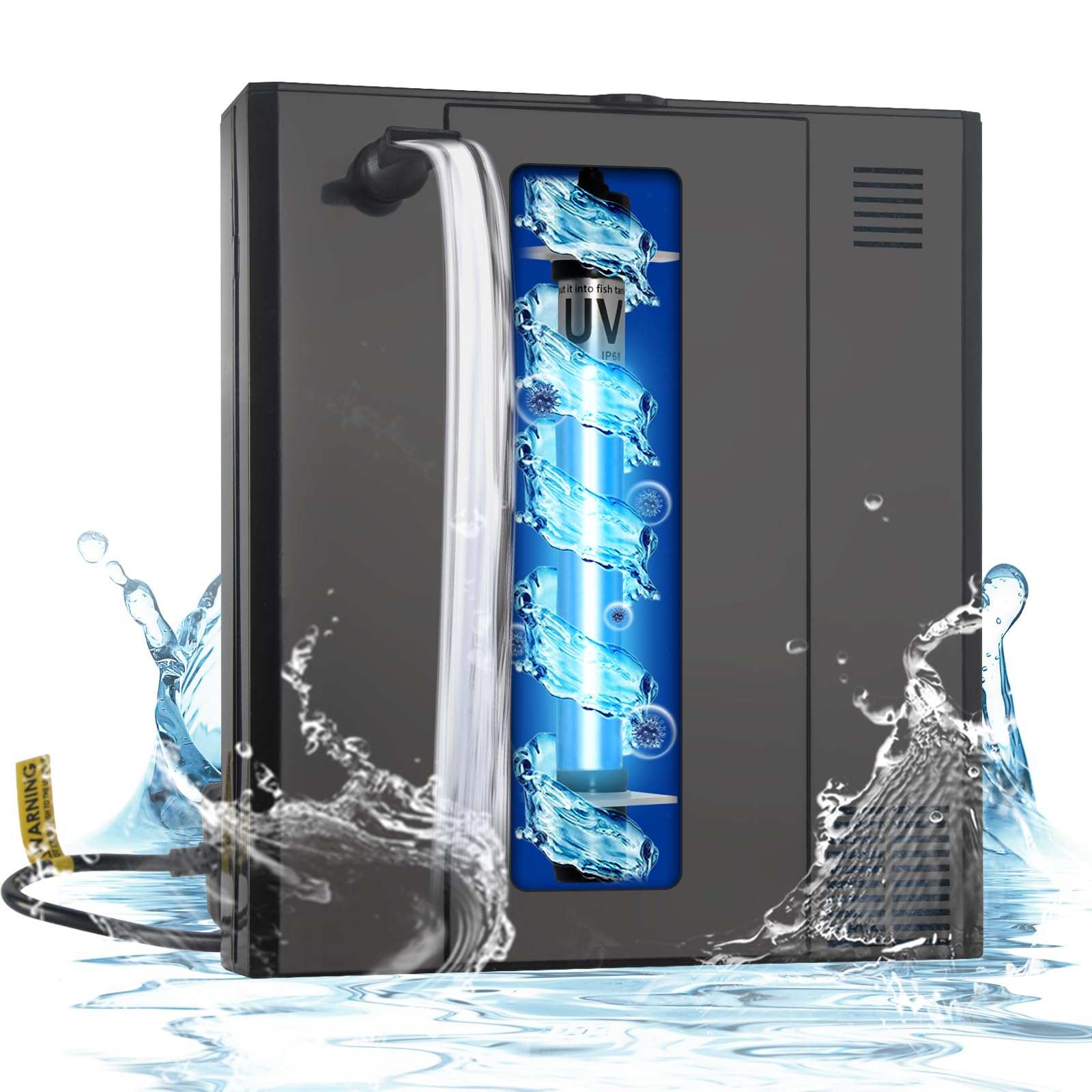
8. Where to Place a UV Sterilizer in an Aquarium

Aquarium UV sterilizers are commonly used to help control free-floating algae and certain waterborne microorganisms.
However, aquarium UV systems operate differently from residential drinking water treatment equipment.
They are typically installed within a recirculating filtration loop rather than on a once-through water supply.
Recommended Aquarium Placement
For many aquarium configurations, the UV sterilizer should be positioned after mechanical filtration.
A common arrangement is:
Aquarium → Mechanical Filter → Biological Filtration → UV Sterilizer → Aquarium Return
Mechanical filtration removes suspended debris before water enters the UV chamber.
This helps maintain better UV transmission and reduces the accumulation of dirt inside the sterilizer.
Can a UV Sterilizer Be Installed After a Canister Filter?
Yes.
Many external aquarium UV sterilizers are designed to connect to the outlet tubing of a canister filter.
This arrangement allows filtered water to pass through the UV chamber before returning to the aquarium.
However, the canister filter's flow rate must match the UV sterilizer's operating requirements.
Should the UV Sterilizer Be Installed Before Biological Filtration?
For most conventional aquarium setups, positioning the UV unit after mechanical and biological filtration is a practical configuration.
Beneficial nitrifying bacteria primarily colonize surfaces within biological filtration media.
A UV sterilizer treats microorganisms passing through the water column rather than sterilizing the entire aquarium.
Freshwater and Saltwater Considerations
UV sterilizers can be used in both freshwater and marine aquariums.
However, equipment materials must be compatible with the intended water conditions.
Marine installations should use components suitable for saltwater exposure.
9. UV Sterilizer Placement in Pond Filtration Systems
Outdoor ponds present different challenges from indoor aquariums.
Pond water may contain higher concentrations of suspended solids, algae, organic matter, and other substances that interfere with ultraviolet treatment.
UV clarifiers are frequently used to control free-floating green-water algae.
Recommended Pond Installation Sequence
A typical pond filtration arrangement may include:
Pond → Pump → Mechanical Filter → Biological Filter → UV Clarifier → Pond Return
However, some integrated pond filtration systems place UV equipment before biological filtration.
Both configurations can be appropriate when designed according to the manufacturer's instructions.
Why Flow Rate Matters
Pond UV equipment must provide sufficient exposure time for its intended treatment objective.
Excessively high water flow can reduce the delivered UV dose.
For example, a UV clarifier designed primarily for algae control may operate under different flow requirements from a unit intended for more demanding microbial treatment.
Always select equipment based on the intended application rather than relying on lamp wattage alone.
Protect Outdoor UV Equipment
Outdoor installations may require weatherproof enclosures, freeze protection, and suitable electrical connections.
Equipment should be protected from flooding and installed in accordance with the manufacturer's environmental specifications.
10. UV Sterilizer Placement in Commercial Water Treatment Systems
Commercial facilities may require ultraviolet treatment for drinking water, food processing, hospitality operations, or other applications.
Compared with residential systems, commercial installations often involve higher flow rates and more demanding operational requirements.
Recommended Placement
Commercial UV sterilizers are generally installed after the necessary pretreatment stages and before the designated point of use or distribution area.
Depending on the application, additional downstream controls may be required.
Consider Multiple Treatment Points
Large facilities may benefit from multiple UV systems installed at strategic locations.
For example, a central UV treatment unit may protect the main incoming water supply, while smaller point-of-use systems provide additional treatment near critical applications.
Plan for Maintenance Without Interrupting Operations
Commercial facilities should evaluate equipment accessibility, service isolation, and operational continuity.
Where uninterrupted treatment is essential, redundant UV equipment may be appropriate.
Any bypass arrangement must be designed so untreated water cannot inadvertently enter a supply that requires disinfection.
Monitor Treatment Performance
Commercial UV systems may incorporate UV intensity sensors, flow monitoring, temperature controls, alarms, and automatic shutoff mechanisms.
These features help operators identify conditions that could compromise treatment effectiveness.
11. Industrial UV Sterilizer Installation: Special Considerations

Industrial UV sterilizers are used in applications such as process water treatment, food and beverage production, pharmaceutical manufacturing, electronics processing, and industrial water reuse.
Installation requirements vary considerably depending on the application.
Process Water Treatment
In industrial process water systems, UV treatment may be installed after filtration and other conditioning stages.
The objective is to provide the required microbial control before water reaches sensitive manufacturing equipment.
Food and Beverage Production
UV treatment may be used as part of a broader hygienic water management strategy.
Placement should consider upstream filtration, downstream storage, distribution piping, and applicable sanitation requirements.
Pharmaceutical Water Systems
Pharmaceutical applications may use specialized UV equipment within purified water production or distribution loops.
Some systems also use UV wavelengths for specific chemical treatment purposes, such as ozone destruction.
These applications require specialized engineering and validation.
Industrial Recirculation Loops
UV treatment may be installed within a recirculating water loop to help control microbial populations.
The location should provide appropriate flow conditions and allow representative water treatment.
However, UV does not replace necessary cleaning, biofilm management, or other water quality controls.
12. Horizontal vs. Vertical UV Sterilizer Installation
Another important placement decision concerns equipment orientation.
UV sterilizers may be installed horizontally or vertically, depending on their design.

Horizontal installation

Vertical installation
Horizontal Installation
Horizontal installations are common when sufficient wall space is available.
They may provide convenient access to plumbing connections and maintenance components.
However, adequate clearance must be maintained for lamp and quartz sleeve removal.
Vertical Installation
Vertical configurations may be useful in installations with limited horizontal space.
Some systems are specifically designed for vertical mounting.
However, orientation requirements differ by manufacturer and model.
Which Orientation Is Better?
Neither orientation is universally superior.
The correct choice depends on the equipment's approved installation positions, hydraulic design, air management, maintenance requirements, and available space.
Always follow the manufacturer's mounting instructions.
Improper orientation can create operational problems or interfere with equipment servicing.
13. How Far Should a UV Sterilizer Be From the Point of Use?
For many drinking water applications, installing UV treatment near the final point of use can reduce opportunities for downstream contamination.
However, the ideal distance depends on the system configuration.
Point-of-Use Systems
Under-sink drinking water UV systems are commonly installed near the dispensing faucet.
This arrangement minimizes downstream plumbing between treatment and consumption.
Whole-House Systems
Whole-house UV sterilizers are usually installed near the end of the central treatment train, before household distribution begins.
Installing a separate UV unit at every fixture is generally unnecessary unless specific treatment requirements justify additional equipment.
Commercial Applications
Commercial facilities may use UV equipment near critical processing locations.
For example, specialized water treatment systems may include UV treatment close to production equipment to reduce downstream contamination opportunities.
Why Downstream Plumbing Matters
UV treatment does not provide a lasting disinfectant residual.
Microorganisms may enter or grow within downstream plumbing, storage tanks, or fixtures.
Proper plumbing maintenance and system hygiene remain important even when UV treatment is installed.
14. Common UV Sterilizer Installation Mistakes
Incorrect installation can undermine the performance of an otherwise well-designed UV system.
Understanding common mistakes helps prevent avoidable treatment problems.
Mistake 1: Installing UV Before Sediment Filtration
Suspended particles can interfere with UV exposure and contribute to quartz sleeve fouling.
Install suitable pretreatment equipment upstream whenever required.
Mistake 2: Ignoring UV Transmittance
Clear-looking water does not necessarily transmit ultraviolet radiation effectively.
Certain dissolved substances can absorb UV energy.
Measure or evaluate UVT when required by the equipment specification.
Mistake 3: Exceeding the Rated Flow Rate
Water moving too quickly through the UV chamber may receive insufficient exposure.
Select a system rated for the maximum expected operating flow under the relevant water quality conditions.
Mistake 4: Installing UV Before a Storage Tank Without Additional Protection
Downstream storage can introduce opportunities for microbial contamination.
Where practical, final UV treatment should occur after storage and before the intended point of use.
Mistake 5: Providing Insufficient Maintenance Clearance
UV lamps and quartz sleeves require servicing.
An installation that prevents easy component removal can increase maintenance time and operating expenses.
Mistake 6: Ignoring Electrical Safety
UV sterilizers combine water and electrical equipment.
Install them according to applicable electrical requirements, including grounding and ground-fault protection where required.
Mistake 7: Using UV as a Substitute for Complete Water Treatment
UV treatment does not remove sediment, heavy metals, dissolved chemicals, or other contaminants.
It should be integrated into a treatment system designed around actual water quality conditions.
15. How to Determine the Correct UV Sterilizer Flow Rate
Flow rate is one of the most important factors influencing UV disinfection performance.
The UV dose delivered to microorganisms depends on radiation intensity and exposure time.
As water flow increases, exposure time generally decreases.
Therefore, a UV sterilizer must be appropriately sized for the intended flow rate.
Residential Applications
Whole-house systems should be selected according to peak household water demand rather than average daily consumption.
Simultaneous operation of showers, faucets, washing machines, and other fixtures may create short periods of high flow.
Point-of-Use Applications
Under-sink UV systems typically operate at lower flow rates.
Their capacity should match the drinking water faucet or filtration system.
Commercial and Industrial Applications
Larger installations require hydraulic analysis that accounts for peak flow, operating pressure, UVT, and the required treatment objective.
Understanding UV Dose
UV dose is commonly expressed in millijoules per square centimeter (mJ/cm²).
Different applications require different validated treatment doses.
A manufacturer should provide performance information based on recognized testing or validation methods where applicable.
For drinking water systems, equipment certification and validation are more meaningful than relying solely on advertised lamp wattage.
16. Choosing the Right Installation Environment
The physical environment surrounding a UV sterilizer can influence equipment reliability and maintenance.
Temperature
Install equipment within the manufacturer's specified ambient and water temperature ranges.
Excessive temperatures can affect electronic components and lamp performance.
Freezing conditions can damage water-filled chambers and plumbing.
Humidity
High humidity can affect electrical equipment if components are not appropriately protected.
Choose equipment with a suitable enclosure rating for the installation environment.
Accessibility
Provide sufficient room for routine inspection, lamp replacement, quartz sleeve cleaning, and electrical servicing.
Water Pressure
Confirm that the UV chamber and plumbing connections are rated for the maximum system pressure.
Pressure fluctuations and water hammer should also be considered.
Electrical Supply
Verify that the installation provides the required voltage, electrical protection, and grounding.
The power supply should be positioned according to the manufacturer's mounting and environmental requirements.
17. Step-by-Step UV Sterilizer Installation Planning
A successful installation begins with careful planning rather than immediate equipment mounting.
UV Installation Planning Checklist
0 of 11 completed
After installation, verify that the equipment operates correctly and that treated water meets the intended water quality requirements.
For drinking water applications, follow applicable testing recommendations and manufacturer instructions.
18. Maintaining Your UV Sterilizer After Installation
Correct placement is essential, but maintenance is equally important for long-term treatment reliability.
Even a properly installed UV sterilizer can lose effectiveness if the lamp output declines or the quartz sleeve becomes contaminated.
Replace UV Lamps According to Manufacturer Recommendations
Conventional UV lamps typically require replacement after a specified operating period.
A lamp may continue producing visible light even after its germicidal output has declined below the required level.
Therefore, visible illumination should not be used as the sole indication of effective treatment.
Clean the Quartz Sleeve
Mineral deposits and other contaminants can accumulate on the quartz sleeve.
Regular cleaning helps maintain ultraviolet transmission.
Cleaning frequency depends on water quality and equipment design.
Replace Pretreatment Filters
Sediment and carbon filters should be maintained according to their rated capacity and operating conditions.
Neglected filters may reduce water quality and affect downstream UV performance.
Monitor System Alarms
If the UV sterilizer includes an intensity sensor or alarm system, investigate warnings promptly.
Do not assume water remains adequately disinfected when the system indicates a fault.
Maintain Water Testing Procedures
Periodic water testing can help verify that the complete treatment system is operating as intended.
For private well systems, testing frequency should reflect local guidance, source water conditions, and any previous contamination history.
19. How Proper UV Sterilizer Placement Improves Long-Term Value
A correctly positioned UV sterilizer can provide benefits beyond initial treatment performance.
It can also help reduce maintenance requirements, improve system reliability, and support more efficient water treatment operations.
Better Treatment Consistency
Adequate pretreatment helps maintain suitable water quality before UV exposure.
This supports more consistent treatment conditions.
Reduced Maintenance Requirements
Removing sediment and other interfering substances upstream can help reduce quartz sleeve fouling.
Improved Equipment Reliability
Proper installation reduces unnecessary mechanical, hydraulic, and environmental stress.
Easier System Monitoring
A well-designed treatment layout provides convenient access to filters, UV equipment, sensors, and service connections.
Reduced Risk of Downstream Contamination
Positioning UV treatment near the final distribution or consumption point can reduce opportunities for untreated water to enter the system after disinfection.
These advantages make installation planning an important part of the overall investment decision.
Frequently Asked Questions About UV Sterilizer Placement
Should a UV sterilizer be installed before or after a water filter?
In most conventional water treatment systems, a UV sterilizer should be installed after sediment filtration and other required pretreatment stages.
This helps reduce substances that may interfere with ultraviolet exposure.
Can I install a UV sterilizer before a water softener?
The appropriate order depends on water quality and equipment design.
However, UV treatment is commonly installed after the water softener so that water conditioning occurs before final disinfection.
Should a UV sterilizer be installed before or after a pressure tank?
In typical private well systems, the UV sterilizer is installed after the pressure tank and required filtration equipment.
This allows water to receive UV treatment before entering household distribution plumbing.
Can a UV sterilizer be installed horizontally?
Yes, if the equipment manufacturer approves horizontal mounting.
Some systems support both horizontal and vertical installation, while others have specific orientation requirements.
Should a UV sterilizer run continuously?
Many conventional residential UV systems are designed for continuous operation.
Frequently switching certain UV lamps on and off can reduce their service life.
Some UV LED systems use different operating strategies.
Always follow the manufacturer's instructions.
Does a UV sterilizer remove chlorine?
No. UV disinfection systems are not generally designed to remove chlorine from water.
Activated carbon filtration is commonly used when chlorine reduction is required.
Can a UV sterilizer be installed outdoors?
Only if the equipment is designed or appropriately protected for outdoor conditions.
Temperature extremes, moisture, freezing, and electrical safety must be considered.
Do I need a UV sterilizer if I already have a reverse osmosis system?
Not necessarily.
The need for UV treatment depends on source water quality, microbial risks, RO system design, storage conditions, and treatment objectives.
A water quality assessment can help determine whether additional disinfection is appropriate.
Where should I install a UV sterilizer in an aquarium?
For many aquarium systems, the UV sterilizer is installed after mechanical filtration, often on the return line from a canister filter or sump.
The flow rate should match the sterilizer's intended treatment application.
What happens if a UV sterilizer is installed in the wrong location?
Incorrect placement may reduce treatment effectiveness, increase maintenance requirements, or allow downstream recontamination.
Potential problems include excessive sediment exposure, insufficient UV dose, and unnecessary equipment servicing.
Conclusion: Choose the Right UV Sterilizer Location for Reliable Water Treatment
Choosing where to install a UV sterilizer is one of the most important decisions when designing an effective water purification system.
For most conventional residential and commercial applications, the preferred location is after sediment filtration and other required treatment stages, before the final water distribution or consumption point.
This arrangement helps ensure that the UV chamber receives appropriately pretreated water while minimizing opportunities for downstream contamination.
However, the ideal installation location varies depending on whether the system serves a private well, municipal water supply, reverse osmosis unit, aquarium, outdoor pond, or industrial process.
Flow rate, ultraviolet transmittance, water pressure, equipment orientation, maintenance accessibility, and downstream plumbing conditions must all be considered.
A successful UV installation is not simply about adding another piece of equipment to a water line. It requires understanding how every treatment stage works together to deliver reliable water quality.
By selecting the appropriate installation position, matching the UV sterilizer to actual treatment requirements, and maintaining the system according to manufacturer recommendations, you can improve operational efficiency, reduce avoidable maintenance, and protect the long-term value of your water treatment investment.
Looking for a reliable UV sterilizer or need help choosing the right UV water treatment solution for your application? Leave us a message today to discuss your requirements and request a customized quotation.