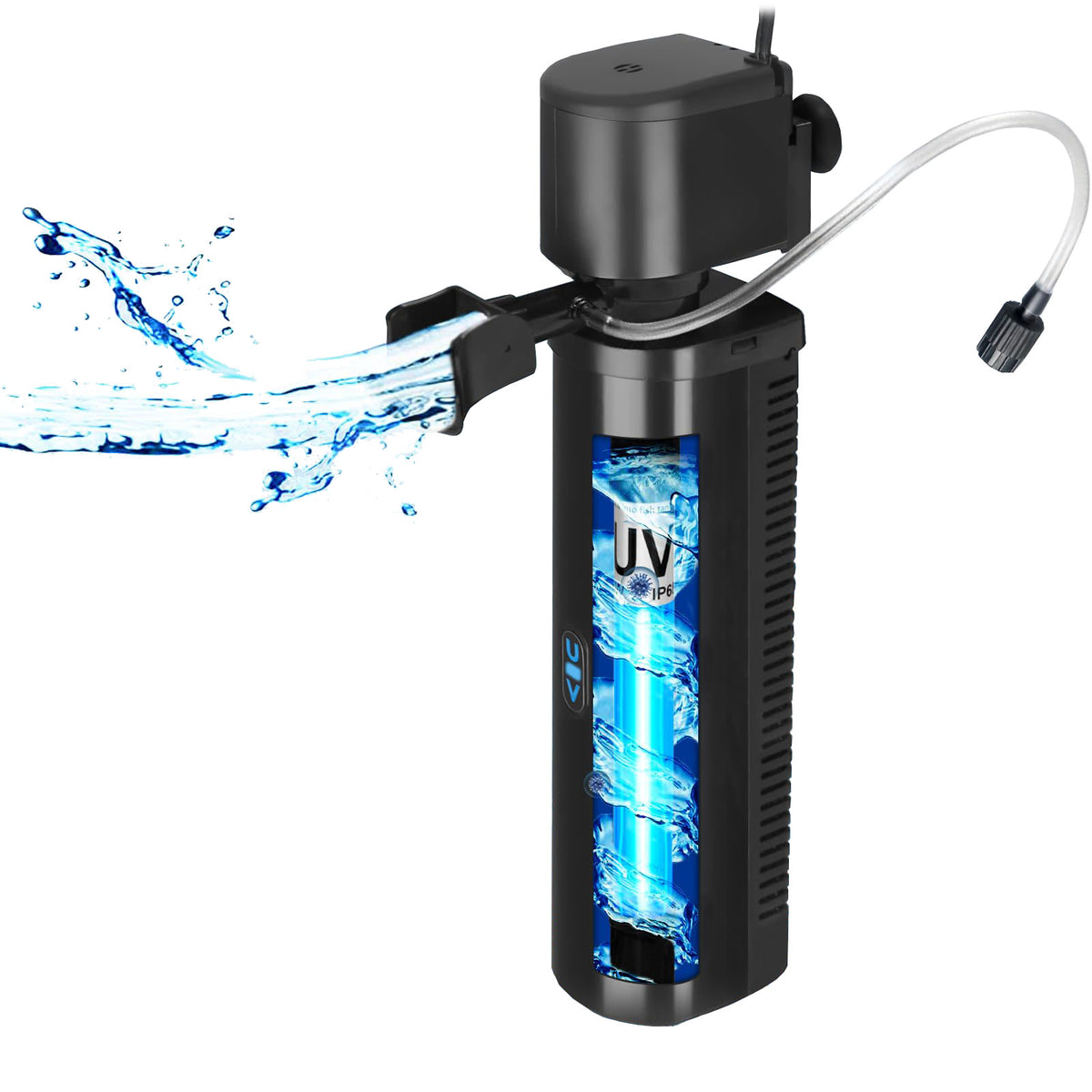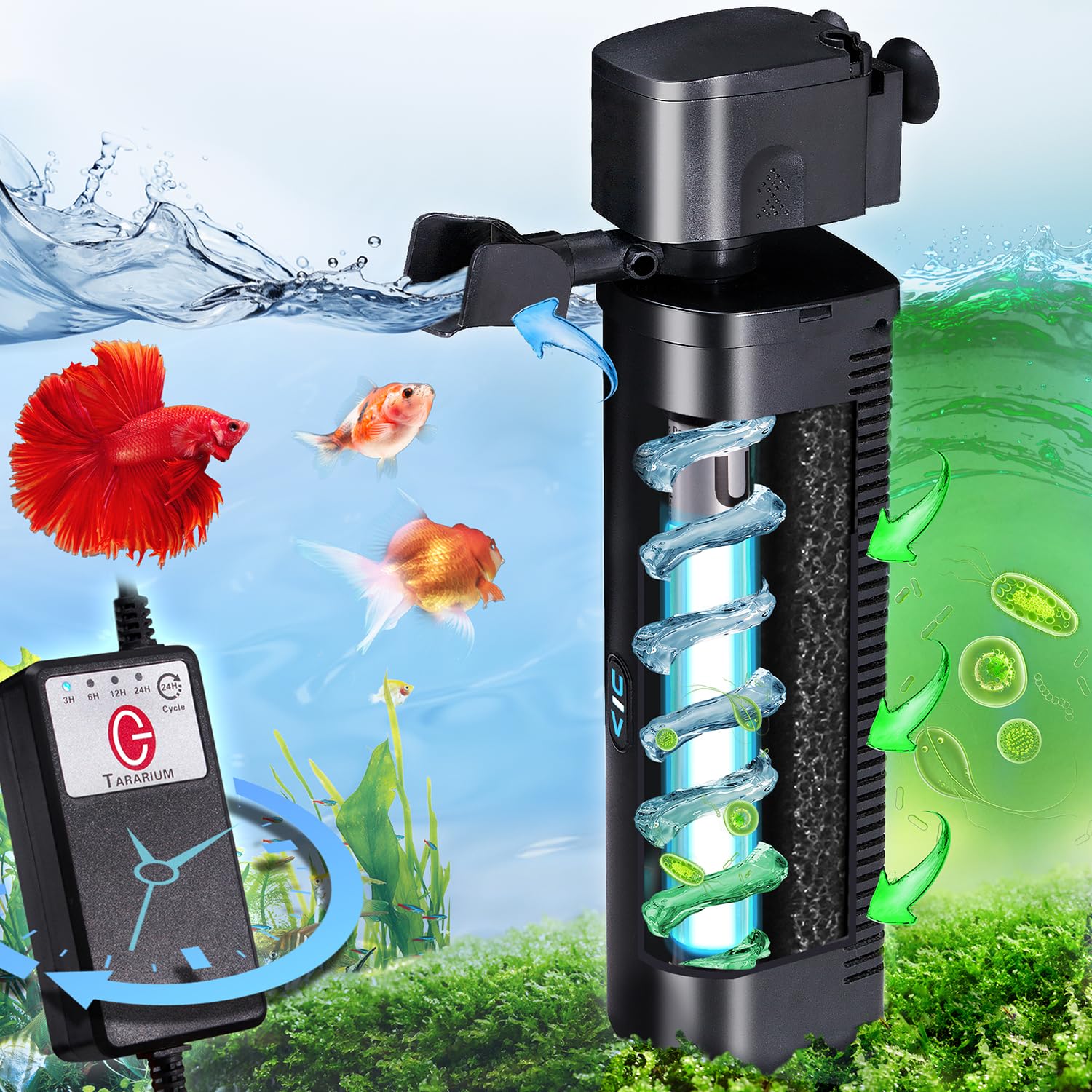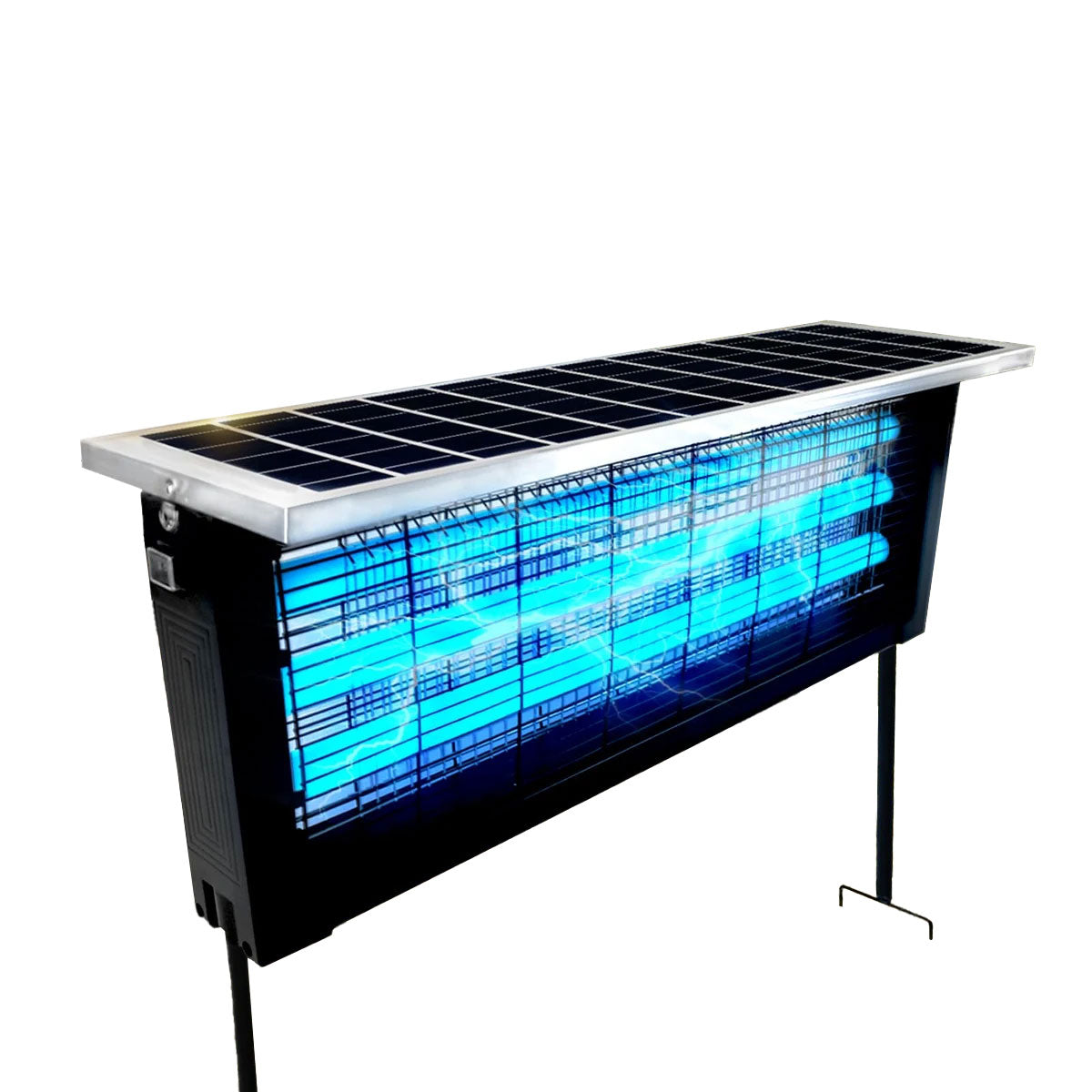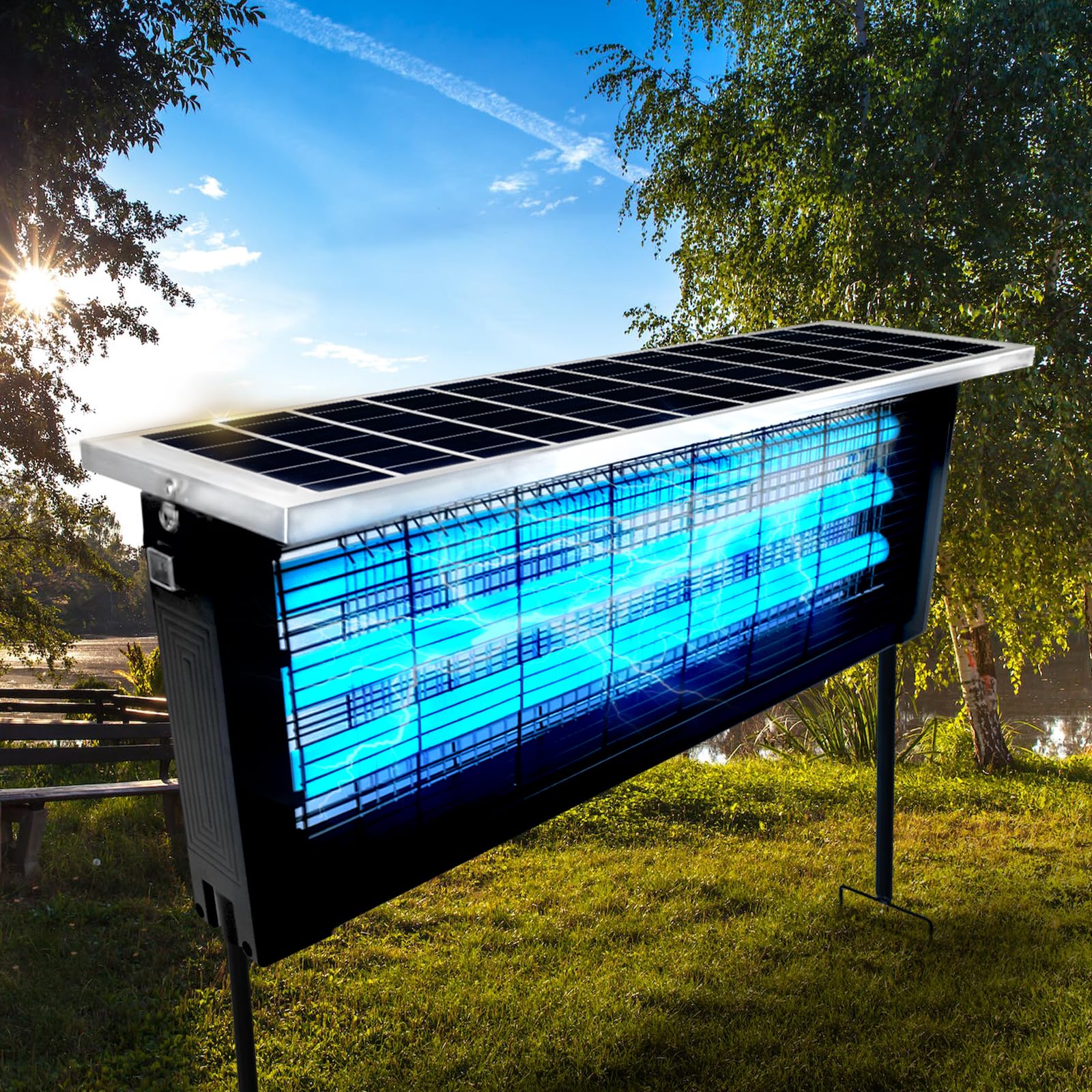
Ultraviolet light has long been used for disinfection in hospitals, laboratories, and water treatment systems. In recent years, however, UV technology has begun moving into residential environments. Homeowners are increasingly interested in UV devices for air purification, surface sanitation, and water treatment—especially as awareness of indoor hygiene continues to grow.
Among the most discussed topics is the comparison between 254nm ultraviolet light and 222nm far-UVC light, particularly regarding safety inside occupied living spaces. Marketing claims, scientific discussions, and evolving regulations have created confusion about what is safe, what is effective, and where the real boundaries lie.
This article provides a comprehensive explanation of how these two wavelengths work, why they differ biologically, and how families can responsibly use UV technology at home while understanding realistic safety limits.
What Is Ultraviolet Light?
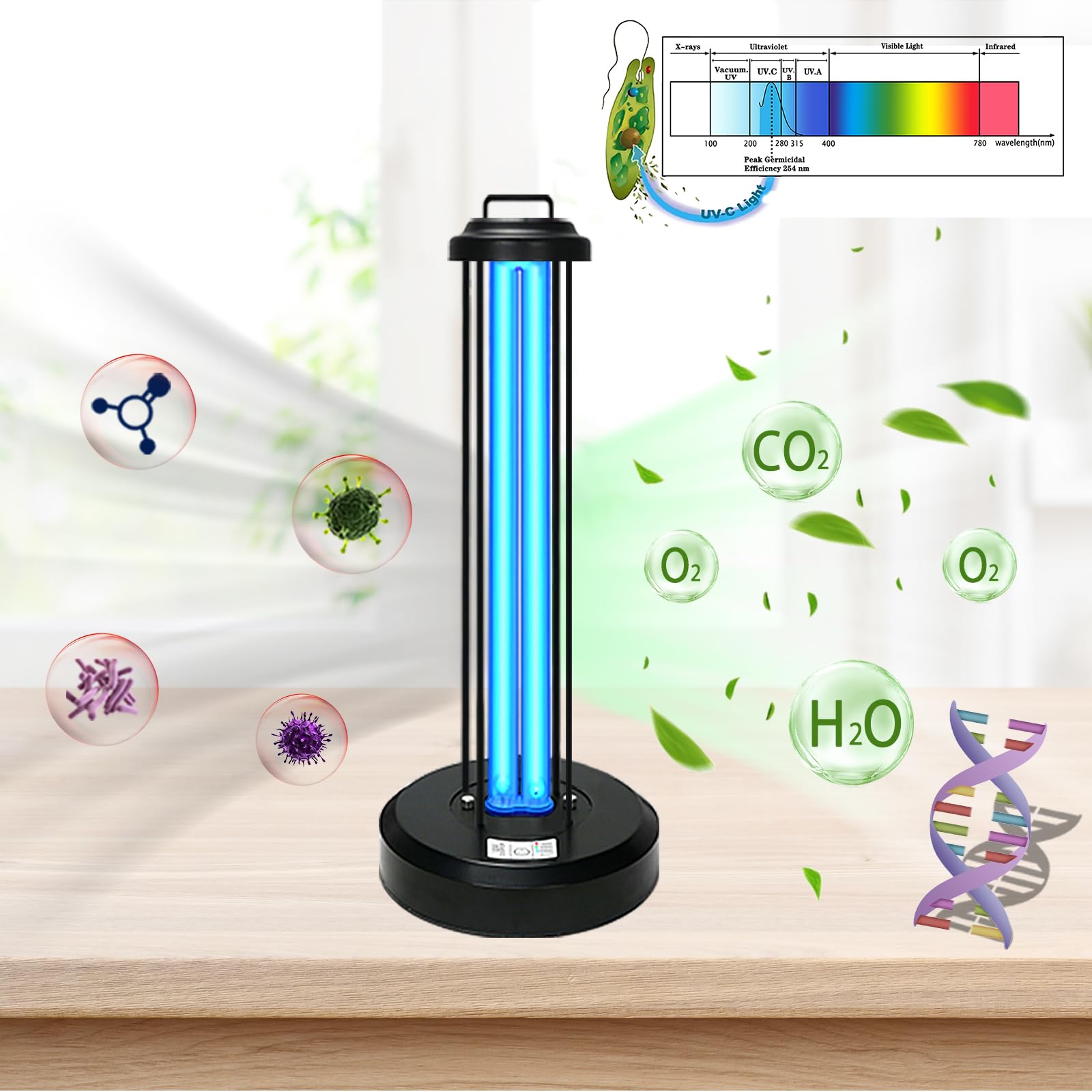
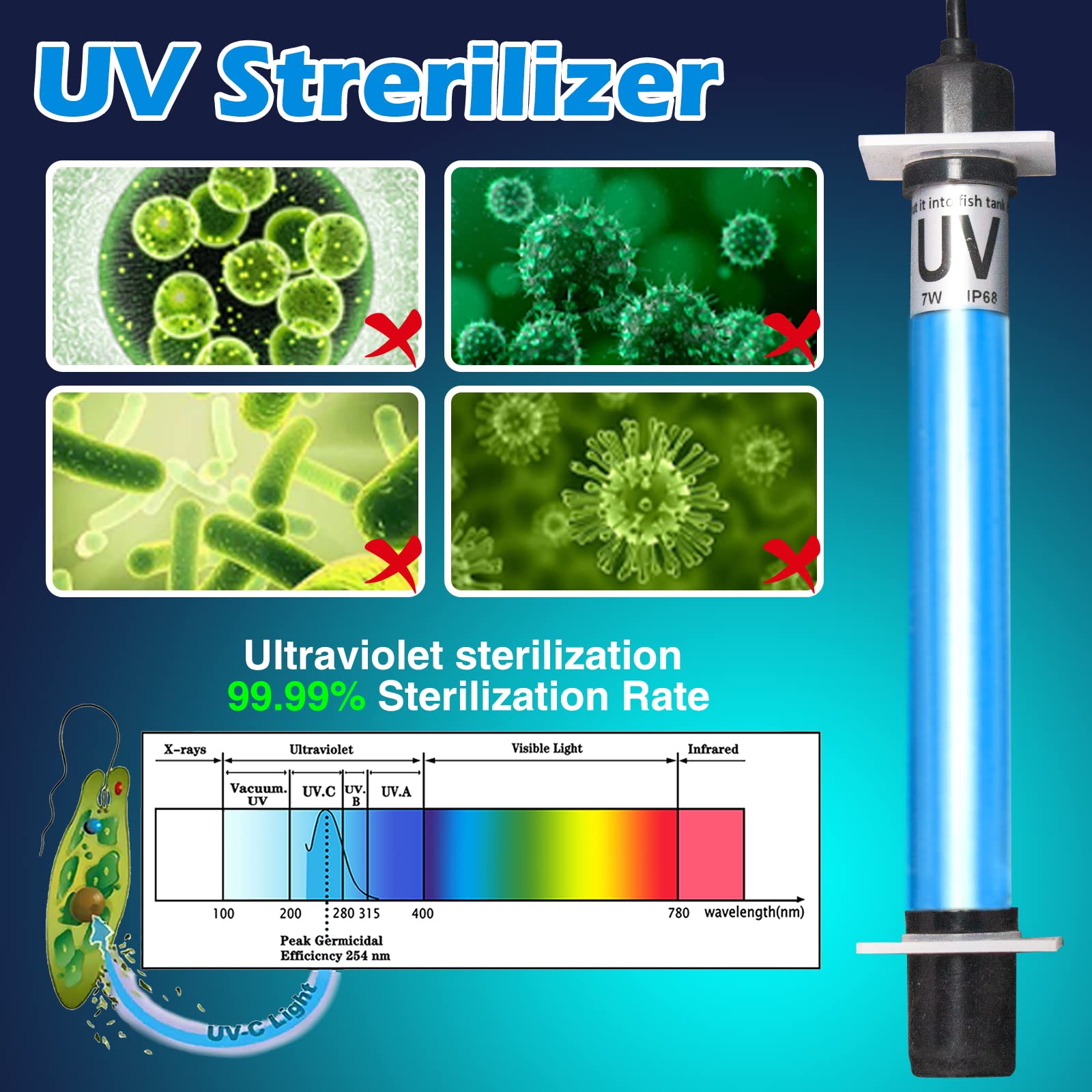
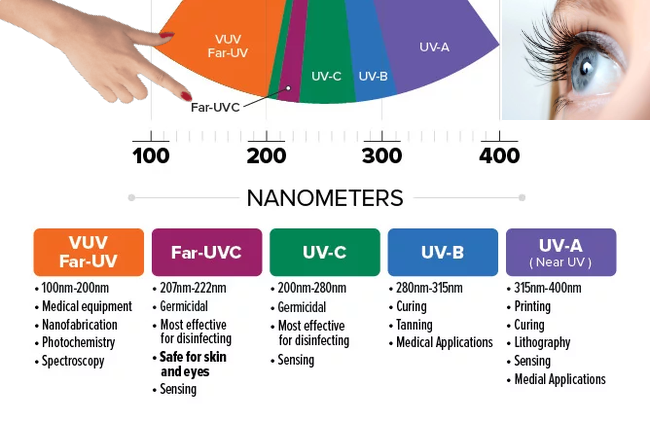
Ultraviolet (UV) light is electromagnetic radiation with wavelengths shorter than visible light but longer than X-rays. It is typically divided into three main categories:
- UVA (315–400 nm) – associated with skin aging
- UVB (280–315 nm) – responsible for sunburn
- UVC (200–280 nm) – strongly germicidal
Natural UVC from the sun is absorbed by Earth’s atmosphere, meaning humans evolved without regular exposure to it. Artificial UVC sources therefore require careful control.
Why UVC Light Is Effective for Disinfection
Microorganisms rely on intact DNA or RNA to reproduce. UVC light disrupts genetic material by forming molecular bonds that prevent replication.
When pathogens cannot reproduce, they effectively become inactive.
UVC is effective against:
- Bacteria
- Viruses
- Mold spores
- Some fungi
Because this mechanism is physical rather than chemical, microorganisms cannot easily develop resistance.
The Traditional Standard: 254nm UVC
How 254nm Became the Industry Benchmark
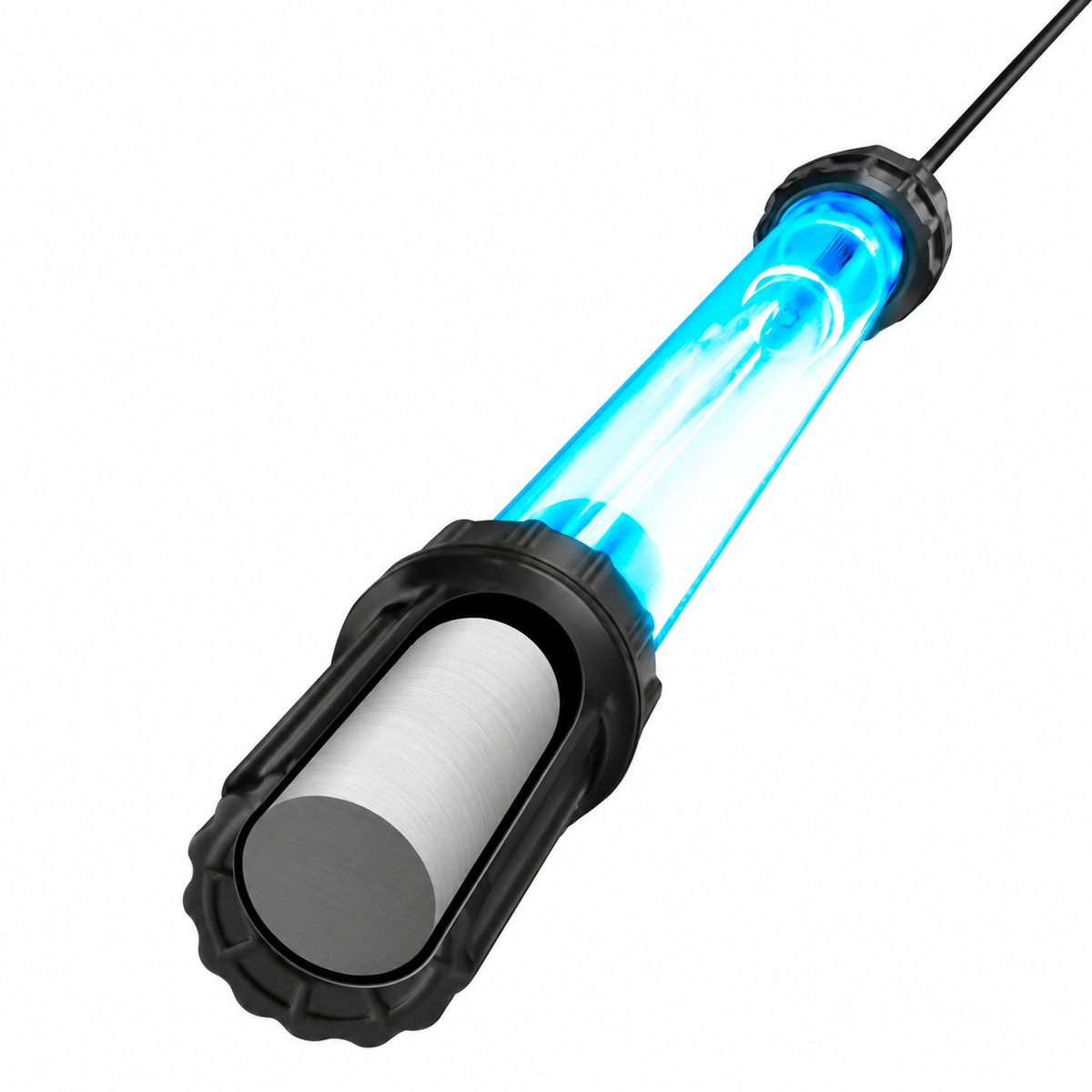
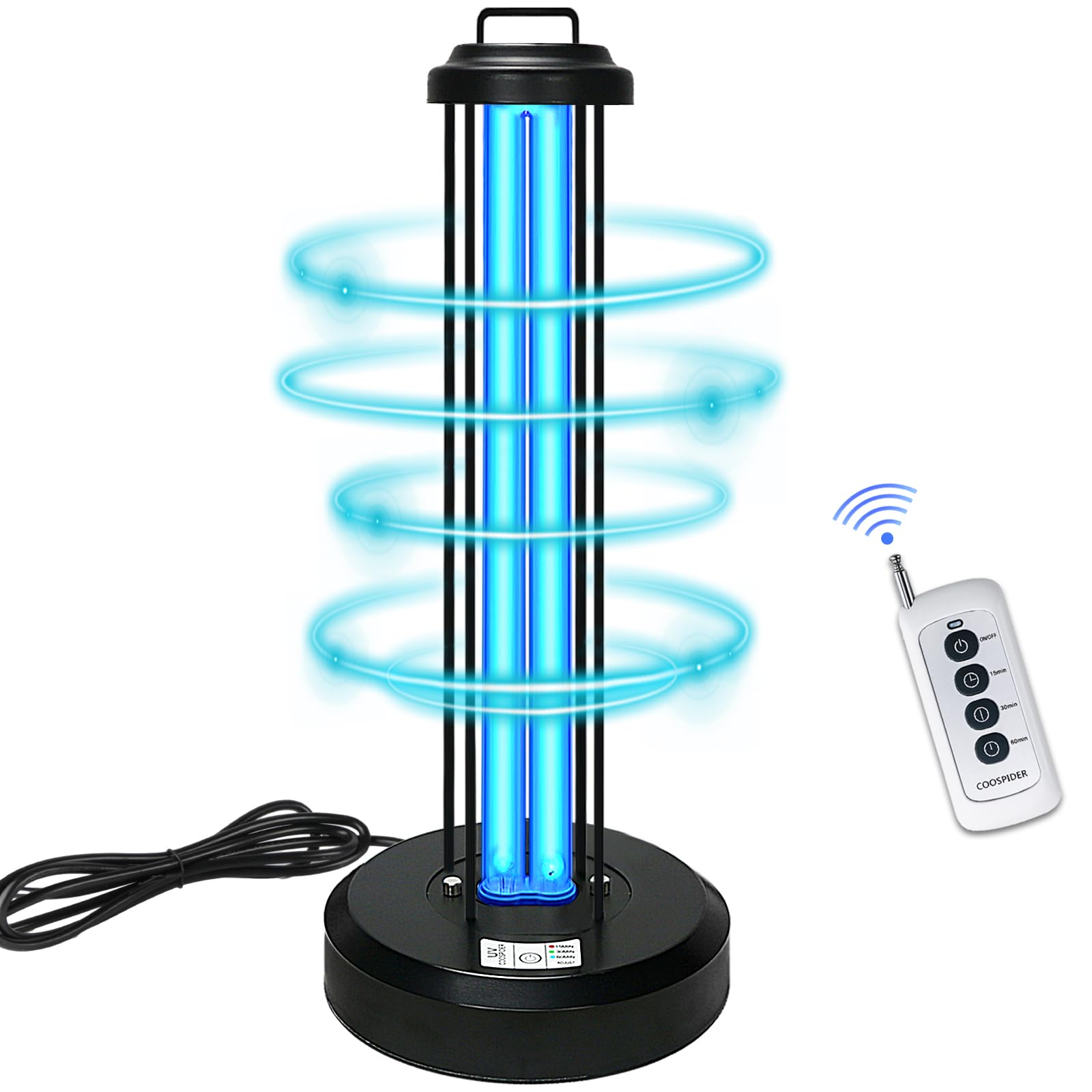
For decades, most germicidal UV systems have operated around 254 nanometers, typically produced by low-pressure mercury vapor lamps.
This wavelength sits near the peak absorption range for microbial DNA, making it highly efficient at disinfection.
Common applications include:
- Hospital room sterilization
- HVAC air systems
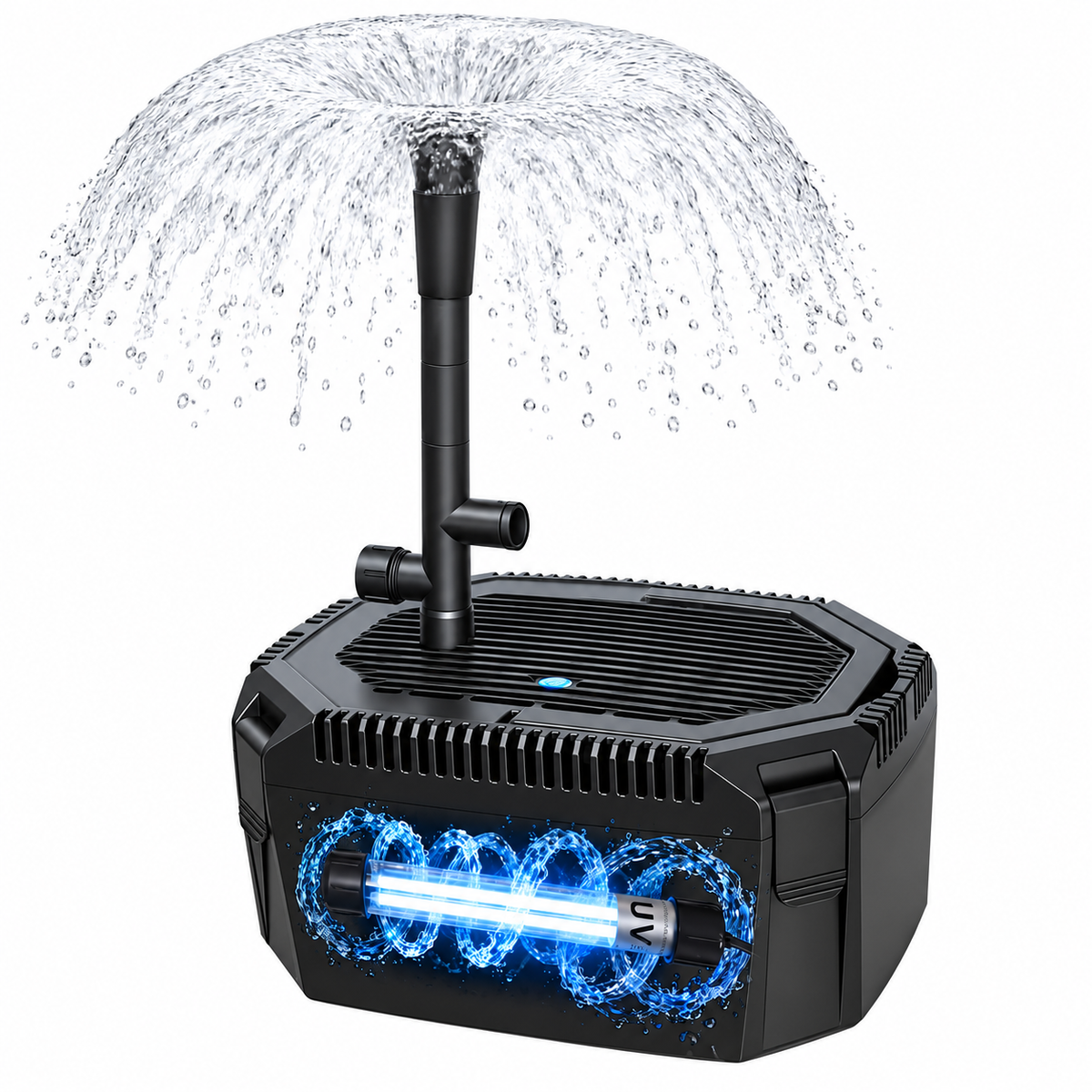
- Water purification equipment
- Laboratory sanitation
Its effectiveness is well documented through decades of use.
The Safety Challenge of 254nm Light
Despite its effectiveness, 254nm UVC presents a critical limitation: it can penetrate living tissues.
Exposure risks include:
- Eye irritation (photokeratitis)
- Skin redness similar to sunburn
- Long-term cellular damage with repeated exposure
Because of this, traditional UVC systems are designed to operate only when people are not present or within enclosed chambers.
Typical safety measures include:
- Shielded devices
- Motion sensors
- Timed operation cycles
- Internal air or water disinfection chambers
This restriction historically prevented widespread open-air residential use.
The Emergence of 222nm Far-UVC
What Is Far-UVC?
Far-UVC refers to wavelengths roughly between 200–230 nanometers, with 222nm receiving the most attention in recent research.
These wavelengths are commonly generated using krypton-chloride (KrCl) excimer lamps.
Researchers began exploring whether shorter UVC wavelengths could maintain germicidal power while reducing risks to humans.
The Key Biological Difference
The central idea behind far-UVC safety lies in penetration depth.
- 254nm light penetrates living skin cells and eye tissue.
- 222nm light is strongly absorbed by proteins and outer biological layers.
Human skin contains a protective outer layer called the stratum corneum, composed of dead cells. Far-UVC is largely absorbed before reaching living tissue beneath.
Similarly, the tear layer covering the eye absorbs much of the radiation.
Microorganisms, however, are extremely small and lack these protective layers, allowing far-UVC light to reach and deactivate them.
This difference creates the theoretical safety advantage.
Comparing 254nm and 222nm at a Glance
| Feature | 254nm UVC | 222nm Far-UVC |
|---|---|---|
| Germicidal effectiveness | High | High |
| Tissue penetration | Deeper | Very shallow |
| Use around people | Restricted | Potentially allowed under limits |
| Typical devices | Mercury lamps | Excimer lamps |
| Historical use | Decades | Emerging technology |
Both wavelengths disinfect effectively, but their interaction with human tissue differs significantly.
Why Far-UVC Is Generating Interest for Homes
The possibility of continuous disinfection in occupied spaces has attracted attention.
Potential residential uses include:
- Air sanitation in living rooms
- Continuous pathogen reduction in shared spaces
- Supplemental hygiene in high-traffic homes
- Integration into smart HVAC systems
Unlike traditional UVC, far-UVC aims to operate while people are present—though within carefully defined exposure limits.
Understanding “Safety Boundaries” — The Most Important Concept
Far-UVC is not automatically safe under all conditions.
Safety depends on dose, not just wavelength.
Key factors include:
- Exposure intensity
- Distance from source
- Duration of exposure
- Reflection from surfaces
- Installation height and shielding
Even sunlight can become harmful at excessive exposure levels; UV technology follows similar principles.
Exposure Limits and Regulatory Guidelines
International safety organizations establish exposure thresholds for ultraviolet radiation.
Guidelines define maximum permissible exposure over specific time periods.
These limits are designed to prevent:
- Eye irritation
- Skin damage
- Long-term biological effects
Manufacturers designing residential far-UVC systems must ensure emitted radiation stays below these thresholds in occupied zones.
Proper engineering—not wavelength alone—determines safety.
Why Device Design Matters More Than Marketing Claims
Two devices using the same wavelength can differ dramatically in safety depending on engineering.
Critical design factors include:
Optical Filtering
High-quality far-UVC systems include filters removing unwanted longer wavelengths that could increase penetration risk.
Beam Direction
Ceiling-mounted or upper-room systems reduce direct exposure.
Output Control
Sensors and calibrated power levels maintain safe exposure ranges.
Installation Geometry
Placement determines how radiation spreads through a room.
Consumers should evaluate device design rather than relying solely on wavelength labels.
Practical Residential Applications
Air Disinfection
Far-UVC systems may reduce airborne pathogens by disinfecting circulating air continuously.
Best suited for:
- Living rooms
- Home offices
- Entryways
Airborne microorganisms remain exposed longer than surfaces, improving effectiveness.
HVAC Integration
Some systems install far-UVC within air ducts, combining benefits of both technologies:
- Shielded exposure
- Continuous airflow treatment
- Minimal human exposure
This approach offers a conservative safety strategy.
Surface Hygiene Support
Far-UVC can supplement regular cleaning but does not replace physical sanitation.
Shadowed areas and covered surfaces remain untreated.
Limitations of Far-UVC in Homes
Understanding limitations prevents unrealistic expectations.
Line-of-Sight Requirement
UV light only disinfects areas directly exposed.
Reduced Penetration
Far-UVC’s shallow penetration enhances safety but may slightly reduce effectiveness on porous materials.
Cost Considerations
Excimer lamp technology remains more expensive than traditional UVC.
Ongoing Research
Long-term exposure studies continue evolving as adoption grows.
Common Misconceptions
“222nm Is Completely Harmless”
Incorrect. Safety depends on controlled exposure levels.
“Stronger Output Means Better Protection”
Higher intensity may exceed safe limits without improving practical outcomes.
“UV Replaces Cleaning”
UV complements—not replaces—cleaning and ventilation.
Installation Best Practices for Home Use
Homeowners considering UV systems should follow practical guidelines:
- Choose certified devices meeting safety standards.
- Install fixtures at recommended heights.
- Avoid direct eye-level exposure.
- Follow manufacturer installation instructions carefully.
- Use professional installation when possible.
Proper setup ensures technology works as intended.
Comparing Household Use Cases: 254nm vs 222nm
When 254nm Makes Sense
- Enclosed water purification systems
- Air purifiers with internal chambers
- Devices operating when rooms are unoccupied
When 222nm May Be Preferred
- Occupied living spaces
- Continuous air treatment
- Shared environments requiring ongoing disinfection
Each wavelength has a valid role depending on application design.
The Science Still Evolving
Far-UVC research has expanded rapidly in recent years. Studies continue examining:
- Long-term exposure effects
- Eye safety margins
- Real-world environmental performance
- Material interactions
Scientific consensus is developing gradually rather than instantly.
Responsible adoption requires acknowledging both promise and uncertainty.
The Role of Ventilation and Hygiene
UV technology works best alongside traditional indoor health practices:
- Good airflow
- Regular cleaning
- Humidity control
- Proper filtration
Layered strategies outperform reliance on any single technology.
Future Directions for Residential UV Technology
Emerging innovations include:
- Smart sensors adjusting output automatically
- Hybrid filtration and UV systems
- Energy-efficient solid-state UV sources
- Integration with smart home ecosystems
As research progresses, far-UVC may become a standard feature in indoor environmental design.
Evaluating Whether UV Technology Fits Your Home
Before investing, homeowners should consider:
- Room size and layout
- Household occupancy patterns
- Existing air quality systems
- Maintenance requirements
- Safety certifications
UV solutions are most effective when matched to specific needs rather than adopted universally.
Final Thoughts: Finding the Real Safety Boundary
The discussion surrounding 254nm vs 222nm ultraviolet light is not about choosing a “safe” versus “dangerous” technology. Instead, it is about understanding how physics, biology, and engineering interact to define safe operating conditions.
Traditional 254nm UVC remains highly effective when contained within enclosed systems. Emerging 222nm far-UVC offers promising possibilities for occupied environments—but only when carefully engineered within exposure limits.
For homeowners, the key takeaway is simple: safety comes from controlled application, informed installation, and realistic expectations.
Ultraviolet technology is a powerful tool, but like any advanced technology, its benefits depend on responsible use. By understanding wavelength differences and respecting safety boundaries, families can make informed decisions that balance innovation with well-being—bringing modern disinfection science into the home thoughtfully and safely.