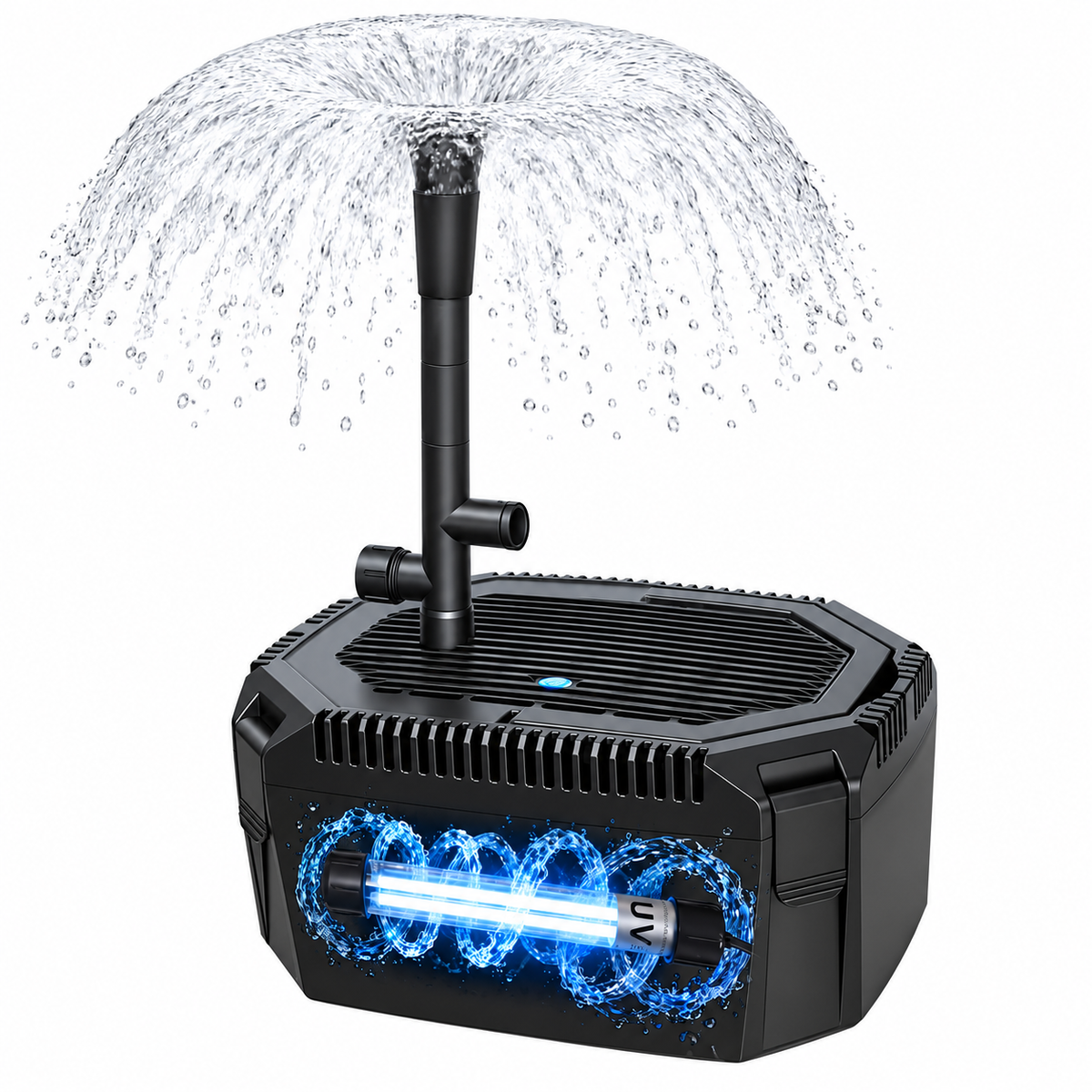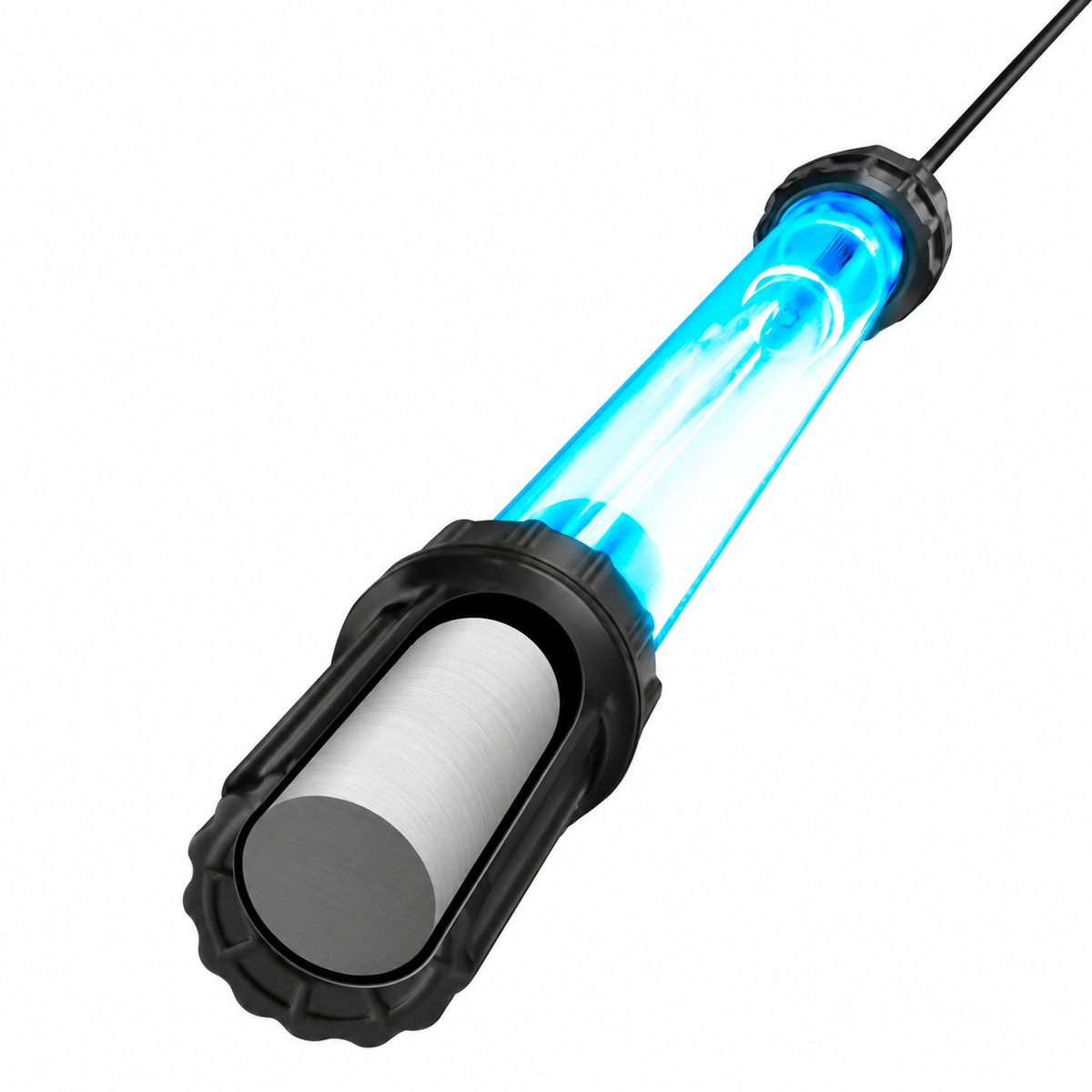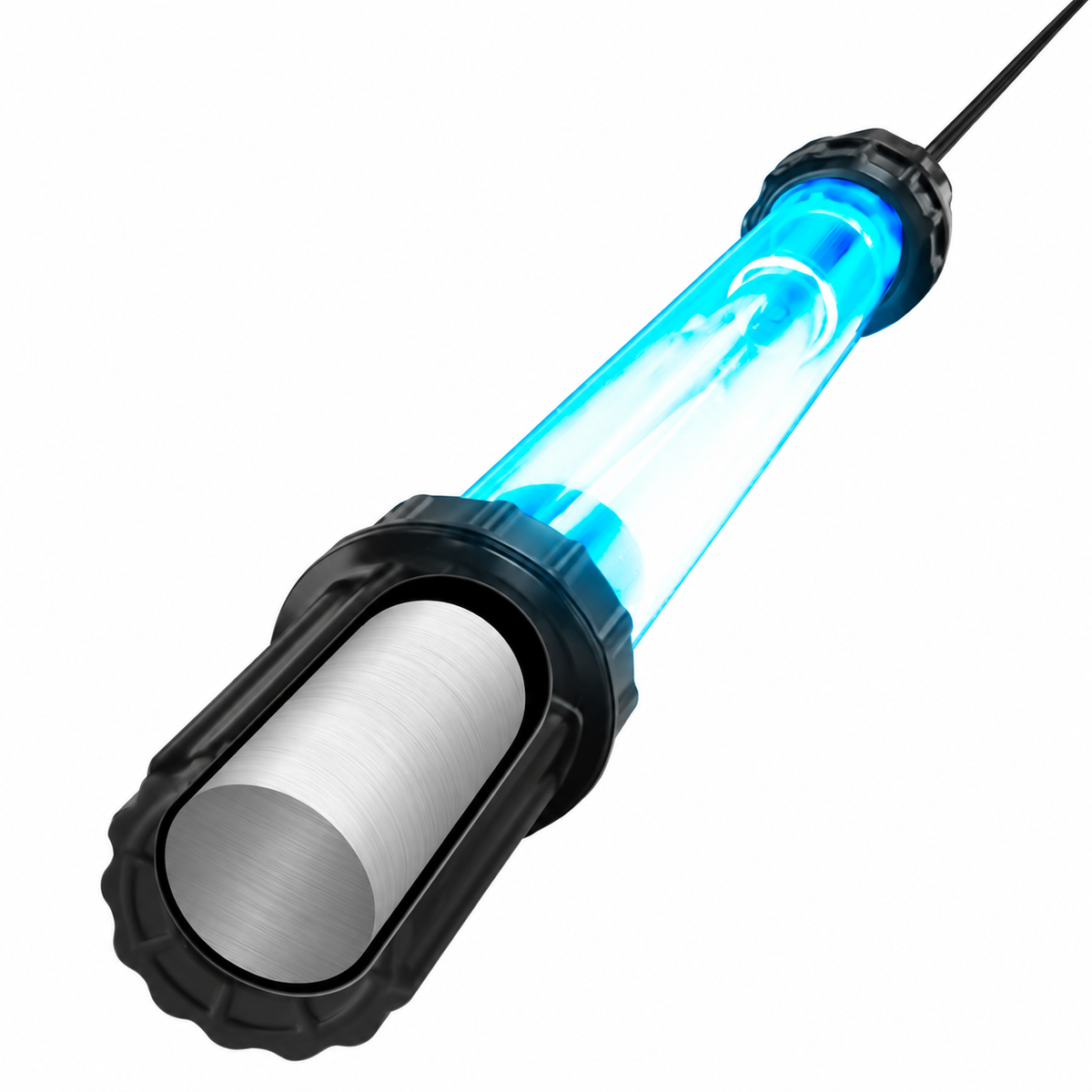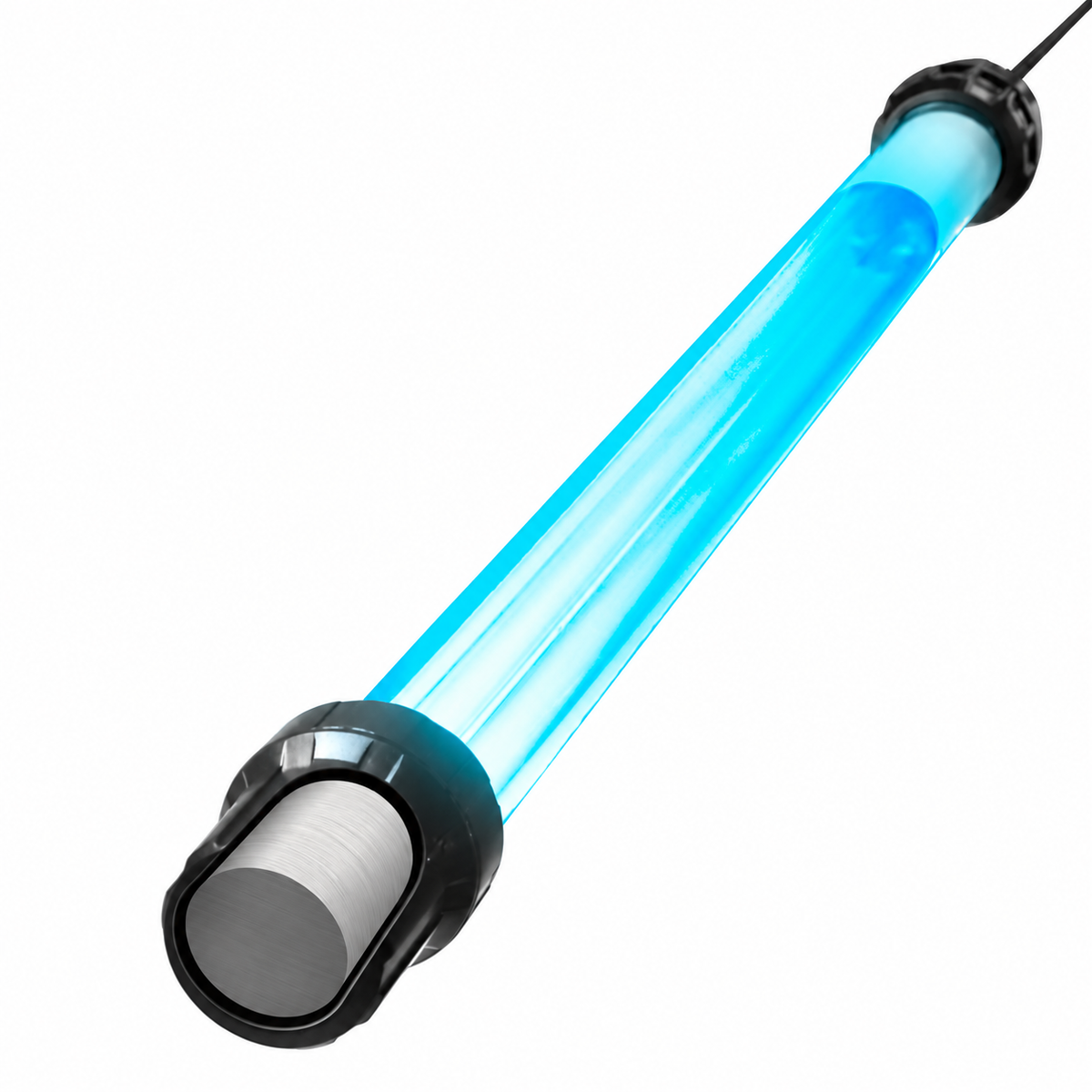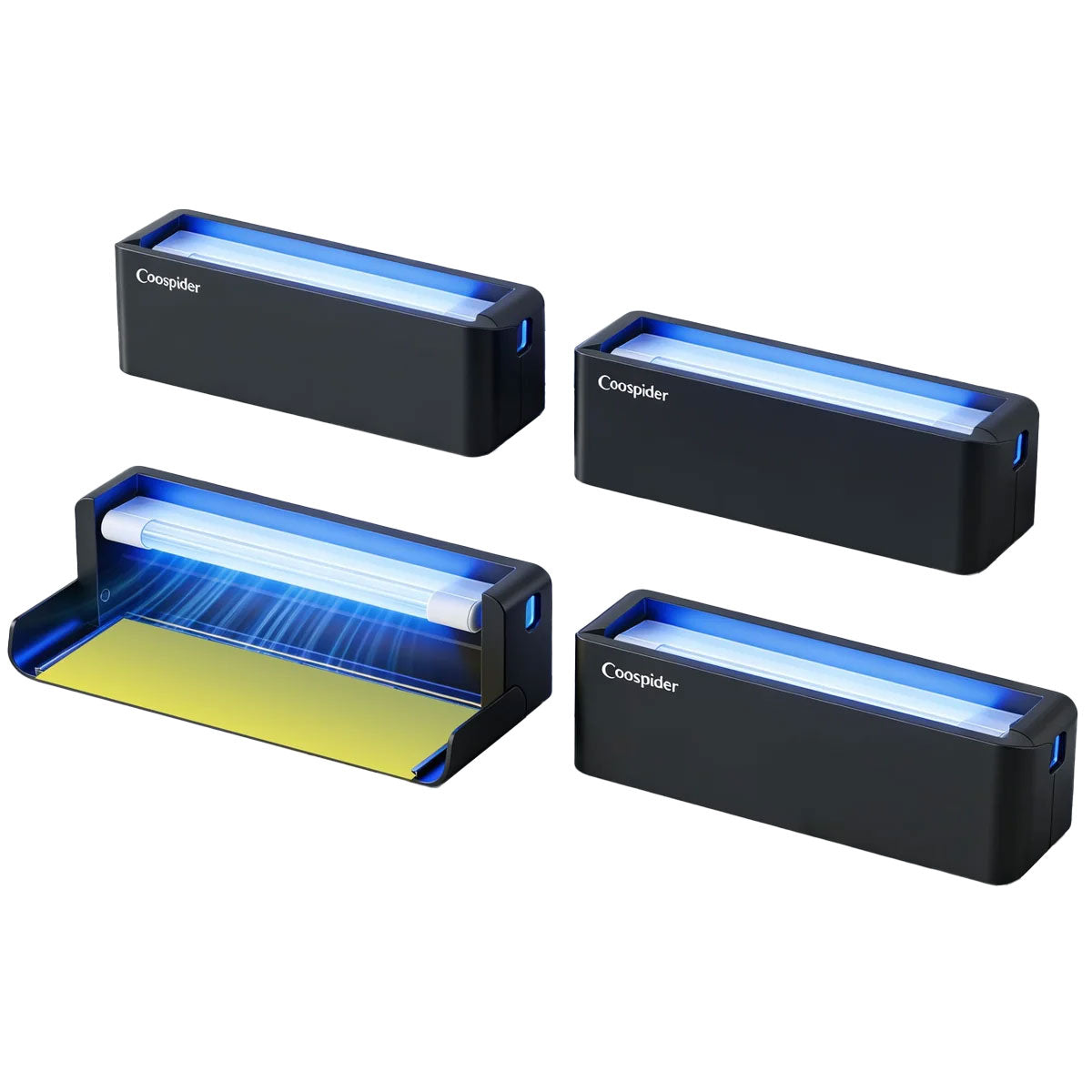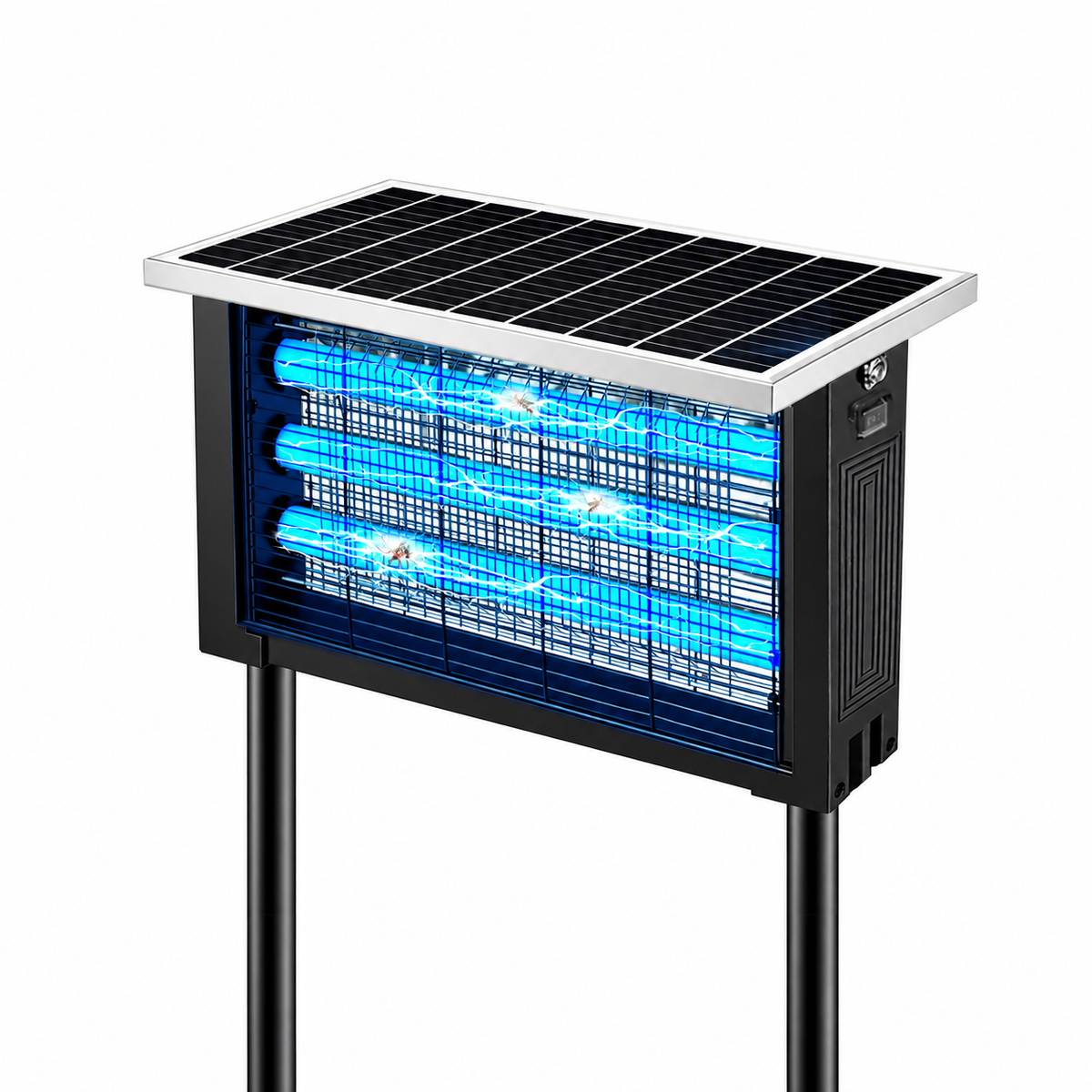
Ultraviolet disinfection technology has rapidly moved from hospitals and laboratories into everyday homes. Once reserved for medical sterilization rooms and industrial sanitation systems, high-power UV lamps are now marketed for cleaning air, surfaces, household items, and even entire living spaces.
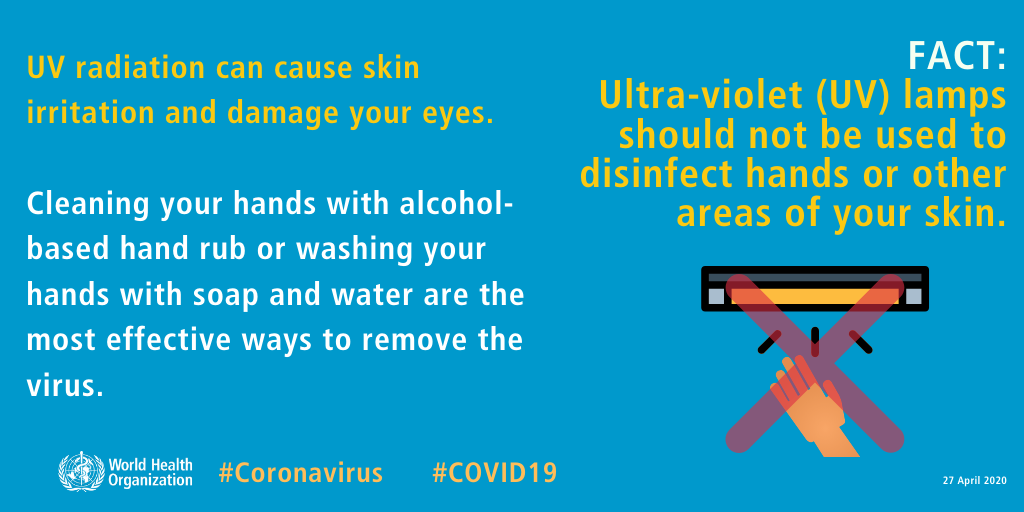
The appeal is understandable. UV disinfection promises chemical-free sanitation, minimal residue, and fast microbial reduction. But alongside these benefits comes a critical reality many users underestimate: high-intensity ultraviolet radiation can seriously damage eyes and skin within seconds of improper exposure.
Unlike visible light hazards, UV radiation is invisible. You cannot feel it immediately, and you often cannot detect exposure until symptoms appear hours later. This delayed response makes UV devices uniquely dangerous when used casually at home.
This guide explains how high-power UV lamps work, why they pose risks, and the three essential safety rules every homeowner must follow to protect eyesight, skin health, and long-term well-being.
Understanding High-Power UV Disinfection Lamps
Before discussing safety, it’s important to understand what these devices actually emit.
Ultraviolet light occupies the electromagnetic spectrum between visible light and X-rays. Disinfection lamps typically operate in the UV-C range, roughly between 200 and 280 nanometers.
UV-C radiation destroys microorganisms by damaging DNA and RNA structures, preventing replication. This makes it highly effective against bacteria, viruses, and mold spores.
However, the same biological mechanism affects human cells.
When exposed, UV-C radiation can:
- Damage corneal tissue in the eyes
- Cause acute skin burns
- Accelerate cellular aging
- Increase long-term health risks from repeated exposure
Unlike sunlight exposure, which contains mostly UV-A and UV-B filtered by the atmosphere, UV-C radiation produced by lamps is far more concentrated and direct.
Why Home Use Introduces Unique Risks
Professional environments implement strict controls:
- Controlled access rooms
- Warning systems
- Automatic shutoffs
- Protective equipment
- Operator training
At home, these safeguards are often missing.
Common mistakes include:
- Turning lamps on while still inside the room
- Assuming brief exposure is harmless
- Using lamps around pets or children
- Operating devices without timers
- Looking directly at the light source
Because UV radiation is invisible, users often rely on incorrect assumptions about safety.
The Biology of UV Injury: Why Eyes and Skin Are Most Vulnerable
Eye Sensitivity to UV Radiation
The human eye absorbs UV radiation extremely efficiently. The cornea and conjunctiva are particularly vulnerable.
Exposure can cause photokeratitis, sometimes called “UV burn of the eye.”
Symptoms typically appear 4–12 hours later:
- Severe eye pain
- Gritty sensation
- Light sensitivity
- Tearing
- Temporary vision impairment
Many people mistake this for dry eye or infection, delaying treatment.
Even short exposures from powerful lamps can trigger injury.
Skin Response to High-Intensity UV
Skin absorbs UV radiation differently depending on wavelength and intensity.
Acute exposure may cause:
- Redness similar to sunburn
- Burning sensation
- Swelling
- Peeling
Repeated exposure accelerates:
- Collagen degradation
- Pigmentation changes
- Premature aging
- Cellular damage accumulation
Because UV-C penetrates shallow skin layers but delivers intense energy, damage can occur faster than outdoor sun exposure.
Safety Rule #1: Never Share a Room With an Active High-Power UV Lamp
This is the most important rule—and the one most frequently ignored.
High-power UV disinfection lamps are designed for unoccupied spaces only.
Why Distance Does Not Guarantee Safety
Many users believe standing far away reduces risk. Unfortunately, UV radiation reflects off surfaces including:
- Walls
- Floors
- Glass
- Metal fixtures
- Furniture
Indirect exposure can still reach eyes and skin.
Even brief entry into an operating room can result in injury.
Safe Operating Procedure
Always follow these steps:
- Place the lamp securely.
- Exit the room completely.
- Close doors fully.
- Activate the lamp using a timer or remote control.
- Allow the full cycle to complete before reentry.
If your lamp lacks remote activation or delay features, reconsider using it in residential environments.
Special Considerations for Pets and Children
Animals are highly vulnerable because they cannot understand hazards.
Never operate UV lamps when pets are free to roam. Reflected radiation at floor level can expose eyes directly.
Children should never have access to UV devices, even when unplugged.
Safety Rule #2: Protect Eyes and Skin With Physical Barriers — Not Assumptions
Many injuries occur during setup, testing, or accidental activation.
Protection must be intentional.
Avoid Direct Viewing Under All Circumstances
Looking at an active UV lamp—even briefly—is unsafe.
Unlike bright visible light, UV radiation may not trigger immediate blinking reflexes, increasing exposure duration unknowingly.
Never rely on:
- Squinting
- Turning your head away
- Wearing regular glasses
- Closing eyes briefly
These measures do not block UV radiation effectively.
Use Certified Protective Equipment When Necessary
If maintenance or testing requires presence near the device, use:
- UV-rated protective goggles
- Full-coverage clothing
- Gloves
- Face shields designed for UV blocking
Standard sunglasses or prescription lenses typically do not provide sufficient protection unless specifically rated.
Avoid Skin Exposure During Setup
Many users activate lamps immediately after positioning them, remaining nearby for adjustments.
Instead:
- Position device first.
- Leave the room.
- Activate remotely.
Small procedural habits drastically reduce risk.
Safety Rule #3: Control Time, Automation, and Room Access
Human error is the leading cause of UV exposure incidents.
Automation minimizes mistakes.
Use Timers and Delayed Start Features
A delayed start allows safe exit before activation.
Recommended workflow:
- Set timer (15–60 seconds delay).
- Exit room immediately.
- Confirm door closure.
- Allow full disinfection cycle.
Never manually switch on a lamp while remaining inside.
Establish Clear Disinfection Zones
Treat UV operation like a temporary restricted area.
Consider:
- Posting warning signs
- Informing household members
- Locking doors during operation
- Turning off smart home motion access
These steps prevent accidental entry.
Ventilation After Use
Some UV lamps may produce small amounts of ozone depending on design.
After completion:
- Wait recommended cooling time.
- Ventilate room for several minutes.
- Avoid immediate prolonged occupancy.
Common Misconceptions About UV Disinfection Safety
“If It Doesn’t Feel Hot, It’s Safe”
UV damage is photochemical, not thermal. Injury occurs without noticeable heat.
“Short Exposure Doesn’t Matter”
High-intensity UV can cause injury in seconds.
“Reflection Isn’t Dangerous”
Reflective surfaces spread radiation unpredictably.
“Consumer Products Are Automatically Safe”
Market availability does not eliminate risk. Many devices rely on user responsibility rather than built-in safeguards.
Choosing Safer UV Devices for Home Use
When selecting a lamp, prioritize safety engineering over raw power.
Look for features such as:
- Motion detection shutoff
- Remote activation
- Timer controls
- Enclosed designs
- Child safety locks
- Certification markings
Avoid devices lacking clear operating instructions.
Room Preparation Before Disinfection
Proper preparation increases effectiveness while improving safety.
Remove or cover:
- Plants sensitive to UV
- Artwork
- Photos
- Delicate fabrics
- Certain plastics
Position lamp for unobstructed exposure while minimizing reflective glare toward doorways.
Safe Frequency of Use
More exposure does not always equal better sanitation.
Excessive use may:
- Degrade household materials
- Fade fabrics
- Damage polymers
- Increase accidental exposure risk
For most households, periodic targeted use is sufficient rather than daily operation.
Recognizing Signs of Accidental Exposure
Eye Symptoms
- Pain or burning hours later
- Extreme light sensitivity
- Blurred vision
- Excess tearing
Seek medical evaluation promptly.
Skin Symptoms
- Redness appearing several hours later
- Tingling sensation
- Unusual dryness or peeling
Avoid further exposure and consult healthcare professionals if symptoms worsen.
Integrating UV Disinfection Into a Balanced Cleaning Routine
UV lamps should complement—not replace—traditional hygiene practices.
Combine with:
- Routine cleaning
- Ventilation
- Hand hygiene
- Surface wiping
Mechanical cleaning removes debris that UV light cannot penetrate effectively.
Long-Term Health Awareness
Occasional safe use poses minimal risk when procedures are followed correctly. Problems arise from repeated unsafe exposure.
Consistent adherence to safety rules prevents cumulative damage.
Think of UV devices as powerful tools rather than everyday lighting appliances.
Designing a Safe Household Protocol
Create a simple household rule set:
- No people or pets present during operation.
- Remote activation only.
- Ventilate after completion.
- Store device securely.
Clear routines reduce accidents dramatically.
The Psychology of Invisible Risk
Humans react strongly to visible dangers but underestimate invisible ones. Because UV radiation cannot be seen, heard, or smelled, users may become complacent over time.
Safety depends on maintaining respect for the technology even after repeated successful uses.
Future Trends in Safer UV Technology
Manufacturers are developing safer alternatives, including:
- Shielded UV chambers
- Automated disinfection robots
- Lower-exposure wavelengths under study
- Smart sensors detecting human presence
As technology evolves, safety features will likely become standard rather than optional.
Final Thoughts: Power Requires Discipline
High-power UV disinfection lamps can be effective tools for home sanitation, but their strength demands responsible operation. Eye injuries and skin damage are not rare accidents—they are predictable outcomes when basic precautions are ignored.
Remember the three non-negotiable safety rules:
- Never occupy a room while a UV lamp is operating.
- Always protect eyes and skin from direct or reflected exposure.
- Control operation through timers, automation, and restricted access.
When used thoughtfully, UV disinfection technology offers convenience and efficiency. When used carelessly, it introduces avoidable health risks.
The difference lies not in the device itself, but in how consistently safety practices are followed.
Treat UV light with the same respect given to electricity, heat, or sharp tools—and it can remain a valuable addition to modern home hygiene without compromising the health it aims to protect.