If you live with pets, you already know the truth:
A clean-looking home doesn’t always mean a clean home.
You can vacuum daily.
You can wash floors regularly.
You can light candles and use air fresheners.
And yet—
there’s still that pet smell.
Hidden bacteria.
Lingering odors.
Germs living exactly where your pets spend the most time.
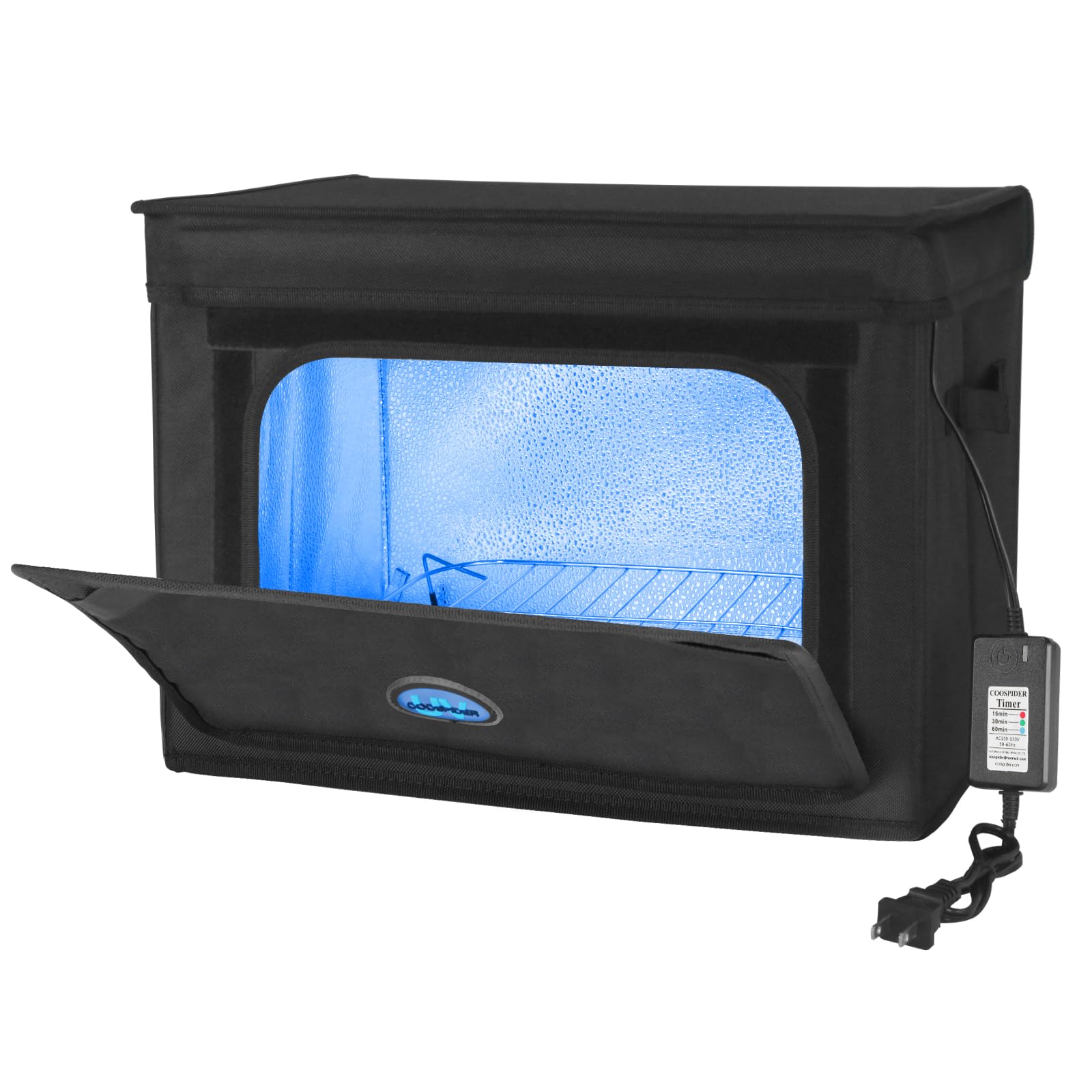
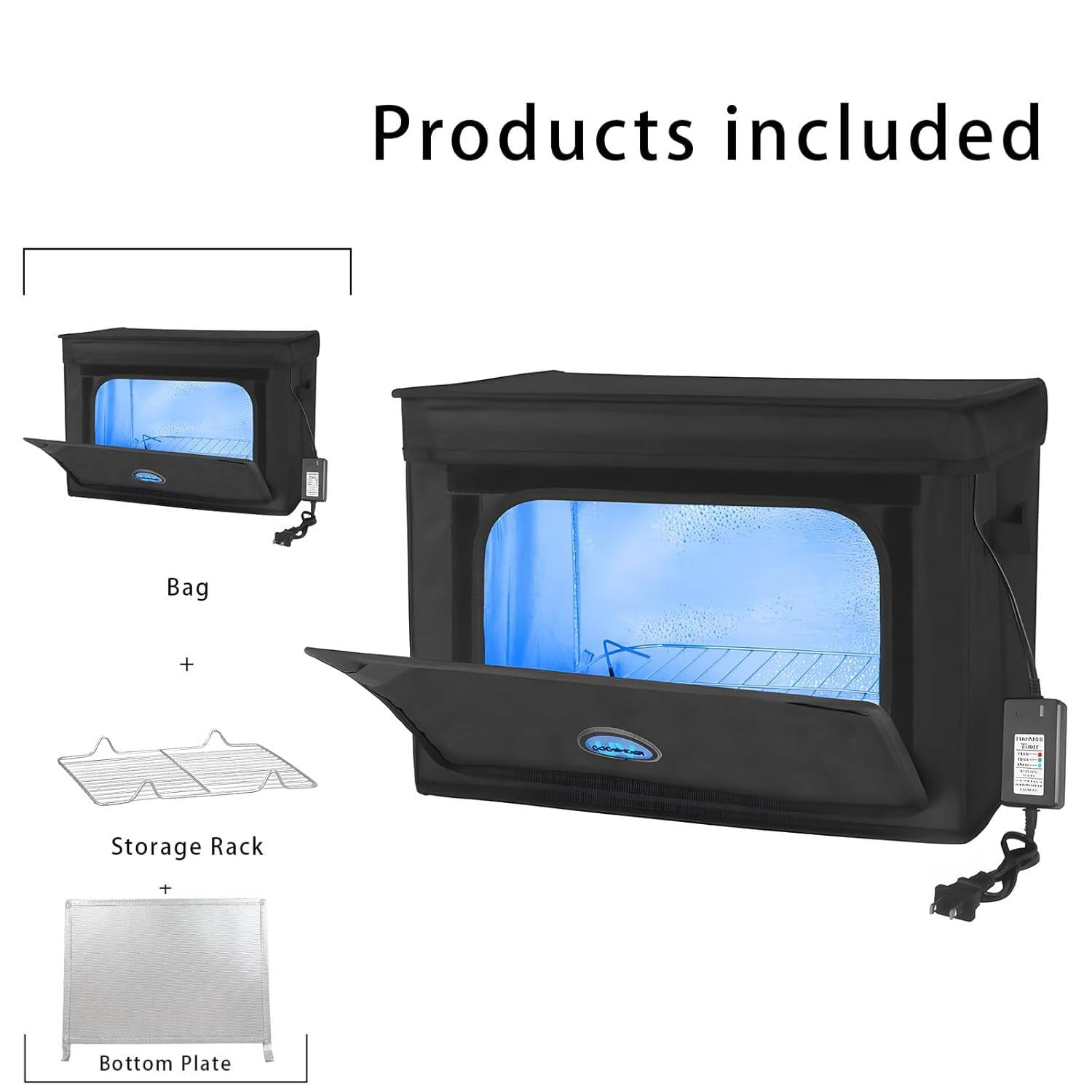
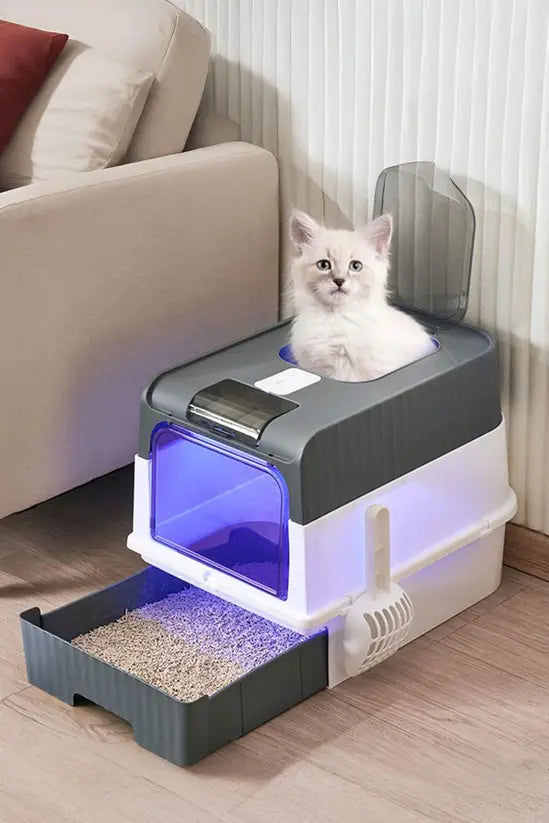
For modern pet families, hygiene is no longer optional—it’s part of responsible care. And increasingly, UV light disinfection is becoming the quiet hero behind cleaner, healthier pet-friendly homes.
1. Why Pet Homes Face a Unique Hygiene Challenge
1.1 Pets Bring Joy—and Invisible Microbes
Cats and dogs explore the world differently than humans:
-
They sniff everything
-
They lick surfaces
-
They lie on floors, corners, and soft fabrics
-
They carry microorganisms back from outdoors
Even indoor-only pets contribute to microbial buildup through:
-
Saliva
-
Dander
-
Fur
-
Moisture from paws and mouths
These microbes don’t just disappear on their own.
1.2 The “Clean but Smelly” Problem
Many pet owners experience this paradox:
“My home looks clean—but it doesn’t smell clean.”
That’s because odors are often caused by:
-
Bacteria breaking down organic matter
-
Microbes trapped deep in fabrics
-
Moist environments where germs thrive
Traditional cleaning removes surface dirt—but not always the bacteria causing the smell.
2. The Hidden Germ Zones in Pet Homes
Before we talk about solutions, let’s identify the real problem areas.
2.1 Cat Beds and Dog Beds
Soft, warm, and frequently used:
-
Ideal breeding grounds for bacteria
-
Trap fur, moisture, and skin cells
-
Difficult to fully sanitize with regular washing
Even machine-washed beds can retain microbes between washes.
2.2 Pet Toys (Especially Chew Toys)
Pet toys are:
-
Constantly in mouths
-
Dropped on floors
-
Exposed to saliva and moisture
This makes them one of the highest-risk items in any pet home.
2.3 Litter Box Surroundings and Feeding Areas
While owners clean bowls and litter boxes regularly:
-
Surrounding areas are often overlooked
-
Splash, spills, and residue accumulate
-
Bacteria spreads silently
3. Why Traditional Cleaning Isn’t Always Enough
3.1 Washing Has Limits
Washing pet items:
-
Requires time and effort
-
Isn’t always daily
-
May not reach bacteria deep inside materials
Some items—like electronic toys or thick cushions—aren’t washable at all.
3.2 Chemical Cleaners Raise Concerns
Many pet owners hesitate to use strong disinfectants because:
-
Pets lick surfaces
-
Chemical residues can irritate skin or paws
-
Strong scents overwhelm sensitive animal noses
This creates a dilemma:
Clean enough to kill germs—but safe enough for pets.
4. UV Light Disinfection: A Smarter, Pet-Friendly Solution
4.1 How UV Light Works (In Simple Terms)
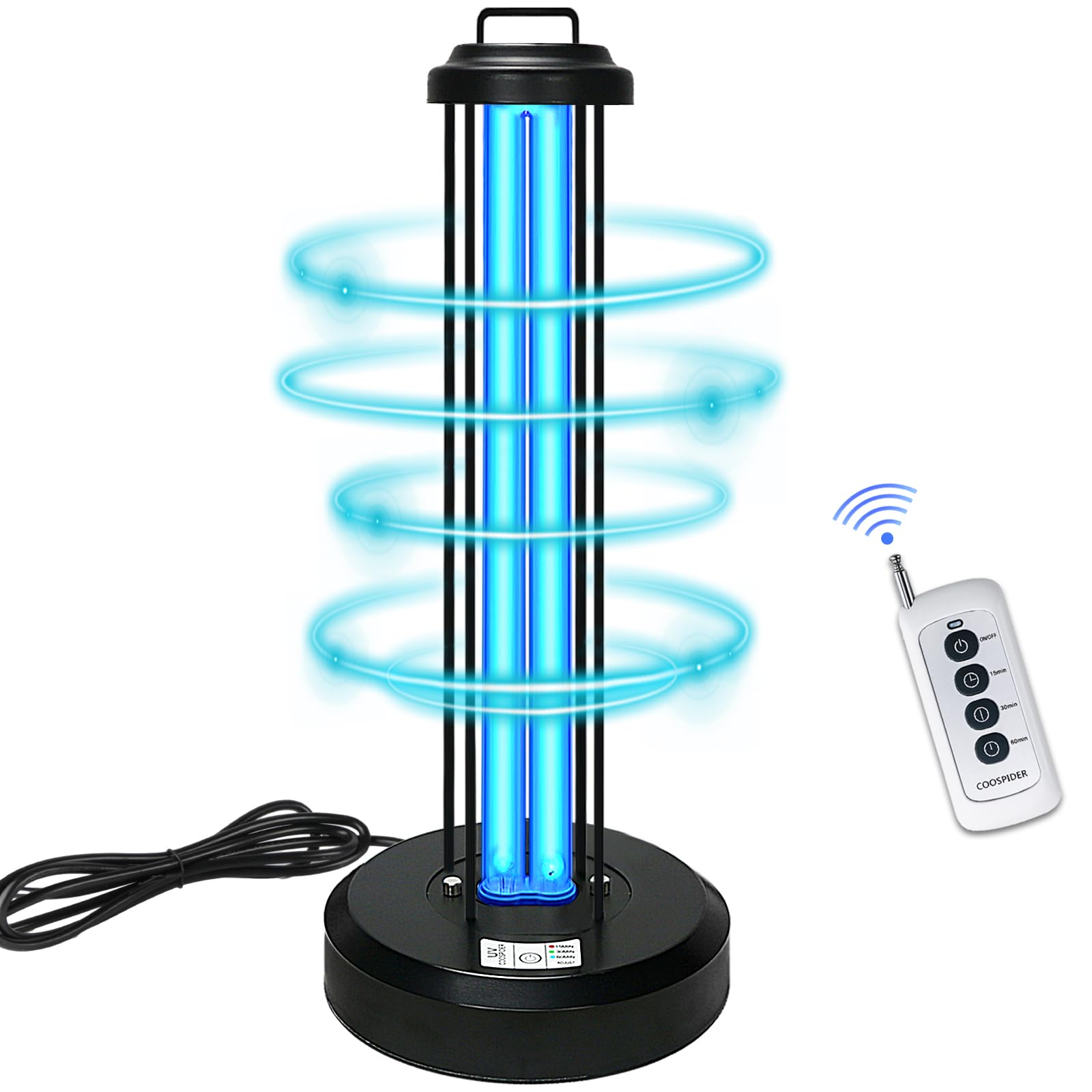
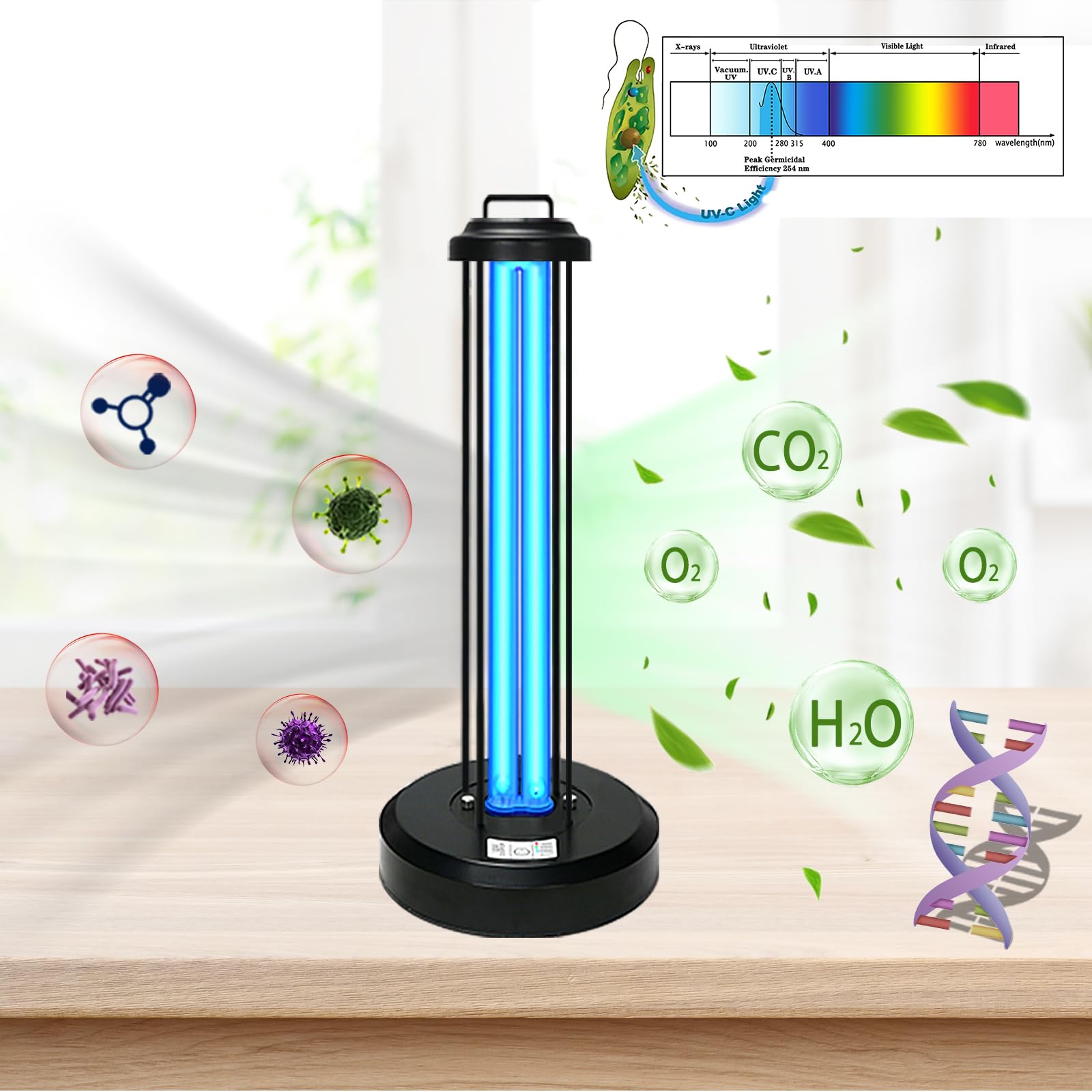
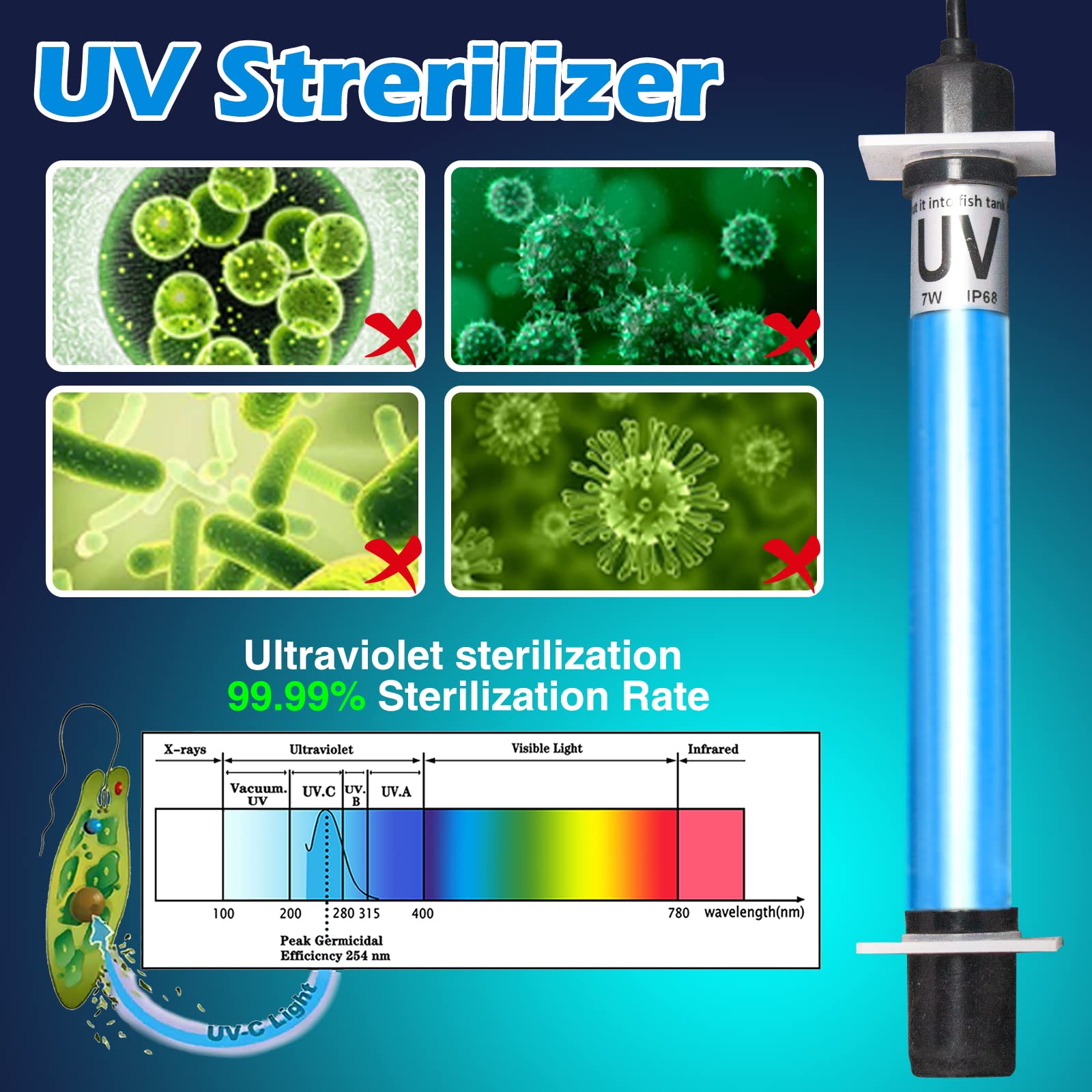
UV-C light disinfects by:
-
Damaging the DNA and RNA of bacteria and viruses
-
Preventing them from reproducing
-
Effectively neutralizing odor-causing microbes
No chemicals.
No moisture.
No residue.
4.2 Why UV Is Ideal for Pet Homes
UV disinfection is:
-
Dry and chemical-free
-
Effective against odor-causing bacteria
-
Suitable for fabrics, plastics, and hard surfaces
-
Fast and easy to integrate into daily routines
It doesn’t replace cleaning—it upgrades it.
5. Using UV Light on Cat Beds and Dog Beds
5.1 Why Pet Beds Need Extra Attention
Pet beds:
-
Absorb body oils
-
Trap moisture
-
Collect fur and dander
Even if they look clean, bacteria can linger inside the fibers.
5.2 How to Use UV Light Safely and Effectively
A typical routine:
-
Shake or vacuum the bed to remove fur
-
Lay it flat in a well-ventilated area
-
Apply UV light evenly across the surface
-
Flip and repeat for full coverage
This process:
-
Targets bacteria washing may miss
-
Reduces odors at the source
-
Extends time between deep washes
5.3 The Odor Difference You’ll Notice
Many users report:
-
Fresher-smelling beds
-
Less need for scented sprays
-
Reduced “pet odor” in rooms
Because you’re addressing bacteria—not masking smells.
6. Disinfecting Pet Toys with UV Light
6.1 Why Toys Are Bacteria Hotspots
Chew toys and plush toys:
-
Stay moist after play
-
Are constantly exposed to saliva
-
Often sit on floors afterward
This cycle encourages bacterial growth.
6.2 UV Light for Different Toy Materials
UV works well on:
-
Rubber chew toys
-
Plastic interactive toys
-
Fabric plush toys (surface disinfection)
It’s especially useful for toys that:
-
Can’t go in dishwashers
-
Dry slowly after washing
-
Are used daily
6.3 A Simple Weekly Toy Hygiene Routine
-
Collect toys
-
Remove visible dirt
-
Apply UV disinfection
-
Return to your pet clean and dry
No soaking.
No waiting for drying.
No chemical smells.
7. What About Safety? UV and Pets
7.1 Is UV Light Safe Around Pets?
Used correctly—yes.
Important safety rules:
-
Never shine UV light directly on pets
-
Use UV only when pets are out of the room
-
Follow manufacturer guidelines strictly
UV disinfection is a controlled process, not ambient lighting.
7.2 Why UV Is Safer Than Many Alternatives
Compared to chemical disinfectants:
-
No residues pets can ingest
-
No paw or skin irritation
-
No strong fragrances
That’s why many pet households prefer UV as part of a low-toxicity cleaning strategy.
8. UV Light vs. Odor Sprays and Deodorizers
8.1 Masking vs. Solving
Odor sprays:
-
Temporarily cover smells
-
Do nothing to bacteria
-
Often need frequent reapplication
UV disinfection:
-
Targets the cause of odors
-
Reduces bacterial load
-
Provides longer-lasting freshness
It’s prevention—not camouflage.
9. Integrating UV Into Daily Pet Care
9.1 A Realistic Routine for Busy Pet Owners
You don’t need to overdo it.
A balanced approach:
-
Daily: basic cleaning and ventilation
-
Weekly: UV treatment of beds and toys
-
Monthly: deep washing as needed
UV light fits in as a maintenance tool, not a chore.
9.2 Especially Helpful for Multi-Pet Homes
More pets = more shared surfaces.
UV disinfection helps:
-
Reduce cross-contamination
-
Keep shared items fresher
-
Maintain a healthier environment overall
10. Benefits Beyond Cleanliness
10.1 Healthier Pets
Lower bacterial exposure may help:
-
Reduce skin irritation
-
Support overall hygiene
-
Minimize reinfection cycles
While UV isn’t a medical tool, it supports better living conditions.
10.2 A Fresher Home for Humans, Too
Pet hygiene impacts:
-
Indoor air quality
-
Fabric freshness
-
Guest comfort
A cleaner pet environment benefits everyone in the household.
11. Choosing the Right UV Device for Pet Homes
Look for:
-
Proper UV-C wavelength specifications
-
Clear safety instructions
-
Suitable coverage for home items
-
Simple, intuitive operation
Avoid:
-
Vague “UV-style” claims
-
No safety guidelines
-
Overly powerful industrial devices for home use
12. Common Myths About UV and Pets
“UV will damage fabrics.”
Used correctly, it’s safe for routine use.
“It replaces washing.”
No—it complements it.
“It’s only for humans.”
Pet items benefit just as much from microbial control.
13. A Cleaner Home Without Stress
Pet ownership already comes with enough responsibilities.
UV light offers:
-
A low-effort hygiene upgrade
-
Less reliance on harsh chemicals
-
More peace of mind
It’s not about perfection—it’s about smarter care.
14. The Future of Pet-Friendly Home Hygiene
As pet families grow more health-conscious, trends are shifting toward:
-
Chemical-free cleaning
-
Preventive hygiene
-
Multi-use disinfection tools
UV technology fits naturally into this future.
Conclusion: Love Your Pets, Protect Your Home
Your pets give you:
-
Companionship
-
Comfort
-
Joy
The least we can give back is:
-
A clean resting space
-
Safe toys
-
A healthy environment
With UV light disinfection, you’re not just fighting odors—you’re supporting better living conditions for both pets and people.
Clean beds.
Fresh toys.
Less bacteria.
That’s not luxury.
That’s modern pet care—done right.