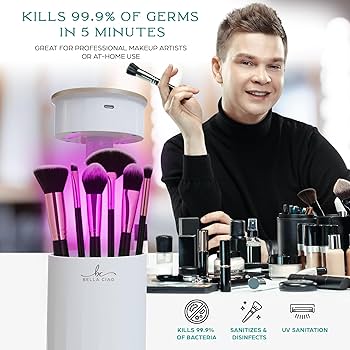
If you’re serious about makeup, you already know this truth—
great makeup starts with clean tools.
But here’s the uncomfortable reality most beauty lovers don’t want to face:
Your makeup brushes and sponges may look clean, but they’re often breeding grounds for bacteria.
Foundation residue, skin oils, dead skin cells, moisture—together they create the perfect environment for microbial growth. And every time you blend, buff, or bounce that sponge on your face, you may be reintroducing bacteria directly onto your skin.
Enter the new beauty essential that’s quietly changing routines everywhere:
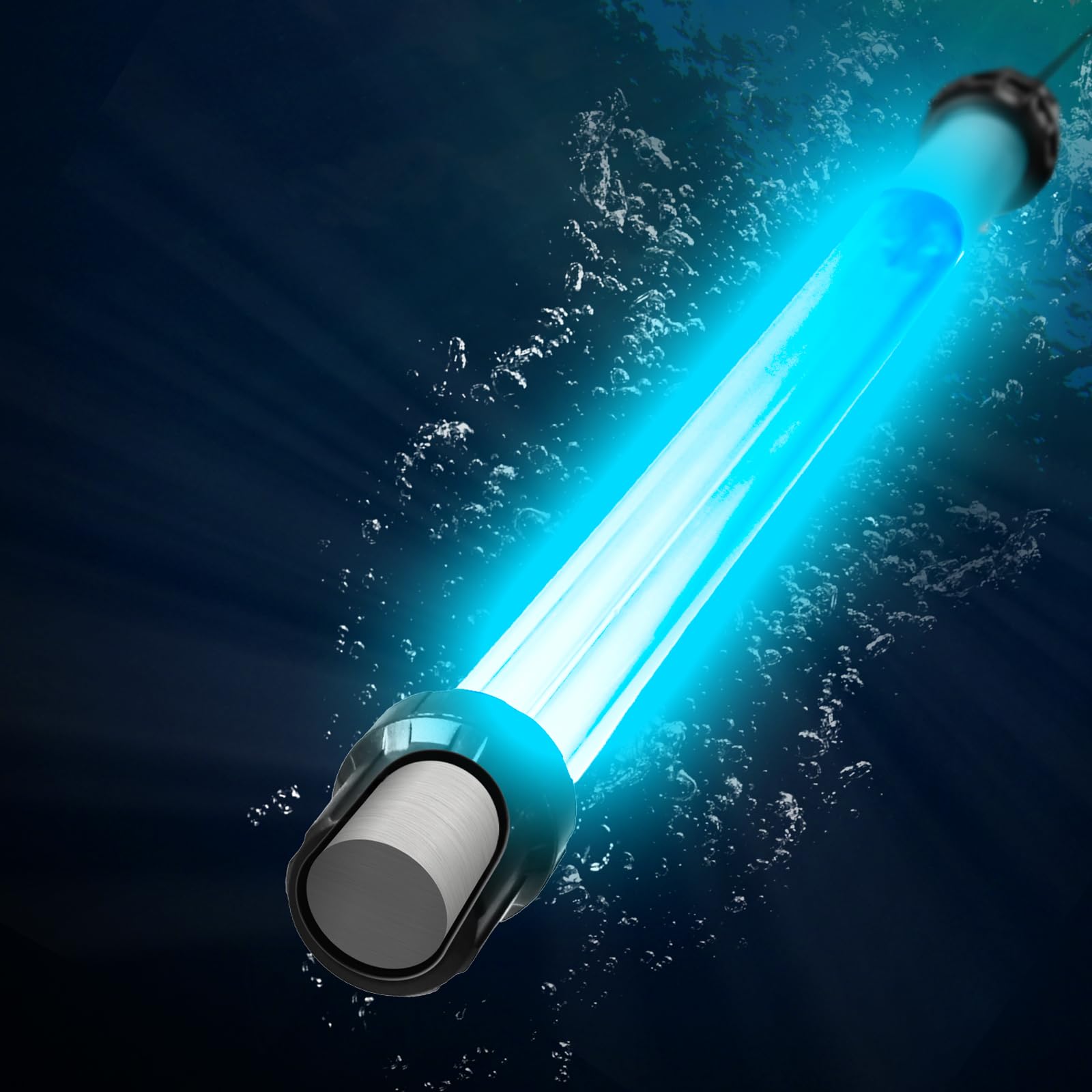
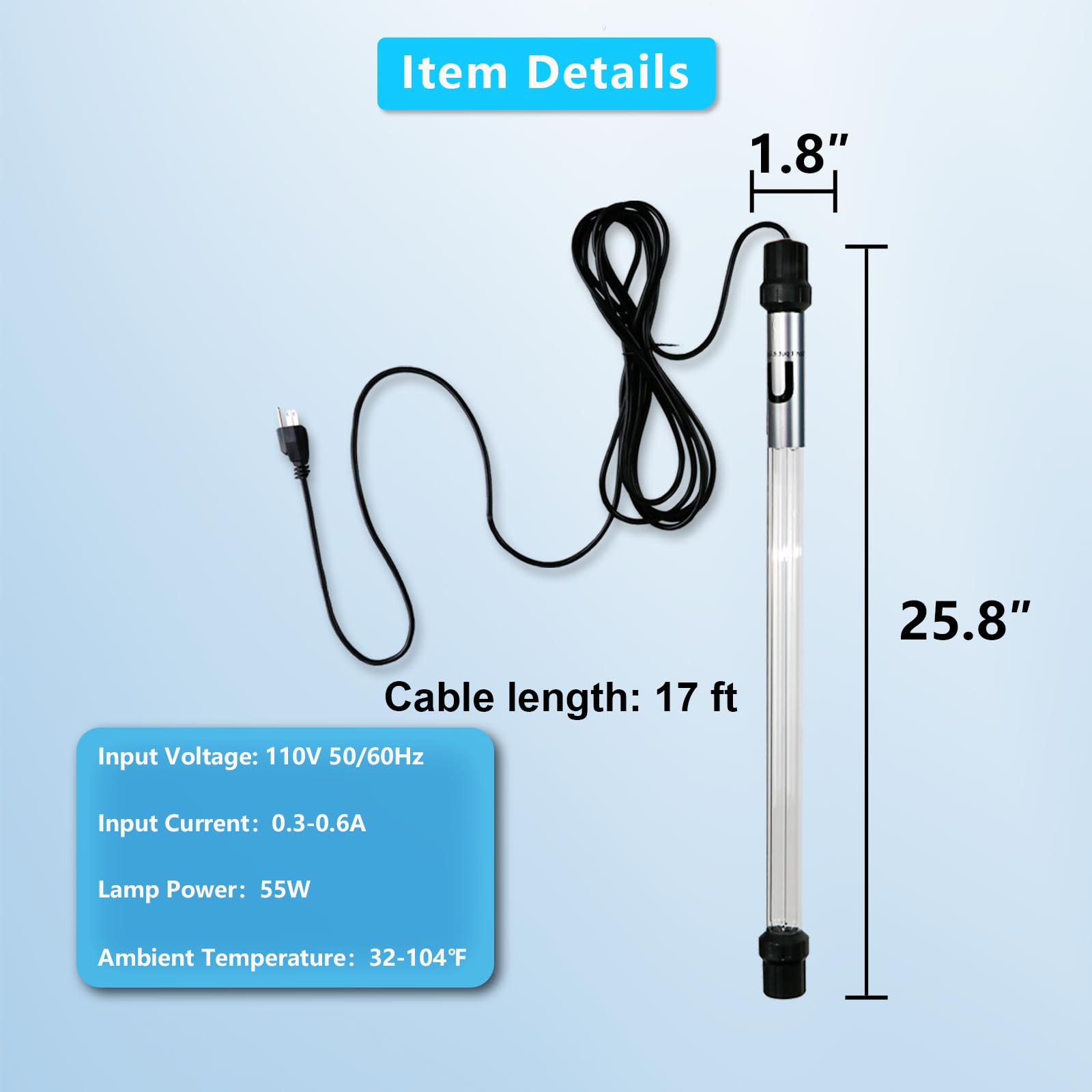
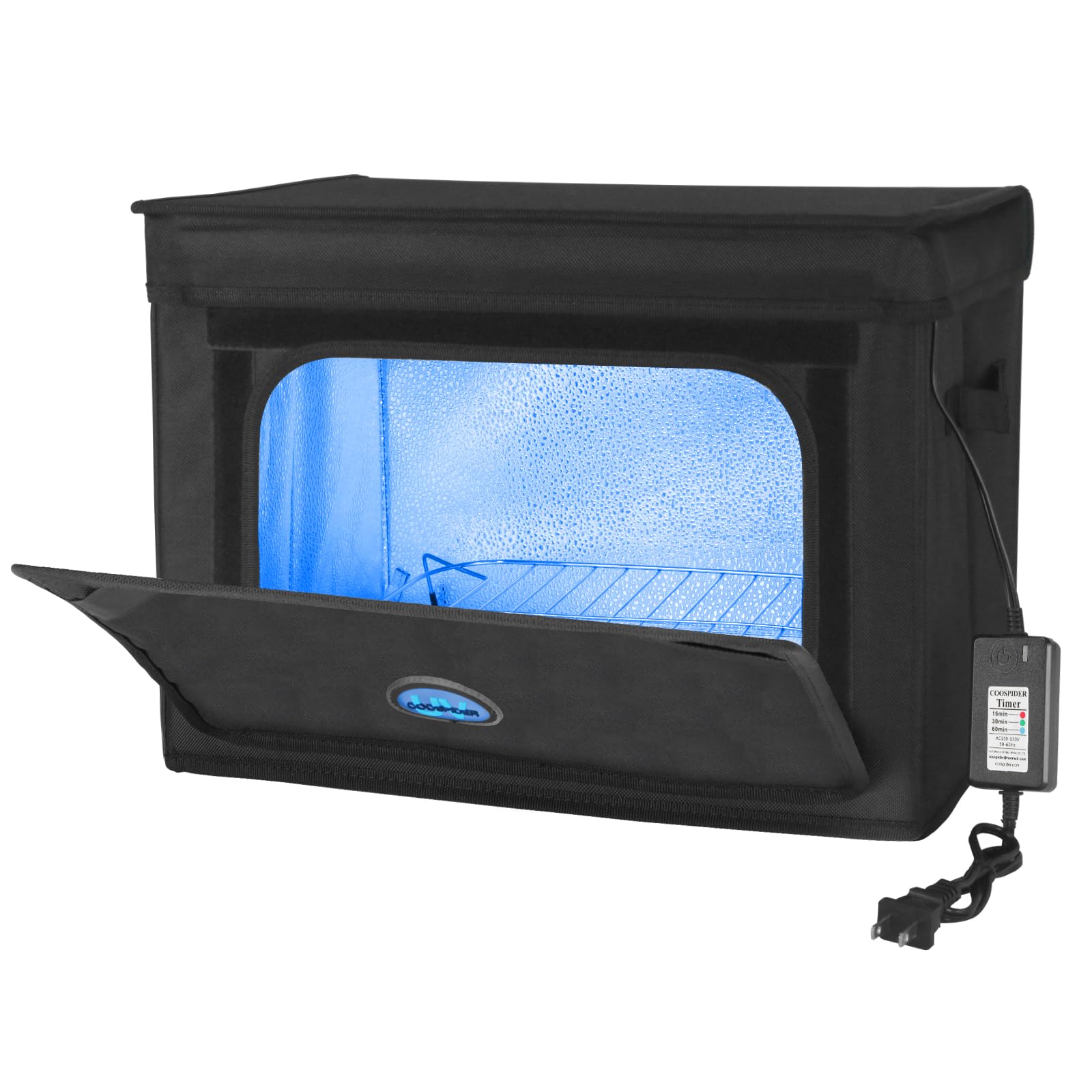
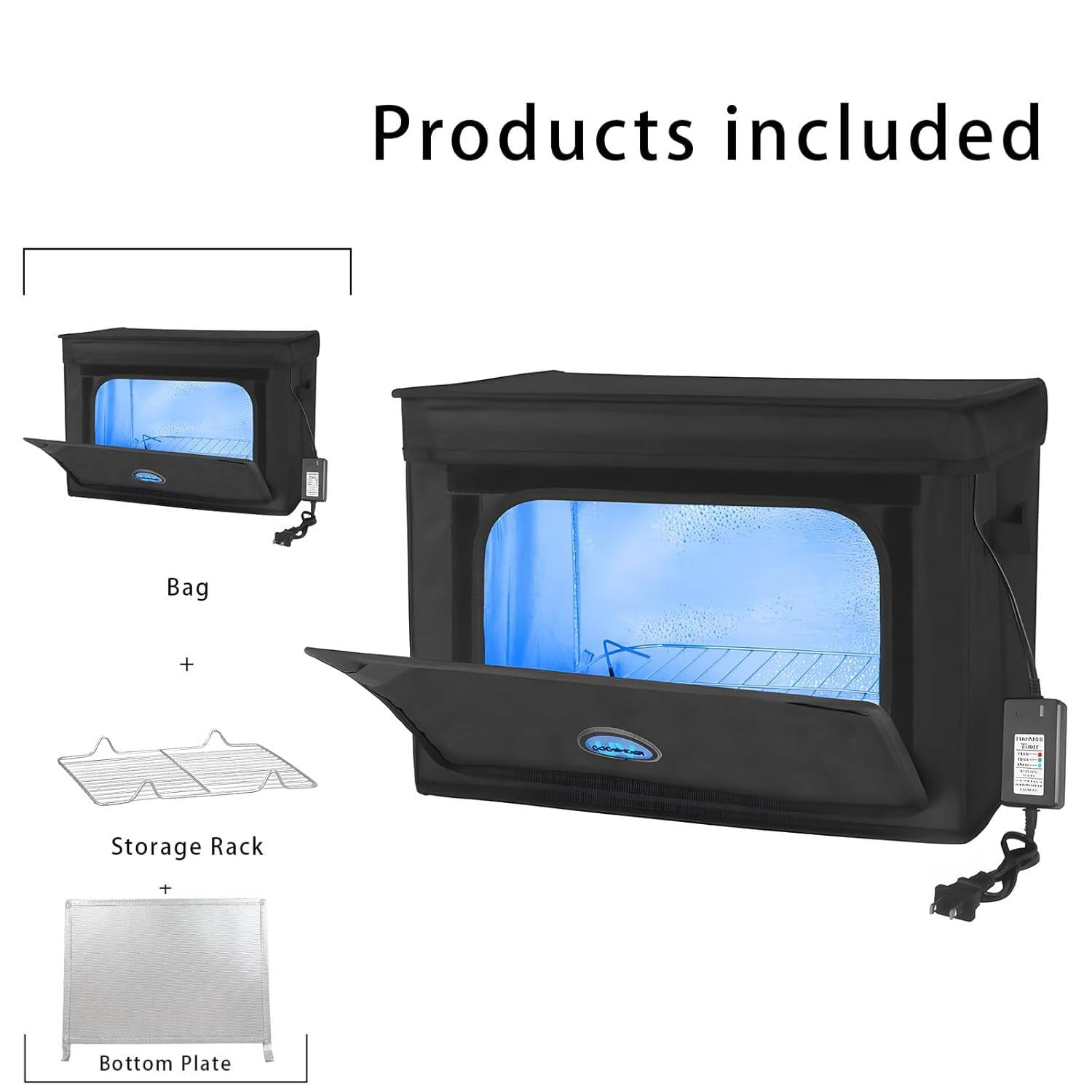
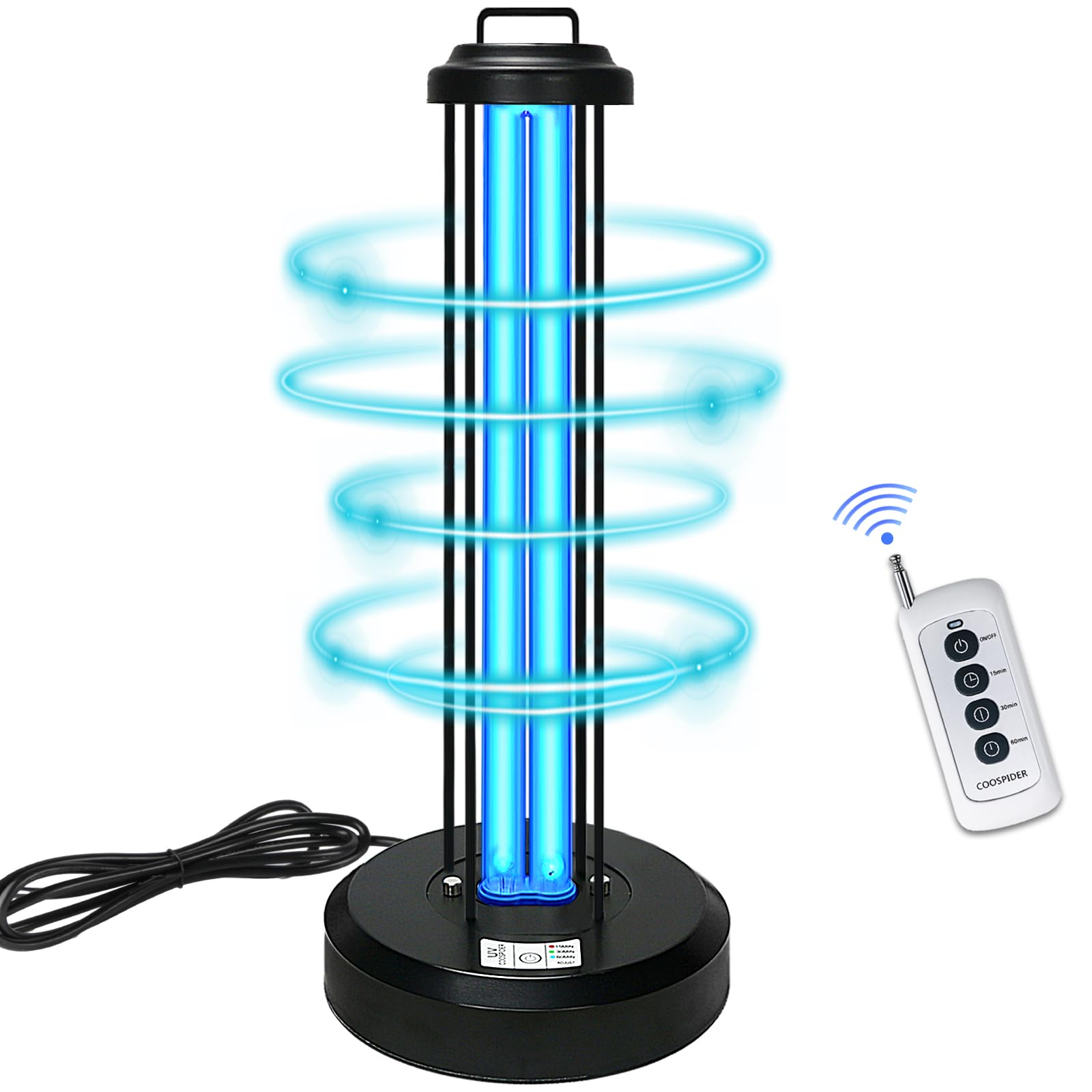
UV light sanitizers for makeup tools.
No soap.
No soaking.
No waiting overnight for brushes to dry.
Just fast, effective, science-backed disinfection.
In this guide, we’ll break down how UV light works, why it’s a game-changer for beauty tools, and how to safely and effectively use UV lamps to give your brushes and sponges a true “germ-free bath.”
1. Why Makeup Tools Get Dirty Faster Than You Think
Even with regular washing, makeup tools face unique hygiene challenges.
1.1 Brushes and Sponges Are Bacteria Magnets
Every time you apply makeup, your tools collect:
-
Natural skin oils
-
Sweat and moisture
-
Dead skin cells
-
Makeup residue
-
Environmental dust
Add a warm bathroom environment, and you’ve created an ideal microbial playground.
Studies in cosmetic hygiene consistently show that unclean makeup tools can harbor bacteria such as:
-
Staphylococcus species
-
E. coli
-
Yeast and mold
These microorganisms are commonly linked to:
-
Breakouts
-
Skin irritation
-
Redness and inflammation
-
Worsening acne
-
Eye infections
2. Why Traditional Cleaning Isn’t Always Enough
Washing brushes with soap is essential—but it has limitations.
2.1 The Limits of Soap and Water
While soap removes visible residue, it doesn’t always:
-
Kill all bacteria
-
Reach deep into dense bristles
-
Sanitize porous makeup sponges
-
Prevent cross-contamination between uses
On top of that:
-
Frequent washing shortens brush lifespan
-
Damp brushes take hours to dry
-
Wet tools can actually encourage bacterial regrowth if stored improperly
This is where UV disinfection steps in as a powerful second layer of protection.
3. What Is UV Light Disinfection, Really?
Let’s clear up a common misconception.
UV light disinfection is not a beauty trend—it’s established science.
3.1 How UV Light Kills Germs
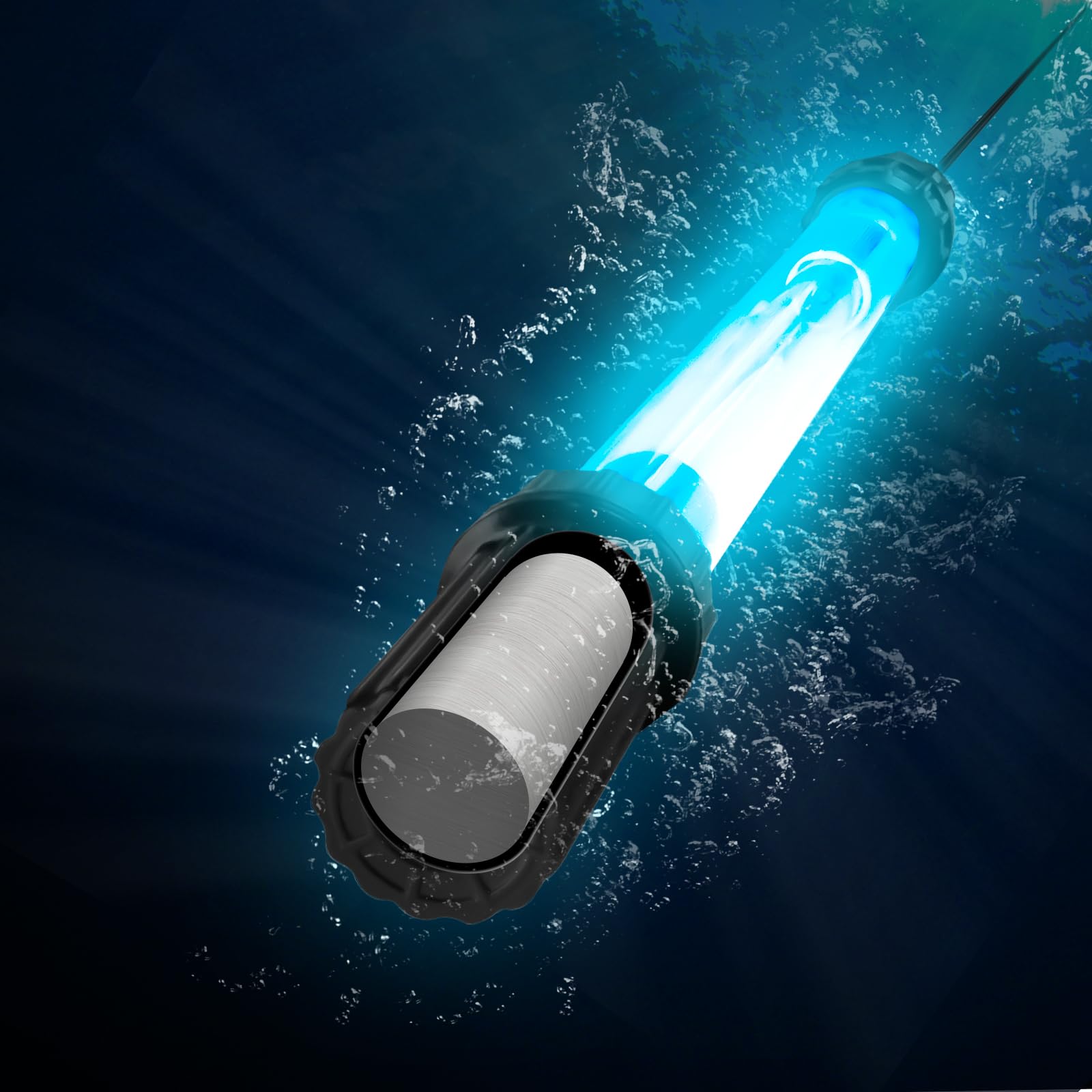
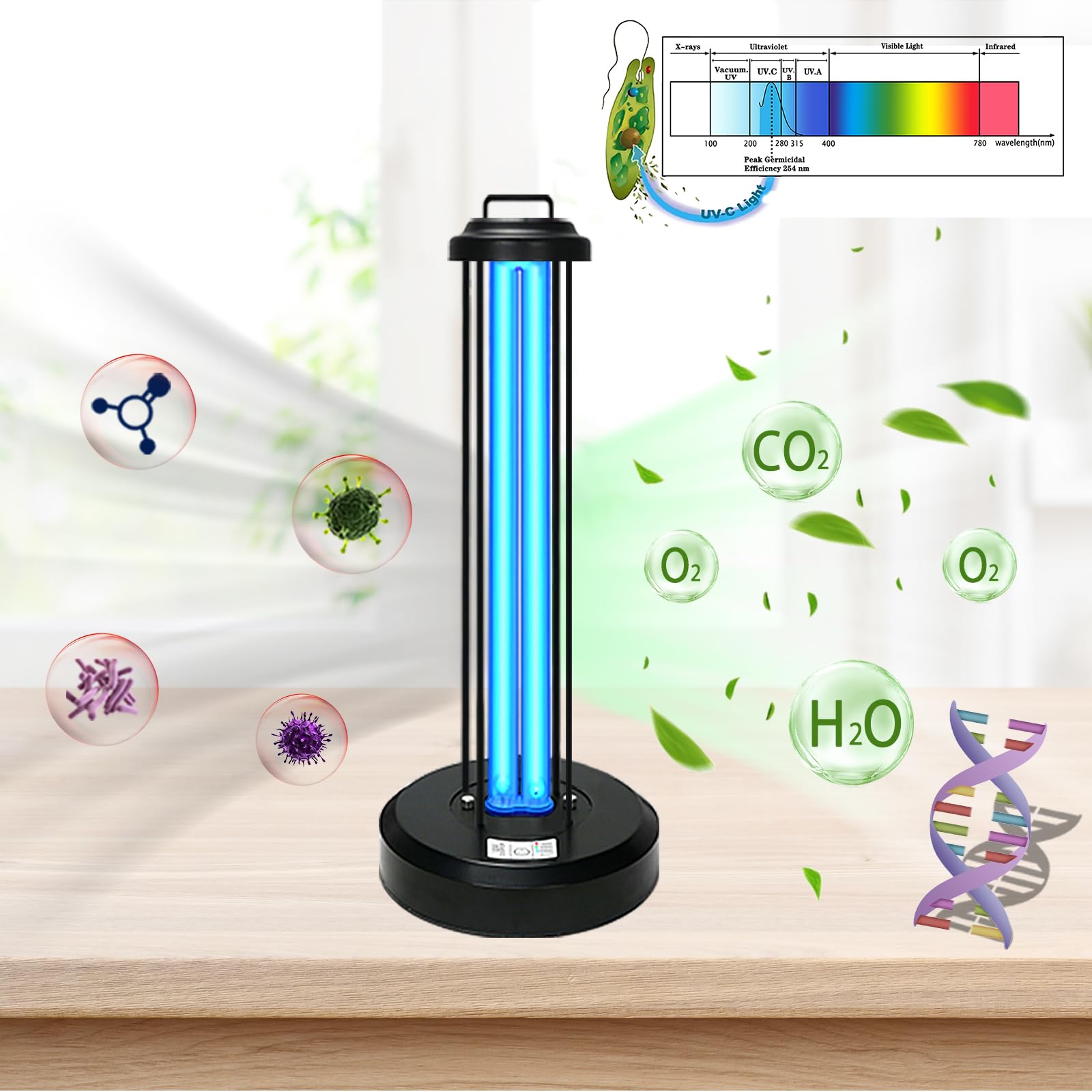
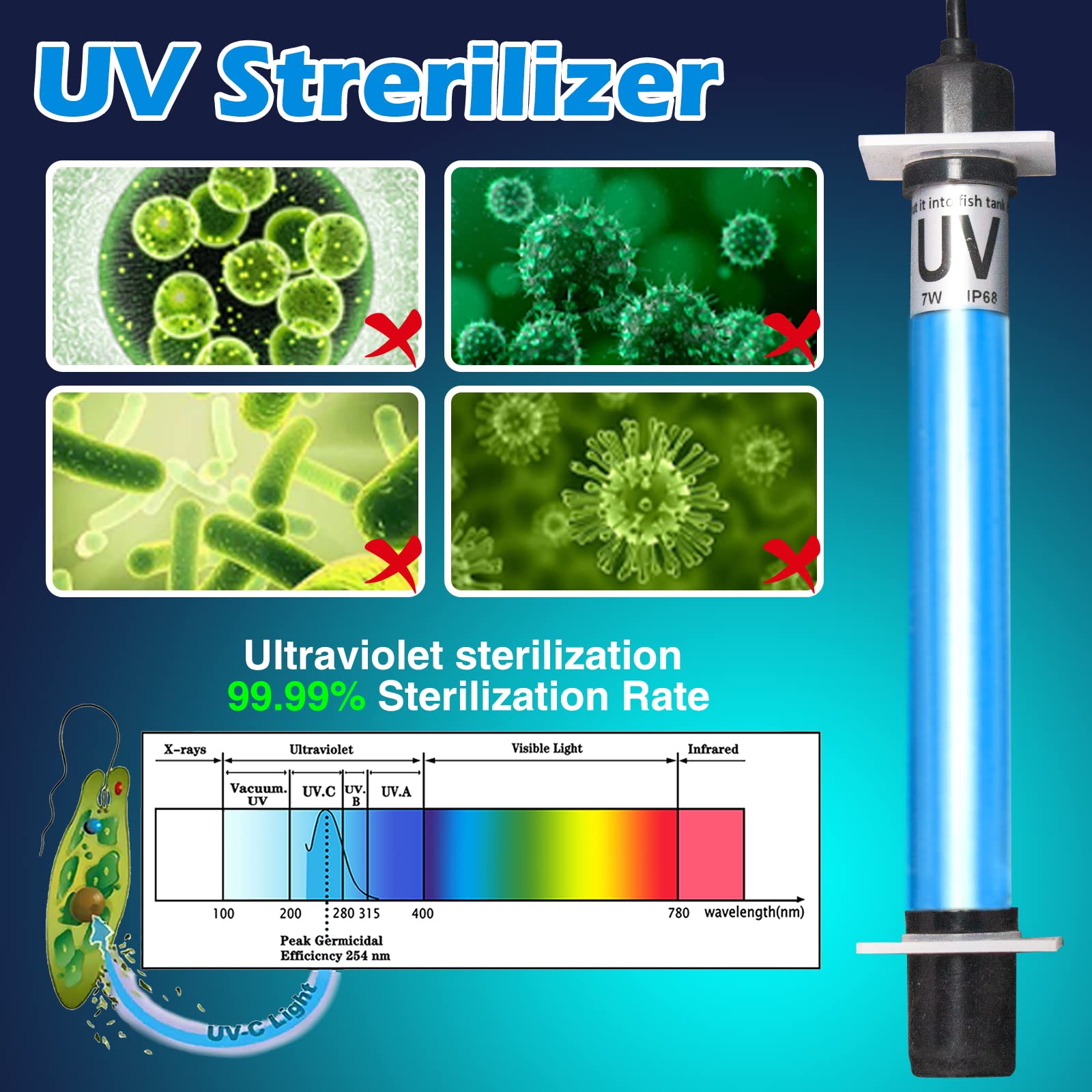
UV-C light (a specific ultraviolet wavelength) works by:
-
Penetrating microorganisms
-
Disrupting their DNA and RNA
-
Preventing them from reproducing
Once exposed, bacteria, viruses, and fungi become inactive and unable to cause harm.
This same technology has been used for decades in:
-
Medical facilities
-
Laboratories
-
Water purification systems
-
Dental clinics
Now, it’s been adapted into compact, home-safe devices designed specifically for beauty tools.
4. Why UV Light Is Perfect for Makeup Tools
Makeup tools present a unique cleaning challenge—and UV light solves it elegantly.
4.1 No Moisture, No Damage
Unlike soaking or spraying:
-
UV light requires no water
-
No harsh chemicals
-
No friction or scrubbing
This helps preserve:
-
Brush shape
-
Glue integrity
-
Sponge elasticity
-
Natural and synthetic fibers
4.2 Deep, Even Disinfection
UV light reaches:
-
Inside dense brush heads
-
Across sponge surfaces
-
Into crevices where bacteria hide
This makes it especially effective for:
-
Foundation brushes
-
Beauty blenders
-
Powder puffs
-
Eye makeup tools
5. Makeup Brushes: Why UV Disinfection Matters Most
Makeup brushes are often the most neglected hygiene tool in a beauty routine.
5.1 Brushes Touch Multiple Products—and Your Skin
One brush may be used for:
-
Liquid foundation
-
Cream blush
-
Contour
-
Highlight
Without proper disinfection, bacteria transfer easily between products—and back to your face.
UV light helps:
-
Reduce cross-contamination
-
Keep brushes fresher between washes
-
Extend time between deep cleanings
6. Beauty Sponges: The Hidden Hygiene Nightmare
If brushes are bad, sponges are worse.
6.1 Why Sponges Are High-Risk
Beauty sponges are:
-
Porous
-
Frequently damp
-
Used repeatedly without drying fully
This combination makes them one of the easiest places for bacteria and mold to grow.
UV disinfection is especially useful because:
-
It sanitizes without soaking
-
It reduces moisture-related bacterial growth
-
It complements—not replaces—regular washing
7. How to Use a UV Lamp for Makeup Tools (Step-by-Step)
Using a UV sanitizer is simple, but technique matters.
Step 1: Clean First (Always)
UV light disinfects—it does not remove makeup residue.
Before UV exposure:
-
Wash brushes with mild soap
-
Rinse thoroughly
-
Let tools air-dry completely
Step 2: Arrange Tools Properly
For effective exposure:
-
Lay brushes flat or upright as instructed
-
Avoid overlapping bristles
-
Rotate tools if necessary
UV light works best with direct line-of-sight exposure.
Step 3: Set the Correct Time
Most beauty UV sanitizers run between:
-
3–10 minutes per cycle
More time does not equal better results—follow manufacturer guidelines.
Step 4: Store Clean Tools Correctly
After UV treatment:
-
Store tools in a clean, dry container
-
Avoid sealed damp spaces
-
Keep away from direct moisture
8. How Often Should You UV-Sanitize Makeup Tools?
Frequency depends on usage.
Recommended UV Disinfection Schedule
-
Daily users: 2–3 times per week
-
Professional makeup artists: After each client
-
Occasional users: Once a week
UV disinfection is ideal between deep washes, not as a replacement.
9. Is UV Light Safe for Beauty Tools?
When used correctly, yes.
9.1 Tool Safety
Quality UV devices designed for cosmetics:
-
Use controlled UV exposure
-
Are safe for synthetic and natural fibers
-
Do not weaken bristles when used as directed
9.2 Skin and Eye Safety
Important rules:
-
Never look directly at UV light
-
Only use enclosed or shielded devices
-
Follow safety instructions strictly
Modern beauty UV sanitizers are designed to minimize exposure risk.
10. UV vs Alcohol Sprays vs Heat: A Comparison
| Method | Pros | Cons |
|---|---|---|
| Soap & Water | Removes residue | Time-consuming, drying |
| Alcohol Spray | Quick | Can damage bristles |
| Heat | Kills germs | Warps tools |
| UV Light | Fast, dry, effective | Needs proper device |
UV stands out as the most tool-friendly sanitizing method.
11. Ideal Candidates for UV Beauty Tool Sanitizers
UV sanitizers are especially helpful for:
-
Acne-prone skin
-
Sensitive skin types
-
Professional makeup artists
-
Shared household tools
-
Beauty minimalists who want efficiency
12. Common Myths About UV Beauty Disinfection
Myth 1: “UV light replaces washing.”
False. It complements washing.
Myth 2: “It damages brushes.”
False when used properly.
Myth 3: “Only professionals need it.”
False. Everyday users benefit the most.
13. The Skincare Benefits of Cleaner Tools
Cleaner tools mean:
-
Fewer breakouts
-
Less irritation
-
Better makeup performance
-
More even application
-
Healthier skin barrier
Your skincare products work harder when bacteria aren’t fighting against them.
14. A Smarter, Cleaner Beauty Routine
UV sanitization isn’t about obsession—it’s about consistency and prevention.
Just like washing your hands became second nature, disinfecting beauty tools is becoming a modern standard.
15. The Future of Beauty Hygiene
As beauty routines evolve, hygiene is no longer optional—it’s foundational.
UV sanitizers represent:
-
A cleaner approach to self-care
-
A bridge between beauty and science
-
A time-saving upgrade for modern lifestyles
Conclusion: Give Your Beauty Tools the Clean They Deserve
Your makeup brushes and sponges touch your face every day.
They deserve more than a quick rinse.
They deserve real disinfection.
UV light doesn’t replace your routine—it elevates it.
By combining:
-
Regular washing
-
Smart storage
-
UV sanitization
You give your tools—and your skin—the safest, cleanest environment possible.
Because flawless makeup starts long before the mirror.