For years, sun-drying has been the default answer to one simple question:
“How do I disinfect underwear and masks safely?”
Hang them outside.
Let the sun do its thing.
Trust that “natural” means “clean.”
It sounds reasonable. It feels familiar. And for a long time, it was the best option most households had.
But our daily essentials have changed—and so have our expectations for hygiene.
Underwear and face masks are no longer just fabric items. They are high-contact, high-sensitivity essentials that sit directly against some of the most delicate areas of the body.
As awareness around hygiene grows, so does a new question:
Is there a more controlled, more effective, and gentler way to disinfect these items?
Increasingly, the answer is UV light.
Why Underwear and Masks Require Special Care
Not all clothing is created equal.
Underwear and masks are unique because they:
-
Stay in close contact with sensitive skin
-
Trap moisture and heat
-
Accumulate bacteria faster than outerwear
-
Are washed frequently, often daily
They are also made from materials that can be easily damaged by:
-
Excessive heat
-
Harsh detergents
-
Prolonged sun exposure
Disinfection, therefore, is a balancing act:
Kill bacteria effectively—without destroying the fabric or irritating the skin.
That balance is where UV light comes in.
The Limits of Traditional Sun-Drying
Sunlight has long been associated with cleanliness, and for good reason.
UV rays in natural sunlight can reduce certain bacteria. Fresh air helps remove odors. And the process requires no electricity.
But sun-drying has clear limitations.
Inconsistent UV Exposure
Sunlight intensity varies by:
-
Time of day
-
Weather
-
Season
-
Geographic location
A cloudy afternoon offers very different results than direct midday sun.
Uneven Disinfection
Fabric folds, seams, and layers block sunlight.
What looks “sun-dried” on the outside may still harbor bacteria inside.
Fabric Damage Over Time
Prolonged exposure to direct sunlight can:
-
Fade colors
-
Weaken elastic fibers
-
Cause fabric stiffness
-
Shorten garment lifespan
This is especially problematic for underwear and masks designed for softness and flexibility.
Not Always Practical
Urban living, indoor drying, air pollution, and limited outdoor space make sun-drying inconvenient—or impossible—for many households.
Sun-drying works—but not always well, and not always gently.
What Makes UV Light Different?
UV disinfection is not about heat or chemicals.
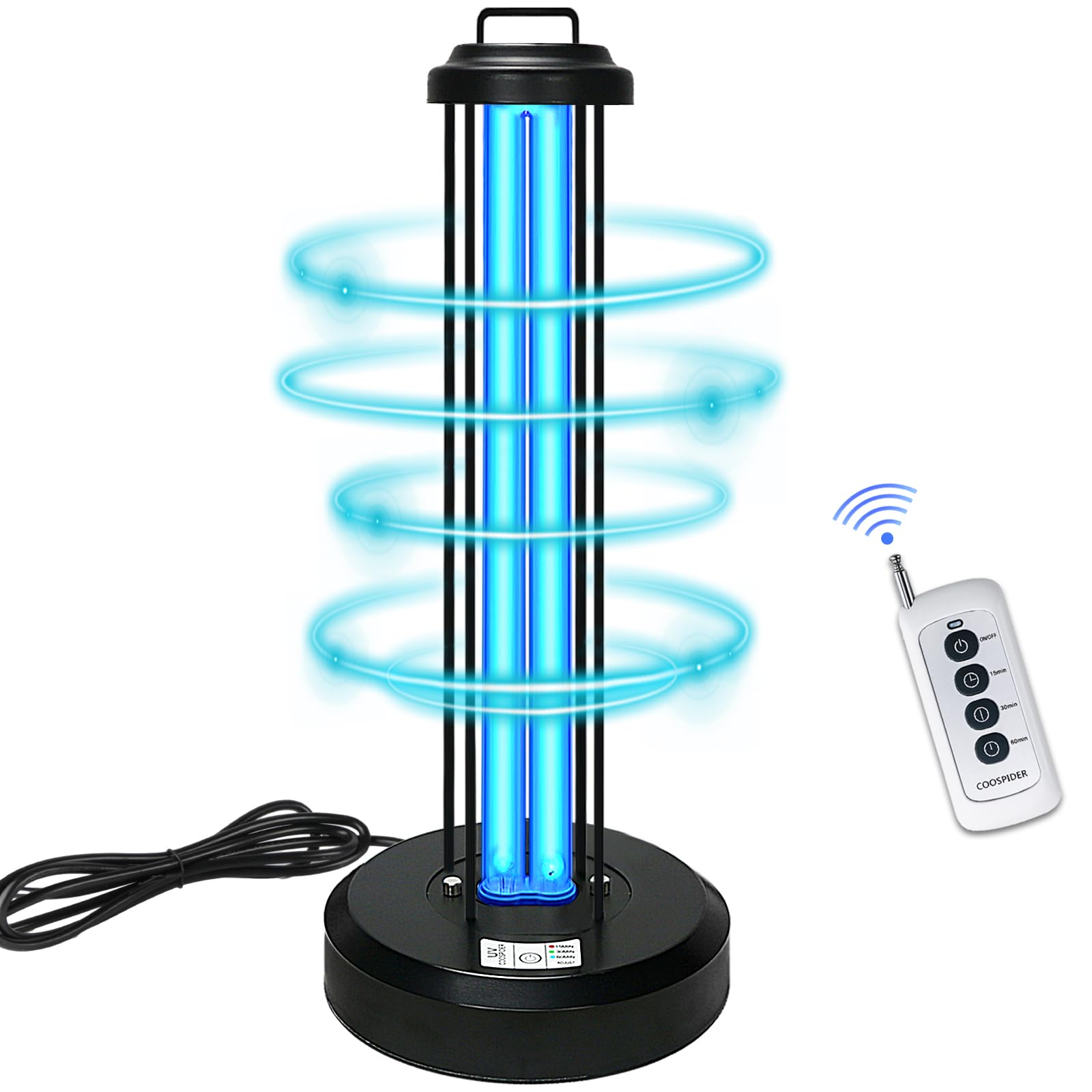
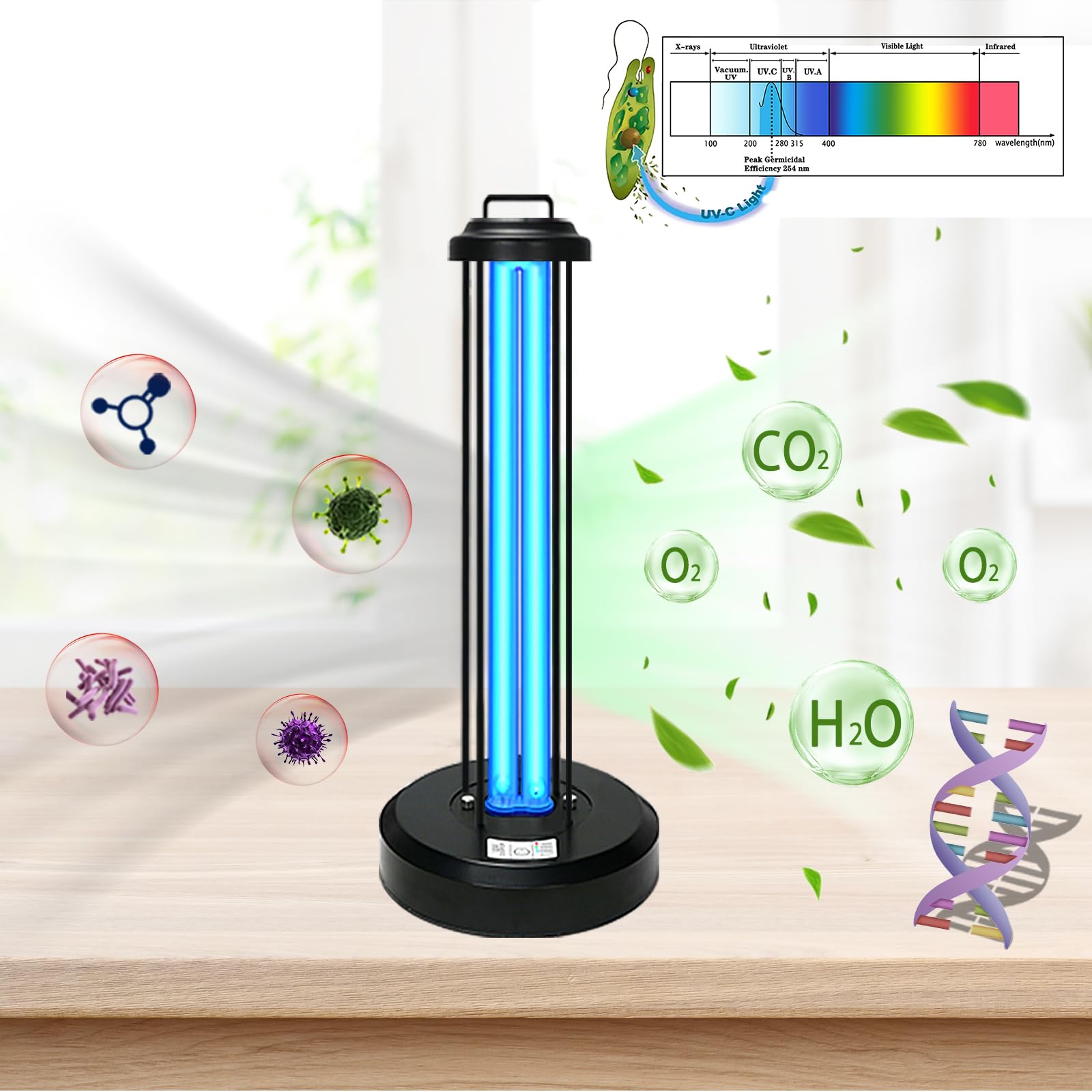
It works by using specific wavelengths of ultraviolet light to disrupt the DNA and RNA of bacteria and viruses, preventing them from reproducing.
Unlike sunlight, UV disinfection devices offer:
-
Controlled wavelength
-
Consistent exposure
-
Predictable results
-
Indoor usability
This turns disinfection from a passive hope into an active process.
Gentle Does Not Mean Weak
One common misconception is that “gentle” cleaning methods are less effective.
UV light challenges that assumption.
Because UV disinfection:
-
Does not rely on heat
-
Does not require harsh chemicals
-
Does not cause friction or abrasion
It can be both effective against microbes and kind to delicate materials.
For items like underwear and masks—where comfort and skin health matter—this distinction is critical.
Why UV Is Especially Suitable for Underwear
Underwear sits in a warm, moist environment for hours.
Even with regular washing, bacteria can:
-
Linger in fabric fibers
-
Build up over time
-
Contribute to odor and discomfort
-
Irritate sensitive skin
UV disinfection helps by:
-
Reaching areas detergents may miss
-
Providing an extra hygiene step without extra washing
-
Reducing reliance on hot water or strong detergents
This is particularly beneficial for:
-
Lace or delicate fabrics
-
Elastic materials
-
Breathable cotton blends
-
Moisture-wicking performance underwear
By reducing wear-and-tear from aggressive cleaning, UV light can actually extend garment lifespan.
Masks: Clean Isn’t Always Disinfected
Masks—especially reusable ones—present a different challenge.
They:
-
Filter air
-
Trap moisture from breathing
-
Sit directly over the nose and mouth
-
Are often touched and adjusted
Washing removes visible dirt, but frequent washing can:
-
Distort mask shape
-
Reduce filtration efficiency
-
Damage internal layers
UV disinfection offers a way to:
-
Reduce microbial load between washes
-
Maintain mask structure
-
Avoid excessive heat exposure
For reusable fabric masks, UV light becomes a maintenance tool, not a replacement for washing—but a valuable supplement.
How UV Disinfection Compares to Other Methods
Compared to Boiling
-
Boiling uses high heat
-
Can damage elastic and synthetic fibers
-
Not suitable for all materials
UV: No heat, no deformation.
Compared to Chemical Sprays
-
Residue may irritate skin
-
Fragrance and additives can cause reactions
-
Effectiveness depends on coverage
UV: Dry, residue-free, and consistent.
Compared to Sun-Drying
-
Dependent on weather and placement
-
Causes long-term fabric degradation
UV: Controlled, repeatable, and fabric-friendly.
Efficiency is not just about killing bacteria—it’s about doing so sustainably.
The Modern UV Disinfection Experience
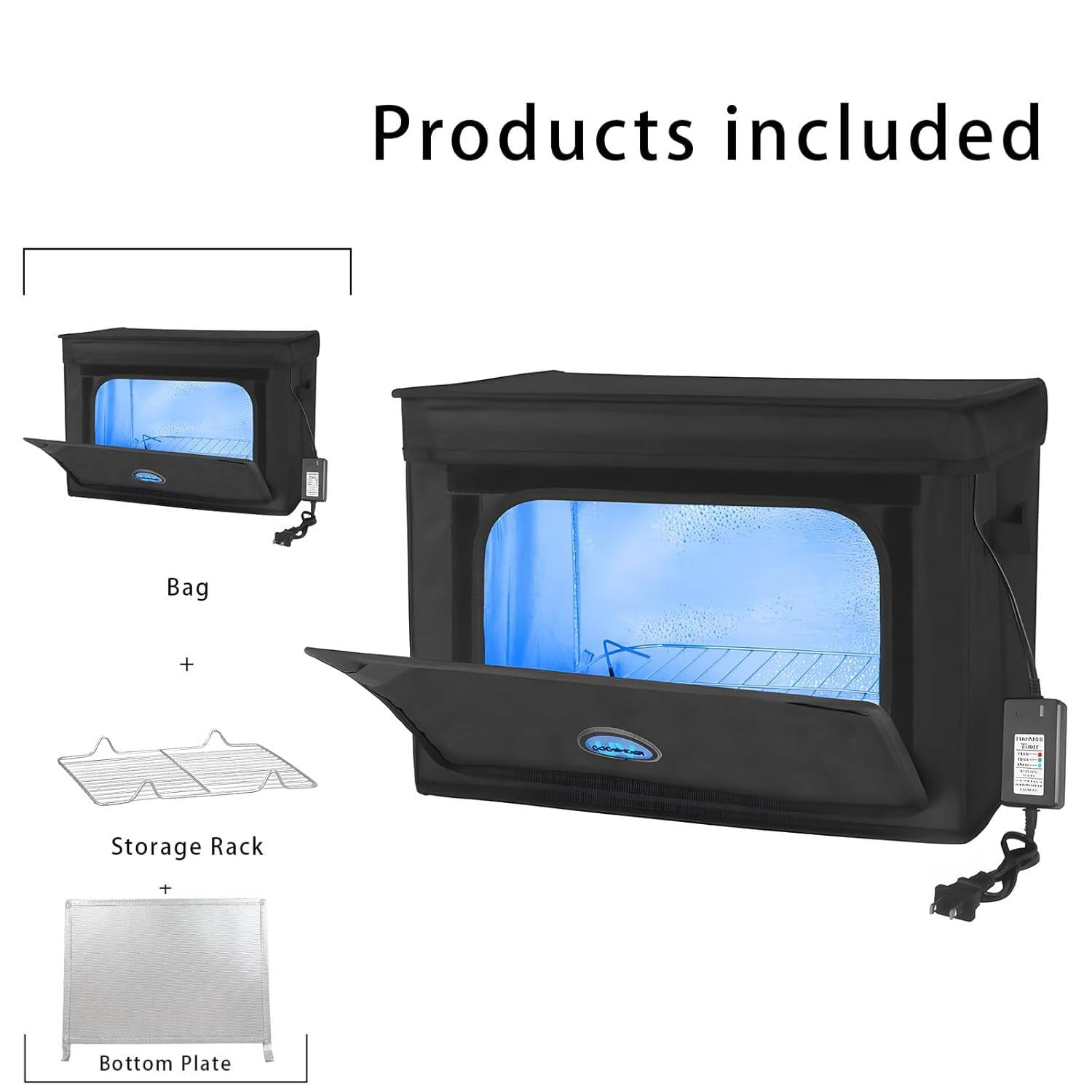
Today’s UV devices are designed for everyday use.
They are:
-
Compact
-
Quiet
-
Simple to operate
-
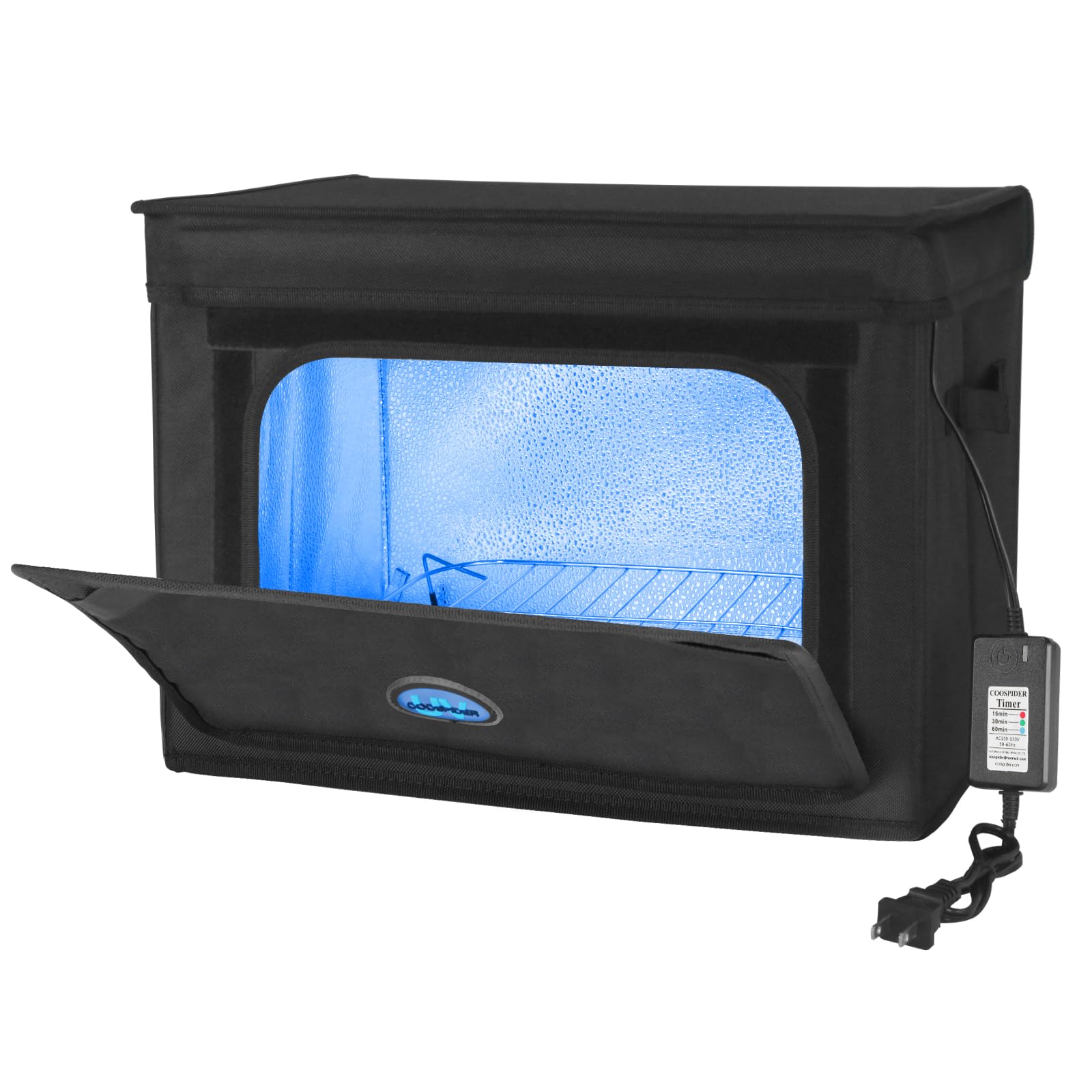
Designed with enclosed chambers or directional light
Many are built specifically for:
-
Small garments
-
Personal items
-
Daily essentials
The goal is not to turn your home into a lab—but to make hygiene effortless and routine.
Safety Considerations: Using UV Responsibly
When used correctly, household UV devices are designed to be safe.
Key safety features often include:
-
Automatic shutoff
-
Enclosed designs to prevent direct exposure
-
Timed cycles
Responsible use means:
-
Following manufacturer instructions
-
Avoiding direct skin or eye exposure
-
Using UV as a supplement—not a substitute—for washing
UV disinfection is a tool, not a shortcut.
A Lifestyle Shift Toward Smarter Hygiene
The rise of UV disinfection reflects a broader shift in how we think about cleanliness.
We no longer rely solely on:
-
More heat
-
More chemicals
-
More friction
Instead, we look for:
-
Precision
-
Efficiency
-
Material preservation
-
Skin-friendly solutions
UV light fits naturally into this mindset.
It’s not about fear of germs—it’s about respect for the items we use every day.
Why UV Is More Efficient Than Sunlight
Sunlight is broad and unfocused.
UV devices are targeted.
That difference means:
-
Shorter disinfection time
-
More consistent exposure
-
Less environmental dependency
-
Higher predictability
Efficiency isn’t just speed—it’s reliability.
Who Benefits Most from UV Disinfection?
UV disinfection is particularly appealing for:
-
People with sensitive skin
-
Families with children
-
Those living in apartments or humid climates
-
Anyone managing reusable masks or delicate underwear
-
Individuals seeking lower-impact hygiene solutions
It’s not about replacing habits—it’s about upgrading them.
Common Misunderstandings About UV Hygiene
“UV Is Only for Hospitals”
Medical-grade UV exists—but consumer UV is designed for daily use, just at appropriate power levels.
“If I Wash, I Don’t Need UV”
Washing cleans. UV disinfects. They serve different roles.
“Sunlight Is Enough”
Sometimes it is. Often it’s not. Consistency matters.
Looking Ahead: Hygiene Without Harshness
As materials become more advanced and lifestyles more compact, hygiene methods must evolve.
UV disinfection represents a future where:
-
Cleanliness doesn’t mean damage
-
Disinfection doesn’t mean discomfort
-
Care is precise, not excessive
For items as personal as underwear and masks, that evolution matters.
Final Thoughts: Clean, Calm, and Considered
Underwear and masks deserve more than rough treatment.
They deserve:
-
Thoughtful care
-
Gentle handling
-
Reliable hygiene
UV light offers a modern alternative to sun-drying—one that respects both fabric integrity and personal comfort.
It’s not louder.
It’s not harsher.
It’s simply smarter.
And sometimes, smarter is exactly what everyday life needs.