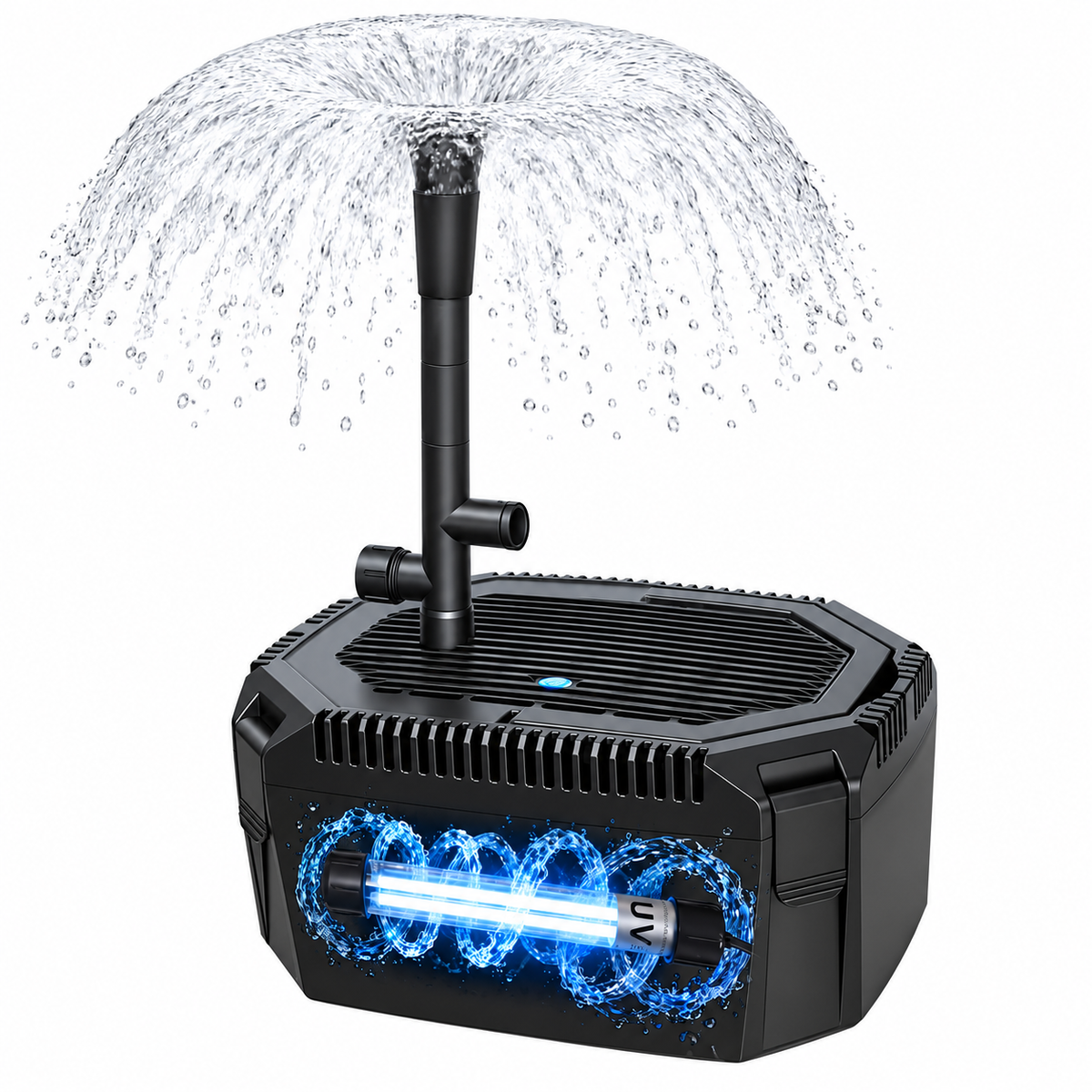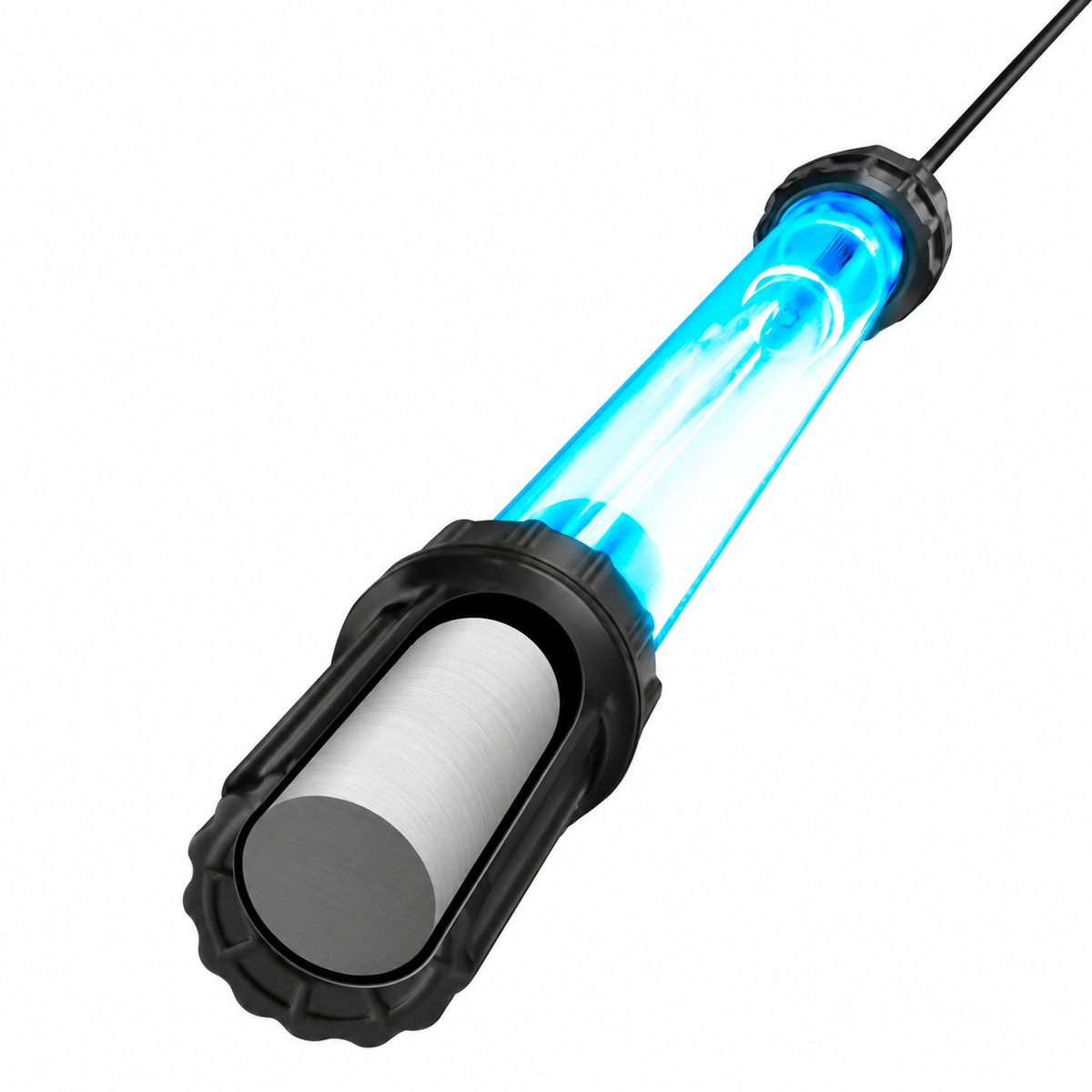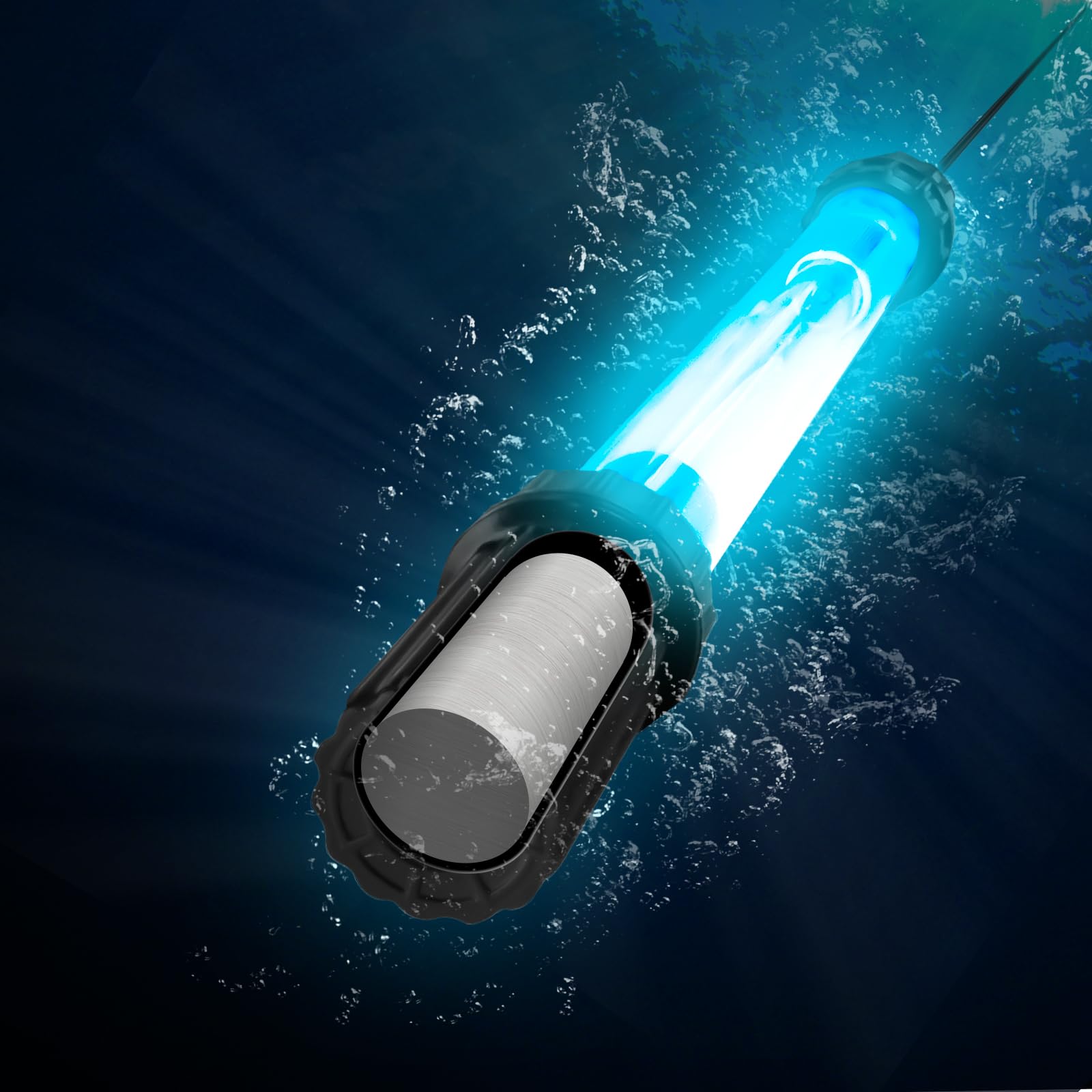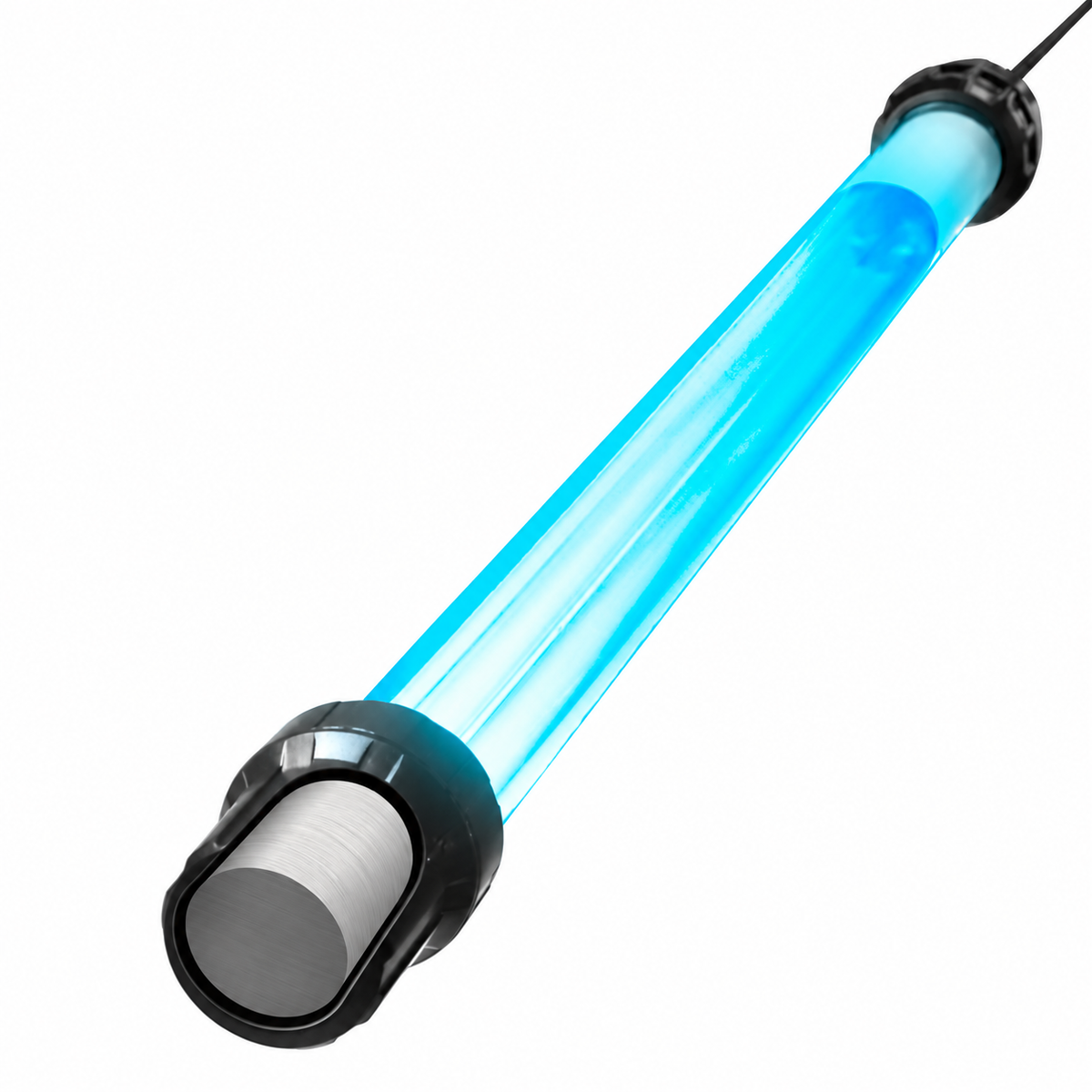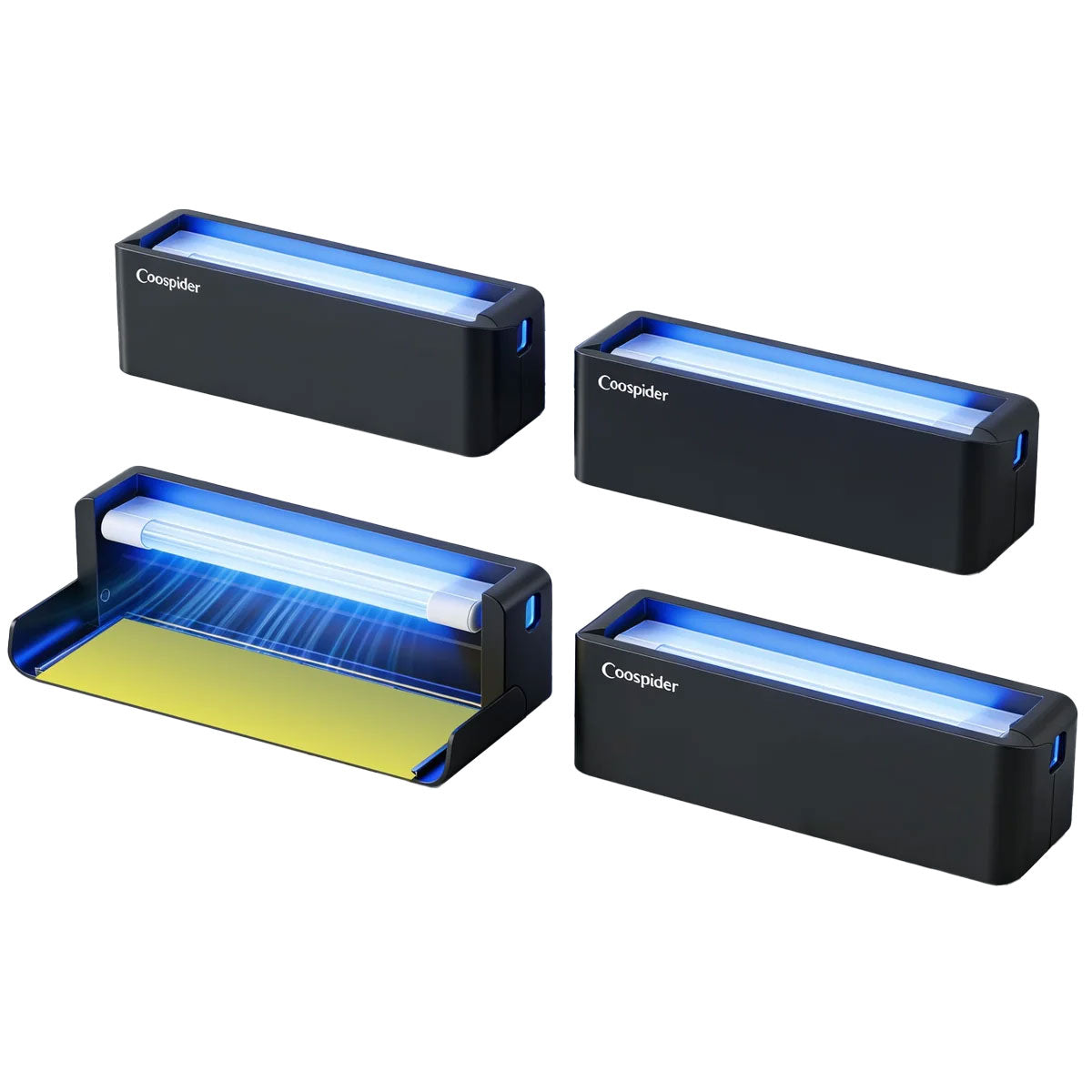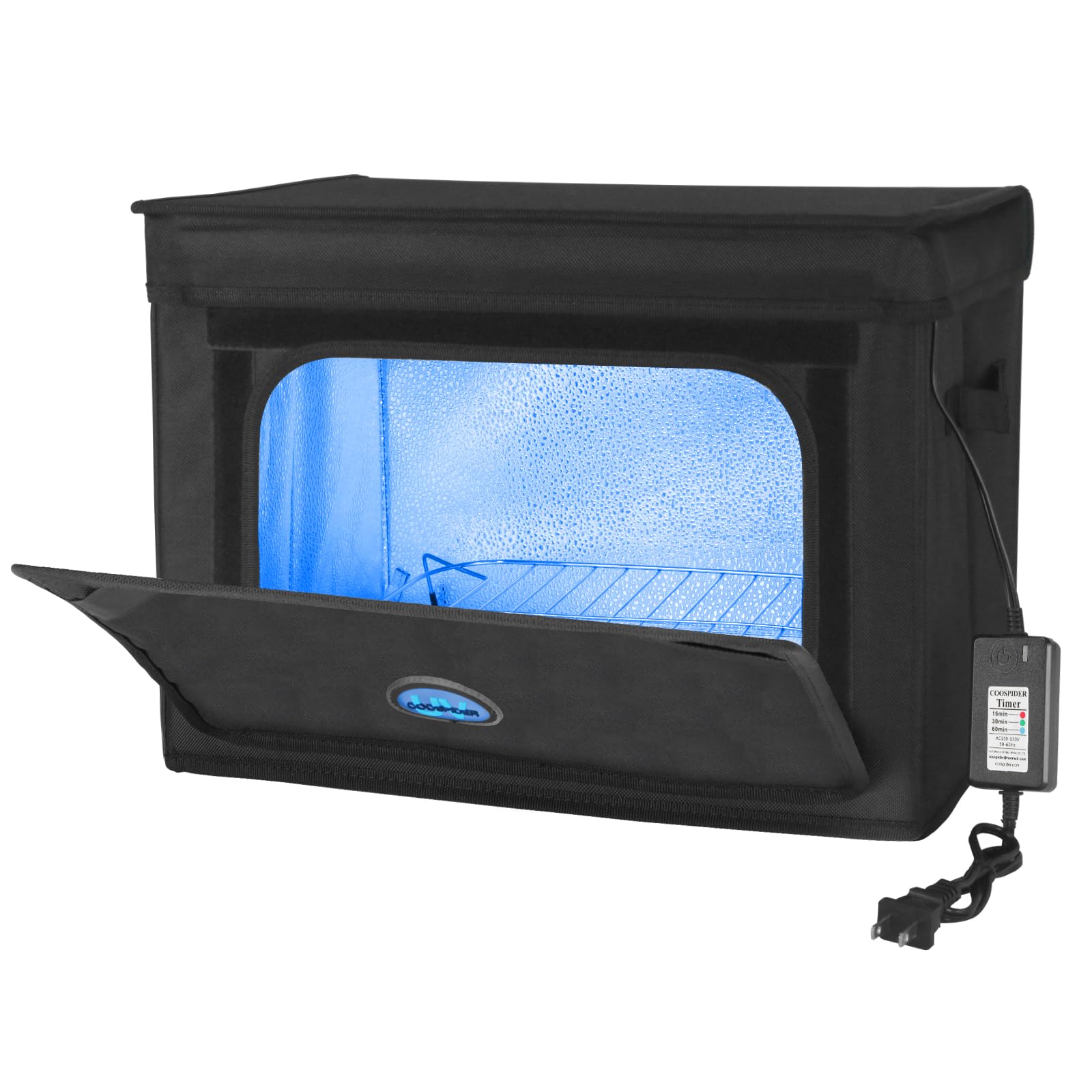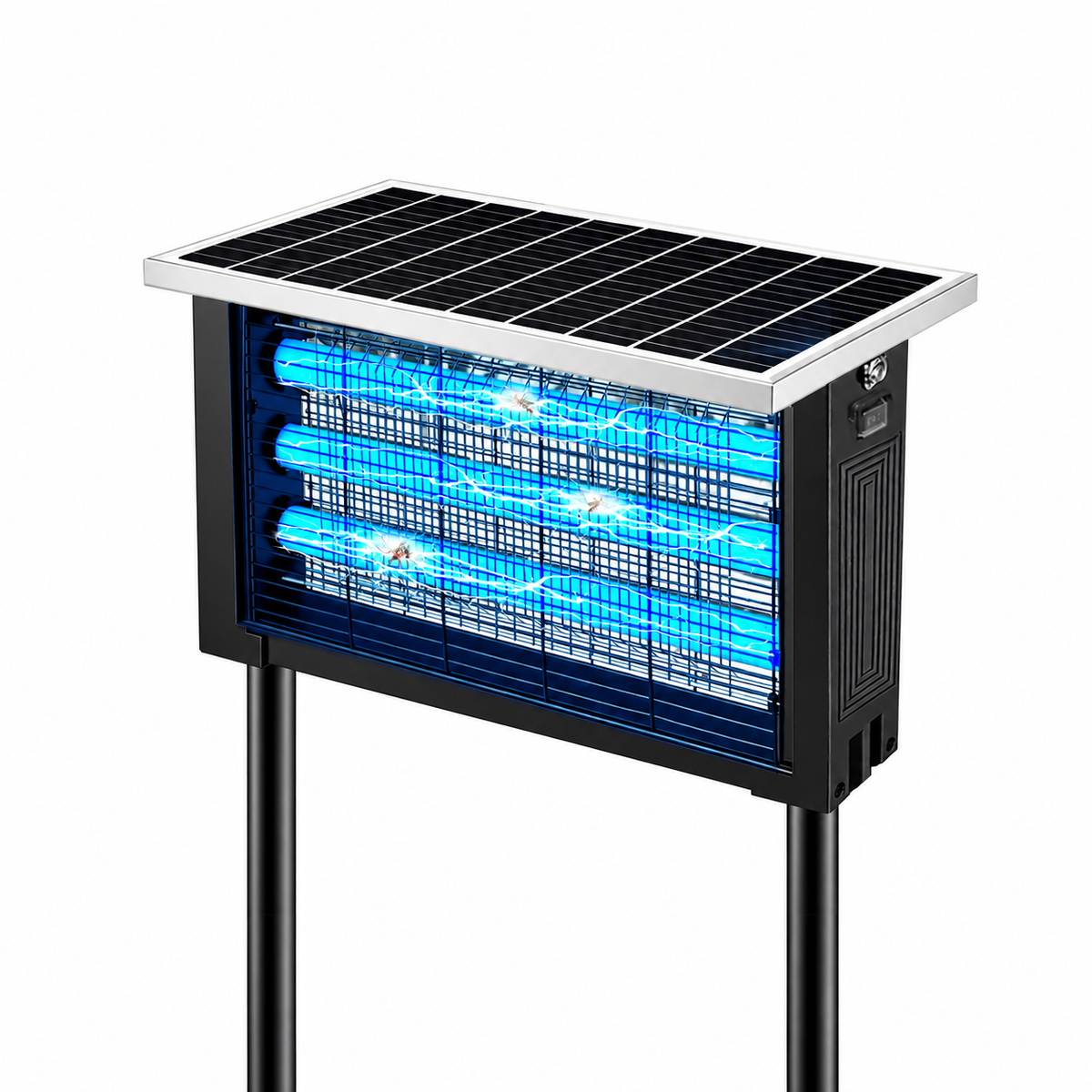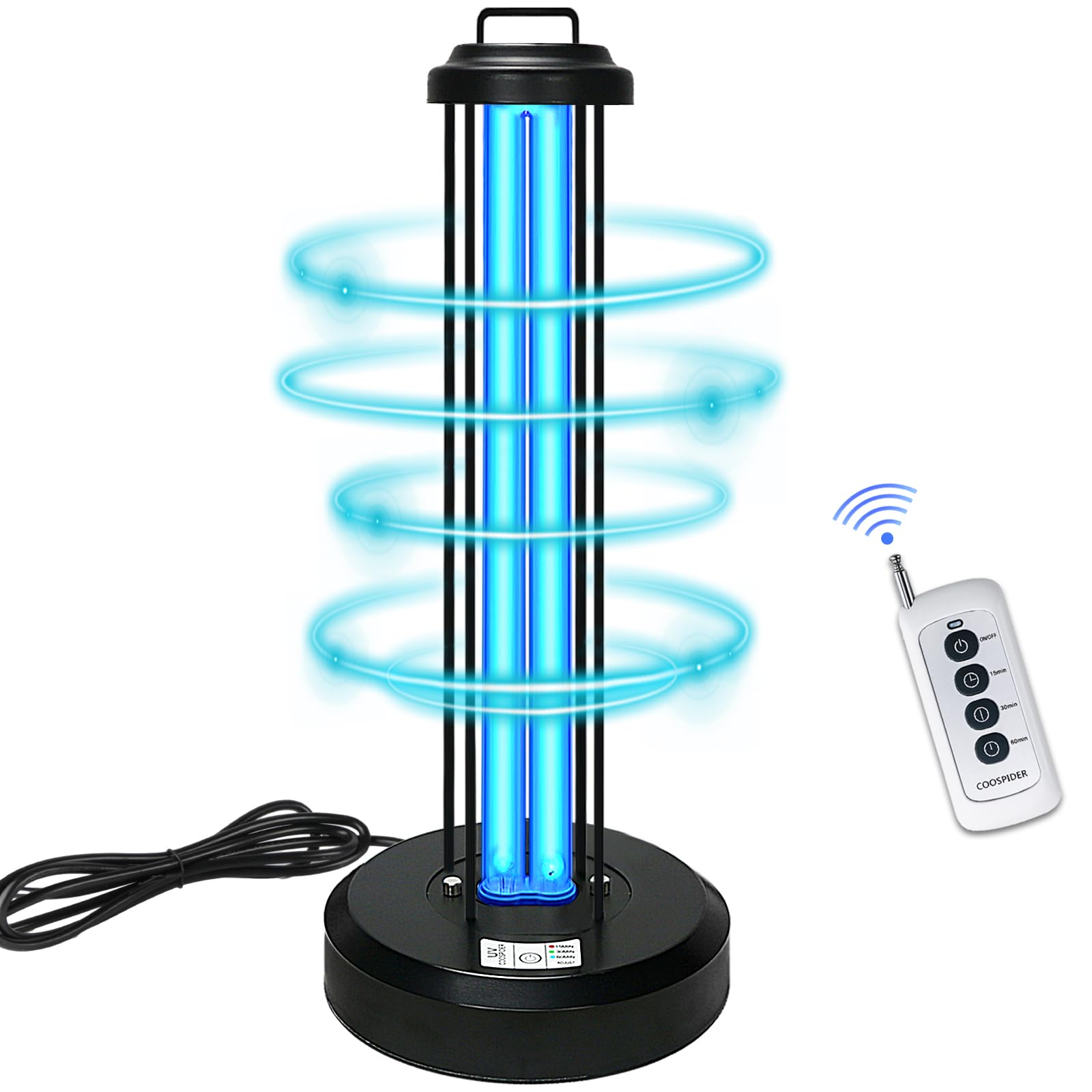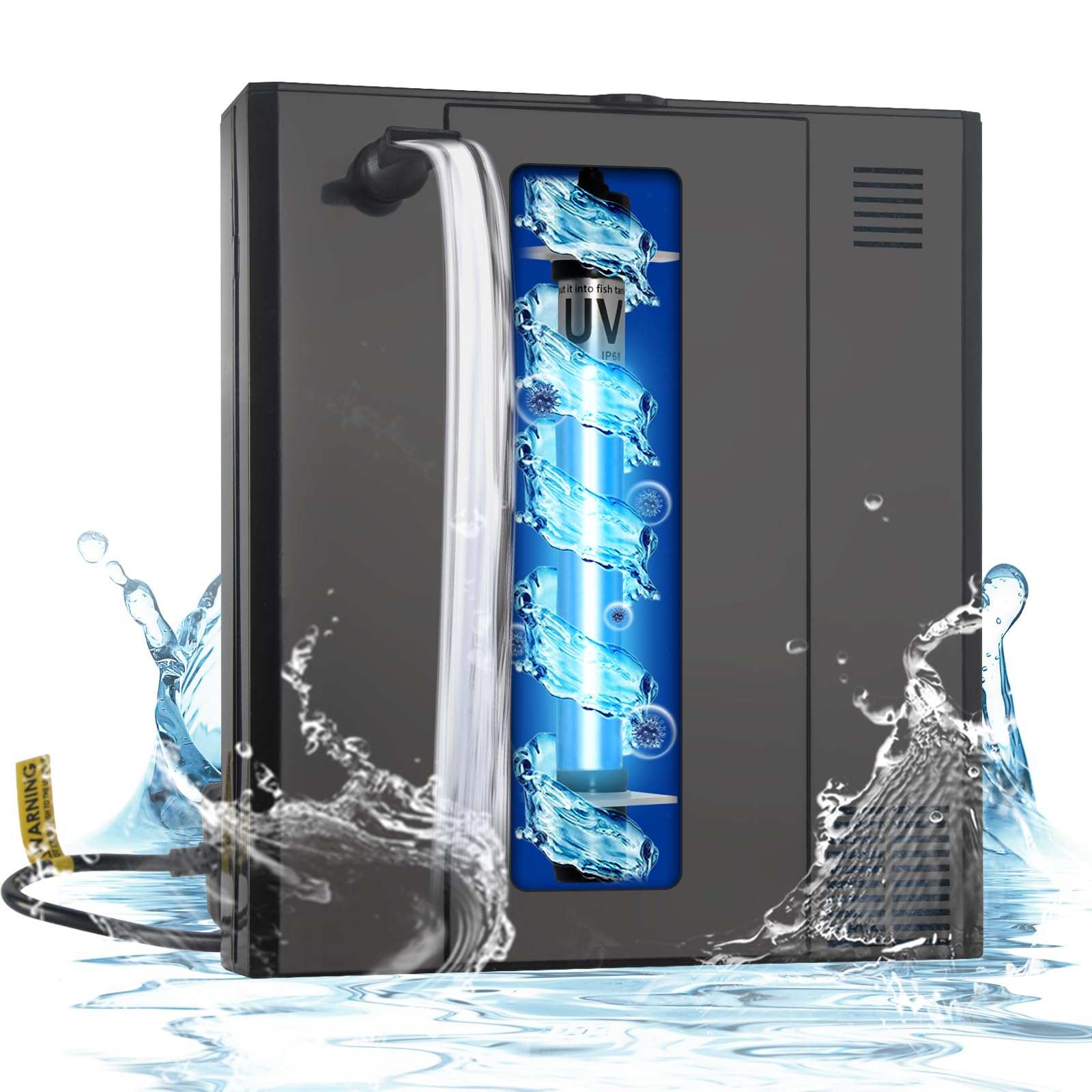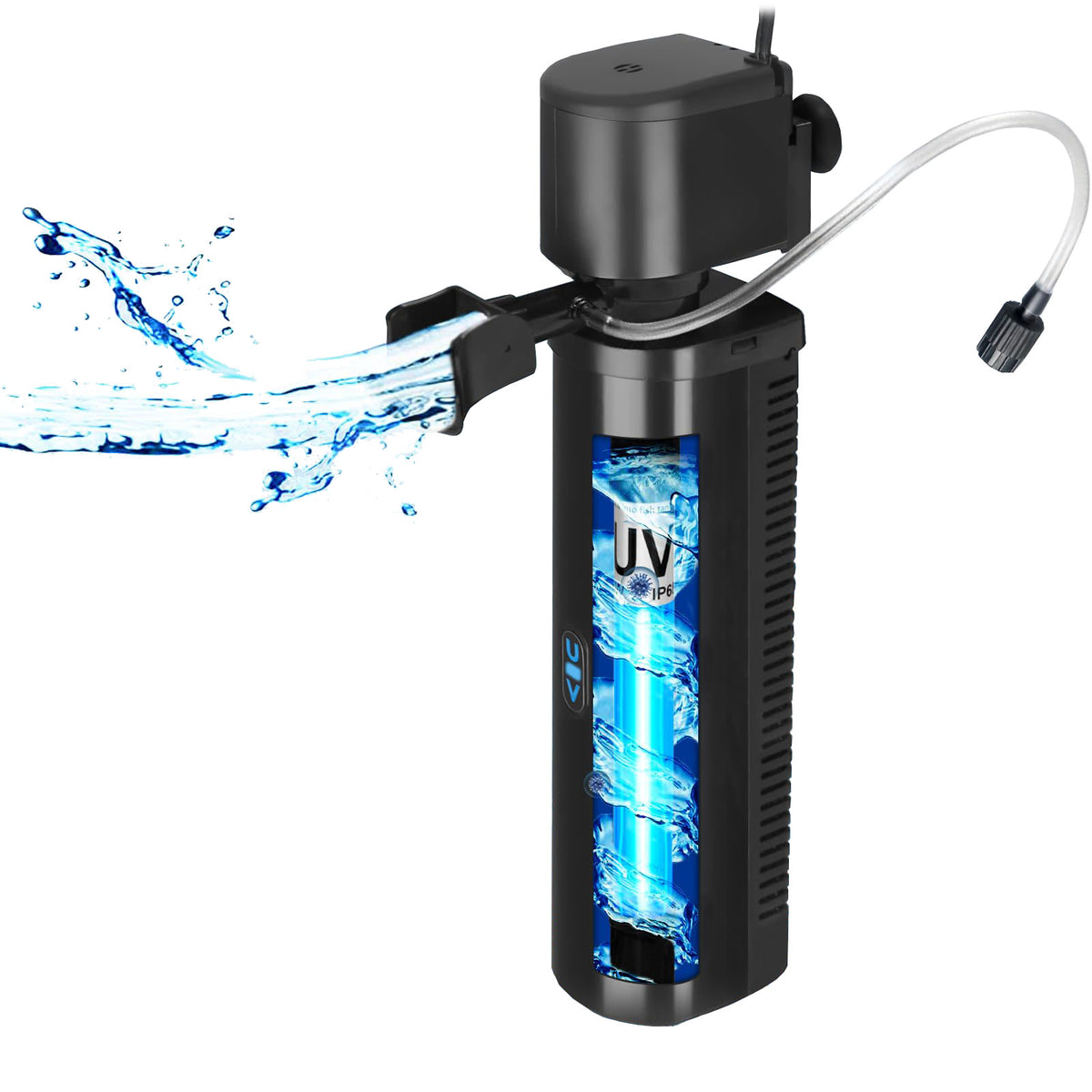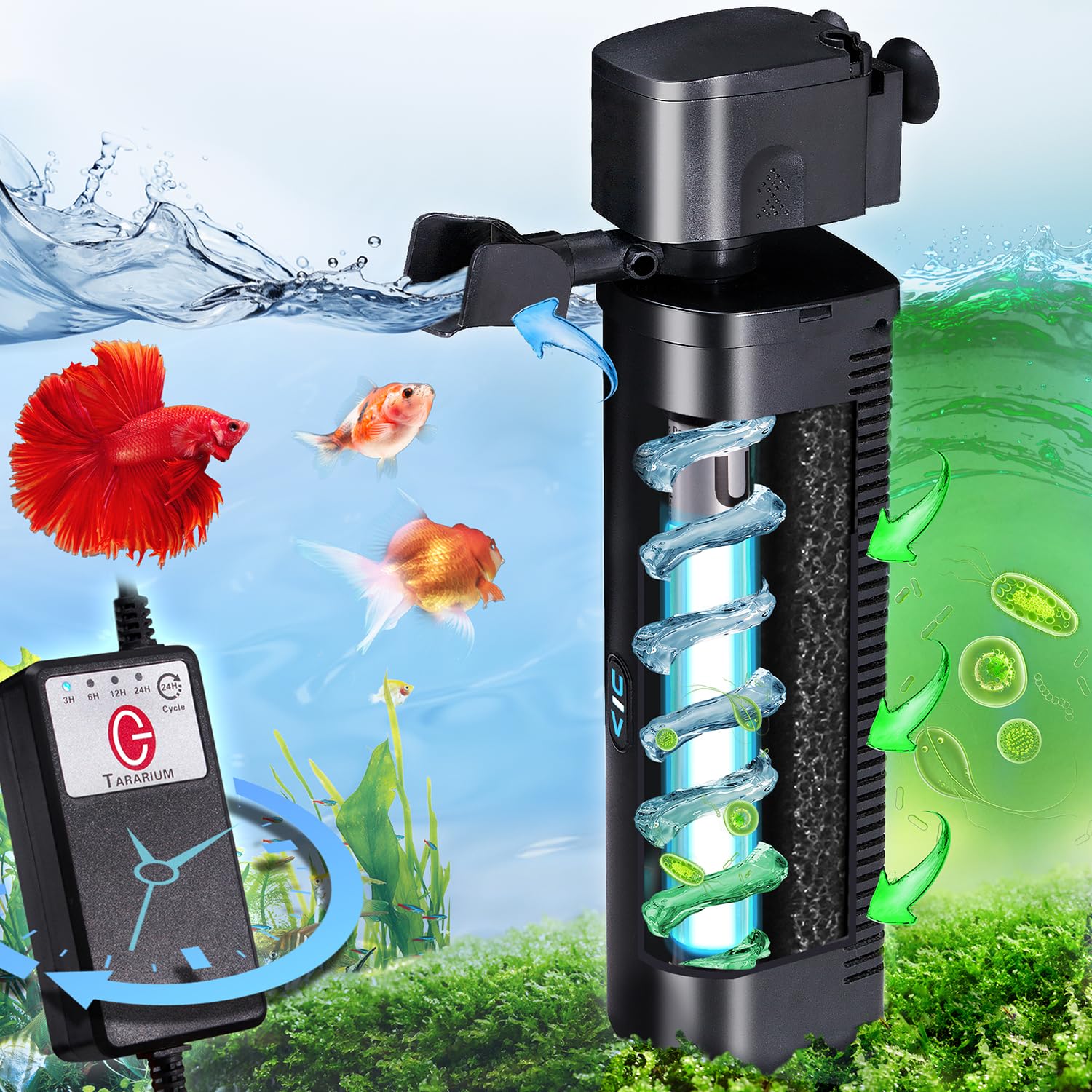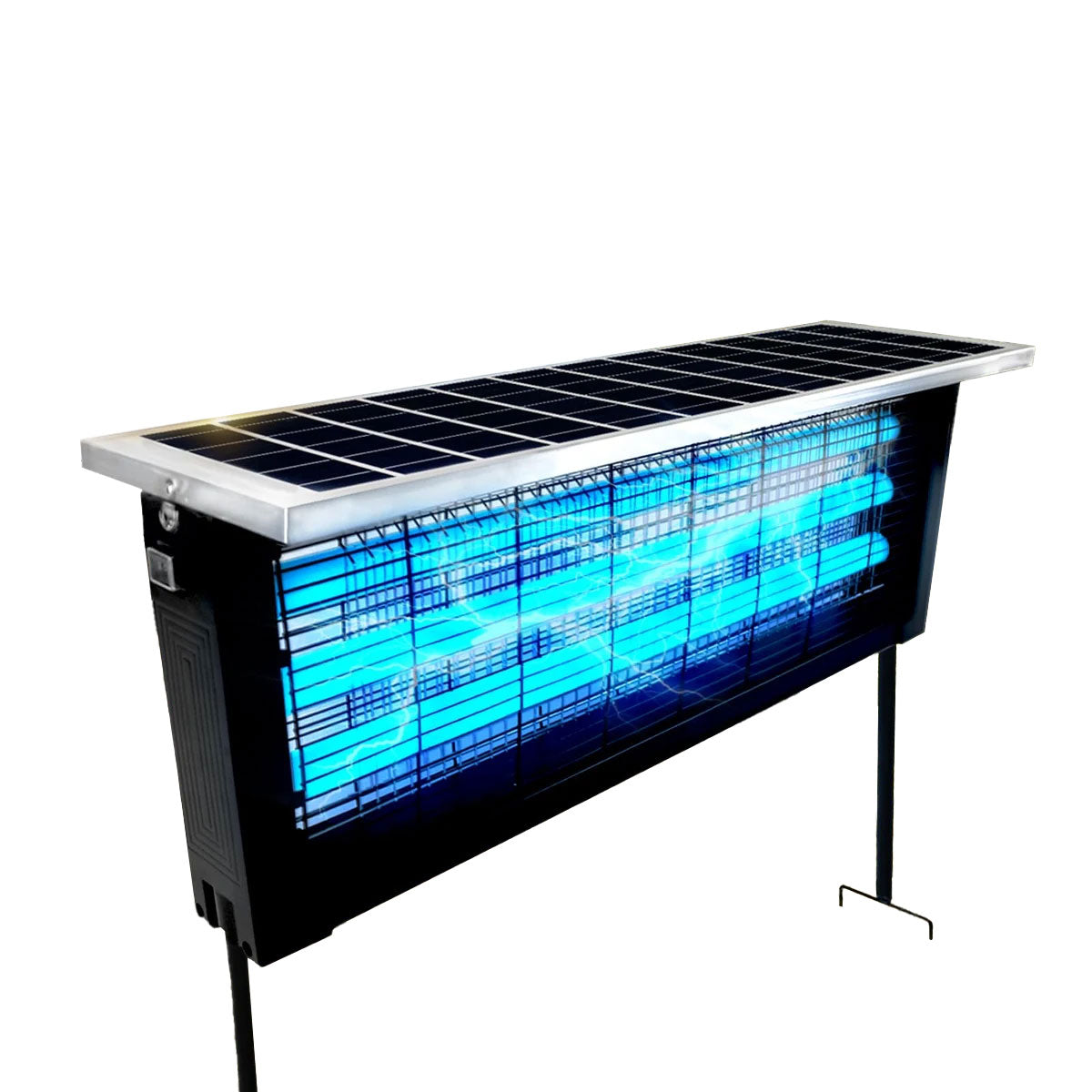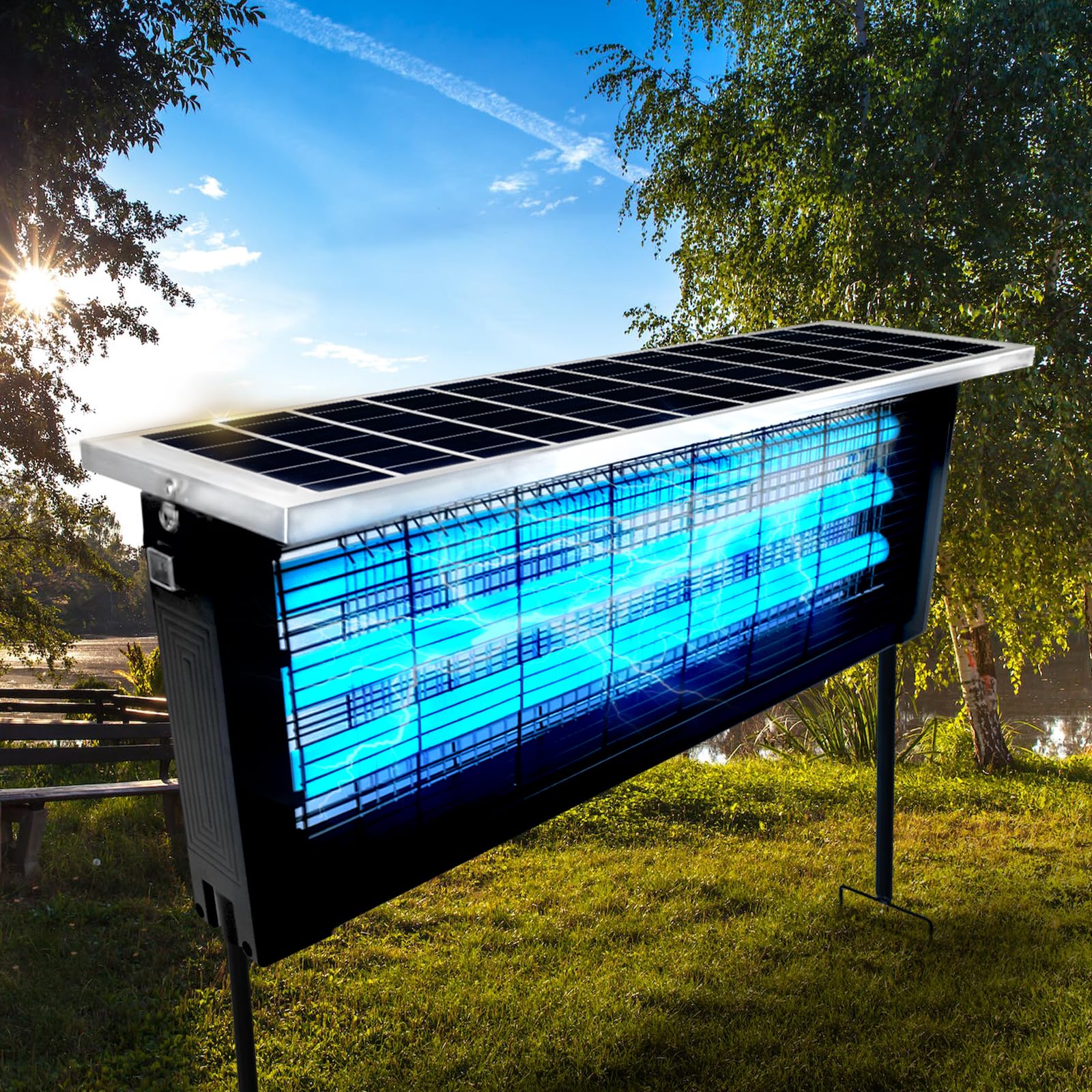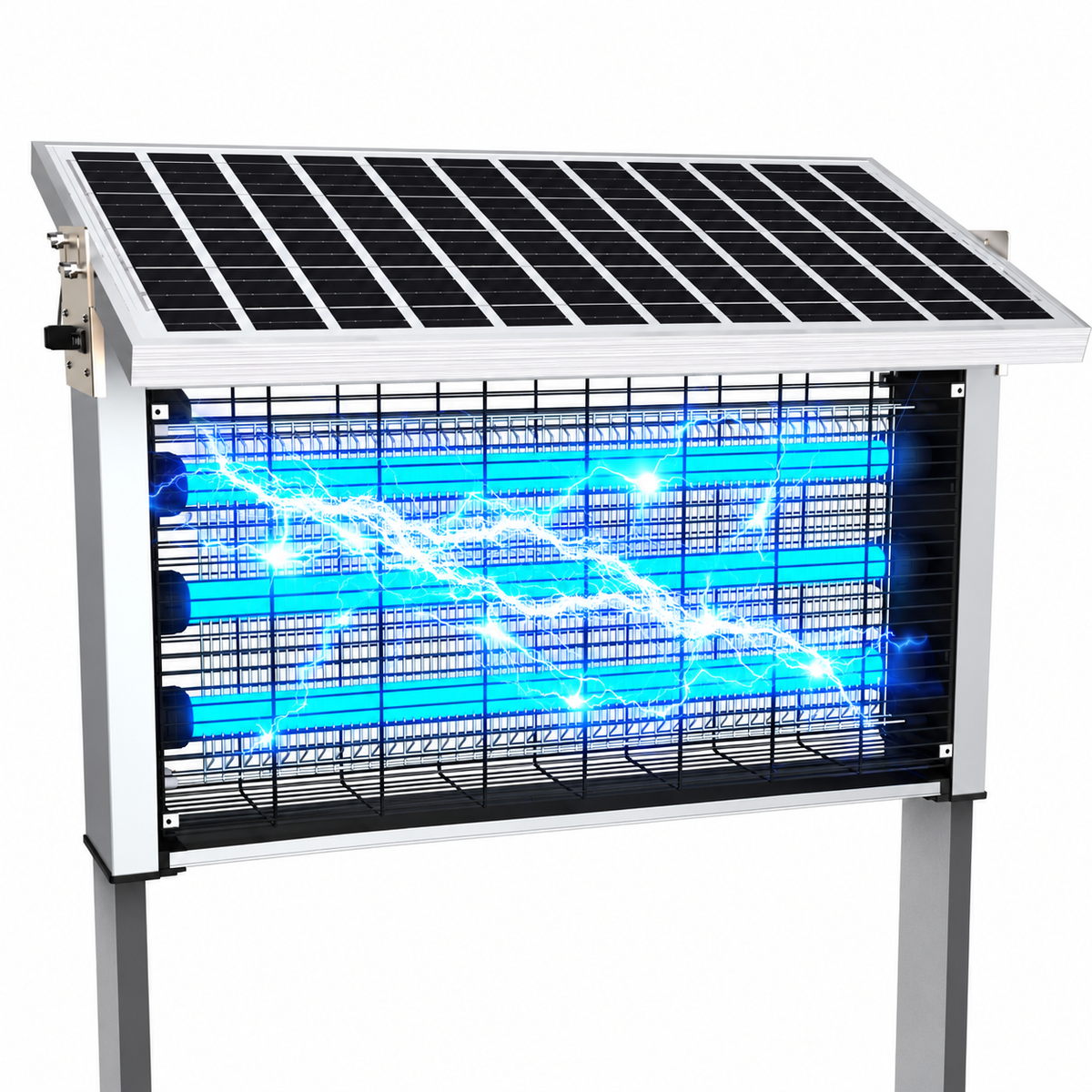
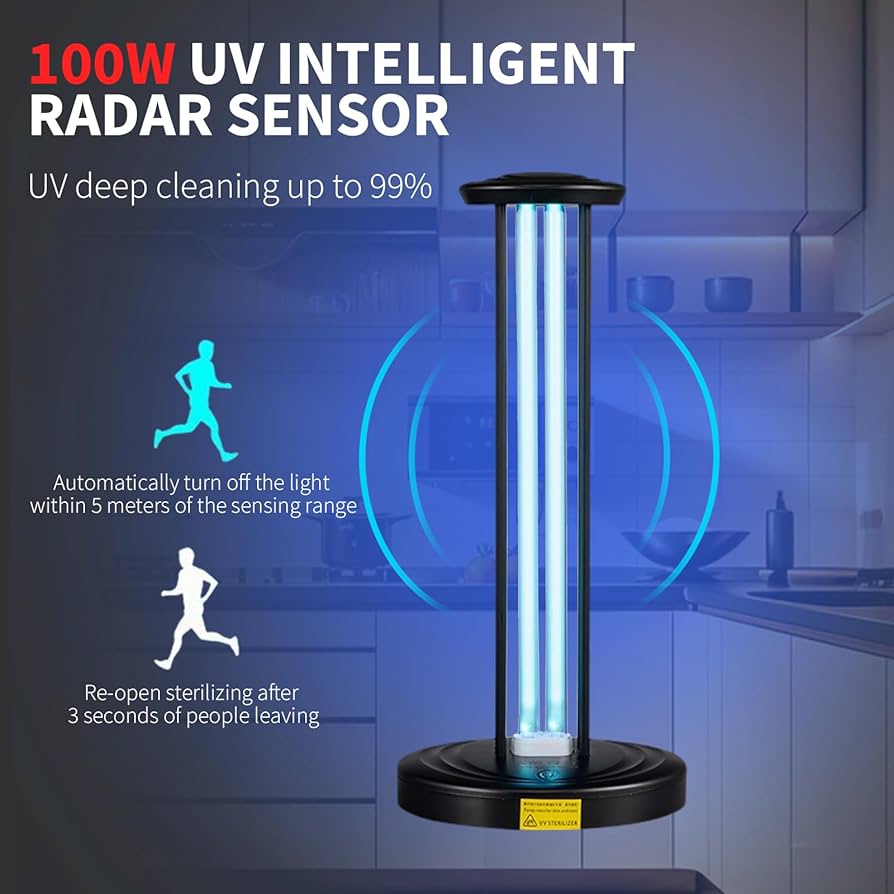
Ultraviolet germicidal lamps have been used for decades in healthcare facilities, laboratories, HVAC systems, water treatment plants, commercial kitchens, and increasingly in residential environments. Their ability to deactivate bacteria, viruses, mold spores, and other microorganisms through UV-C radiation has made them a trusted component of many sanitation strategies.
However, many older UV sterilization systems still operate in a surprisingly outdated way. A simple manual switch controls the lamp, requiring users to remember when to turn it on, how long to leave it running, and—most importantly—when to ensure that people and pets are no longer in the room. This approach relies heavily on human behavior, and human error remains one of the biggest safety risks associated with UV-C technology.
Today, smart home technology and affordable sensor-based automation offer a better alternative. By integrating motion detection, occupancy monitoring, programmable timers, remote management, and automated safety interlocks, traditional UV germicidal lamps can become part of a much safer and more efficient intelligent disinfection system.
This guide explores why upgrading an old-style UV lamp with a smart sensing and control system is becoming increasingly popular, what technologies are commonly used, the benefits of automation, important safety considerations, and how building owners and facility managers can approach modernization without compromising reliability.
Understanding How Traditional UV Germicidal Lamps Work
Before discussing intelligent upgrades, it's important to understand the basics of conventional UV sterilization equipment.
The Science Behind UV-C Disinfection
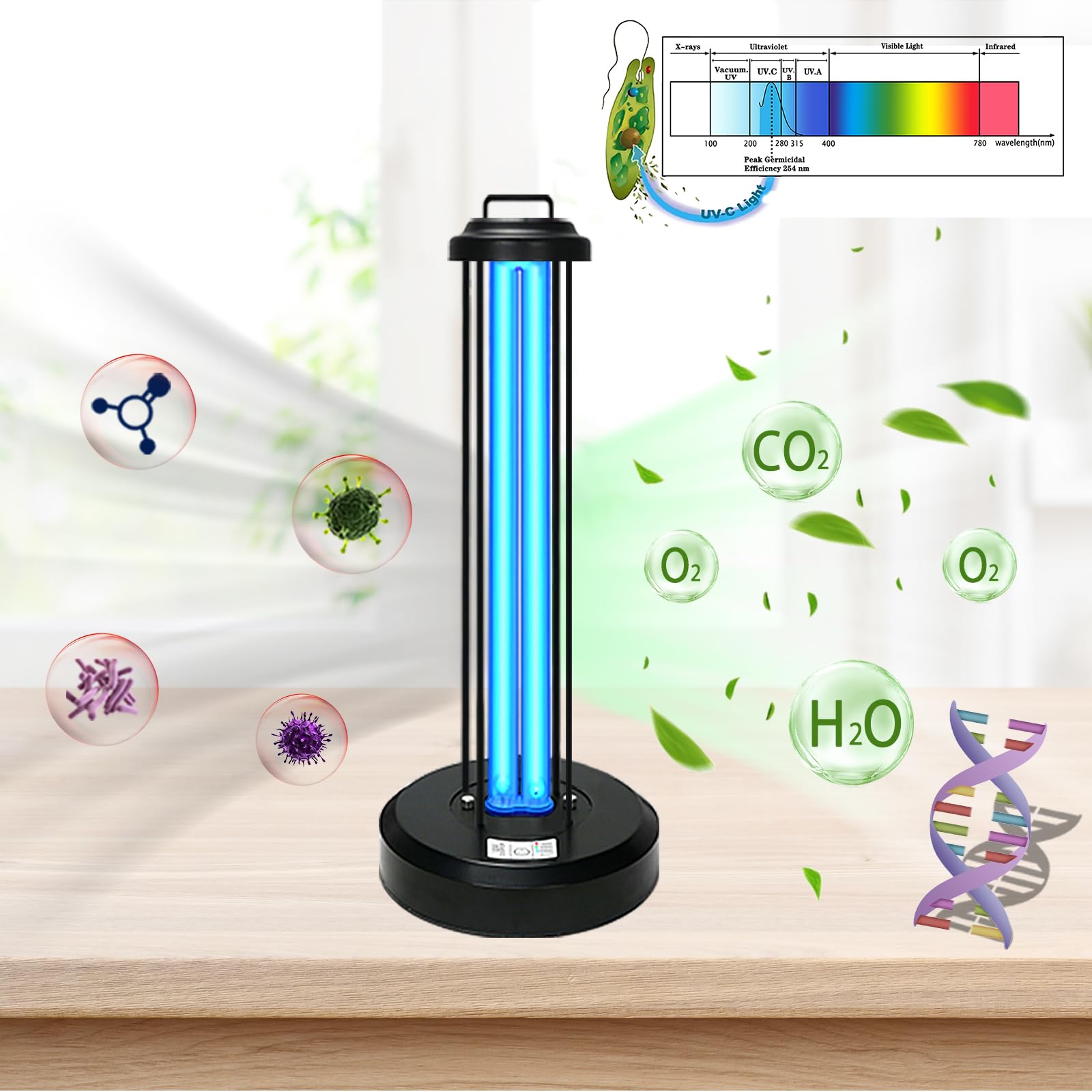
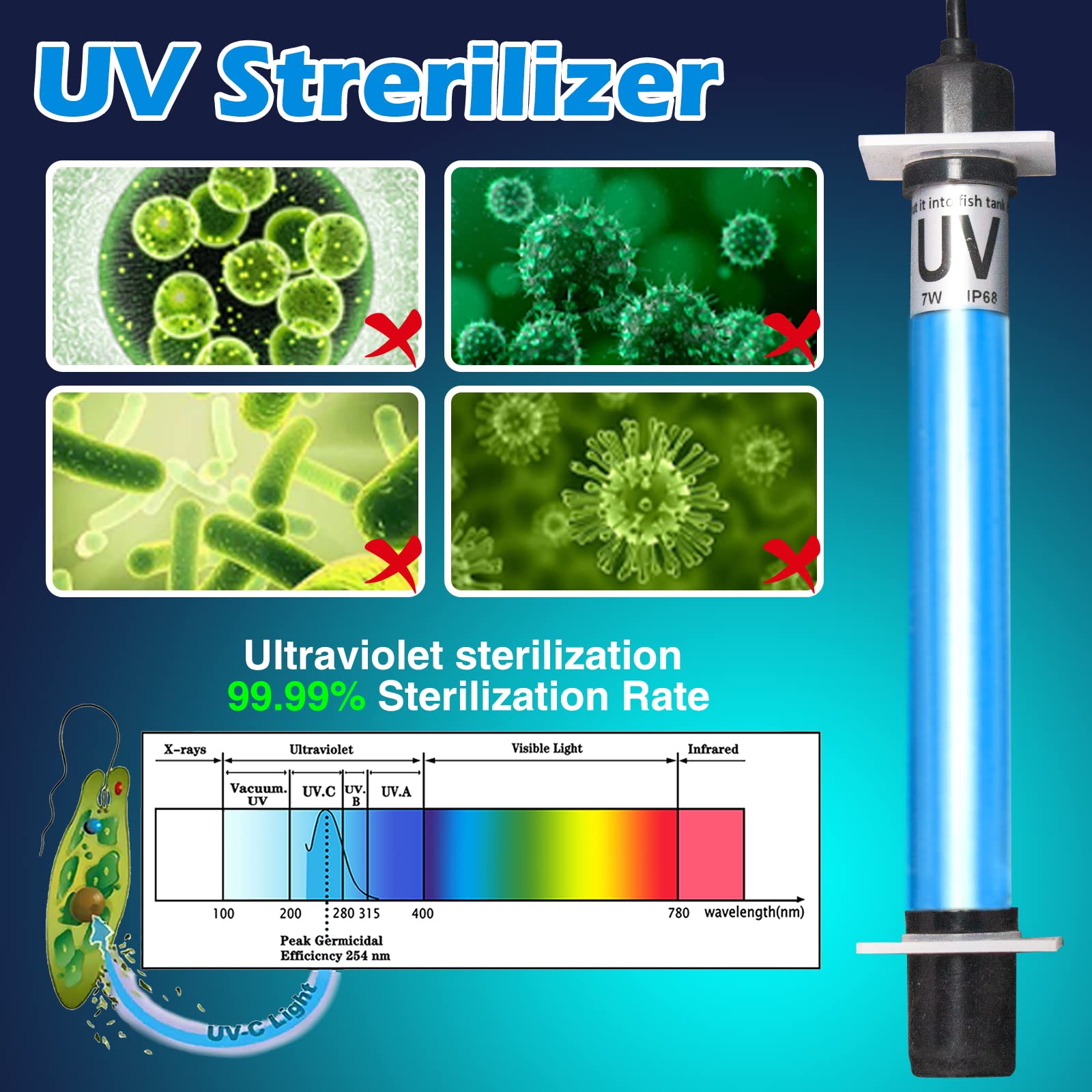
Ultraviolet light occupies a portion of the electromagnetic spectrum between visible light and X-rays. UV radiation is typically divided into three categories:
-
UV-A (315–400 nm)
-
UV-B (280–315 nm)
-
UV-C (200–280 nm)
UV-C light, particularly around 254 nanometers, is widely used for germicidal applications because it damages the DNA and RNA of microorganisms, preventing them from reproducing and spreading.
Traditional UV germicidal lamps are commonly installed in:
-
Hospital patient rooms.
-
Air handling units.
-
Water purification systems.
-
Food processing facilities.
-
Laboratory clean rooms.
-
Residential HVAC ductwork.
When properly designed and operated, UV-C systems can significantly reduce microbial contamination.
The Limitations of Legacy UV Lamp Systems
While UV technology itself remains highly effective, many legacy installations rely on manual operation methods that have changed little over the years.
Manual Switching Creates Human Error
A traditional wall switch provides no confirmation that a room is empty before the UV lamp activates. Users may accidentally leave the lamp running after entering the room or forget to deactivate it before someone else enters.
No Occupancy Awareness
Conventional systems cannot distinguish between an occupied and an unoccupied space. The lamp simply turns on when commanded and remains active until manually switched off or until a timer expires.
Inefficient Operating Schedules
Many older systems use fixed timers that activate regardless of actual room usage. As a result:
-
Lamps may operate unnecessarily.
-
Energy is wasted.
-
Lamp life is shortened.
-
Maintenance costs increase.
Lack of Remote Monitoring
Facility managers often have no centralized method to verify which UV units are active, when maintenance is due, or whether a lamp has reached the end of its service life.
What Is a Smart Sensor-Controlled UV System?
A smart UV control system combines traditional germicidal lighting technology with intelligent automation components that monitor environmental conditions and control lamp operation accordingly.
Rather than functioning as a simple on/off device, the system becomes an integrated safety and management platform.
Common features include:
-
Motion sensors.
-
Occupancy detection.
-
Door status monitoring.
-
Programmable scheduling.
-
Mobile app or cloud connectivity.
-
Automatic shutoff mechanisms.
-
Usage logging and maintenance tracking.
-
Multi-layer safety interlocks.
The goal is not merely convenience—it is to reduce risk while improving operational efficiency.
Key Components of a Smart UV Lamp Retrofit
Modernizing an existing UV installation often involves adding several intelligent control layers around the original germicidal fixture.
Occupancy Sensors
Occupancy sensors are the first line of defense. They detect whether a person is present within the sterilization zone and prevent UV activation if movement is detected.
Common sensor technologies include:
-
Passive infrared (PIR) sensors.
-
Microwave motion sensors.
-
Ultrasonic presence detectors.
-
AI-assisted vision systems in advanced commercial environments.
These systems help ensure that UV-C exposure only occurs when designated areas are vacant.
Door and Access Sensors
Door sensors can communicate with the control system to verify that access points remain closed during the sterilization cycle.
If a door opens unexpectedly:
-
The UV lamp immediately powers down.
-
A warning notification may be triggered.
-
The sterilization cycle can pause or restart after safety conditions are restored.
This simple automation dramatically improves operational safety.
Programmable Timer Modules
Unlike basic countdown timers, intelligent scheduling platforms can coordinate UV operation with actual building activity.
Examples include:
-
Running disinfection cycles after office hours.
-
Activating conference room sterilization after meetings.
-
Coordinating operation with cleaning staff schedules.
-
Automatically avoiding peak occupancy periods.
The result is more efficient equipment utilization and reduced unnecessary lamp operation.
Smart Controllers and Connectivity
Many retrofit solutions incorporate smart controllers that connect to local networks or cloud platforms. These controllers may provide:
-
Remote status monitoring.
-
Real-time alerts.
-
Maintenance reminders.
-
Historical usage records.
-
Multi-device coordination across larger facilities.
For commercial buildings with multiple UV installations, centralized management significantly reduces labor costs.
Why Sensor Automation Makes UV Systems Safer
Safety is the single biggest reason organizations invest in smart UV upgrades.
Preventing Accidental Exposure
Direct exposure to UV-C radiation can damage skin and eyes. Traditional systems depend on users remembering safety procedures every single time they activate the lamp. Smart systems add technological safeguards that reduce reliance on memory alone.
Automated occupancy detection and emergency shutoff features create multiple layers of protection.
Reducing Workplace Liability
Businesses, schools, clinics, and public facilities have a responsibility to provide safe environments. Smart monitoring systems create operational records showing when equipment was active and under what conditions, supporting accountability and compliance efforts.
Supporting Maintenance Protocols
Sensors and digital tracking systems can monitor cumulative operating hours, helping maintenance teams replace lamps before output declines significantly.
This ensures that sterilization performance remains consistent throughout the equipment's lifecycle.
Energy Efficiency and Cost Savings
Intelligent controls do more than improve safety—they can also reduce operating expenses.
Avoiding Unnecessary Runtime
Many traditional UV lamps operate longer than required because users forget to turn them off or use overly conservative timer settings.
By activating only when predefined conditions are met, smart systems minimize wasted operating hours.
Extending Lamp Lifespan
UV-C lamps gradually lose germicidal output over time. Every unnecessary hour of operation contributes to wear. Smarter scheduling helps preserve lamp effectiveness and reduces replacement frequency.
Lower Maintenance Costs
Digital monitoring can simplify maintenance planning by:
-
Tracking operating hours automatically.
-
Identifying failed lamps quickly.
-
Scheduling preventive maintenance before issues escalate.
Predictive maintenance often costs less than reactive repairs.
Smart UV Systems and the Rise of Connected Buildings
The growth of connected buildings and smart homes has accelerated interest in automated UV technologies.
Integration with Building Management Systems
In commercial environments, UV controls can become part of broader building automation strategies. Connected systems may coordinate with:
-
HVAC equipment.
-
Access control systems.
-
Environmental sensors.
-
Air quality monitoring platforms.
-
Security infrastructure.
This integrated approach helps create healthier indoor environments while reducing manual oversight.
Residential Smart Home Applications
Homeowners are also exploring smart UV technologies, particularly for:
-
HVAC air purification systems.
-
Water treatment units.
-
Shoe and accessory sanitizing cabinets.
-
Smart storage compartments.
-
Specialty pet care and hobby applications.
Integration with voice assistants and home automation platforms provides greater convenience while maintaining built-in safety restrictions.
Planning a UV Lamp Modernization Project
Whether for a commercial facility or a private residence, upgrading a UV system requires careful planning.
Evaluate Existing Equipment
The first step is determining whether the current UV fixture remains in good condition. Factors to assess include:
-
Lamp age.
-
Ballast condition.
-
Mechanical integrity.
-
Mounting security.
-
Compatibility with modern control interfaces.
Some older systems may benefit from complete replacement rather than extensive retrofitting.
Define Operational Goals
Different environments require different levels of automation.
Questions to consider include:
-
Is the goal improved safety?
-
Is remote monitoring required?
-
Will the system operate on a fixed schedule?
-
Should occupancy detection be mandatory?
-
Will multiple UV units need centralized management?
A clear understanding of operational needs helps guide the upgrade process.
Prioritize Safety-Centered Design
Automation should never reduce the emphasis on fundamental UV safety practices. Smart controls should supplement—not replace—physical safeguards, warning labels, user training, and established operational procedures.
Common Features Found in Modern Smart UV Systems
Today's intelligent UV control platforms often include advanced capabilities beyond simple motion sensing.
Multi-Sensor Verification
Rather than relying on a single detector, some systems combine multiple inputs before activation:
-
Motion sensors.
-
Door contacts.
-
Occupancy counters.
-
Building access logs.
This layered approach reduces false activations and improves reliability.
Visual and Audible Status Indicators
LED indicators, warning lights, and audible alerts help communicate system status to nearby occupants.
Typical indicators may show:
-
System armed.
-
Countdown active.
-
UV cycle in progress.
-
Maintenance required.
-
Fault detected.
Mobile Notifications
Connected controllers can send alerts when:
-
A cycle completes.
-
An interruption occurs.
-
Unexpected access is detected.
-
Maintenance thresholds are reached.
Remote visibility simplifies facility management, particularly for organizations with multiple locations.
Usage Analytics
Data logging provides valuable operational insights, such as:
-
Total lamp runtime.
-
Average cycle duration.
-
Frequency of interruptions.
-
Maintenance history.
-
System uptime.
These records support long-term asset management and optimization.
UV Lamp Maintenance in the Smart Era
Automation improves system management, but physical maintenance remains essential.
Lamp Replacement
Even if a UV lamp still illuminates, its germicidal output gradually decreases over time. Following manufacturer maintenance schedules helps maintain effective performance.
Cleaning Lamp Surfaces
Dust and residue can reduce UV transmission efficiency. Regular inspection and cleaning according to manufacturer recommendations help preserve output.
Sensor Calibration and Testing
Occupancy sensors and safety interlocks should be tested periodically to verify proper operation. A sensor that fails to detect movement can undermine the protective benefits of automation.
Software and Firmware Updates
Connected systems may receive periodic software updates that improve functionality, reliability, or cybersecurity protections. Keeping management platforms updated supports long-term stability.
Challenges and Considerations During Upgrades
While intelligent retrofits provide numerous advantages, they are not entirely without challenges.
Compatibility Issues
Not every legacy UV fixture integrates easily with modern controllers. Older electrical components may require evaluation before integration into automated platforms.
Installation Complexity
Commercial installations often require coordination between electrical contractors, facility managers, and building automation specialists to ensure smooth implementation.
Cybersecurity for Connected Systems
As UV controllers become network-enabled, protecting access credentials and maintaining secure configurations becomes increasingly important.
User Training
Even highly automated systems benefit from clear user education. Staff members should understand:
-
System status indicators.
-
Emergency shutdown procedures.
-
Maintenance responsibilities.
-
General UV safety principles.
Technology works best when paired with informed operators.
Common Misconceptions About Smart UV Upgrades
Myth 1: Smart Controls Eliminate All Risk
Automation significantly improves safety, but no system can replace responsible operation, proper maintenance, and adherence to manufacturer guidance.
Myth 2: Upgrading Means Replacing the Entire UV Fixture
In many cases, existing UV equipment can continue serving effectively when paired with modern monitoring and control technologies, provided it remains in good condition.
Myth 3: Sensor Automation Is Only for Large Commercial Buildings
Today, compact and affordable smart control platforms make intelligent UV management accessible for many residential and small business applications as well.
Myth 4: Smart Systems Are Only About Convenience
Convenience is a benefit, but the real value lies in reducing accidental exposure, improving operational oversight, and optimizing equipment performance.
The Future of Intelligent UV Disinfection
The next generation of UV technology is likely to become even more connected and adaptive.
Emerging developments include:
-
AI-powered occupancy recognition.
-
Real-time air quality integration.
-
Automated disinfection scheduling based on room usage patterns.
-
Cloud-based fleet management for multi-building facilities.
-
Predictive maintenance driven by machine learning analytics.
-
Integration with broader healthy-building ecosystems.
As smart buildings continue to evolve, UV disinfection systems are expected to become intelligent environmental management tools rather than standalone appliances.
Final Thoughts: Modern Controls for a Proven Technology
UV germicidal lamps have long been recognized as an effective tool for reducing microbial contamination. Yet many installations still depend on outdated manual controls that leave too much room for human error.
Upgrading traditional UV systems with smart sensor-based controls represents a natural evolution. Occupancy detection, automated shutoff features, intelligent scheduling, maintenance tracking, and connected monitoring all work together to create a safer, more efficient, and more reliable disinfection solution.
Whether implemented in healthcare facilities, office buildings, schools, industrial spaces, or modern homes, intelligent UV management helps maximize the benefits of germicidal technology while minimizing operational risks. Rather than replacing a proven technology, smart automation enhances it—bringing decades-old UV systems into the era of connected, data-driven building management.
As awareness of indoor environmental quality and public health continues to grow, combining trusted UV sterilization with intelligent control systems is becoming less of a luxury and more of a forward-thinking investment. For organizations and homeowners alike, the future of UV disinfection is not simply brighter—it is smarter, safer, and better connected than ever before.