Clean water is one of the most fundamental requirements for public health, yet the systems that deliver it are often invisible to the people who rely on them every day. Behind every tap lies a complex infrastructure of treatment plants, filtration stages, chemical dosing systems, and disinfection technologies working together to ensure water is safe to drink.
Among these technologies, one solution has quietly transformed modern water treatment: ultraviolet (UV) disinfection systems.
While traditionally associated with air purification or laboratory sterilization, UV lamps are now playing a critical role in municipal water treatment plants around the world. More importantly, they are reshaping how cities think about sustainability, chemical reduction, and environmental protection.
This article explores how UV disinfection works, why it is considered a “green” technology, and how it fits into the future of municipal water treatment systems.
The Challenge of Modern Municipal Water Treatment
Municipal water systems must achieve a difficult balance:
-
Eliminate harmful microorganisms
-
Maintain water safety during distribution
-
Control costs at scale
-
Minimize environmental impact
-
Comply with strict regulatory standards
Traditionally, this has been achieved through chemical disinfectants such as chlorine. While effective, chemical-based systems come with drawbacks, including:
-
Formation of disinfection byproducts (DBPs)
-
Chemical handling and storage risks
-
Taste and odor issues
-
Environmental concerns
As cities grow and environmental regulations become stricter, water treatment plants are increasingly looking for alternatives that are both effective and sustainable.
This is where UV disinfection technology enters the picture.
What Is UV Water Disinfection?
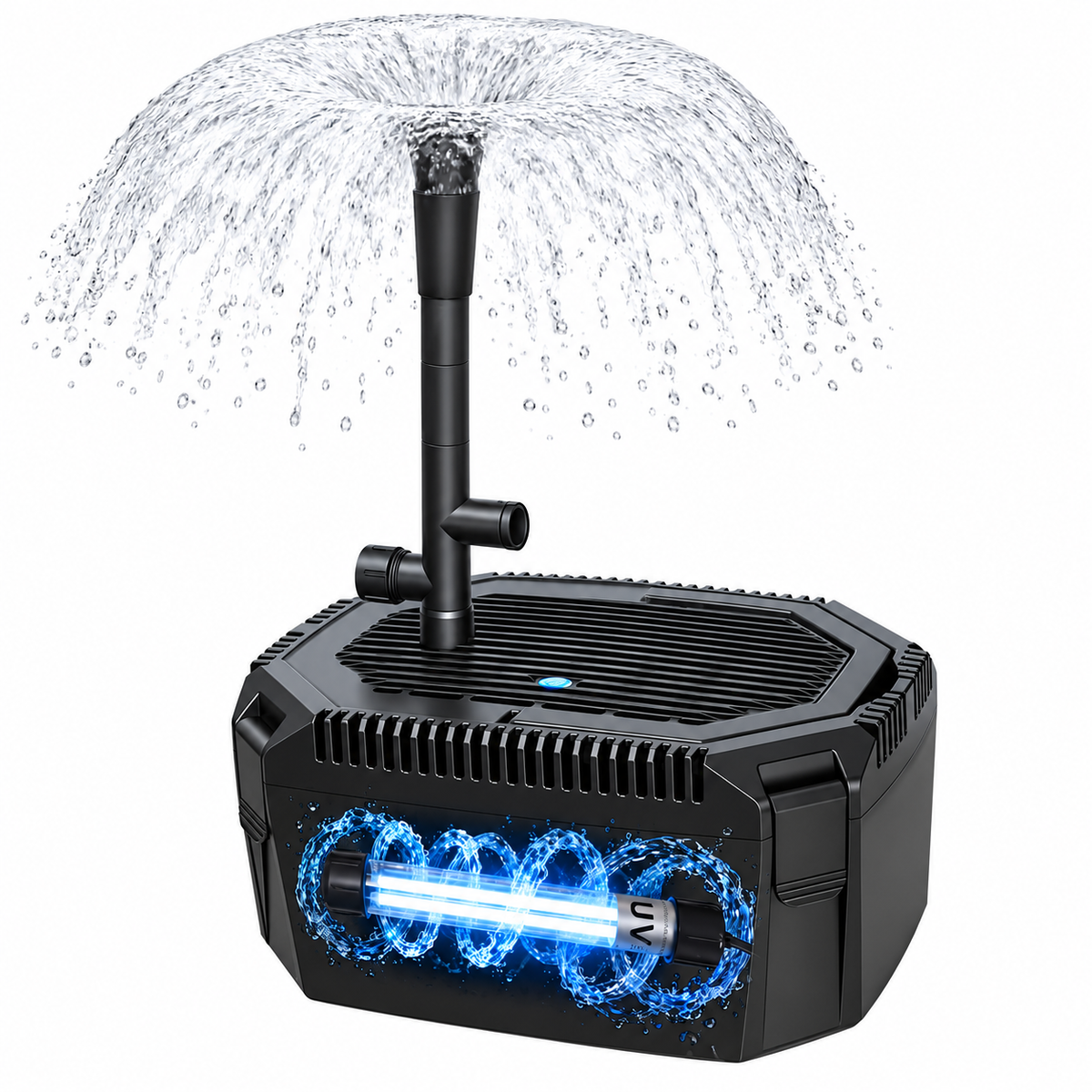
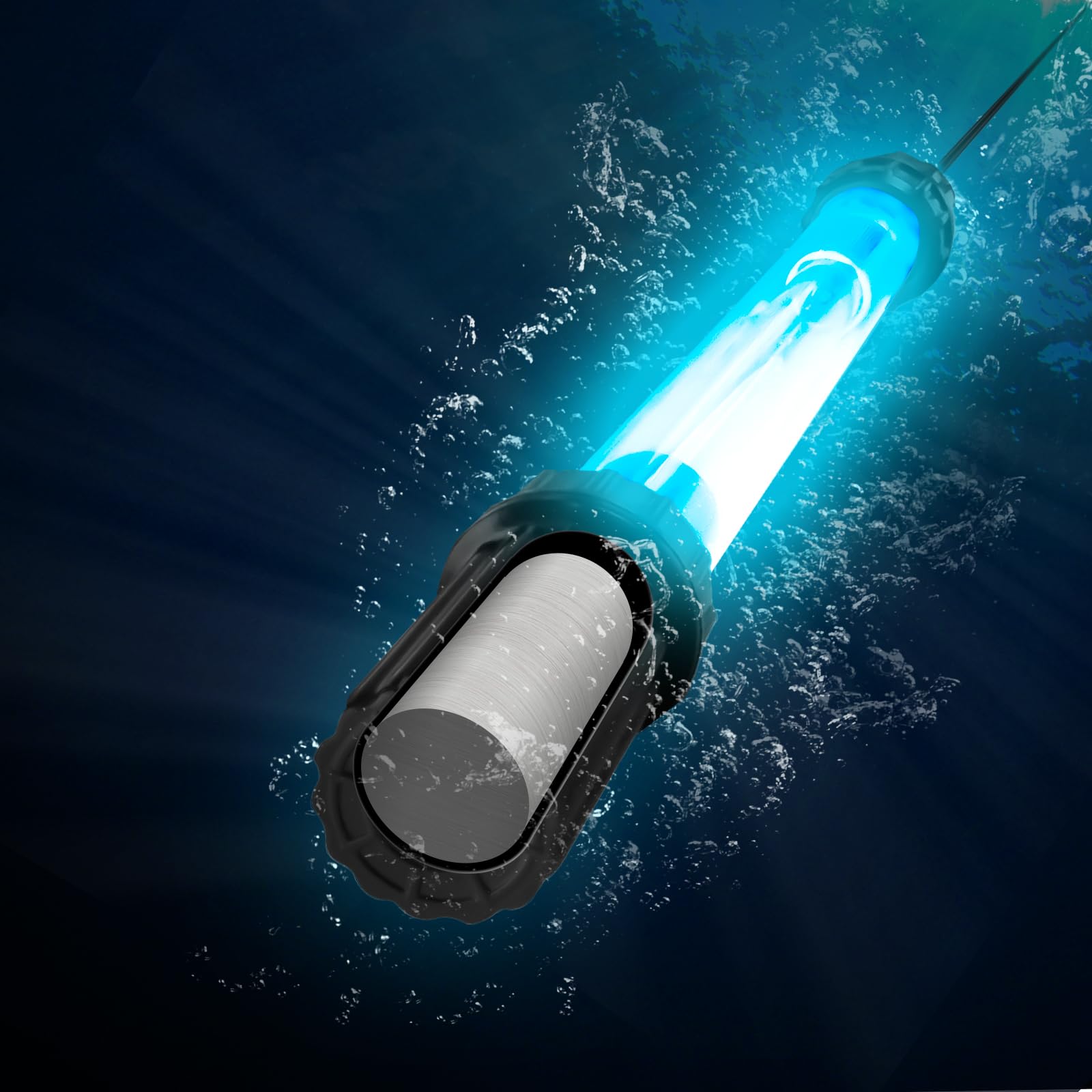
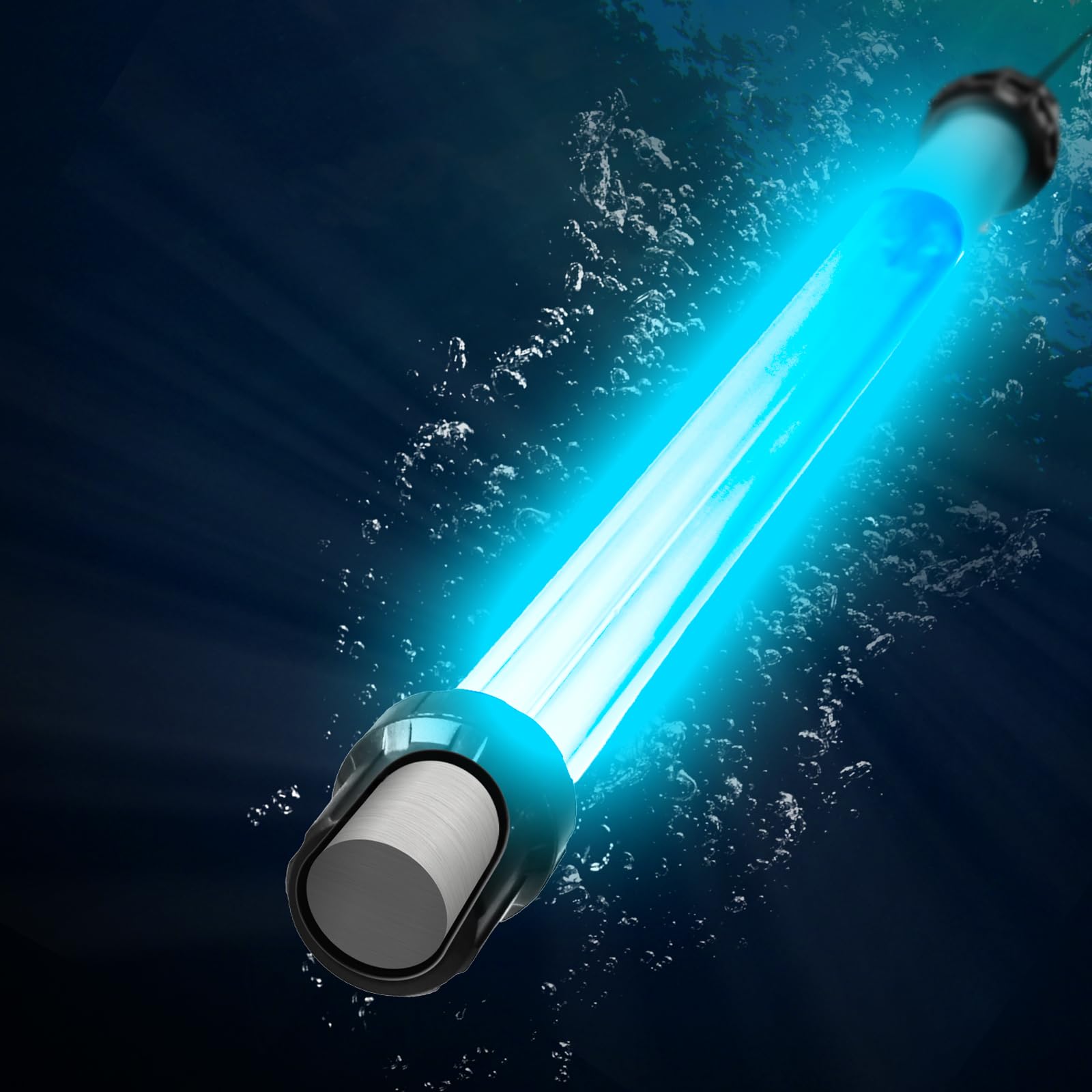
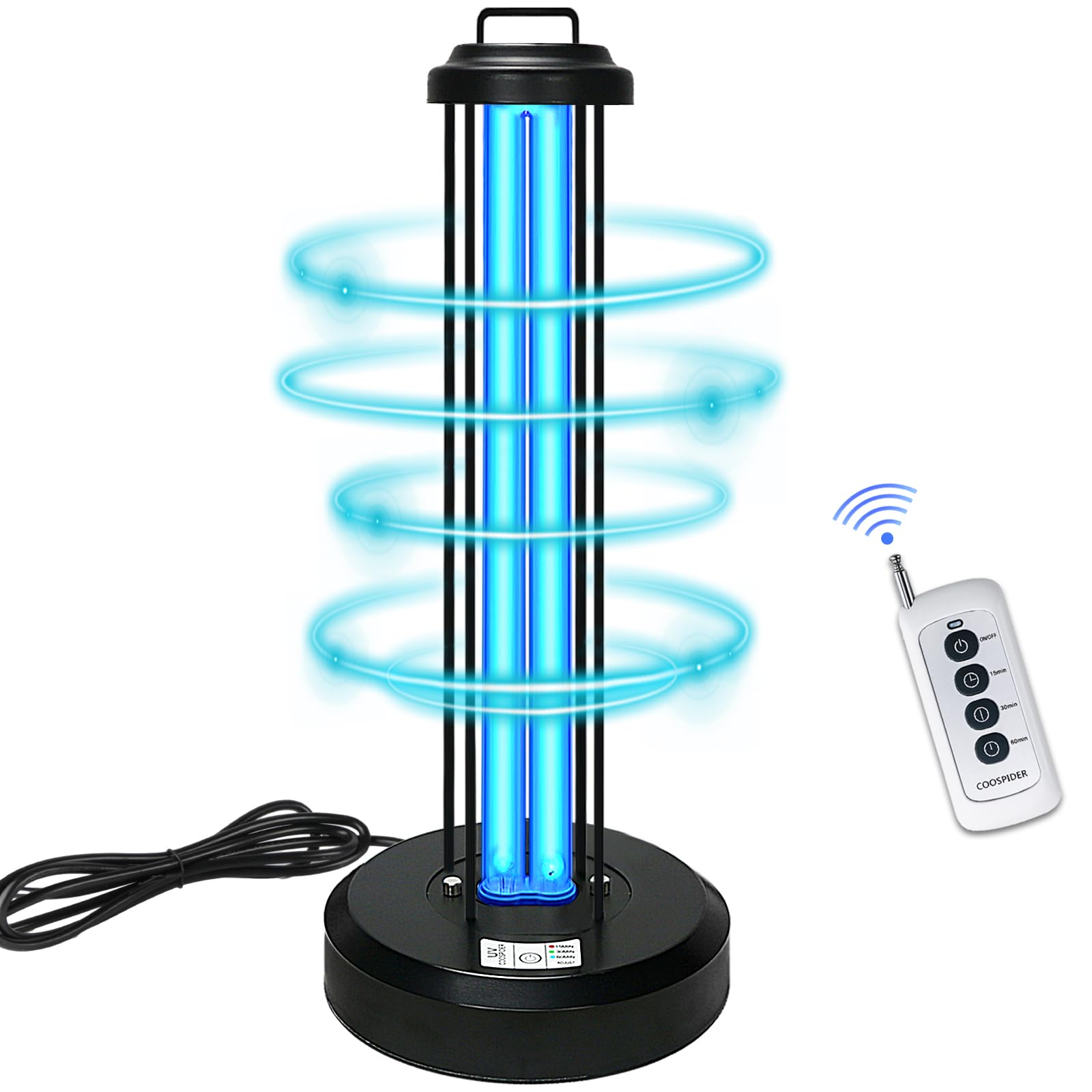
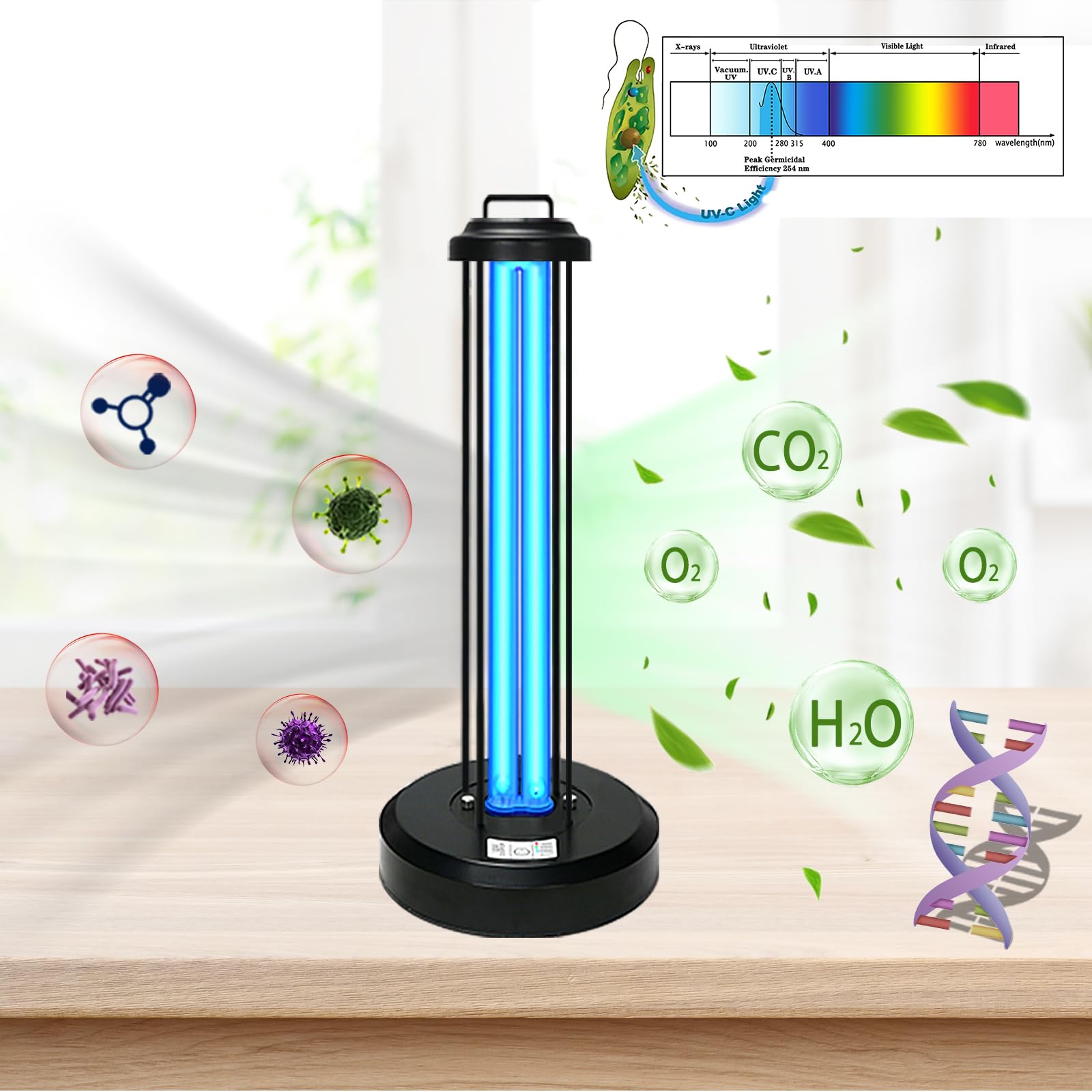
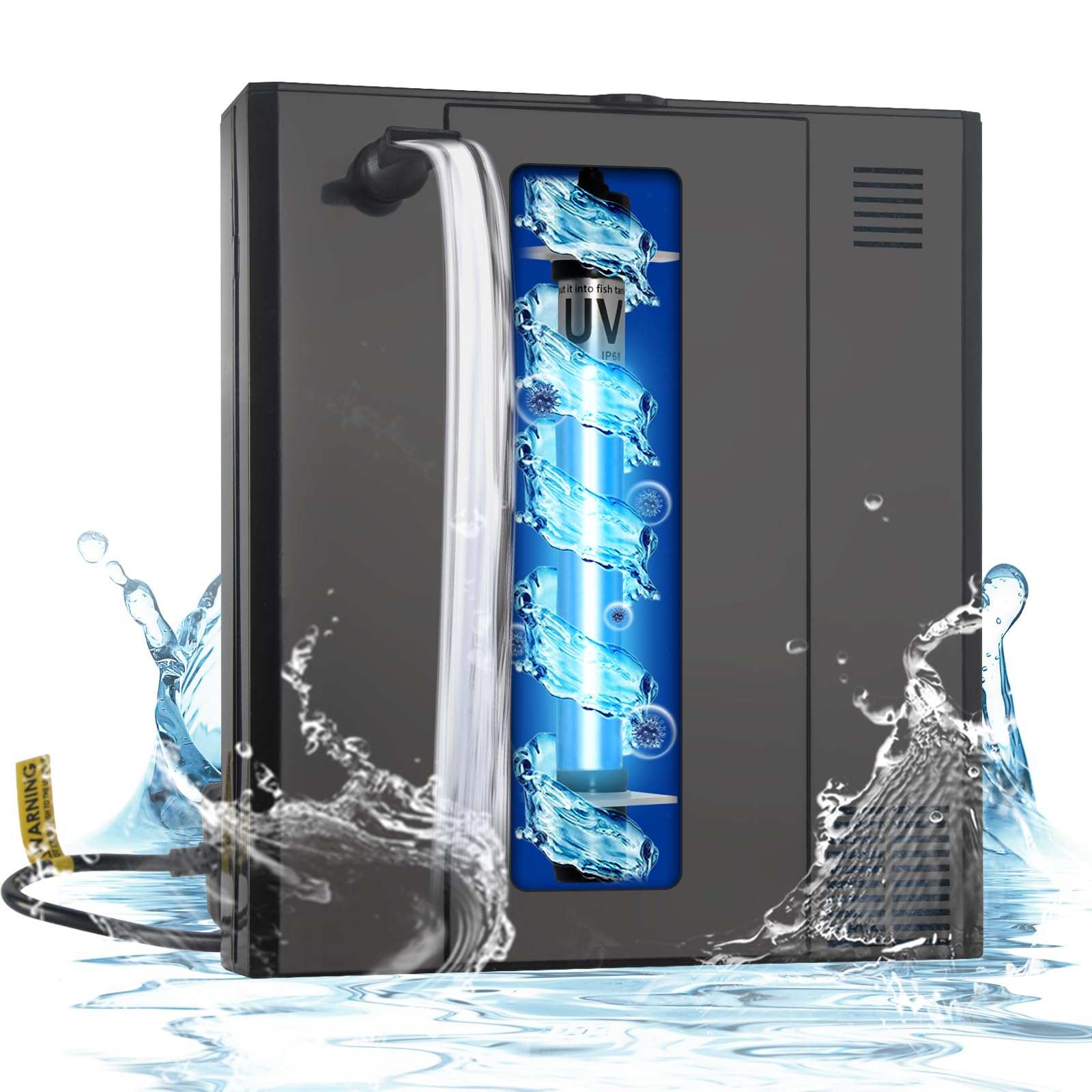
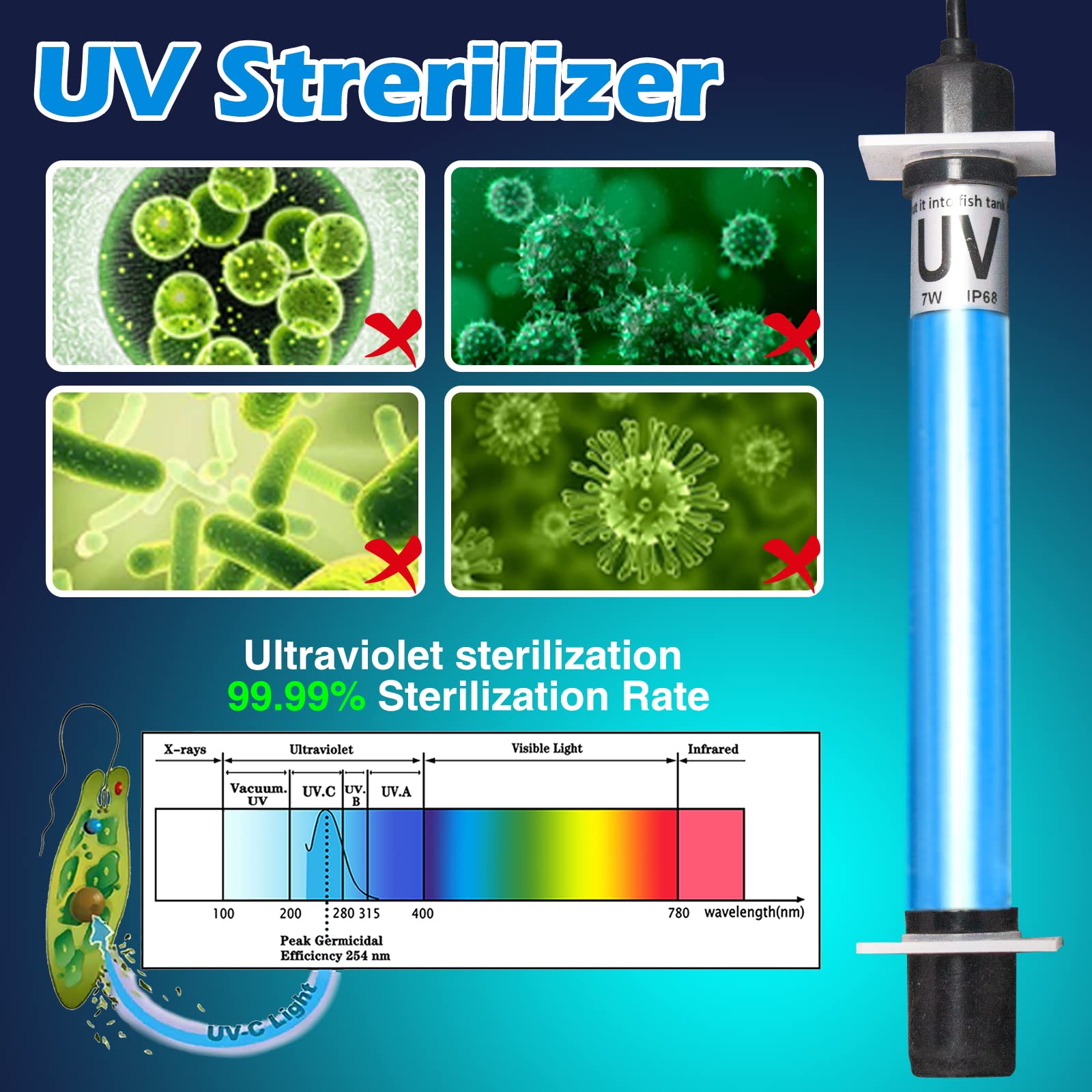
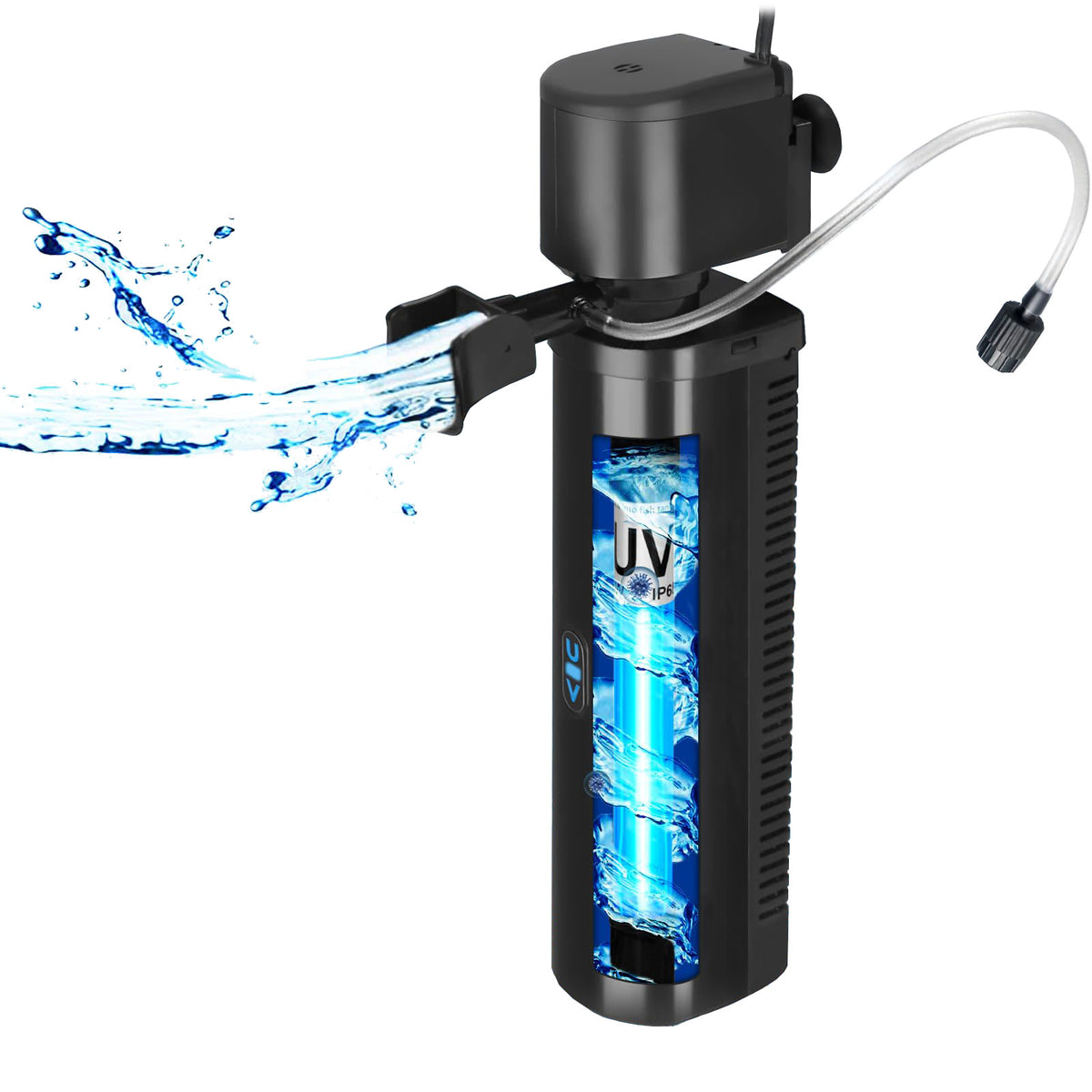
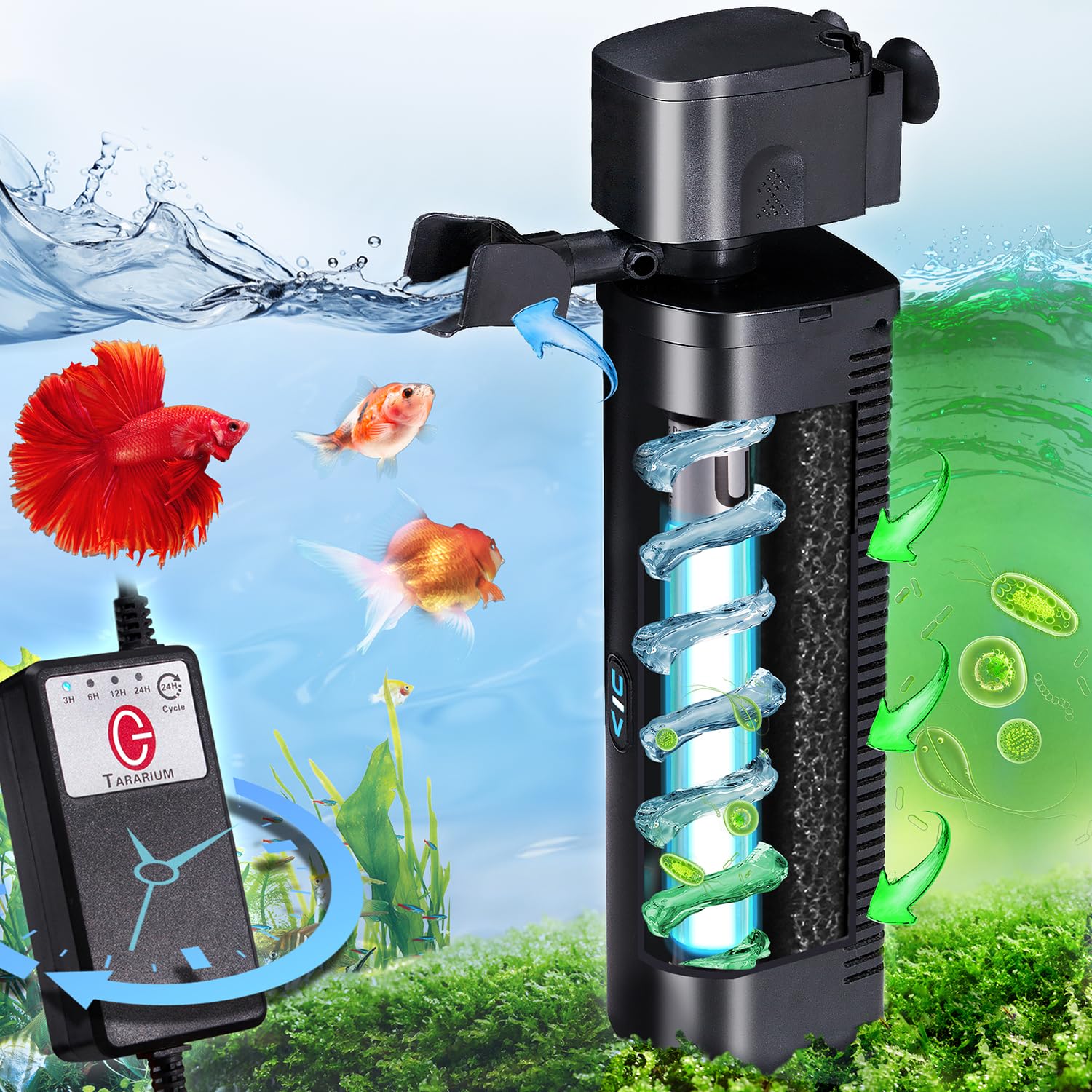
UV water disinfection is a physical treatment process that uses ultraviolet light—specifically UV-C wavelengths (typically around 200–280 nanometers)—to inactivate microorganisms in water.
How It Works
When water flows through a UV reactor:
-
UV lamps emit ultraviolet radiation
-
Microorganisms such as bacteria, viruses, and protozoa pass through the UV field
-
UV energy penetrates their cell walls
-
The DNA or RNA is damaged
-
The microorganisms lose their ability to reproduce and infect
Unlike chemical disinfectants, UV does not “kill” organisms in a traditional sense. Instead, it renders them biologically inactive.
Why UV Disinfection Is Considered a Green Technology
The term “green” in water treatment refers to systems that minimize environmental impact while maintaining high effectiveness. UV disinfection fits this definition in several important ways.
1. No Chemical Residuals
One of the biggest advantages of UV disinfection is that it does not introduce chemicals into the water.
This means:
-
No chlorine residuals required for primary disinfection
-
No chemical storage or transport risks
-
No chemical contamination of ecosystems
Water treated with UV remains chemically unchanged except for microbial inactivation.
2. No Harmful Disinfection Byproducts
Traditional chlorine-based disinfection can produce byproducts such as:
-
Trihalomethanes (THMs)
-
Haloacetic acids (HAAs)
These compounds are regulated due to potential health risks.
UV disinfection avoids this issue entirely because:
-
It does not react chemically with organic matter
-
It does not form secondary compounds
This makes UV a cleaner and safer alternative in terms of long-term environmental impact.
3. Energy Efficiency Compared to Chemical Logistics
While UV systems require electricity, they eliminate the need for:
-
Chemical production
-
Transportation of hazardous materials
-
Storage infrastructure
-
Continuous chemical dosing systems
When evaluated across the full lifecycle, UV systems can significantly reduce the overall environmental footprint of water treatment operations.
4. Reduced Risk of Environmental Contamination
Chemical disinfectants can leak or spill during:
-
Transportation
-
Storage
-
Handling
UV systems eliminate these risks because they operate using light, not consumable chemicals.
5. Compatibility with Sustainable Water Treatment Design
UV systems integrate well with modern sustainable infrastructure, including:
-
Advanced filtration systems
-
Membrane technologies
-
Smart monitoring systems
This makes UV a key component of next-generation “low-impact” water treatment plants.
Where UV Fits in the Municipal Water Treatment Process
UV disinfection is not a standalone solution. Instead, it is typically used as part of a multi-barrier treatment system.
A typical municipal water treatment process includes:
1. Coagulation and Flocculation
Particles are grouped together for easier removal.
2. Sedimentation
Heavier particles settle out of the water.
3. Filtration
Sand, carbon, or membrane filtration removes fine particles.
4. UV Disinfection
UV lamps inactivate microorganisms that remain after filtration.
5. Optional Chlorination (Secondary Disinfection)
Some systems still use low-dose chlorine to maintain safety in distribution networks.
In this structure, UV plays a critical role as a primary or secondary disinfection barrier.
Types of UV Systems Used in Municipal Water Treatment
Municipal UV systems are engineered for high flow rates and continuous operation.
1. Open Channel UV Systems
These systems treat water flowing in open channels.
How They Work:
-
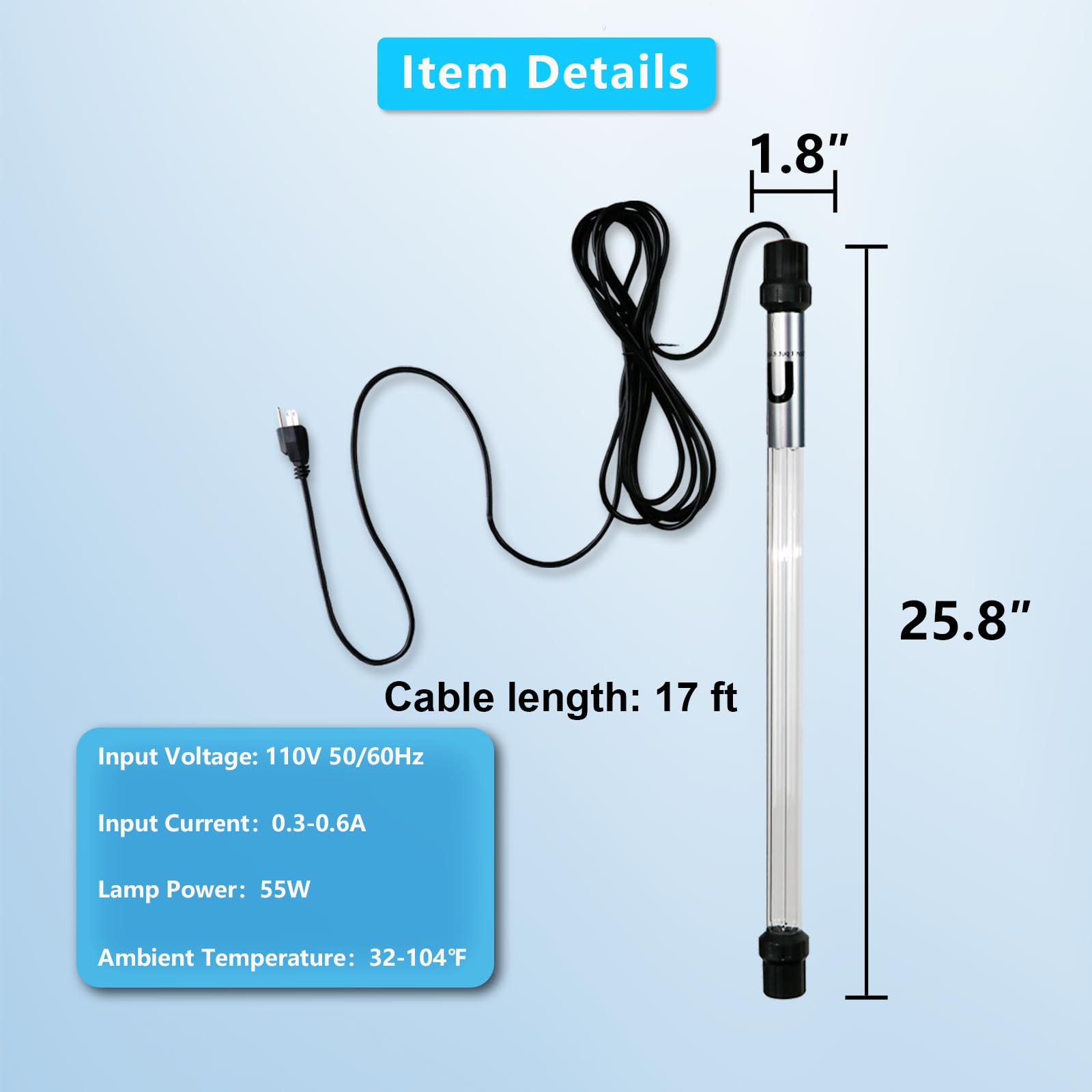
UV lamps are submerged or mounted above water flow
-
Water passes through a controlled UV exposure zone
-
Multiple lamp banks ensure consistent dosing
Advantages:
-
High-capacity treatment
-
Easy integration into existing infrastructure
-
Low pressure drop
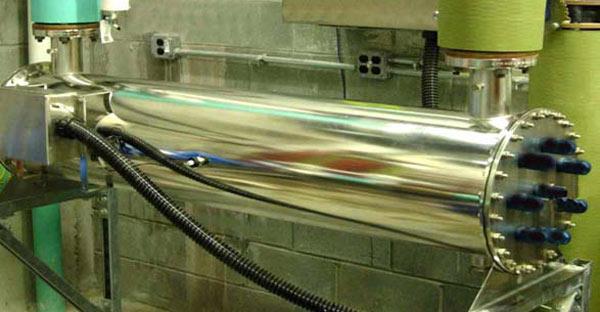
2. Closed Vessel UV Reactors
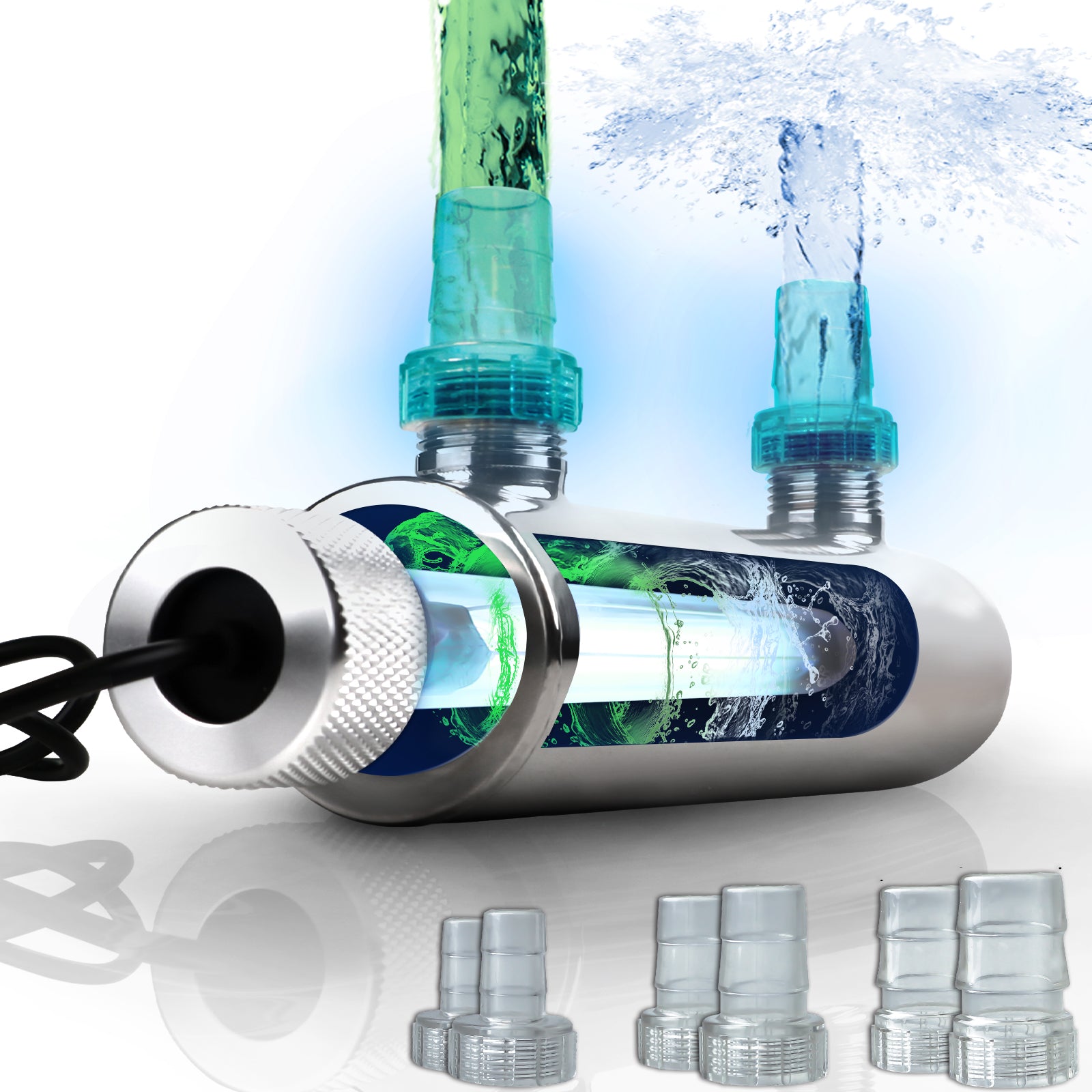
These systems are fully enclosed and pressurized.
How They Work:
-
Water flows through a sealed chamber
-
UV lamps are installed inside quartz sleeves
-
Controlled exposure ensures precise disinfection
Advantages:
-
Compact design
-
High efficiency
-
Better control over UV dosage
3. Advanced UV-LED Systems (Emerging Technology)
UV-LED systems are still developing but offer potential advantages:
-
Instant on/off capability
-
Longer lifespan
-
Lower energy consumption in some applications
-
Mercury-free operation
Effectiveness of UV Disinfection
UV technology is highly effective against a wide range of pathogens.
Highly Susceptible Microorganisms:
-
E. coli
-
Salmonella
-
Legionella
-
Norovirus
-
Giardia
-
Cryptosporidium
Notably, UV is especially valuable because it can inactivate chlorine-resistant organisms like Cryptosporidium, which pose challenges in traditional systems.
Advantages of UV Over Traditional Chlorination
1. Broader Microbial Effectiveness
UV can neutralize organisms that are resistant to chemical disinfectants.
2. Instant Action
UV works immediately upon exposure, with no required contact time after treatment.
3. No Taste or Odor Issues
UV-treated water retains its natural taste profile.
4. Reduced Chemical Dependence
Even when chlorine is used secondarily, UV reduces the required dosage.
Limitations of UV Disinfection
Despite its advantages, UV is not without limitations.
1. No Residual Protection
Unlike chlorine, UV does not leave a disinfectant residual in the water. This means:
-
It cannot protect water after treatment
-
Recontamination risks exist in distribution systems
For this reason, many municipalities still use a hybrid approach.
2. Requires Clear Water
UV effectiveness depends on water clarity:
-
High turbidity reduces UV penetration
-
Suspended particles can shield microorganisms
Pre-filtration is essential for optimal performance.
3. Lamp Maintenance Requirements
UV systems require:
-
Regular lamp replacement
-
Quartz sleeve cleaning
-
Performance monitoring
Lamp aging reduces UV intensity over time.
4. Energy Dependency
UV systems require continuous electricity, making them dependent on stable power supply infrastructure.
The Hybrid Approach: UV + Chlorine
Most modern municipal systems do not rely on UV alone. Instead, they combine technologies:
UV provides:
-
Primary disinfection
-
Reduction of chemical load
Chlorine provides:
-
Residual protection in distribution pipelines
This hybrid model offers:
-
Strong microbial control
-
Reduced chemical usage
-
Improved safety margins
It is currently considered one of the most balanced approaches in large-scale water treatment.
Environmental Benefits of UV Adoption in Cities
Municipal adoption of UV technology contributes to broader environmental goals.
1. Lower Chemical Production Demand
Less chlorine production reduces:
-
Industrial emissions
-
Transportation fuel consumption
-
Hazardous material handling
2. Reduced Carbon Footprint
Although UV uses electricity, modern systems are increasingly powered by:
-
Energy-efficient designs
-
Renewable energy sources
-
Smart load management systems
3. Improved Water Ecosystem Safety
Lower chemical discharge reduces:
-
Aquatic toxicity
-
Ecosystem disruption
-
Long-term environmental accumulation
4. Safer Workplace Conditions
Water treatment facilities reduce exposure risks for operators by minimizing chemical handling.
Real-World Applications of UV in Municipal Systems
UV disinfection is already widely implemented in:
Urban Drinking Water Plants
Large cities use UV as part of final disinfection stages.
Wastewater Treatment Facilities
UV is used to disinfect treated wastewater before discharge or reuse.
Industrial Water Systems
Industries use UV to ensure process water quality.
Emergency Water Treatment Units
Mobile UV systems are deployed during disasters or infrastructure failures.
The Future of UV in Water Treatment
UV technology continues to evolve rapidly.
1. UV-LED Revolution
Next-generation systems may replace mercury lamps entirely, offering:
-
Lower energy consumption
-
Longer lifespan
-
Reduced maintenance
2. Smart Monitoring Systems
Future UV reactors will include:
-
Real-time dose monitoring
-
AI-based performance optimization
-
Predictive maintenance alerts
3. Integration with Digital Water Networks
UV systems will increasingly connect with:
-
SCADA systems
-
Smart city infrastructure
-
Cloud-based water analytics platforms
4. Decentralized Water Treatment
Smaller UV systems may enable:
-
Localized water treatment
-
Community-level purification
-
Reduced reliance on centralized plants
When UV Is the Best Choice
UV disinfection is particularly effective when:
-
High microbial safety is required
-
Chemical reduction is a priority
-
Water clarity is already well-controlled
-
Hybrid systems are feasible
Final Conclusion: UV as a Cornerstone of Sustainable Water Treatment
UV disinfection technology represents a major step forward in municipal water treatment. It is not a replacement for all traditional methods, but it is a powerful complement that enhances safety while reducing environmental impact.
By eliminating the need for large chemical inputs, avoiding harmful byproducts, and integrating seamlessly into modern treatment systems, UV lamps have become a key driver of greener water infrastructure.
The future of municipal water treatment is not about choosing between chemical or physical disinfection—it is about building intelligent, multi-layer systems where UV plays a central role in delivering safe, clean, and sustainable water for growing urban populations.
In that future, UV disinfection is not just an upgrade—it is a foundation.