Indoor air quality has become a major concern for homeowners in recent years. From allergens and dust to viruses, bacteria, and volatile organic compounds (VOCs), the air inside modern homes can often be more polluted than outdoor air.
As awareness grows, so does interest in advanced air purification technologies. One solution that has gained attention is the UV-C germicidal lamp, a technology originally used in hospitals and laboratories.
But does it actually make sense for residential use? Is it safe? And most importantly—do you really need one in your home?
This article takes a deep, practical look at UV-C air purification, how it works, its benefits and risks, and whether it belongs in a modern home air quality strategy.
Understanding Indoor Air Pollution in Modern Homes
Before evaluating any technology, it’s important to understand the problem it aims to solve.
Common Indoor Air Contaminants
Modern homes contain a wide range of airborne pollutants:
-
Dust and dust mites
-
Pet dander
-
Pollen and seasonal allergens
-
Mold spores
-
Bacteria and viruses
-
Smoke particles
-
Cooking fumes
-
VOCs from furniture, paint, and cleaning products
Even in clean-looking environments, microscopic pollutants continuously circulate through HVAC systems and natural air movement.
Why Indoor Air Quality Is Getting Worse
Several modern lifestyle and construction trends contribute to worsening indoor air:
1. Tighter Building Seals
Energy-efficient homes reduce ventilation, trapping pollutants inside.
2. Synthetic Materials
Furniture, flooring, and paints often release VOCs over time.
3. Increased Indoor Time
People spend up to 90% of their time indoors, increasing exposure.
4. HVAC Recirculation
Air conditioning systems often recirculate contaminants without fully removing them.
What Is a UV-C Germicidal Lamp?
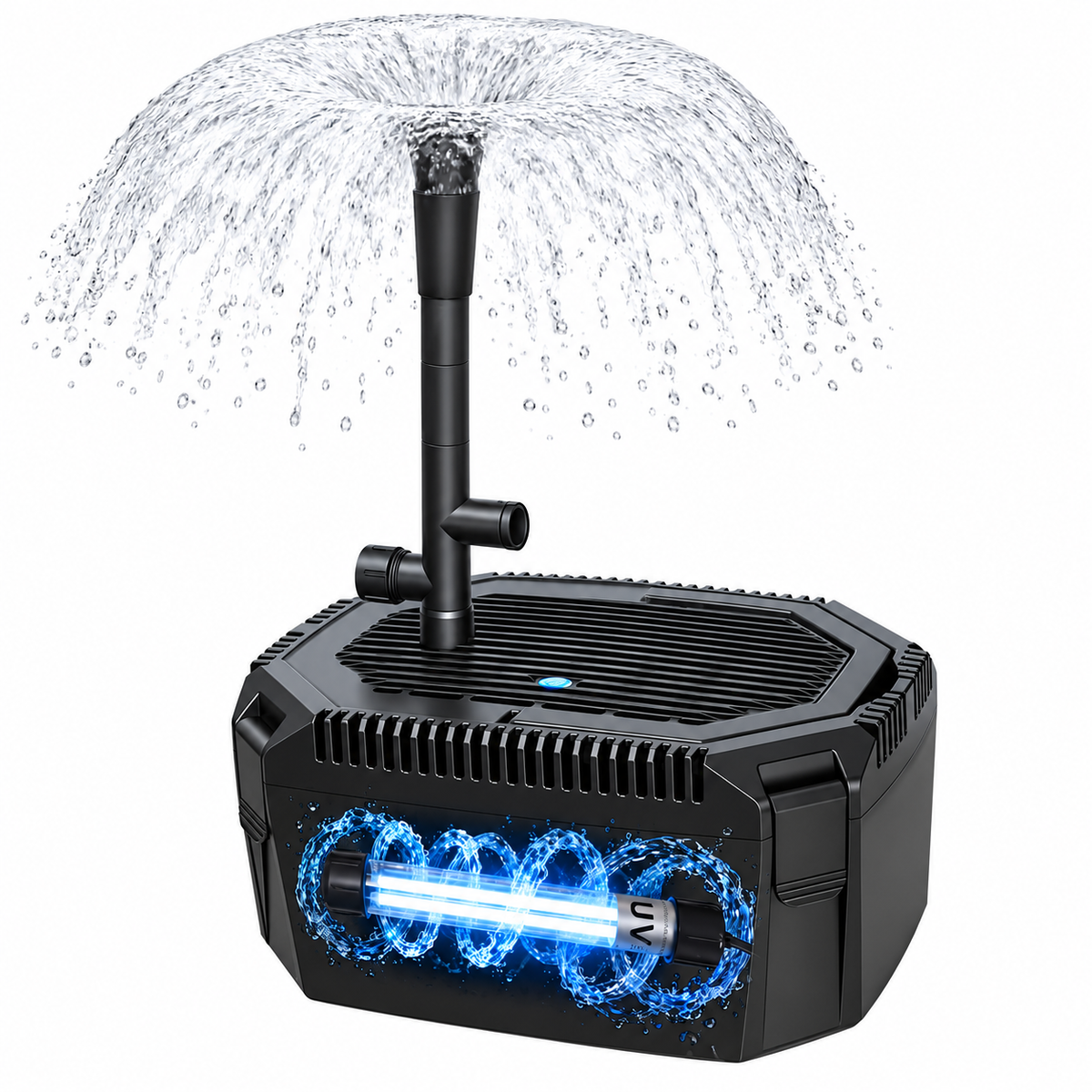
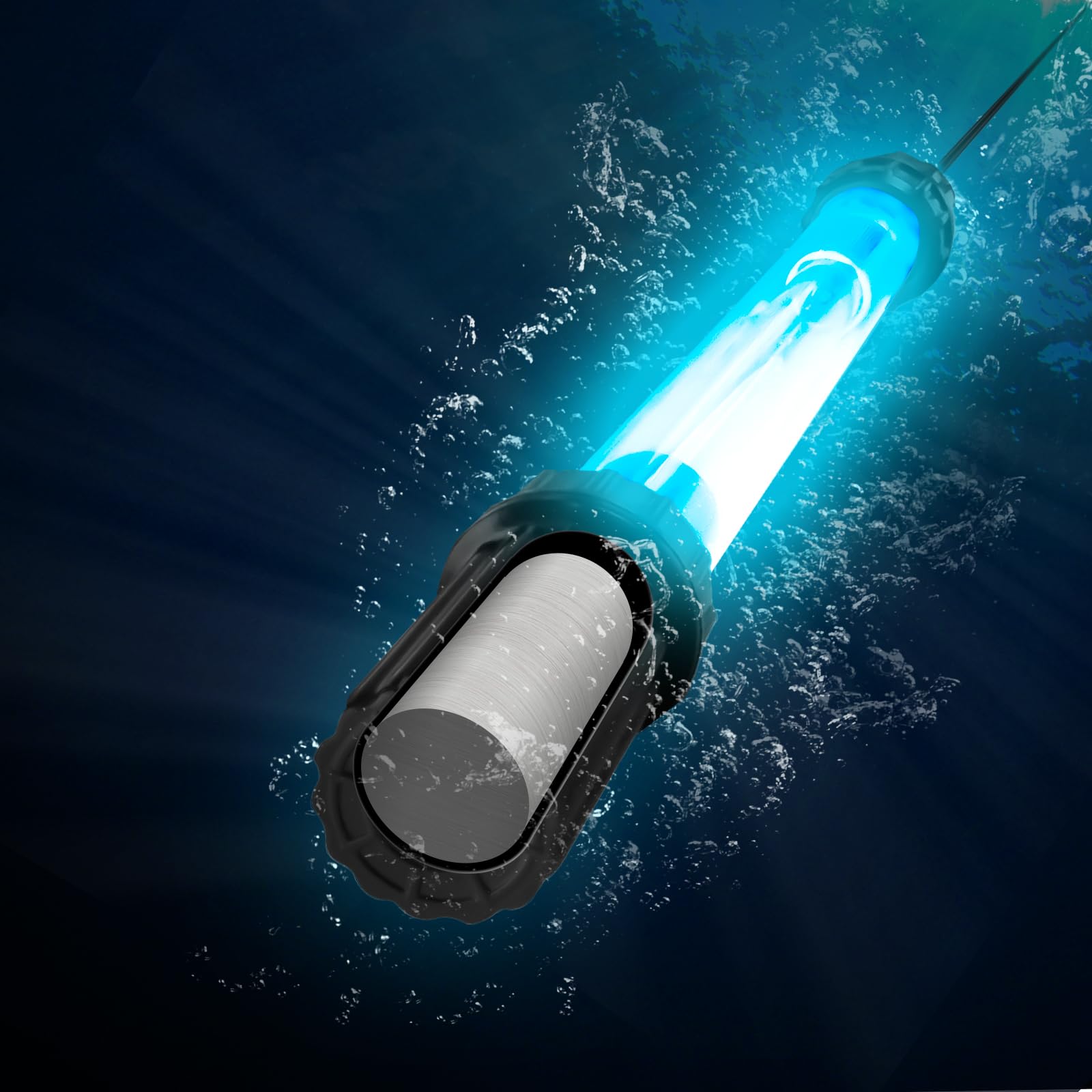
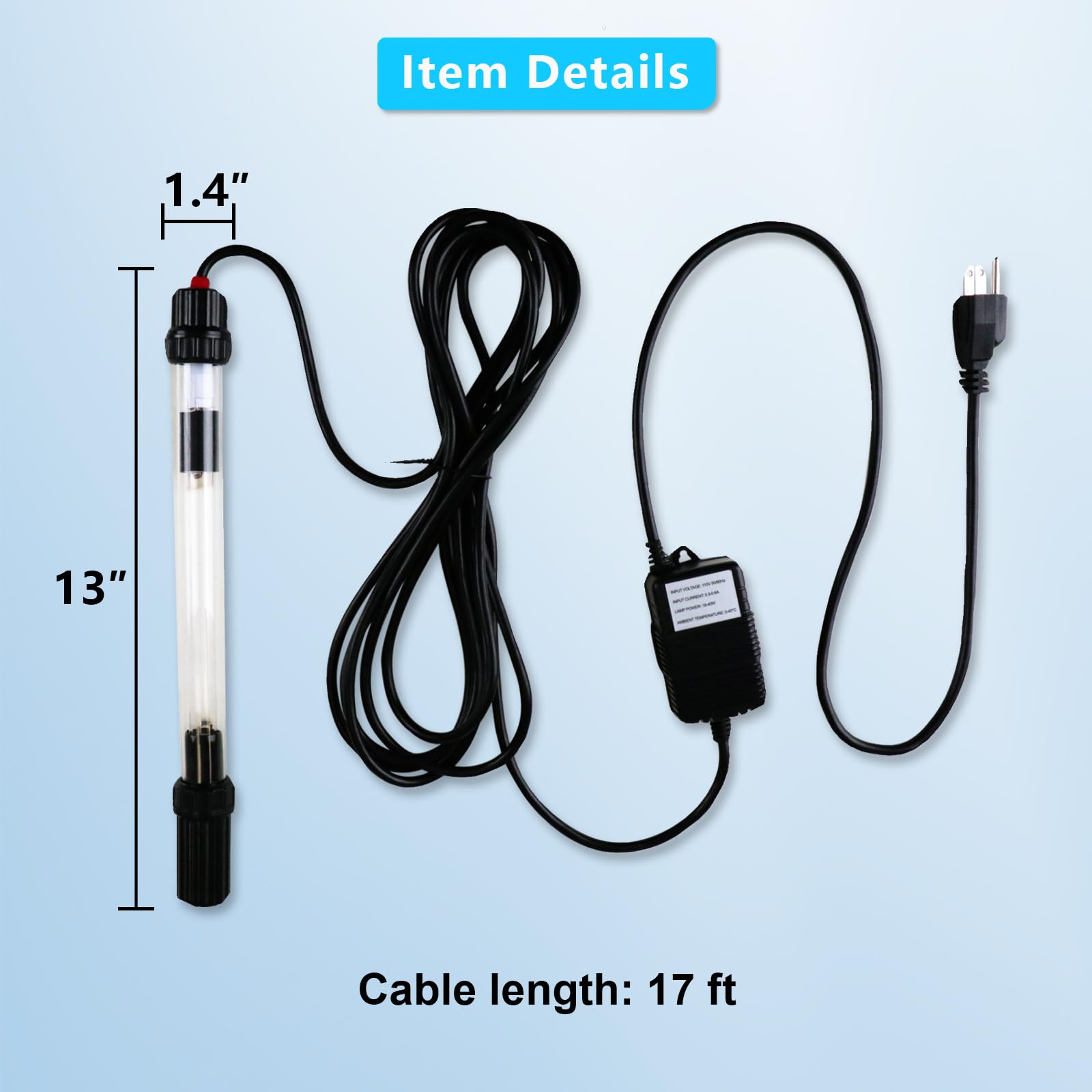
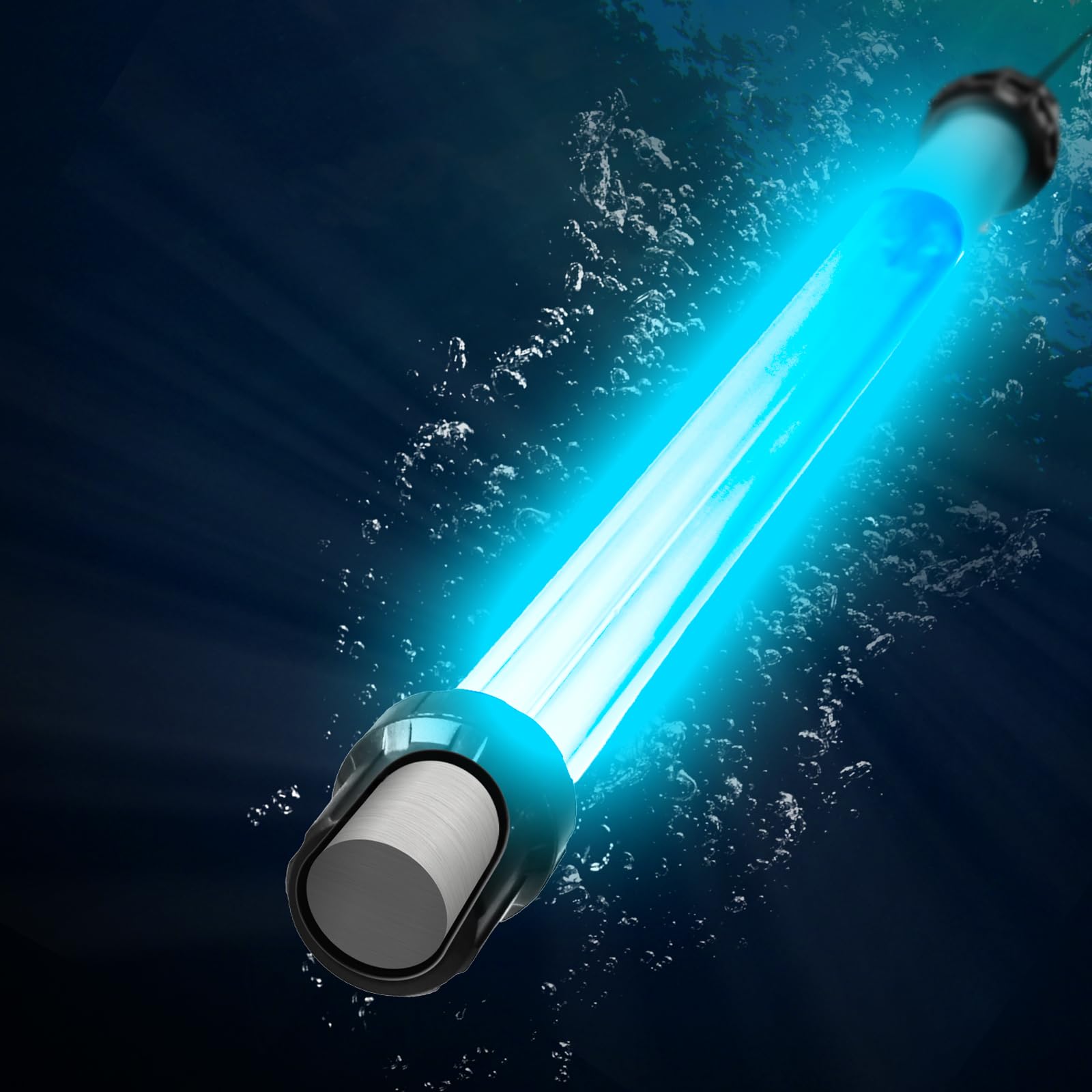
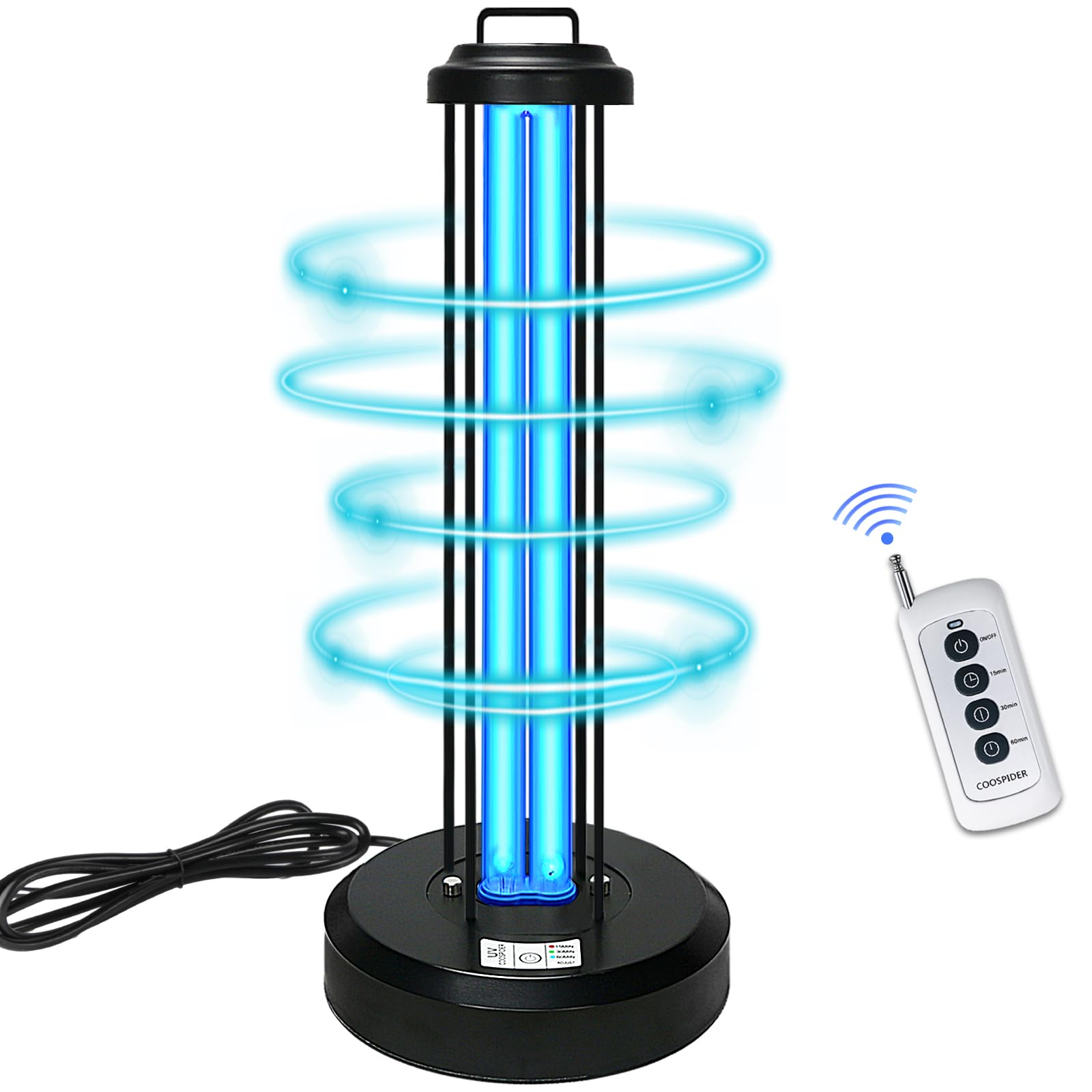
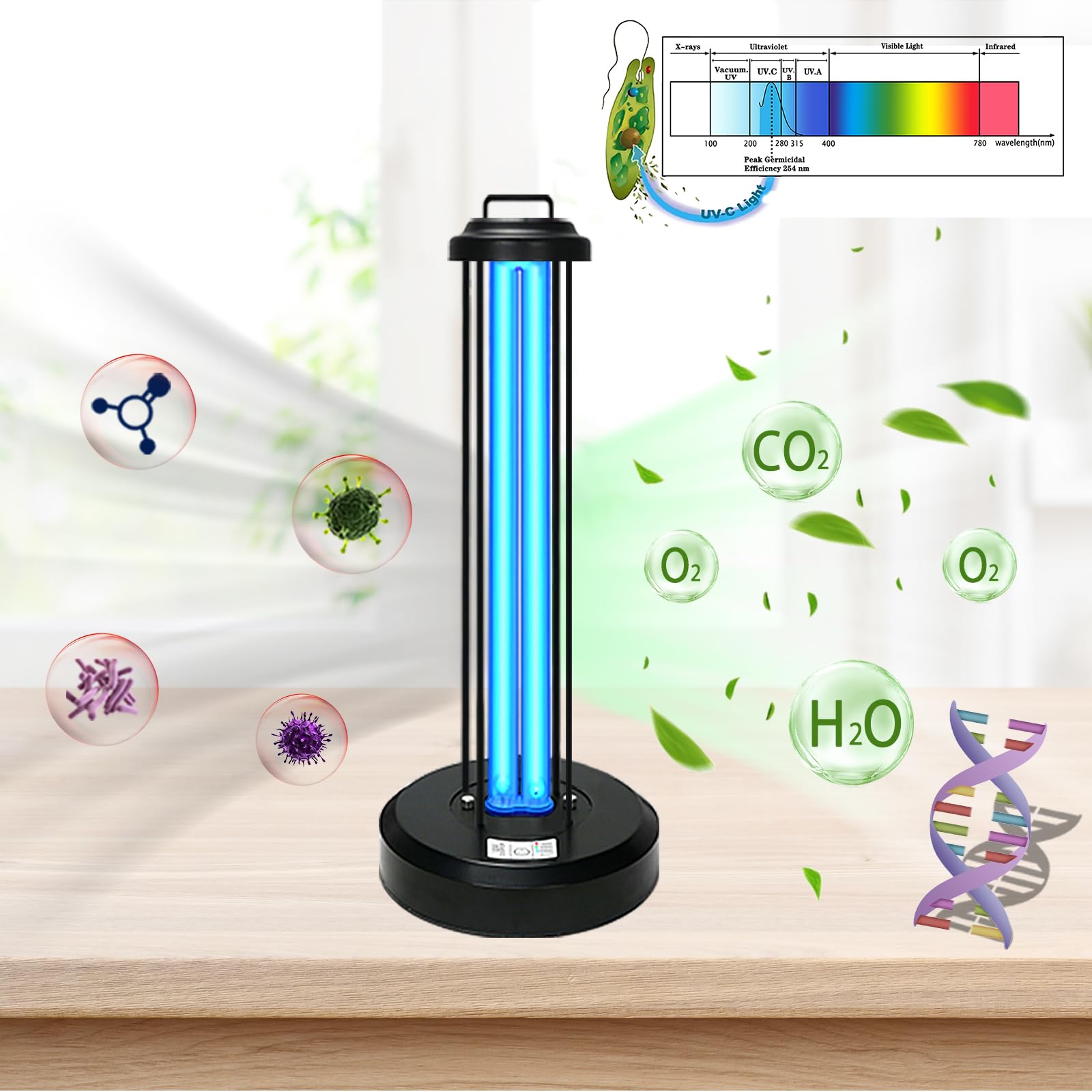
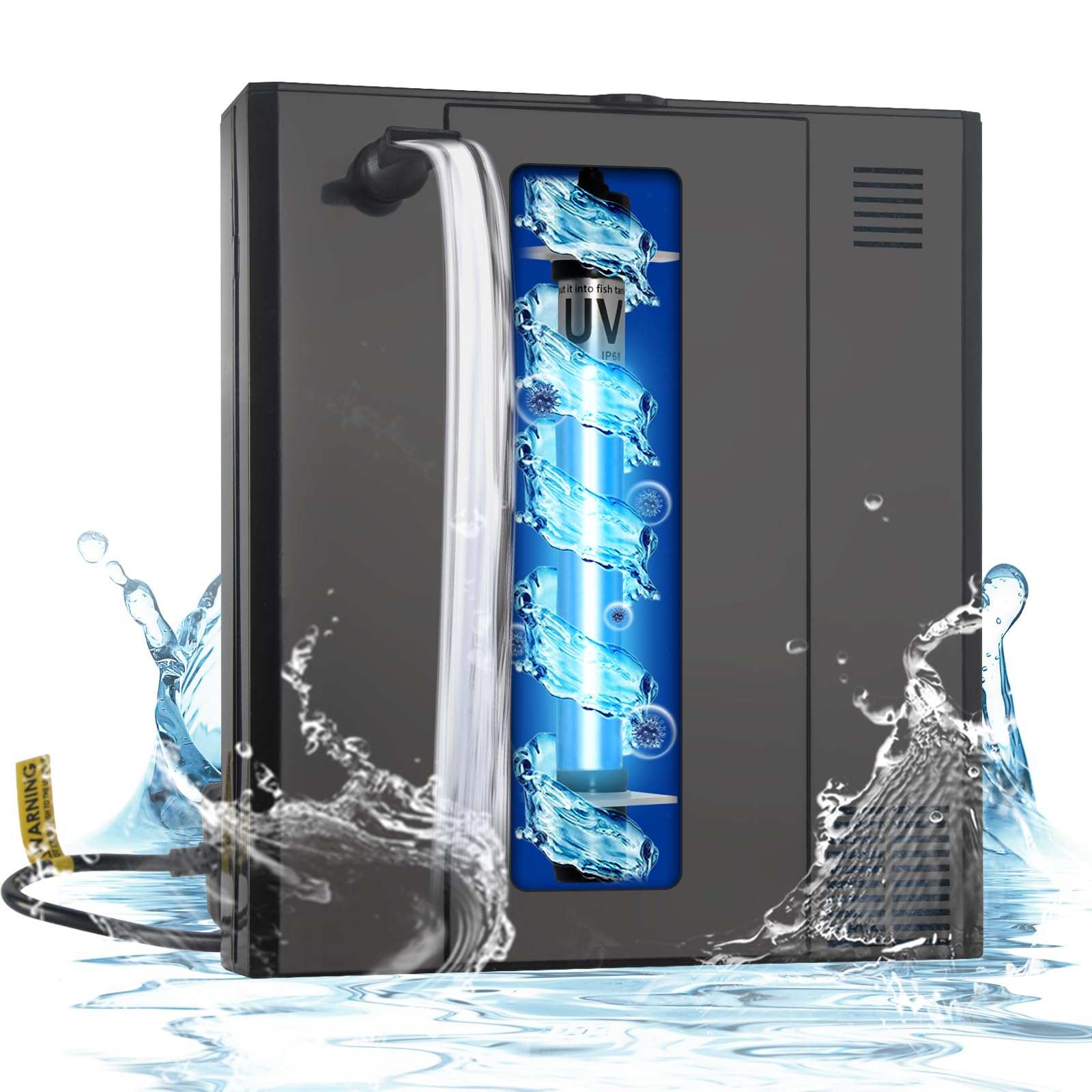
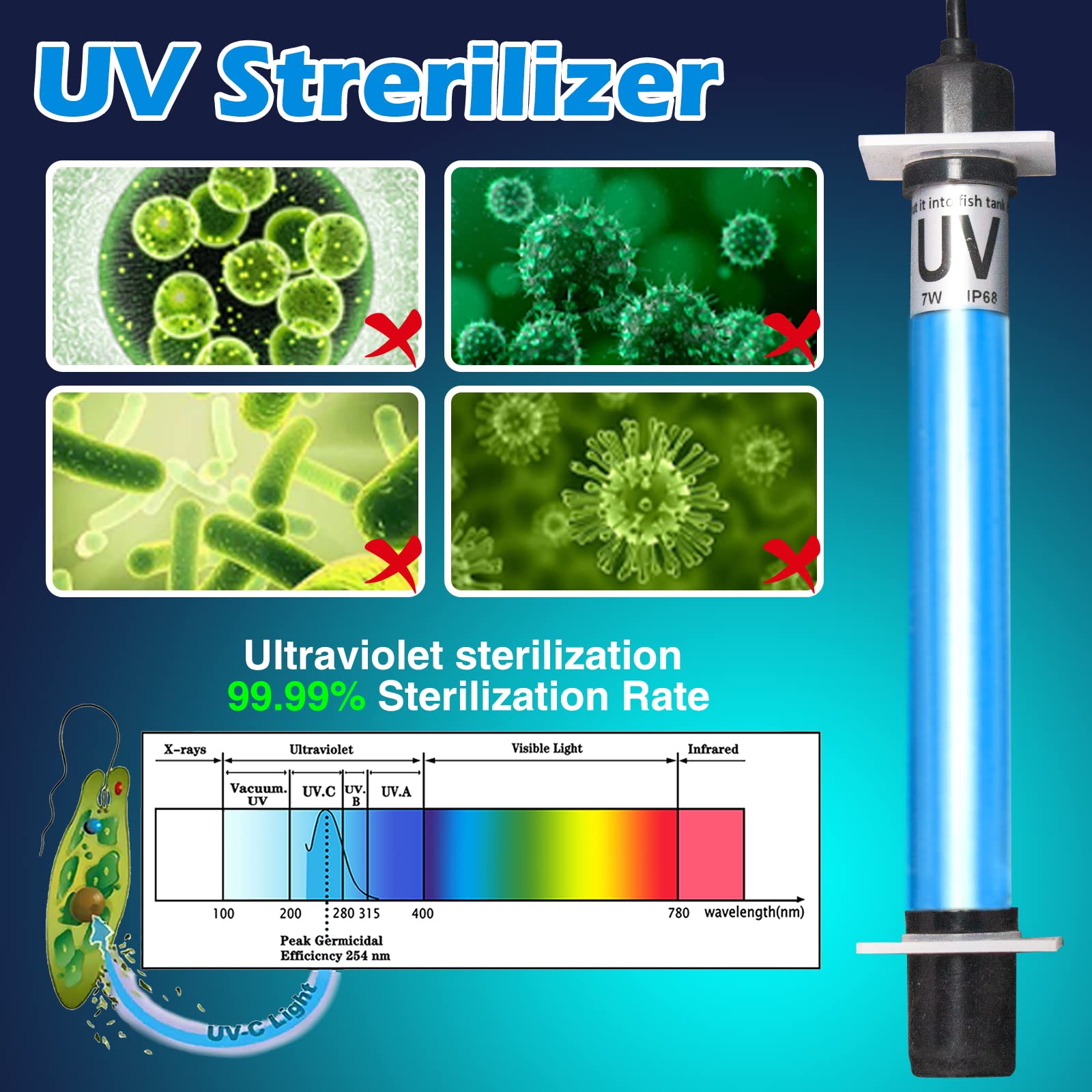
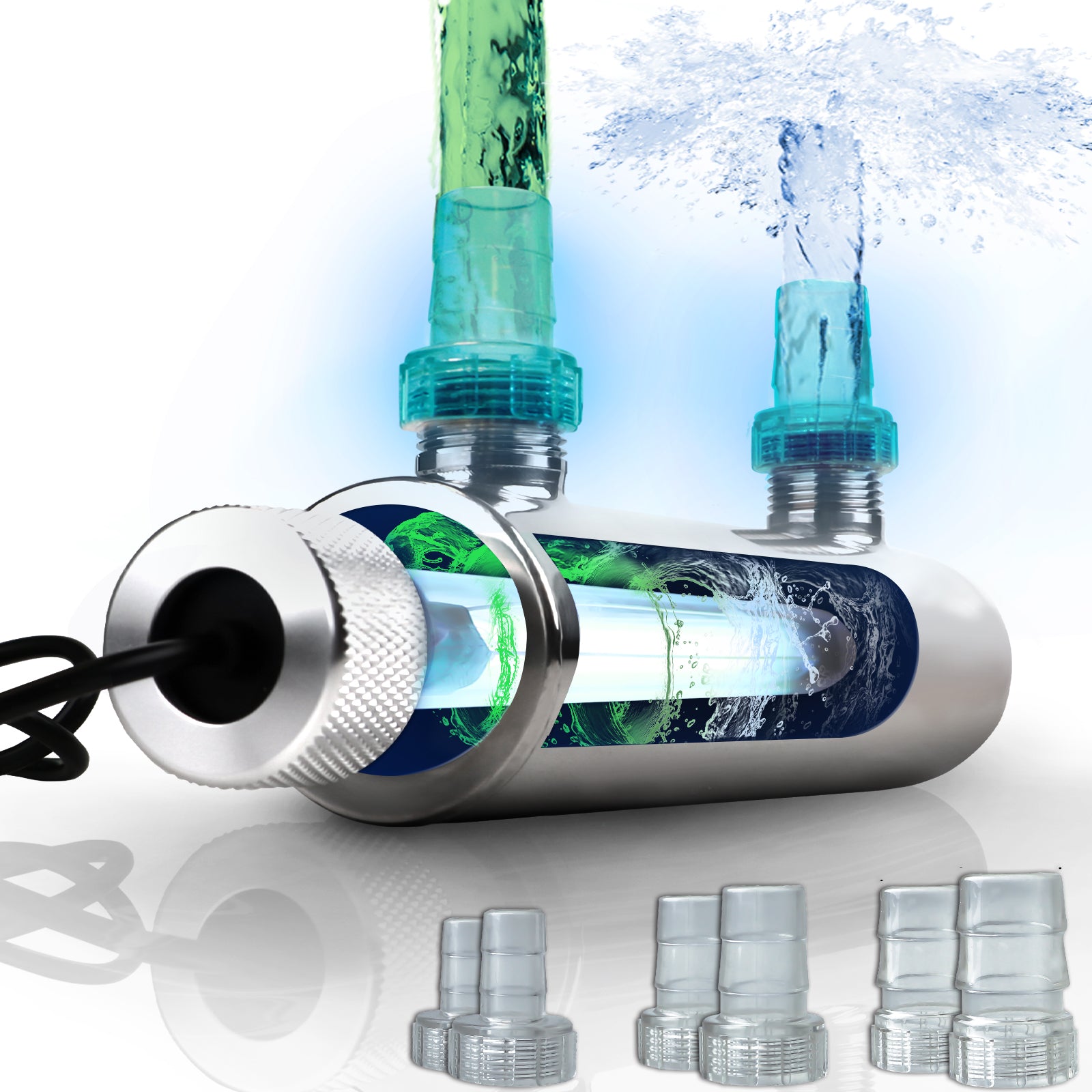
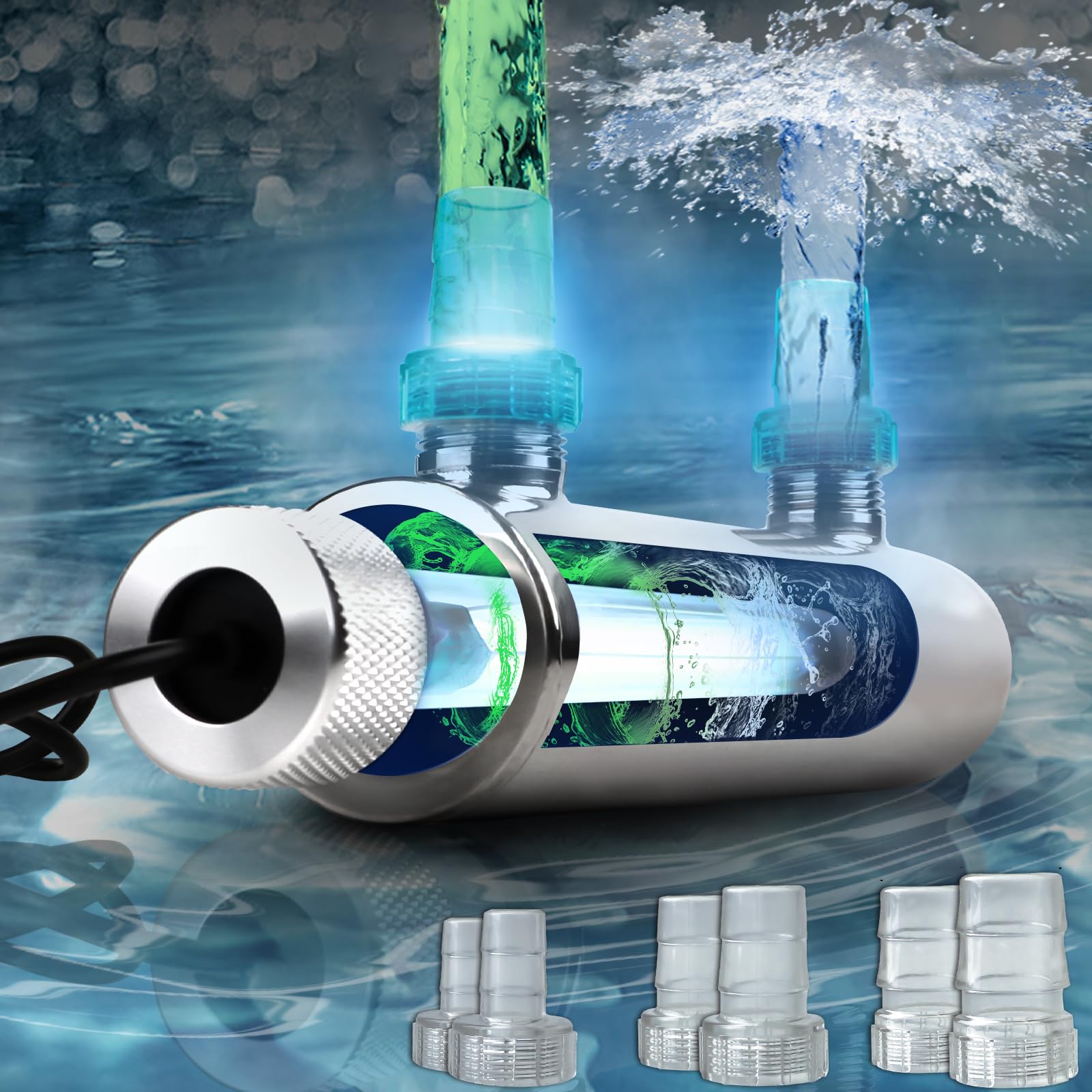
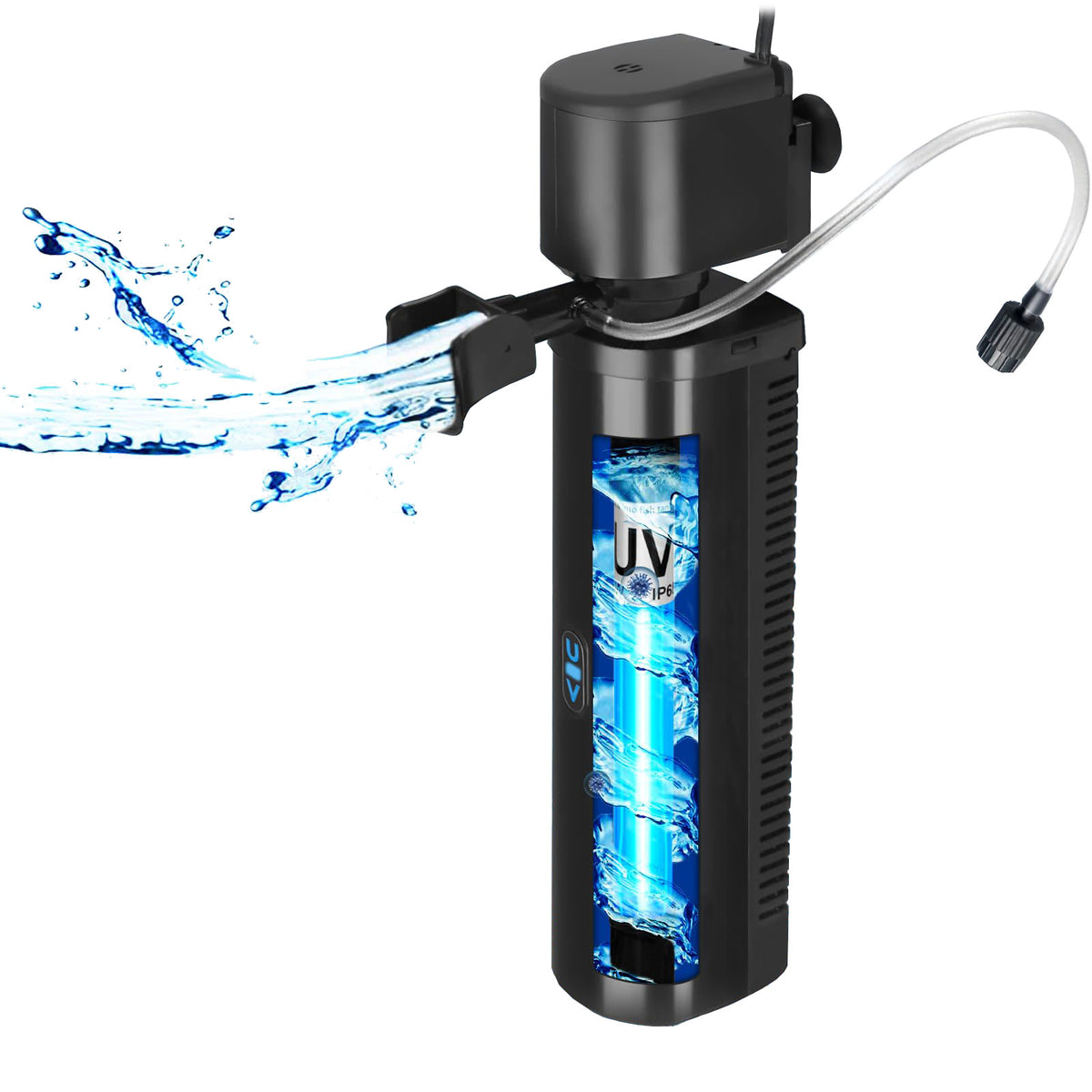
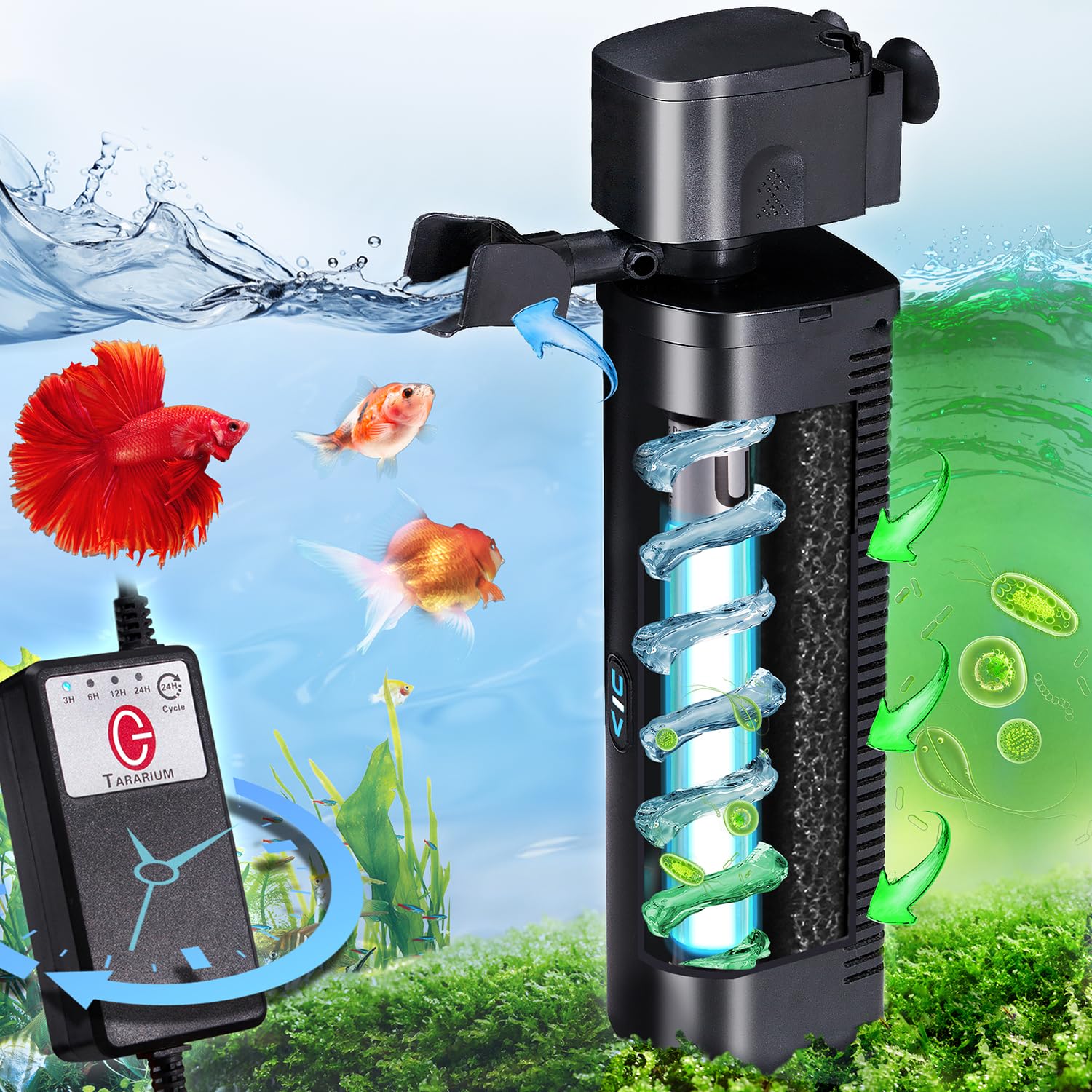
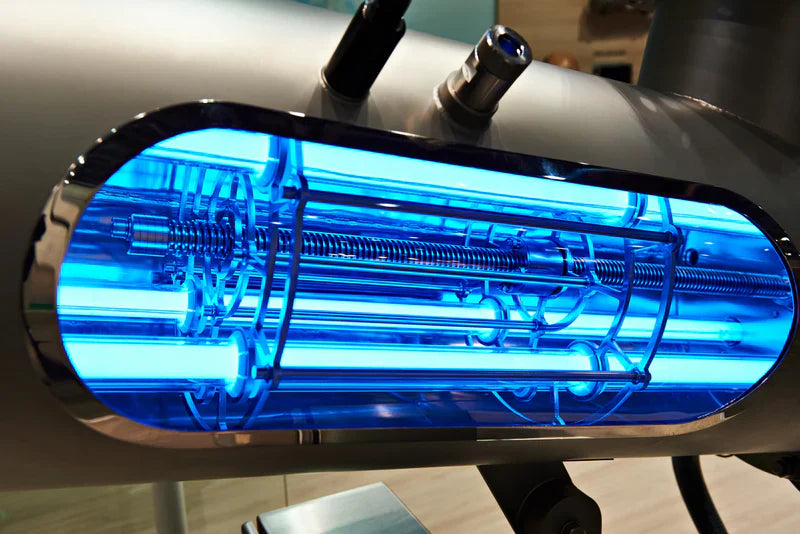
A UV-C germicidal lamp is a device that emits ultraviolet light in the UV-C spectrum (typically around 200–280 nanometers). This wavelength is powerful enough to damage the DNA or RNA of microorganisms.
How It Works
When microorganisms such as:
-
Bacteria
-
Viruses
-
Mold spores
are exposed to UV-C light, their genetic material becomes disrupted, preventing them from reproducing or functioning.
In simple terms:
UV-C light does not clean air like a filter—it disinfects it.
Where UV-C Technology Comes From
UV-C disinfection is not new. It has been used for decades in:
-
Hospitals
-
Water treatment plants
-
Laboratories
-
Pharmaceutical production facilities
Its adoption in residential environments, however, is relatively recent and still evolving.
Types of UV-C Air Purification Systems for Homes
Not all UV-C systems are the same. In residential settings, they typically fall into three categories.
1. In-Duct UV-C Systems (HVAC Integrated)
These are installed inside HVAC systems.
How They Work:
-
UV-C lamps are placed near coils or air ducts
-
Air passes through the HVAC system
-
Microorganisms are exposed to UV-C light during circulation
Advantages:
-
Continuous disinfection
-
Hidden and non-intrusive
-
Low maintenance after installation
Limitations:
-
Only treats air passing through HVAC
-
Requires professional installation
-
Upfront cost is relatively high
2. Standalone UV-C Air Purifiers
These are portable units that combine filtration and UV-C light.
Typical Features:
-
HEPA filters
-
UV-C chamber
-
Fans for air circulation
Advantages:
-
Easy to move between rooms
-
No HVAC dependency
-
Combined filtration + disinfection
Limitations:
-
Limited coverage area
-
Requires filter replacement
-
Effectiveness depends on airflow design
3. Upper-Air UV-C Systems
These systems disinfect air in the upper portion of a room.
How They Work:
-
UV-C light is projected above human head level
-
Air naturally circulates through the treated zone
-
Designed for occupied spaces with safety shielding
Advantages:
-
Can operate while people are present
-
Continuous disinfection in shared spaces
-
Used in clinics and schools
Limitations:
-
Requires proper installation height and shielding
-
Effectiveness depends on air movement patterns
Benefits of UV-C Air Purification
UV-C technology offers several compelling advantages when used correctly.
1. Effective Microorganism Inactivation
UV-C light is highly effective at neutralizing:
-
Influenza viruses
-
Coronaviruses (in controlled environments)
-
Common bacteria
-
Mold spores
Unlike filters, which trap particles, UV-C actually damages microbial genetic material.
2. Chemical-Free Disinfection
UV-C systems:
-
Do not produce chemical byproducts
-
Do not require consumables like disinfectants
-
Avoid adding fragrances or ozone (in proper designs)
This makes them attractive for households sensitive to chemicals.
3. Continuous Operation Capability
Many systems can run:
-
24/7 in HVAC systems
-
During occupancy (with safe designs)
-
Without interrupting airflow
This supports ongoing air sanitation rather than periodic cleaning.
4. Reduced Biofilm Growth in HVAC Systems
UV-C installed near cooling coils can reduce:
-
Mold growth
-
Biofilm formation
-
Odor buildup
This also improves HVAC efficiency over time.
5. Complementary Technology
UV-C is not a replacement for filtration but a complement to:
-
HEPA filters
-
Activated carbon filters
-
Ventilation systems
Together, they form a layered air quality strategy.
Limitations and Concerns
Despite its benefits, UV-C is not a universal solution.
1. No Particle Removal
UV-C does not remove:
-
Dust
-
Smoke
-
Allergens
-
VOCs
It only inactivates microorganisms.
This means filtration is still essential.
2. Line-of-Sight Requirement
UV-C light only works when:
-
Microorganisms are exposed directly
-
Exposure time is sufficient
Particles shielded by dust or shadows may not be fully treated.
3. Safety Risks of Direct Exposure
UV-C radiation can be harmful to:
-
Skin (causing burns)
-
Eyes (causing injury)
This is why residential systems must be properly enclosed or shielded.
4. Maintenance Requirements
UV-C effectiveness declines over time due to:
-
Lamp aging
-
Dust accumulation on bulbs
Regular maintenance is necessary for consistent performance.
5. Varying Real-World Effectiveness
Lab conditions differ from real homes:
-
Airflow is inconsistent
-
Contaminant density fluctuates
-
Room geometry affects exposure
This means performance can vary significantly.
UV-C vs Other Air Purification Technologies
To understand UV-C’s role, it helps to compare it with other systems.
HEPA Filters
Strengths:
-
Captures particles as small as 0.3 microns
-
Highly effective for dust, pollen, and allergens
Weaknesses:
-
Does not kill microorganisms
-
Requires regular replacement
Activated Carbon Filters
Strengths:
-
Removes odors and VOCs
-
Improves smell and chemical air quality
Weaknesses:
-
Limited effect on particles or microbes
Ionizers
Strengths:
-
Can reduce airborne particles
Weaknesses:
-
May produce ozone in some models
-
Less effective against pathogens compared to UV-C + HEPA
UV-C Systems
Strengths:
-
Kills or inactivates microorganisms
-
Works continuously in integrated systems
Weaknesses:
-
Does not remove particles
-
Requires careful safety design
The Ideal Home Air Purification Strategy
The most effective approach is not choosing one technology, but combining them.
A strong residential air system typically includes:
1. HEPA Filtration
For particles and allergens
2. Activated Carbon
For odors and VOCs
3. UV-C Disinfection
For microbial control
4. Ventilation
For fresh air exchange
Together, these create a multi-layer defense system.
Do You Really Need a UV-C Germicidal Lamp at Home?
The answer depends on your situation.
UV-C May Be Worth It If You Have:
1. Allergy or Asthma Sensitivities
Reducing microbial load may help improve air quality comfort.
2. Immunocompromised Family Members
Extra disinfection can reduce infection risk.
3. High HVAC Usage
Central systems benefit more from integrated UV-C.
4. Mold or Humidity Issues
UV-C can help control microbial growth in ducts.
UV-C May Not Be Necessary If:
1. You Already Use HEPA Air Purifiers
Basic particle filtration may be sufficient.
2. Your Home Has Good Ventilation
Fresh air exchange reduces microbial buildup.
3. Budget Is Limited
HEPA + carbon filtration often provides better value per dollar.
4. You Expect “Instant Clean Air”
UV-C is not a standalone solution.
Installation Considerations for Homeowners
If you decide to use UV-C technology, proper installation is critical.
HVAC Integration Requires:
-
Professional installation
-
Correct lamp positioning
-
Electrical safety compliance
Portable Units Require:
-
Proper room sizing
-
Adequate airflow circulation
-
Regular filter and lamp replacement
Upper-Air Systems Require:
-
Ceiling height evaluation
-
Occupancy pattern analysis
-
Safety shielding verification
Safety Guidelines You Should Never Ignore
UV-C is powerful and must be treated carefully.
Key Safety Rules:
-
Never expose skin or eyes directly
-
Avoid DIY UV-C lamp exposure setups
-
Use certified residential devices only
-
Ensure proper shielding in all installations
-
Follow manufacturer maintenance schedules
Future Trends in UV-C Air Purification
UV-C technology is evolving rapidly.
1. Smart UV-C Systems
-
AI-controlled intensity
-
Occupancy-based activation
2. Hybrid Purification Units
-
UV-C + HEPA + ionization in one device
3. Energy-Efficient LEDs
-
UV-C LED development replacing mercury lamps
4. Integrated Smart Homes
-
Air quality linked to home automation systems
Final Verdict: Is UV-C Worth It for Home Air Purification?
UV-C germicidal technology is a powerful tool—but not a complete solution.
It excels at:
-
Reducing airborne pathogens
-
Supporting HVAC hygiene
-
Enhancing multi-layer air purification systems
However, it does not:
-
Replace HEPA filtration
-
Remove dust or allergens
-
Solve ventilation issues alone
The most realistic conclusion:
A UV-C germicidal lamp is not essential for every home, but it becomes highly valuable in homes that prioritize advanced air hygiene, have specific health concerns, or already use integrated HVAC systems.
In modern indoor environments, the best results come not from a single device, but from a layered strategy combining filtration, ventilation, and targeted disinfection.
UV-C is one strong layer in that system—but not the entire solution.