When most people think about insect protection, they usually imagine a single bottle of bug spray tossed into a backpack.
Problem solved, right?
Not exactly.
Outdoor insects are far from a one-size-fits-all challenge. The mosquitoes buzzing around a suburban backyard barbecue are very different from the aggressive swarms found in a coastal marsh. A quick afternoon hike through a local park presents a completely different risk profile than a multi-day backpacking trip through tick-heavy forests.
Yet many outdoor enthusiasts make the same mistake: they use the exact same insect protection strategy everywhere they go.
The result?
Sometimes they're overprepared and carrying unnecessary gear. More often, they're underprepared and end up dealing with bites, discomfort, ruined outdoor experiences, or even exposure to insect-borne diseases.
The smartest outdoor adventurers understand a simple principle:
Effective insect protection is not about using the strongest product available. It's about matching your level of protection to the environment you're entering.
Think of it as building an insect defense arsenal—a collection of tools, products, and strategies that can be adjusted based on location, weather conditions, activity type, and insect pressure.
In this guide, we'll explore how to evaluate outdoor environments, understand risk levels, and create a flexible insect protection system that keeps you comfortable and protected wherever your adventures take you.
Why One Insect Protection Strategy Doesn't Work Everywhere
Nature is incredibly diverse.
So are insects.
Different environments attract different species, and each species behaves differently.
Some insects are active during the day.
Others emerge at dusk.
Some are attracted by body heat.
Others follow carbon dioxide.
Some target exposed skin.
Others crawl onto clothing and search for entry points.
This means that insect pressure can vary dramatically between locations.
For example:
A dry mountain trail may have relatively few mosquitoes but significant tick exposure.
A lakeside campsite may have intense mosquito activity.
A humid southern swamp may expose you to mosquitoes, gnats, biting flies, and ticks simultaneously.
Understanding environmental differences is the foundation of smart outdoor protection.
The Four Levels of Outdoor Insect Risk
Before building your defense arsenal, it's helpful to categorize environments into risk levels.
Level 1: Low-Risk Environments
Examples include:
-
Urban parks
-
Well-maintained suburban neighborhoods
-
Dry recreational areas
-
Open sports fields
-
Paved walking paths
Typical insects:
-
Occasional mosquitoes
-
Small flies
-
Gnats
Protection needs:
-
Basic repellent
-
Light clothing coverage
-
Situational awareness
For these environments, extensive protective gear is usually unnecessary.
Level 2: Moderate-Risk Environments
Examples include:
-
Campgrounds
-
Forest trails
-
Lakeside recreation areas
-
Public hiking paths
-
Rural properties
Typical insects:
-
Mosquitoes
-
Ticks
-
Biting flies
-
Gnats
Protection needs:
-
Reliable repellent
-
Long sleeves when needed
-
Tick checks after activities
This is where many outdoor enthusiasts spend most of their time.
Level 3: High-Risk Environments
Examples include:
-
Wetlands
-
Dense forests
-
Swampy areas
-
Riverbanks
-
Backcountry campsites
Typical insects:
-
Heavy mosquito populations
-
Aggressive biting flies
-
Ticks
-
Midges
Protection needs:
-
Multiple layers of defense
-
Treated clothing
-
Protective shelters
-
Frequent reapplication of repellents
Preparation becomes increasingly important.
Level 4: Extreme-Risk Environments
Examples include:
-
Tropical regions
-
Rainforests
-
Flood zones
-
Mosquito-heavy wilderness areas
-
Regions with known insect-borne disease concerns
Protection needs:
-
Comprehensive protection systems
-
Full-body coverage
-
Advanced repellents
-
Protective sleeping arrangements
At this level, insect protection becomes a critical safety consideration.
Understanding Environmental Triggers
The next step is learning how environmental conditions influence insect activity.
Several factors dramatically affect insect populations.
Water Sources
Standing water is one of the strongest indicators of mosquito activity.
High-risk locations include:
-
Ponds
-
Marshes
-
Swamps
-
Slow-moving streams
-
Flooded areas
-
Water-filled containers
When water is present, increase your protection level accordingly.
Even small water sources can support mosquito breeding.
Humidity
Mosquitoes thrive in humid conditions.
As humidity rises, insect activity often increases.
Humid environments include:
-
Coastal regions
-
Wet forests
-
River valleys
-
Tropical climates
Dry climates generally experience lower mosquito pressure.
However, other insects may still be present.
Vegetation Density
Dense vegetation provides shelter for insects.
Areas with thick plant growth often support:
-
Mosquitoes
-
Ticks
-
Biting flies
Tall grass deserves special attention.
Ticks frequently wait on grass blades and low vegetation for passing hosts.
When entering heavily vegetated environments, upgrade your protection strategy.
Temperature
Warm weather increases insect activity.
Most biting insects become significantly more active between:
-
70°F and 95°F
Extremely hot temperatures may reduce activity for some species during midday.
However, mornings and evenings can remain highly active periods.
Building Your Insect Defense Arsenal
Now let's discuss the actual tools that belong in your protection system.
The goal isn't carrying everything everywhere.
The goal is selecting the right combination for the situation.
Layer One: Personal Repellents
Personal repellents remain the foundation of insect protection.
They create a protective barrier around exposed skin.
Options include:
-
Sprays
-
Lotions
-
Wipes
-
Roll-ons
The best choice depends on:
-
Activity duration
-
Weather conditions
-
Exposure level
For short outings, lighter applications may be sufficient.
For extended wilderness trips, longer-lasting formulations become more valuable.
Layer Two: Protective Clothing
Clothing serves as a physical barrier.
This is often one of the most overlooked forms of insect protection.
Effective options include:
-
Long-sleeve shirts
-
Long pants
-
High socks
-
Gaiters
-
Gloves
-
Wide-brim hats
Many outdoor enthusiasts focus exclusively on repellents.
However, combining clothing and repellent provides significantly better protection.
Layer Three: Treated Apparel
For moderate-to-high-risk environments, treated clothing can offer an additional layer of defense.
This approach is especially useful for:
-
Backpackers
-
Hunters
-
Campers
-
Field workers
-
Photographers
Treated apparel helps reduce insect contact before it reaches the skin.
Layer Four: Shelter Protection
When spending extended time outdoors, protecting your living space becomes important.
Examples include:
-
Screen tents
-
Mosquito shelters
-
Netting systems
-
Screened gazebos
These solutions create insect-free zones for:
-
Eating
-
Sleeping
-
Relaxing
A protected shelter can dramatically improve outdoor comfort.
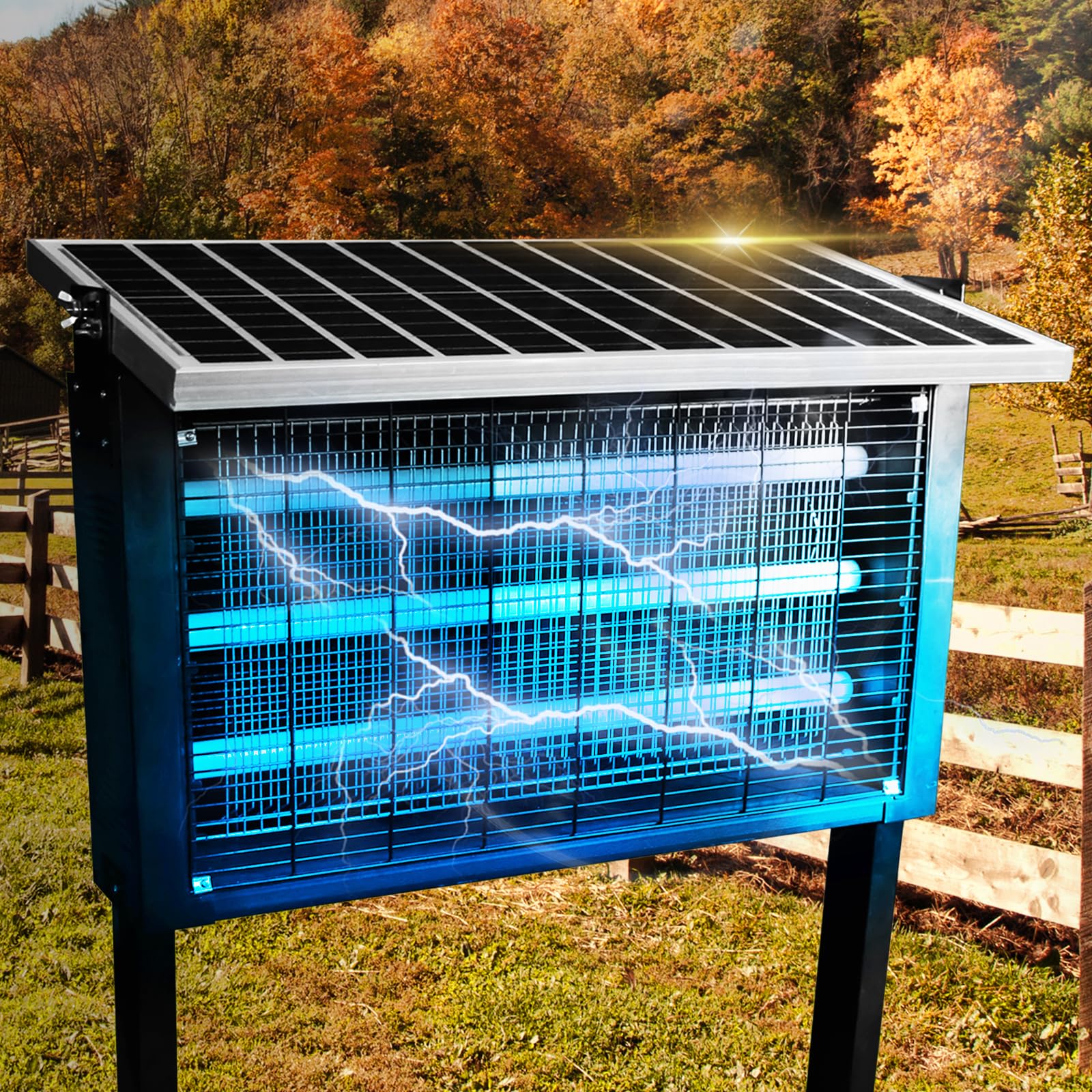
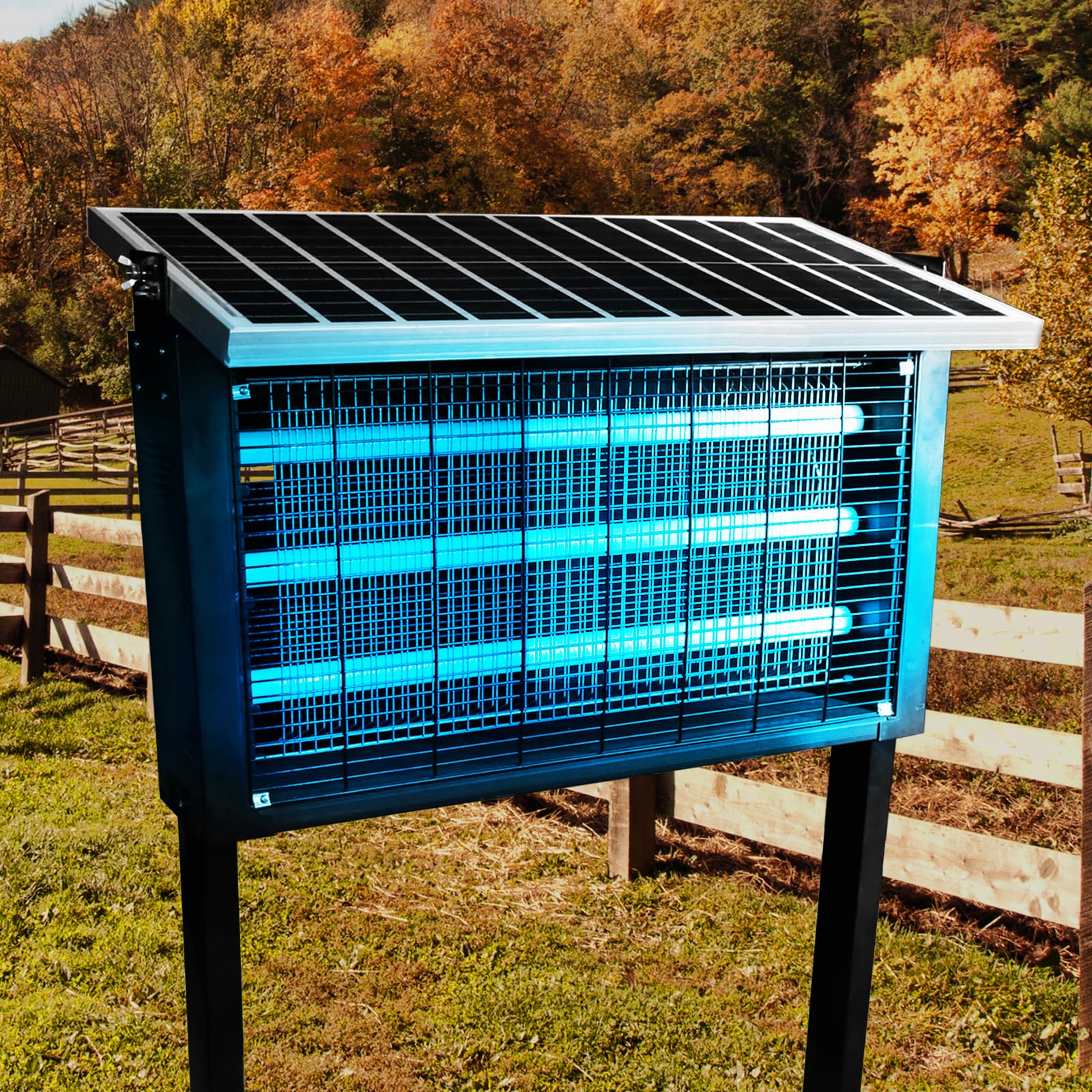
Layer Five: Area Protection Systems
Area protection tools focus on reducing insects around a campsite, patio, or gathering area.
These may include:
-
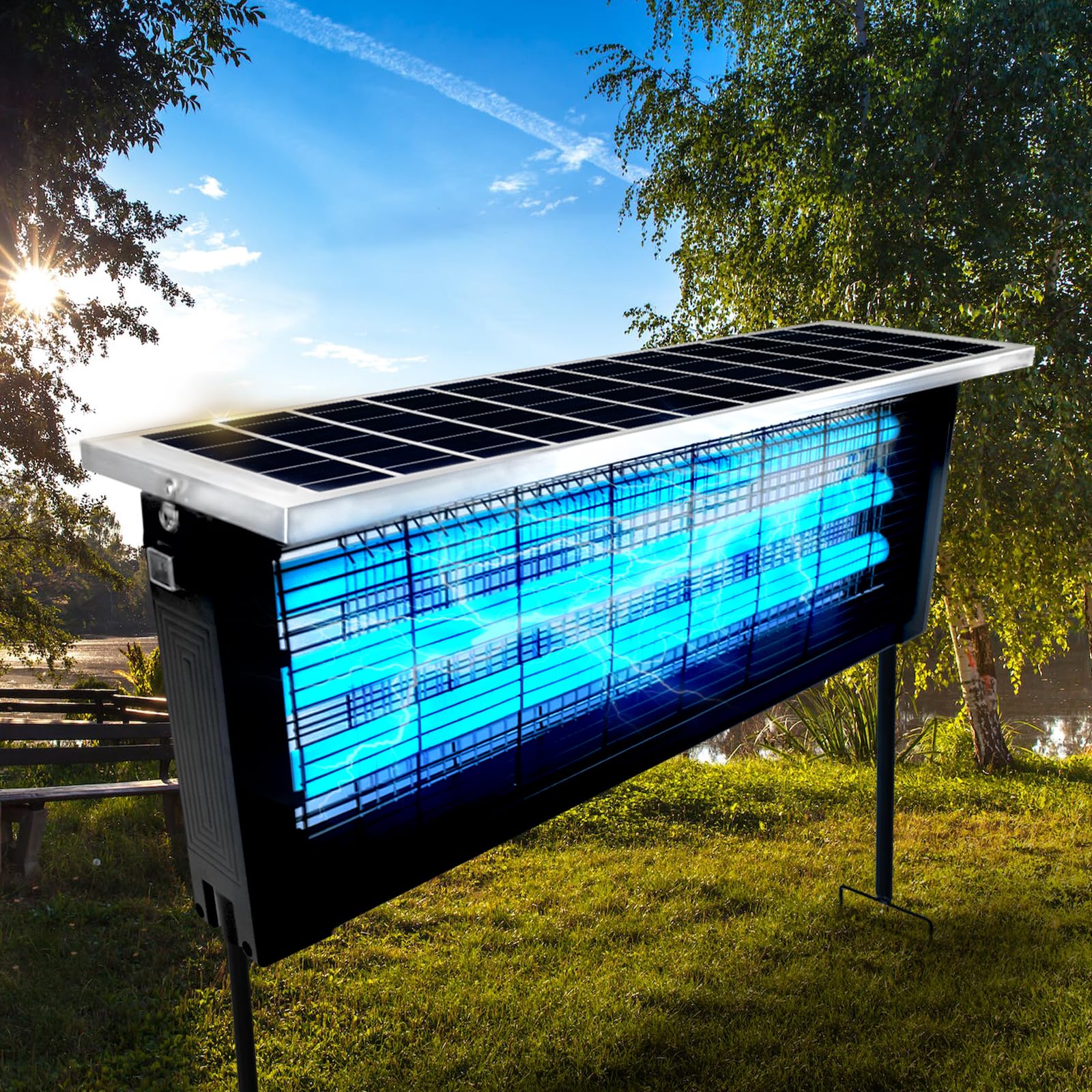
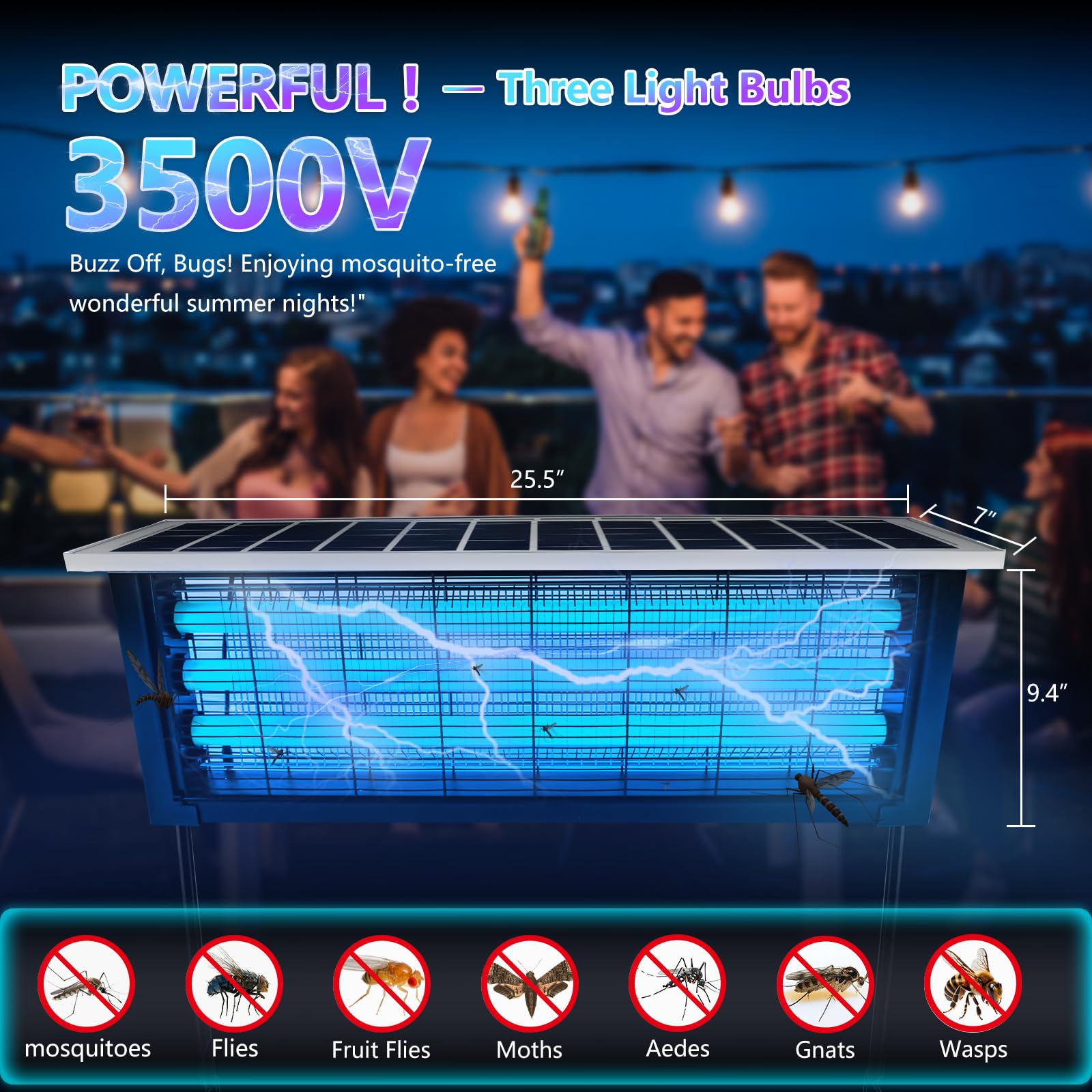
Outdoor insect traps
-
Portable repellent devices
-
Fan-based deterrent systems
-
Mosquito-reduction solutions
While they should not replace personal protection, they can significantly improve comfort.
Environment-Specific Protection Strategies
Let's examine how protection levels should change across common outdoor environments.
Backyard Gatherings
Risk level: Low to moderate
Recommended protection:
-
Personal repellent
-
Patio fans
-
Outdoor traps if necessary
Most homeowners don't need extreme solutions.
A few simple measures usually provide adequate protection.
Hiking Trails
Risk level: Moderate
Recommended protection:
-
Repellent
-
Long pants
-
Tick awareness
-
Post-hike inspections
Hikers often encounter ticks in addition to mosquitoes.
Protection should address both.
Lakeside Camping
Risk level: High
Recommended protection:
-
Long sleeves
-
Long pants
-
Shelter netting
-
Frequent repellent use
Mosquito populations near water can become intense during evenings.
Preparation is essential.
Forest Backpacking
Risk level: High
Recommended protection:
-
Layered clothing
-
Treated gear
-
Tick checks
-
Protective sleeping systems
Extended exposure increases cumulative risk.
Wetlands and Marshes
Risk level: Very high
Recommended protection:
-
Full coverage clothing
-
Head nets
-
Strong repellents
-
Shelter systems
These environments often support extremely dense insect populations.
Adjusting Protection Throughout the Day
Many people overlook the importance of timing.
Insect activity changes throughout the day.
Morning
Some mosquito species become active shortly after sunrise.
Tick activity may remain high in cooler temperatures.
Midday
Activity often decreases in open sunny areas.
However, shaded environments may remain active.
Evening
Mosquito activity typically peaks.
This is often when protection should be increased.
Night
Campers should maintain protection even after sunset.
Many biting insects remain active well into the night.
Seasonal Protection Planning
Your insect defense arsenal should evolve throughout the year.
Spring
Key concerns:
-
Emerging mosquito populations
-
Increasing tick activity
Summer
Peak insect season in most regions.
Protection requirements are often highest.
Fall
Tick activity frequently remains strong.
Many people mistakenly lower their guard too early.
Winter
Risk decreases in many locations.
However, warmer regions may still experience insect activity.
Common Mistakes That Reduce Protection
Even experienced outdoor enthusiasts make mistakes.
Common examples include:
-
Applying repellent too sparingly
-
Forgetting ankles and wrists
-
Ignoring tick checks
-
Wearing inappropriate clothing
-
Assuming one product solves every problem
-
Underestimating environmental conditions
Avoiding these mistakes significantly improves effectiveness.
Creating Your Personal Protection Checklist
Before heading outdoors, ask:
What environment am I entering?
How long will I be there?
What insects are common in this area?
Will I be near water?
Will I be near dense vegetation?
What time of day will I be outdoors?
Answering these questions helps determine the appropriate protection level.
The Future of Outdoor Insect Protection
Innovation continues to improve outdoor protection.
Emerging technologies include:
-
Smart wearable repellents
-
Advanced fabric treatments
-
Portable protection zones
-
Eco-conscious insect management systems
These developments provide outdoor enthusiasts with more options than ever before.
However, the fundamental principle remains unchanged:
Match the protection level to the environment.
Final Thoughts
Building an outdoor insect defense arsenal is not about carrying more gear. It's about carrying the right gear.
Every outdoor environment presents unique challenges. A strategy that works perfectly during a neighborhood barbecue may be completely inadequate in a wetland campsite or dense forest trail. Understanding environmental risk factors, recognizing insect behavior, and applying layered protection methods allows you to stay comfortable, safe, and focused on enjoying your outdoor experience.
The most successful outdoor adventurers don't rely on luck when it comes to insect protection. They assess the environment, adjust their defenses, and prepare accordingly.
By building a flexible protection system that scales with risk, you'll be ready for everything from a casual afternoon walk to a remote wilderness expedition—without letting mosquitoes, ticks, flies, or other biting insects ruin the adventure.