
When summer hits and the days grow longer, many of us love spending time outdoors—hiking, camping, or simply relaxing in our backyards. But there’s an unwelcome guest that often shows up uninvited: mosquitoes. These tiny, buzzing insects are more than just annoying; they can transmit diseases and ruin an otherwise perfect outdoor experience.
Over the years, countless methods have been passed down through generations to keep mosquitoes at bay. Some are quirky, some are practical, and some might make you raise an eyebrow. Meanwhile, modern science offers tested solutions designed specifically to repel these pests. But when it comes to keeping mosquitoes away, which approach is more reliable: folk remedies or scientifically proven methods? Let’s dive in and explore.
The Allure of Folk Remedies
For centuries, people have relied on simple, natural methods to ward off mosquitoes. Many of these techniques are rooted in local traditions and are easy to implement, often using ingredients found right in your home or garden. Here are a few common examples:
1. Herbal Repellents
Plants such as citronella, lavender, basil, and mint have long been suggested as mosquito deterrents. People often crush leaves to release their scent or plant them around patios and campsites.
- Pros: Safe for children and pets, environmentally friendly, pleasant aroma.
- Cons: Limited effectiveness; the scent often isn’t strong enough to repel mosquitoes for extended periods.
2. Essential Oils
Many folk practices evolved into modern natural remedies, like using essential oils on the skin or in diffusers. Lemon eucalyptus, tea tree, and clove oils are popular choices.
- Pros: Can provide temporary relief; natural and relatively safe.
- Cons: Needs frequent reapplication; may cause skin irritation in sensitive individuals.
3. Household Tricks
Some people swear by rubbing garlic on the skin, burning coffee grounds, or hanging sachets of dried herbs. Other methods include placing bowls of water with lemon slices to “trap” mosquitoes.
- Pros: Creative and often easy to try.
- Cons: Little scientific evidence supports long-term effectiveness; mosquitoes may not care about your culinary preferences.
4. Folk Wisdom from Different Cultures
Across the globe, various cultures have unique mosquito-repelling traditions. In Southeast Asia, some communities burn neem leaves. In parts of Africa, smoke from certain grasses is thought to deter mosquitoes. While these methods sometimes help, their effectiveness is inconsistent and highly situational.
Scientific Approaches: Proven and Reliable
Unlike folk remedies, scientific mosquito prevention relies on research-tested solutions. Scientists have studied mosquito behavior, biology, and chemical repellents to design methods that work consistently.
1. Chemical Repellents
Repellents containing DEET, picaridin, or IR3535 are among the most effective. These compounds interfere with mosquitoes’ ability to locate human hosts.
- Pros: Highly effective for hours; recommended by public health authorities.
- Cons: Some people dislike the smell or texture; rare allergic reactions can occur.
2. Clothing and Barriers
Wearing long sleeves, long pants, and treating clothing with permethrin (a safe insecticide for fabric) adds a layer of protection. Mosquito nets are also highly effective for camping or sleeping outdoors.
- Pros: Physical barrier that doesn’t rely solely on chemicals.
- Cons: Can be uncomfortable in hot weather; may not be practical for all activities.
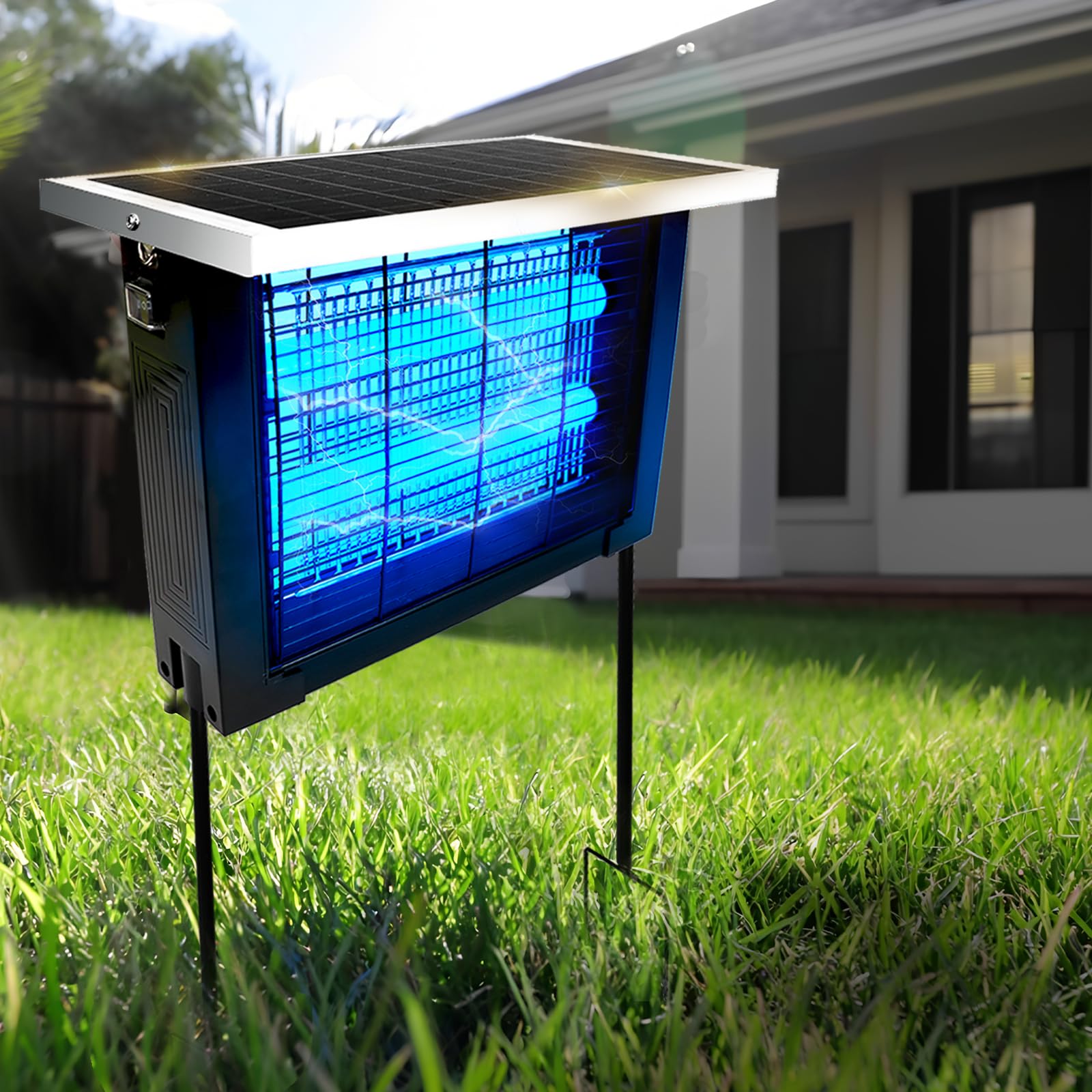
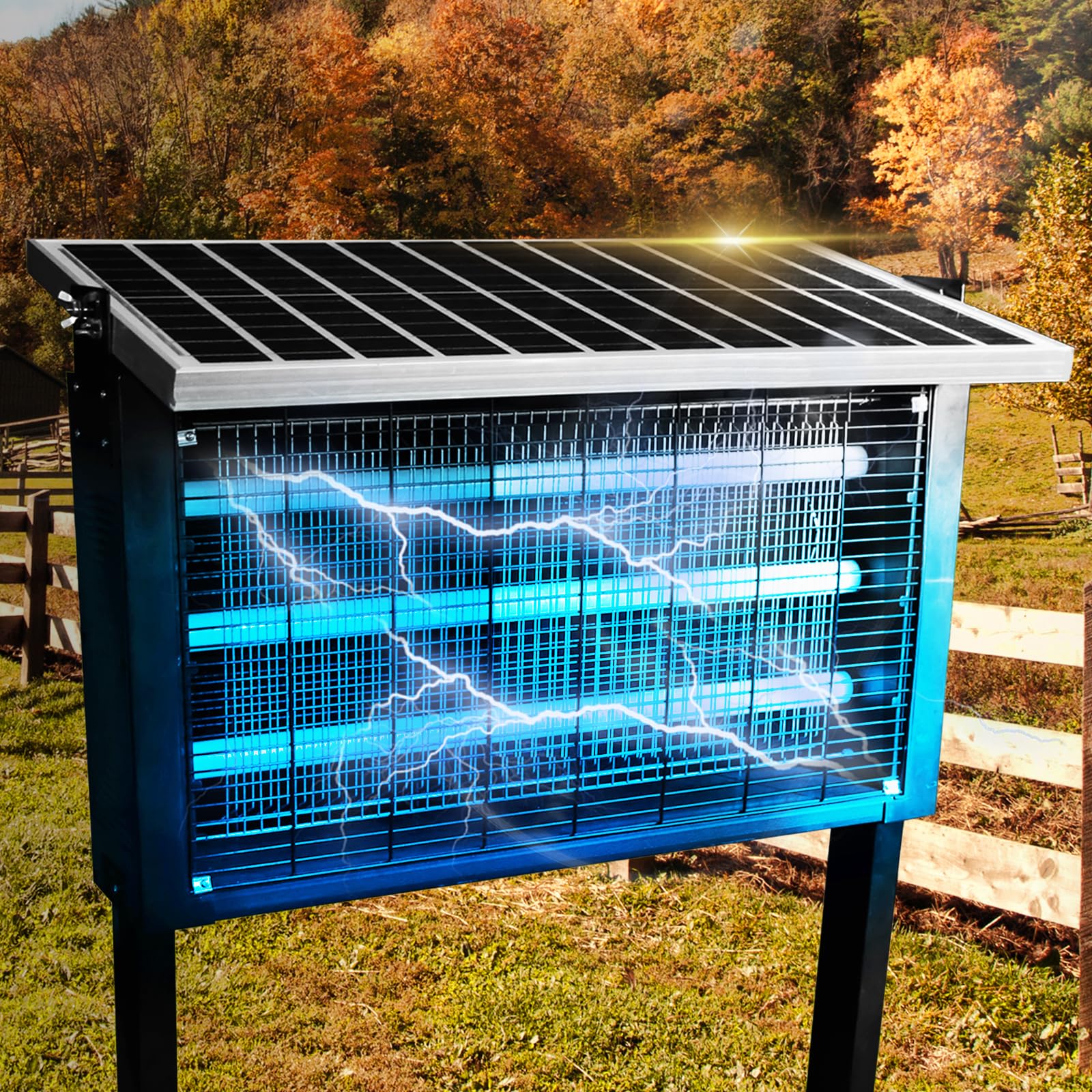
3. Mosquito Traps and Zappers
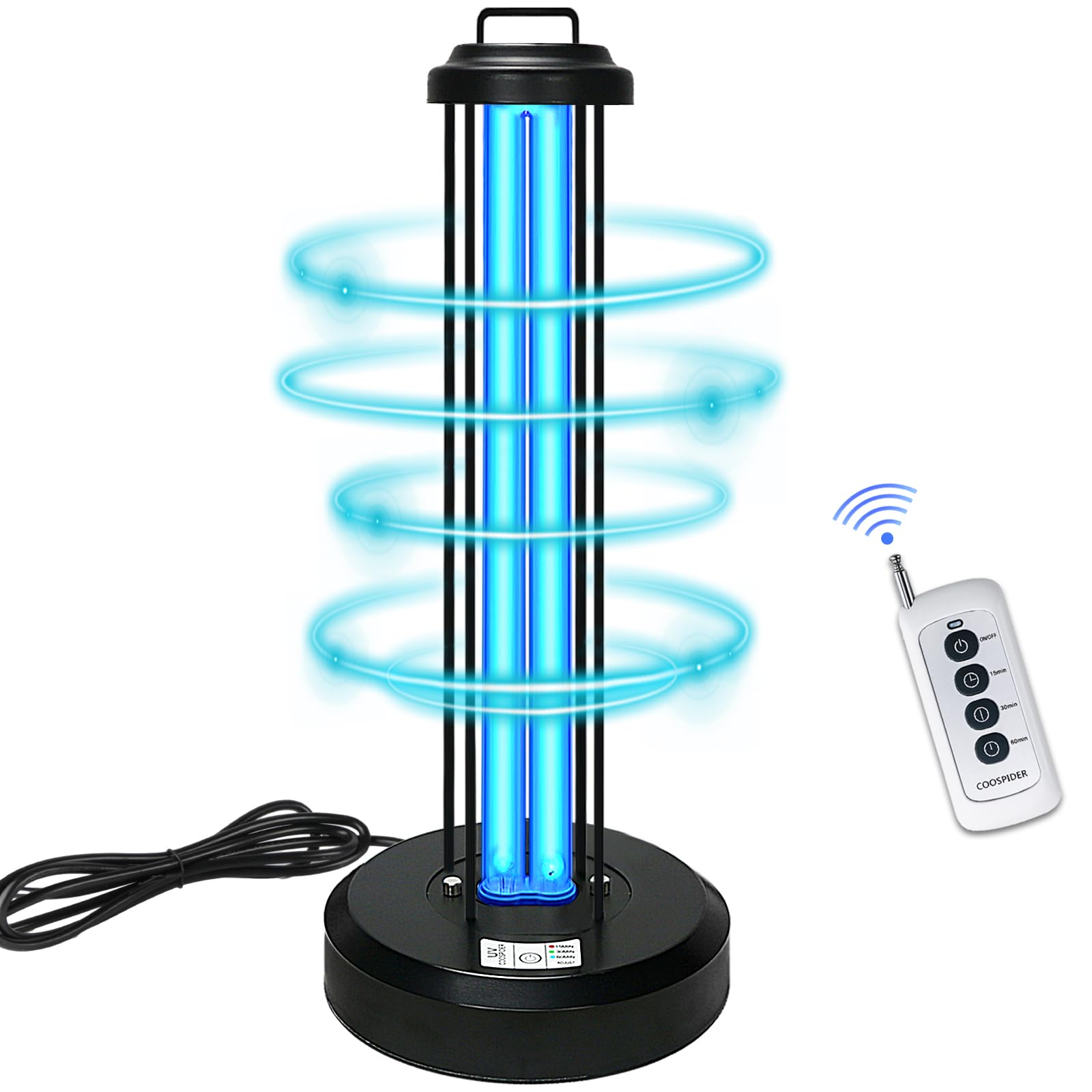
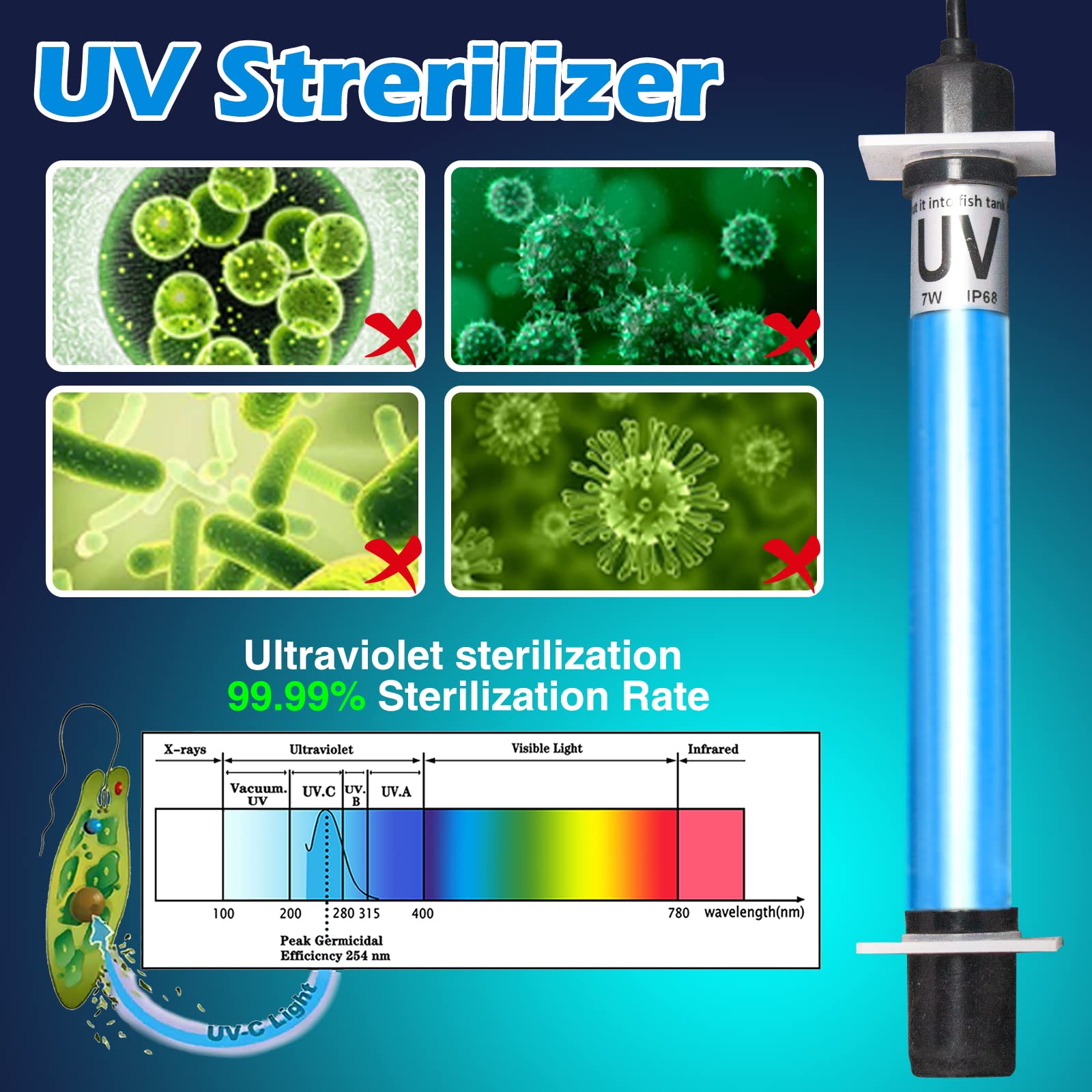
Devices that attract and kill mosquitoes can reduce their numbers around a yard or campsite. These include CO2 traps, UV lights, and fan-based traps.
- Pros: Can reduce local mosquito populations; useful in larger outdoor areas.
- Cons: May not eliminate mosquitoes entirely; some devices are expensive or require maintenance.
4. Environmental Management
Eliminating standing water, keeping gutters clean, and maintaining vegetation can drastically reduce mosquito breeding grounds.
- Pros: Prevents mosquito proliferation; environmentally friendly.
- Cons: Requires ongoing effort; may not eliminate all mosquitoes, especially in heavily infested areas.
Comparing Effectiveness: Folk Remedies vs. Science
When evaluating mosquito prevention strategies, it’s important to consider both efficacy and practicality.
| Method Type | Reliability | Ease of Use | Duration | Safety Considerations |
|---|---|---|---|---|
| Herbal plants | Low | High | Short | Very safe |
| Essential oils | Moderate | Moderate | Short | Mostly safe |
| Folk tricks | Low | High | Short | Safe but sometimes irritating |
| Chemical repellents | High | High | Long | Generally safe; check allergies |
| Protective clothing | High | Moderate | Long | Safe |
| Mosquito traps | Moderate | Moderate | Medium | Safe |
| Environmental control | High | Low | Long | Safe; requires effort |
As the table shows, while folk remedies can offer some relief, science-based methods consistently provide stronger, longer-lasting protection.
When Combining Approaches Works Best
Interestingly, the most effective mosquito prevention often combines both traditional and scientific strategies. Here’s a practical plan:
- Layered Protection: Apply a proven repellent on your skin and wear protective clothing.
- Enhance Your Environment: Remove standing water and trim overgrown plants.
- Add Natural Touches: Keep citronella candles or herbal sachets nearby for an extra layer of comfort and aroma.
- Adjust Based on Activity: For hiking, lightweight clothing and portable repellents are key. In your backyard, traps and herbal plants can supplement protection.
Common Myths About Mosquito Prevention
It’s easy to fall for popular myths when it comes to mosquitoes. Here are a few misconceptions debunked:
- “Mosquitoes hate certain colors.” While dark colors attract some insects, there’s no evidence that wearing bright colors significantly repels mosquitoes.
- “Ultrasonic devices keep mosquitoes away.” Studies show that these sound-based devices are largely ineffective.
- “Eating garlic or vitamin B will repel mosquitoes.” There’s no scientific proof that dietary changes have a meaningful effect.
Choosing the Right Method for You
The best mosquito prevention strategy depends on your lifestyle, location, and tolerance for chemicals. Consider these factors:
- Activity type: Camping, gardening, or outdoor sports may require different levels of protection.
- Local mosquito activity: Research local mosquito species and disease risks.
- Personal preference: Some people prefer natural methods, others prioritize effectiveness.
- Health considerations: Children, pregnant individuals, and those with sensitive skin may need gentler options.
Conclusion
Mosquitoes may be tiny, but their impact on our outdoor enjoyment can be huge. While folk remedies provide charm and occasional relief, science-backed methods consistently deliver the most reliable protection. The smartest approach combines the best of both worlds: use research-tested repellents and environmental control, while adding natural touches for comfort and tradition.
By understanding the strengths and limitations of each method, you can enjoy the outdoors without the constant annoyance—or risk—of mosquito bites. So whether you’re hiking a forest trail, lounging in your backyard, or planning a camping trip, equip yourself with proven strategies and enjoy the summer the way it’s meant to be: bite-free.