Living near the ocean has undeniable appeal—fresh sea air, scenic views, and a relaxed atmosphere. But beneath that beauty lies a persistent challenge: corrosion. In humid coastal climates, metal surfaces—especially metal mesh—are constantly exposed to salt, moisture, and airborne contaminants that accelerate rust formation.
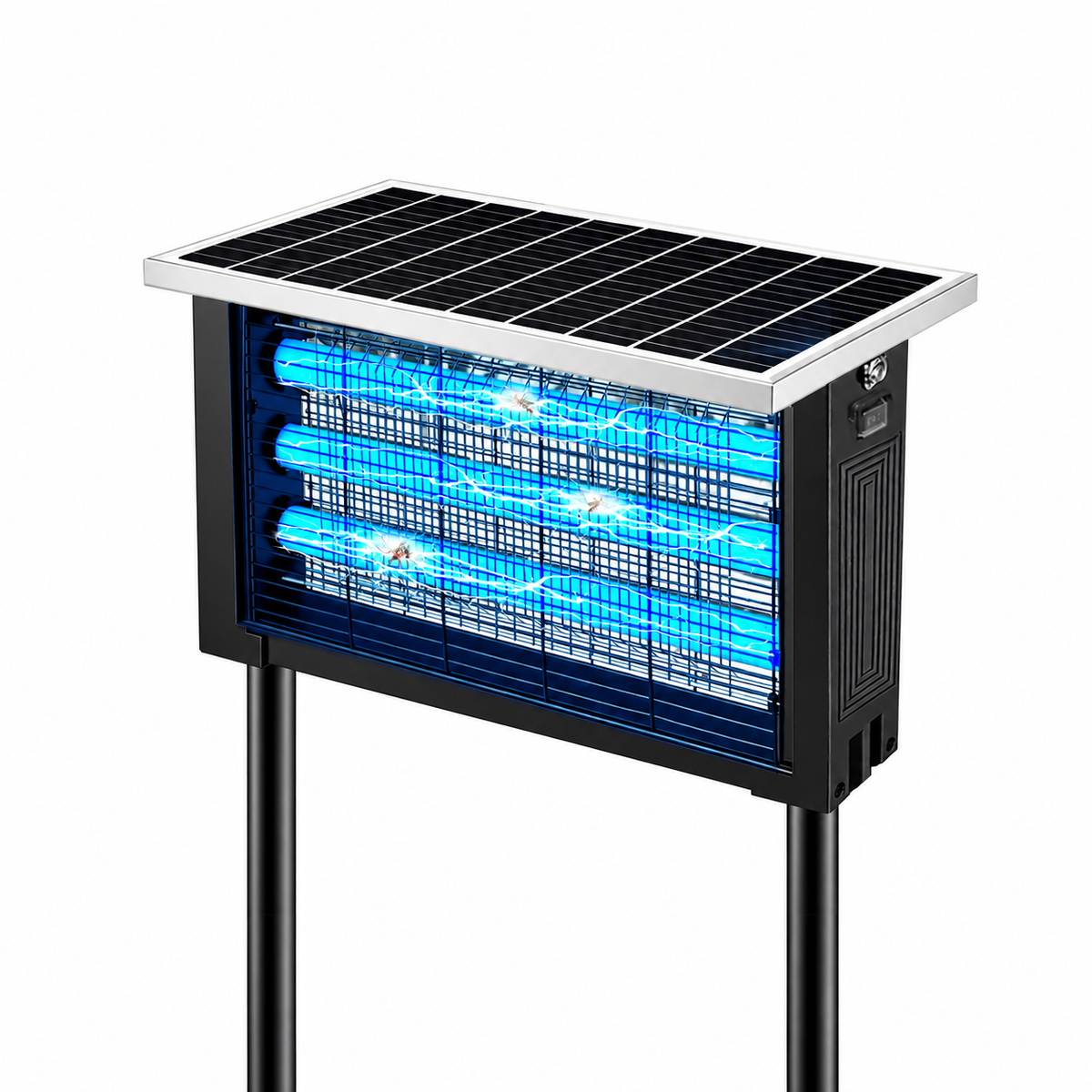
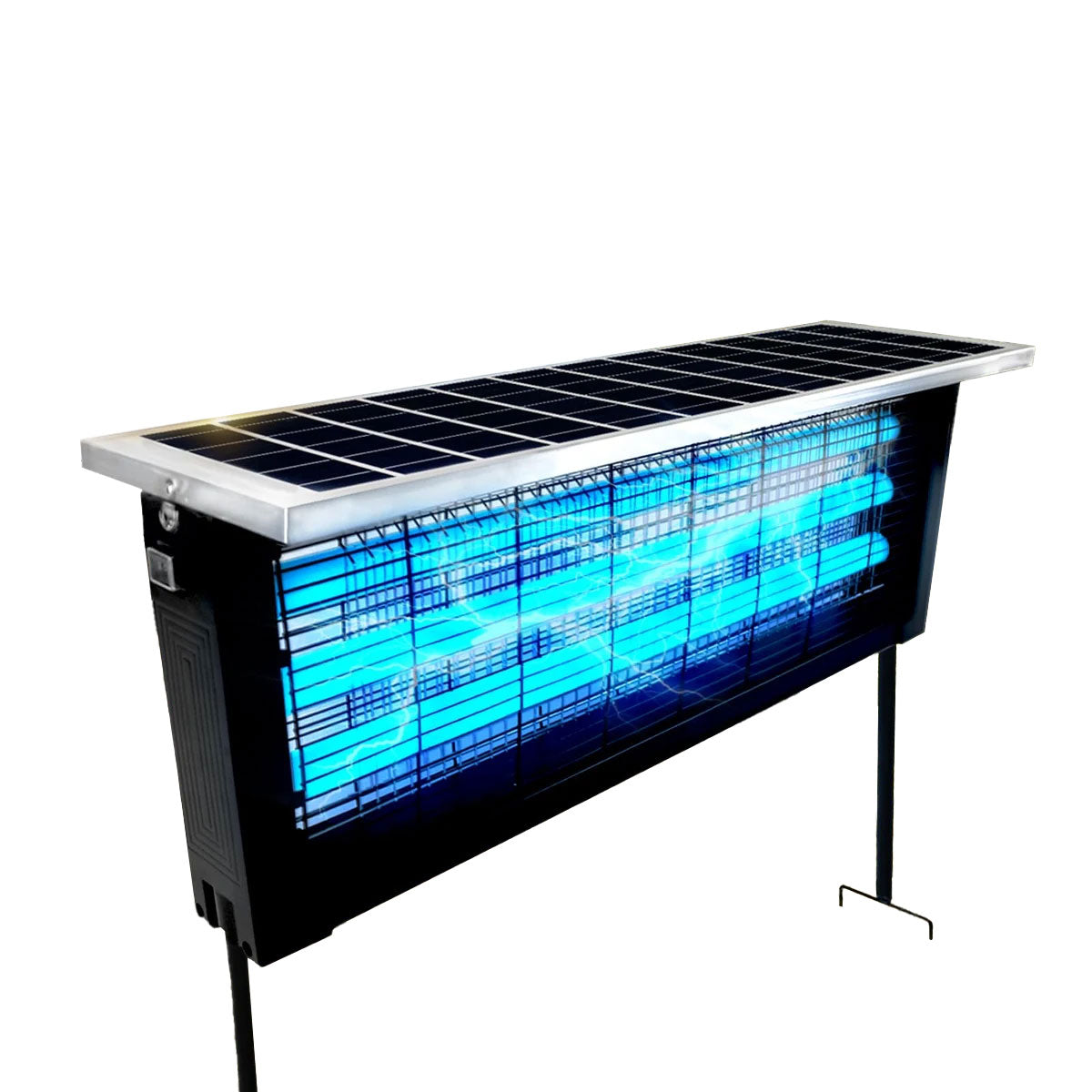
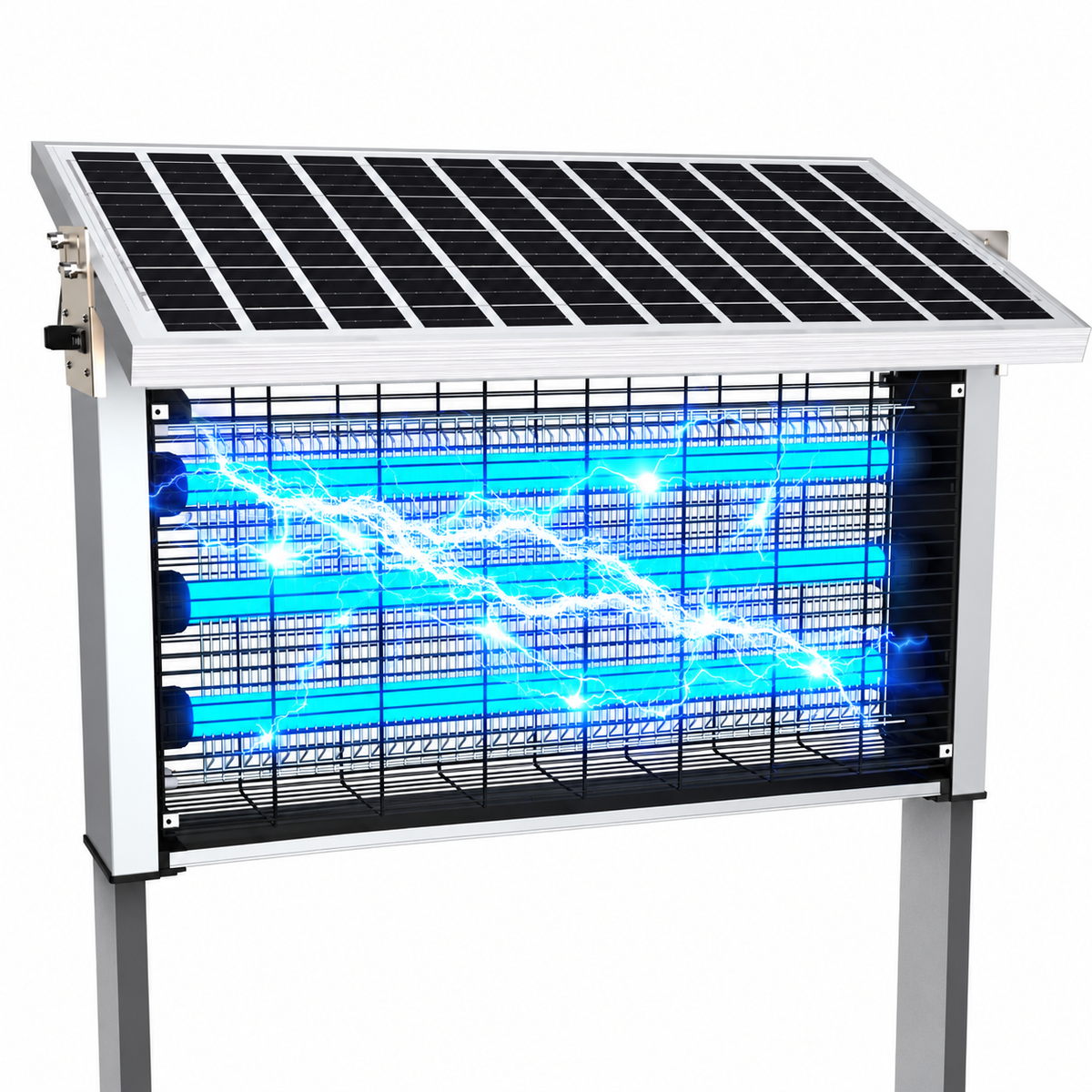
Whether you’re maintaining outdoor enclosures, ventilation screens, fencing, or specialized equipment like insect-control mesh systems, proper cleaning and maintenance are essential. Without a consistent strategy, corrosion can weaken structural integrity, reduce efficiency, and shorten the lifespan of your equipment.
This comprehensive guide explains how to clean metal mesh effectively, prevent rust in coastal environments, and extend the durability of your materials with practical, proven techniques.
Why Coastal Climates Accelerate Corrosion
Before diving into cleaning methods, it’s important to understand why rust forms so aggressively near the ocean.
The Role of Salt in Corrosion
Salt is the primary culprit. Sea spray carries microscopic salt particles through the air, which settle on metal surfaces. When combined with moisture, salt acts as an electrolyte, accelerating the electrochemical reaction that causes rust.
Constant Humidity
High humidity levels keep surfaces damp for longer periods, creating ideal conditions for oxidation. Even when it’s not raining, moisture in the air is enough to sustain corrosion.
Temperature Fluctuations
Daily temperature changes cause condensation to form on metal surfaces, further contributing to moisture exposure.
Understanding Metal Mesh Vulnerability
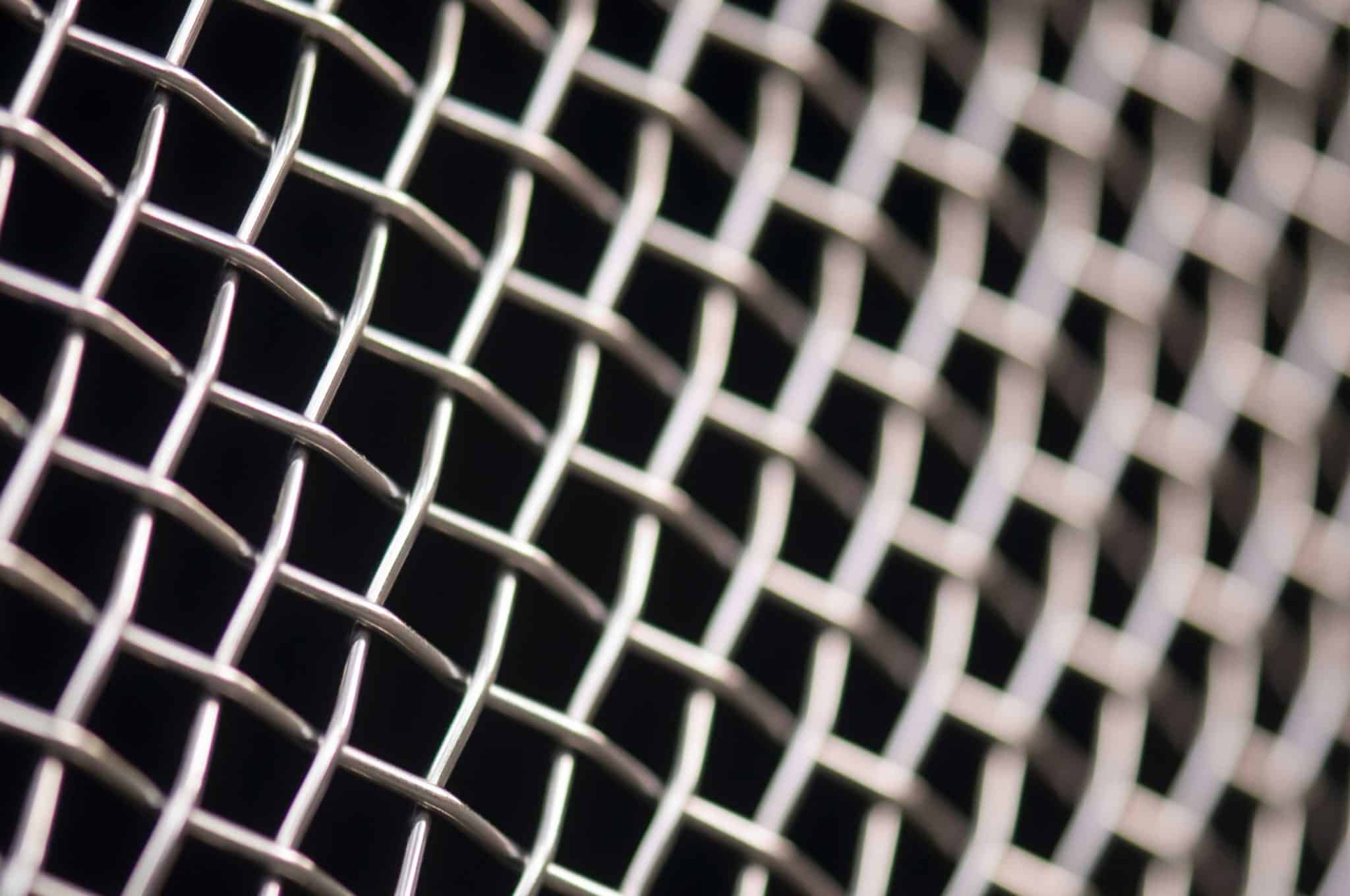
Metal mesh is particularly susceptible to corrosion because of its structure.
Increased Surface Area
The fine, woven design exposes more surface area to the environment, allowing salt and moisture to accumulate in hard-to-reach areas.
Crevices and Joints
Tiny intersections in the mesh trap contaminants, making them difficult to remove without thorough cleaning.
Common Materials
Metal mesh is typically made from:
-
Steel (including galvanized steel)
-
Aluminum
-
Stainless steel
Each material has different resistance levels to corrosion, but none are completely immune in coastal conditions.
Signs Your Metal Mesh Needs Immediate Attention
Recognizing early warning signs can prevent costly damage.
Visual Indicators
-
Discoloration or dullness
-
Orange or reddish spots (early rust)
-
White powdery residue (salt buildup)
Structural Changes
-
Weakening or brittleness
-
Warping or bending
-
Reduced airflow or visibility due to buildup
Addressing these signs early is key to preventing irreversible damage.
Essential Tools and Materials for Cleaning
Before starting, gather the right tools to ensure effective and safe cleaning.
Basic Supplies
-
Soft-bristle brush
-
Microfiber cloths
-
Bucket of warm water
-
Mild detergent (non-acidic)
Advanced Cleaning Tools
-
Low-pressure hose or spray nozzle
-
Compressed air (for fine mesh)
-
Non-abrasive scrubbing pads
Protective Gear
-
Gloves
-
Safety glasses
-
Mask (if dealing with heavy debris or mold)
Using the correct tools prevents accidental damage during cleaning.
Step-by-Step Guide to Cleaning Metal Mesh
Step 1: Remove Loose Debris
Start by removing surface-level dirt and debris.
-
Use a soft brush or compressed air
-
Work from top to bottom
-
Avoid aggressive brushing that could damage coatings
This step prepares the surface for deeper cleaning.
Step 2: Rinse with Fresh Water
Rinsing is crucial in coastal areas.
-
Use a hose with low to moderate pressure
-
Thoroughly rinse both sides of the mesh
-
Focus on corners and joints
Fresh water helps dissolve and remove salt deposits before scrubbing.
Step 3: Apply a Mild Cleaning Solution
Mix a small amount of mild detergent with warm water.
-
Dip a cloth or brush into the solution
-
Gently scrub the mesh
-
Pay attention to areas with visible buildup
Avoid harsh chemicals like bleach or acidic cleaners, as they can damage protective coatings.
Step 4: Detail Cleaning for Crevices
For stubborn areas:
-
Use a soft toothbrush or detailing brush
-
Work carefully between mesh intersections
-
Rinse frequently to avoid spreading residue
This step ensures contaminants don’t remain trapped in tight spaces.
Step 5: Rinse Thoroughly Again
After scrubbing:
-
Rinse completely with fresh water
-
Ensure no soap residue remains
-
Check for missed spots
Residual soap can attract dirt and moisture, so thorough rinsing is essential.
Step 6: Dry Completely
Drying is often overlooked but critical.
-
Use a clean microfiber cloth
-
Allow air drying in a well-ventilated area
-
Avoid leaving the mesh wet
Moisture left behind can restart the corrosion process.
Applying Protective Coatings
Cleaning alone is not enough in coastal environments. Protective measures are essential.
Anti-Corrosion Sprays
These create a barrier between metal and the environment.
-
Apply evenly after cleaning and drying
-
Reapply periodically based on exposure
Wax Coatings
Specialized waxes can provide temporary protection.
-
Easy to apply
-
Ideal for light-duty applications
Paint and Sealants
For long-term protection:
-
Use marine-grade paint
-
Apply rust-inhibiting primers
-
Ensure full coverage, including edges
Maintenance Frequency in Coastal Areas
Consistency is key to corrosion control.
Recommended Schedule
-
Light rinse: weekly
-
Deep cleaning: monthly
-
Protective coating: every 2–3 months
Adjust frequency based on proximity to the ocean and weather conditions.
Choosing the Right Material for Coastal Use
If you’re installing or replacing metal mesh, material choice matters.
Stainless Steel
-
High corrosion resistance
-
Ideal for long-term durability
-
Higher initial cost
Aluminum
-
Lightweight and naturally resistant
-
Less durable than steel
-
Suitable for low-stress applications
Galvanized Steel
-
Coated with zinc for protection
-
More affordable
-
Requires regular maintenance
Investing in better materials reduces long-term maintenance efforts.
Preventing Rust Before It Starts
Prevention is always more effective than repair.
Reduce Exposure
-
Install barriers to block direct sea spray
-
Position mesh away from constant wind exposure
Improve Drainage
-
Ensure water doesn’t pool near mesh
-
Maintain proper installation angles
नियमित निरीक्षण
Regular inspections help catch problems early before they escalate.
Common Mistakes to Avoid
Even well-intentioned maintenance can go wrong.
Using Harsh Chemicals
Acids and bleach can strip protective coatings and accelerate corrosion.
Skipping Drying
Leaving moisture behind negates the entire cleaning process.
Overlooking Hidden Areas
Corrosion often starts in places you don’t see.
Infrequent Maintenance
Waiting too long between cleanings allows buildup to harden and become harder to remove.
Advanced Techniques for Severe Corrosion
If rust has already formed:
Mechanical Removal
-
Use fine sandpaper or a wire brush
-
Remove rust carefully without damaging the base metal
Rust Converters
-
Chemically neutralize rust
-
Prepare surface for repainting
Recoating
-
Apply primer and protective paint
-
Ensure full coverage
These methods can restore functionality but require more effort.
Environmental and Safety Considerations
Maintaining metal mesh responsibly benefits both you and the environment.
Eco-Friendly Cleaning
-
Use biodegradable detergents
-
Minimize water waste
Safe Disposal
-
Dispose of rust particles and debris properly
-
Avoid contaminating soil or water
Personal Safety
-
Wear protective gear
-
Work in well-ventilated areas
Integrating Maintenance Into Your Routine
The most effective corrosion control strategy is one you can maintain consistently.
Create a Checklist
-
Inspect
-
Clean
-
Dry
-
Protect
Set Reminders
Use seasonal or monthly reminders to stay on track.
Keep Supplies Ready
Having tools accessible makes maintenance easier and more likely to happen.
Final Thoughts: Long-Term Protection in Coastal Environments
Corrosion in humid coastal climates is inevitable—but damage doesn’t have to be. With the right approach, you can significantly slow the process, maintain performance, and extend the lifespan of your metal mesh.
The key is a combination of regular cleaning, proper drying, and consistent protective measures. By staying proactive and attentive, you protect not only your equipment but also your investment.
A clean, well-maintained metal mesh system doesn’t just look better—it performs better, lasts longer, and stands up to the challenges of coastal living.
Frequently Asked Questions
How often should I clean metal mesh near the ocean?
At least once a month for deep cleaning, with weekly rinsing to remove salt buildup.
Can I use vinegar to remove rust?
While vinegar can remove rust, it may also damage protective coatings. Use it cautiously and rinse thoroughly.
What’s the best protection against salt air?
A combination of regular cleaning and applying anti-corrosion coatings offers the best defense.
Is stainless steel completely rust-proof?
No. It is highly resistant but can still corrode under extreme conditions without maintenance.