As winter loosens its grip and the first signs of spring begin to emerge, homeowners, gardeners, and outdoor enthusiasts face an important but often overlooked task: preparing their equipment for the season ahead. Spring is not just about blooming flowers and longer days—it also marks the beginning of increased insect activity, including the first wave of larvae hatching.
Whether you’re managing a backyard, maintaining outdoor lighting systems, or relying on pest-control tools like UV mosquito lamps, early preparation is essential. A thorough pre-season cleaning ensures your equipment performs efficiently, lasts longer, and is ready to combat the surge in pests that comes with warmer weather.
This comprehensive guide walks you through everything you need to know about spring cleaning your equipment, preventing buildup, and optimizing performance before larvae begin to hatch.
Why Spring Preparation Matters More Than You Think
Spring is a transitional season. As temperatures rise, dormant insect eggs begin to hatch, leading to a rapid increase in larvae populations. These larvae quickly develop into adult insects, including mosquitoes, flies, and other pests.
Failing to prepare your equipment before this surge can lead to:
-
Reduced efficiency of pest control devices
-
Increased insect populations around your home
-
Equipment damage due to winter residue or corrosion
-
Higher maintenance costs later in the season
By acting early, you stay ahead of the lifecycle of pests rather than reacting after infestations begin.
Understanding the First Wave of Larvae
Before diving into cleaning techniques, it helps to understand what you’re preparing for.
What Are Larvae?
Larvae are the immature stage of insects. For example, mosquito larvae live in standing water and develop rapidly under the right conditions. In early spring, melting snow, rainfall, and rising temperatures create ideal breeding environments.
When Do They Appear?
In most temperate regions, larvae begin appearing when temperatures consistently exceed 50°F (10°C). This means preparation should begin before this threshold is reached.
Why Timing Is Critical
Once larvae hatch, they can mature into adult insects in as little as 7–10 days. That’s why your equipment needs to be fully operational before this window begins.
Step 1: Inspect All Equipment Thoroughly
Start your spring refresh with a complete inspection of all relevant equipment. This includes:
-
Outdoor lighting fixtures
-
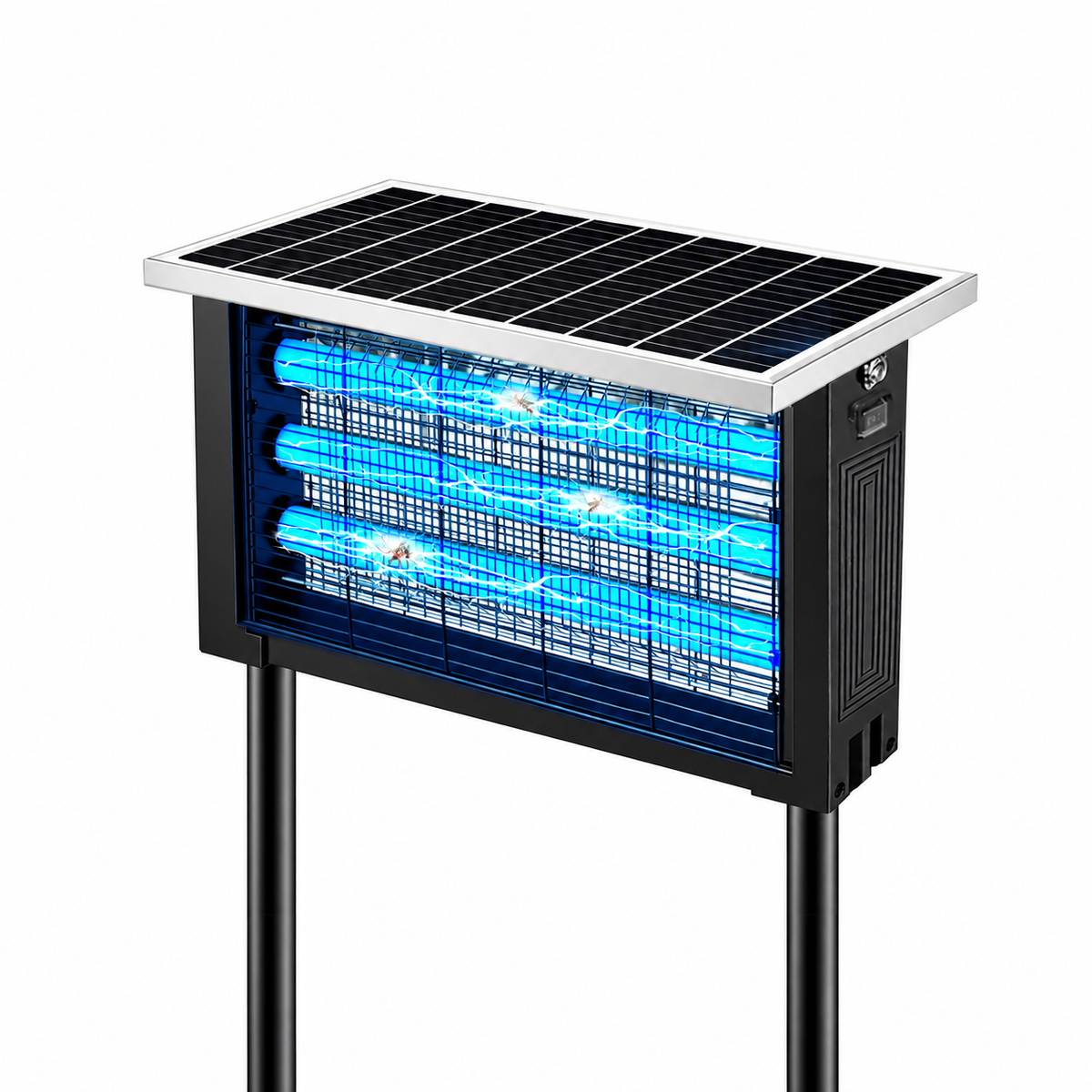
UV mosquito traps
-
Fans and ventilation systems
-
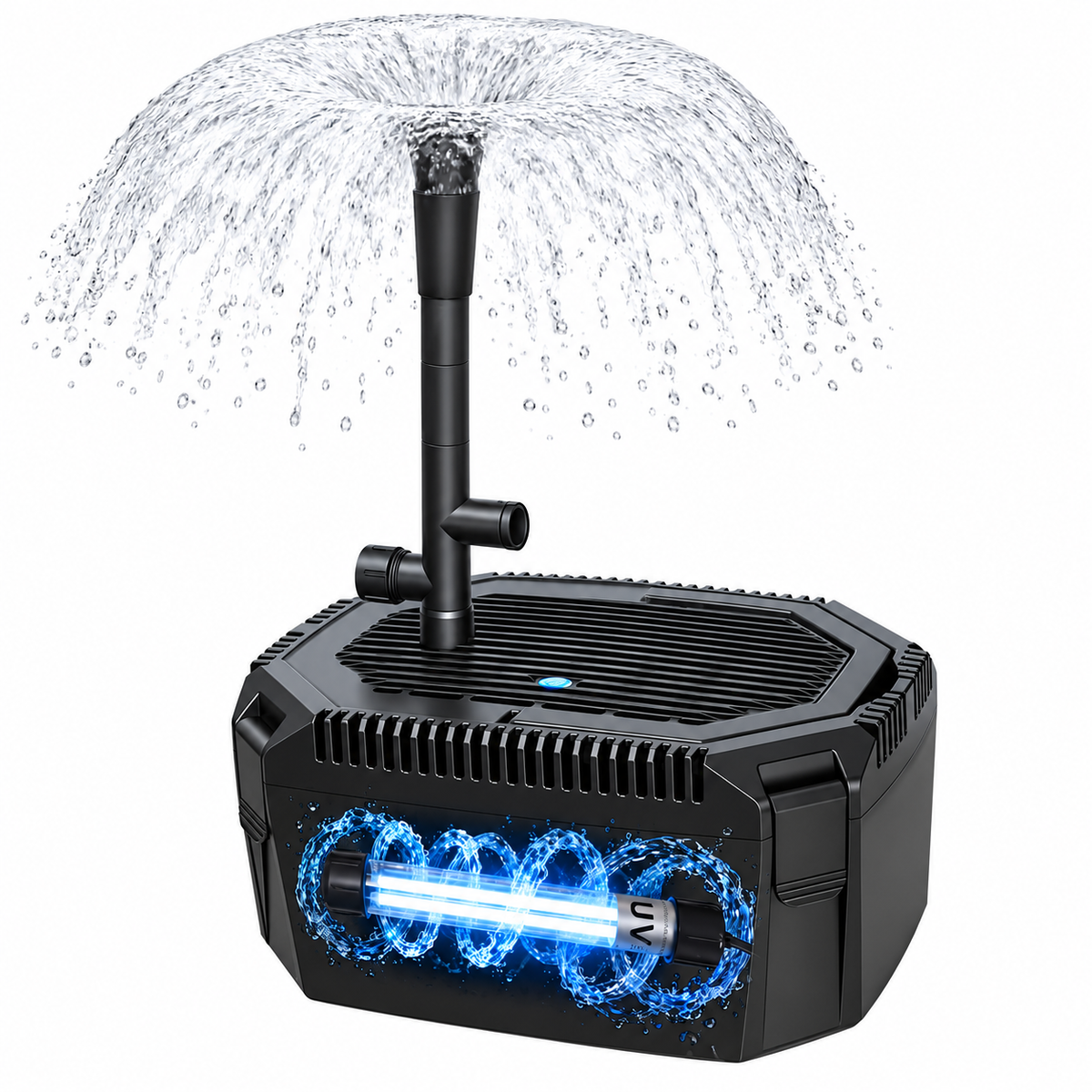
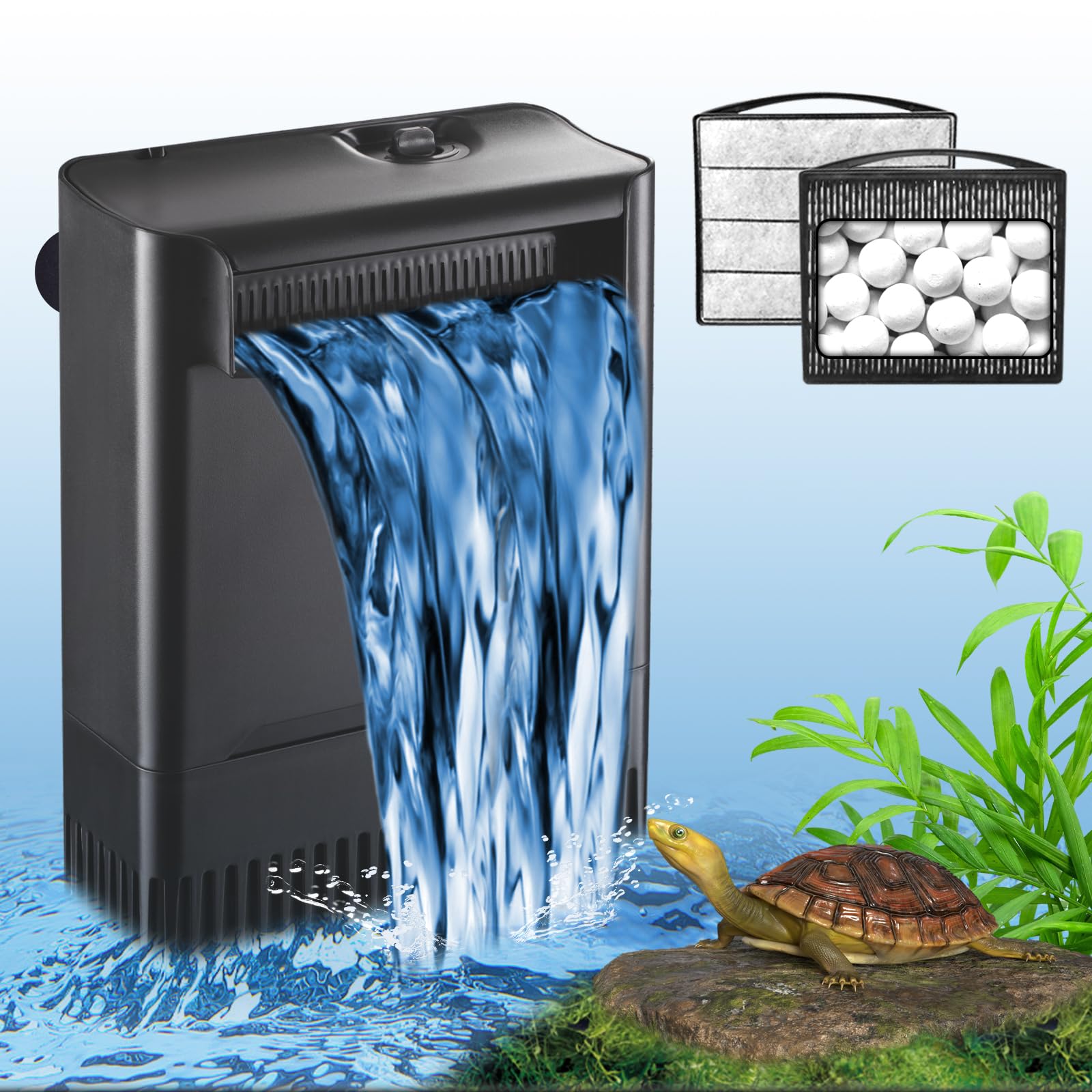
Water features and pumps
-
Storage units and containers
What to Look For
During inspection, check for:
-
Dust and debris buildup
-
Signs of rust or corrosion
-
Cracked or worn components
-
Electrical issues or frayed wiring
-
Blocked vents or filters
Taking notes during this phase helps you prioritize cleaning and repairs.
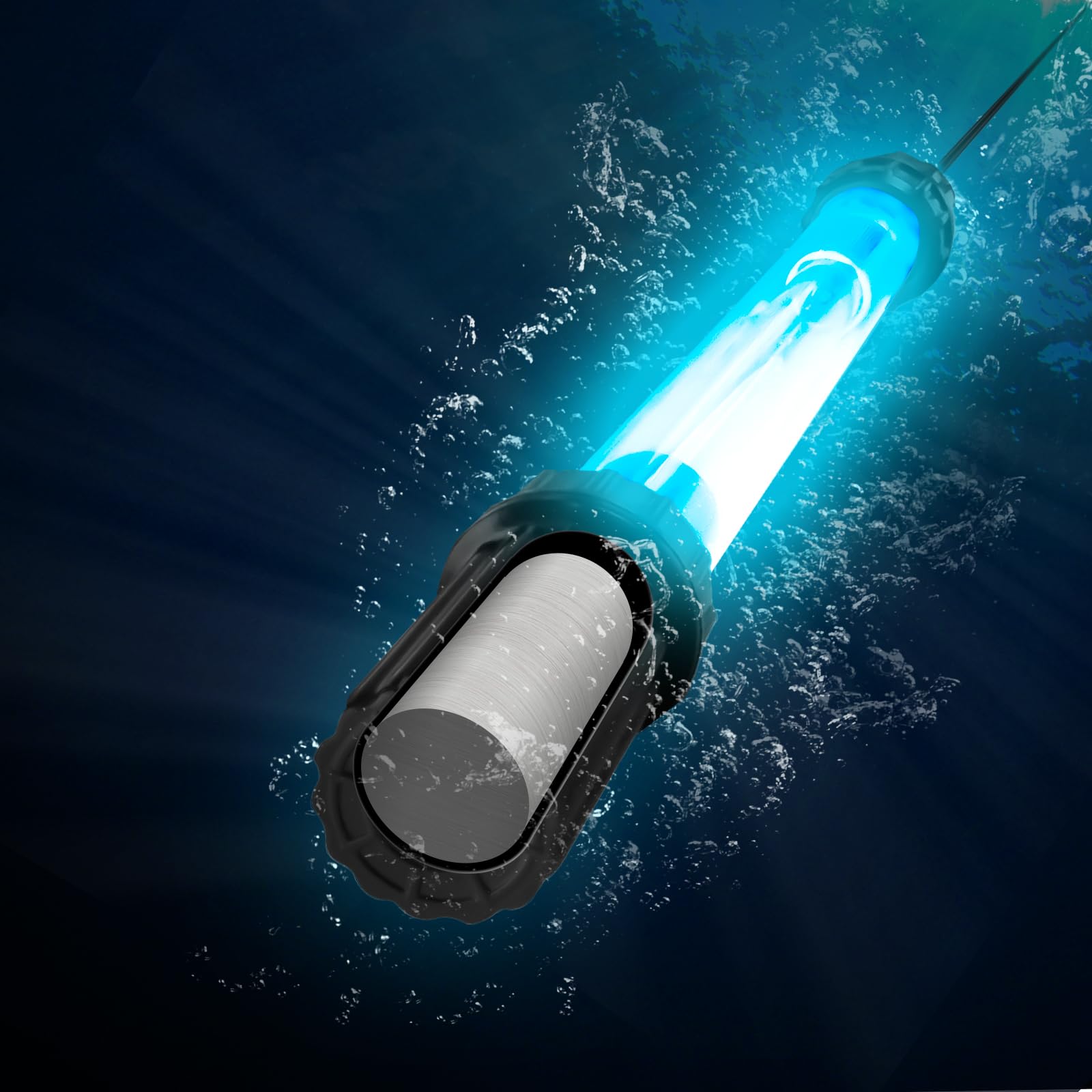
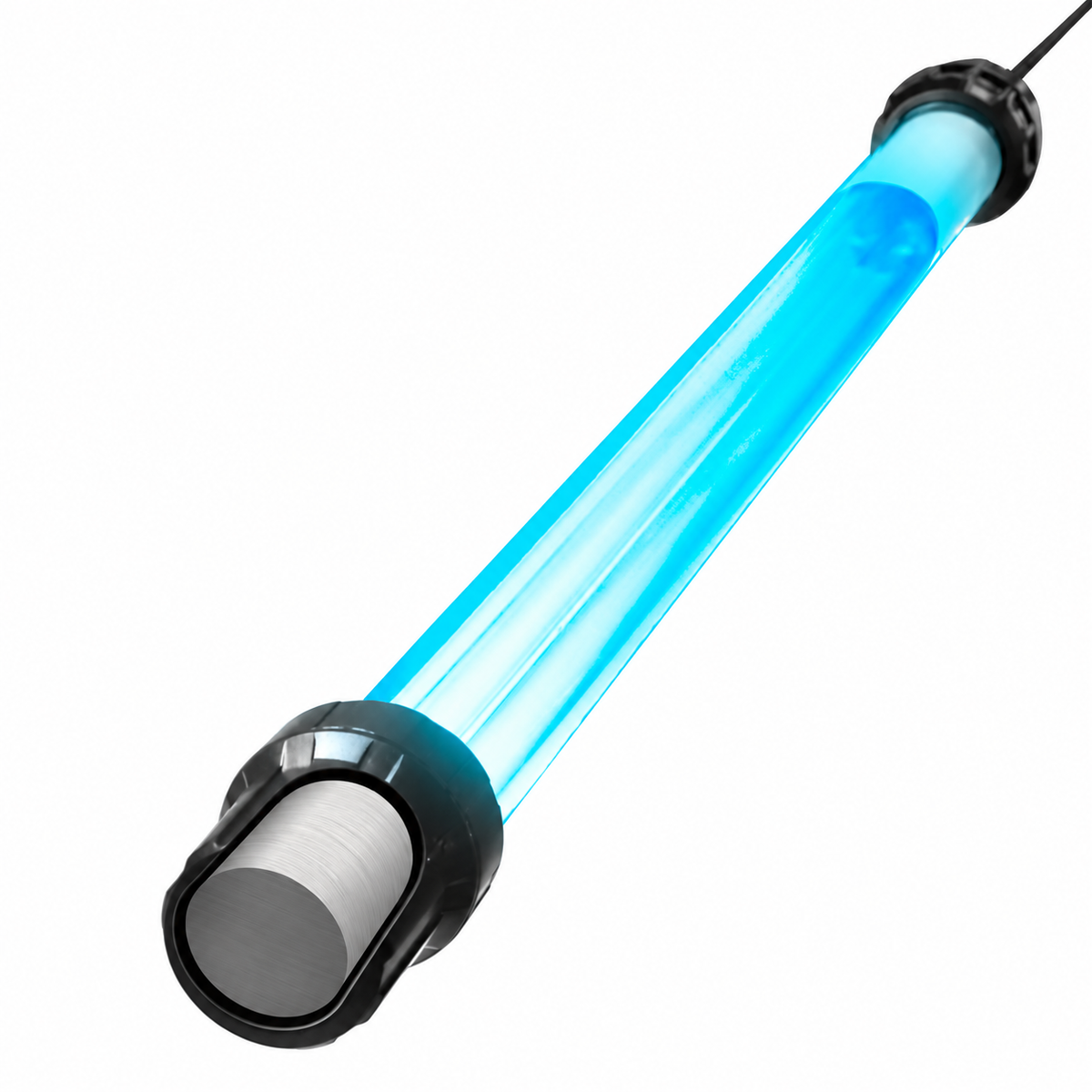
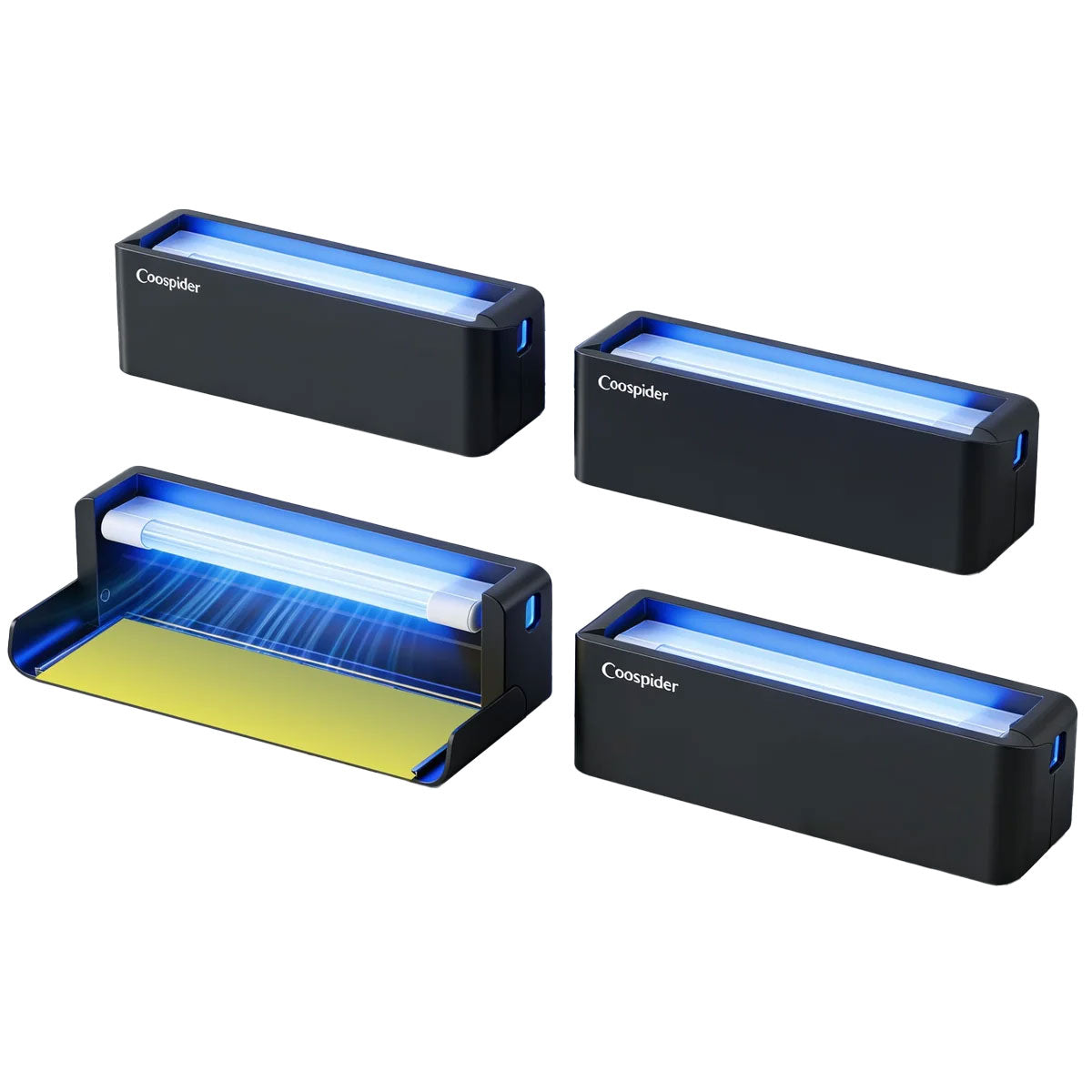
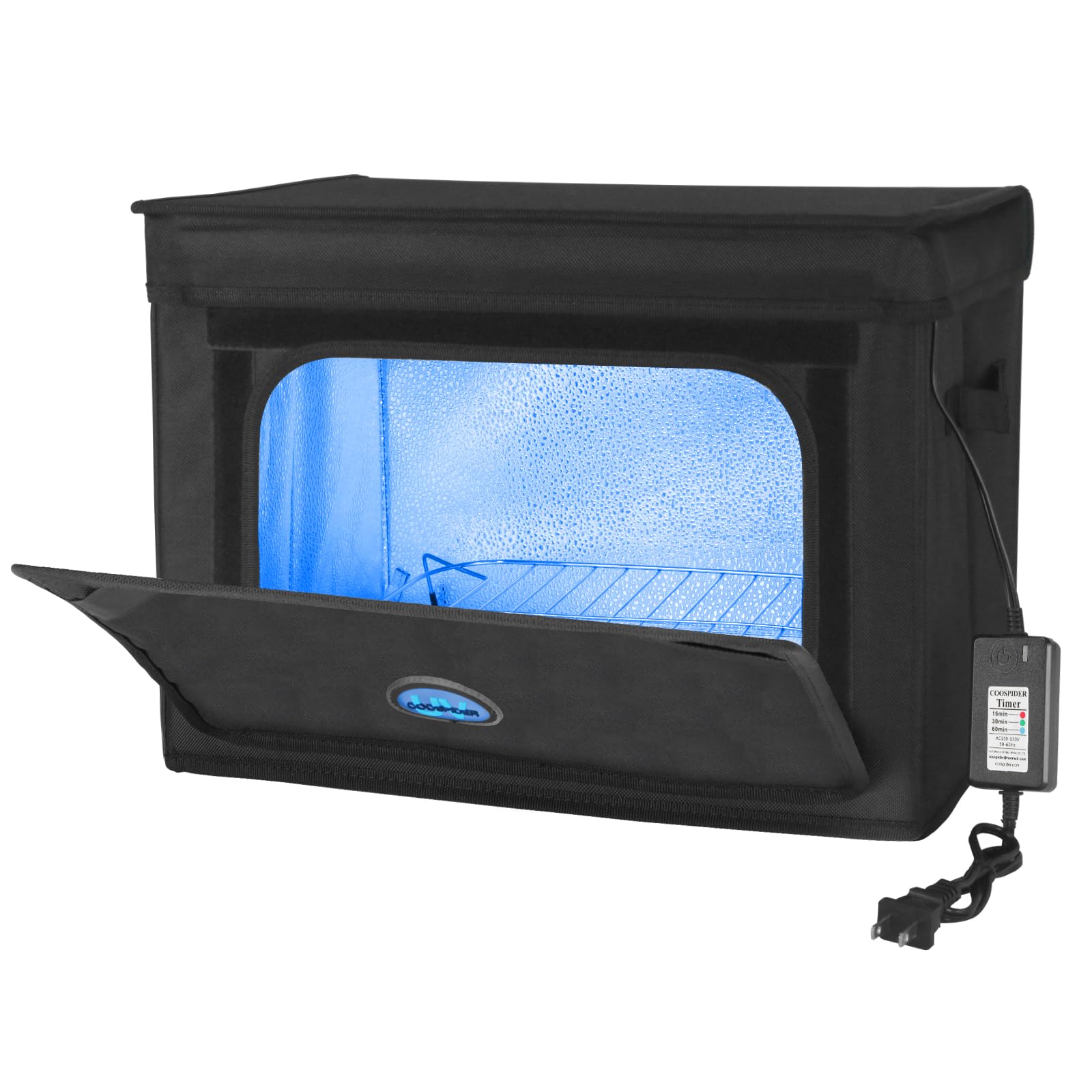
Step 2: Deep Clean UV Mosquito Lamps
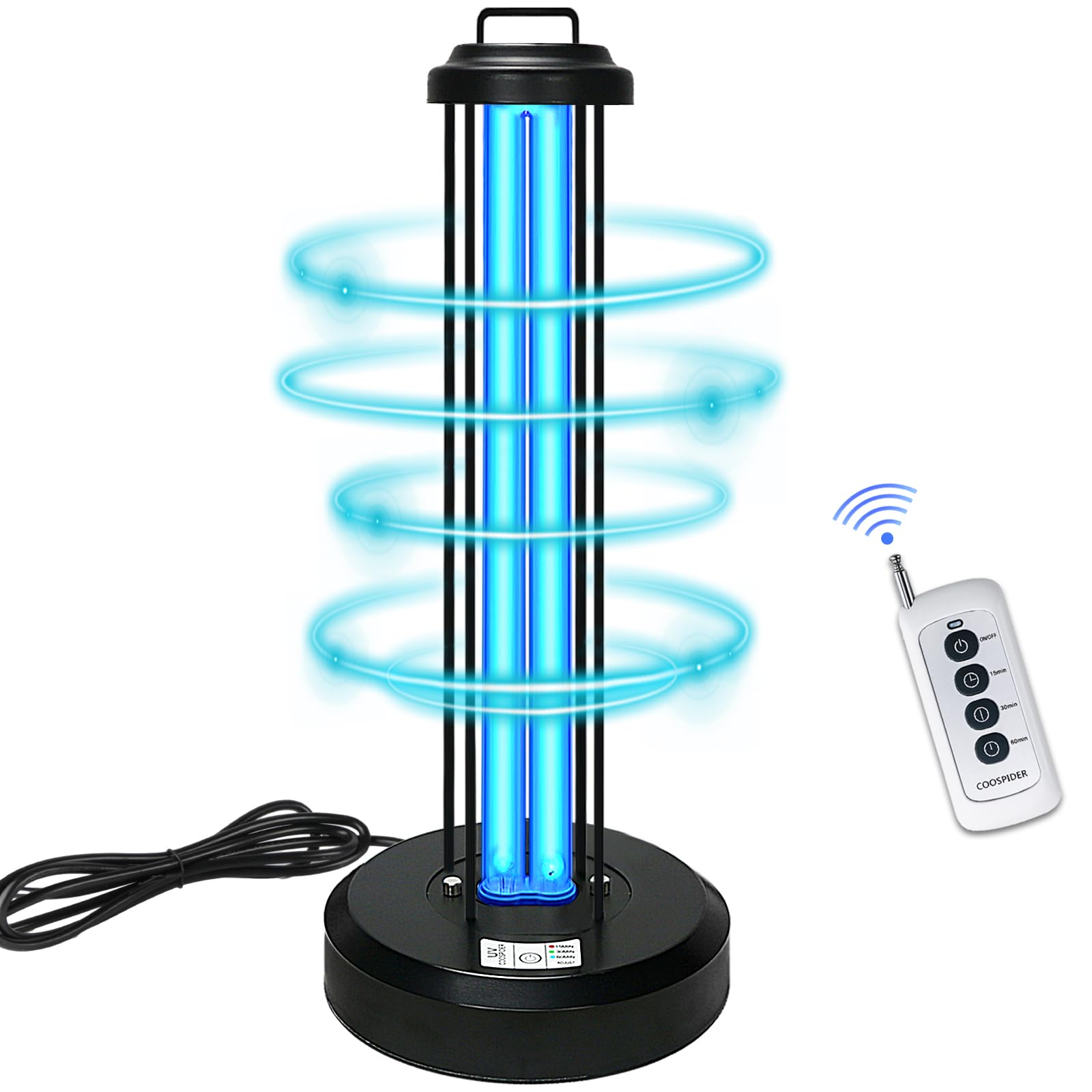
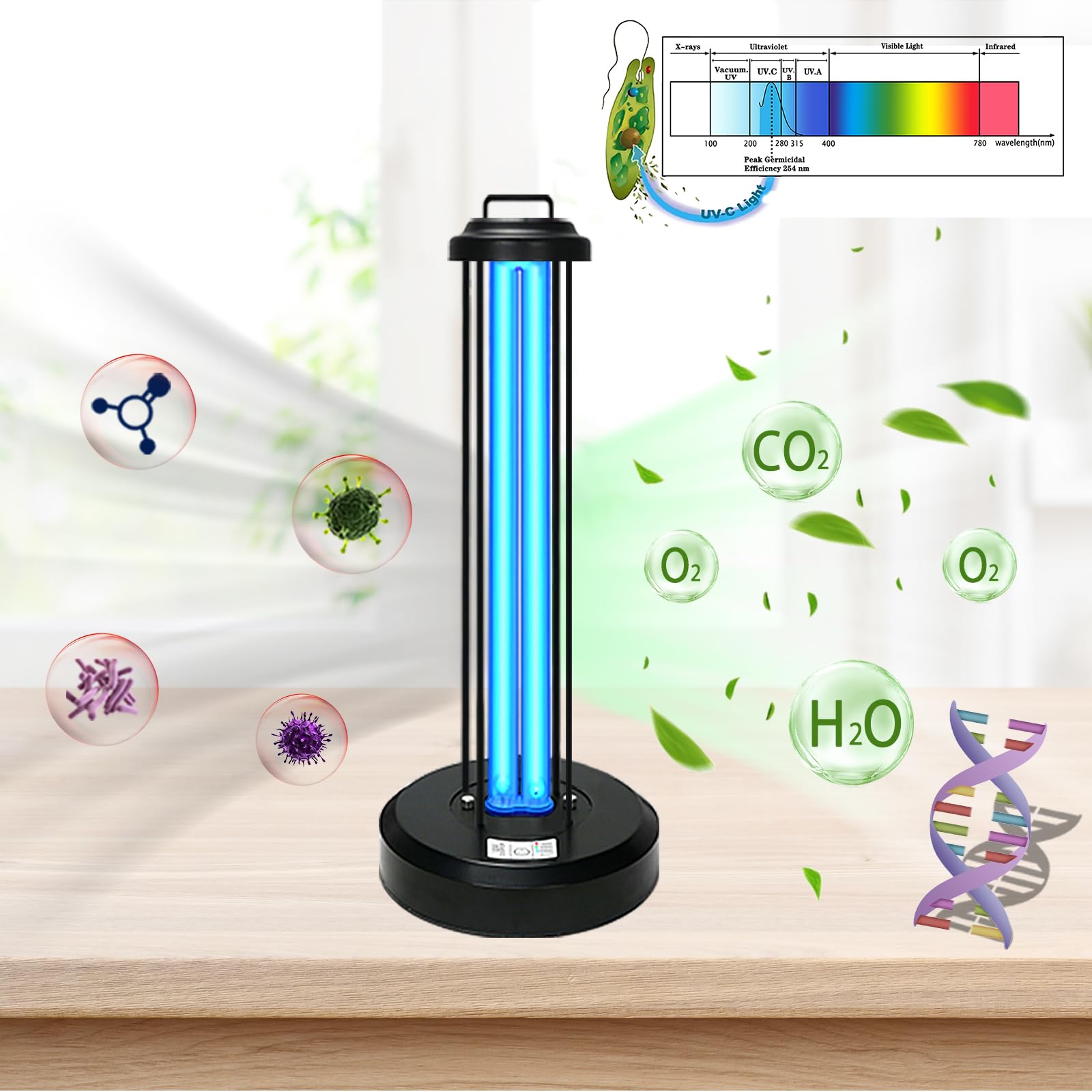
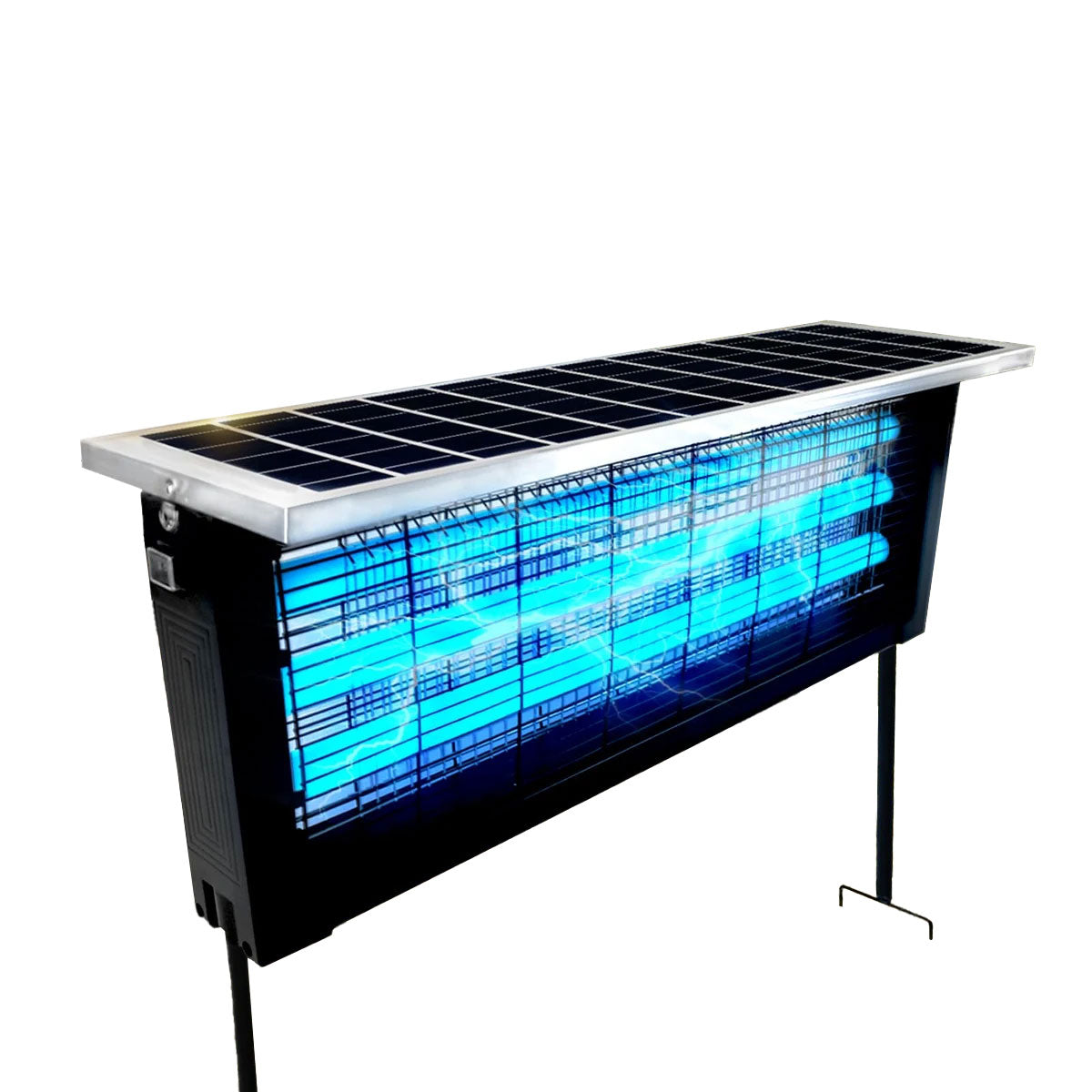
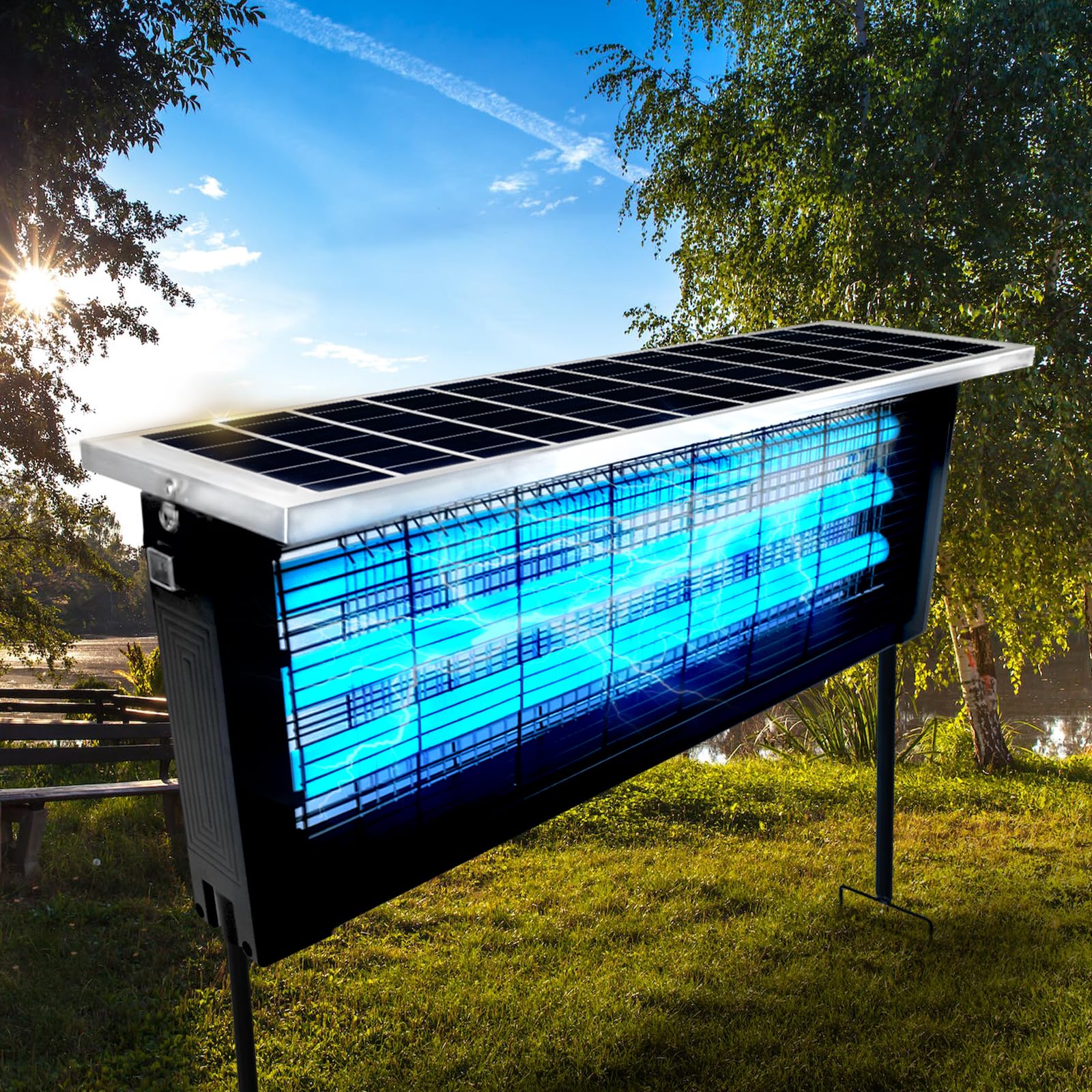
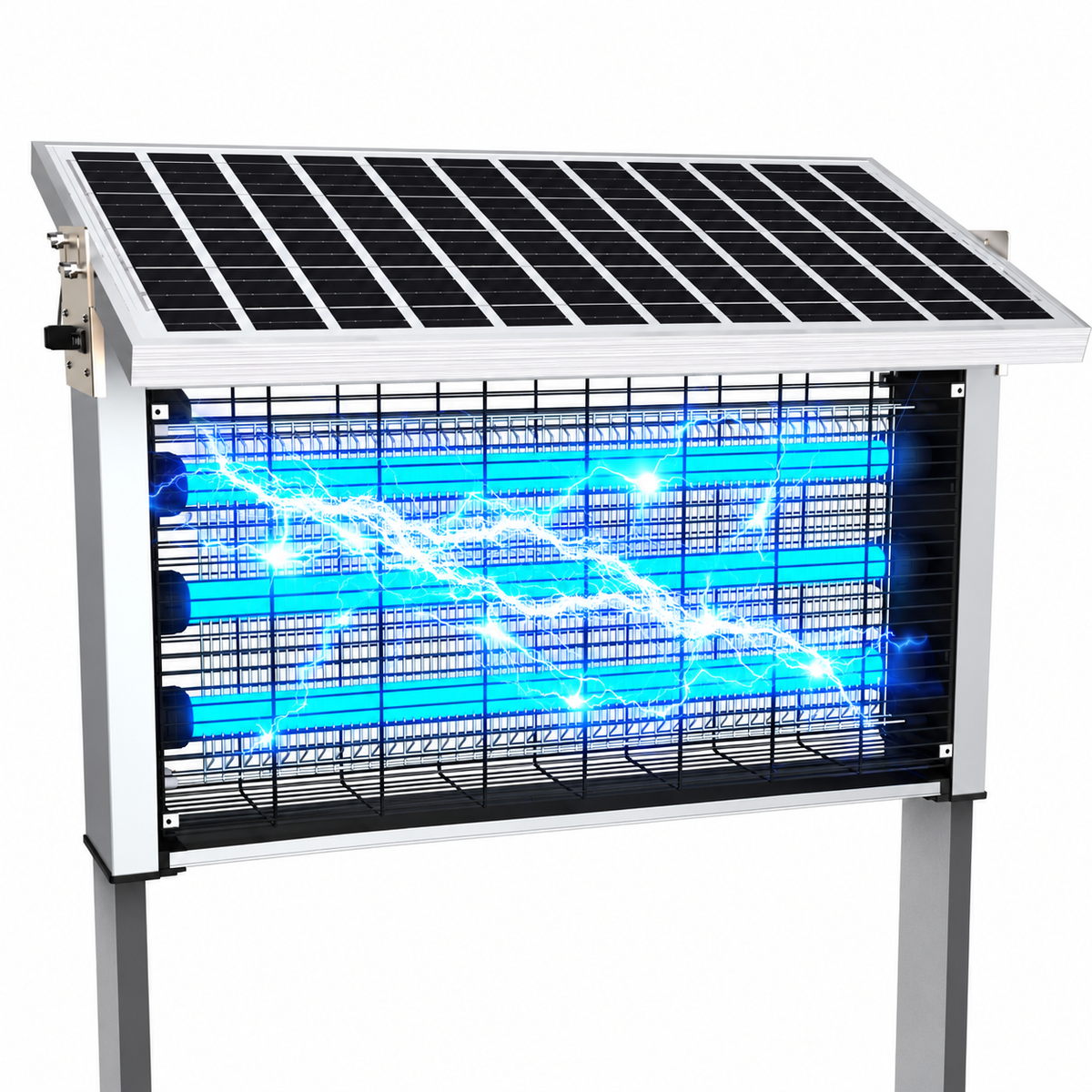
UV mosquito lamps are one of the most effective tools for controlling insect populations, but they only work well when properly maintained.
Why Cleaning Matters
Over time, dust, dead insects, and environmental debris accumulate inside the lamp. This reduces UV light output and airflow, making the device less effective at attracting and trapping insects.
Cleaning Process
-
Disconnect Power
Always unplug the device before cleaning. -
Remove the Outer Casing
Carefully open the unit according to the manufacturer’s instructions. -
Dispose of Debris
Empty the collection tray and remove any trapped insects. -
Clean Internal Components
Use a soft brush or compressed air to remove dust from internal surfaces. -
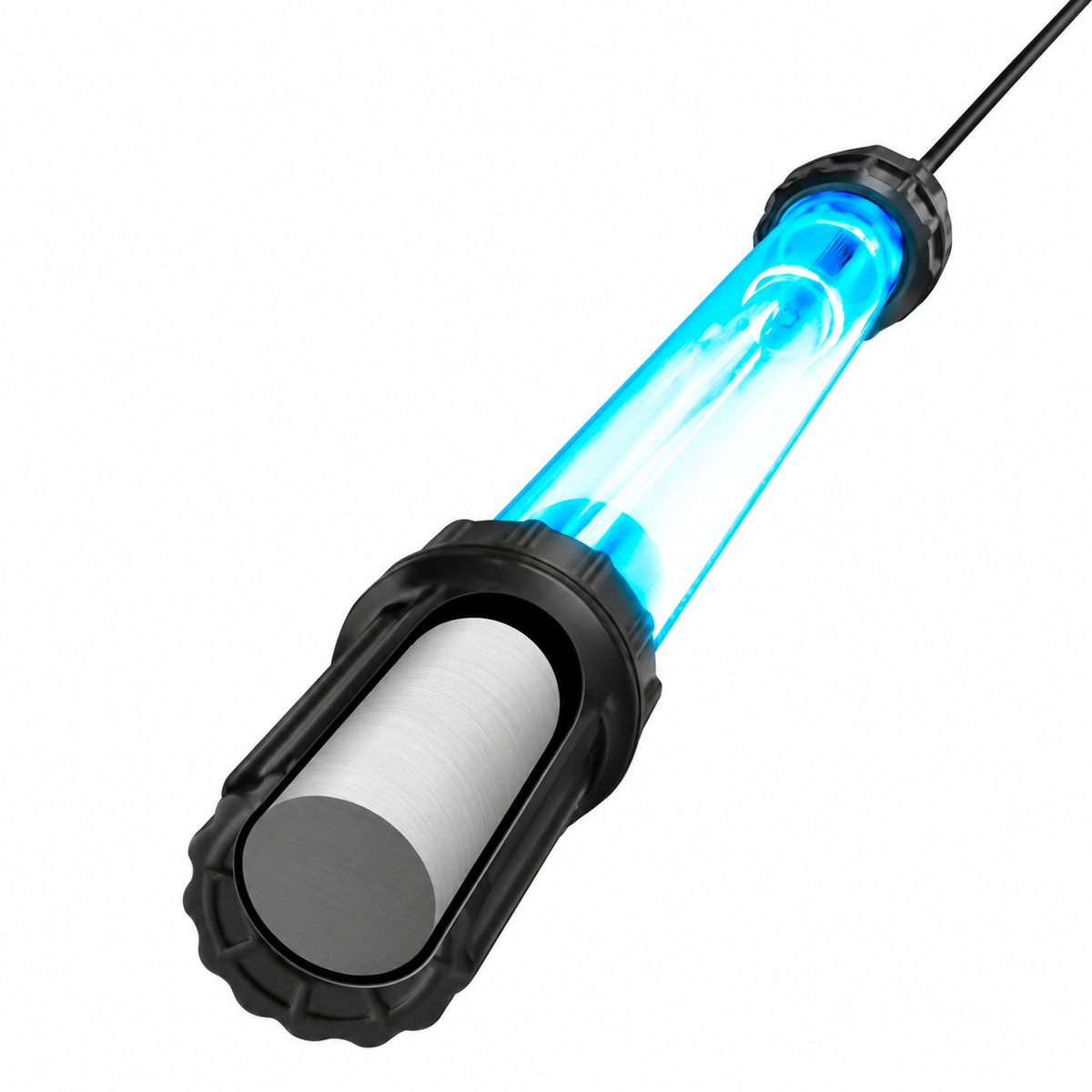
Wipe the UV Bulb
Gently clean the bulb with a dry microfiber cloth. Avoid using water or harsh chemicals. -
Check the Fan Mechanism
Ensure the fan spins freely and is not obstructed. -
Reassemble and Test
Once clean, reassemble the unit and test its functionality.
Pro Tip
If your UV bulb has been in use for more than one season, consider replacing it. Even if it still lights up, its effectiveness may have diminished.
Step 3: Eliminate Hidden Breeding Grounds
Cleaning equipment is only part of the equation. You also need to eliminate environments where larvae can thrive.
Common Breeding Areas
-
Standing water in buckets or planters
-
Clogged gutters
-
Birdbaths and fountains
-
Old tires or containers
-
Drainage ditches
Preventive Measures
-
Empty and scrub containers weekly
-
Ensure proper drainage around your yard
-
Use covers for water storage
-
Install screens where necessary
Reducing breeding grounds significantly lowers the number of larvae your equipment needs to handle.
Step 4: Clean and Maintain Outdoor Lighting
Outdoor lighting plays a dual role: illuminating your space and attracting insects. Proper maintenance ensures it doesn’t become a liability.
Cleaning Steps
-
Remove fixtures and wipe down surfaces
-
Clean glass covers to maximize brightness
-
Replace dim or flickering bulbs
-
Check seals to prevent moisture entry
Upgrade Considerations
Switching to warmer-toned LED lights can reduce insect attraction while maintaining visibility.
Step 5: Service Fans and Airflow Systems
Airflow is a natural deterrent for flying insects. Fans disrupt flight patterns and reduce the likelihood of insects settling in one area.
Maintenance Tips
-
Clean fan blades thoroughly
-
Check motor functionality
-
Lubricate moving parts if needed
-
Ensure stable mounting
A well-maintained fan system enhances the effectiveness of your overall pest control strategy.
Step 6: Prepare Water Features Responsibly
Water features can either enhance your landscape or become a breeding ground for larvae.
Cleaning Checklist
-
Drain and scrub surfaces
-
Remove algae buildup
-
Clean filters and pumps
-
Refill with fresh water
Add Protective Measures
Consider adding:
-
Water circulation systems
-
Natural larvicides (safe for pets and wildlife)
-
Fish that feed on larvae
Maintaining clean, moving water discourages larvae development.
Step 7: Check Storage Areas and Containers
Storage spaces often harbor unnoticed debris and moisture, creating ideal conditions for pests.
Key Actions
-
Empty and clean storage bins
-
Discard unused items
-
Use airtight containers
-
Add moisture absorbers if necessary
A clean storage environment prevents pests from gaining a foothold.
Step 8: Replace Worn-Out Components
Spring is the perfect time to replace parts that may fail during peak usage.
Common Replacements
-
UV bulbs
-
Filters
-
Batteries
-
Seals and gaskets
Investing in new components early ensures consistent performance throughout the season.
Step 9: Test Everything Before Peak Season
After cleaning and repairs, test all equipment to confirm it’s working properly.
Testing Checklist
-
Power on devices and check functionality
-
Observe airflow and light output
-
Listen for unusual noises
-
Ensure stable operation
Testing now prevents surprises later when you need your equipment most.
Step 10: Create a Maintenance Schedule
Preparation doesn’t end with one cleaning session. Ongoing maintenance is key to staying ahead of larvae development.
Suggested Schedule
-
Weekly: Empty and clean traps, check water sources
-
Monthly: Inspect and clean internal components
-
სეზonal: Replace bulbs and major parts
Consistency ensures long-term effectiveness.
Advanced Tips for Maximum Efficiency
Optimize Placement
Position UV lamps and traps:
-
Away from competing light sources
-
Near entry points or high-traffic insect areas
-
At appropriate heights for target insects
Combine Methods
Use a multi-layered approach:
-
UV traps
-
Airflow systems
-
Environmental control
This reduces reliance on any single method.
Monitor Results
Track insect activity to evaluate effectiveness. Adjust placement and cleaning frequency as needed.
Common Mistakes to Avoid
Even with the best intentions, certain mistakes can undermine your efforts:
-
Skipping early-season preparation
-
Using harsh chemicals that damage equipment
-
Ignoring small signs of wear
-
Overlooking hidden water sources
Avoiding these pitfalls helps maintain efficiency and safety.
Environmental Considerations
Eco-friendly practices benefit both your home and the surrounding ecosystem.
Sustainable Cleaning Tips
-
Use non-toxic cleaning solutions
-
Minimize water waste
-
Recycle old components when possible
Protect Beneficial Insects
Not all insects are harmful. Pollinators like bees and butterflies play a crucial role in your garden’s health. Position traps strategically to minimize unintended impact.
Final Thoughts: Stay Ahead of the Season
Spring preparation is more than a routine chore—it’s a proactive strategy that sets the tone for the entire season. By cleaning, inspecting, and optimizing your equipment before the first wave of larvae hatches, you create a more comfortable, efficient, and pest-resistant environment.
The key is timing. Act early, stay consistent, and make maintenance a habit rather than a reaction.
With the right approach, your equipment won’t just be ready—it will perform at its best when you need it most.
Frequently Asked Questions
How early should I start spring cleaning?
Begin as soon as temperatures start rising consistently, ideally before they reach 50°F.
How often should I clean my UV mosquito lamp?
At least once every two weeks during peak season, and more frequently if insect activity is high.
Can I use water to clean UV bulbs?
No. Always use a dry cloth to avoid damaging the bulb.
What’s the biggest mistake people make?
Waiting too long. By the time insects are visible, larvae have already matured.