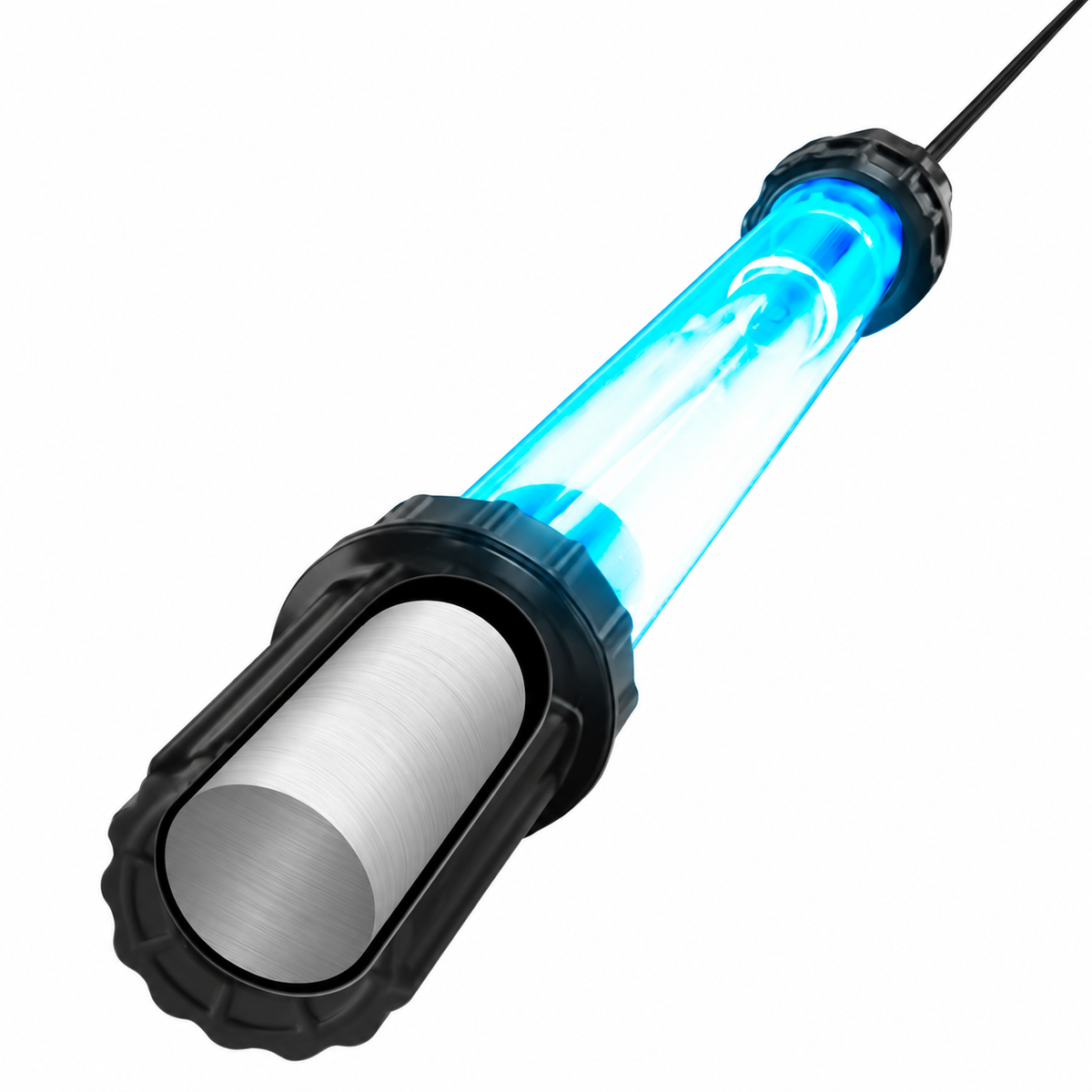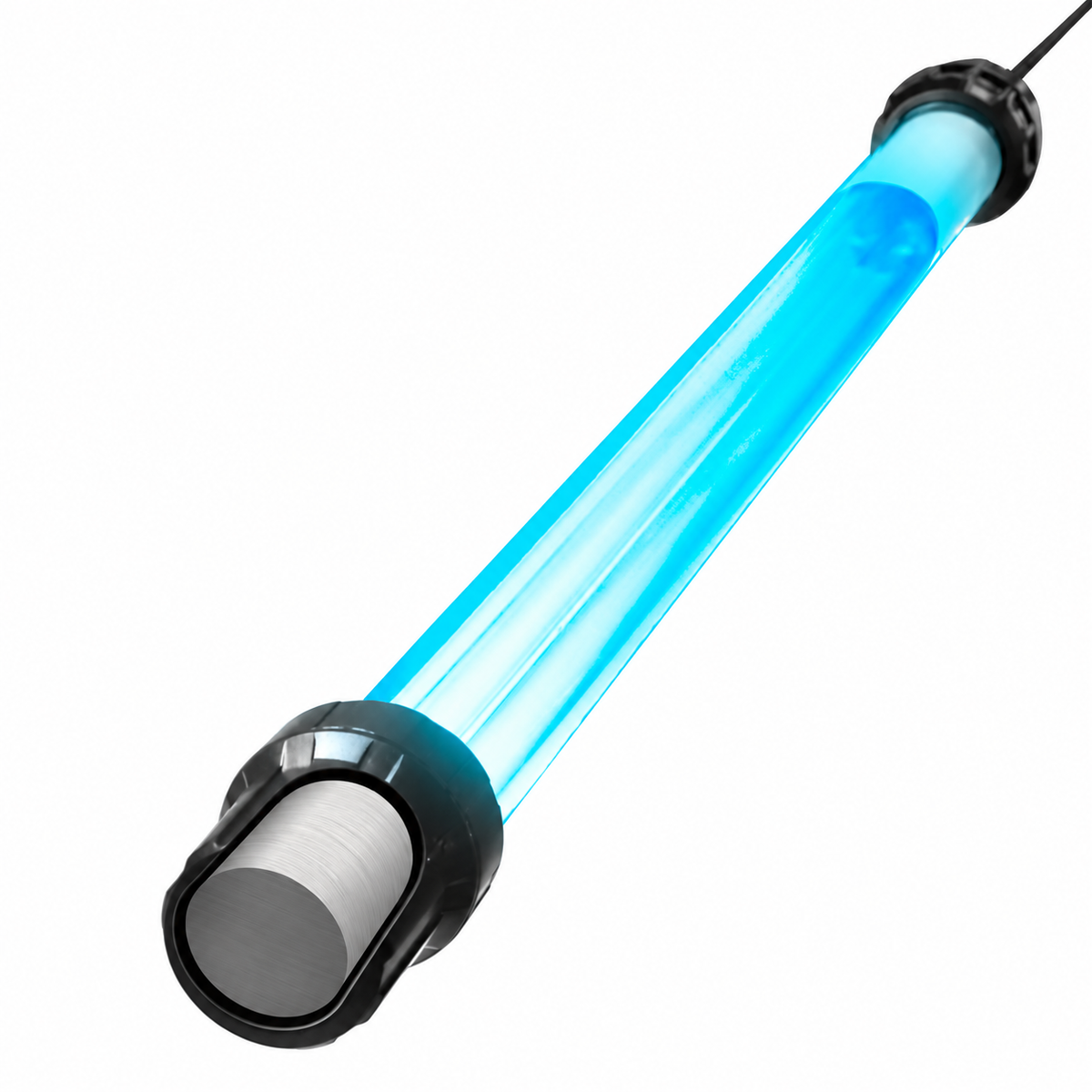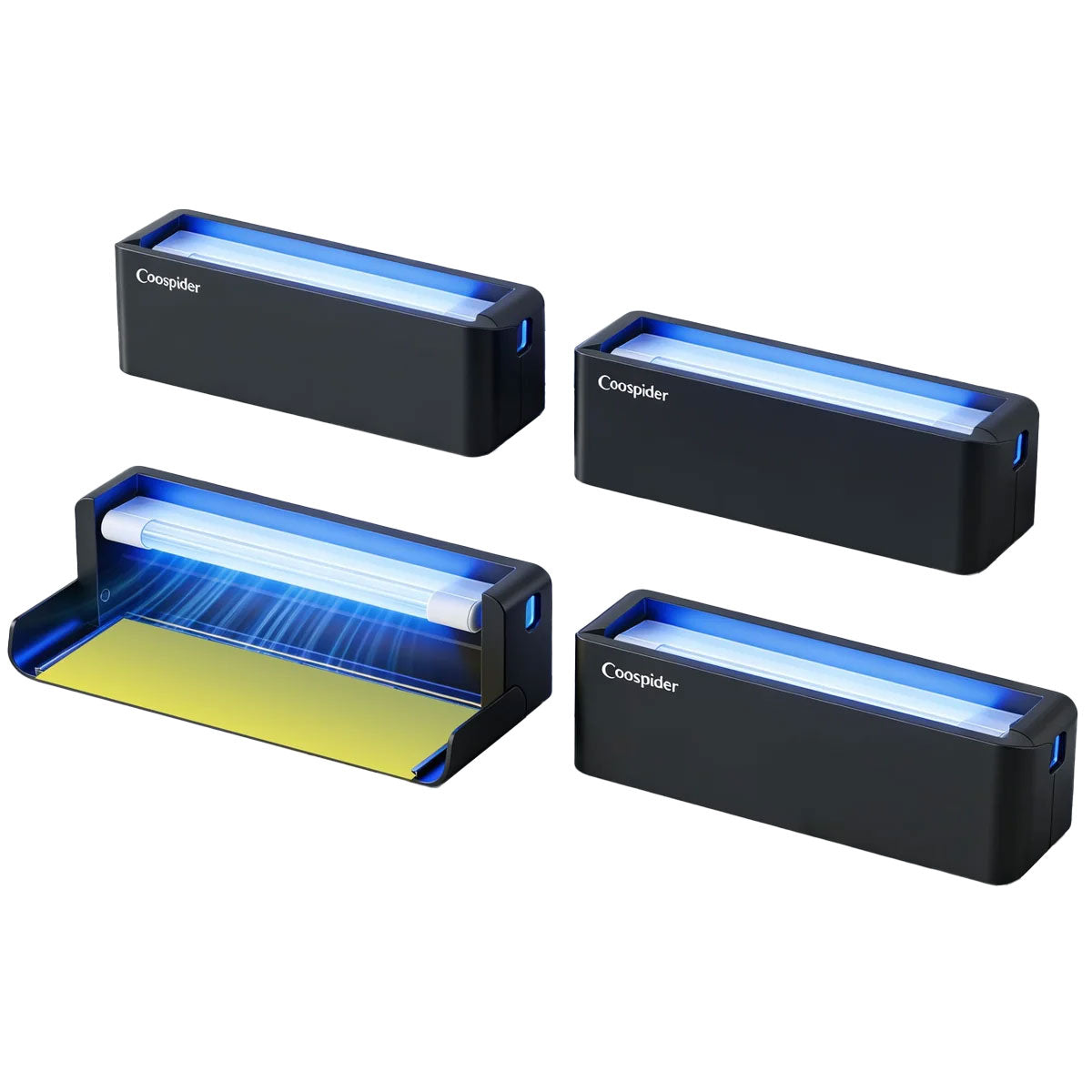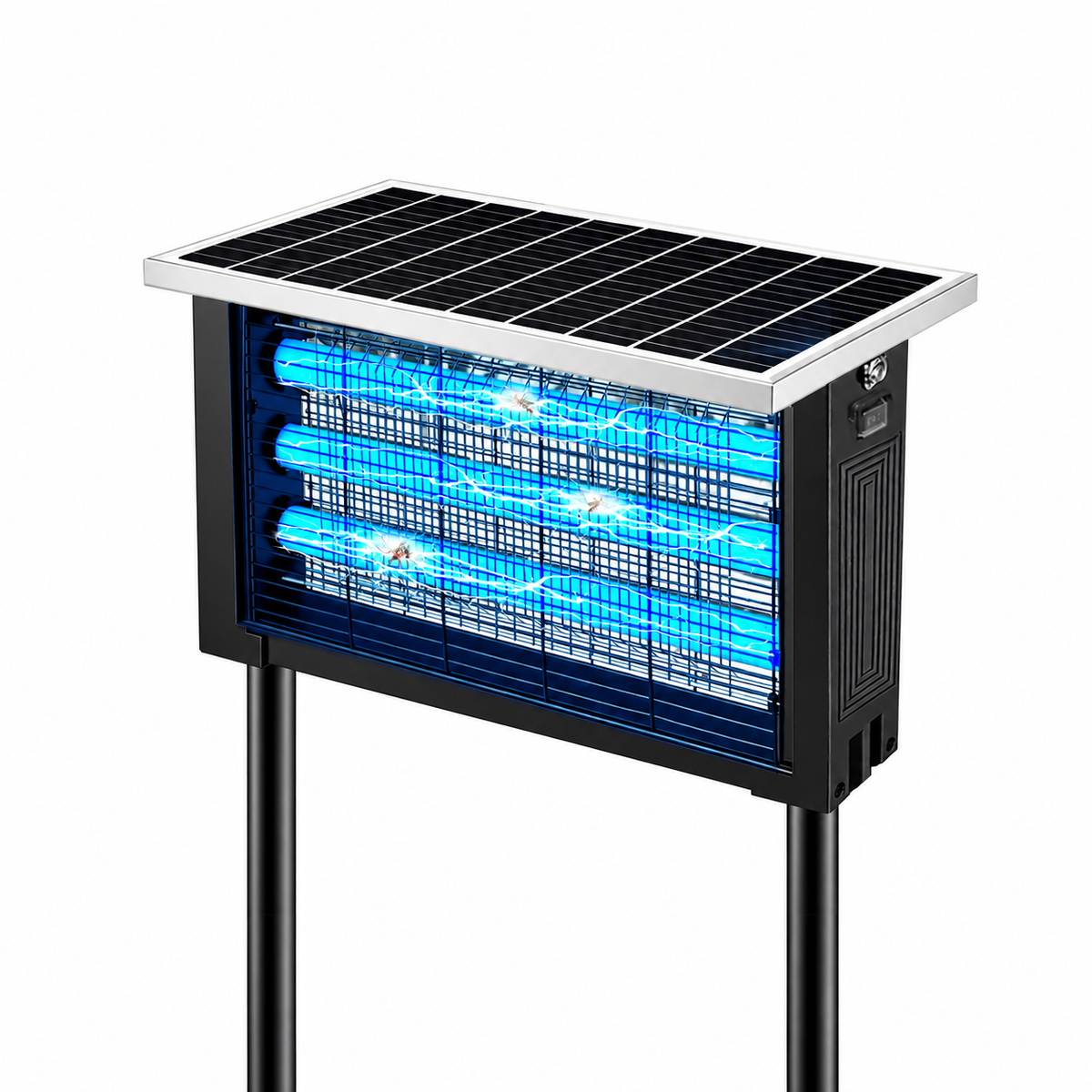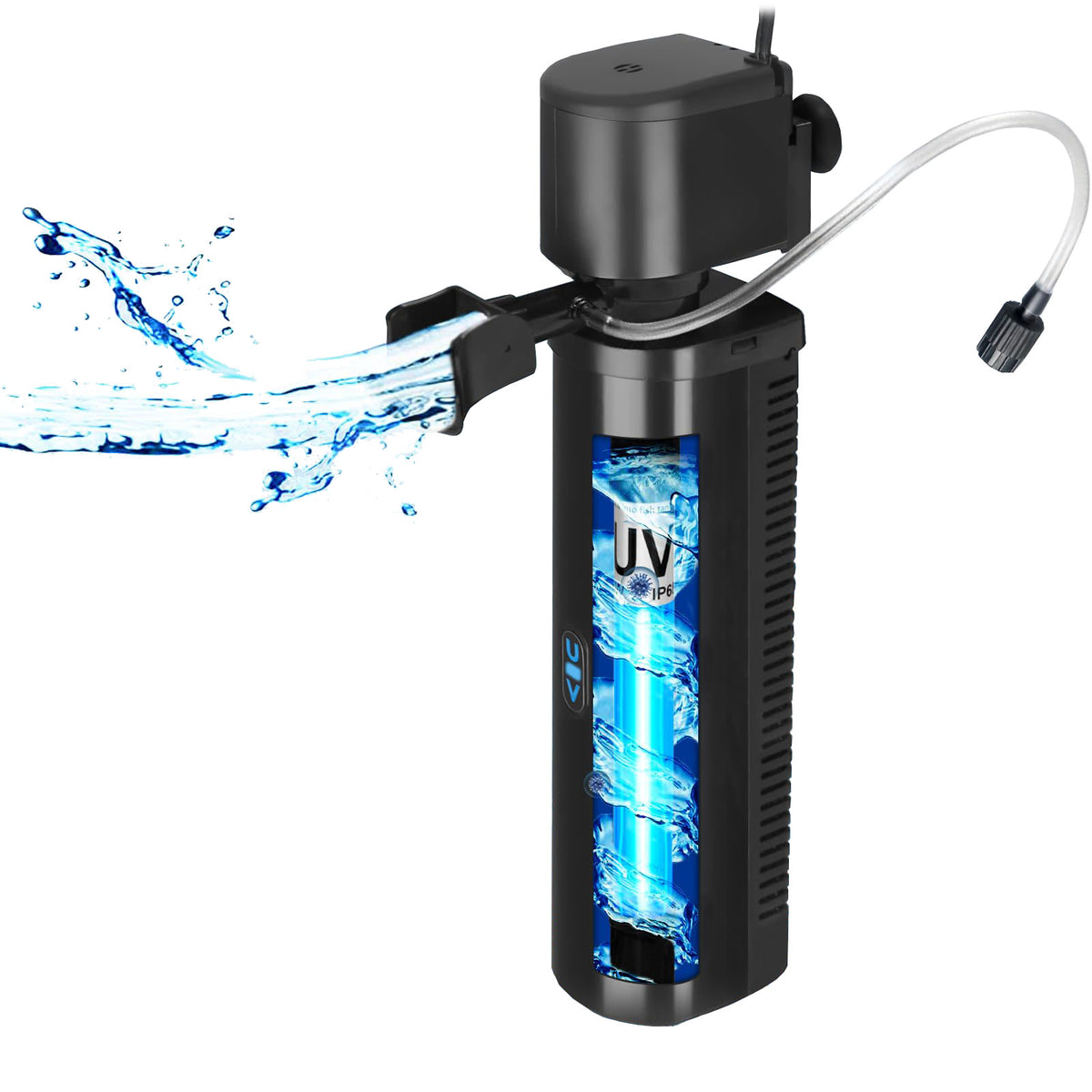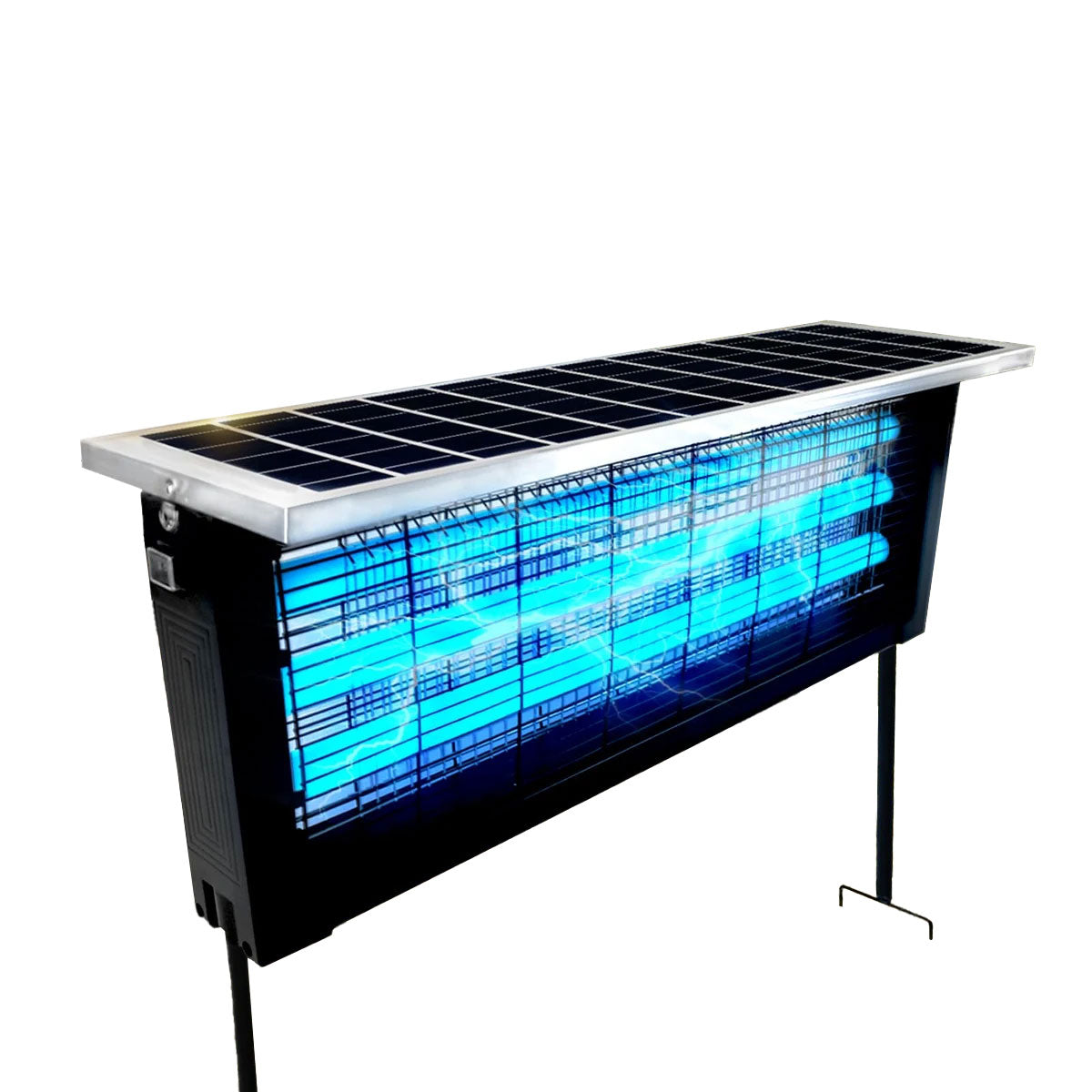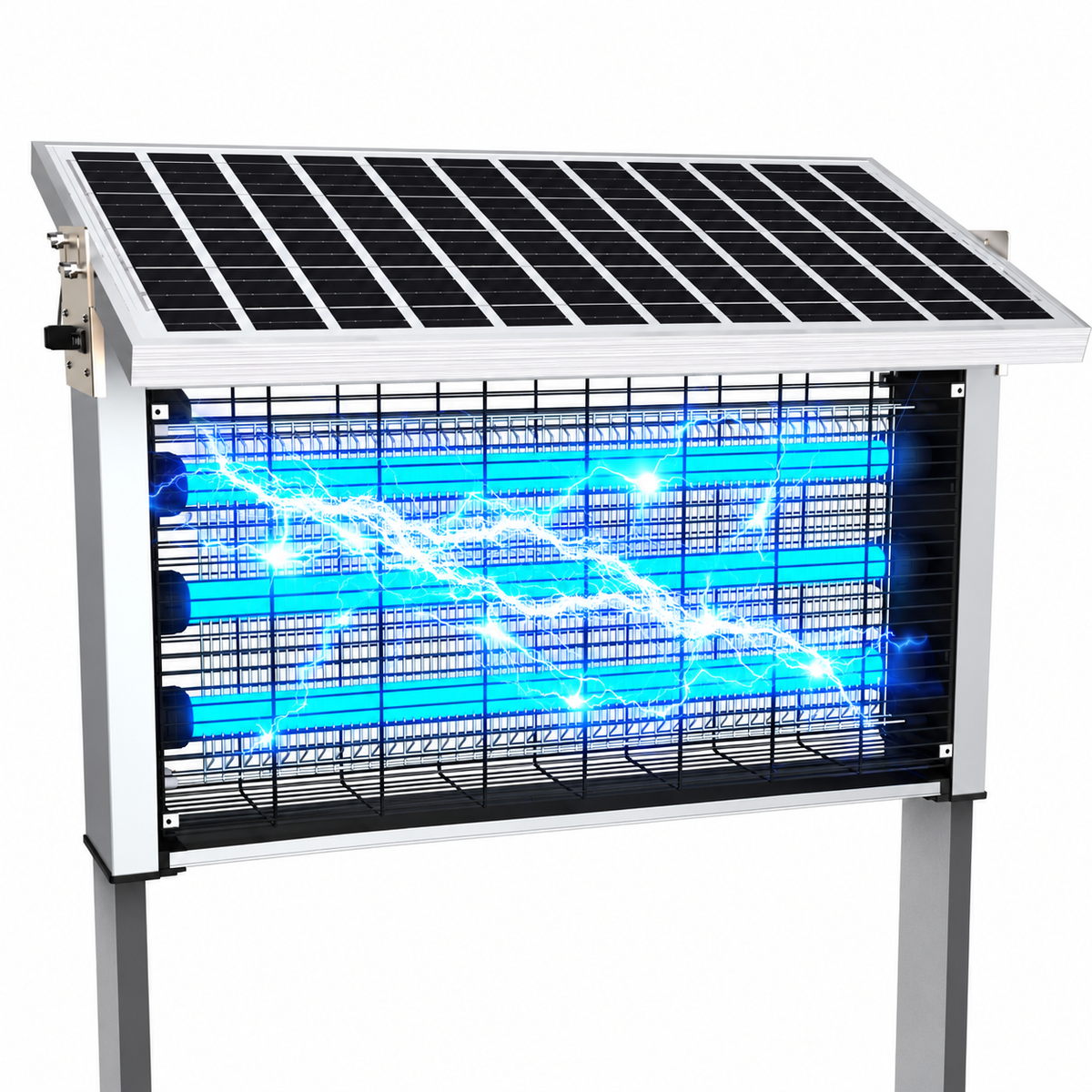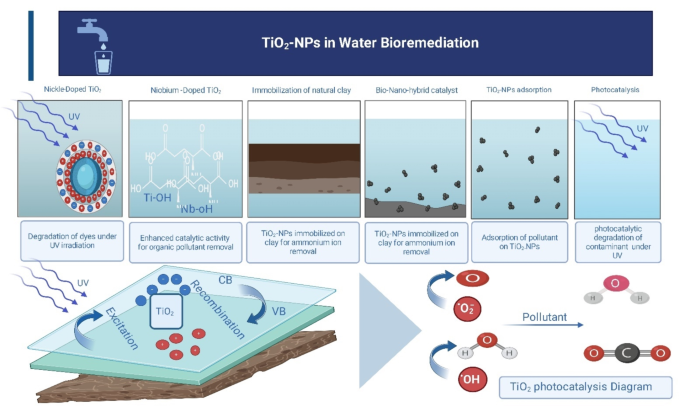
Titanium dioxide (TiO₂) plates are widely used in applications ranging from air purification systems and UV insect traps to industrial filtration and self-cleaning surfaces. Their photocatalytic properties make them highly effective at breaking down organic pollutants when exposed to ultraviolet light. However, despite their advanced functionality, these plates are not immune to a very common and frustrating problem: sticky residue buildup from insect remains and organic debris.
Over time, dead insects, dust, pollen, oils, and environmental contaminants accumulate on the surface. This buildup can reduce efficiency, block active sites, and even damage the coating if not handled properly. Cleaning these surfaces requires a careful balance—removing stubborn residue without degrading the delicate photocatalytic layer.
In this comprehensive guide, we’ll explore why buildup occurs, the risks of improper cleaning, and the safest, most effective methods to restore titanium dioxide plates to optimal condition.
Why Residue Accumulates on Titanium Dioxide Plates
Understanding the cause of buildup is the first step toward effective cleaning.
1. Insect Attraction to UV Light
Many systems using TiO₂ plates also rely on ultraviolet light to attract insects. Once insects come into contact with the device, they often:
-
Become trapped or electrocuted
-
Stick to nearby surfaces
-
Decompose over time
Their bodies contain proteins, fats, and chitin—all of which can create a sticky, stubborn residue.
2. Organic Material Breakdown
As insect remains decompose, they release:
-
Oils and fatty acids
-
Nitrogen-based compounds
-
Moisture
These substances can form a thin film that adheres strongly to the plate, especially when combined with dust and airborne particles.
3. Environmental Contaminants
In addition to insects, TiO₂ plates are exposed to:
-
Pollen
-
Smoke particles
-
Cooking oils (in indoor environments)
-
Industrial pollutants
These materials mix with insect residue, creating a layered buildup that becomes increasingly difficult to remove.
4. Photocatalytic Reaction Byproducts
Ironically, the very process that makes TiO₂ effective can contribute to residue formation. Photocatalysis breaks down organic compounds, but incomplete reactions may leave behind intermediate byproducts that cling to the surface.
Why Proper Cleaning Is Critical
Neglecting or improperly cleaning TiO₂ plates can lead to several issues.
Reduced Photocatalytic Efficiency
Buildup blocks UV light from reaching the active surface, limiting the plate’s ability to break down pollutants.
Surface Degradation
Harsh cleaning methods can scratch or strip the TiO₂ coating, permanently reducing effectiveness.
Odor and Hygiene Problems
Decomposing organic matter can produce unpleasant odors and promote microbial growth.
Increased Energy Consumption
Devices may need to work harder to achieve the same performance, leading to inefficiency.
Key Principles for Safe Cleaning
Before diving into specific methods, keep these essential principles in mind:
-
Be gentle – Avoid abrasive tools or harsh scrubbing
-
Use compatible cleaners – Strong acids or bases can damage coatings
-
Minimize mechanical stress – Excessive force can wear down the surface
-
Rinse thoroughly – Residual chemicals can interfere with photocatalysis
-
Dry properly – Prevent water spots and secondary buildup
Step-by-Step Cleaning Process
Step 1: Power Down and Disassemble
Always begin by turning off the device and disconnecting it from power. Carefully remove the TiO₂ plate according to manufacturer instructions.
Step 2: Remove Loose Debris
Use a soft brush, microfiber cloth, or compressed air to remove dust and loose particles.
Avoid:
-
Hard-bristle brushes
-
Metal tools
-
High-pressure air that could damage the surface
Step 3: Pre-Soak to Loosen Residue
Sticky insect remains often require softening before removal.
-
Soak the plate in lukewarm water
-
Add a small amount of mild, non-ionic detergent
-
Let it sit for 10–20 minutes
This helps break down organic material without harming the coating.
Step 4: Gentle Cleaning
After soaking:
-
Use a soft sponge or cloth
-
Wipe in a single direction to avoid streaking
-
Focus on areas with visible buildup
For stubborn spots, repeat soaking rather than increasing force.
Step 5: Use Specialized Cleaning Solutions (If Needed)
If residue persists, consider:
-
Diluted isopropyl alcohol (low concentration)
-
Photocatalyst-safe cleaning agents
Avoid:
-
Strong acids (e.g., hydrochloric acid)
-
Strong bases (e.g., sodium hydroxide)
-
Abrasive pastes
Step 6: Thorough Rinsing
Rinse with clean water to remove all cleaning agents and loosened debris.
Step 7: Drying
Allow the plate to air dry in a clean, dust-free environment. You can also:
-
Use a lint-free cloth
-
Apply low-pressure air
Ensure the plate is completely dry before reinstallation.
Handling Stubborn Organic Buildup
Some residues are more persistent and require additional care.
Enzyme-Based Cleaners
These cleaners break down proteins and organic matter effectively without harsh chemicals.
Repeated Cleaning Cycles
Multiple gentle cleanings are safer than one aggressive attempt.
UV Reactivation
After cleaning, exposing the plate to UV light can help restore its photocatalytic activity and break down any remaining microscopic residue.
What to Avoid at All Costs
Improper cleaning methods can do more harm than good.
Abrasive Tools
Steel wool, scouring pads, and stiff brushes can scratch the surface.
High-Pressure Washing
Strong jets can damage coatings or force contaminants deeper into the material.
Harsh Chemicals
Bleach, strong acids, and industrial solvents can degrade TiO₂ layers.
Excessive Scrubbing
Forceful cleaning can wear down the सक्रिय surface over time.
Maintenance Frequency and Best Practices
How Often Should You Clean?
-
High-use environments: every 2–4 weeks
-
Moderate use: monthly
-
Low use: every 2–3 months
Preventative Measures
-
Install pre-filters to reduce debris
-
Regularly remove visible insects
-
Keep surrounding areas clean
Extending the Life of Titanium Dioxide Plates
Proper maintenance goes beyond cleaning.
Handle with Care
Avoid touching the surface with bare hands, as oils can transfer easily.
Store Properly
If not in use, keep plates in a clean, dry environment.
Inspect Regularly
Look for signs of:
-
Coating wear
-
Discoloration
-
Reduced performance
Environmental and Safety Considerations
Safe Disposal of Waste
Organic residue and cleaning wastewater should be disposed of responsibly.
Personal Protection
Wear gloves when handling contaminated plates to avoid exposure to bacteria and allergens.
Troubleshooting Common Issues
Persistent Odor
-
Indicates incomplete removal of organic material
-
Repeat cleaning and ensure thorough drying
Reduced Performance After Cleaning
-
May result from residue left behind
-
Ensure proper rinsing and consider UV reactivation
Visible Staining
-
Some staining may be permanent if the coating is damaged
-
Prevention is key
Final Thoughts
Titanium dioxide plates are powerful tools for maintaining clean air and environments, but they require proper care to function effectively. Sticky residue from insect remains and organic buildup is inevitable in many applications, especially those involving UV light and outdoor exposure.
The key to maintaining performance lies in gentle, consistent, and informed cleaning practices. By avoiding harsh methods and using safe, effective techniques, you can preserve the integrity of the TiO₂ surface while keeping it free from performance-hindering buildup.
In the long run, regular maintenance not only ensures optimal efficiency but also extends the lifespan of your equipment—saving time, money, and frustration.
Treat your titanium dioxide plates with care, and they’ll continue to deliver the high-level performance they were designed for.