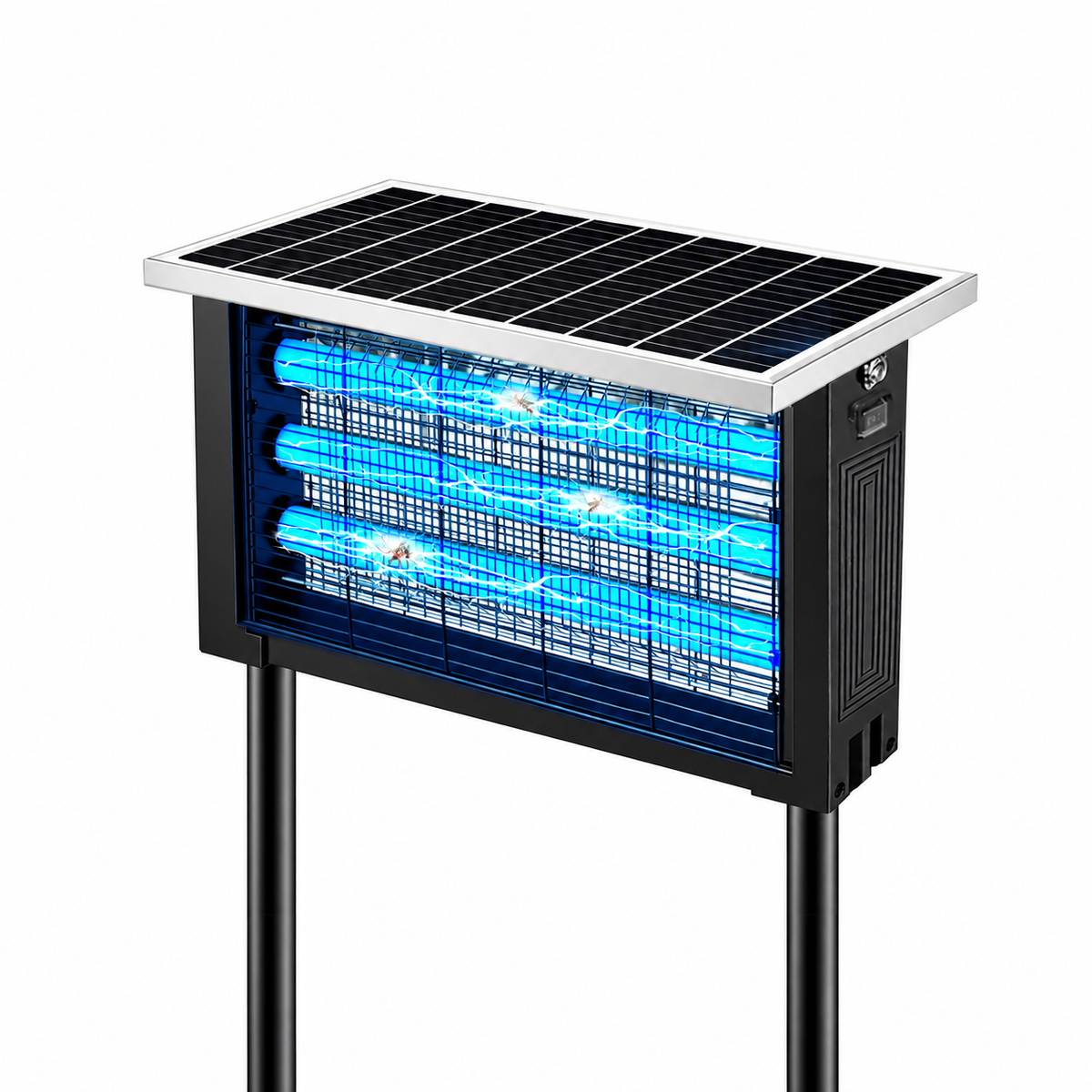
In the pursuit of a clean and healthy home, many people instinctively reach for strong chemical cleaners. These products promise quick results—killing bacteria, removing grime, and leaving surfaces sparkling. But when it comes to environments where insect control matters—such as homes using mosquito traps, UV insect lamps, or outdoor pest management systems—these harsh cleaners can create unintended consequences.
What many don’t realize is that certain cleaning methods can interfere with the effectiveness of future insect control efforts. Strong chemical residues, artificial fragrances, and surface coatings may repel insects in ways that reduce the efficiency of traps or disrupt carefully balanced attractant systems.
That’s where eco-friendly cleaning comes in. By using natural, non-disruptive cleaning methods, you can maintain a hygienic environment without compromising your ability to manage insects effectively.
This guide explores why conventional cleaners can backfire, how natural alternatives work, and how to build a cleaning routine that supports both cleanliness and long-term insect control.
The Overlooked Connection Between Cleaning and Insect Behavior
Cleaning and pest control are often treated as separate concerns, but they are closely linked.
How Cleaning Affects Insect Activity
Insects rely heavily on environmental cues to locate food, breeding grounds, and light sources. These cues include:
-
Smell (organic odors, CO₂, pheromones)
-
Heat and moisture
-
Surface residues
When you clean surfaces, you’re not just removing dirt—you’re altering the signals that insects use to navigate their environment.
The Problem with Harsh Chemical Cleaners
Many conventional cleaners contain:
-
Strong synthetic fragrances
-
Volatile organic compounds (VOCs)
-
Residual chemicals that linger on surfaces
These substances can:
-
Mask natural attractants used by traps
-
Repel insects unpredictably
-
Interfere with UV-based insect control systems
In some cases, they may even create a temporary “clean” zone that insects avoid—reducing the effectiveness of traps designed to lure them.
Why Natural Cleaning Methods Are More Compatible
Eco-friendly cleaning focuses on gentle, biodegradable ingredients that clean effectively without leaving disruptive residues.
Key Advantages
-
Minimal chemical interference
-
Reduced environmental impact
-
Safer for humans and pets
-
Better compatibility with insect control systems
Unlike harsh cleaners, natural solutions maintain a balanced environment where insect management tools can function as intended.
Core Principles of Eco-Friendly Cleaning for Insect Management
To clean effectively without disrupting future pest control, follow these principles:
1. Avoid Strong Residual Scents
Heavy fragrances can confuse or repel insects, making traps less effective.
2. Use Biodegradable Ingredients
Natural substances break down quickly and leave minimal residue.
3. Focus on Removing Organic Matter
Cleaning should eliminate food sources and breeding materials—not create chemical barriers.
4. Maintain Surface Neutrality
The goal is to clean without altering the environment in a way that affects insect behavior.
Best Natural Cleaning Ingredients
Several natural ingredients provide powerful cleaning without unwanted side effects.
Vinegar
A versatile cleaner that:
-
Cuts through grease
-
Removes mineral deposits
-
Neutralizes odors
It evaporates quickly and leaves little residue, making it ideal for surfaces near insect control devices.
Baking Soda
A gentle abrasive that:
-
Lifts stains
-
Absorbs odors
-
Cleans without scratching
Lemon Juice
Naturally acidic and fresh-smelling:
-
Breaks down grime
-
Provides mild antibacterial properties
Castile Soap
A plant-based soap that:
-
Cleans effectively
-
Rinses easily
-
Leaves minimal residue
Hydrogen Peroxide (Low Concentration)
Useful for disinfecting:
-
Breaks down into water and oxygen
-
Leaves no harmful residue
Areas That Require Special Attention
Certain areas of your home are more sensitive when balancing cleanliness and insect control.
Near Insect Traps and UV Lamps
Avoid strong chemicals around these devices, as they can interfere with attractants and light-based systems.
Kitchens and Food Preparation Areas
While cleanliness is critical, avoid leaving behind heavy chemical residues that may disrupt insect behavior patterns.
Outdoor Spaces
Patios, balconies, and garden areas often host insect control systems. Natural cleaning helps maintain effectiveness without deterring beneficial attraction.
Step-by-Step Eco-Friendly Cleaning Routine
Step 1: Remove Debris and Organic Material
Start by clearing:
-
Food crumbs
-
Standing water
-
Plant debris
This eliminates the primary attractants for insects.
Step 2: Apply Natural Cleaning Solutions
Use a mixture of:
-
Vinegar and water for surfaces
-
Baking soda for scrubbing
-
Castile soap for general cleaning
Step 3: Rinse Thoroughly
Ensure all cleaning agents are removed to prevent buildup.
Step 4: Dry Completely
Moisture attracts insects and promotes breeding, so drying is essential.
Common Mistakes to Avoid
Overusing Essential Oils
While natural, strong essential oils can act as insect repellents and interfere with trap effectiveness.
Leaving Residue Behind
Even natural cleaners can cause buildup if not rinsed properly.
Ignoring Moisture Control
Clean surfaces still attract insects if they remain damp.
Balancing Cleanliness and Insect Attraction
It may seem counterintuitive, but effective insect control sometimes requires allowing certain attractant signals to remain.
The Goal
-
Remove harmful buildup
-
Maintain natural environmental cues
-
Support the function of traps and devices
This balance ensures that insects are guided toward control systems rather than repelled randomly.
Long-Term Benefits of Eco-Friendly Cleaning
Improved Indoor Air Quality
Natural cleaners reduce exposure to harmful chemicals.
Better Compatibility with Pest Control Systems
Your traps and devices work more efficiently.
Environmental Sustainability
Biodegradable ingredients reduce ecological impact.
Cost Savings
Many natural cleaners are inexpensive and widely available.
Creating a Sustainable Cleaning Routine
Consistency is key to maintaining both cleanliness and effective insect control.
Build Simple Habits
-
Clean regularly with mild solutions
-
Avoid harsh chemicals
-
Monitor areas prone to buildup
Use the Right Tools
-
Microfiber cloths
-
Soft brushes
-
Spray bottles for diluted solutions
Stay Observant
Pay attention to how cleaning methods affect insect activity and adjust accordingly.
Final Thoughts
Eco-friendly cleaning isn’t just about protecting the environment—it’s about creating a balanced space where cleanliness and functionality coexist. When managing insects, the way you clean can directly impact how well your control methods work.
By choosing natural, non-disruptive cleaning solutions, you can maintain a hygienic environment without compromising the effectiveness of your insect control systems. It’s a smarter, more sustainable approach that benefits your home, your health, and your long-term pest management strategy.
Clean thoughtfully, and you’ll not only enjoy a healthier living space—you’ll also ensure that your insect control efforts continue to work exactly as intended.