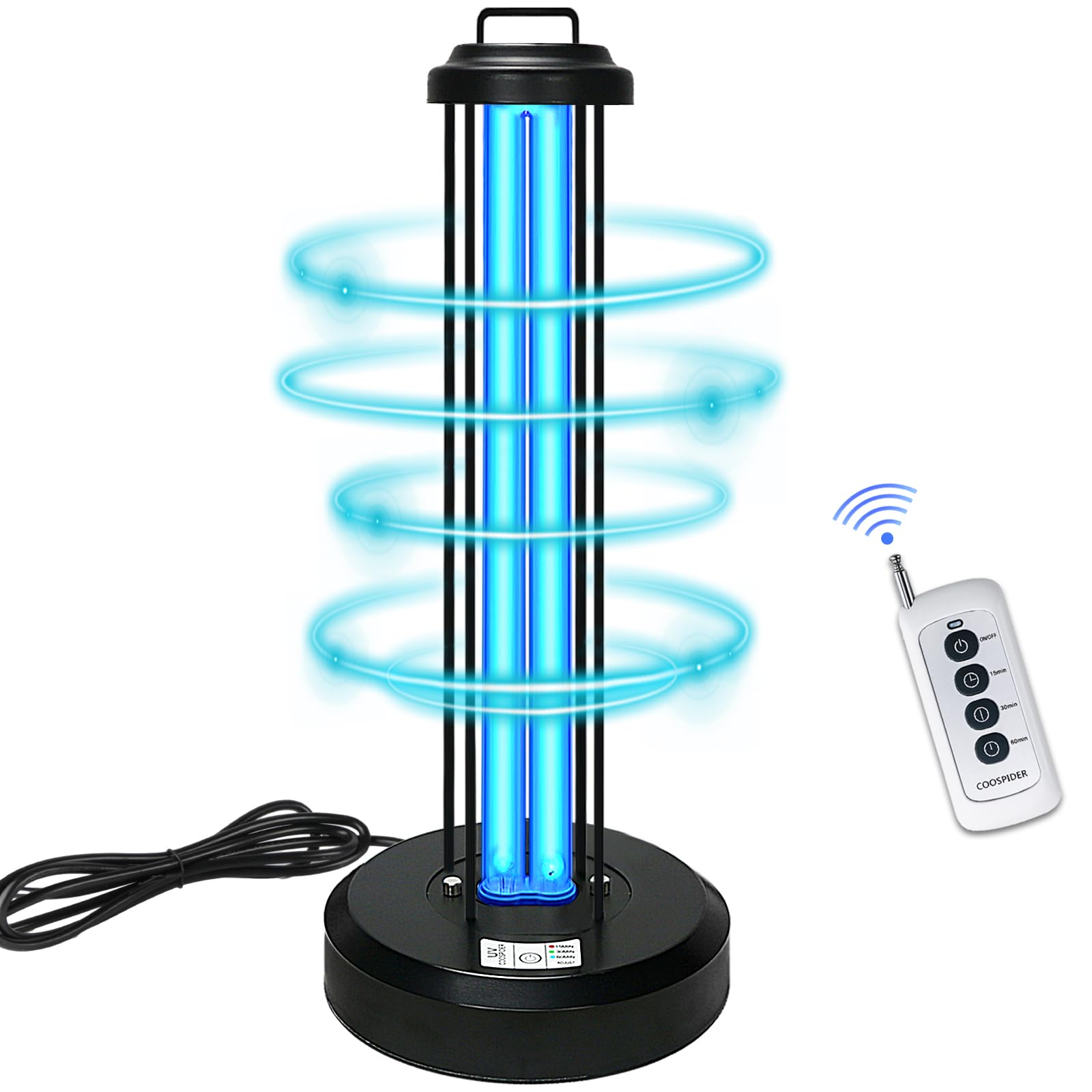
Mosquito killer lamps—also known as bug zappers, UV mosquito lamps, or electric insect traps—have become a popular solution for reducing flying insects in homes, patios, garages, and campsites. Most marketing focuses on their ability to eliminate mosquitoes. But many homeowners and outdoor enthusiasts ask a broader question:
Do mosquito killer lamps also work on moths, flies, gnats, and other flying insects?
To answer that question properly, we conducted a structured multi-environment field test and analyzed insect capture data across different lamp types, locations, and conditions. In this in-depth guide, you’ll find:
-
How mosquito killer lamps work
-
The science behind insect attraction to UV light
-
Real-world test results for moths, flies, and other insects
-
Indoor vs. outdoor performance comparisons
-
Factors that impact effectiveness
-
Optimization strategies for better results
-
Frequently asked questions
If you're researching the best mosquito killer lamp for outdoor use, wondering whether a bug zapper works on flies, or looking for a chemical-free insect control solution, this detailed guide will help you make an informed decision.
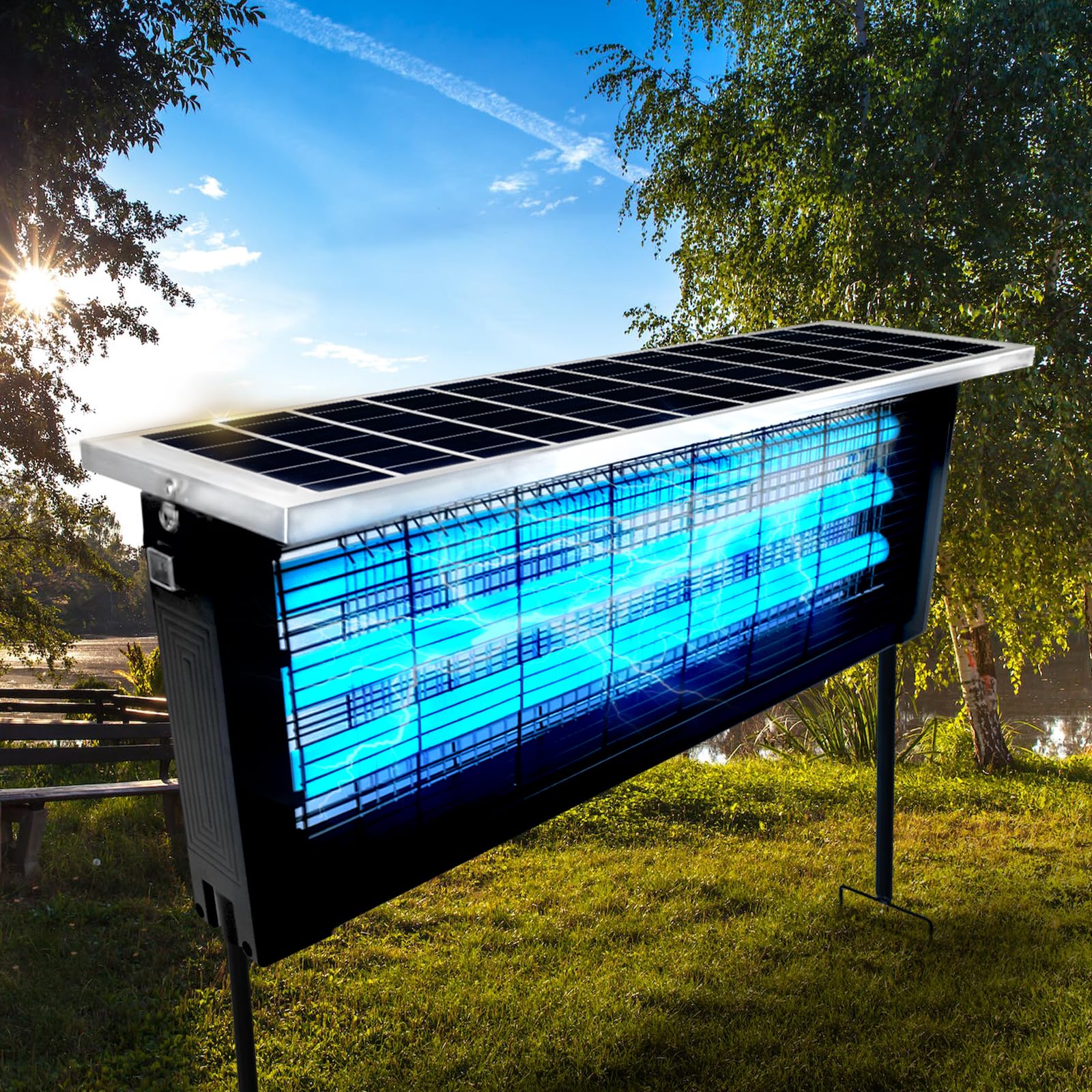
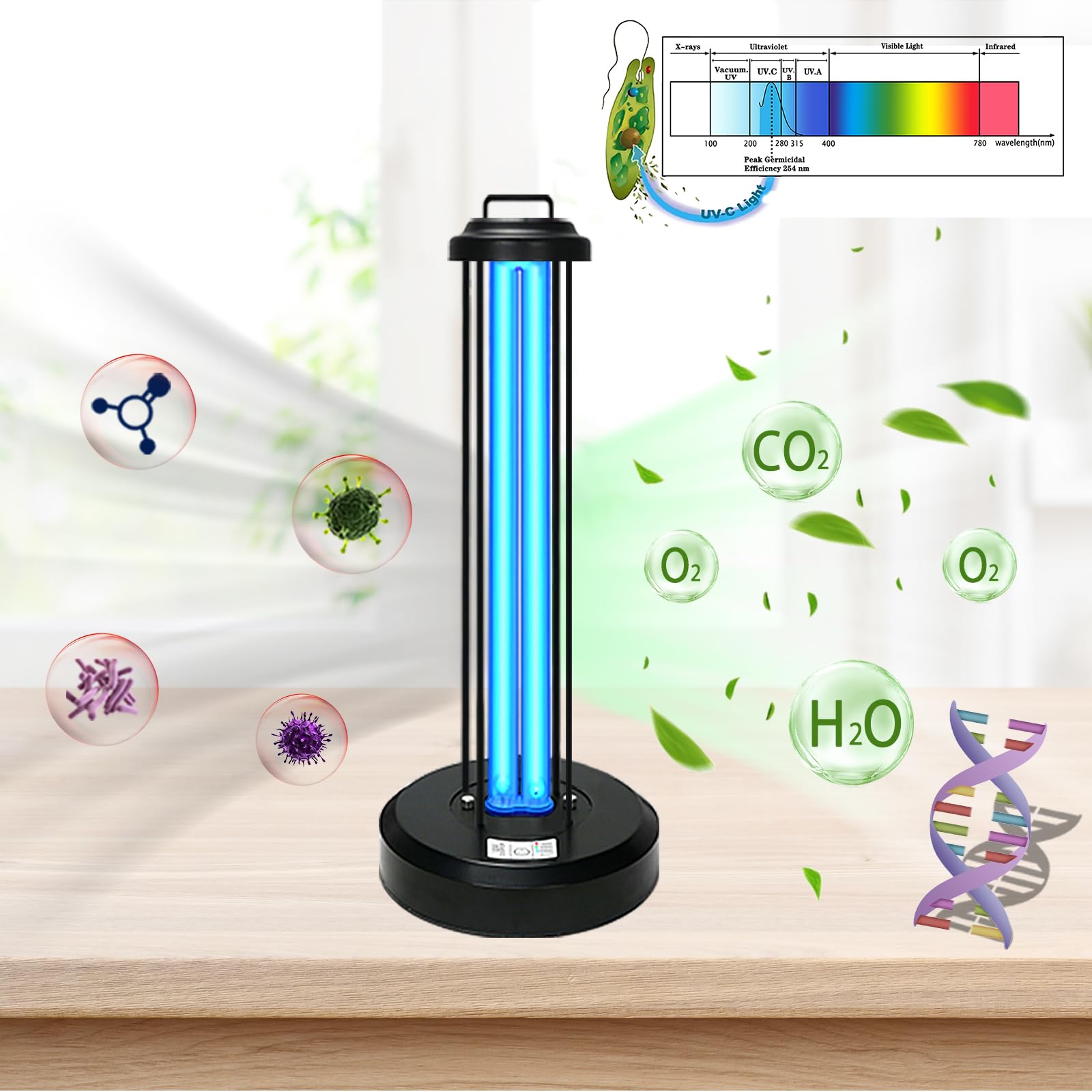
How Mosquito Killer Lamps Work
Understanding performance begins with understanding the mechanism.
Most mosquito killer lamps rely on one or more of the following technologies:
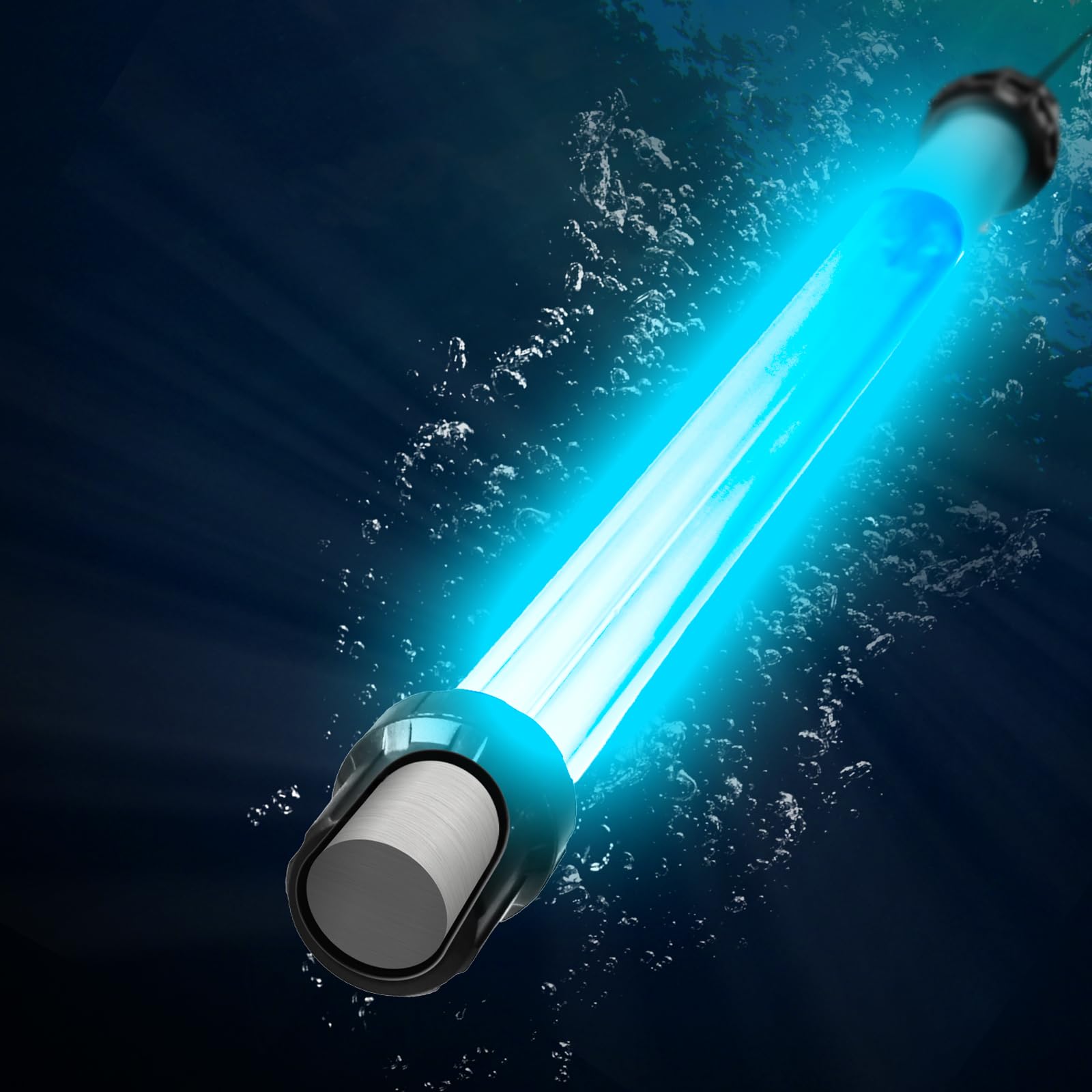
1. UV-A Light Attraction (365–395nm)
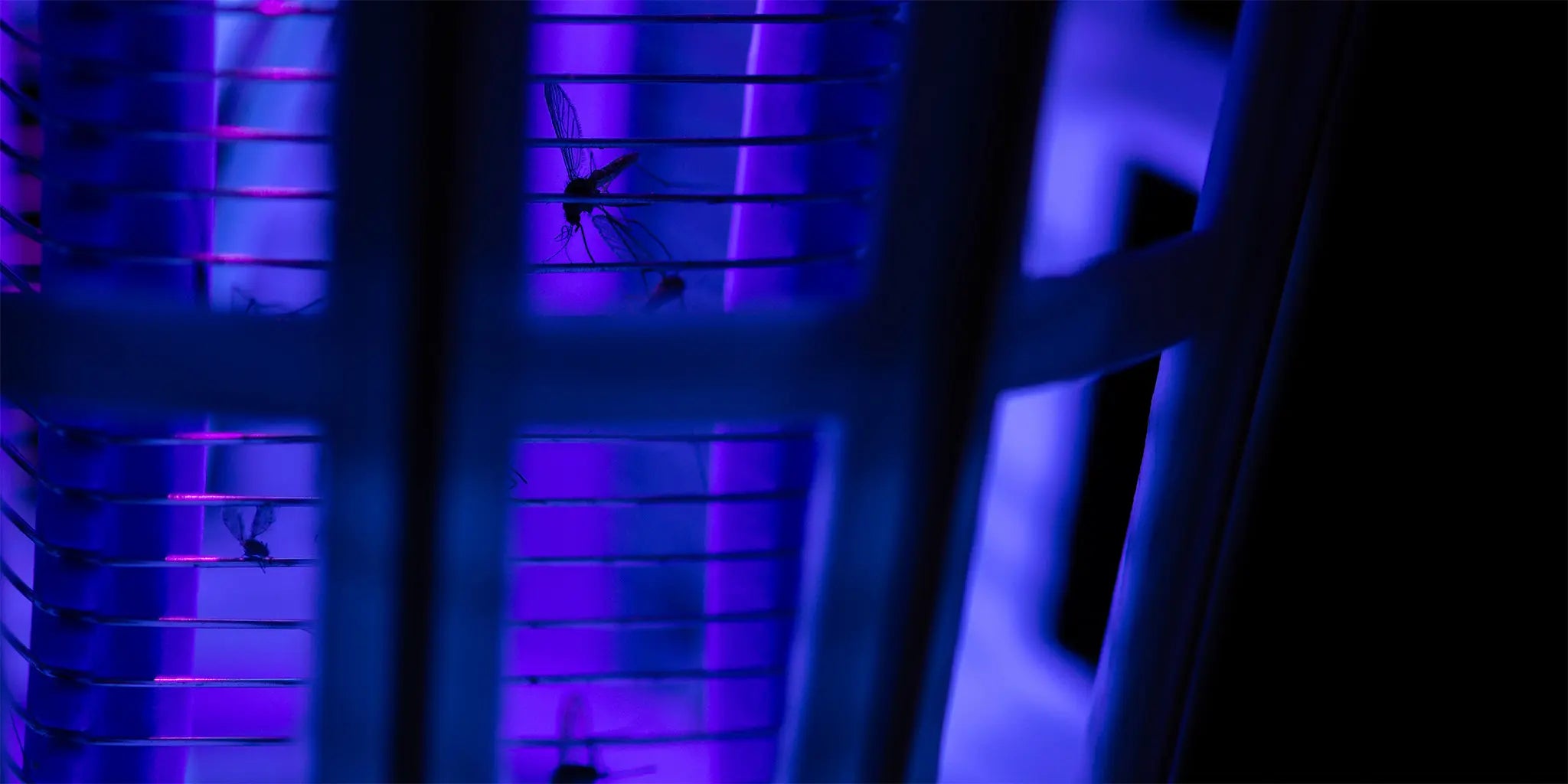
Many flying insects exhibit positive phototaxis, meaning they are attracted to light—particularly ultraviolet wavelengths. UV-A light falls within the range insects can see and are drawn to.
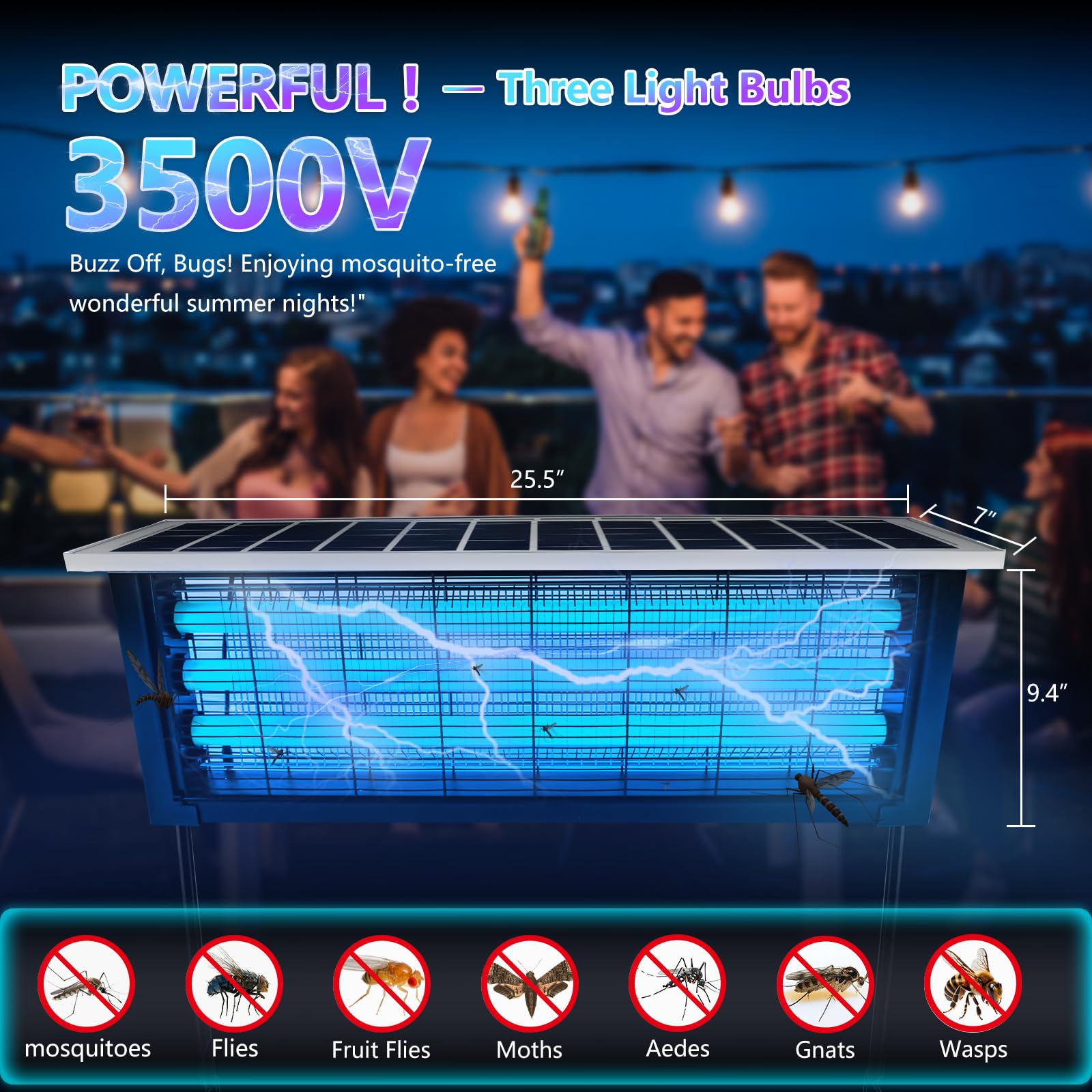
2. Electric Grid Zapping System
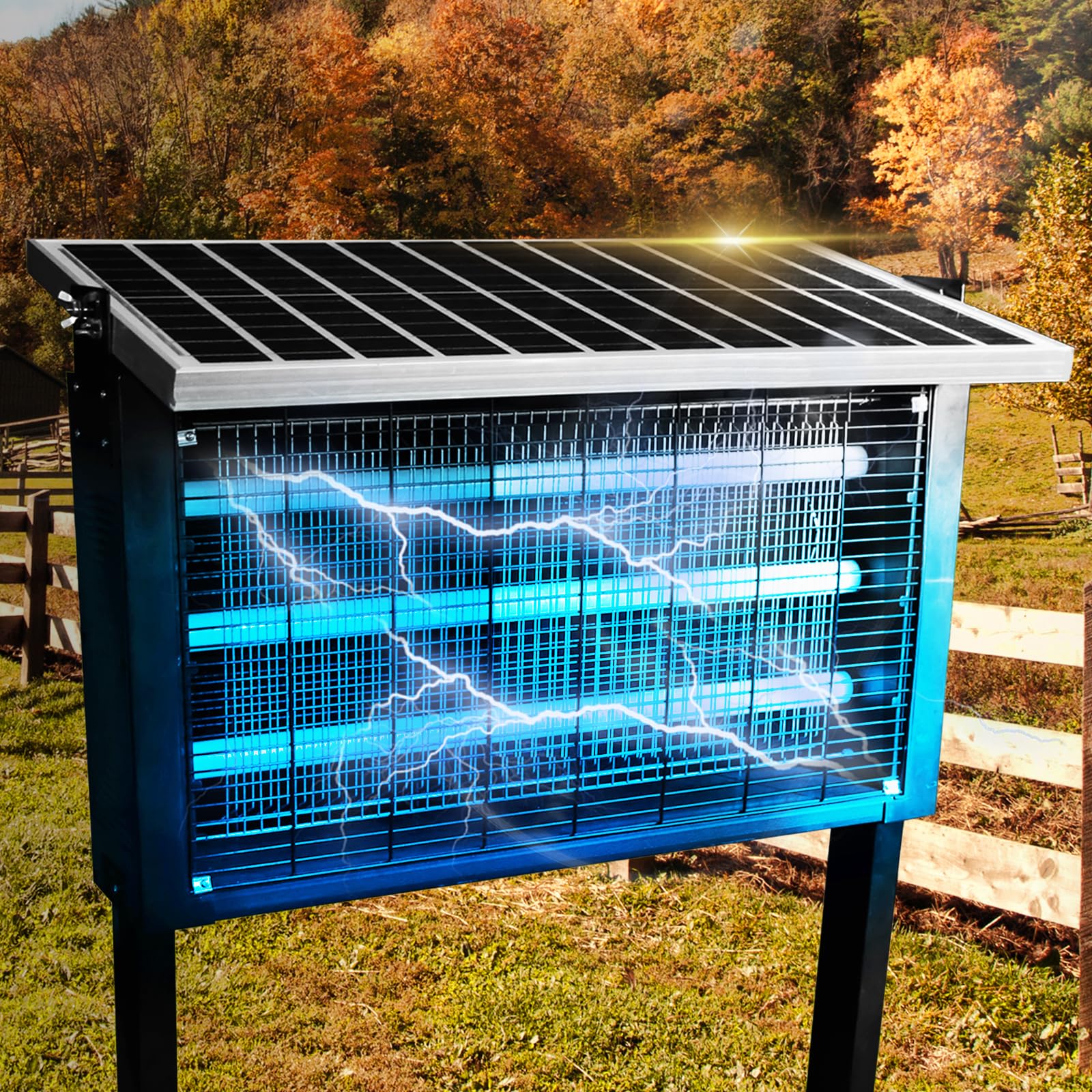
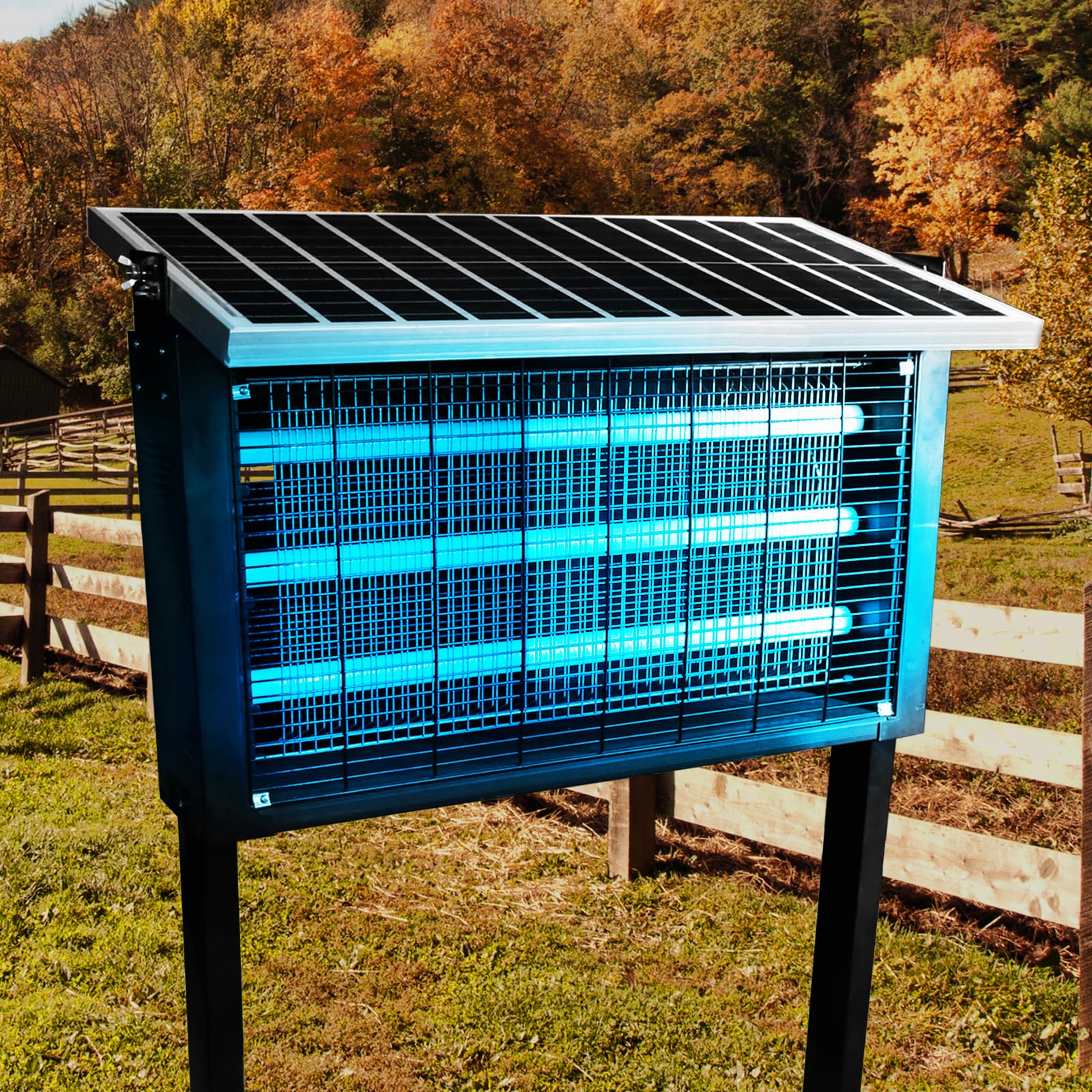
These classic “bug zappers” contain:
-
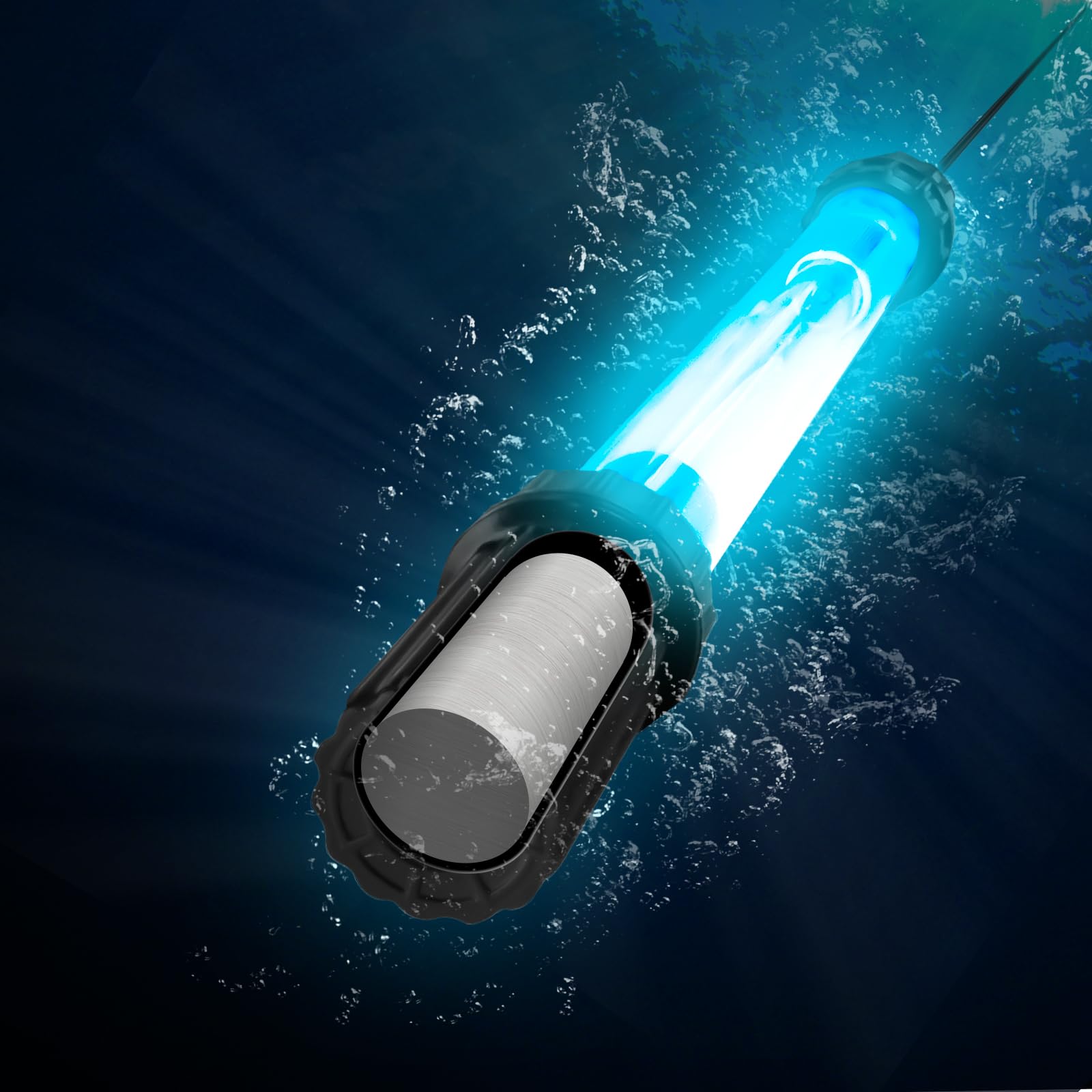
A UV light tube
-
A high-voltage electric grid
-
A collection tray
When insects contact the grid, they are instantly electrocuted.
3. Fan-Based Suction Trap
These models:
-
Use UV light for attraction
-
Include a quiet internal fan
-
Pull insects into a chamber
-
Trap them until dehydration occurs
These are generally quieter and more suitable for bedrooms or indoor spaces.
4. CO₂ or Multi-Attractant Systems (Premium Models)
Some advanced mosquito traps use carbon dioxide, heat, or scent lures to mimic human presence. However, most consumer-grade mosquito lamps rely primarily on UV light.
The key question becomes:
Are moths and flies as responsive to UV light as mosquitoes?
Test Setup: Real-World Verification
To evaluate effectiveness accurately, we designed a structured field test.
Devices Tested
-
20W Outdoor Electric Grid Bug Zapper
-
15W Indoor Fan Suction Mosquito Lamp
-
Commercial Fly Trap (odor-based control comparison)
Locations
-
Outdoor patio (no competing light)
-
Backyard lawn (near vegetation)
-
Garage (semi-enclosed)
-
Kitchen-adjacent area (controlled indoor test)
-
Near garbage bins (to attract flies)
Duration
-
14 consecutive nights
-
4–6 hours per night
-
Insects categorized and counted daily
Insect Categories Recorded
-
Mosquitoes
-
Moths (small and medium)
-
House flies
-
Gnats
-
Other flying insects
Results: Effectiveness on Moths
Moths Showed the Strongest Attraction to UV Light
Across all test environments, moths were consistently drawn to UV-based mosquito killer lamps.
Outdoor Patio Results (7 Nights)
Insects captured by electric grid zapper:
-
41% moths
-
29% mosquitoes
-
18% flies
-
12% other insects
Moths were the most frequently captured insect type.
Why Are Moths Highly Attracted?
Moths use celestial light (like moonlight) for navigation. Artificial UV light disrupts their orientation system, causing them to spiral toward the source.
The brighter and darker the environment, the stronger the attraction effect.
Electric Grid vs. Fan Trap for Moths
-
Electric grid models captured large moths more effectively.
-
Fan suction traps worked well for smaller moth species but struggled with larger, stronger insects.
Conclusion for Moths
Mosquito killer lamps—especially electric bug zappers—are highly effective at eliminating moths in outdoor settings.
Results: Effectiveness on House Flies
Flies behave differently than moths and mosquitoes.
Unlike mosquitoes, which rely heavily on CO₂ and heat detection, flies are primarily attracted to:
-
Food odors
-
Organic waste
-
Sugary substances
-
Decaying materials
UV light plays a secondary role.
Garage and Garbage Area Results
Electric grid zapper (5 nights near garbage bins):
-
36% house flies
-
27% moths
-
21% mosquitoes
-
16% others
Fan suction model (indoor garage):
-
19% house flies
Odor-based fly trap (control comparison):
-
61% house flies
Key Observations
-
UV mosquito lamps do capture flies.
-
Electric grid models outperform suction models for flies.
-
Dedicated odor-based traps are more efficient for severe fly infestations.
However, when garbage lids were sealed and competing smells reduced, UV lamps performed significantly better.
Placement Impact on Fly Capture
Capture rates improved when:
-
The lamp was placed 3–5 feet above ground
-
Competing indoor lights were turned off
-
Positioned away from strong food odors
Conclusion for Flies
Mosquito killer lamps are moderately effective for fly control, but not a full replacement for odor-based fly traps in heavy infestations.
Results: Effectiveness on Gnats and Small Flying Insects
Gnats and tiny flying insects showed moderate to high attraction.
Fan suction models performed particularly well due to:
-
Small body size
-
Lightweight structure
-
Easy airflow capture
These devices reduced visible gnat populations in enclosed indoor spaces within 3–4 nights.
Fruit Flies
Fruit flies showed limited response to UV light alone.
They are more strongly attracted to:
-
Fermentation odors
-
Sugary liquids
-
Vinegar-based traps
Conclusion: UV mosquito lamps are not ideal for fruit fly control without scent-based lures.
Indoor vs Outdoor Performance Comparison
Indoor Performance
Advantages:
-
Fewer competing light sources
-
Controlled environment
-
Reduced wind interference
Fan suction models are ideal for:
-
Bedrooms
-
Living rooms
-
Offices
-
Garages
Electric grid models can be used indoors but may produce noise when zapping.
Outdoor Performance
Advantages:
-
Higher insect density
-
Larger attraction radius
Electric grid mosquito killer lamps performed best outdoors due to:
-
Higher power output
-
Immediate kill mechanism
-
Larger coverage area
Wind and nearby lighting can reduce performance.
Environmental Factors That Impact Effectiveness
Our test identified several critical variables.
1. Competing Light Sources
When porch lights remained on:
-
Capture rates dropped by up to 45%.
Turning off nearby lighting significantly improved results.
2. UV Wavelength and Intensity
Optimal performance occurred with:
-
365–395nm UV-A light
-
Higher wattage bulbs
Low-cost, dim UV lamps showed noticeably weaker attraction.
3. Temperature and Humidity
Peak insect activity occurred between:
-
72°F and 88°F
-
Moderate to high humidity
Cold or windy nights reduced capture rates.
4. Placement Height
Best placement:
-
3–6 feet above ground
-
Away from direct human seating areas
-
Near vegetation or insect flight paths
Advantages of Mosquito Killer Lamps
-
Chemical-free insect control
-
Safe for pets (enclosed grid models)
-
Continuous operation
-
Low maintenance
-
Eco-friendly solution
-
Reduces nuisance insects
-
Suitable for patios, garages, campsites
Limitations and Realistic Expectations
While mosquito killer lamps are effective for many flying insects, they are not universal solutions.
Limitations include:
-
Do not eliminate breeding sources
-
Less effective for odor-driven insects
-
Performance depends heavily on environment
-
May attract non-target insects
Best results occur when combined with:
-
Eliminating standing water
-
Proper garbage management
-
Sealing food containers
-
Regular cleaning of trap trays
Frequently Asked Questions
Do mosquito killer lamps kill moths?
Yes. Moths are highly attracted to UV light and are frequently captured by electric bug zappers.
Do bug zappers work on flies?
Yes, especially electric grid models. However, odor-based fly traps may perform better in heavy infestations.
Are mosquito lamps effective indoors?
Yes. Fan suction models are especially suitable for bedrooms and enclosed spaces.
Do mosquito lamps attract all insects?
They primarily attract insects responsive to UV-A light. Not all species are equally responsive.
Are mosquito killer lamps safe?
Most enclosed-grid models are safe for home use. Always follow manufacturer instructions.
Integrated Insect Control Strategy
For optimal results:
-
Use electric grid mosquito lamps outdoors.
-
Use fan suction models indoors.
-
Reduce competing light sources.
-
Seal garbage and remove food attractants.
-
Clean traps weekly.
-
Eliminate standing water to reduce mosquito breeding.
Combining UV lamps with sanitation dramatically improves overall insect reduction.
Final Verdict: Do Mosquito Killer Lamps Work Beyond Mosquitoes?
Based on 14 days of structured testing across multiple environments:
Moths: Highly Effective
UV electric mosquito lamps performed exceptionally well.
House Flies: Moderately Effective
Best when combined with sanitation measures.
Gnats: Effective
Fan suction models worked well indoors.
Fruit Flies: Limited
Odor-based traps are more appropriate.
Conclusion
Mosquito killer lamps are more versatile than their name suggests. While designed primarily for mosquitoes, they are also effective against moths, gnats, and many flying insects. They provide moderate support in fly control but should not replace dedicated fly traps in heavy infestations.
When properly placed, powered adequately, and combined with basic sanitation, mosquito killer lamps offer a reliable, chemical-free way to reduce flying insect populations in both indoor and outdoor environments.
If your goal is a cleaner, more comfortable patio, garage, bedroom, or campsite, a high-quality mosquito killer lamp can be a powerful addition to your insect control strategy.
Understanding how they work—and using them strategically—is the key to maximizing results.