If you’ve spent any time researching reptile lighting, exotic pet care, or specialty pet habitats, you’ve probably seen bold claims like:
-
“All reptiles need UVB!”
-
“Without UVB, your pet will get metabolic bone disease.”
-
“UVB lighting is essential for proper calcium absorption.”
-
“Every terrarium must include a UVB bulb.”
But here’s the uncomfortable truth:
Not every pet needs UVB lighting.
And adding it blindly can sometimes do more harm than good.
In this in-depth guide, we’ll break down:
-
What UVB light actually does
-
Which pets truly require UVB
-
Which pets do NOT need UVB
-
The risks of unnecessary UVB exposure
-
How to choose the right UVB setup
-
Common myths about reptile lighting
-
How to build a species-appropriate habitat
If you’re wondering whether your bearded dragon, turtle, snake, amphibian, or exotic pet needs a UVB lamp, this comprehensive SEO-friendly guide will help you make an informed, science-based decision.
What Is UVB Light?
Sunlight contains multiple types of ultraviolet radiation:
-
UVA (320–400nm) – Influences behavior and vision
-
UVB (280–320nm) – Triggers vitamin D3 synthesis
-
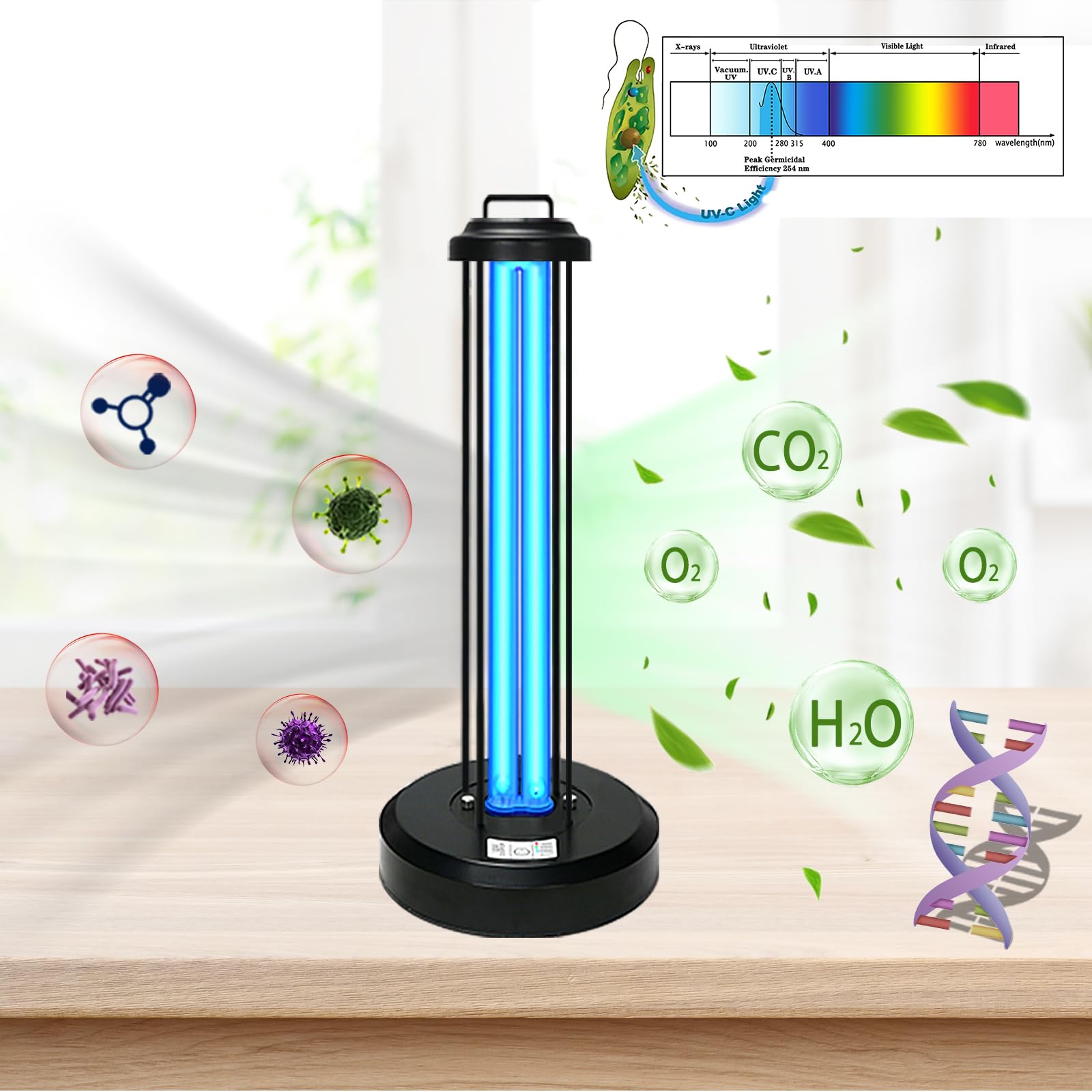
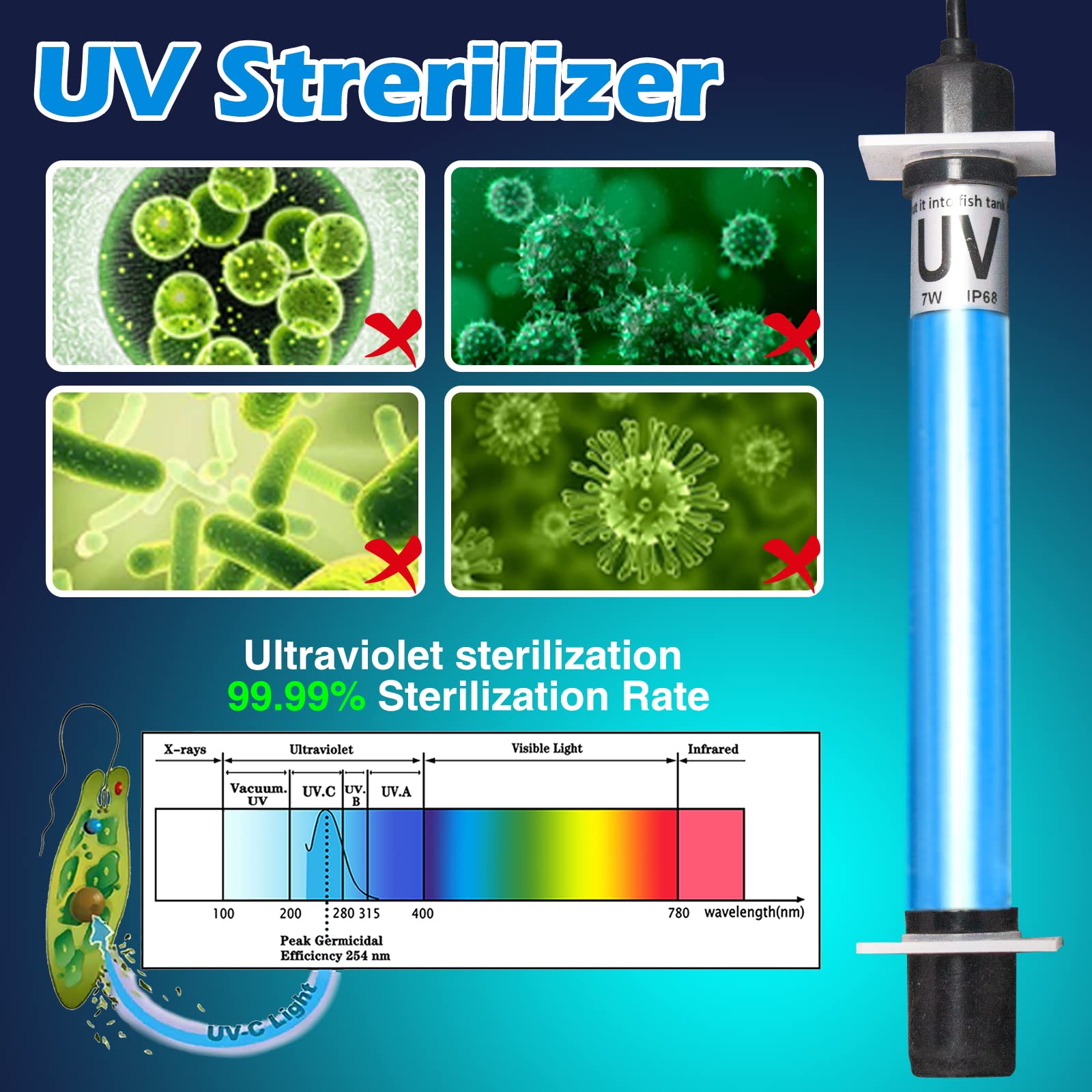
UVC (100–280nm) – Dangerous and filtered by Earth’s atmosphere
UVB is the wavelength responsible for stimulating vitamin D3 production in many reptiles. Vitamin D3 helps regulate calcium absorption, which is essential for:
-
Bone development
-
Muscle function
-
Nervous system health
Without adequate UVB exposure (or dietary D3 supplementation), some reptiles can develop metabolic bone disease (MBD).
But here’s the key:
UVB necessity is species-specific.
Why the “Every Pet Needs UVB” Advice Is Misleading
The exotic pet industry often simplifies lighting advice for convenience. Blanket statements are easy to market but inaccurate.
Different species evolved in vastly different environments:
-
Desert reptiles bask in intense sunlight.
-
Nocturnal snakes hide during daylight hours.
-
Forest amphibians live under dense canopy cover.
-
Crepuscular species are active at dawn and dusk.
If your pet evolved in low-light conditions, blasting it with high-output UVB may be inappropriate—or even harmful.
Which Pets Truly Need UVB Lighting?
Let’s start with the species that genuinely benefit from UVB exposure.
1. Desert-Dwelling Reptiles
Examples:
-
Bearded dragons
-
Uromastyx
-
Some agamid lizards
These species evolved under intense sunlight and require:
-
Moderate to high UVB exposure
-
Proper basking gradients
-
Strong, well-positioned UVB lamps
For these animals, UVB is critical for long-term health.
2. Many Diurnal Lizards
Examples:
-
Green iguanas
-
Anoles
-
Some skinks
These species are active during the day and benefit from moderate UVB exposure.
3. Turtles and Tortoises
Especially:
-
Aquatic turtles
-
Mediterranean tortoises
UVB helps regulate calcium metabolism and shell health.
Which Pets Often Do NOT Require UVB?
This is where confusion begins.
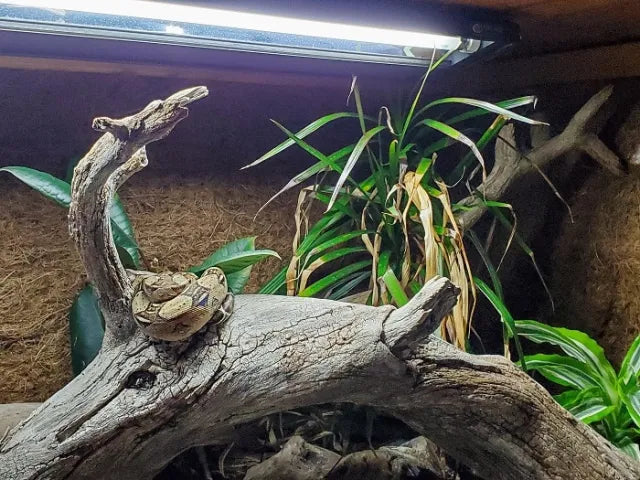
1. Most Snakes
Examples:
-
Ball pythons
-
Corn snakes
-
King snakes
-
Boa constrictors
Snakes are generally:
-
Crepuscular or nocturnal
-
Ambush predators
-
Often active at night
While some studies suggest low-level UVB may offer minor benefits, it is not considered essential for most snake species when diet and supplementation are appropriate.
2. Nocturnal Geckos
Examples:
-
Leopard geckos
-
African fat-tailed geckos
These species are adapted to low-light environments.
They can synthesize vitamin D3, but many thrive with:
-
Proper calcium supplementation
-
Low-level lighting
-
Without high-output UVB
Excessive UVB can stress them.
3. Amphibians
Frogs, salamanders, and newts typically:
-
Inhabit shaded environments
-
Have sensitive skin
-
Require high humidity
High-intensity UVB can be harmful in improperly designed setups.
The Risks of “Blind UVB Supplementation”
Adding UVB without research can cause problems.
1. Eye Damage
Improperly positioned UVB lamps can cause:
-
Photokeratitis
-
Corneal irritation
-
Stress behaviors
2. Skin Burns
If the bulb is too close or too strong, reptiles can experience skin damage.
3. Behavioral Stress
Excessive lighting can:
-
Disrupt circadian rhythms
-
Cause hiding behavior
-
Reduce appetite
4. Incorrect UV Index
UVB strength is measured using the UV Index (UVI).
Different species require different UVI ranges.
Providing desert-level UVB to a forest-dwelling species can lead to chronic stress.
The Importance of Species-Specific Lighting
Modern reptile care emphasizes evidence-based husbandry.
Organizations and researchers recommend using:
-
Species-specific UV charts
-
Measured UVI zones
-
Proper bulb distance guidelines
-
Reflector-equipped fixtures
Not all UVB bulbs are equal.
There are:
-
Low-output (5.0) bulbs
-
High-output (10.0) bulbs
-
T5 vs T8 fluorescent tubes
-
Mercury vapor bulbs
Each serves different purposes.
UVA vs UVB: Don’t Confuse the Two
Some pets benefit from UVA exposure for behavioral reasons, even if UVB isn’t critical.
UVA can:
-
Improve appetite
-
Enhance coloration
-
Support natural activity cycles
Many high-quality reptile bulbs provide both UVA and UVB.
How to Determine If Your Pet Needs UVB
Ask these questions:
-
Is your species diurnal or nocturnal?
-
Does it bask in the wild?
-
Does it live in open sunlight or dense forest?
-
Is dietary vitamin D3 supplementation part of its feeding plan?
-
Are there peer-reviewed care guidelines available?
If you’re unsure, consult:
-
Reptile veterinarians
-
Species-specific care groups
-
Scientific husbandry guides
Avoid relying solely on marketing claims.
Proper UVB Setup: If Your Pet Does Need It
If your species genuinely requires UVB, correct setup is critical.
1. Distance Matters
UVB intensity decreases dramatically with distance.
Too far:
-
Ineffective exposure
Too close:
-
Risk of overexposure
Follow manufacturer guidelines carefully.
2. Use a Reflector
Reflectors increase efficiency and ensure proper UV distribution.
3. Provide a Gradient
Your enclosure should include:
-
Basking zone (higher UV)
-
Mid-range zone
-
Shade area (low UV)
Animals must be able to self-regulate exposure.
4. Replace Bulbs Regularly
Even if the bulb still emits visible light, UVB output declines over time.
Most bulbs require replacement every 6–12 months.
Debunking Common UVB Myths
Myth 1: All reptiles need strong UVB.
False. Requirements vary widely by species.
Myth 2: More UVB equals better health.
Incorrect. Overexposure can be harmful.
Myth 3: UVB replaces proper diet.
No. Nutrition and supplementation remain critical.
Myth 4: Glass blocks nothing.
Standard glass blocks most UVB radiation.
Bulb placement and enclosure materials matter.
The Role of Diet in UVB Decisions
Some species can obtain adequate vitamin D3 from diet alone.
Commercial reptile diets and supplements may contain:
-
Preformed vitamin D3
-
Calcium additives
Overlapping high UVB exposure and heavy supplementation can lead to imbalances.
Lighting and diet should work together—not compete.
Frequently Asked Questions
Do snakes need UVB lighting?
Most snake species do not require UVB if diet and supplementation are appropriate, though low-level exposure may offer enrichment benefits.
Does a leopard gecko need UVB?
Low-level UVB can be beneficial, but high-output UVB is generally unnecessary and may cause stress.
What happens if a reptile doesn’t get UVB?
For species that require UVB, deficiency can lead to metabolic bone disease and calcium imbalance.
Can too much UVB harm reptiles?
Yes. Overexposure can cause eye damage, burns, and chronic stress.
How do I know what UVB strength to use?
Research your species' natural habitat and recommended UV Index range.
The Bigger Picture: Responsible Exotic Pet Care
Adding UVB lighting should not be about trends.
It should be about:
-
Species-specific research
-
Habitat simulation
-
Measured implementation
-
Balanced nutrition
-
Veterinary consultation
Responsible pet ownership means asking:
“Does my pet actually need this?”
Instead of:
“Everyone else uses it, so I should too.”
Final Verdict: Does Your Pet Really Need a UVB Lamp?
Sometimes yes.
Sometimes no.
Desert-dwelling reptiles and basking species often require UVB for proper health.
Nocturnal snakes and many forest-dwelling animals may not need high-output UVB when diet is properly managed.
The key is informed decision-making—not blind supplementation.
When it comes to UVB lighting for reptiles and exotic pets, more is not always better.
The right amount—for the right species—in the right setup—that’s what truly supports long-term health.
Before installing that UVB lamp, pause and ask:
Is this scientifically appropriate for my pet?
Because the best lighting decision isn’t the most popular one.
It’s the most informed one.