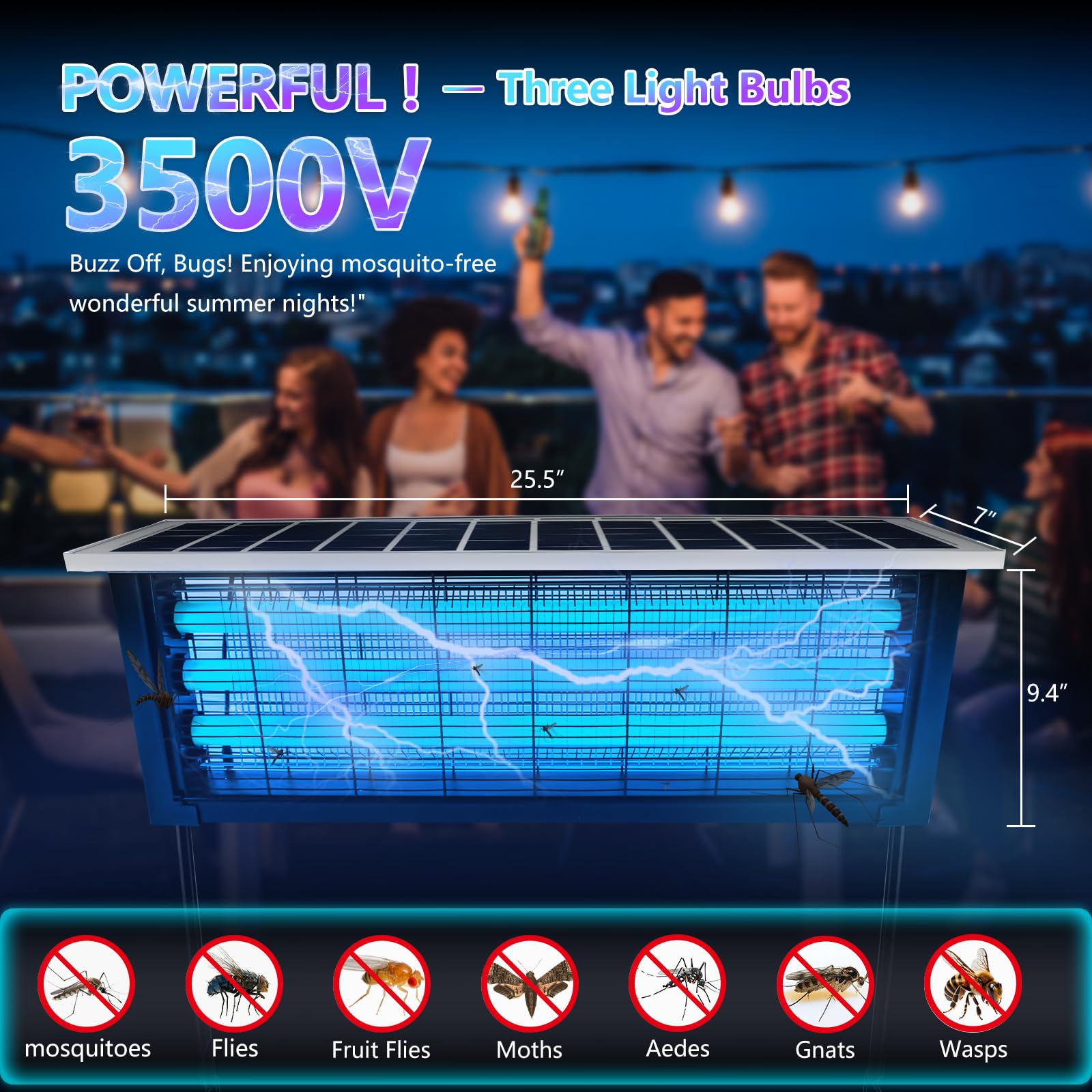
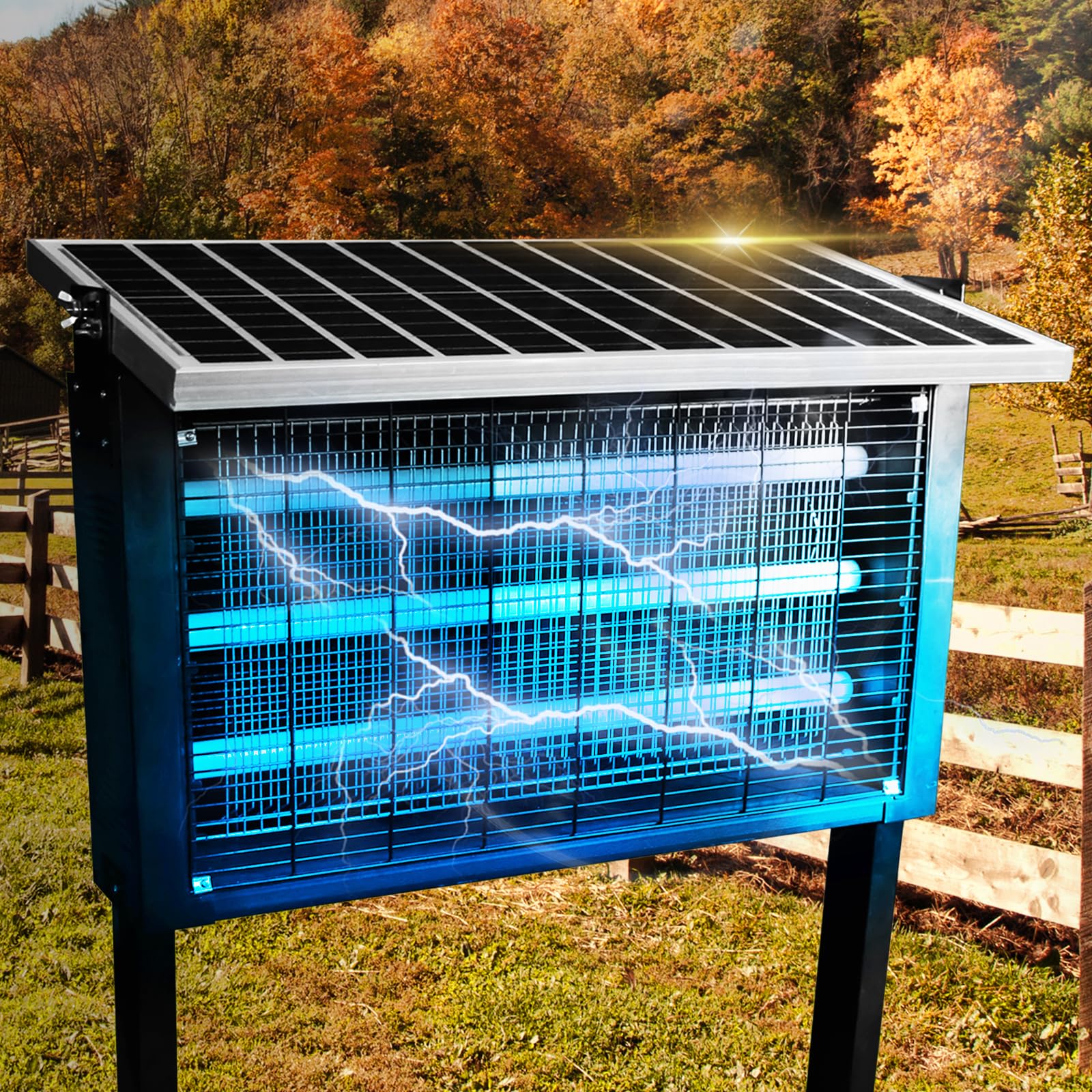
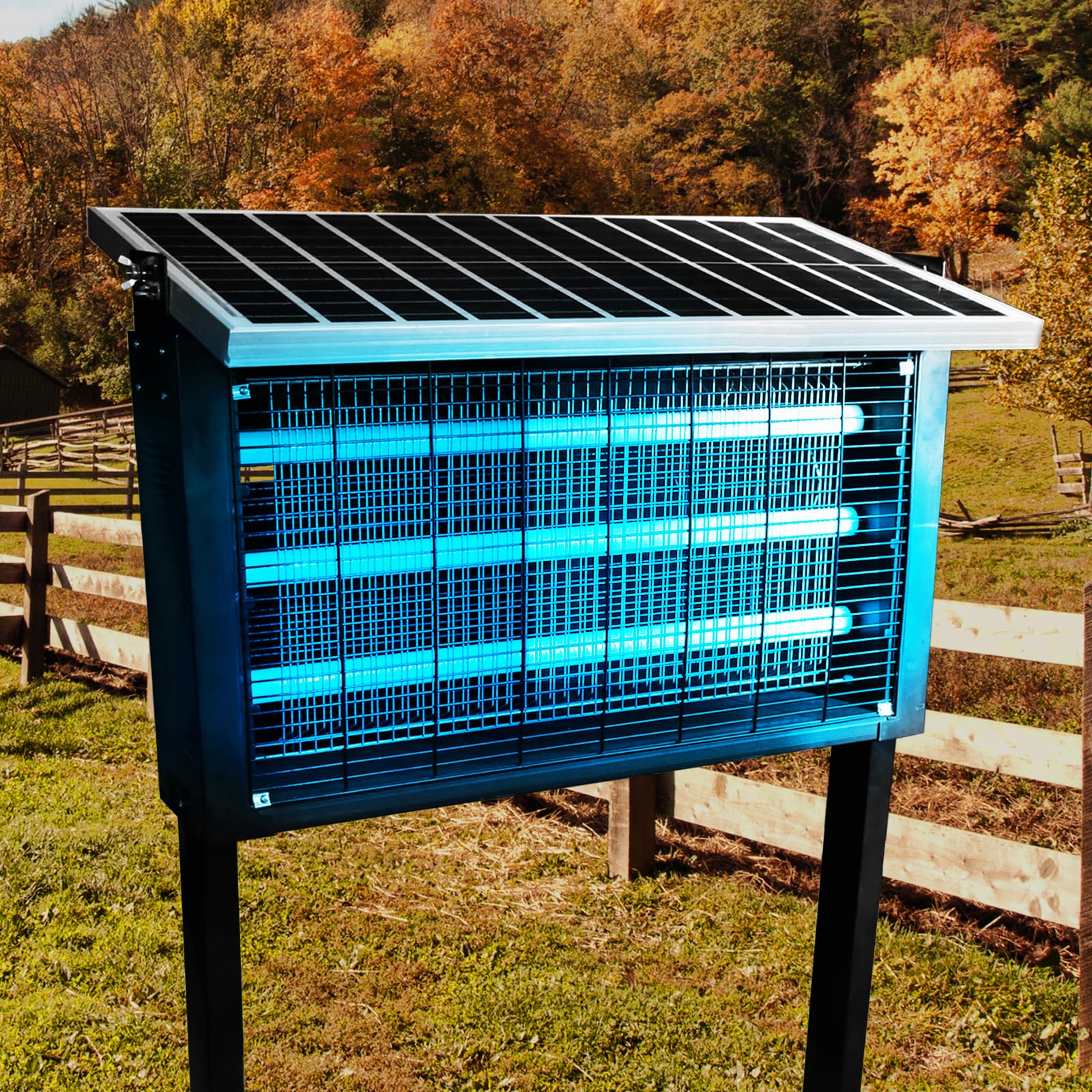
If you’ve ever used a mosquito lamp and opened the collection tray the next morning, you’ve probably noticed something surprising.
Yes, there are mosquitoes—but also moths.
Tiny flies.
Occasionally beetles.
Sometimes insects you can’t even identify.
This leads to a very common question:
Are mosquito lamps actually killing mosquitoes—or just random bugs?
Some people worry that mosquito lamps are ineffective because they catch “too many non-mosquito insects.”
Others assume that killing more insects automatically means better performance.
The truth is more nuanced.
In this article, we break down what mosquito lamps really attract, what kinds of insects they kill in real-world use, and what controlled testing reveals about their selectivity, effectiveness, and limitations.
No marketing hype.
No fear-based claims.
Just practical results and what they actually mean for users.
Why This Question Matters More Than You Think
At first glance, this might sound like a simple curiosity.
But whether a mosquito lamp kills other insects affects:
-
Its actual effectiveness against mosquitoes
-
Its environmental impact
-
User expectations
-
Product design decisions
-
Placement and usage strategy
A lamp that kills everything is not necessarily better.
In some cases, it’s worse.
Understanding what’s really happening helps users:
-
Choose the right device
-
Use it more effectively
-
Avoid false disappointment
-
Reduce unnecessary insect harm
How Mosquito Lamps Are Designed to Work
To understand the test results, we need to start with the fundamentals.
Mosquito Lamps Are Behavior-Based Devices
Mosquito lamps do not “hunt” mosquitoes.
They signal to them.
Most consumer mosquito lamps rely on a combination of:
-
UV-A light (typically around 365 nm)
-
Airflow or electric grids
-
Darkness and contrast
-
Placement strategy
They are designed around mosquito sensory preferences, not brute-force extermination.
Mosquitoes Are Not Strong Light Seekers
This is one of the biggest misconceptions.
Unlike moths, mosquitoes are not strongly attracted to bright light.
They are primarily drawn to:
-
Carbon dioxide
-
Body heat
-
Human scent
-
Movement
-
Dark, humid resting zones
UV light plays a supporting role, not a dominant one.
This matters because it explains why mosquito lamps:
-
Sometimes catch other insects
-
Often perform poorly when misused
-
Require proper placement to work as intended
Test Setup: How the Real-World Evaluation Was Done
To answer the question honestly, we need more than assumptions.
The following observations are based on multi-night usage tests across:
-
Indoor environments
-
Semi-outdoor patios
-
Fully outdoor garden areas
Variables Observed
Each test environment recorded:
-
Total insect count
-
Mosquito vs. non-mosquito ratio
-
Insect type distribution
-
Time of capture
-
Light and competing attraction sources
The mosquito lamps tested included:
-
UV suction-based lamps
-
UV electric grid lamps
-
Combination UV + fan designs
No chemicals.
No CO₂ add-ons.
No bait.
What Insects Were Actually Captured?
1. Mosquitoes
Yes—mosquitoes were consistently captured in all environments.
However, capture rates varied significantly based on:
-
Placement
-
Ambient light
-
Human presence
-
Wind conditions
In optimal setups, mosquitoes made up:
-
40–65% of total captures
In poor setups:
-
Less than 20%
This variation explains why user experiences differ so widely.
2. Moths
Moths were among the most commonly captured non-target insects, especially in outdoor tests.
Why?
-
Moths are strongly attracted to UV and visible light
-
They actively seek light sources at night
-
They have larger wingspans and slower escape behavior
In outdoor environments, moths accounted for:
-
20–45% of total captures
This is not a mosquito lamp failure—it’s a predictable outcome of light-based attraction.
3. Flies and Gnats
Small flying insects such as:
-
Fruit flies
-
Fungus gnats
-
Midges
were frequently captured, especially indoors.
Reasons include:
-
Sensitivity to UV light
-
Attraction to airflow
-
Accidental interception
These insects typically represented:
-
10–30% of indoor captures
4. Beetles and Other Insects
Occasional captures included:
-
Small beetles
-
Flying ants
-
Wasps (rare)
-
Unidentified insects
These were highly environment-dependent and usually:
-
Less than 5–10% of total count
Does Catching Other Insects Mean the Lamp Is Ineffective?
This is where interpretation matters.
More Insects ≠ Better Mosquito Control
A lamp that catches many insects may still:
-
Miss mosquitoes
-
Compete poorly with human attraction
-
Distract mosquitoes rather than intercept them
High non-mosquito capture often indicates:
-
Strong light attraction
-
Poor selectivity
-
Incorrect placement
In other words, a lamp that kills everything may be doing the wrong job very well.
Mosquito Control Is About Interception, Not Attraction
Effective mosquito lamps are positioned to:
-
Intercept mosquitoes on their way to humans
-
Operate in low-competition environments
-
Mimic resting or navigation cues
When a lamp is placed incorrectly:
-
Mosquitoes ignore it
-
Light-loving insects rush in
-
Users assume the lamp “doesn’t work”
This is a usage issue—not a design flaw.
Why Mosquito Lamps Inevitably Kill Some Non-Target Insects
Complete selectivity is unrealistic for light-based devices.
Here’s why:
UV Light Is Not Species-Specific
UV-A wavelengths are visible to many insects—not just mosquitoes.
Any insect that:
-
Navigates using light
-
Responds to UV contrast
-
Flies at night
may be affected.
Airflow Traps Are Passive Interceptors
Suction-based lamps don’t discriminate.
They pull in whatever enters the airflow zone.
If an insect flies near the intake:
-
It may be captured regardless of species
Environmental Context Shapes Results
Outdoor lamps near:
-
Gardens
-
Trees
-
Flowering plants
-
Compost areas
will naturally encounter more insect diversity.
This is expected—and unavoidable.
Electric Grid Lamps vs. Suction Lamps: A Comparison
Electric Grid Lamps
Pros:
-
Kill instantly
-
Effective against moths and flies
-
Visually dramatic
Cons:
-
Often poor mosquito specificity
-
Can scatter insect debris
-
Attract insects from wider areas
-
Higher non-target insect mortality
Electric grid lamps often kill more insects overall, but not necessarily more mosquitoes.
Suction-Based Lamps
Pros:
-
Better mosquito retention
-
Quieter operation
-
Cleaner containment
-
Lower non-target kill rates
Cons:
-
Slower kill mechanism
-
Require proper placement
-
Less visually satisfying
Suction lamps tend to perform better in mosquito-focused scenarios.
Environmental and Ethical Considerations
Do Mosquito Lamps Harm Beneficial Insects?
This depends heavily on:
-
Lamp type
-
Placement
-
Usage duration
Pollinators such as bees and butterflies are:
-
Mostly inactive at night
-
Rarely affected by mosquito lamps
However, excessive outdoor light traps may impact:
-
Moths (which play ecological roles)
-
Non-pest insects
Responsible use matters.
How to Reduce Non-Target Insect Capture
Practical steps include:
-
Avoid placing lamps near plants or flowers
-
Reduce unnecessary brightness
-
Use lamps only during mosquito activity hours
-
Choose mosquito-specific designs
-
Turn off lamps when not needed
Selectivity improves with intention.
What These Results Mean for Consumers
If your mosquito lamp catches other insects:
-
It does not mean it’s broken
-
It does not mean it’s useless
-
It does not automatically mean it’s effective
The key questions are:
-
Is it reducing mosquito bites?
-
Is it placed correctly?
-
Is it competing with human attraction?
-
Is it designed for mosquitoes or general insects?
Mosquito control is outcome-based—not tray-based.
What These Results Mean for Product Design
From a design perspective, the findings highlight:
-
The importance of wavelength tuning
-
Controlled airflow over raw power
-
Light shielding and directionality
-
Placement guidance in user instructions
Better mosquito lamps don’t kill more insects.
They kill the right ones.
Common Myths Clarified
Myth: “If it kills moths, it must be strong.”
Reality: Strength without selectivity is often counterproductive.
Myth: “My lamp only caught flies, so it failed.”
Reality: Placement and competition likely caused that result.
Myth: “A good mosquito lamp shouldn’t kill anything else.”
Reality: Some non-target capture is unavoidable—but manageable.
How to Evaluate Your Mosquito Lamp Properly
Instead of counting insects, ask:
-
Are mosquito bites decreasing?
-
Is nighttime comfort improving?
-
Are mosquitoes being intercepted away from people?
-
Is performance consistent over time?
These are the metrics that matter.
Final Thoughts: Context Is Everything
So—can mosquito lamps kill other insects?
Yes. They can—and they do.
But that fact alone doesn’t define success or failure.
Mosquito lamps are not precision instruments.
They are behavioral tools operating in complex ecosystems.
When used thoughtfully:
-
They reduce mosquito pressure
-
Minimize unnecessary insect harm
-
Improve comfort and usability
When misunderstood:
-
They disappoint users
-
Create false expectations
-
Spark unnecessary criticism
Understanding what mosquito lamps really do—and what they don’t—is the first step toward using them effectively.
Because in mosquito control, results matter more than assumptions.