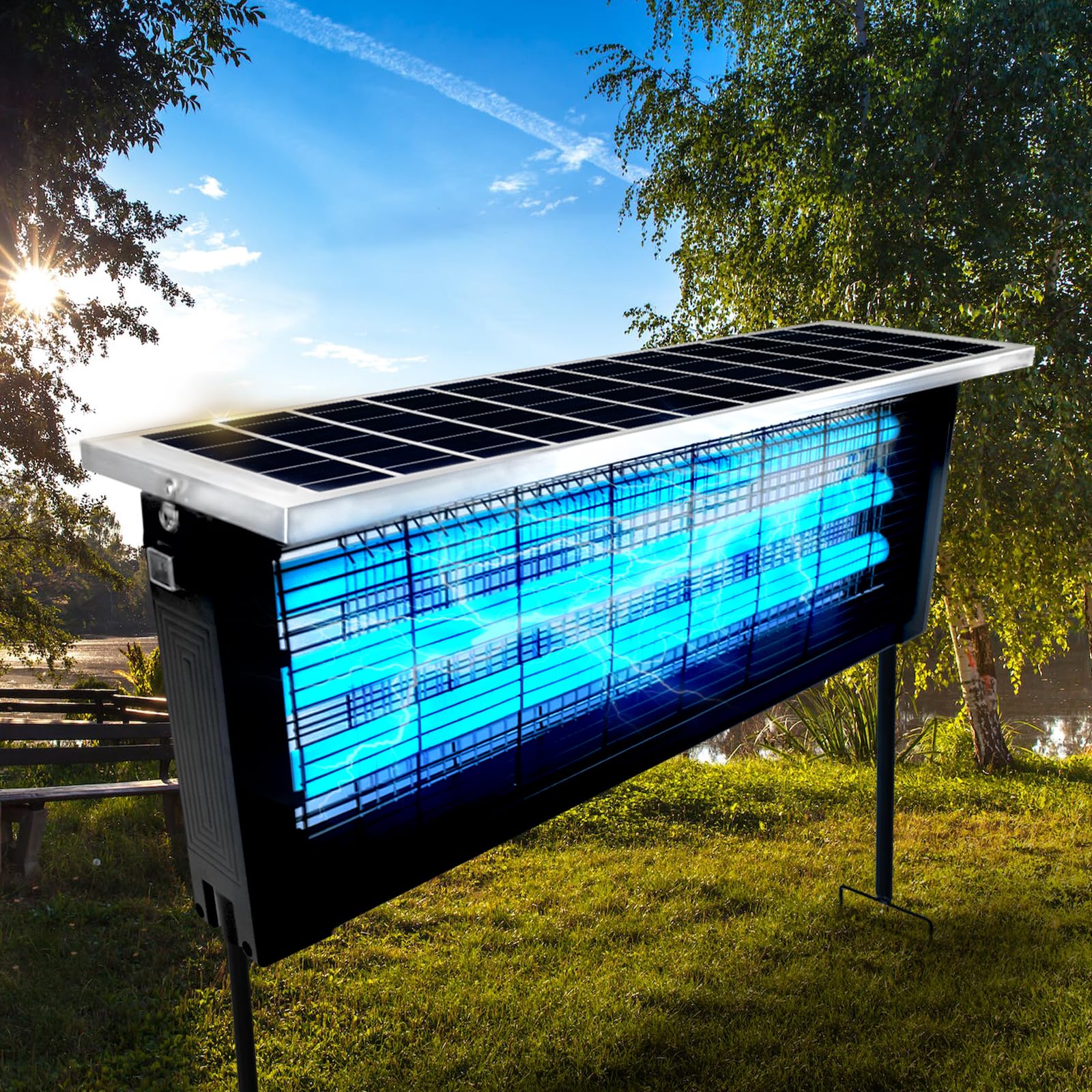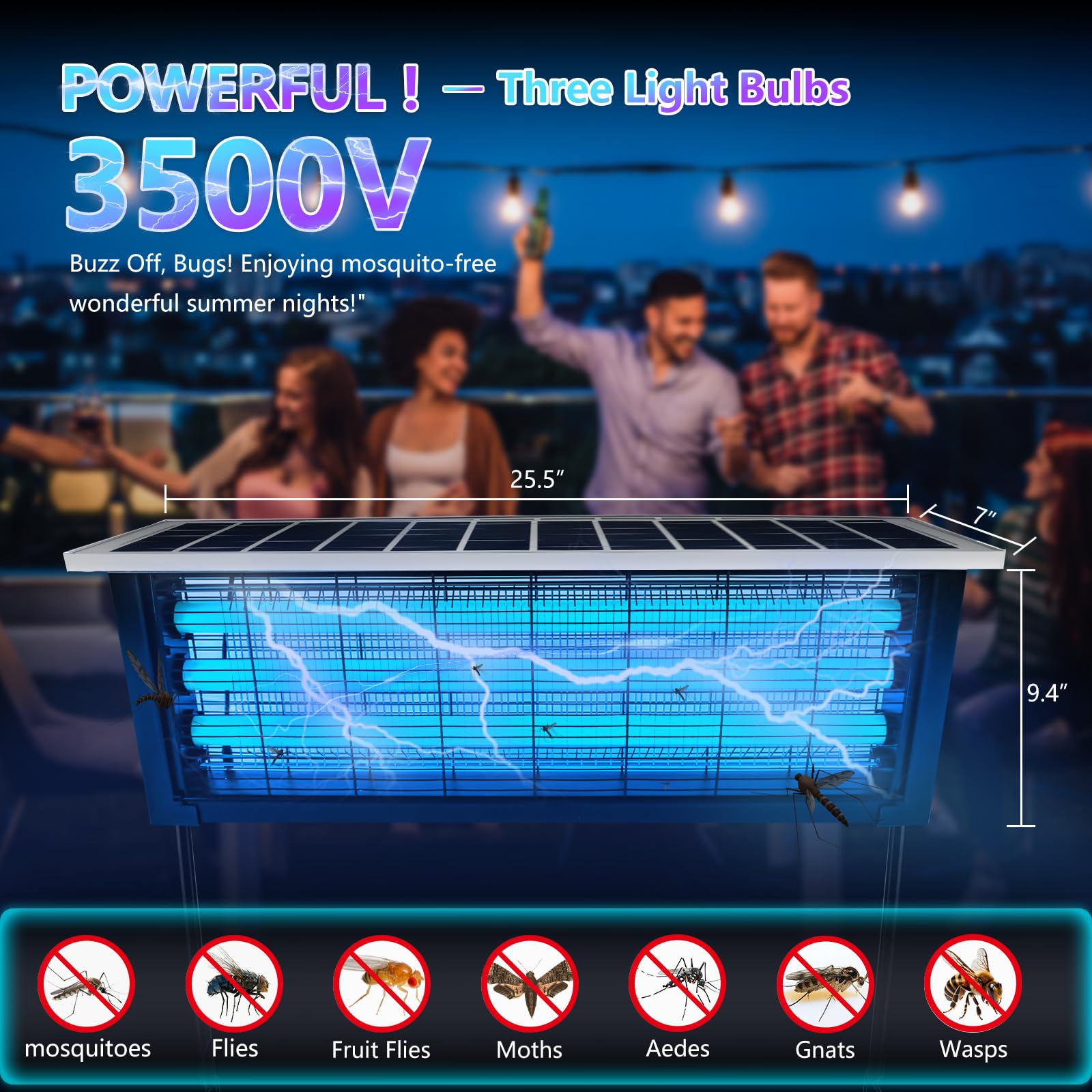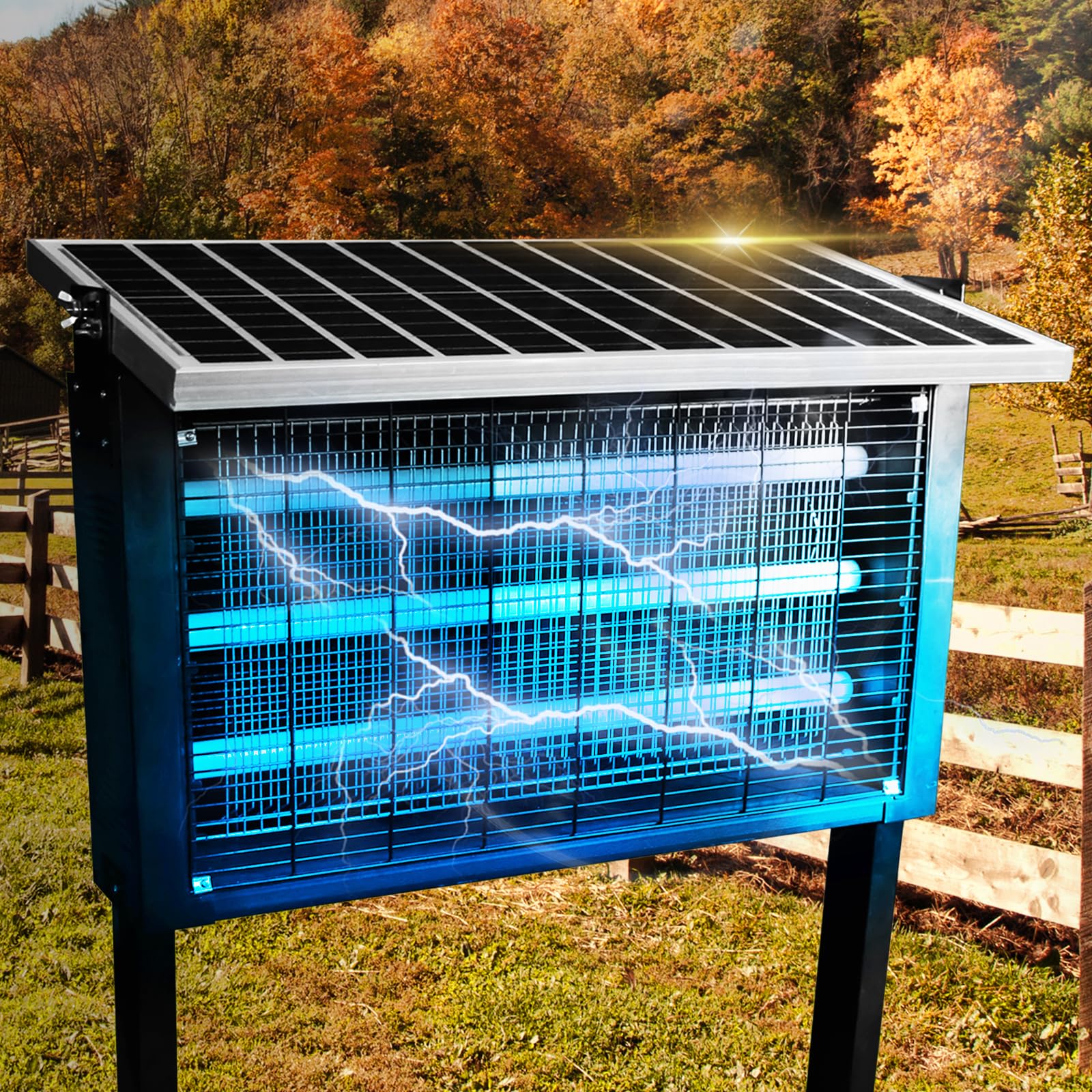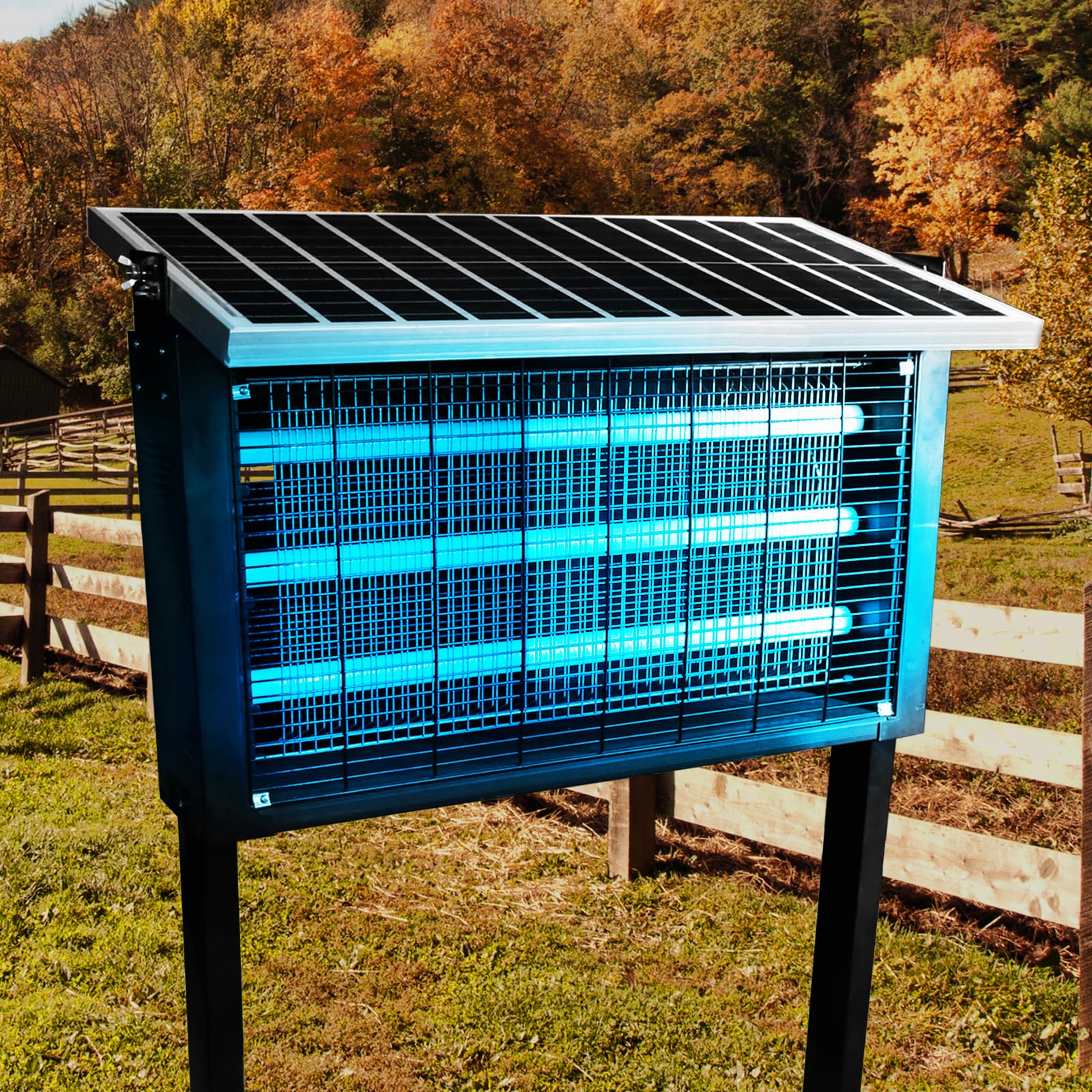

If you’ve ever bought a mosquito lamp with high expectations—only to find a handful of bugs inside after a full night—you’re not alone.
Many people assume mosquito traps simply “don’t work.”
In reality, most mosquito lamps are underperforming, not ineffective.
The problem is rarely the idea of the product.
It’s the execution, environment, and configuration.
Mosquito behavior follows clear biological rules. Mosquito traps rely on those rules—but small design or usage mistakes can drastically reduce capture rates.
This guide breaks down how mosquito lamps actually work, why they often fail, and how thoughtful, safe modifications and setup improvements can dramatically increase their effectiveness—without turning your home into a science experiment.
Why Most Mosquito Lamps Underperform
Before talking about improvement, we need to understand the baseline problem.
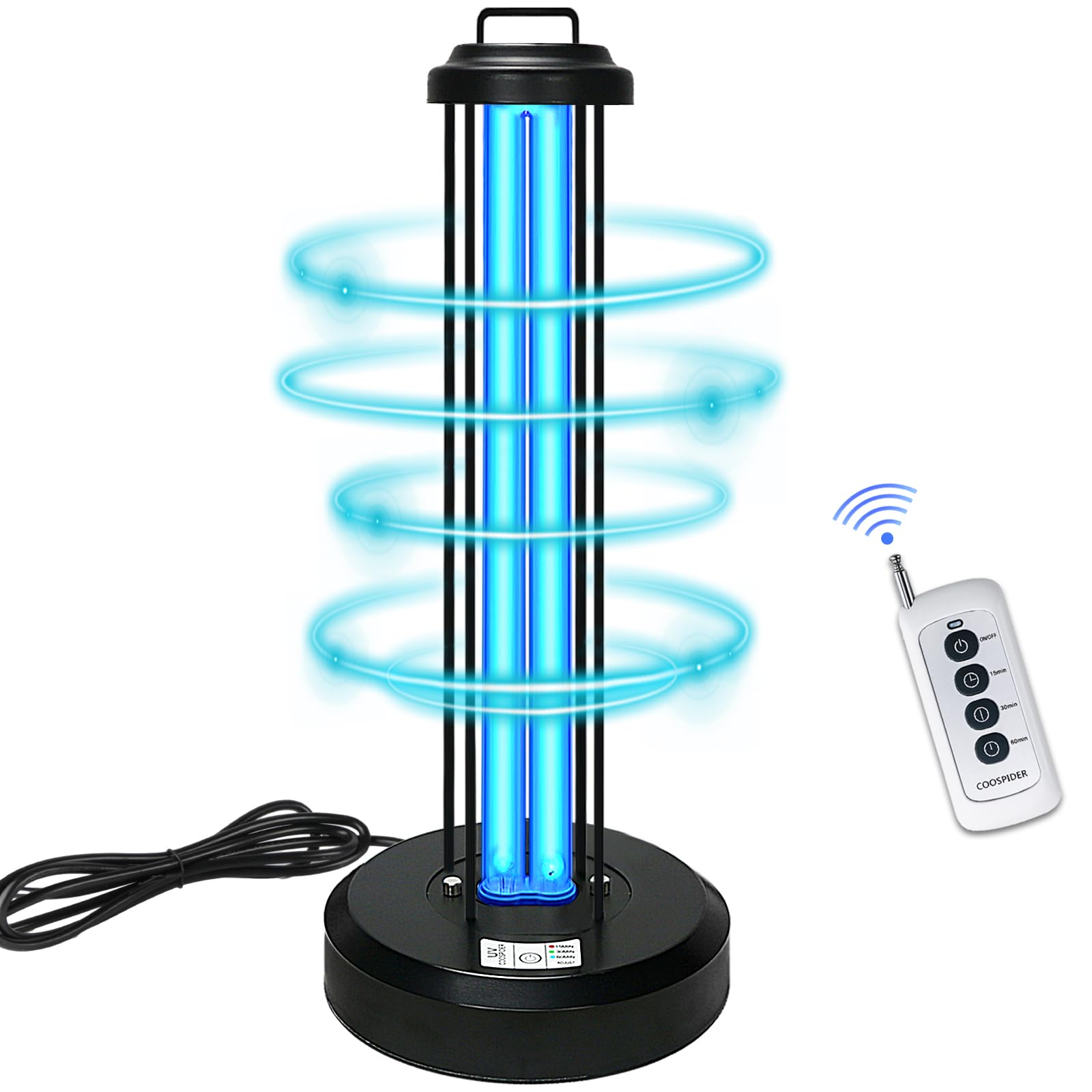
A mosquito lamp is not a universal insect vacuum. It targets specific mosquito behaviors, including:
-
Attraction to certain wavelengths of light
-
Sensitivity to airflow
-
Carbon dioxide and human scent cues
-
Flight patterns near ground level
-
Preference for dark, humid resting areas
If a lamp fails to align with these behaviors, mosquitoes will simply ignore it.
Most consumer complaints stem from one of three issues:
-
Poor attraction signals
-
Inefficient capture mechanics
-
Incorrect placement and environment
Improving capture rate means addressing all three.
Understanding How Mosquito Lamps Actually Work
Light Is a Signal—Not the Only One
Contrary to popular belief, mosquitoes are not strongly attracted to bright light the way moths are.
Most species respond better to:
-
UV-A wavelengths (around 365 nm)
-
Low-intensity, steady light
-
Indirect glow rather than harsh brightness
If a lamp is too bright—or emits the wrong spectrum—it may attract fewer mosquitoes or even repel them.
Airflow Is the Silent Workhorse
In suction-based mosquito traps, the fan system is more important than the light.
Effective airflow must:
-
Pull mosquitoes inward faster than they can escape
-
Create a directional current (not turbulence)
-
Guide insects into a containment zone
Weak or poorly directed airflow is one of the most common reasons for low capture rates.
Capture Is Only Successful If Escape Is Prevented
Catching a mosquito is only half the job.
Keeping it inside matters just as much.
Many traps fail because:
-
Collection chambers allow rebound flight
-
Airflow weakens once inside
-
Interior surfaces are too smooth
-
Light leaks encourage escape
Good traps don’t just attract—they disorient and exhaust.
Step 1: Optimize the Light Source
Choose the Right Wavelength
If your mosquito lamp allows light replacement or modification, wavelength matters more than brightness.
Research and field tests consistently show:
-
UV-A (350–370 nm) performs better than visible blue or white light
-
Warm white light is often ineffective
-
Flashing or color-shifting lights reduce attraction
A stable, low-intensity UV-A source tends to outperform high-lumen bulbs.
Reduce Competing Light Sources
Even the best mosquito lamp will struggle if it’s competing with:
-
Indoor lighting
-
Porch lights
-
TV screens
-
Streetlights
To improve effectiveness:
-
Turn off nearby lights at night
-
Place the lamp in a relatively dark zone
-
Avoid reflective surfaces nearby
Mosquitoes choose the strongest relevant signal, not the closest device.
Diffuse, Don’t Spotlight
Some users improve performance by:
-
Adding a light diffuser
-
Softening harsh LED glare
-
Eliminating direct “beam” effects
A gentle glow creates a broader attraction zone and feels more “natural” to mosquitoes.
Step 2: Improve Airflow and Suction Efficiency
Clean and Maintain the Fan System
This sounds obvious—but it’s often ignored.
Dust buildup on fan blades:
-
Reduces airflow
-
Creates turbulence
-
Increases noise
-
Lowers capture reliability
Regular cleaning alone can significantly improve performance.
Guide the Air, Don’t Fight It
Some safe airflow optimizations include:
-
Ensuring intake vents are unobstructed
-
Aligning internal airflow paths
-
Preventing air leaks around seams
If air escapes before reaching the collection chamber, suction effectiveness drops.
Increase Directional Pull, Not Raw Power
Stronger fans are not always better.
What matters is:
-
Consistent inward flow
-
Smooth air channels
-
Controlled exhaust placement
Chaotic airflow can push mosquitoes away instead of pulling them in.
Step 3: Redesign the Capture Chamber (Without Risk)
Add Interior Texture
Mosquitoes are surprisingly good at escaping smooth surfaces.
Adding:
-
Fine mesh
-
Textured liners
-
Matte interior surfaces
can reduce rebound flight and increase retention.
This does not require adhesives or permanent modifications—many users use removable inserts.
Eliminate Light Leakage
If mosquitoes see light from inside the chamber, they will attempt to escape toward it.
Effective traps:
-
Keep the capture chamber dark
-
Direct light only toward the intake zone
-
Prevent internal reflections
Darkness equals disorientation.
Encourage Fatigue, Not Instant Kill
Some lamps rely on electric grids. Others rely on dehydration and exhaustion.
For non-zapping traps:
-
Air circulation should continue after capture
-
Mosquitoes should not be able to rest
-
Escape routes should be minimal
A tired mosquito is a trapped mosquito.
Step 4: Placement Matters More Than Most People Think
Height Above Ground Is Critical
Most mosquito species fly low—often under 3 feet (1 meter).
Ideal placement:
-
1–3 feet above ground
-
Away from strong wind
-
Near resting or breeding zones
Placing a lamp on a table or shelf often reduces effectiveness.
Distance from Humans Is Strategic
If the lamp is too close to people, mosquitoes will choose you over the trap.
General guideline:
-
Place the lamp 10–20 feet away from where people sit or sleep
-
Position it between breeding areas and human activity
The trap should intercept mosquitoes, not compete with humans.
Outdoor vs. Indoor Placement
Indoor use:
-
Works best in dark rooms
-
Requires reduced air movement
-
Benefits from closed doors/windows
Outdoor use:
-
Needs wind protection
-
Performs best in shaded, humid areas
-
Should avoid direct rain or strong airflow
Step 5: Environmental Tweaks That Multiply Results
Reduce Alternative Attractions
Mosquito lamps work best when they’re the best option available.
Improve results by:
-
Removing standing water
-
Avoiding scented candles nearby
-
Reducing human scent cues near the trap
This doesn’t mean eliminating mosquitoes—it means guiding them.
Use Time Strategically
Mosquito activity peaks:
-
At dusk
-
During early night hours
-
In warm, humid conditions
Running the lamp:
-
Before mosquitoes become active
-
Continuously during peak hours
is more effective than reactive use.
Step 6: Combining Signals—The Right Way
Some advanced traps combine:
-
UV light
-
Airflow
-
Heat
-
CO₂ simulation
While full CO₂ systems are complex, safe enhancements may include:
-
Placement near natural human scent zones (but not too close)
-
Using airflow to disperse warmth from the device
-
Creating a consistent, realistic attraction profile
Avoid unsafe modifications involving combustion, chemicals, or pressurized systems.
Common Mistakes That Kill Capture Rates
-
Using the lamp next to a bright light
-
Expecting instant results
-
Placing it too high
-
Turning it on only after mosquitoes appear
-
Ignoring maintenance
-
Assuming all insects behave the same
Mosquito control is behavioral science, not brute force.
Measuring Improvement the Right Way
To evaluate changes:
-
Compare nightly capture counts over several days
-
Control for weather and temperature
-
Make one change at a time
-
Observe mosquito activity patterns
Small improvements compound quickly.
When to Upgrade Instead of Modify
Not all mosquito lamps are worth improving.
Consider upgrading if:
-
Airflow is fundamentally weak
-
Light spectrum is incorrect
-
Internal design prevents retention
-
Safety certifications are unclear
Modification works best when the core design is sound.
Final Thoughts: Better Design Beats Stronger Power
Increasing mosquito trap effectiveness is not about making devices louder, brighter, or more aggressive.
It’s about:
-
Understanding mosquito behavior
-
Aligning signals correctly
-
Removing friction from capture
-
Preventing escape
-
Using the environment intelligently
When done right, even small optimizations can turn a disappointing mosquito lamp into a genuinely useful tool.
Mosquitoes may be persistent—but they are not unpredictable.
And with the right setup, your mosquito trap doesn’t need luck.
It just needs alignment.