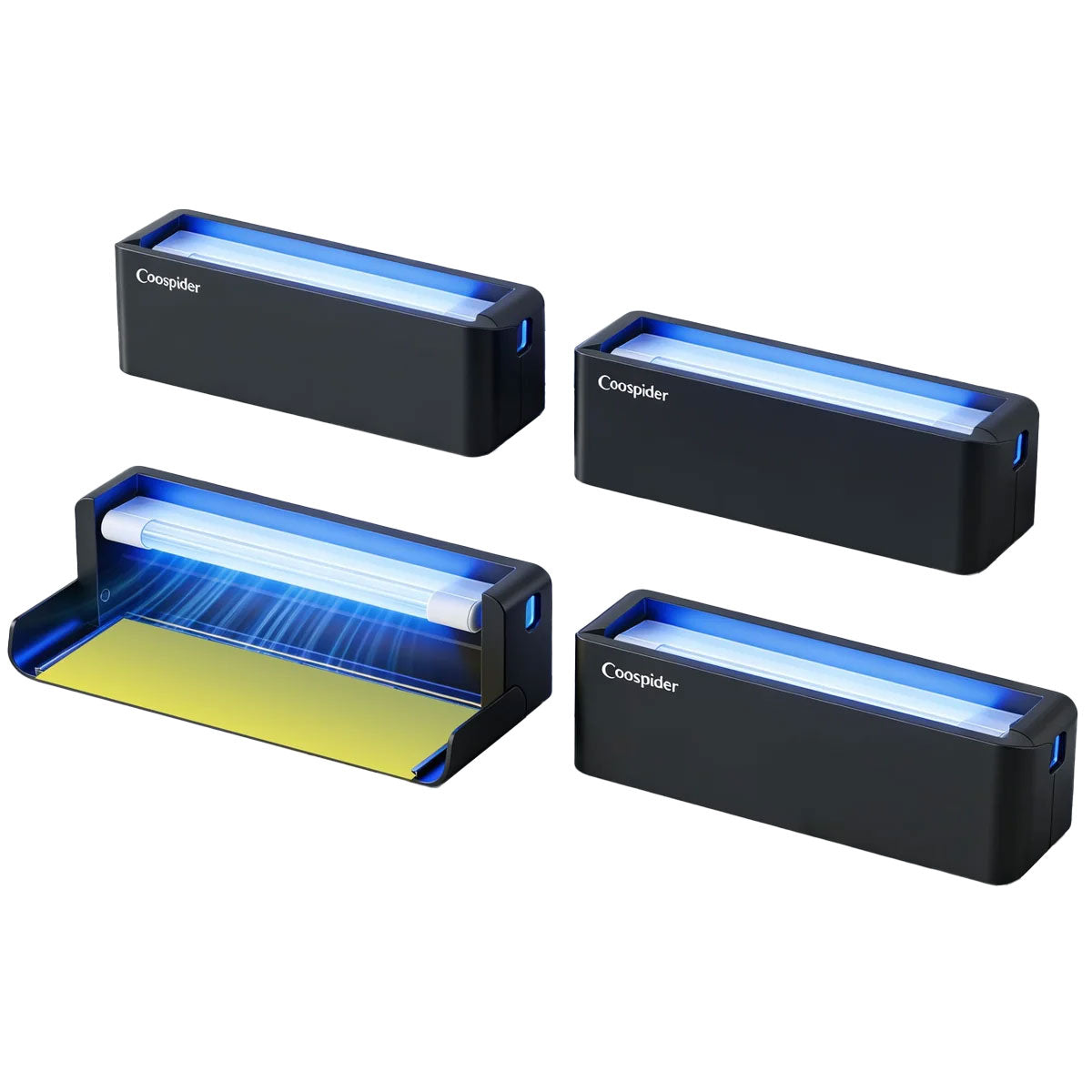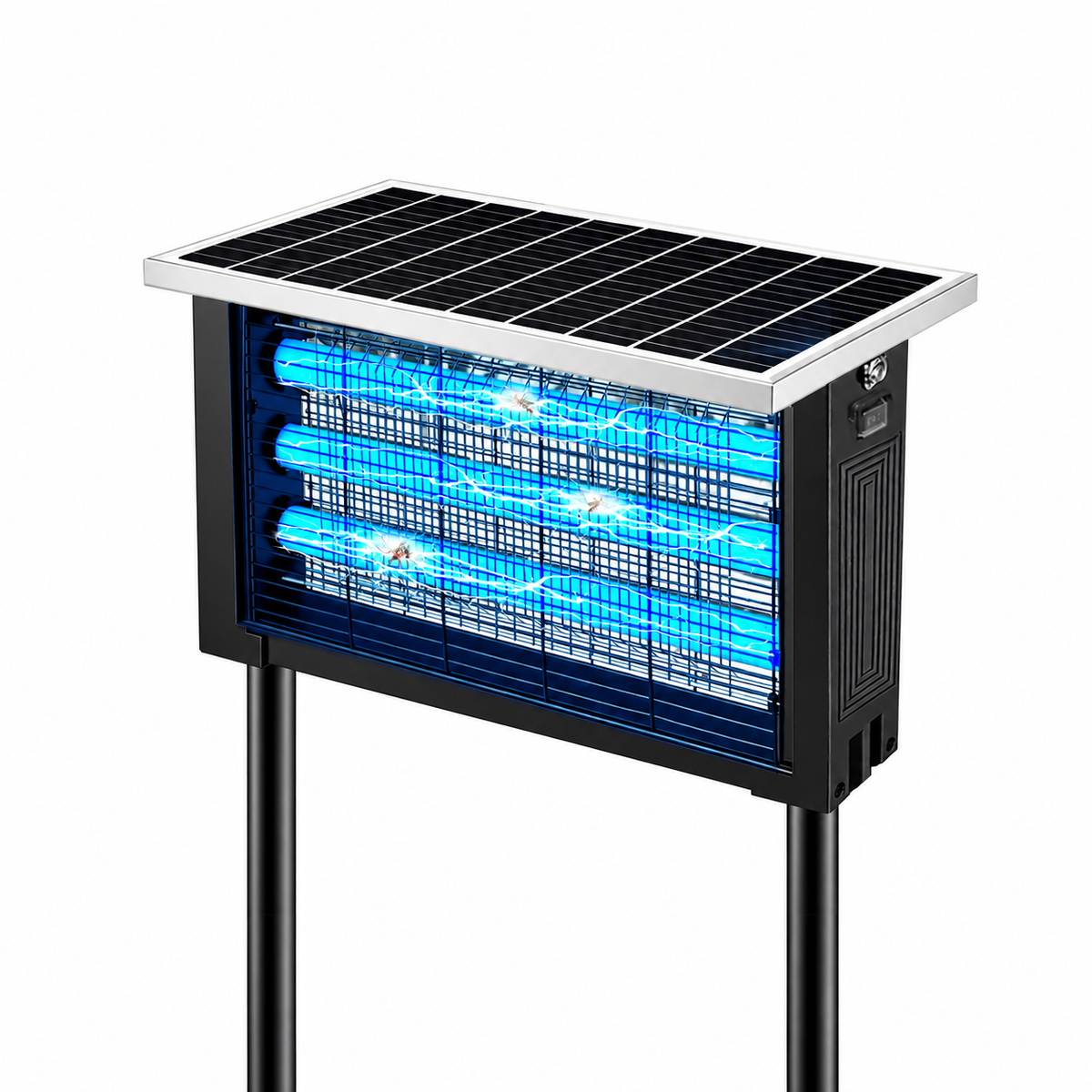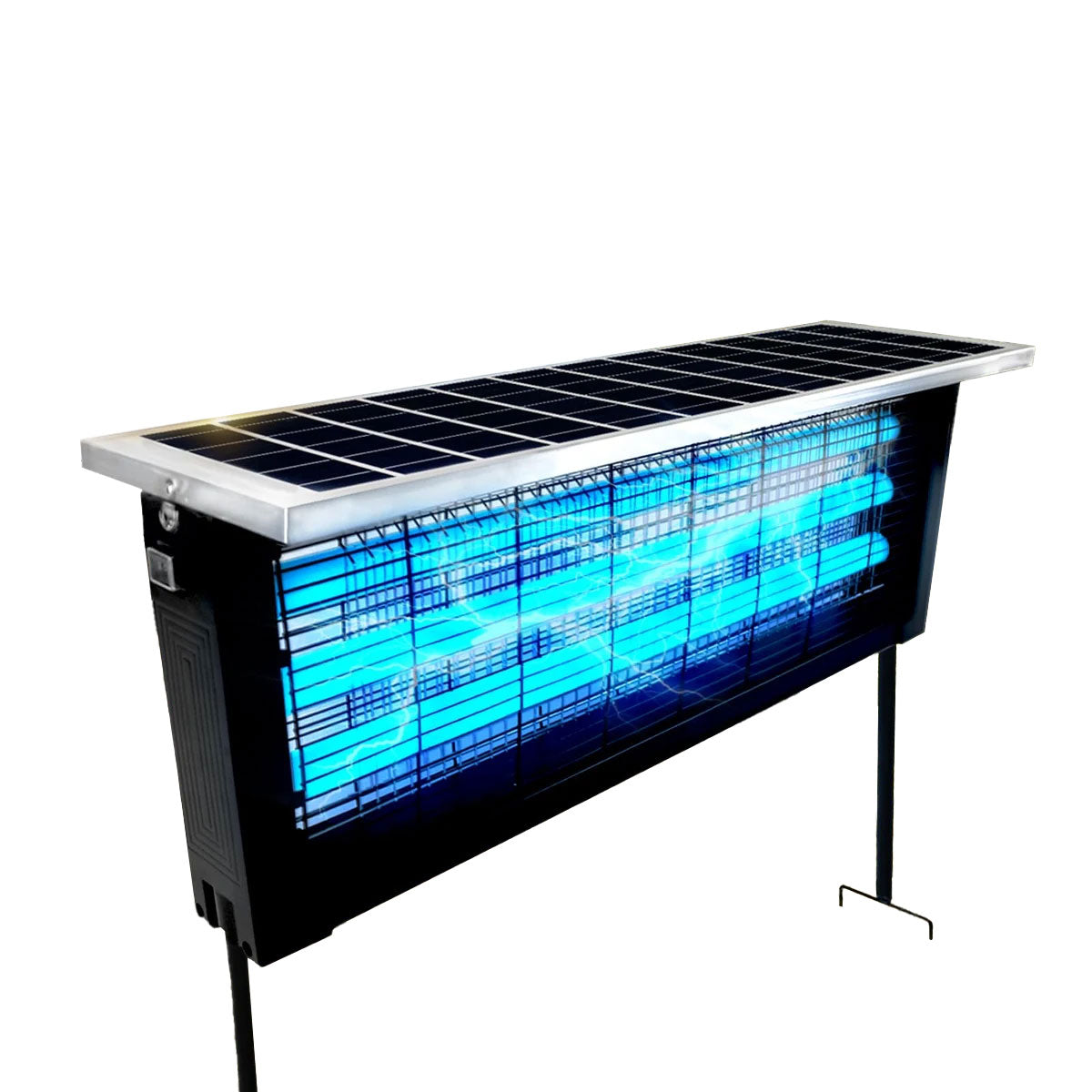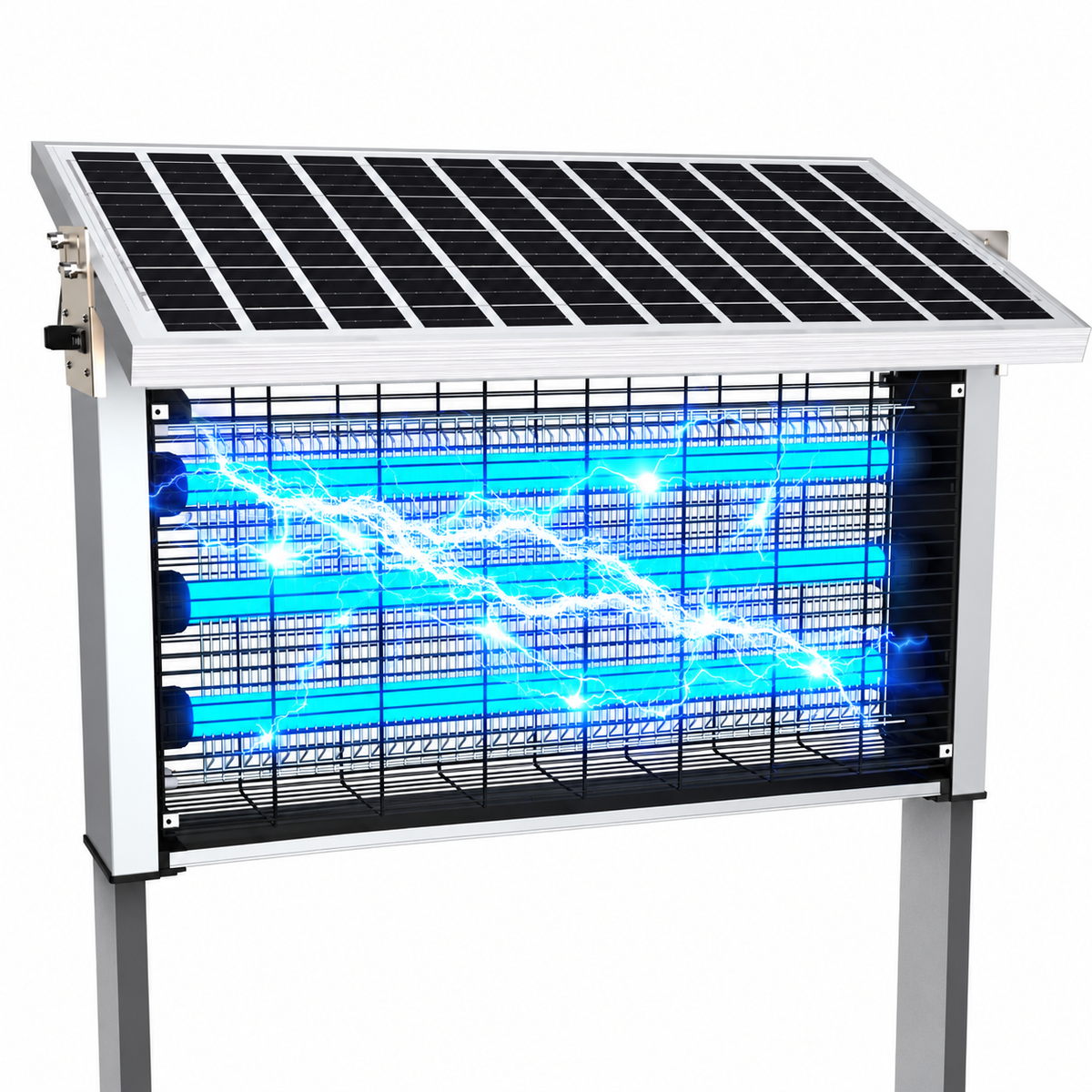
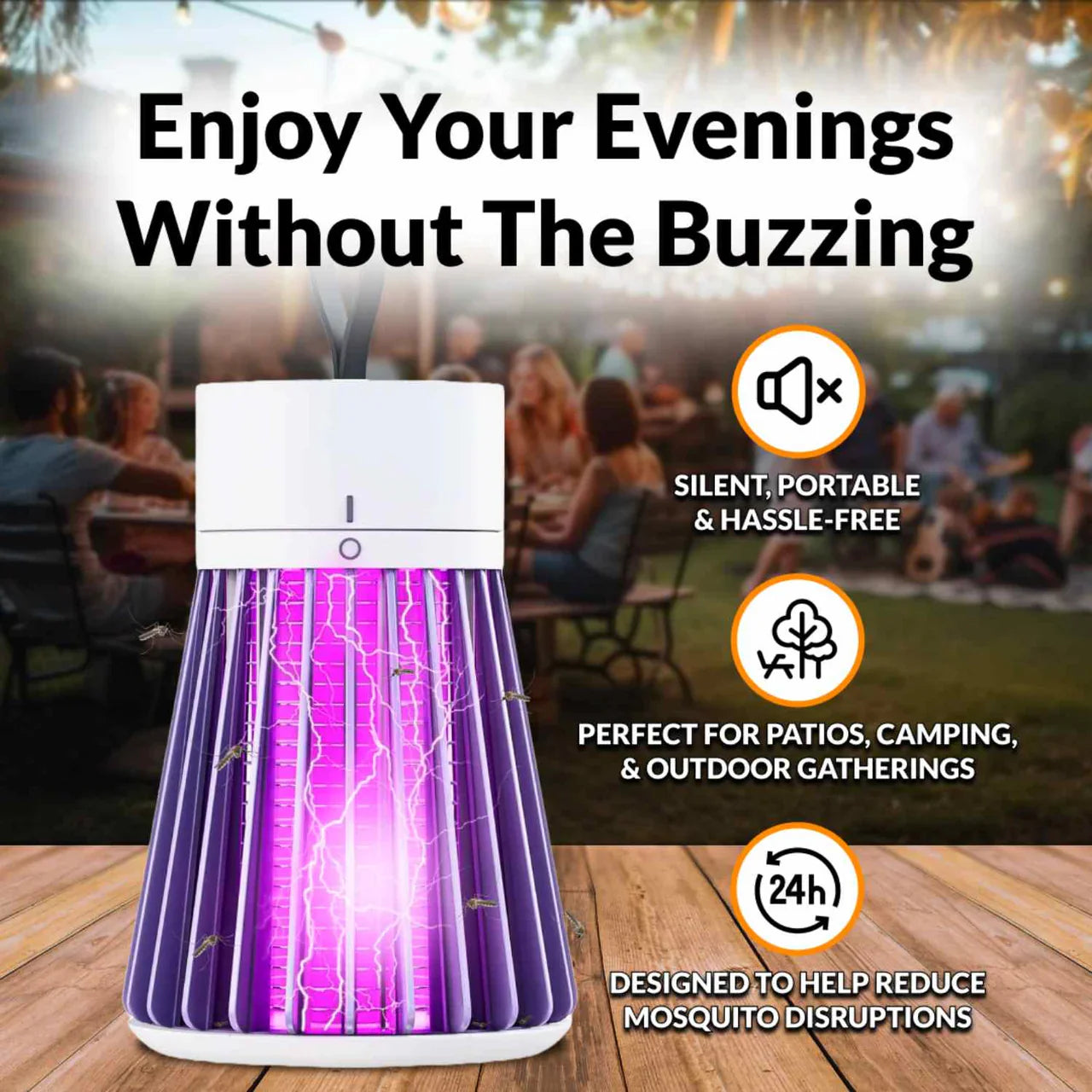
Mosquito lamps—also known as bug zappers or insect traps—have become a go-to solution for homeowners looking to reduce bites without relying on sprays, coils, or chemical repellents. They’re quiet, efficient, and relatively low-maintenance. But if you’ve been using one for a while, you may have noticed something unpleasant: a lingering odor coming from the collection tray.
If your mosquito lamp smells, you’re not alone. This is one of the most common issues users encounter after extended use. The good news? It’s completely normal—and more importantly, it’s fixable without resorting to harsh chemicals.
In this guide, we’ll break down why mosquito lamps develop odors, how to prevent them, and the most effective natural methods to deodorize the collection tray safely and easily.
Why Does a Mosquito Lamp Start to Smell?
Before diving into solutions, it helps to understand the root cause of the odor. Mosquito lamps work by attracting insects using light, heat, or carbon dioxide, then trapping or eliminating them. Over time, the collection tray accumulates dead insects, dust, and organic debris.
Here’s what contributes to the smell:
1. Decomposition of Insects
Dead mosquitoes and other bugs begin to break down, especially in warm or humid environments. This decomposition releases unpleasant odors similar to spoiled organic matter.
2. Moisture Build-Up
If your mosquito lamp is used outdoors or in humid areas, moisture can collect in the tray. When combined with insect remains, this creates an ideal environment for bacteria and mold.
3. Lack of Regular Cleaning
Even the best mosquito lamps require routine maintenance. If the collection tray isn’t emptied and cleaned regularly, odors will intensify over time.
4. Environmental Factors
Outdoor units may collect pollen, dirt, or even small debris like leaves, all of which can contribute to a musty smell.
Is the Smell Harmful?
In most cases, the odor from a mosquito lamp is not dangerous—but it can be unpleasant and may indicate bacterial growth. If left unaddressed, it could:
- Attract more pests
- Encourage mold growth
- Reduce the efficiency of the lamp
- Make indoor environments less comfortable
That’s why it’s important to address the issue early using safe and effective cleaning methods.
Why Avoid Harsh Chemicals?
When dealing with odors, many people instinctively reach for strong cleaners like bleach or chemical sprays. While these can kill bacteria quickly, they come with drawbacks:
- Residue risks: Chemical residues may remain in the tray and release fumes when the lamp heats up.
- Environmental impact: Harsh cleaners can be harmful to the environment.
- Health concerns: Strong fumes may irritate your skin, eyes, or respiratory system.
- Material damage: Some chemicals can degrade plastic components over time.
Instead, natural deodorizing methods are safer, cost-effective, and just as effective when used properly.
How Often Should You Clean the Collection Tray?
A consistent cleaning routine is the best way to prevent odors from developing in the first place.
Recommended schedule:
- Light use (indoors): Once every 1–2 weeks
- Moderate use: Once per week
- Heavy outdoor use: Every 2–3 days
If you notice any odor, clean the tray immediately regardless of your schedule.
Step-by-Step: How to Clean and Deodorize Your Mosquito Lamp Tray
Before using any deodorizing method, start with a basic cleaning process.
Step 1: Turn Off and Unplug the Device
Safety always comes first. Make sure the lamp is completely powered off and unplugged.
Step 2: Remove the Collection Tray
Carefully detach the tray according to your device’s instructions.
Step 3: Dispose of Debris
Empty the contents into a trash bag. Avoid doing this indoors if the smell is strong.
Step 4: Rinse with Warm Water
Use warm water to remove loose residue. Avoid soaking electrical components.
Step 5: Apply Natural Deodorizing Method
Choose one of the methods below.
Best Natural Ways to Deodorize the Collection Tray
These methods are safe, widely available, and highly effective.
1. Baking Soda: The Odor Neutralizer
Baking soda is one of the most powerful natural deodorizers available.
How to use:
- Sprinkle a generous amount of baking soda onto the tray
- Add a small amount of water to form a paste
- Let it sit for 15–30 minutes
- Scrub gently with a soft brush
- Rinse thoroughly and dry
Why it works:
Baking soda neutralizes acidic and basic odor molecules, rather than just masking them.
2. White Vinegar: The Natural Disinfectant
White vinegar is excellent for killing bacteria and breaking down organic residue.
How to use:
- Mix equal parts white vinegar and water
- Soak the tray for 20–30 minutes
- Scrub gently if needed
- Rinse well to remove vinegar smell
Pro tip: Add a few drops of lemon juice for a fresher scent.
3. Lemon and Citrus Peels: Fresh and Antibacterial
Citrus fruits contain natural acids and oils that help eliminate odors.
How to use:
- Rub lemon halves directly on the tray
- Or soak the tray in warm water with citrus peels
- Let sit for 15–20 minutes
- Rinse and dry
Bonus: Leaves a clean, refreshing scent without artificial fragrances.
4. Activated Charcoal: Passive Odor Absorption
Activated charcoal is highly porous and absorbs odors effectively.
How to use:
- Place a small pouch of activated charcoal in the tray (when not in use)
- Leave overnight or between uses
Best for: Preventing odors rather than deep cleaning
5. Hydrogen Peroxide (Mild Option)
While technically a chemical, hydrogen peroxide is a gentle and widely used disinfectant.
How to use:
- Apply a small amount to the tray
- Let it bubble for a few minutes
- Rinse thoroughly
Note: Use sparingly and avoid frequent application.
6. Essential Oils for a Fresh Finish
After cleaning, essential oils can add a pleasant scent.
Popular choices:
- Lavender
- Tea tree (also antibacterial)
- Eucalyptus
- Lemon
How to use:
- Add a few drops to water
- Wipe the tray lightly
- Let air dry
Preventing Odors Before They Start
Prevention is always easier than cleanup. Here are some simple habits to keep your mosquito lamp fresh:
Keep It Dry
Moisture is a major contributor to odor. Always dry the tray completely after cleaning.
Empty Frequently
Don’t let insect debris sit for too long.
Store in a Ventilated Area
Good airflow helps prevent moisture buildup and bacterial growth.
Use Liners (Optional)
Some users place a thin, disposable liner in the tray for easier cleanup.
Avoid Overcrowding
If your lamp is collecting large numbers of insects daily, increase cleaning frequency.
Indoor vs. Outdoor Mosquito Lamps: Odor Differences
Indoor Lamps
- Typically collect fewer insects
- Odor develops more slowly
- Easier to maintain
Outdoor Lamps
- Higher insect volume
- More exposure to moisture and debris
- Require more frequent cleaning
If you’re using your lamp outdoors, odor prevention becomes even more important.
Common Mistakes to Avoid
Even with good intentions, some cleaning habits can make things worse.
Using Bleach or Strong Chemicals
These can damage your device and create harmful fumes.
Skipping Regular Maintenance
Waiting too long between cleanings leads to stronger odors.
Not Drying Properly
Residual moisture encourages bacteria and mold.
Ignoring Manufacturer Instructions
Always follow the care guidelines for your specific model.
When Should You Replace the Collection Tray?
In some cases, cleaning may not fully eliminate odors—especially if the tray has absorbed smells over time.
Consider replacing the tray if:
- Odor persists after multiple cleanings
- The material is stained or degraded
- There are cracks or damage
Replacement trays are often inexpensive and can restore your lamp’s performance.
Eco-Friendly Mosquito Control Starts with Maintenance
One of the biggest advantages of mosquito lamps is their environmentally friendly operation. By avoiding chemical sprays and pesticides, you’re creating a safer space for your family and pets.
Maintaining a clean, odor-free collection tray ensures your device continues to work efficiently while staying aligned with a low-chemical lifestyle.
Final Thoughts
If your mosquito lamp smells, it’s not a defect—it’s a sign that it’s doing its job. The key is regular maintenance and using safe, natural methods to keep it clean.
By incorporating simple habits like weekly cleaning and using natural deodorizers such as baking soda, vinegar, or citrus, you can eliminate odors without exposing yourself to harsh chemicals.
A fresh, well-maintained mosquito lamp doesn’t just improve your environment—it also ensures better performance, longer lifespan, and a more pleasant experience overall.