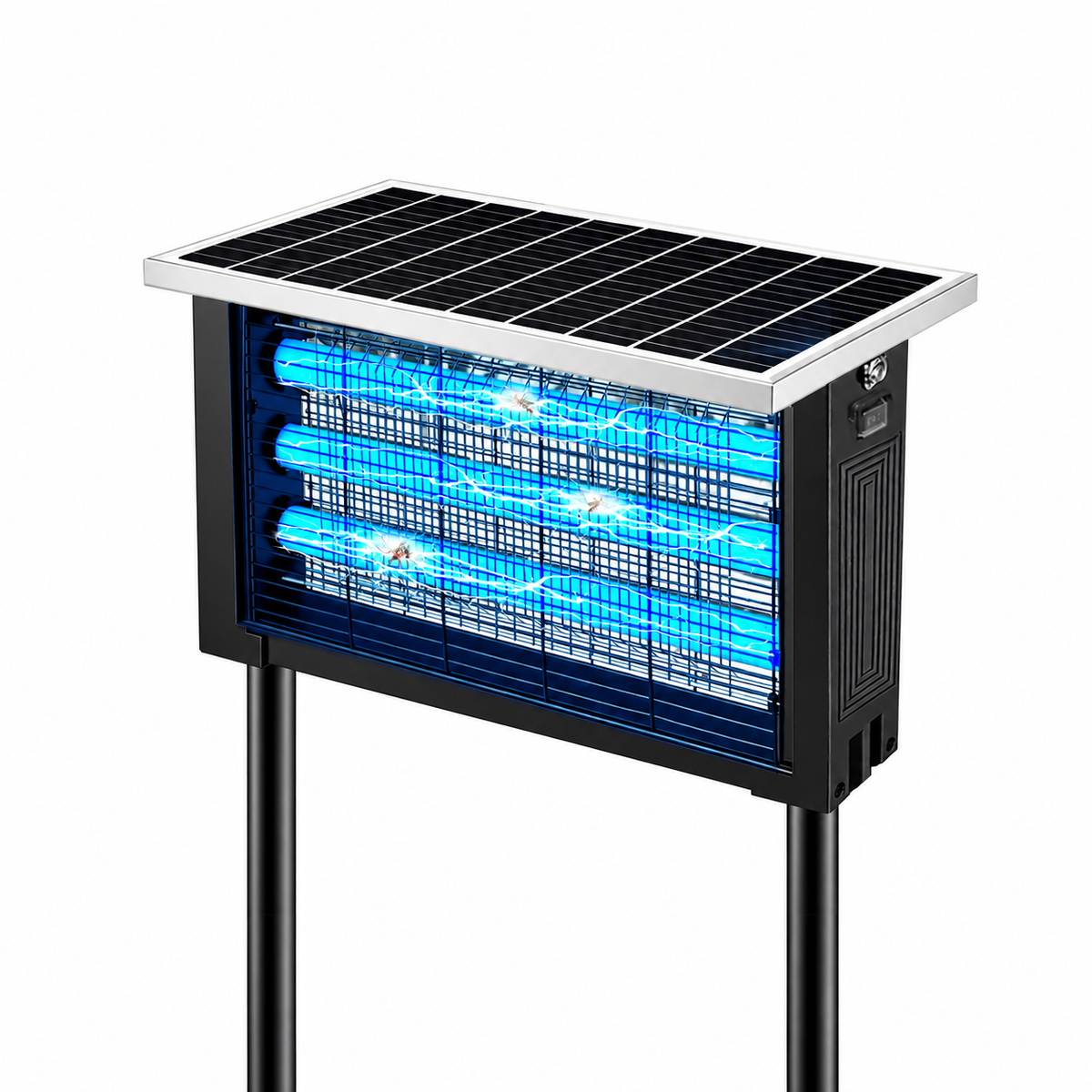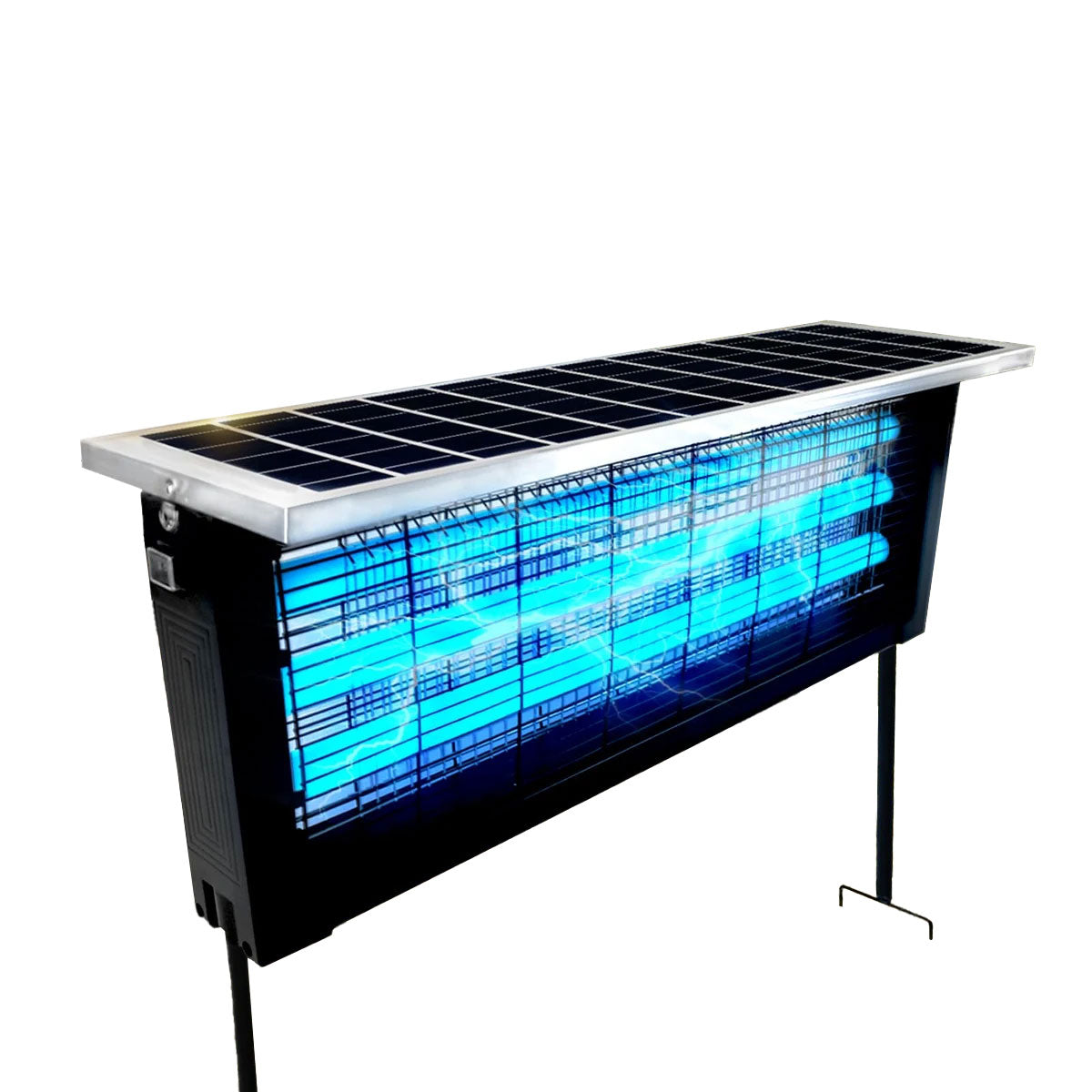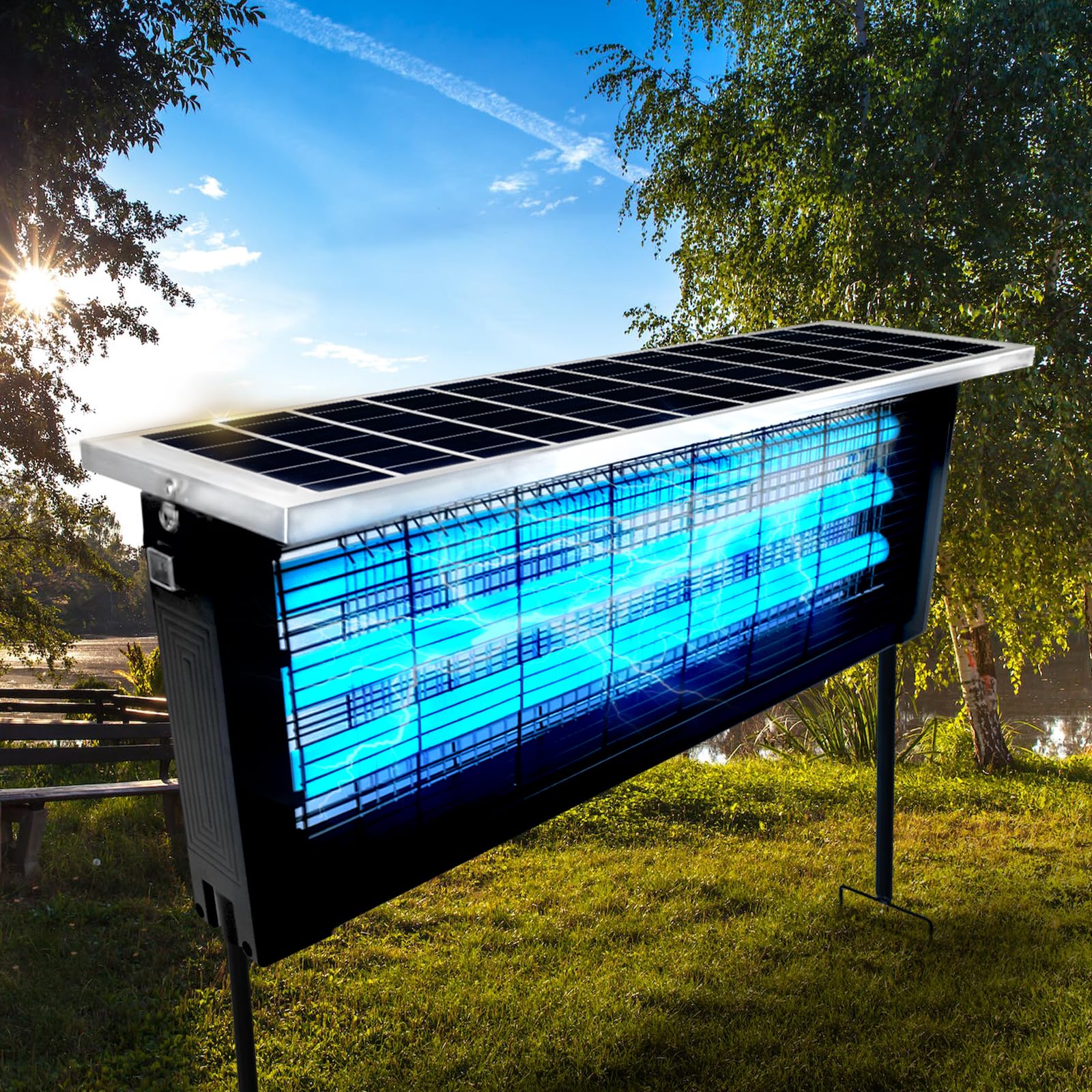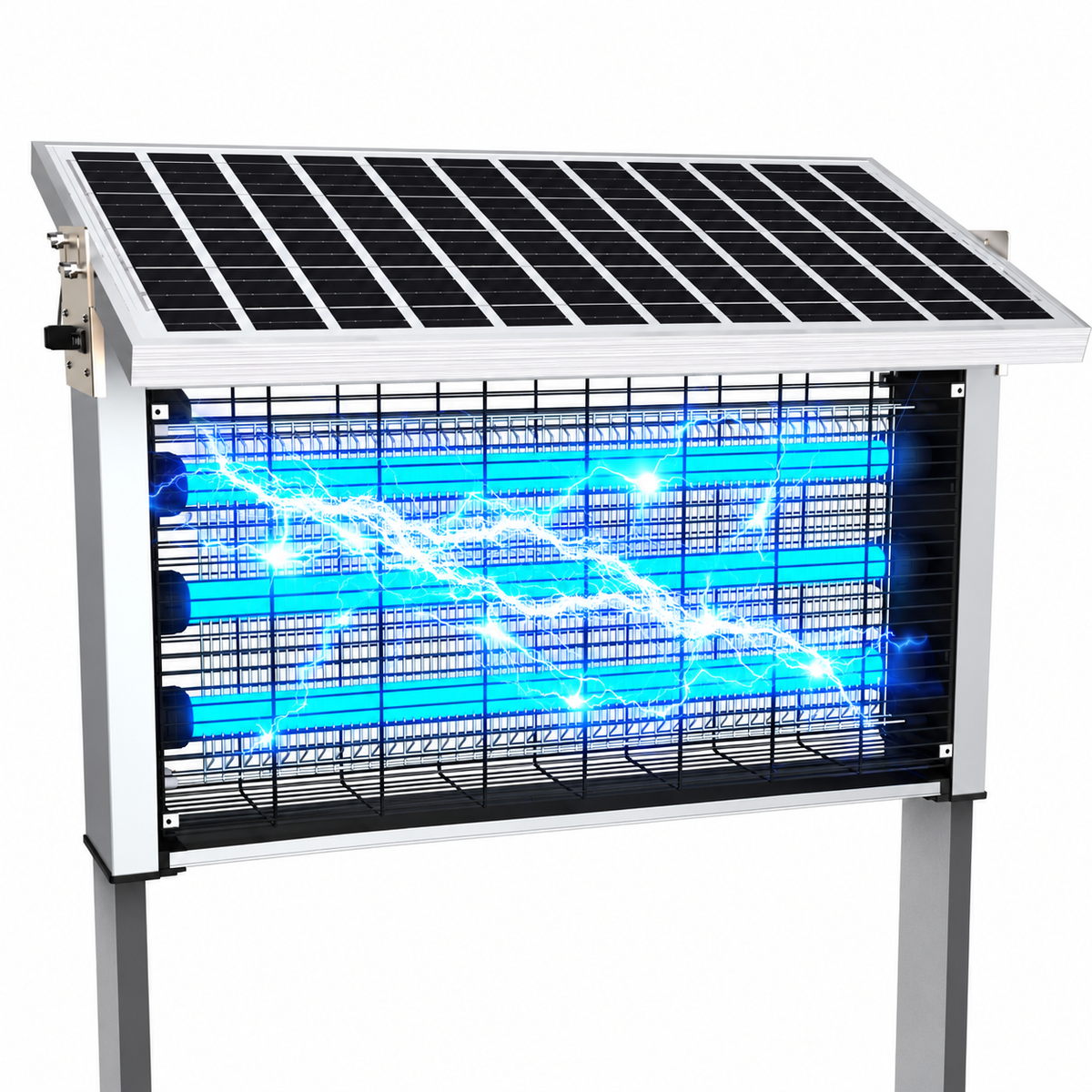
A powerful rainstorm can be a welcome break from heat, but for your outdoor mosquito trap, it’s often a stress test. Torrential rain, splashing mud, wind-driven debris, and sudden humidity spikes can all interfere with how your device performs. If you rely on your trap to keep your yard, patio, or garden comfortable, post-storm maintenance isn’t optional—it’s essential.
After a heavy downpour, many users notice a sharp drop in capture rates. The trap may still power on, the light may still glow, but its effectiveness is nowhere near what it was before the storm. That’s because moisture and mud don’t just dirty the surface—they disrupt the delicate balance of airflow, light attraction, and electrical performance that makes these devices work.
This guide walks you through the science of what happens during a storm, the damage it can cause, and the exact steps you need to restore your outdoor mosquito trap so it performs like new again.
Why Heavy Rain Impacts Outdoor Mosquito Traps
Outdoor traps are designed to handle normal environmental exposure, but extreme weather pushes them beyond their optimal operating conditions. Understanding what happens during a storm helps you clean and restore your device more effectively.
1. Water Intrusion
Even weather-resistant designs are not fully waterproof. During heavy rain:
- Water can enter through vents and seams
- Internal components may become damp
- Electrical pathways can be temporarily disrupted
Moisture inside the trap reduces efficiency and can cause inconsistent performance.
2. Mud Splash and Debris Buildup
Rain hitting soil creates mud splatter, especially if your trap is placed near garden beds or bare ground. This leads to:
- Thick layers of dirt on the outer casing
- Blocked ventilation openings
- Contaminated electric grids
Mud is particularly problematic because it dries into a hardened layer that restricts airflow and insulates electrical components.
3. Airflow Disruption
Most outdoor mosquito traps rely on a fan to pull insects inside. After a storm:
- Wet debris can clog intake vents
- Dirt can accumulate on fan blades
- Air circulation becomes inefficient
Reduced airflow directly lowers the number of insects that reach the capture chamber.
4. Light Obstruction
UV light is the primary attractant in many traps. However:
- Water droplets scatter light
- Dirt and residue absorb UV output
- Mud splashes block the light source
A dim or obstructed light makes your trap far less attractive to insects.
5. Electrical Performance Changes
Moisture and dirt together create a challenging environment for electrical systems:
- Residue can increase resistance
- Damp surfaces can cause partial short circuits
- Grid efficiency drops significantly
This means insects may come into contact with the trap but not be effectively eliminated.
Immediate Steps After a Storm
Timing matters. The sooner you inspect and clean your trap, the easier it is to restore.
Step 1: Power Down Safely
Before touching anything:
- Turn off the device
- Unplug it from the power source
- Allow it to sit for a few minutes to discharge
Safety should always come first, especially with high-voltage components.
Step 2: Visual Inspection
Take a close look at the trap:
- Check for visible mud splashes
- Inspect vents and openings
- Look for water accumulation inside
This initial inspection helps you prioritize cleaning tasks.
Step 3: Relocate to a Dry Area
Move the trap to a sheltered space such as:
- A covered patio
- A garage or shed
- An indoor workspace
Cleaning and drying are far more effective in a controlled environment.
Deep Cleaning Process: Step-by-Step
Restoring your outdoor mosquito trap requires more than a quick wipe. Follow this structured process to ensure thorough recovery.
Step 4: Remove Loose Debris
Start with dry cleaning:
- Use a soft brush to remove dirt and dust
- Shake out loose particles
- Use compressed air for tight spaces
This step prevents mud from smearing during wet cleaning.
Step 5: Clean Mud and Stubborn Residue
For hardened mud:
- Use a slightly damp cloth (not soaking wet)
- Gently wipe affected areas
- Avoid pushing debris deeper into vents
If necessary, use a soft brush with minimal moisture to loosen dried dirt.
Step 6: Clear Ventilation Openings
Airflow is critical for performance:
- Inspect all intake and exhaust vents
- Remove any blockages
- Ensure air can pass freely
Blocked vents are one of the main reasons traps underperform after storms.
Step 7: Clean the Electric Grid
This is the most sensitive and important part.
- Use a dry brush or compressed air
- Remove insect remains and dirt
- Avoid using water unless the manufacturer allows it
A clean grid restores proper electrical contact and improves capture rates immediately.
Step 8: Inspect and Clean the Fan
If your trap includes a fan:
- Check for dirt on the blades
- Remove buildup carefully
- Ensure the fan spins freely
Even minor debris can reduce airflow efficiency.
Step 9: Dry Thoroughly
Moisture left inside the trap can cause ongoing issues.
- Let the device air dry completely
- Leave it in a warm, dry area
- Avoid direct sunlight if components are sensitive
Patience here prevents long-term damage.
Step 10: Reassemble and Test
Once everything is clean and dry:
- Reassemble all parts
- Plug the device back in
- Observe operation
Look for:
- Strong, consistent light output
- Normal airflow
- Proper electrical function
Preventing Future Storm Damage
Cleaning after every storm is important, but prevention reduces how much work you’ll need to do.
Choose a Better Placement
Where you position your trap makes a big difference.
Avoid:
- Direct exposure to open sky
- Placement near muddy ground
- Low areas where water collects
Prefer:
- Covered patios or eaves
- Elevated surfaces
- Areas with good drainage
Use Protective Covers
When storms are forecast:
- Cover the trap with a breathable protective cover
- Avoid airtight coverings that trap moisture
A simple cover can significantly reduce mud and water exposure.
Elevate the Trap
Raising your device helps prevent mud splash:
- Place it on a table or stand
- Keep it at least a few feet above ground
Elevation also improves visibility and airflow.
Regular Maintenance Routine
Don’t wait for storms to clean your trap.
- Weekly inspections during heavy insect seasons
- Biweekly cleaning for outdoor units
- Immediate cleaning after extreme weather
Consistency keeps performance stable.
Common Mistakes to Avoid
Even with good intentions, certain cleaning habits can cause more harm than good.
Using Excessive Water
Too much moisture can:
- Damage electrical components
- Cause corrosion
- Lead to short circuits
Always use minimal moisture and prioritize drying.
Skipping the Drying Step
Reassembling a damp trap can trap moisture inside, leading to long-term issues.
Ignoring Internal Components
Surface cleaning alone isn’t enough. Internal airflow and grid cleanliness are critical.
Using Metal Tools
Metal objects can damage the grid or create safety risks. Stick to plastic or wooden tools.
Signs Your Trap Needs Post-Storm Attention
If you’re unsure whether cleaning is necessary, watch for these signs:
- Reduced insect capture
- Weak or dim light
- Unusual noises from the fan
- Visible dirt or mud buildup
- Increased mosquito activity nearby
Any of these indicate it’s time for maintenance.
How Storm Conditions Affect Mosquito Behavior
Interestingly, storms don’t just affect your trap—they also influence mosquito activity.
After heavy rain:
- Standing water creates new breeding sites
- Humidity increases mosquito activity
- Populations can surge within days
This makes it even more important that your trap is functioning at full capacity.
Long-Term Benefits of Proper Post-Storm Care
Taking the time to clean your trap after storms offers several advantages:
- Consistent capture rates
- Longer device lifespan
- Improved energy efficiency
- Reduced need for replacements
A well-maintained trap can perform reliably season after season.
Indoor vs. Outdoor Recovery Differences
Outdoor traps require more intensive cleaning due to:
- Exposure to mud and debris
- Higher moisture levels
- Greater environmental variability
Indoor traps, while not immune, typically need less frequent deep cleaning.
Building a Simple Post-Storm Routine
To make maintenance easier, create a repeatable routine:
- Inspect immediately after the storm
- Perform basic cleaning within 24 hours
- Schedule a deeper clean if buildup is significant
- Test performance before returning to use
This habit ensures your trap is always ready when mosquito activity spikes.
Final Thoughts: Restore Performance, Don’t Replace
A drop in performance after a storm doesn’t mean your mosquito trap is failing—it simply needs attention. Rain, mud, and debris are unavoidable in outdoor environments, but their impact can be minimized with proper care.
By understanding how storms affect airflow, light output, and electrical efficiency, you can take targeted steps to restore your device quickly and effectively. With a little effort, your outdoor mosquito trap can bounce back from even the heaviest downpour and continue protecting your space.
In the end, maintaining your trap isn’t just about cleanliness—it’s about preserving the delicate balance of systems that make it work. Keep it clean, keep it dry, and it will keep working for you.