Introduction: Protecting Your Aquarium When Temperatures Drop
Winter can be a challenging season for aquarium owners. As outdoor temperatures fall, indoor environments become less predictable. Cold drafts enter through doors and windows, heating systems switch on and off, and rooms that feel comfortable during the day may become surprisingly cold overnight. These changes can affect aquarium water temperature, even when the fish tank appears perfectly normal.
For fish, maintaining a suitable and stable water temperature is essential. Unlike mammals, fish cannot regulate their internal body temperature independently of their surroundings. Their metabolism, digestion, activity levels, and immune responses are influenced by the temperature of the water in which they live. When water temperatures fluctuate rapidly or remain outside a species' preferred range, fish may experience stress, become less active, eat poorly, or become more susceptible to disease.
Unfortunately, many aquarium owners misunderstand winter fish tank insulation. Some believe that wrapping the entire aquarium in thick insulating material is enough to keep fish warm. Others assume that a powerful aquarium heater will solve every temperature problem. Still others pour warm water into the tank when temperatures fall, unintentionally exposing their fish to sudden environmental changes.
These seemingly reasonable solutions can create additional problems.
Effective winter aquarium care requires more than simply keeping the water warm. It involves understanding heat loss, selecting appropriate equipment, maintaining consistent water conditions, and avoiding unnecessary temperature fluctuations.
Whether you keep tropical fish, goldfish, bettas, or a community aquarium, understanding these principles can help you protect your fish throughout the coldest months of the year.
In this guide, we will examine five common winter aquarium insulation mistakes, explain why they can be harmful, and provide practical solutions for maintaining a safe, comfortable aquatic environment.
Mistake 1: Assuming That Wrapping the Aquarium in Thick Insulation Is Enough
One of the most common winter aquarium mistakes is relying entirely on external insulation while ignoring the actual water temperature.
When cold weather arrives, aquarium owners may cover their tanks with blankets, foam panels, towels, bubble wrap, or other insulating materials. These materials can reduce heat loss, but insulation alone does not generate heat.
Understanding this distinction is the first step toward safer winter fish care.
Why Aquarium Insulation Alone Cannot Guarantee Warm Water
An aquarium continuously exchanges heat with its surroundings. Heat escapes through the glass or acrylic panels, the bottom of the tank, the water surface, and any exposed equipment. Evaporation from the water surface can also contribute to heat loss.
When the surrounding room becomes colder, the temperature difference between the aquarium and the room increases. Depending on the tank's construction, surface area, water volume, and exposure to drafts, the water may gradually cool.
Insulating materials slow this process by reducing heat transfer. However, they cannot indefinitely maintain a particular water temperature when the aquarium has no reliable heat source.
Consider a tropical fish tank that normally remains around 78°F. If the room becomes significantly colder overnight, an insulated aquarium may lose heat more slowly than an uninsulated one. Nevertheless, its temperature can still fall if the room remains cold long enough.
This is particularly important for small aquariums, which generally contain less thermal mass than larger tanks. A small desktop aquarium may respond to changes in room temperature more quickly than a large, well-positioned aquarium.
The mistake is not using insulation. The mistake is treating insulation as a complete substitute for temperature monitoring and appropriate heating.
The Risks of Covering the Entire Aquarium
Another problem arises when aquarium owners cover the tank too aggressively.
Wrapping the sides and back of an aquarium with suitable insulating panels can reduce heat loss. However, covering the top with thick, airtight material can interfere with normal gas exchange, depending on the aquarium's design and filtration system.
Fish need adequate dissolved oxygen. Beneficial bacteria in biological filtration systems also consume oxygen while processing waste. If a cover restricts surface movement or ventilation, oxygen availability may become a concern.
Excessive covering can also make it difficult to inspect the aquarium, observe fish behavior, monitor equipment, and notice leaks or condensation.
Heat generated by lighting and other equipment may become trapped in an enclosed space. Although this is more likely to cause overheating in some setups than to cause cold-water problems, it illustrates why completely sealing an aquarium is not a reliable temperature-control strategy.
How to Insulate an Aquarium Properly in Winter
A safer approach is to combine sensible insulation with active monitoring.
First, insulate the sides that lose the most heat.
Rigid foam insulation panels or other aquarium-safe insulating materials can be placed behind the tank or along exposed side panels. Make sure the aquarium remains level and that any material touching the tank is suitable for the application.
Avoid placing heavy materials where they could damage the glass, interfere with equipment, or destabilize the aquarium.
Second, pay attention to the room rather than just the tank.
Maintaining a reasonably stable indoor temperature reduces the workload on an aquarium heater. Keep the aquarium away from frequently opened exterior doors, drafty windows, uninsulated exterior walls, and cold air vents.
Third, use an appropriate aquarium cover.
A properly fitted aquarium lid can reduce evaporation and help limit heat loss from the water surface. However, the cover should be compatible with the aquarium's filtration, aeration, lighting, and species requirements.
Fourth, monitor the actual water temperature.
Use a reliable aquarium thermometer to measure the water directly. Check readings consistently, especially during cold nights and early mornings.
Do not assume that a warm room, an insulated tank, or a heater's indicator light proves that the water is at the correct temperature.
A Better Winter Insulation Strategy
The most effective arrangement combines three elements:
-
Insulation to slow unnecessary heat loss.
-
Appropriate heating when the fish species and room conditions require it.
-
Temperature monitoring to confirm that the water remains within the desired range.
This approach is more dependable than relying on any single product or technique.
Remember that different fish have different requirements. Many tropical freshwater fish do well around 75–80°F, while goldfish generally need cooler conditions. Always research the needs of the particular species in your aquarium rather than applying one temperature target to every fish.
The goal is not to make every aquarium as warm as possible. It is to maintain the right temperature as consistently as possible.
Mistake 2: Choosing an Aquarium Heater Without Considering Tank Size and Room Temperature
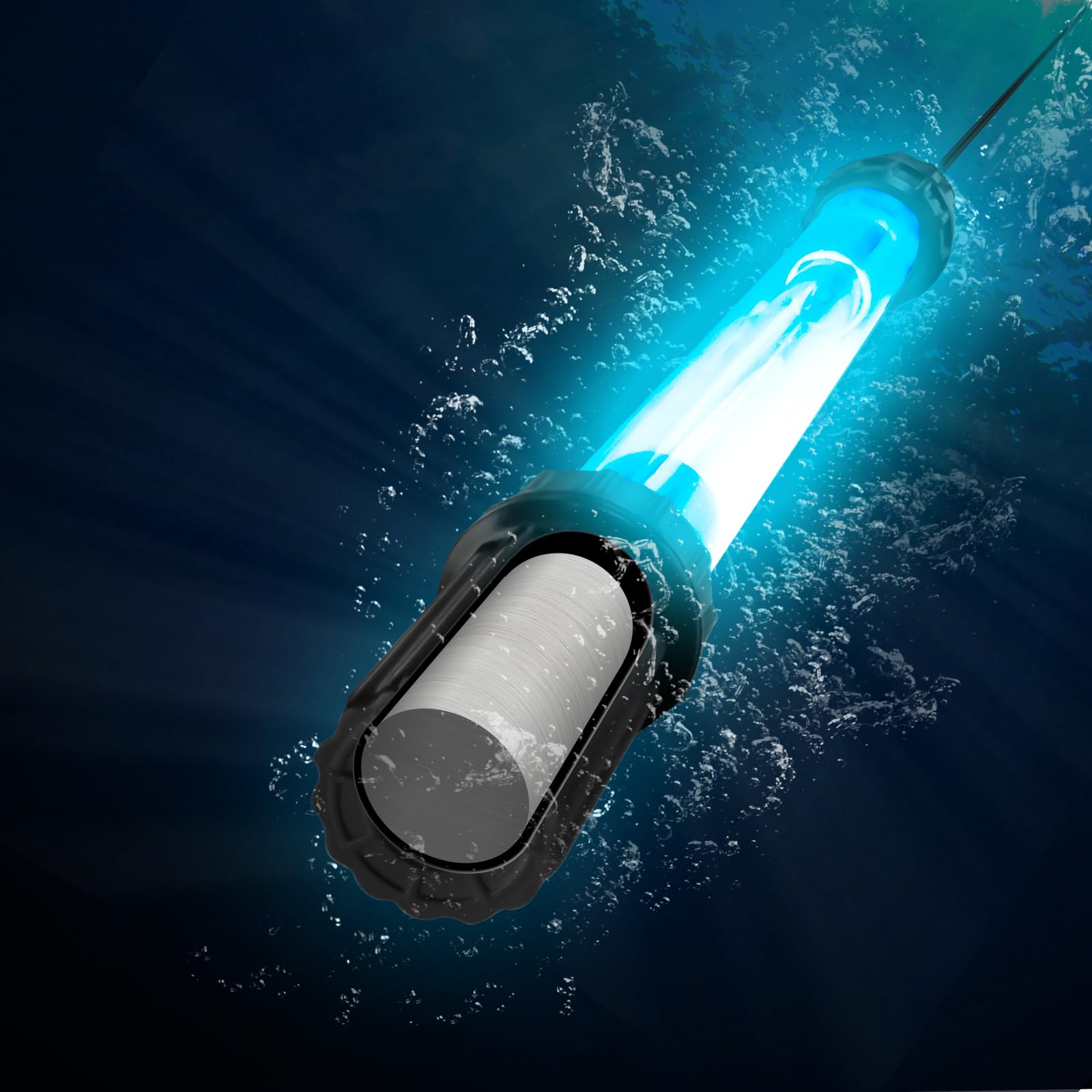
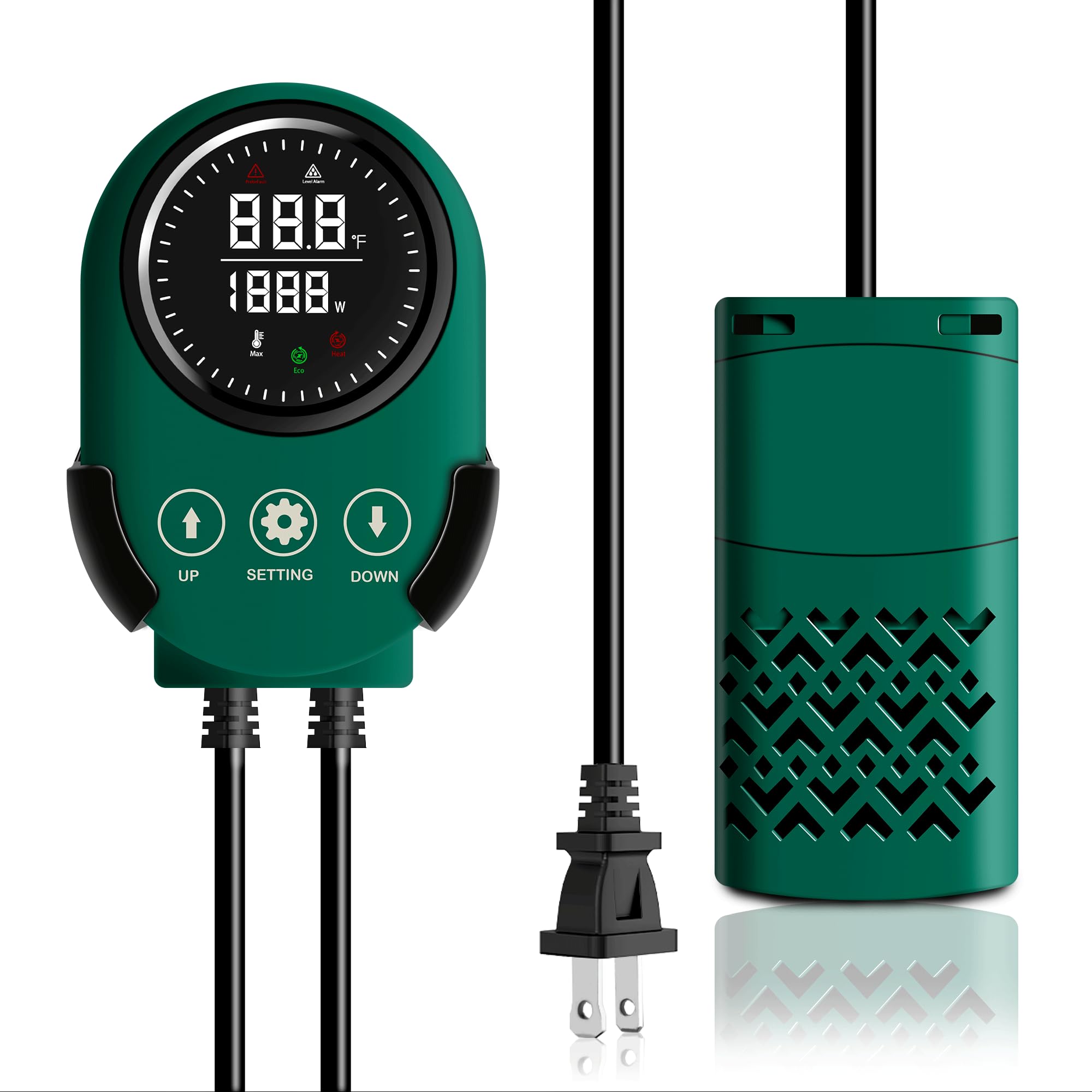
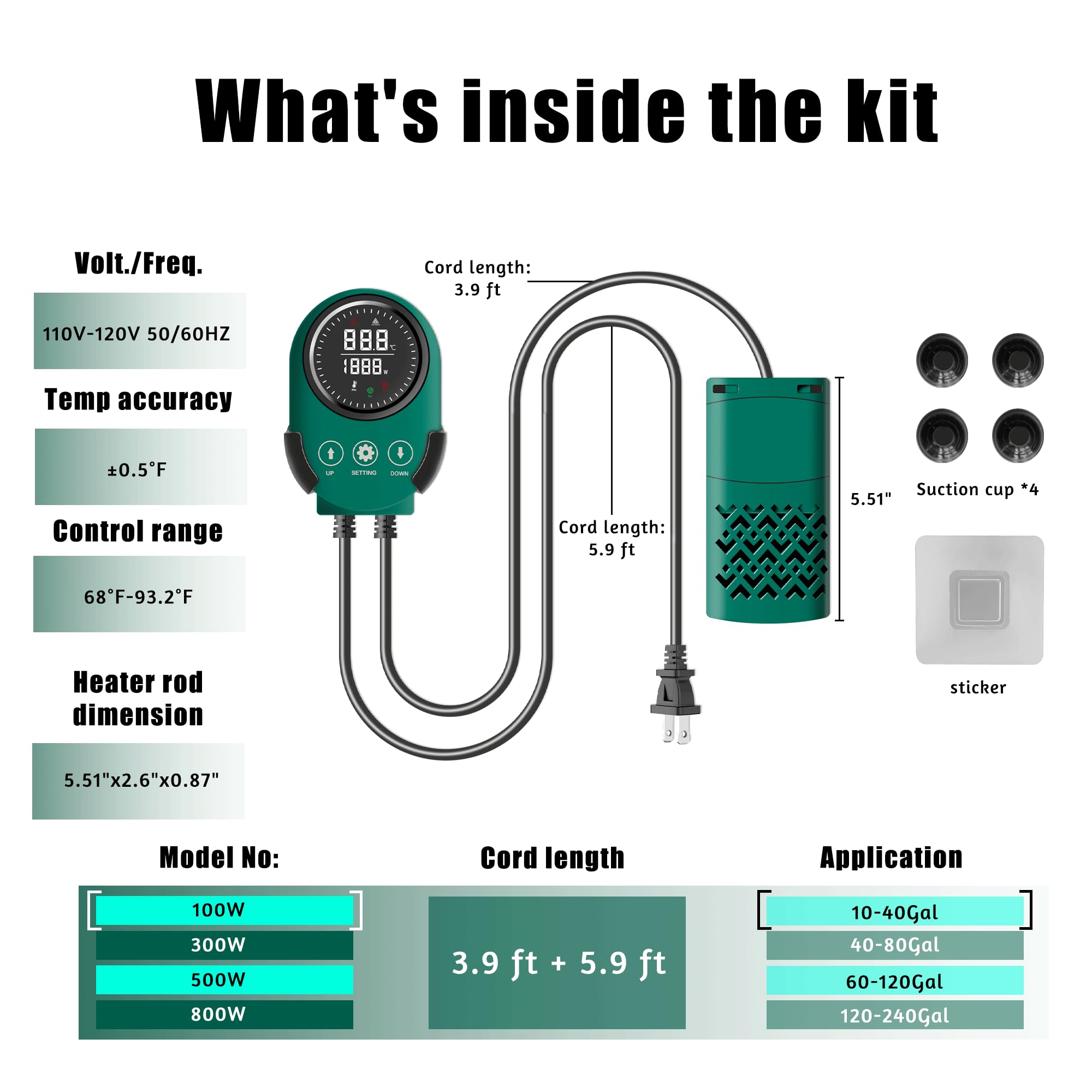
An aquarium heater is one of the most important pieces of equipment for many tropical fish tanks during winter. However, purchasing a heater simply because it is inexpensive, powerful, or advertised for a certain aquarium size can lead to problems.
The correct heater depends on more than the number of gallons listed on the aquarium.
Water volume matters, but so do the room temperature, desired aquarium temperature, tank dimensions, insulation, equipment configuration, and the heater manufacturer's recommendations.
Why Heater Wattage Matters
Aquarium heaters transfer electrical energy into heat. Their wattage indicates how much power they can use, but it does not independently determine whether they will maintain the correct temperature in every environment.
A heater that works well in a warm living room may struggle in a cold basement or a poorly insulated room.
For example, imagine two aquariums that each hold 20 gallons of water. One sits in a heated living room that remains close to 70°F. The other is in a room that drops to 55°F overnight.
If both aquariums need to maintain water at 78°F, the second tank must overcome a larger temperature difference. It may therefore require greater heating capacity to maintain the same water temperature.
A heater selected without considering the room's winter conditions may run for extended periods while failing to maintain the desired temperature.
At the other extreme, choosing a substantially oversized heater without considering its controls, placement, and failure risks can create unnecessary danger.
Why the Most Powerful Heater Is Not Always the Best Choice
Some beginners believe that a higher-wattage aquarium heater will always be safer because it can warm the water faster.
This assumption overlooks several important factors.
A heater's thermostat may fail or become inaccurate. Poor water circulation can create uneven temperatures. A heater placed beside decorations or in an area with little water movement may heat its immediate surroundings more than the rest of the aquarium.
If a thermostat fails in the on position, a heater may continue producing heat when it should have switched off.
For this reason, heater selection should prioritize suitable capacity, dependable temperature control, safe installation, and independent temperature verification rather than wattage alone.
For larger aquariums, some fishkeepers use two appropriately sized heaters instead of relying on one unit. A properly designed arrangement can distribute heating across the tank and provide limited backup if one heater stops working. However, redundancy is not a substitute for reliable temperature controls or supervision, and two heaters can introduce additional risks if both malfunction.
How to Select the Right Aquarium Heater
Begin by determining the actual volume of water in your aquarium. The nominal tank capacity may differ from the amount of water it holds after accounting for substrate, rocks, decorations, and partially filled sections.
Next, identify the temperature range required by your fish.
For many tropical freshwater aquariums, a target around 76–78°F may be appropriate, but the correct setting depends on the species and the needs of the entire community. Some fish require warmer or cooler conditions.
Then assess the coldest temperature the room is likely to reach during winter.
Use the heater manufacturer's wattage chart as a starting point, selecting a model appropriate for both the aquarium volume and the temperature difference it must maintain. If the room is unusually cold, consult the manufacturer or a knowledgeable aquarium professional before choosing a larger capacity.
A good heater should have clear operating instructions, suitable temperature controls, and a design appropriate for the tank.
Heater Placement Is Just as Important as Heater Capacity
Correct installation helps distribute heat throughout the aquarium.
For many submersible heaters, placement near a filter outlet or an area of steady water circulation helps warm water move through the tank rather than remaining concentrated near the heating element.
Always follow the manufacturer's instructions concerning mounting angle, minimum water level, and whether the heater must be completely submerged.
Keep the heater clear of decorations, plants, and objects that may obstruct circulation or come into contact with the heating element.
Position a separate thermometer away from the heater, ideally in a location that helps you assess the temperature in another part of the aquarium.
If the heater is near one end of a long tank, the water at the opposite end can provide useful information about whether heat is being distributed adequately.
Never Trust the Heater Setting Without Checking the Water
A heater dial indicates a setting, not necessarily the actual water temperature.
Thermostat accuracy can vary, and the water temperature may differ from the selected setting because of room conditions, circulation, or equipment performance.
Use an independent thermometer to verify the result. Check it regularly and compare readings at consistent times.
If the temperature remains too low, do not immediately turn the heater to its maximum setting. First check whether the heater is operating correctly, whether it is installed as directed, whether the room is unusually cold, and whether the thermometer is accurate.
Allow time for the system to respond to reasonable adjustments.
The purpose of an aquarium heater is to maintain a stable environment, not to produce the fastest possible temperature increase.
Mistake 3: Pouring Hot Water Into the Aquarium When the Weather Gets Colder
When aquarium owners discover that the water temperature has fallen, they may feel an urgent need to warm the tank immediately.
One tempting solution is to pour hot water directly into the aquarium.
Although this may seem like a quick and convenient way to restore warmth, it can expose fish to sudden temperature changes and uneven heating.
In most circumstances, adding hot water directly to an aquarium is an unsafe way to manage winter temperature problems.
Why Sudden Temperature Changes Are Dangerous
Fish are ectothermic animals, meaning that their body temperature is strongly influenced by their environment.
Their physiological processes depend on the temperature of the surrounding water. Sudden changes can interfere with normal activity, increase stress, and affect how fish respond to other environmental challenges.
The risk is not limited to a dramatic temperature increase.
Rapid cooling can also be harmful, particularly when tropical fish are exposed to cold replacement water during winter maintenance.
The severity of the problem depends on the fish species, the size of the temperature change, how quickly it occurs, the fish's existing health, and other water conditions.
A small, gradual adjustment within an appropriate range is very different from exposing fish to a sudden temperature swing.
Hot Water Can Create Dangerous Temperature Differences
When hot water enters an aquarium, it initially forms a localized region that may be warmer than the surrounding water.
Circulation eventually distributes the heat, but fish swimming close to the entry point can experience a much larger temperature change than the tank's average temperature suggests.
This can be particularly concerning in small aquariums, where a relatively small quantity of hot water may have a meaningful effect on the overall water temperature.
Hot water can also change water chemistry depending on its source and treatment. Water taken from a household hot-water system may have different characteristics from cold tap water, and its suitability for aquarium use should not be assumed.
Simply estimating the water temperature by touch is not reliable enough for protecting fish.
What Should You Do if Your Aquarium Is Too Cold?
The safest response is to identify the cause of the temperature drop and restore the appropriate conditions gradually.
Step 1: Confirm the actual temperature.
Use a reliable thermometer to check the water. If possible, compare the reading with a second thermometer to rule out an equipment error.
Step 2: Check the aquarium heater.
Look for signs that the heater is functioning normally. Verify its setting, installation, and power supply, and follow the manufacturer's instructions when inspecting or handling it.
Never touch or remove a powered heater while it is operating.
Step 3: Check the room environment.
Look for cold drafts, an open window, a malfunctioning heating system, or another source of heat loss.
If the room is unusually cold, stabilizing the surrounding environment may help the aquarium recover more consistently.
Step 4: Restore heating gradually.
Use a suitable, functioning aquarium heater and monitor the water closely. Avoid making large thermostat adjustments or trying to force the water rapidly back to its target temperature.
The appropriate recovery rate depends on the species, the severity of the temperature drop, and the fish's condition. There is no single safe recovery schedule for every aquarium.
If the temperature has fallen substantially, or fish show abnormal breathing, loss of balance, severe lethargy, or other signs of distress, seek advice from an aquatic veterinarian or a qualified fish-health professional.
Step 5: Check water quality.
Temperature is only one part of aquarium health. Test ammonia and nitrite, which should normally be undetectable in an established, properly functioning aquarium. Also review filtration, oxygenation, and other relevant water parameters.
Do not assume that every symptom observed after a cold spell is caused exclusively by temperature.
The Correct Way to Prepare Replacement Water
Winter water changes require special attention because tap water may be considerably colder than aquarium water.
Before adding replacement water, treat it with an appropriate water conditioner according to the product instructions. Measure its temperature and adjust it so that it is close to the aquarium's current temperature, taking the needs of the fish into account.
For tropical fish, matching replacement water closely to the aquarium is a sensible precaution against sudden temperature fluctuations.
If a separate water-preparation container is used, make sure it is clean, intended for aquarium use, and equipped with safe temperature-control equipment when heating is necessary.
Never use water that is excessively hot in an attempt to compensate for cold weather.
Also remember that temperature matching does not replace dechlorination. Water that has the correct temperature may still contain chlorine or chloramine that can harm fish and beneficial bacteria.
The safest water change is one that maintains appropriate temperature, protects water quality, and avoids unnecessary disturbance.
Mistake 4: Ignoring Aquarium Location, Cold Drafts, and Overnight Temperature Drops
Many aquarium owners focus on heaters and insulation but overlook one of the most important factors affecting winter water temperature: where the aquarium is located.
A tank may perform well for most of the year and develop temperature problems as soon as the weather changes.
This often happens because the aquarium is exposed to environmental conditions that become more extreme during winter.
Why Aquarium Placement Matters
Aquariums exchange heat with the surrounding environment. Their temperature can therefore be influenced by the room, nearby windows, heating vents, exterior walls, and other sources of temperature variation.
A tank positioned near a frequently opened exterior door may be exposed to repeated bursts of cold air.
An aquarium placed on a windowsill may experience substantial temperature changes as sunlight heats the glass during the day and cold outdoor conditions cool the area at night.
A tank beside an air-conditioning or heating vent may receive uneven airflow as the building's climate-control system cycles on and off.
These conditions can increase the workload on an aquarium heater and make temperature stability more difficult.
Why Small Aquariums Need Special Attention
Small aquariums often have less water volume and less thermal mass than larger systems.
As a result, changes in the surrounding environment may affect their water temperature more quickly.
A small betta aquarium on a desk beside a drafty window, for example, may require more attention during winter than a larger aquarium in a consistently heated room.
This does not mean that larger aquariums are automatically safe. Large tanks can still lose heat, especially when the room becomes very cold or the heating equipment fails.
However, tank size is an important factor when assessing the risk of temperature fluctuations.
The Problem With Daytime Comfort
One common mistake is checking the aquarium only when the room feels comfortable.
Indoor temperatures may vary significantly between afternoon and early morning. A room that feels warm at lunchtime may become much colder overnight when the central heating system reduces its output.
If the aquarium heater is undersized, malfunctioning, or unable to compensate for the temperature difference, the water may cool during the night.
Fish owners may not notice the problem until fish become unusually inactive or a thermometer reveals an unexpected drop.
A simple temperature log can help identify these patterns.
Record the water temperature at consistent times, especially during periods of extreme weather. For greater insight, use a suitable digital thermometer with minimum-and-maximum memory or an aquarium temperature-monitoring system that records changes over time.
These tools can help reveal whether the aquarium is stable throughout the day or experiences repeated overnight fluctuations.
How to Choose a Better Aquarium Location
When arranging a winter aquarium, consider the following factors.
Avoid drafty windows and exterior doors.
Place the tank in a location where cold air is unlikely to blow directly across the aquarium. Avoid windowsills and other places that experience strong temperature swings.
Keep the tank away from direct heating vents.
A heating vent may temporarily warm the aquarium's surroundings, but forced air can create uneven conditions. Direct sunlight and nearby space heaters can also contribute to overheating.
Consider the room's overnight temperature.
Choose a room that remains reasonably stable throughout the day and night. Do not judge the suitability of a location solely by how warm it feels during the afternoon.
Use a stable aquarium stand.
The stand must support the aquarium's weight safely and evenly. Do not move a filled aquarium simply to escape a draft; the weight of the water and equipment can make moving it dangerous and may damage the tank.
If relocation is necessary, plan the move carefully and protect the fish from temperature changes and unnecessary handling.
Insulate strategically.
Insulating the back or exposed sides may help reduce heat loss. However, maintain access to equipment, preserve appropriate ventilation, and avoid covering electrical components.
Can You Use a Space Heater to Warm the Aquarium Room?
A room heater can help maintain a stable ambient temperature, but it should not be used as a substitute for proper aquarium temperature control when fish require a specific water temperature.
If you use a room heater, follow the manufacturer's safety instructions and keep it away from water, splashes, aquarium equipment, curtains, and other flammable materials.
Never direct hot air straight at the aquarium.
The aim is to make the room more stable, not to expose the tank to localized bursts of heat.
For many tropical aquariums, a combination of stable room conditions, appropriate tank insulation, and a properly functioning aquarium heater provides a more dependable solution.
Mistake 5: Forgetting That Oxygen, Filtration, and Water Quality Matter During Winter
When temperatures drop, aquarium owners naturally concentrate on preventing cold stress. However, maintaining the right temperature is only one part of winter fish care.
A fish can experience problems even when the thermometer shows an acceptable reading.
Poor water quality, inadequate oxygenation, malfunctioning filtration, overfeeding, and sudden changes in maintenance routines can all contribute to fish stress.
The mistake is assuming that a warm aquarium is automatically a healthy aquarium.
How Temperature Influences Dissolved Oxygen
Water generally holds less dissolved oxygen as its temperature rises.
At the same time, warmer water can increase the metabolic demands of many fish, although the precise response varies by species and conditions.
This means that unnecessarily heating an aquarium can create an unfavorable combination: less oxygen may be available in the water while fish and other organisms may require more.
If the aquarium already has limited aeration or excessive stocking, this can become a concern.
A winter aquarium should therefore be maintained at an appropriate species-specific temperature rather than being made as warm as possible.
Why Aquarium Insulation Should Not Restrict Gas Exchange
A tightly enclosed aquarium may appear to retain heat more effectively, but restricting surface movement and gas exchange can undermine water quality.
The water surface plays an important role in exchanging gases with the surrounding air. Filters, air stones, and circulation equipment help maintain water movement and support a suitable oxygen environment.
A properly fitted lid can be useful, but it should not compromise the aquarium's ventilation or interfere with equipment.
Different species also have different needs. Some fish breathe atmospheric air or require particular surface conditions, while others benefit from strong water circulation.
Always consider the biology of the fish when selecting a cover or adjusting aeration.
Do Not Turn Off the Filter to Save Heat
Another winter misconception is that aquarium equipment should be switched off to reduce heat loss or electricity consumption.
Turning off filtration for extended periods can disrupt biological filtration and reduce water movement. Beneficial bacteria that process fish waste need suitable environmental conditions, including oxygen.
If filtration is interrupted for too long, water quality can deteriorate, especially in heavily stocked aquariums.
Likewise, switching off the aquarium heater overnight without considering the species and room temperature can allow the water to cool excessively.
Instead of routinely turning off essential equipment, use equipment that is appropriately sized, maintained, and operated according to the manufacturer's instructions.
If electricity use is a concern, reduce unnecessary heat loss through sensible insulation and a stable room environment.
Winter Feeding Requires Observation
Fish owners sometimes increase feeding during winter because they worry that fish need extra energy to stay warm.
Others reduce feeding dramatically because they assume that fish become inactive in cold weather.
Neither approach is appropriate for every species.
Feeding needs depend on the fish, the aquarium temperature, activity levels, health, and the type and amount of food provided.
Tropical fish maintained at their normal temperature may continue their usual feeding routine. Coldwater species may show different seasonal patterns, but their requirements should be based on the species and actual environmental conditions rather than a general winter rule.
Overfeeding can create additional waste and increase the burden on biological filtration.
Uneaten food can decompose, contributing to deteriorating water quality. This is especially problematic when fish are already stressed or the aquarium's biological filtration is not functioning properly.
Feed an appropriate amount, remove uneaten food when necessary, and observe whether the fish are eating normally.
Check Water Quality Regularly
Winter is not a reason to neglect aquarium maintenance.
Continue testing ammonia, nitrite, and nitrate as appropriate for the aquarium. Monitor pH and other parameters relevant to the species you keep.
Ammonia and nitrite should normally remain at zero in a stable, established aquarium.
If either is detectable, investigate the cause rather than assuming that the temperature is responsible for every problem.
Check that the filter is operating normally, water is circulating throughout the aquarium, and the heater is not obstructed.
When cleaning filter media, avoid practices that unnecessarily destroy beneficial bacteria. Follow the filtration manufacturer's recommendations and use aquarium-safe water-handling practices.
Make Water Changes Carefully in Winter
Water changes remain important during cold weather, but preparation matters.
Before replacing water:
-
Measure the aquarium's current temperature.
-
Prepare replacement water at a suitably close temperature.
-
Add the appropriate water conditioner.
-
Switch off the heater before the water level falls below the heater's safe operating level, following its instructions.
-
Perform the planned partial water change without exposing a hot heater to air.
-
Refill the aquarium, confirm the heater is properly submerged, and follow the manufacturer's instructions before restoring power.
Many aquarium heaters need time to cool before being exposed to air or handled. They may also require a waiting period after being placed back in the water before being switched on. Follow the specific instructions supplied with your model.
Avoid making several major changes to the aquarium at once unless a genuine emergency requires them. Sudden changes to temperature, chemistry, filtration, and feeding can create additional stress.
The best winter aquarium routine is consistent, measured, and based on the needs of the fish rather than on the calendar alone.
Bonus: A Practical Winter Aquarium Maintenance Checklist
Avoiding the five mistakes above becomes much easier when you follow a simple routine.
Use the following checklist as a starting point and adapt it to your aquarium, equipment, and fish species.
Daily Checks
Check the water temperature.
Read the thermometer and compare the result with your aquarium's normal range. Pay particular attention to overnight or early-morning readings during cold weather.
Observe fish behavior.
Look for unusual lethargy, rapid gill movement, gasping near the surface, loss of balance, clamped fins, or a sudden change in appetite.
These signs are not specific to cold stress. They may also indicate oxygen problems, water-quality issues, disease, or other environmental disturbances.
Inspect the heater and filter.
Check for obvious equipment problems, unusual noises, leaks, and interrupted water circulation. Follow safe handling practices when inspecting electrical equipment.
Check the room environment.
Make sure windows and doors are not exposing the aquarium to cold drafts and that nearby heating equipment is operating safely.
Weekly Checks
Test water quality.
Check the parameters appropriate for your aquarium. Ammonia and nitrite should normally be undetectable in an established system.
Inspect the aquarium cover and insulation.
Make sure panels remain secure, the lid is suitable for the aquarium, and ventilation and equipment access have not been compromised.
Review feeding and waste.
Check that feeding quantities remain appropriate and remove uneaten food when needed.
Perform routine maintenance.
Carry out partial water changes according to the aquarium's stocking, water quality, and maintenance requirements. Match the replacement water temperature and condition it appropriately.
Before an Extreme Cold Spell
When a cold front or winter storm is expected, take a few additional precautions.
-
Verify that the heater and thermometer are functioning.
-
Check the aquarium's overnight temperature pattern.
-
Confirm that the tank is not positioned near a draft.
-
Review your plan for a possible power outage.
-
Make sure important equipment and its electrical connections are safe.
-
Prepare suitable replacement water if routine maintenance will be necessary.
If your aquarium contains sensitive or valuable fish, consider a suitable temperature alarm. An alert can help you discover a heater failure before the temperature moves too far from the desired range.
For aquariums that depend on continuous circulation and heating, an appropriate backup power arrangement may also be worth considering. Any backup equipment must be suitable for the electrical load and used according to its instructions.
What to Do if the Power Goes Out in Winter
A winter power outage can interrupt heating, filtration, and water circulation simultaneously.
The best response depends on the aquarium's size, the room temperature, the species, and how long the outage lasts.
Keep the aquarium covered appropriately to slow heat loss, but do not seal it in a way that prevents necessary gas exchange.
Avoid repeatedly opening the cover without a reason, and do not add hot water directly to the tank.
If the outage continues, monitor the water temperature and fish behavior when it is safe to do so. Battery-powered aeration may be helpful for maintaining water movement and oxygenation, particularly in heavily stocked aquariums.
If backup heating is necessary, use equipment specifically designed for the intended application and follow its electrical and operating safety instructions.
Do not place household heating devices inside the aquarium or improvise electrical arrangements near water.
When power returns, verify that the heater, filter, and other equipment have resumed normal operation. Check water temperature and water quality, particularly if filtration was interrupted for an extended period.
If fish show serious distress or the aquarium experiences a substantial temperature change, consult an aquatic veterinarian or experienced fish-health professional for species-specific advice.
Frequently Asked Questions About Winter Aquarium Insulation
1. Does Every Aquarium Need a Heater in Winter?
No. Whether an aquarium needs a heater depends on the fish species, the aquarium's normal temperature, and the lowest temperature the room reaches.
Many tropical freshwater fish need a heater to maintain suitable water conditions when indoor temperatures fall. Certain coldwater fish, including goldfish, generally prefer cooler conditions and may not need supplemental heating in a suitable environment.
Research the needs of your specific fish before purchasing or adjusting a heater.
2. What Is the Best Temperature for a Tropical Fish Tank in Winter?
Many common tropical freshwater fish thrive around 75–80°F, but there is no universal temperature suitable for every tropical species.
Bettas, discus, certain cichlids, and other fish can have different requirements. Community aquariums should be maintained within a range suitable for all their inhabitants.
Consistency matters as much as choosing an appropriate target. Avoid sudden or unnecessary temperature fluctuations.
3. Can I Cover My Aquarium With a Blanket at Night?
Covering exposed sides with suitable insulating material may help slow heat loss. However, a blanket should not obstruct essential equipment, create electrical hazards, restrict necessary ventilation, or fall into the water.
Never place a blanket over a heater, power supply, light fixture, or other equipment unless the manufacturer specifically permits that arrangement.
A properly fitted aquarium lid and suitable side insulation are generally easier to manage safely.
4. Should I Turn Off My Aquarium Heater When I Go to Bed?
If your fish require heated water, the heater is generally intended to maintain the appropriate temperature automatically through its thermostat.
Turning it off overnight can allow the aquarium to cool, especially in a cold room.
Instead, verify that the heater is appropriate for the tank, functioning correctly, and equipped with suitable temperature control. Monitor the actual water temperature rather than relying on the setting alone.
5. How Can I Tell Whether My Aquarium Heater Is Failing?
Possible warning signs include water temperatures that remain below the target, unexpectedly large fluctuations, a heater that never appears to switch on, visible damage, or readings that disagree substantially with the heater's setting.
However, some faults are not obvious from appearance alone.
Use an independent thermometer to verify the water temperature. If the heater is cracked, damaged, leaking, or otherwise unsafe, disconnect power safely and replace it according to the manufacturer's instructions.
Do not continue using a damaged heater in the hope that it will recover.
6. Can I Use Styrofoam to Insulate a Fish Tank?
Suitable rigid foam insulation can help reduce heat loss when installed appropriately around the aquarium.
However, the material must be safe for the intended application, must not compromise the aquarium stand or glass, and must not interfere with equipment or ventilation.
Do not place untreated or unsuitable materials in the water. Insulation should remain a supplementary measure, not a substitute for suitable heating and temperature monitoring.
7. How Often Should I Check My Aquarium Temperature in Winter?
For routine maintenance, checking the temperature daily is a useful habit, especially when temperatures are changing.
During an extreme cold spell, after a heater replacement, or when equipment is behaving abnormally, more frequent monitoring may be appropriate.
A digital thermometer with an alarm or minimum-and-maximum recording function can help reveal changes that occur while you are asleep or away from home.
8. Is a Slightly Cooler Aquarium Always Dangerous?
Not necessarily. The significance of a temperature change depends on the fish species, the size and speed of the change, and the aquarium's other conditions.
Some coldwater fish tolerate temperatures that would be unsuitable for tropical species.
The priority is to understand the requirements of the fish you keep and avoid sudden changes. Do not assume that every aquarium must be kept at the same temperature throughout winter.
9. Does Warmer Water Help Fish Recover From Cold Stress?
Correcting an unsuitable temperature can be important, but warming the water too quickly may cause additional stress.
Verify the temperature, identify the source of the problem, and restore suitable conditions gradually. The appropriate recovery plan depends on the species and severity of the temperature drop.
If fish show severe or persistent symptoms, seek professional aquatic-health advice rather than relying on temperature adjustment alone.
10. Can Aquarium Insulation Replace a Heater During a Power Outage?
Insulation can slow heat loss, but it cannot provide an ongoing heat source.
During a power outage, the aquarium's temperature will depend on factors such as its water volume, insulation, room temperature, and exposure to drafts.
Keep the tank insulated safely, monitor the temperature, maintain oxygenation when possible, and use suitable backup equipment if necessary. Never pour hot water directly into the aquarium to compensate for lost heat.
Conclusion: Stable Conditions Are the Best Winter Protection for Your Fish
Winter aquarium care is not simply about keeping the water warm. It is about maintaining a stable, species-appropriate environment while minimizing unnecessary changes.
The five mistakes discussed in this guide share a common problem: they treat one part of the aquarium as if it were independent of everything else.
Insulation cannot replace a reliable heat source. A powerful heater cannot compensate for poor installation or inaccurate temperature readings. Hot water cannot safely replace controlled heating. A good aquarium location can reduce heat loss, but it does not eliminate the need for monitoring. And even a perfectly heated aquarium can develop serious problems if oxygenation, filtration, or water quality is neglected.
A better approach begins with understanding your fish's needs and assessing your aquarium as a complete system.
Choose a suitable location, insulate exposed surfaces when appropriate, select correctly sized heating equipment, and verify the actual water temperature with a reliable thermometer. Prepare replacement water carefully, maintain normal filtration and oxygenation, and observe your fish for changes in behavior.
Most importantly, resist the temptation to make sudden adjustments when temperatures fall. A measured response based on reliable readings is usually safer than a rushed attempt to warm the aquarium as quickly as possible.
Your fish depend on the environment you provide. With thoughtful preparation, consistent maintenance, and the right equipment, you can help them remain comfortable and healthy throughout winter.
Protect your aquarium from the cold, avoid common insulation mistakes, and give your fish a stable environment in which to thrive all season long.