Outdoor adventures offer an incredible escape from the daily grind. Whether it’s camping in a forest, hiking along scenic trails, enjoying a lakeside picnic, or trekking through mountain paths, being in nature is invigorating. The smell of fresh air, the sound of rustling leaves, and the thrill of exploration make these experiences unforgettable.
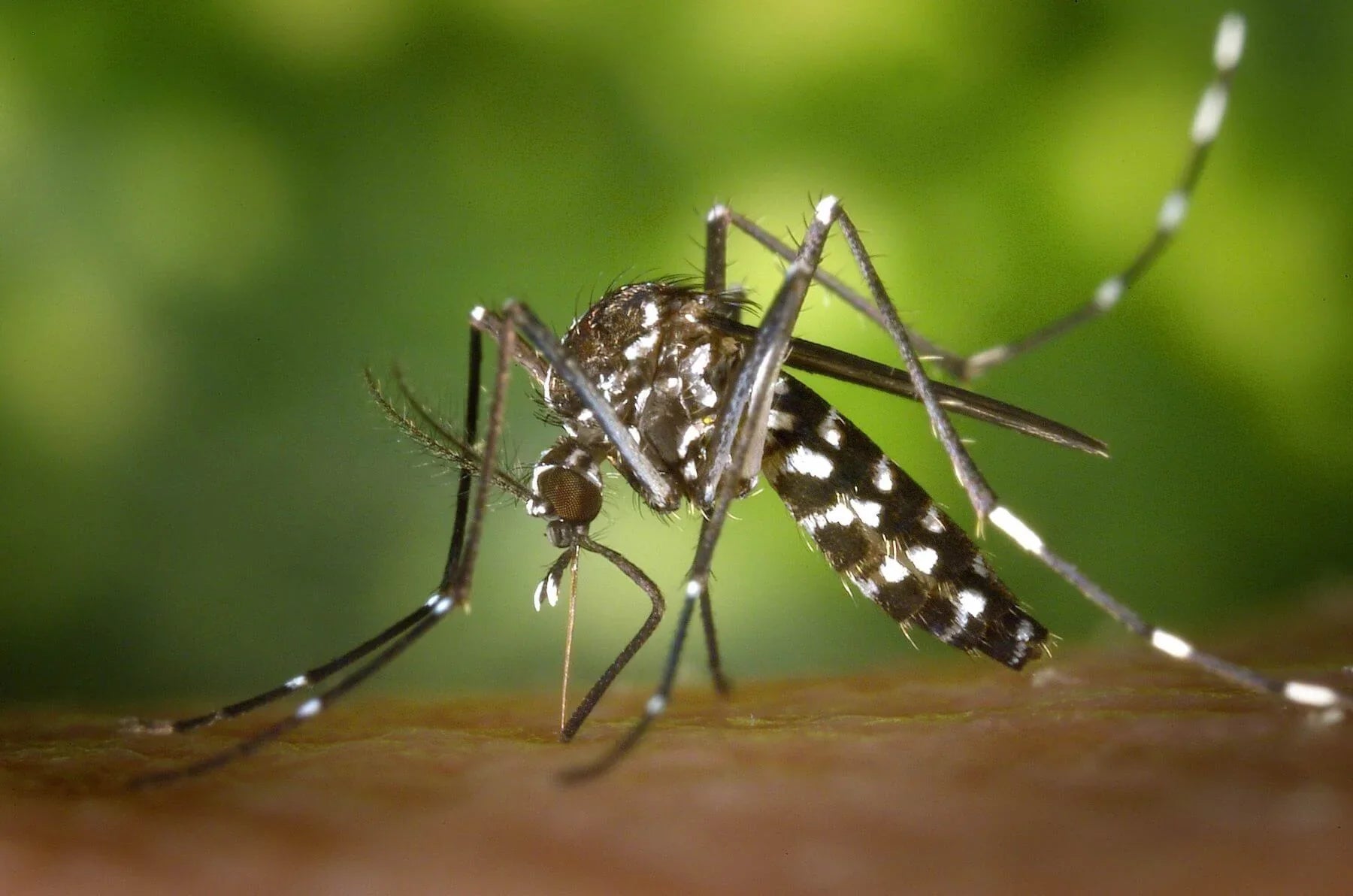
But even the most beautiful outdoor settings have an uninvited guest: mosquitoes and other biting insects. These tiny creatures can turn a perfect adventure into a scratchy, itchy nightmare. Beyond mere annoyance, mosquitoes can also carry diseases such as West Nile virus, Zika, malaria, and dengue fever, depending on where you are. For anyone who loves outdoor activities, learning to effectively prevent bites is crucial.
This comprehensive guide explores practical, science-backed strategies for keeping mosquitoes and other pests at bay during all types of outdoor adventures. From the right repellents to protective clothing, campsite planning, and natural solutions, you’ll discover how to enjoy the outdoors without constantly swatting bugs.
Understanding Mosquito Behavior
Before we dive into preventive strategies, it’s important to understand why mosquitoes are so persistent.
Mosquitoes are attracted to humans by several factors:
-
Carbon dioxide: Mosquitoes can detect CO₂ from your breath, which signals a potential blood meal.
-
Body odor and sweat: Lactic acid, ammonia, and other compounds in sweat can attract mosquitoes.
-
Body heat: Mosquitoes can sense heat, which helps them locate exposed skin.
-
Movement: Quick, sudden movements can sometimes trigger mosquito aggression.
Understanding these triggers allows you to minimize exposure and reduce your appeal to mosquitoes.
Choosing the Right Repellent
A high-quality insect repellent is your first line of defense. Not all repellents are created equal, and different active ingredients offer varying levels of protection.
DEET-Based Repellents
-
Effectiveness: DEET is one of the most reliable and long-lasting repellents.
-
Strengths: Works against mosquitoes, ticks, and many other insects.
-
Considerations: Higher concentrations (20–50%) provide longer protection but should be used carefully on sensitive skin.
Picaridin
-
Effectiveness: Comparable to DEET for mosquitoes, with a slightly gentler formula.
-
Strengths: Less oily and has minimal odor, safe for most skin types.
-
Considerations: Can be ideal for children or sensitive skin when used according to instructions.
Oil of Lemon Eucalyptus (OLE)
-
Effectiveness: A plant-based option with proven results.
-
Strengths: Natural alternative for those avoiding synthetic chemicals.
-
Considerations: Typically provides shorter protection than DEET or picaridin; reapplication may be frequent.
IR3535
-
Effectiveness: Often found in European products, effective against mosquitoes and ticks.
-
Strengths: Gentle on skin and suitable for sensitive users.
-
Considerations: Requires regular reapplication during long outdoor sessions.
Tip: Always apply repellent to exposed skin and follow the manufacturer’s instructions. Combine with protective clothing for maximum effectiveness.
Protective Clothing: The First Physical Barrier
Repellents are powerful, but clothing adds a physical layer of protection. Consider the following strategies:
-
Long sleeves and pants: Covering your arms and legs reduces the number of exposed surfaces.
-
Light-colored fabrics: Mosquitoes are generally attracted to dark colors. Light clothing can make you less noticeable.
-
Loose-fitting garments: Tight clothing may trap mosquitoes against your skin; looser clothing is less inviting.
-
Permethrin-treated clothing: This is a long-lasting insect repellent applied to clothing. Mosquitoes are repelled on contact, and it’s highly effective for hikers and campers.
For areas with dense mosquito populations, combining repellent with permethrin-treated clothing is one of the most effective strategies.
Timing Your Outdoor Activities
Mosquito activity varies by time of day. Being strategic about when you venture outdoors can reduce exposure significantly.
-
Peak activity: Early morning (dawn) and evening (dusk) are the most active periods for many mosquito species.
-
Midday: Mosquitoes are generally less active in bright sunlight, making late morning to mid-afternoon safer for outdoor activities in many regions.
Being mindful of timing can help you plan hikes, picnics, or camping routines around lower-risk periods.
Strategic Camping and Campsite Selection
Mosquitoes breed in standing water, so your campsite choice can dramatically influence bite risk.
-
Avoid stagnant water: Streams, ponds, marshes, and puddles are prime breeding grounds.
-
Elevated areas: Campsites on slopes or ridges tend to have better airflow, which reduces mosquito presence.
-
Wind exposure: Mosquitoes struggle to fly in strong winds, so windier sites are advantageous.
-
Camp setup: Keep tents zipped, avoid leaving clothing or towels on the ground, and maintain a tidy perimeter.
By planning your campsite carefully, you can significantly reduce mosquito exposure before you even apply repellents.
Natural and Alternative Mosquito Deterrents
For those seeking eco-friendly or natural options, several strategies complement chemical repellents.
-
Citronella candles or torches: These provide localized protection, especially around sitting or eating areas.
-
Essential oils: Lemon eucalyptus, lavender, and tea tree oil can offer moderate repellent effects.
-
Mosquito coils: Effective for stationary areas, but use with caution due to smoke.
-
Fans: Even small portable fans disrupt mosquito flight patterns, making it harder for them to land.
Natural solutions often work best when combined with other preventive measures, rather than as a standalone strategy.
Keeping Your Gear and Surroundings Mosquito-Free
Mosquitoes can find hiding spots in tents, backpacks, and clothing. A few preventive habits can reduce infestation risk:
-
Check tents before use: Inspect for holes, tears, or gaps where mosquitoes can enter.
-
Store food securely: Leftover food can attract insects, including mosquitoes.
-
Regularly shake out gear: Clothing, backpacks, and sleeping bags should be checked before packing.
-
Maintain camp hygiene: Clear trash, standing water, and debris to reduce local mosquito populations.
Advanced Strategies for High-Risk Areas
In areas with heavy mosquito populations or disease risk, additional measures are necessary:
-
Mosquito nets: Essential for sleeping in tropical regions. Ensure nets are treated with permethrin for added protection.
-
Insect-repellent bracelets or patches: These can provide supplementary protection, though effectiveness varies.
-
Professional-grade repellents: Some areas may require higher concentrations or combination repellents.
-
Vaccinations and prophylaxis: For disease-prone regions, consult local health guidance and take recommended precautions.
Protecting Children and Sensitive Individuals
Children and individuals with sensitive skin require careful consideration:
-
Choose gentle repellents: Picaridin and IR3535 are often recommended for children.
-
Apply sparingly: Avoid contact with eyes and mouth, and supervise application.
-
Dress appropriately: Lightweight, long-sleeved clothing with permethrin treatment provides excellent protection.
-
Check frequently: Children may rub off repellents or remove treated clothing during play.
Parents should combine chemical and physical barriers to ensure maximum safety.
Post-Activity Care
Even with the best preparation, a few mosquito bites may occur. Proper care reduces discomfort and prevents infection.
-
Clean bites promptly: Wash affected areas with soap and water.
-
Apply soothing treatments: Aloe vera, anti-itch creams, or calamine lotion help reduce swelling and irritation.
-
Avoid scratching: Scratching increases infection risk and slows healing.
-
Monitor for symptoms: In regions with mosquito-borne diseases, watch for fever, rashes, or unusual symptoms after outdoor exposure.
Common Mistakes to Avoid
Even seasoned outdoor enthusiasts sometimes fall into patterns that increase bite risk.
-
Neglecting repellent reapplication: Many repellents lose effectiveness after sweating or swimming.
-
Wearing dark or tight clothing: This unintentionally attracts mosquitoes.
-
Choosing low-elevation campsites near stagnant water: Increases exposure significantly.
-
Ignoring early warning signs of mosquito swarms: Venturing into mosquito-heavy areas unnecessarily.
-
Overreliance on natural repellents: May not provide sufficient protection in high-risk areas.
Avoiding these mistakes ensures a smoother, itch-free outdoor experience.
Integrating Multi-Layered Protection
The most effective mosquito defense combines multiple strategies:
-
Repellent on skin and permethrin-treated clothing
-
Long sleeves, pants, and light-colored fabrics
-
Smart campsite selection with airflow and elevation
-
Timing outdoor activities to avoid peak mosquito activity
-
Natural deterrents and mechanical solutions (fans, nets, citronella)
-
Frequent gear and tent inspections
This layered approach drastically reduces exposure and ensures your adventures remain enjoyable.
Conclusion
Mosquitoes may be small, but their impact on outdoor adventures can be enormous. Left unchecked, they can turn a perfect hike, picnic, or camping trip into a constant battle against itchy bites and irritation. Beyond discomfort, mosquitoes can carry diseases, making preventive measures not just a matter of comfort but also of health.
By understanding mosquito behavior, using effective repellents, choosing protective clothing, planning your activities and campsites strategically, and adopting layered preventive strategies, you can dramatically reduce mosquito encounters. Natural solutions