
Camping is supposed to be relaxing.
You imagine cool mountain air, quiet forests, glowing campfires, lakeside sunsets, and peaceful nights under the stars. But for many campers, the reality quickly becomes something else entirely: nonstop mosquito attacks, itchy bites, buzzing insects inside tents, ants invading food supplies, and sleepless nights spent swatting bugs.
Whether you are car camping, backpacking, RV traveling, overlanding, fishing, or hiking into remote wilderness, insects are one of the most common outdoor frustrations. Worse, poor bug protection can affect far more than comfort. Insects may interfere with sleep, contaminate food, trigger allergic reactions, reduce concentration, and even spread diseases.
The good news is that experienced outdoor campers rarely suffer from severe bug problems because they follow proven systems instead of relying on random sprays or ineffective gadgets.
This practical outdoor insect control manual will show you how to build a fast, efficient, and realistic camping bug defense strategy that actually works in the real world. From campsite setup and clothing selection to repellents, shelter management, and expert-level bug avoidance tactics, this guide covers everything you need to enjoy the outdoors with fewer bites and far more comfort.
Why Camping Bugs Are More Than Just Annoying
Many beginners underestimate how much insects can impact outdoor experiences.
A few bites may seem harmless at first, but persistent bug exposure can lead to:
-
Poor sleep quality
-
Stress and irritability
-
Skin irritation
-
Allergic reactions
-
Distracted hiking or driving
-
Reduced outdoor enjoyment
-
Food contamination
-
Increased infection risks from scratching
Certain insects also carry diseases.
Depending on your location, outdoor pests may transmit:
-
Lyme disease
-
West Nile virus
-
Rocky Mountain spotted fever
-
Malaria
-
Dengue fever
-
Zika virus
Even when disease risks are low, constant biting and buzzing can ruin an otherwise perfect trip.
The Biggest Camping Bug Control Mistake
The most common mistake campers make is depending on only one form of protection.
Examples include:
-
Only bringing bug spray
-
Only lighting citronella candles
-
Only using mosquito coils
-
Only wearing long sleeves
-
Only buying a bug zapper
Outdoor insects are highly adaptable.
What works well in one environment may completely fail in another.
Experienced campers use layered defense systems that combine:
-
Clothing protection
-
Repellents
-
Campsite selection
-
Shelter management
-
Environmental awareness
-
Timing strategies
-
Outdoor airflow control
This layered approach dramatically improves comfort and protection.
Understanding Your Outdoor Enemies
Different insects require different strategies.
One-size-fits-all bug protection rarely works.
Mosquitoes
Mosquitoes are among the most widespread camping pests.
They are attracted to:
-
Carbon dioxide
-
Sweat
-
Body heat
-
Dark clothing
-
Scented products
Mosquitoes thrive in:
-
Wet environments
-
Humid forests
-
Areas with standing water
-
Marshes
-
Lakesides
Many species become most active during dawn and dusk.
Ticks
Ticks are particularly dangerous because they attach quietly and may carry disease.
Ticks prefer:
-
Tall grass
-
Brush
-
Forest edges
-
Leaf litter
Unlike mosquitoes, ticks do not fly.
They wait on vegetation and grab passing hosts.
Biting Flies
Horseflies, black flies, and deer flies are aggressive daytime biters.
They are especially common near:
-
Rivers
-
Lakes
-
Wetlands
-
Swamps
Some can bite through thin clothing.
No-See-Ums
These tiny insects are infamous in coastal and humid regions.
Problems include:
-
Tiny size
-
Painful bites
-
Ability to pass through regular mesh
-
Heavy swarming behavior
Many campers underestimate them until they experience them firsthand.
Ants and Campground Pests
Improper food management attracts:
-
Ants
-
Wasps
-
Yellow jackets
-
Flies
-
Beetles
Clean campsites matter more than many people realize.
The Outdoor Expert’s Layered Bug Defense System
Experienced outdoor enthusiasts do not rely on luck.
They build multiple protection layers.
Layer 1: Smart Clothing Choices
Clothing is your first and most reliable barrier.
Wear Lightweight Long Sleeves
Modern outdoor fabrics allow full coverage without excessive overheating.
Loose-fitting clothing reduces exposed skin while improving airflow.
Avoid Tight Athletic Clothing
Mosquitoes can bite through tight, stretched fabrics.
Loose clothing works far better.
Choose Light Colors
Dark clothing attracts many biting insects.
Light colors also help you spot ticks more easily.
Protect High-Risk Areas
Experienced hikers pay special attention to:
-
Ankles
-
Neck
-
Wrists
-
Waistline
-
Ears
These areas are common insect targets.
Use Treated Clothing
Permethrin-treated clothing helps repel:
-
Ticks
-
Mosquitoes
-
Chiggers
-
Certain flies
Many serious backpackers treat:
-
Socks
-
Pants
-
Boots
-
Backpacks
before trips.
Layer 2: Proper Repellent Use
Repellents work best when combined with clothing and environmental strategies.
DEET Repellents
DEET remains one of the most effective insect repellents available.
Advantages include:
-
Strong mosquito protection
-
Long-lasting performance
-
Broad insect effectiveness
Higher concentrations usually last longer.
Picaridin Repellents
Picaridin has become increasingly popular among outdoor enthusiasts.
Benefits include:
-
Less greasy feel
-
Mild odor
-
Strong mosquito and tick protection
-
Safer for plastics and synthetic gear
Many campers now prefer it over DEET for comfort reasons.
Natural Repellents
Natural options may contain:
-
Lemon eucalyptus
-
Citronella
-
Peppermint
-
Cedarwood
-
Geraniol
These can help in mild bug conditions but often require frequent reapplication.
Repellent Mistakes That Reduce Protection
Many campers accidentally weaken their protection.
Common mistakes include:
-
Forgetting ankles and wrists
-
Applying too little
-
Not reapplying after sweating
-
Using expired products
-
Assuming one application lasts all day
Even excellent repellents fail when used poorly.
Campsite Selection: The Secret Weapon Most Campers Ignore
Where you camp dramatically affects bug exposure.
Experienced campers choose campsites strategically.
Avoid Standing Water
Mosquitoes breed near:
-
Ponds
-
Swamps
-
Marshes
-
Flooded areas
-
Slow streams
Even small puddles can produce mosquitoes.
Seek Airflow
Mosquitoes struggle in windy conditions.
Breezy ridges and open areas often have significantly fewer insects.
Avoid Dense Vegetation
Ticks and flies thrive in:
-
Tall grass
-
Thick brush
-
Overgrown areas
Clear campsites reduce bug pressure.
Sunlight Helps
Many insects prefer cool, damp, shaded environments.
Sunny campsites often experience lower daytime insect activity.
Shelter Setup: Turning Your Tent Into a Safe Zone
Your shelter should become a reliable insect-free environment.
Check Tent Mesh Carefully
Tiny holes allow insects inside.
Inspect for:
-
Tears
-
Zipper gaps
-
Worn mesh
-
Loose seams
Keep Tent Doors Closed
Many campers accidentally invite mosquitoes inside through careless habits.
Develop strict routines:
-
Enter quickly
-
Zip immediately
-
Avoid leaving lights on with doors open
Use Fine Mesh for Tiny Insects
Standard mesh may not stop no-see-ums.
Fine mesh systems work better in coastal or humid environments.
Shake Out Gear
Insects often hide in:
-
Shoes
-
Sleeping bags
-
Towels
-
Clothing piles
Experienced campers inspect gear regularly.
Outdoor Fans: The Most Underrated Camping Bug Tool
Portable fans are extremely effective against mosquitoes.
Why?
Mosquitoes are weak fliers.
Airflow disrupts:
-
Flight patterns
-
Landing ability
-
Carbon dioxide detection
Fans improve comfort dramatically around:
-
Picnic tables
-
Camp chairs
-
Cooking stations
Campfire Smoke: Helpful but Overrated
Many campers assume campfires solve bug problems completely.
Smoke may help somewhat, but it is not reliable protection.
Mosquitoes often continue biting despite smoke, especially in humid environments.
Campfires should support your system, not replace it.
How Experienced Campers Handle Peak Mosquito Hours
Mosquitoes often become most aggressive during:
-
Dawn
-
Dusk
-
Calm evenings
-
Humid weather
Outdoor veterans adjust routines accordingly.
Examples include:
-
Cooking earlier
-
Setting camp before sunset
-
Wearing extra layers at dusk
-
Staying near airflow sources
Timing matters more than many beginners realize.
Tick Prevention: The Camping Safety Priority
Ticks deserve serious attention.
Stay on Cleared Trails
Avoid brushing against vegetation whenever possible.
Perform Tick Checks Daily
Inspect:
-
Hairline
-
Knees
-
Waistline
-
Underarms
-
Socks
-
Behind ears
Regular checks reduce risk significantly.
Treat Footwear
Ticks often attach near the ground first.
Treating boots and socks improves protection greatly.
Shower Quickly After Exposure
This helps remove unattached ticks.
Cooking Without Attracting Bugs
Food management affects campsite comfort tremendously.
Store Food Properly
Use sealed containers whenever possible.
Clean Immediately After Meals
Food scraps attract:
-
Ants
-
Flies
-
Wasps
-
Yellow jackets
Avoid Sugary Spills
Sweet drinks attract insects rapidly.
Keep Trash Under Control
Dispose of garbage frequently and seal waste carefully.
Portable Outdoor Insect Technology
Modern camping gear now includes various insect-control technologies.
Heat-Based Repellent Systems
Portable repellent devices create protective zones around campsites.
Advantages include:
-
Quiet operation
-
Minimal skin application
-
Area-wide protection
Best performance usually occurs in calm weather.
Screen Rooms and Shelters
For car camping and RV setups, screened shelters provide major comfort upgrades.
They create protected areas for:
-
Eating
-
Relaxing
-
Socializing
-
Cooking
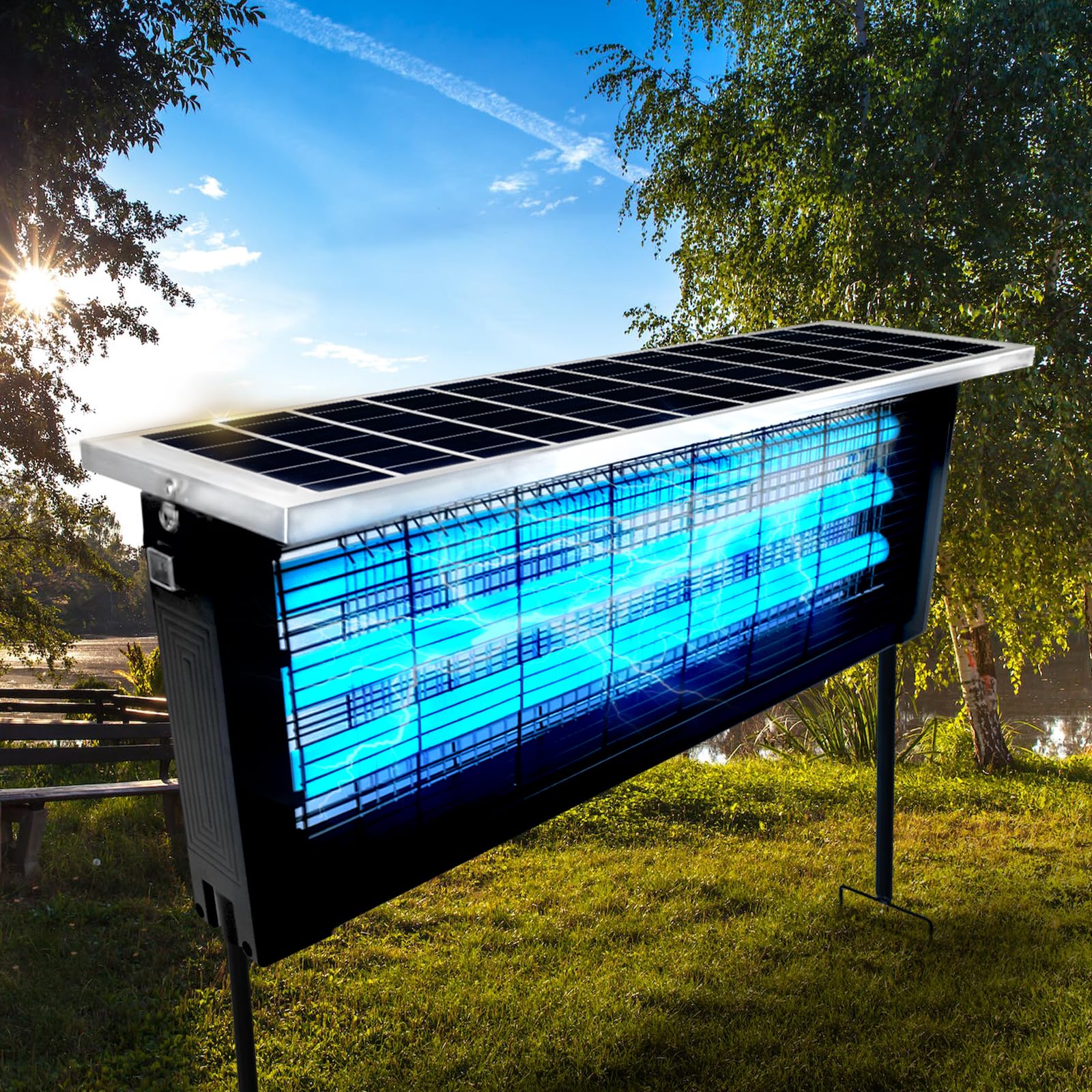
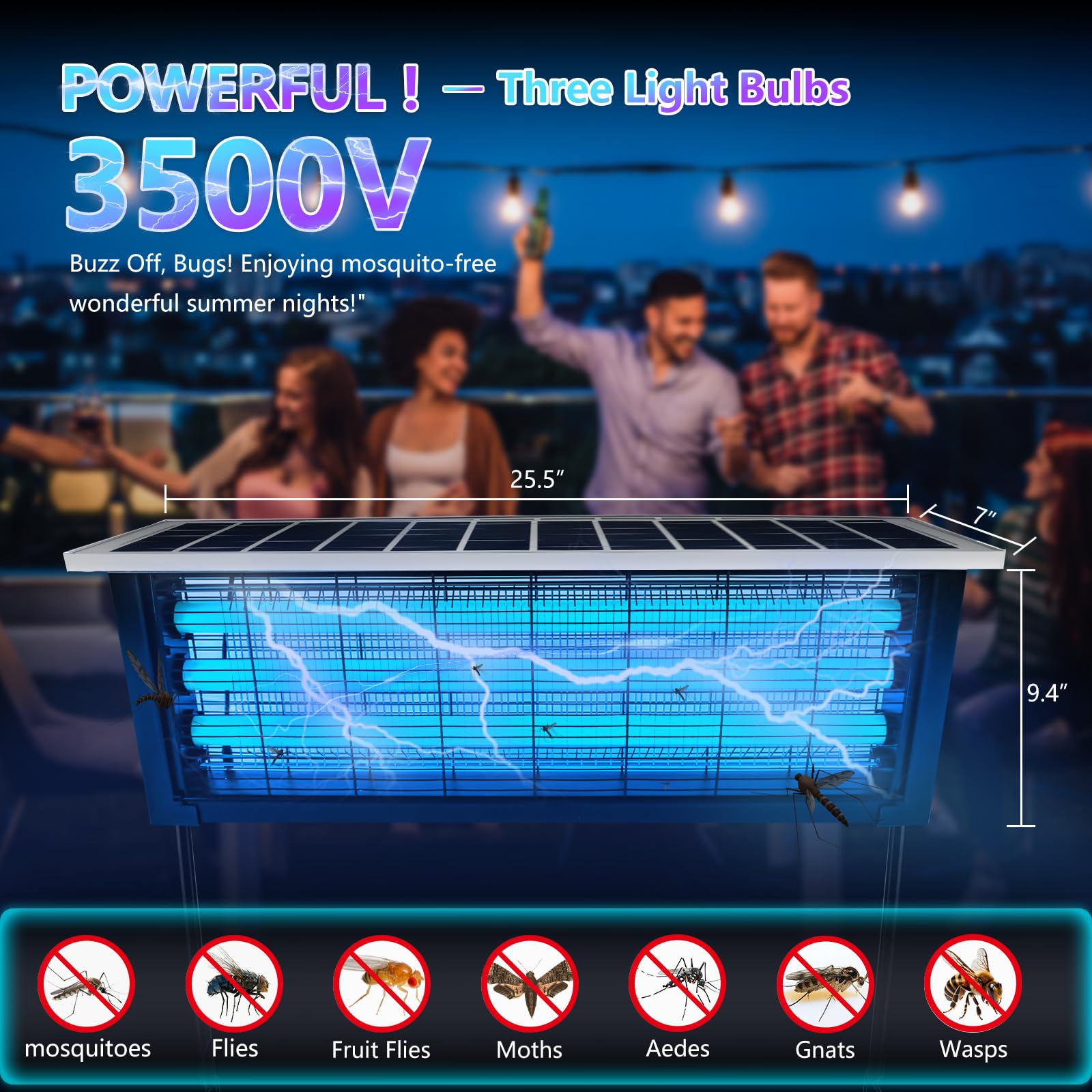
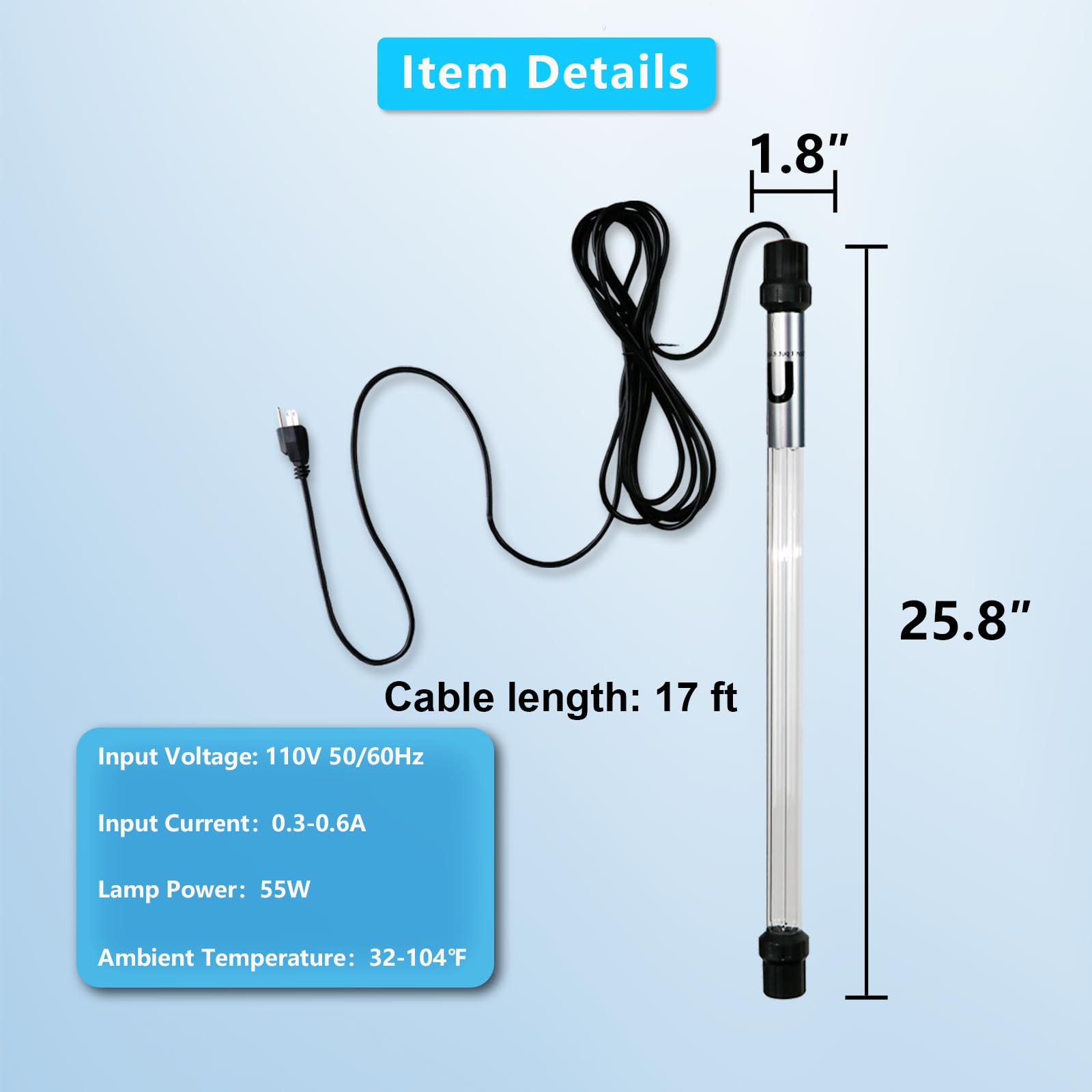
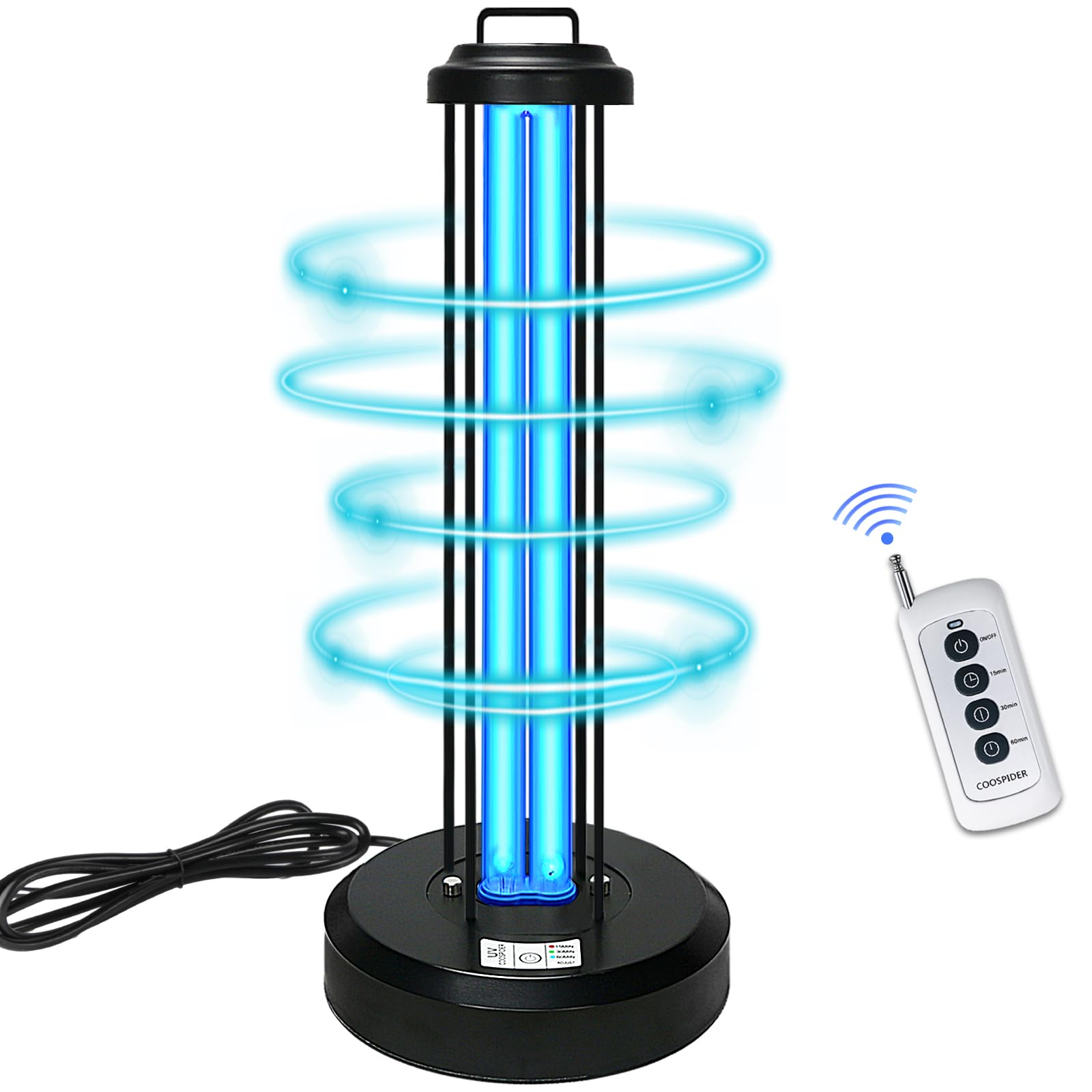
UV Bug Devices
Some UV systems attract and trap flying insects.
Effectiveness varies greatly depending on insect species and environmental conditions.
Seasonal Camping Bug Strategies
Different seasons create different bug challenges.
Spring Camping
Expect:
-
Tick activity
-
Wet conditions
-
Emerging mosquitoes
Summer Camping
Peak bug season requires full protection systems.
Fall Camping
Many people underestimate fall tick activity.
Protection still matters.
Winter Camping
Most insect activity decreases significantly in colder climates.
However, warmer regions may still experience mosquitoes year-round.
Common Camping Bug Myths
Outdoor communities are full of questionable advice.
“Natural Remedies Always Work”
Natural repellents may help temporarily but often struggle in severe mosquito conditions.
“Mosquitoes Only Bite at Night”
Many species bite during the daytime as well.
“Expensive Gear Guarantees Protection”
Skill and preparation matter more than price.
“Bug Zappers Eliminate Mosquitoes”
Most bug zappers kill relatively few mosquitoes.
“Ticks Fall From Trees”
Ticks usually climb from low vegetation rather than dropping from above.
Why Experienced Campers Focus on Habits
Good bug protection is not just about products.
It is about consistent habits.
Outdoor veterans develop routines such as:
-
Reapplying repellents regularly
-
Inspecting campsites carefully
-
Managing food immediately
-
Keeping tents sealed
-
Checking clothing constantly
-
Timing activities strategically
Small habits create huge comfort differences.
Budget vs Premium Bug Protection Gear
Higher-end outdoor bug gear may provide:
-
Better durability
-
Improved mesh quality
-
More comfortable fabrics
-
Longer-lasting treatments
-
Better ventilation
However, expensive gear alone does not guarantee comfort.
Well-planned mid-range systems often perform extremely well.
The Mental Side of Camping Comfort
Insect stress affects outdoor enjoyment more than many people realize.
Constant buzzing and biting can lead to:
-
Irritation
-
Anxiety
-
Sleep loss
-
Fatigue
-
Reduced focus
Strong insect protection improves both physical and mental comfort outdoors.
Building Your Personal Camping Bug Defense System
Your ideal setup depends on:
-
Climate
-
Destination
-
Season
-
Camping style
-
Personal sensitivity
-
Trip duration
Backpacking setups differ from RV camping systems.
Wetland fishing trips differ from mountain hiking.
Build your protection strategy based on real conditions.
Final Thoughts
Camping insects are unavoidable, but constant bug bites do not have to be part of the experience.
The difference between miserable camping trips and comfortable outdoor adventures usually comes down to preparation, awareness, and smart habits.
Experienced outdoor enthusiasts understand several key truths:
-
No single product solves every bug problem
-
Layered protection works best
-
Campsite selection matters enormously
-
Clothing systems outperform many gadgets
-
Timing and habits improve comfort dramatically
-
Prevention is easier than reaction
Most importantly, effective outdoor bug control is not about eliminating every insect from nature.
It is about reducing exposure enough that you can comfortably enjoy your surroundings without nonstop irritation.
Whether you are camping in forests, hiking mountain trails, relaxing beside lakes, fishing rivers, traveling in an RV, or exploring remote wilderness, a strong insect defense system helps you spend less time swatting bugs and more time enjoying the outdoors.