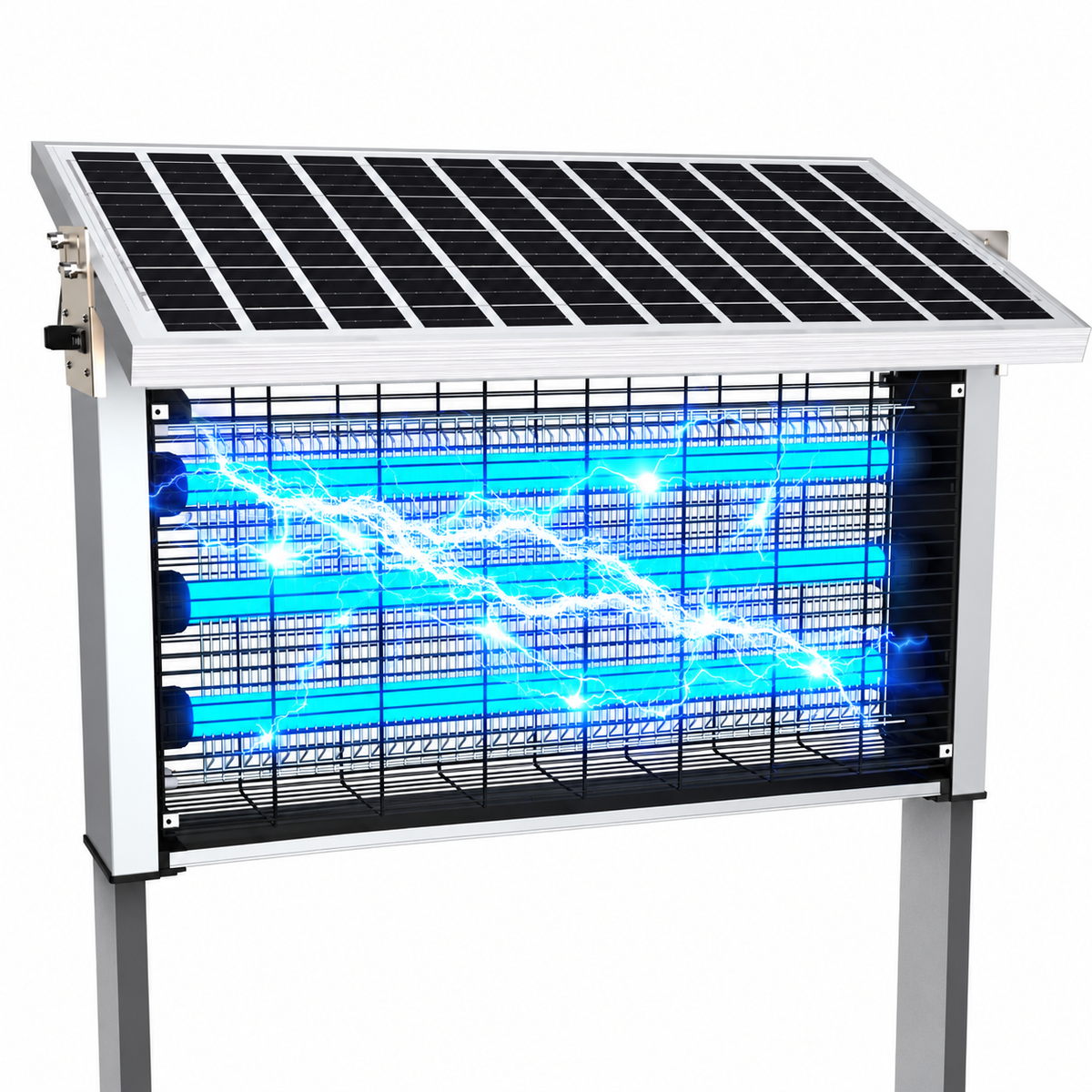

As the mercury rises and the days stretch longer across the American landscape, we prepare for the quintessential suburban summer: backyard BBQs, poolside lounging, and twilight gatherings on the patio. But with the warmth comes a familiar, high-pitched buzz—the arrival of the mosquito.
For decades, the battle against these backyard invaders was a scorched-earth campaign. We used indiscriminate "bug zappers" that incinerated anything with wings, or we blanketed our gardens in chemical fogs that lingered on every leaf and petal. But in 2026, the American consumer is more conscious than ever. We’ve realized that our war on mosquitoes shouldn't have "collateral damage," specifically regarding our most vital environmental allies: Honeybees.
The "Eco-Friendly Summer" is no longer a contradiction in terms. Thanks to a revolution in biologically-targeted "Black Tech," we can now enjoy a bite-free backyard without endangering the pollinators that keep our gardens vibrant and our food systems stable. In this 4,000-word deep dive, we explore the science of selective trapping and how modern technology has finally learned to tell the difference between a pest and a pollinator.
1. The Indiscriminate Past: Why Old-School Zappers Failed the Environment
To appreciate the modern eco-friendly trap, we must first understand the flaw in the classic 1980s "Bug Zapper."
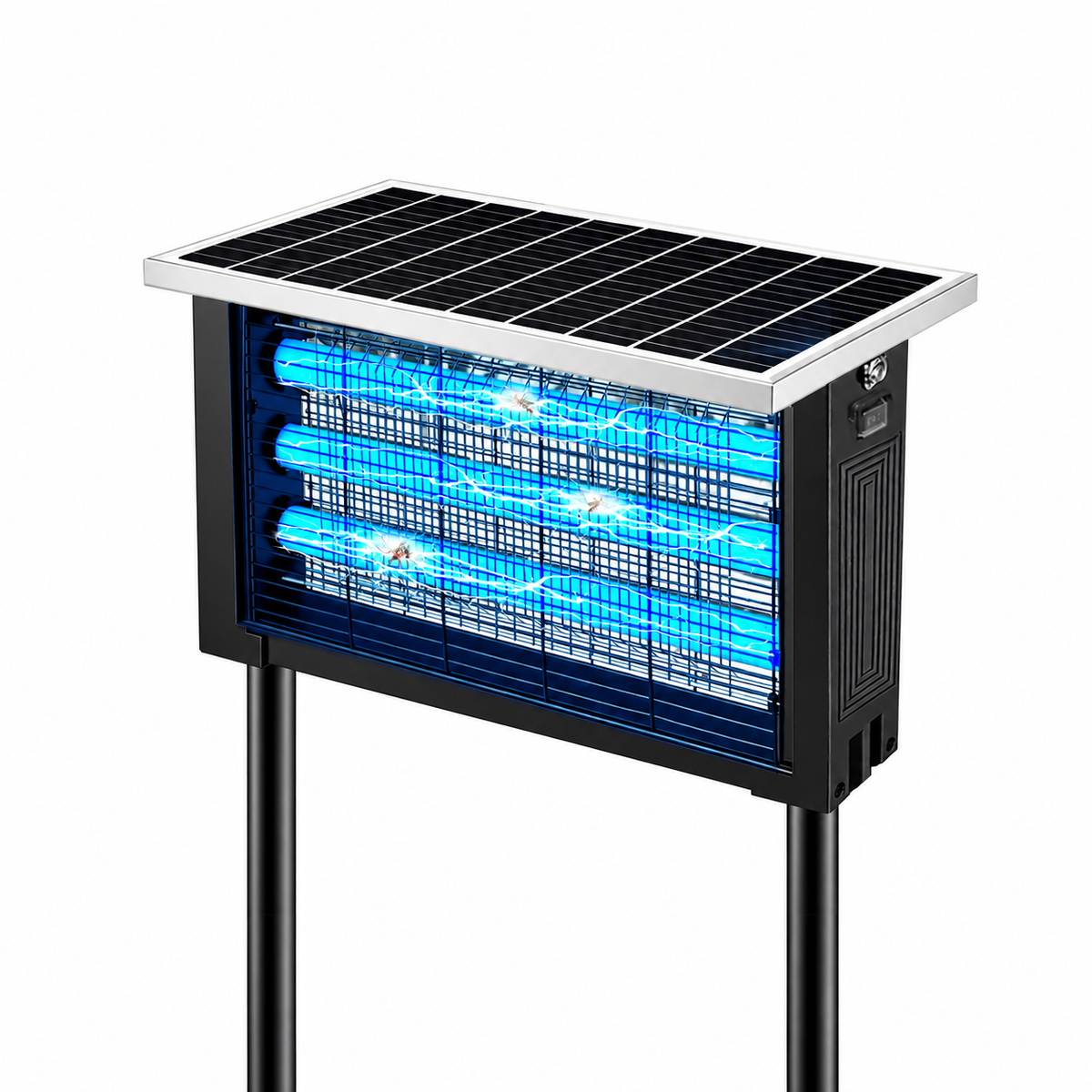
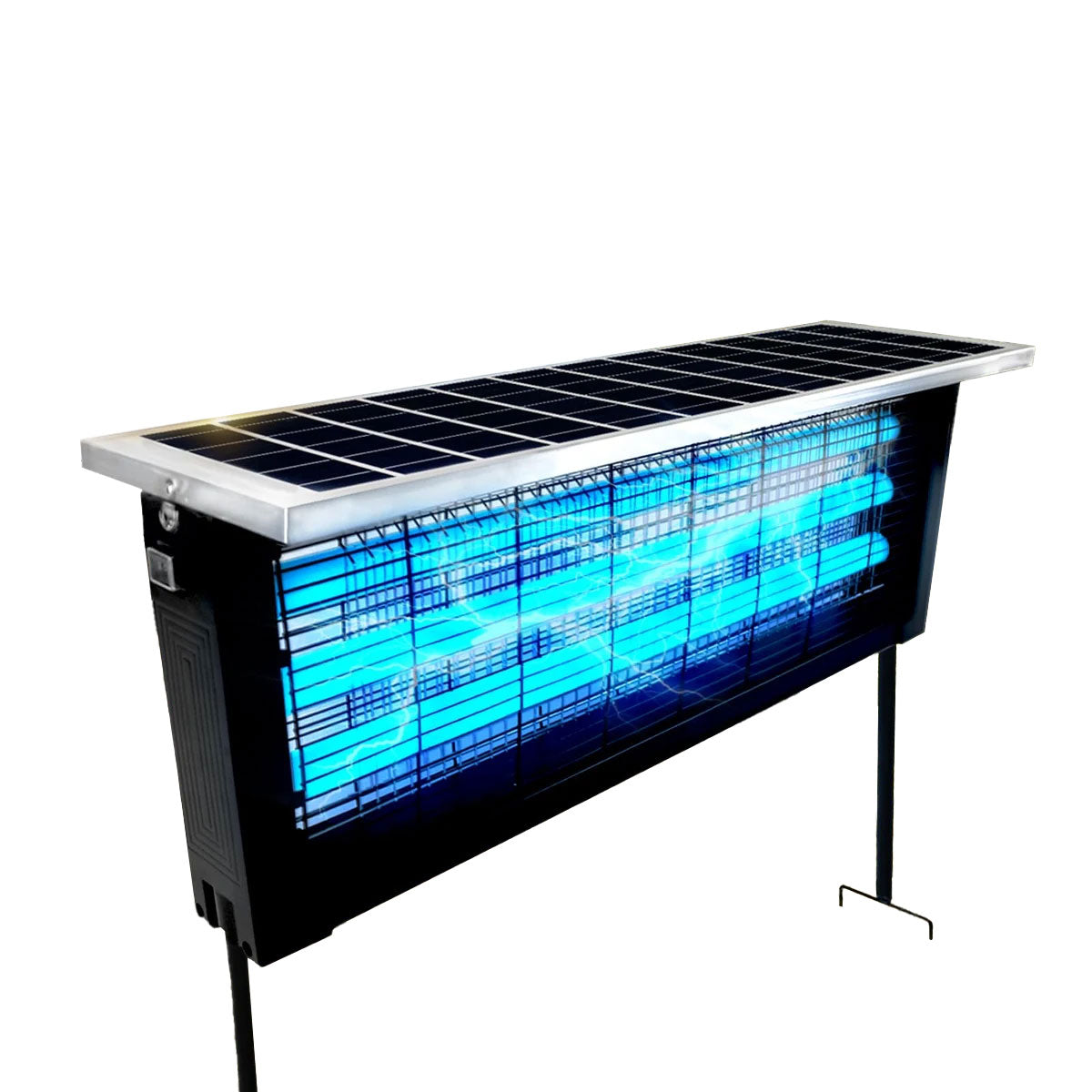
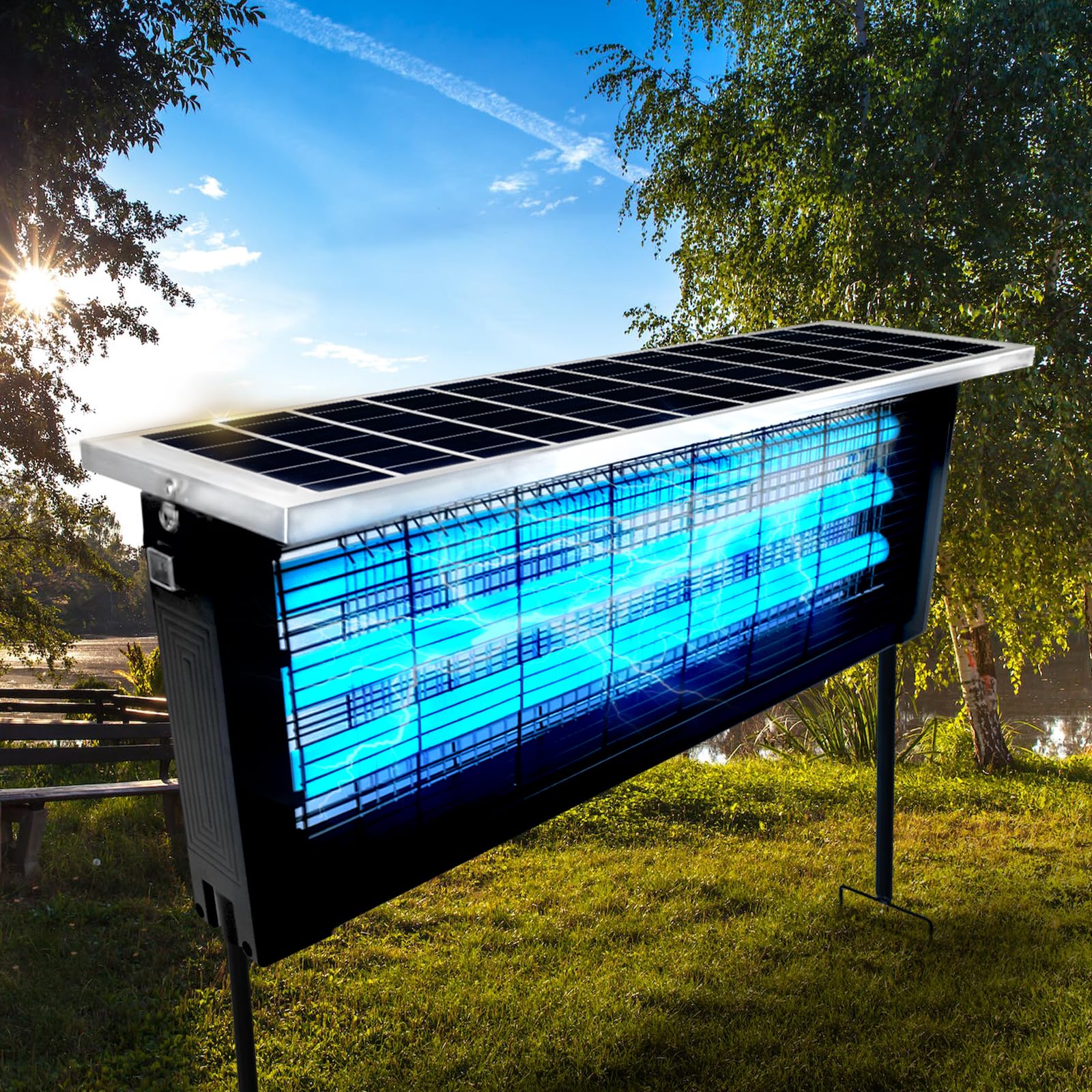
Standard electric zappers rely on Phototaxis—the simple attraction to light. They use high-intensity ultraviolet (UV) light to lure insects into an electrified grid. The problem? Mosquitoes are actually not the primary victims of these devices. Research from the University of Delaware found that only a tiny fraction of insects killed by traditional zappers were actually biting mosquitoes.
Instead, these devices primarily killed:
-
Honeybees and Bumblebees: Which are occasionally active during twilight.
-
Moths: Crucial nocturnal pollinators and food sources for bats.
-
Lacewings and Beetles: Beneficial predators that eat garden pests.
By using a "dumb" light source, we were effectively nuking our local ecosystems just to feel like we were doing something about mosquitoes.
2. The Science of Selectivity: How Bees and Mosquitoes See the World
The breakthrough in eco-friendly mosquito control came when engineers stopped looking at "bugs" as a single category and started looking at Species-Specific Sensory Triggers.
The Visual Spectrum
Honeybees are highly attracted to the "flower" spectrum—bright yellows, whites, and specific UV patterns that flowers use as "landing strips." Mosquitoes, specifically the females looking for a blood meal, are less interested in "flower UV" and more interested in the 365nm wavelength, which mimics the subtle reflections of light on standing water and the silhouettes of prey.
The Olfactory Signature (The "Black Tech" Secret)
This is where modern traps win. Honeybees are "scent-driven" by nectar and pollen. Mosquitoes are "scent-driven" by Carbon Dioxide ($CO_2$), Lactic Acid, and Octenol. Modern eco-friendly traps utilize Photocatalytic Oxidation. When UV light hits a surface coated in Titanium Dioxide ($TiO_2$), it produces trace amounts of $CO_2$. To a mosquito, this smells like a breathing mammal. To a honeybee, it smells like... nothing. By shifting the "lure" from light to "breath," we create a trap that is invisible to pollinators but irresistible to blood-suckers.
3. Engineering the "Bee-Safe" Barrier
Even with better lures, some curious bees might still find their way toward a trap. This is where Physical Architecture plays a role.
Precision Mesh Gradients
High-end modern traps now feature "Pollinator Guards." These are physical grilles designed with a specific geometric aperture.
-
The Mosquito: Small, slender, and agile. They easily pass through the narrow slits to reach the suction fan or electrified grid.
-
The Bee: Large, fuzzy, and robust. The mesh is calculated to be too small for a honeybee or a large butterfly to enter, acting as a "mechanical filter" that protects beneficial insects while letting the target pests through.
Suction vs. Zapping
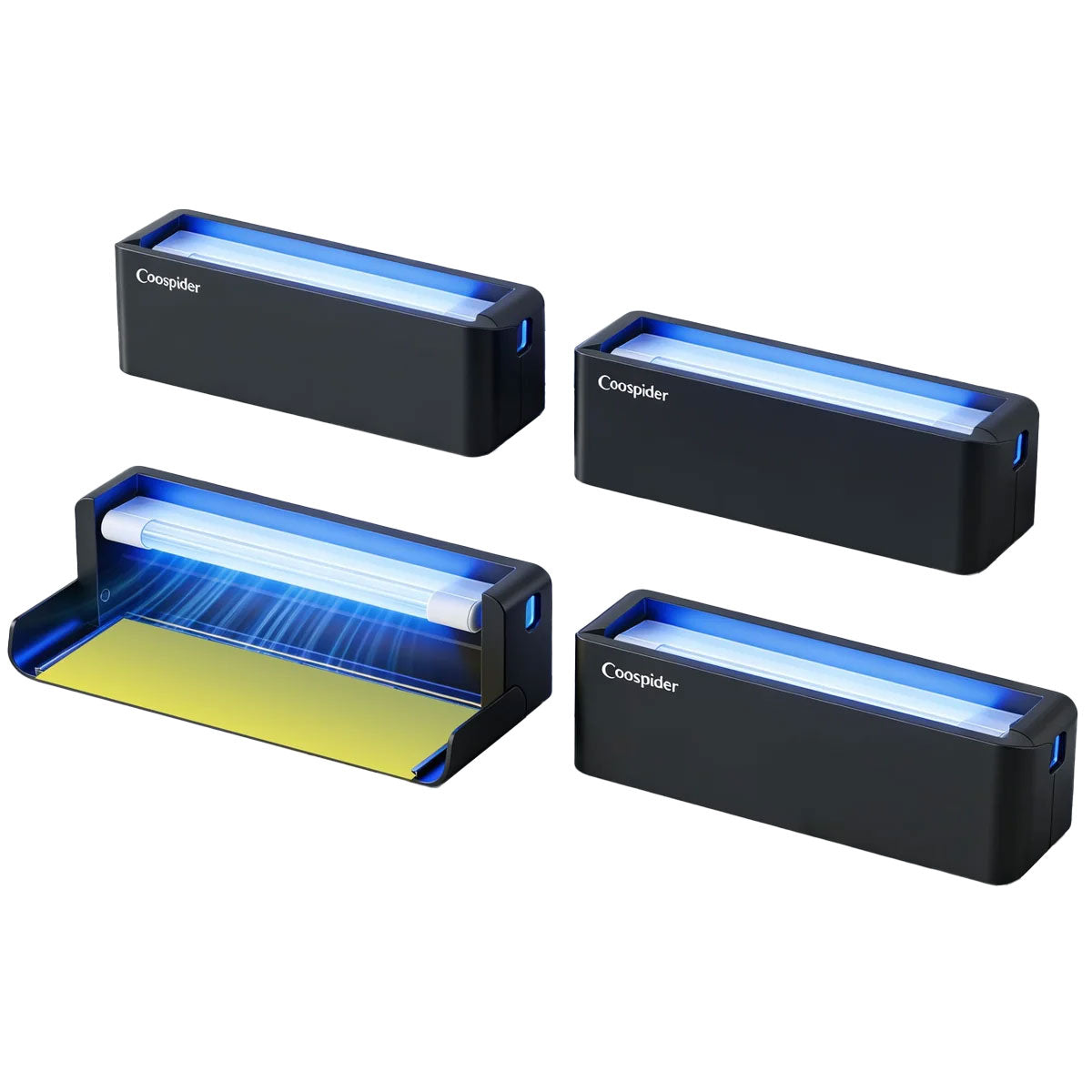
The industry is moving away from the "Zap" and toward the Suction Vortex. * Why it's safer: Zappers create an explosive force that can scatter insect debris (and bacteria) into the air.
-
The Eco-Logic: Modern traps use a silent, powerful fan to pull mosquitoes into a retaining cage where they dehydrate and die. This "quiet kill" is far less disruptive to the nocturnal flight patterns of non-target species.
4. Comparing the Tech: Eco-Friendly Traps vs. Traditional Methods
5. The Role of Smart Sensors in Bee Protection
The latest "Black Tech" in 2026 involves Optical Recognition. Some high-end smart systems now use laser sensors to monitor the wing-beat frequency of insects approaching the trap.
-
Mosquitoes: Typically have a wing-beat frequency of 400 to 600 Hz.
-
Honeybees: Usually oscillate around 200 to 250 Hz.
Smart traps can detect this frequency in real-time. If a honeybee is detected, the trap can temporarily cut the UV light or reverse the fan, actively repelling the beneficial insect before it gets too close. This level of micron-precision ensures that your pest control efforts are in total harmony with your garden's ecology.
6. Placement Strategy: Optimizing the "Kill Zone"
Even the most eco-friendly trap needs a strategic deployment to maximize its effectiveness while minimizing bee interaction.
The "20-Foot" Rule
To protect bees, never place your mosquito trap near flowering plants or "pollinator highways." Instead, place the trap in the "Transition Zone"—the dark, damp areas between the edge of your property and your patio.
-
By placing the trap in the shade (where mosquitoes hide during the day), you intercept them before they reach your seating area.
-
Bees, which love the sun and open flowers, will naturally stay away from these dark, shaded "trap zones."
7. Why "Saving the Bees" is Self-Interest for Homeowners
Protecting pollinators isn't just about "feeling good"—it's an investment in your property value.
-
Garden Yield: If you grow tomatoes, peppers, or fruit trees in your backyard, you need bees. A mosquito control method that kills bees will directly reduce your garden's productivity.
-
The Ecological Balance: Bees are part of a larger food web. When you maintain a healthy pollinator population, you attract birds and dragonflies—natural predators that eat thousands of mosquitoes for free.
8. Conclusion: Reclaiming the Night, Respecting the Day
The American summer belongs to us, but the American garden belongs to the bees. The conflict between outdoor comfort and environmental responsibility has finally reached a resolution. By moving away from "light-only" zappers and embracing the "Black Tech" of CO2 mimicking, suction vortexes, and frequency-sensing automation, we can finally achieve a mosquito-free existence without breaking the biological chain.
This summer, don't just "zap" everything that flies. Choose a technology that respects the hard-working pollinators of your community while providing you with the silent, invisible shield you deserve.
Is your backyard a "Safe Zone"?
Would you like me to help you create a Custom Placement Map for your garden to ensure your mosquito traps are placed exactly where they’ll catch the most pests while staying invisible to your local honeybees?