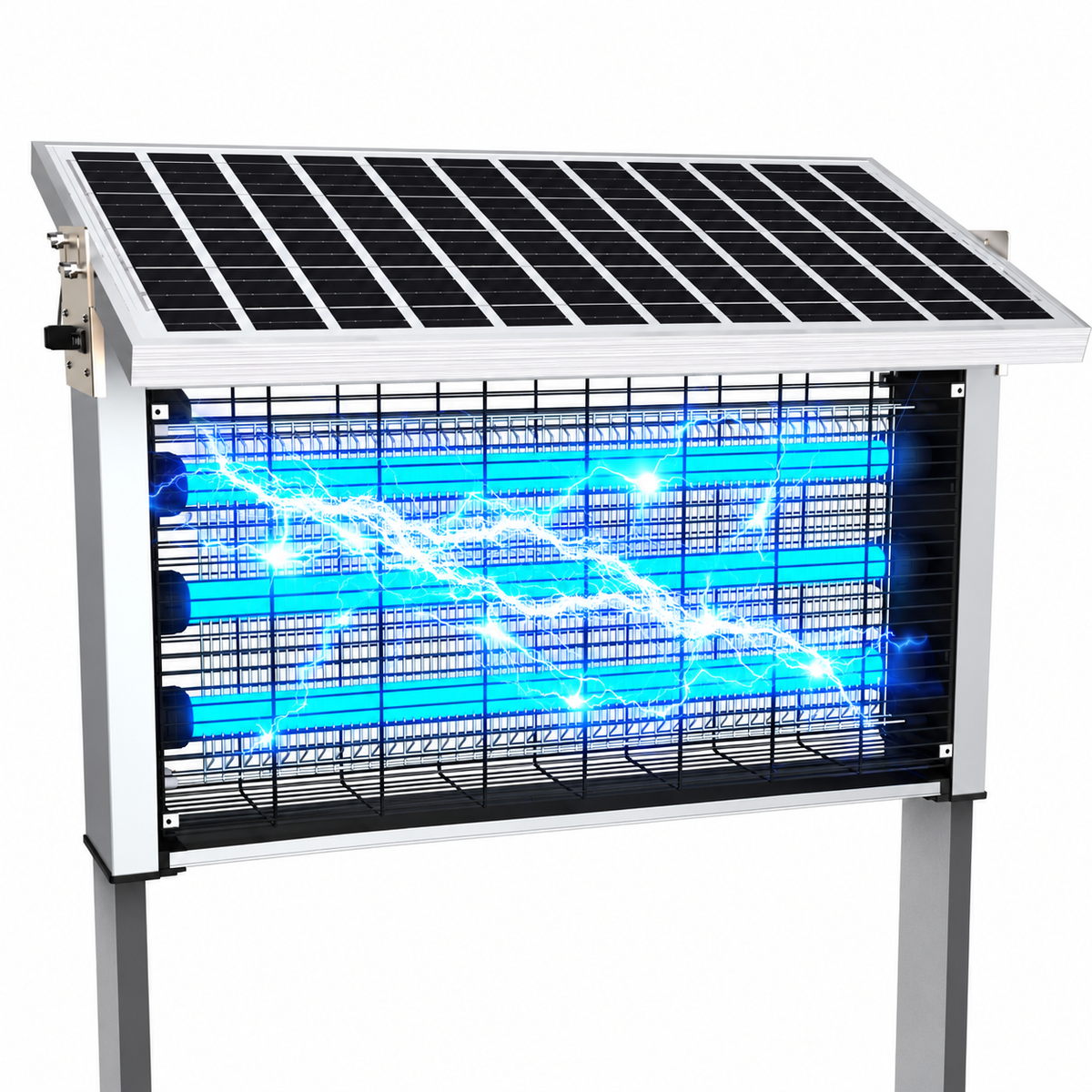

If you’ve ever plugged in your mosquito killer lamp on a hot July evening only to find it barely catching anything, you’re not alone. Across the United States—especially in humid regions like the Southeast, Gulf Coast, and parts of the Midwest—summer conditions can dramatically reduce the performance of your bug zapper or mosquito trap.
High humidity, heavy rainfall, dense vegetation, and soaring temperatures all create the perfect breeding ground for mosquitoes. Ironically, those same environmental factors can also make your mosquito killer lamp less effective if it isn’t properly maintained.
In this comprehensive guide, we’ll break down why your mosquito lamp may not be working as expected during humid American summers—and what you can do to restore its performance. Whether you use an indoor mosquito trap in your bedroom or an outdoor bug zapper on your patio, this guide will help you get the most out of your investment.
Understanding How a Mosquito Killer Lamp Works
Before troubleshooting, it helps to understand how these devices function.
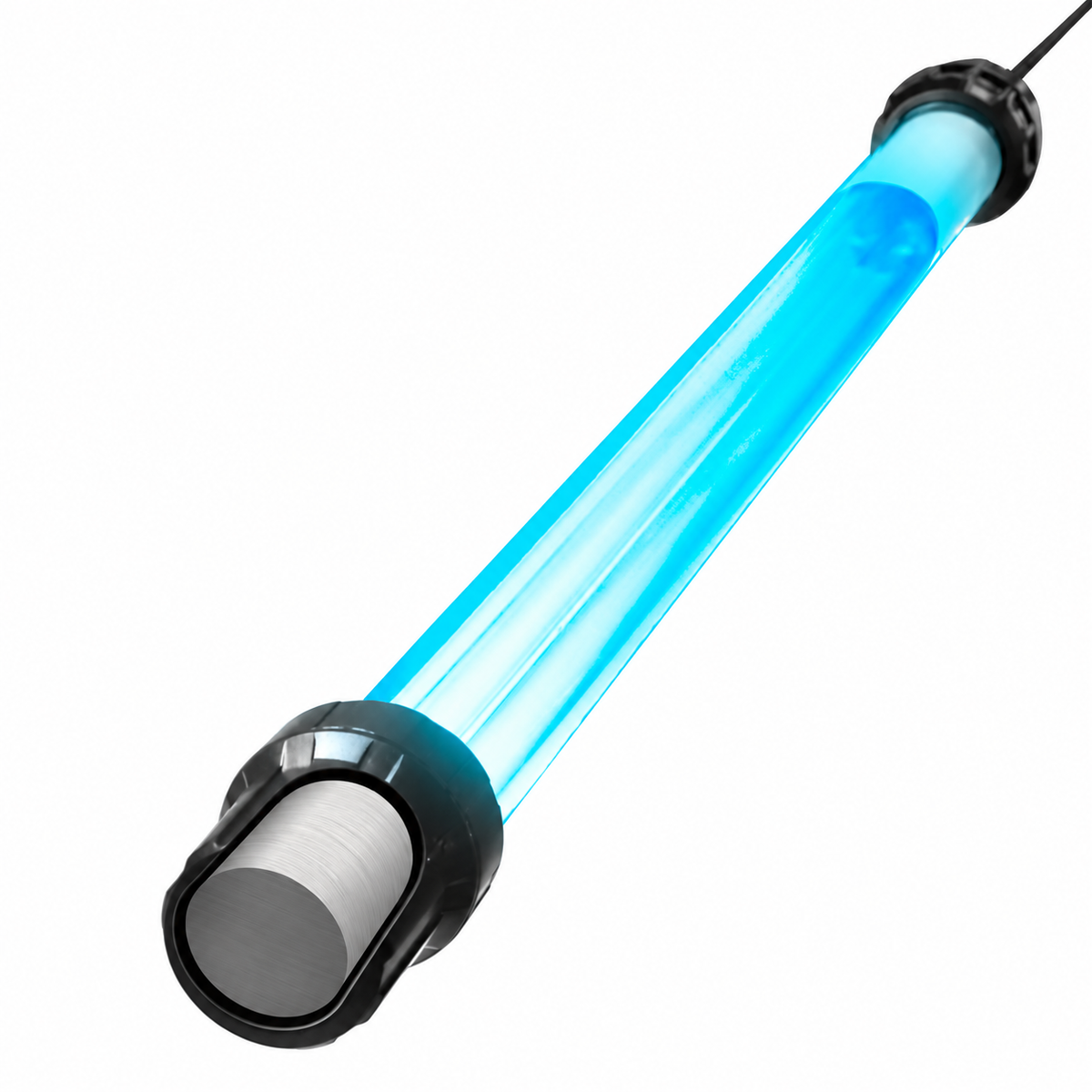
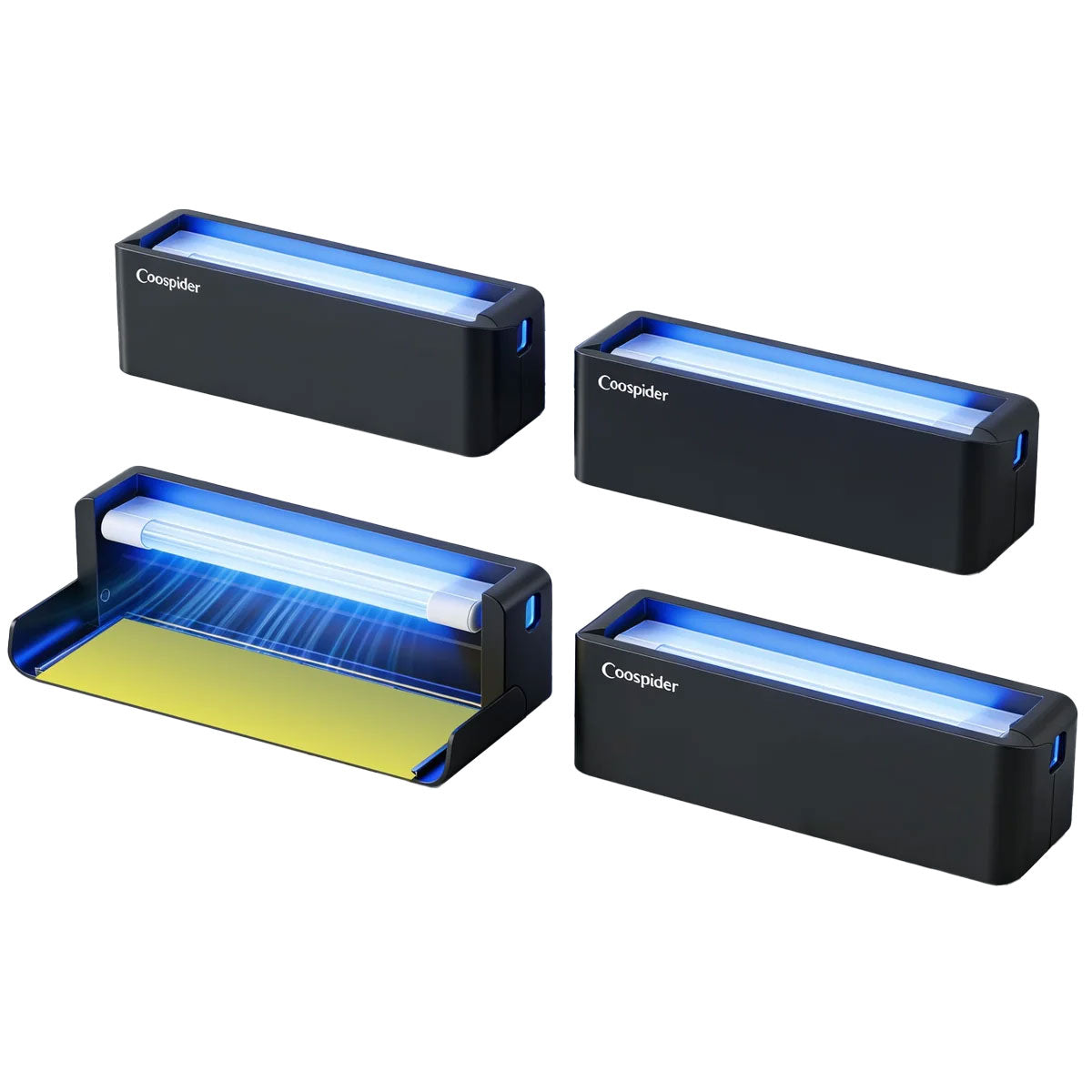
Most mosquito killer lamps operate in one of three primary ways:
-
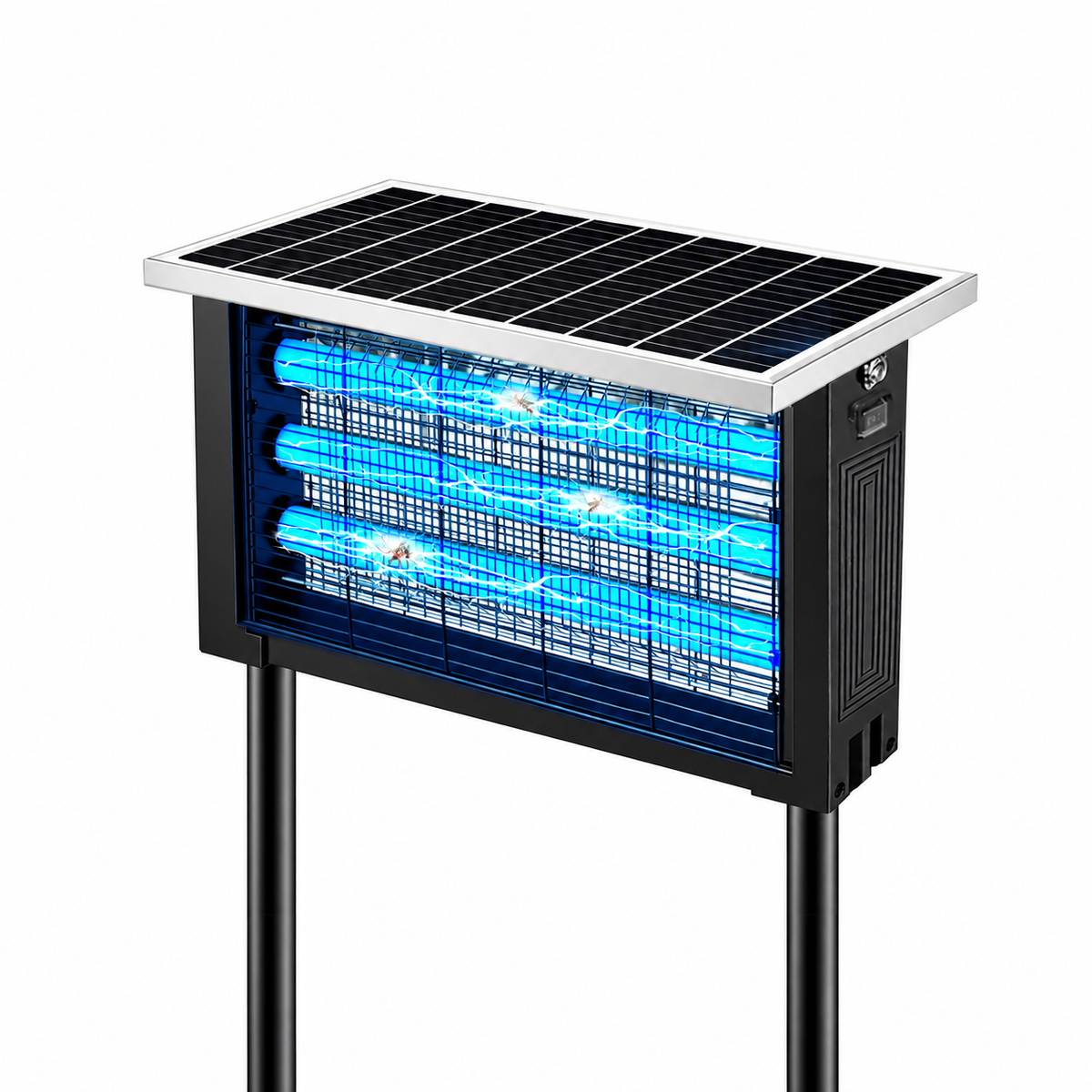
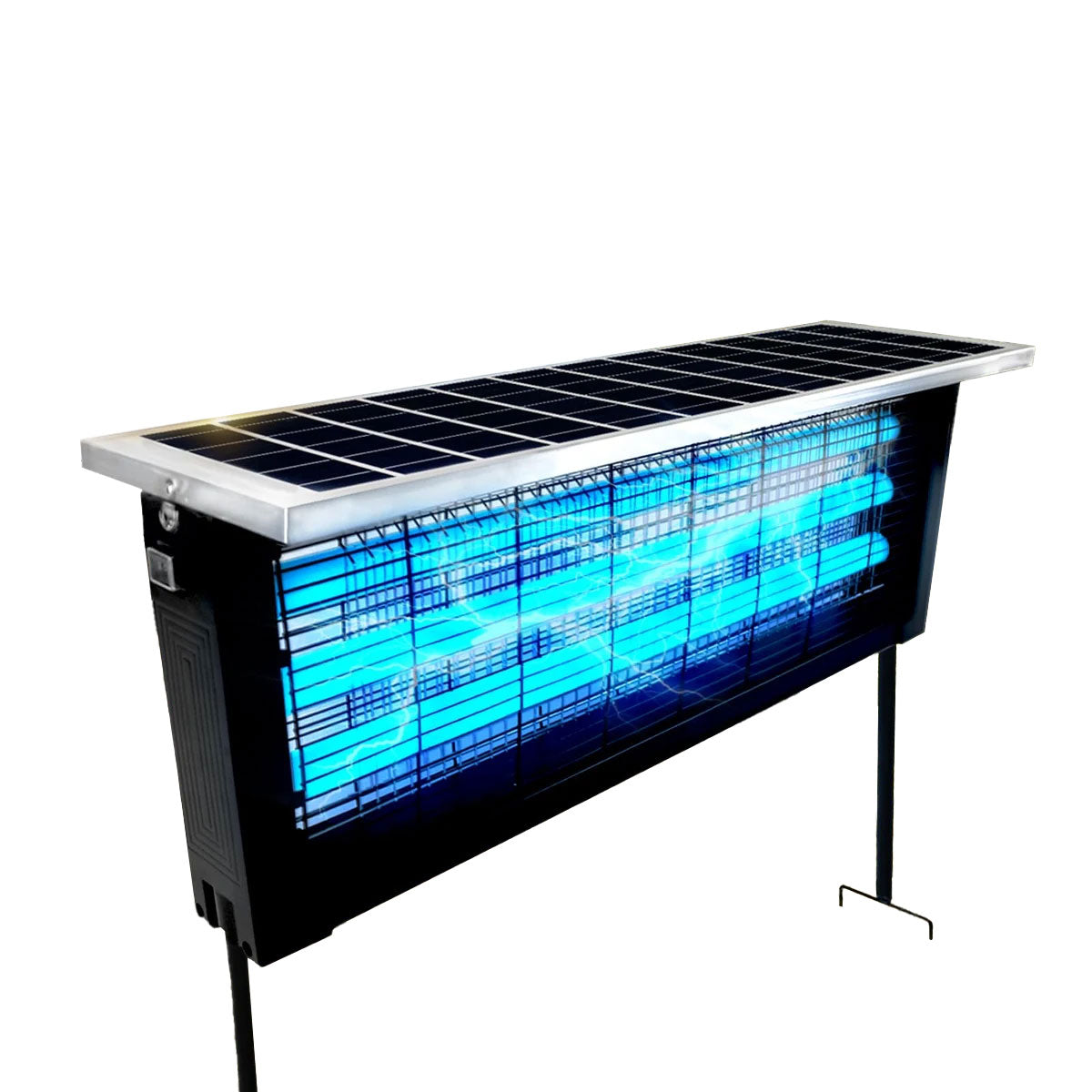
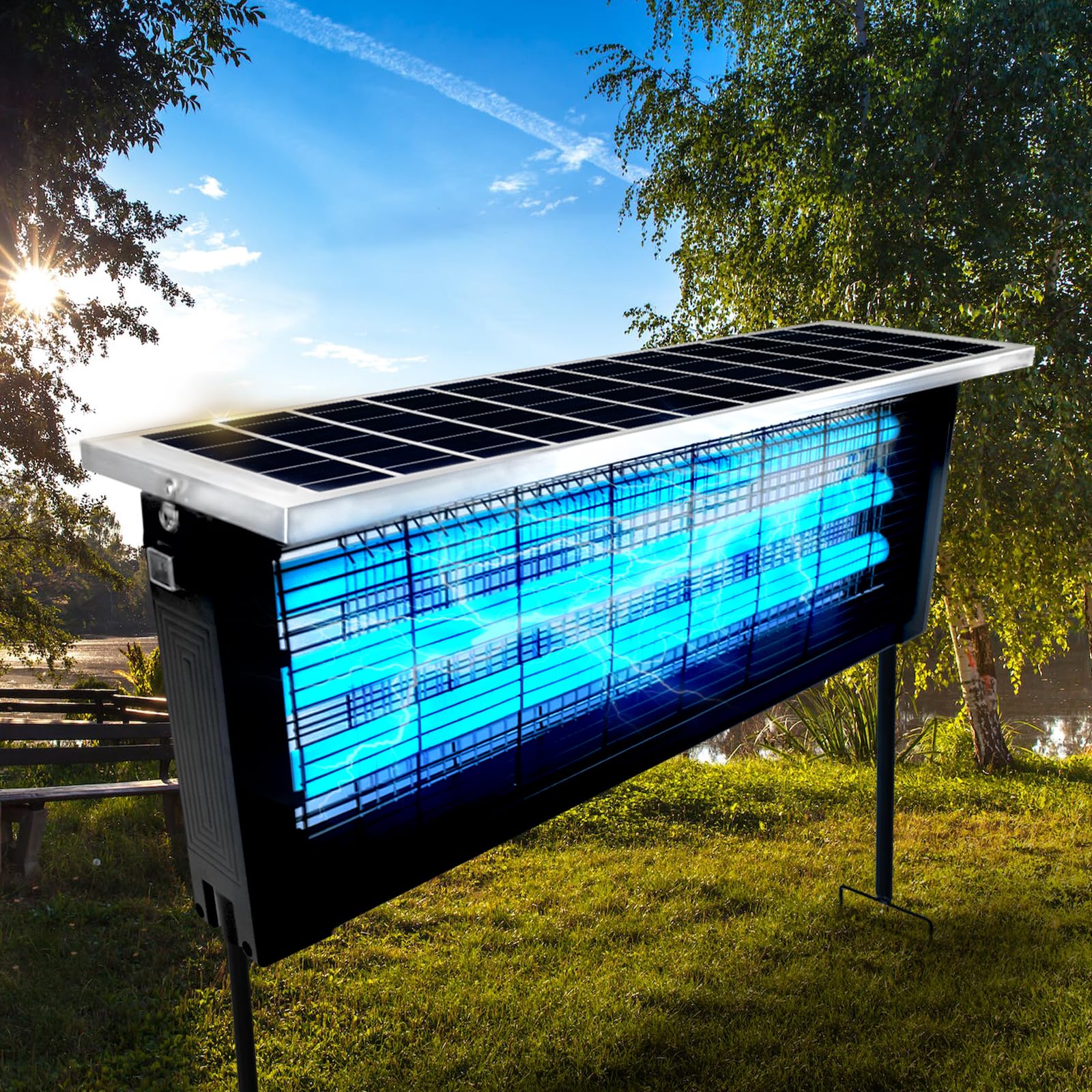
UV Light Attraction + Electric Grid (Bug Zapper Style)
The device emits ultraviolet light to attract flying insects, then eliminates them via an electric grid. -
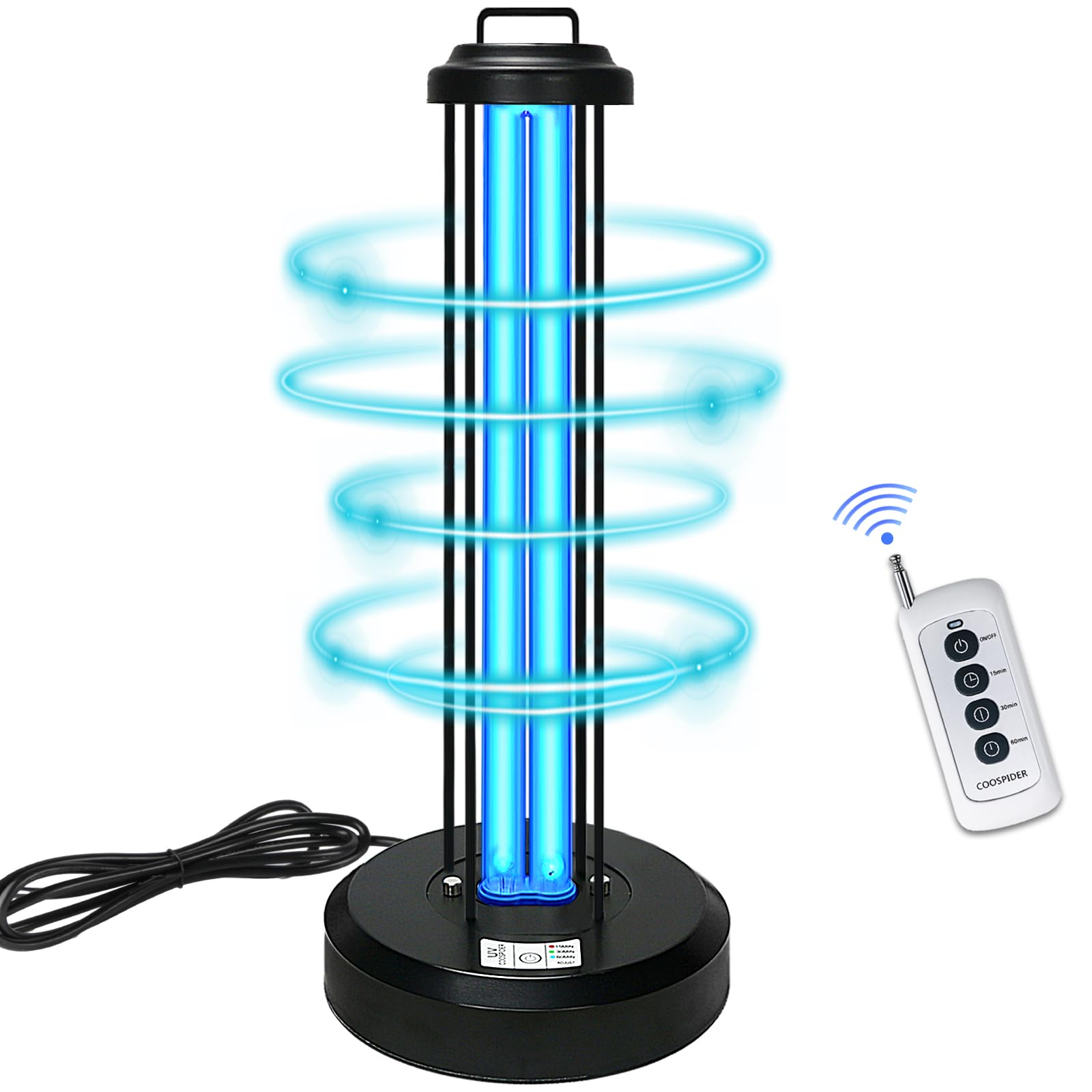
UV Light + Suction Fan (Mosquito Trap Style)
The lamp lures mosquitoes with UV light and draws them into a collection chamber using a fan. -
CO₂ or Heat-Enhanced Traps
Some advanced models mimic human breath or body warmth to improve mosquito attraction.
During humid summer months, environmental changes can interfere with each of these mechanisms.
Why Your Mosquito Killer Lamp Stops Working in Humid Summer Conditions
Let’s explore the most common reasons your device may seem ineffective.
1. High Humidity Reduces Electrical Efficiency
Humidity levels in many U.S. states can reach 70%–90% during peak summer. Moist air affects electronics in several ways:
-
Condensation builds up inside the unit.
-
Electrical components corrode over time.
-
The electric grid may short-circuit or weaken.
-
UV output may diminish due to moisture interference.
Even if your lamp turns on, it may not be operating at full power.
What to Do
-
Keep outdoor units under a covered patio or awning.
-
Avoid placing the device directly on wet ground.
-
Bring portable units indoors during heavy rain.
-
Inspect for visible condensation and allow the unit to dry fully before use.
2. Dirty UV Bulbs or LED Panels
In humid climates, dust, pollen, and mold accumulate faster—especially in regions with thick vegetation like Florida, Louisiana, or coastal Texas.
When UV bulbs are covered in grime:
-
Light output decreases.
-
Mosquito attraction drops.
-
Overall efficiency declines.
Many homeowners forget that UV bulbs require regular cleaning and periodic replacement.
Maintenance Tip
-
Unplug the device before cleaning.
-
Wipe bulbs gently with a soft microfiber cloth.
-
Use mild rubbing alcohol to remove residue.
-
Replace UV bulbs every 6–12 months, depending on usage.
If your lamp is older than a year and hasn’t had a bulb change, that alone may explain reduced performance.
3. Clogged Fans in Suction-Based Mosquito Traps
Humidity encourages mold, dust buildup, and insect debris accumulation. In fan-based mosquito traps, airflow is everything. When the fan is clogged:
-
Suction power decreases.
-
Mosquitoes escape.
-
The device becomes less effective over time.
Signs of a Clogged Fan
-
Reduced airflow noise.
-
Weak suction when you hold your hand near the intake.
-
Visible debris inside vents.
Cleaning Instructions
-
Unplug the unit.
-
Remove the collection tray.
-
Use a small brush or compressed air to clean vents.
-
Wipe interior surfaces carefully.
Routine cleaning every 2–4 weeks during peak mosquito season can dramatically improve performance.
4. Competing Light Sources
American summers mean longer daylight hours, backyard gatherings, porch lights, and landscape lighting. Mosquito killer lamps compete with these other light sources.
If your lamp is placed near:
-
Bright patio lights,
-
LED floodlights,
-
String lights,
-
TV screens,
its UV signal becomes less dominant.
Placement Strategy
-
Position the lamp at least 10–15 feet away from seating areas.
-
Avoid placing it near bright white lights.
-
Turn off unnecessary lighting when relying on the trap.
Mosquitoes are attracted to contrast and warmth. Proper placement is critical.
5. Mosquito Behavior in Humid Climates
Not all mosquitoes respond equally to UV light. In humid U.S. regions, species like Aedes aegypti (common in the South) are:
-
More attracted to human scent and CO₂.
-
Active during daytime hours.
-
Less dependent on UV light cues.
This means traditional UV-only bug zappers may struggle.
Upgrade Consideration
If you live in areas with heavy mosquito populations:
-
Consider CO₂-enhanced traps.
-
Use supplemental attractant cartridges.
-
Combine traps with other mosquito control methods.
Understanding mosquito behavior helps set realistic expectations.
6. Collection Tray Overload
During peak season, traps can fill up quickly. A full collection tray:
-
Blocks airflow.
-
Reduces suction.
-
Creates odor that deters new mosquitoes.
In humid heat, trapped insects decompose faster.
Best Practice
-
Empty trays weekly (or more frequently in heavy mosquito areas).
-
Wash trays with soap and water.
-
Dry thoroughly before reinstalling.
Clean equipment works better and lasts longer.
7. Aging Electrical Components
Heat and humidity accelerate wear and tear. Capacitors, wiring, and internal transformers degrade faster in hot climates like:
-
Florida
-
Georgia
-
Alabama
-
Mississippi
-
Texas
If your mosquito killer lamp is 2–3 years old and heavily used, reduced performance may indicate aging components rather than simple dirt buildup.
When to Replace
Consider replacement if:
-
The UV light flickers.
-
The zap sound is weaker than before.
-
The fan speed slows permanently.
-
Repairs cost nearly as much as a new unit.
Modern models are often more energy-efficient and effective.
A Complete Humid Summer Maintenance Checklist
Here’s a practical, step-by-step routine for American households:
Weekly
-
Empty insect tray.
-
Wipe UV light cover.
-
Check for visible moisture.
-
Inspect power cord.
Monthly
-
Deep clean fan vents.
-
Inspect electric grid for debris.
-
Clean exterior casing.
-
Test suction strength.
Every 6–12 Months
-
Replace UV bulbs.
-
Check for corrosion.
-
Tighten loose screws.
-
Evaluate overall performance.
Consistent maintenance dramatically extends lifespan and improves catch rates.
Outdoor Placement Tips for Humid U.S. Summers
Placement is just as important as maintenance.
Backyard & Patio Use
-
Hang the device 5–7 feet above ground.
-
Keep away from seating areas.
-
Avoid windy corners.
-
Place near vegetation where mosquitoes gather.
Indoor Use
-
Position near entry points like doors and windows.
-
Keep away from air conditioning vents.
-
Avoid direct sunlight exposure.
Airflow patterns influence mosquito movement indoors.
Preventive Measures Beyond the Lamp
Even the best mosquito killer lamp won’t solve a severe infestation alone.
Combine your lamp with:
-
Removing standing water (birdbaths, buckets, gutters).
-
Trimming overgrown vegetation.
-
Using window screens.
-
Installing outdoor fans.
Integrated mosquito management produces better results.
When Your Mosquito Killer Lamp Isn’t the Problem
Sometimes the issue isn’t the device—it’s expectations.
Mosquito killer lamps:
-
Reduce mosquito populations.
-
Lower bite frequency.
-
Improve comfort outdoors.
They rarely eliminate mosquitoes entirely, especially in humid regions where breeding cycles are rapid.
Set realistic goals and combine strategies for maximum effectiveness.
Choosing the Right Mosquito Killer Lamp for Humid Climates
If you’re shopping for a new unit, prioritize:
-
Weather-resistant housing.
-
High-efficiency UV LEDs.
-
Quiet but powerful fan motors.
-
Waterproof rating (IPX4 or higher for outdoor use).
-
Replaceable bulbs and easy-to-clean design.
Durability matters in high-humidity states.
Final Thoughts: Restore Performance and Enjoy Summer Again
There’s nothing more frustrating than sitting on your porch during a humid American evening, swatting mosquitoes while your bug zapper glows uselessly in the corner. But in most cases, poor performance isn’t a failure—it’s a maintenance issue.
Humidity, dirt buildup, improper placement, and aging components are the primary reasons mosquito killer lamps underperform during U.S. summers.
With regular cleaning, smart positioning, and realistic expectations, your mosquito trap can remain a powerful tool in your summer pest-control strategy.
Don’t let humidity win. A little maintenance goes a long way toward keeping your mosquito killer lamp effective, efficient, and ready for those long summer nights.