Spending time outdoors is one of the most rewarding activities for families. The fresh air, nature walks, picnics, and camping trips provide children with unforgettable experiences. However, along with the fun come tiny, sometimes pesky, but potentially harmful insects. Mosquitoes, ticks, and other biting insects are not only irritating—they can transmit diseases such as Lyme disease, West Nile virus, and other infections. For families with children, choosing safe and effective insect repellents becomes crucial.
This comprehensive guide will walk you through the key factors to consider, the types of products available, natural alternatives, and practical tips to ensure your children are protected while enjoying the great outdoors.
Understanding the Risks: Why Insect Protection Matters
Before diving into product choices, it’s important to understand why insect protection for kids is essential. Children’s immune systems are still developing, and they may be more susceptible to the effects of bites and stings. Some insects, like ticks, can carry pathogens that may take days to show symptoms, making early prevention vital.
Common Outdoor Insects That Affect Children
- Mosquitoes: Known for itchy bites and potential disease transmission.
- Ticks: Often found in grassy or wooded areas; can carry Lyme disease.
- Fleas: Usually a concern if pets are involved; can cause skin irritation.
- Chiggers: Tiny mites that can leave red, itchy welts.
- Bees and Wasps: Although less common, they can cause allergic reactions.
Knowing what your children might encounter will help you choose the most effective repellent strategies and avoid unnecessary risks.
Key Considerations When Choosing Insect Repellent for Children
When shopping for insect repellent, several factors should guide your decision-making process.
1. Age Appropriateness
Not all repellents are suitable for every age group. For instance:
- Infants under 2 months: Avoid using chemical repellents; rely on protective clothing and mosquito nets.
- Children aged 2–12 years: Some DEET-based products are safe at lower concentrations, but always follow product labeling.
- Teens and older kids: Higher concentrations can be used safely under supervision.
2. Active Ingredients
The safety and effectiveness of a repellent largely depend on its active ingredient. Common options include:
- DEET (N,N-Diethyl-meta-toluamide): One of the most effective repellents. Concentrations of 10–30% are typically safe for children, with higher percentages offering longer protection.
- Picaridin (also called icaridin): Effective against mosquitoes and ticks, usually found in 10–20% concentrations for kids.
- Oil of Lemon Eucalyptus (OLE/PMD): Plant-based and effective against mosquitoes, but not recommended for children under 3 years.
- Permethrin: Used on clothing, shoes, and gear rather than skin; highly effective against ticks.
Always read the label and check whether the product is approved for use on children.
3. Application Safety
Safety isn’t only about the ingredient; it’s also about how it’s applied:
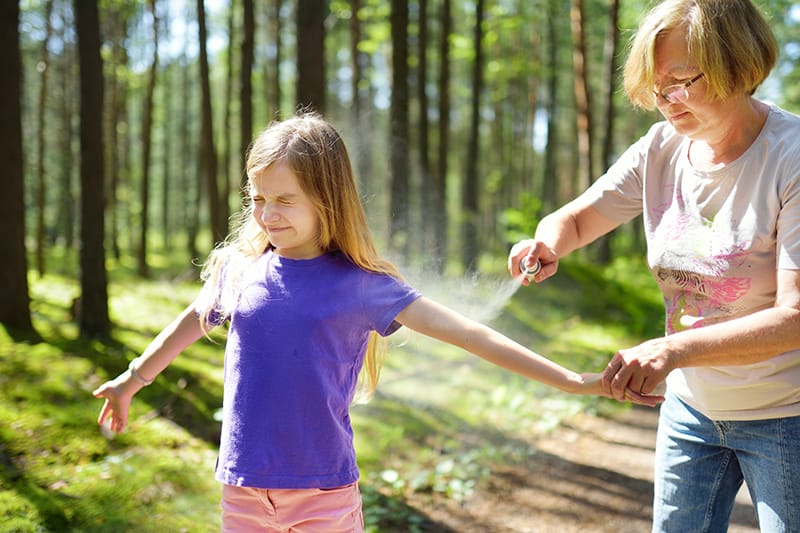
- Apply repellent to exposed skin or clothing—not under clothing.
- Avoid applying on hands, eyes, and mouth.
- Use just enough to cover the skin and reapply as directed.
- Wash off repellent when children return indoors.
Natural and Non-Chemical Alternatives
For parents who prefer a more natural approach, there are options, although they may require more frequent application:
- Essential oils: Citronella, lavender, and eucalyptus oils can deter mosquitoes but are less effective and may irritate sensitive skin.
- Protective clothing: Long sleeves, pants, and hats create physical barriers against bites.
- Mosquito nets: Especially effective for strollers, cribs, and tents.
- Tick checks: Regularly check skin, hair, and clothing after outdoor activities.
Natural solutions are best used in combination with other preventive measures for maximum protection.
Tips for Outdoor Adventures with Kids
Even with the right repellent, practical strategies make a huge difference in keeping children safe and bite-free.
1. Choose the Right Time and Place
- Mosquitoes are most active during dawn and dusk, so plan outdoor play accordingly.
- Avoid tall grass and heavily wooded areas known for ticks.
2. Dress Smartly
- Light-colored clothing makes ticks easier to spot.
- Long sleeves, pants tucked into socks, and closed shoes reduce exposure.
3. Use Gear Wisely
- Apply permethrin-treated clothing or gear.
- Use mosquito nets for sleeping areas and strollers.
4. Monitor and Reapply
- Check the repellent’s duration of effectiveness and reapply as needed.
- Regularly inspect children’s skin, especially after prolonged outdoor exposure.
5. Educate Children
- Teach older children to avoid swatting at insects near their faces, which can attract bites.
- Encourage children to report itching, stings, or unusual spots promptly.
Balancing Effectiveness and Safety
Parents often worry about chemical exposure, but the risk of disease from insect bites often outweighs the minimal risk from properly used repellents. Choosing a product with a lower concentration of DEET or an alternative like picaridin can offer a good balance of safety and protection.
Remember, more isn’t always better. A 30% DEET product does not double protection compared to 15%—it simply lasts longer.
Packing a Family-Friendly Insect Protection Kit
When preparing for outdoor adventures, consider a kit that includes:
- Age-appropriate insect repellent
- Permethrin-treated clothing or gear
- Mosquito nets for tents or strollers
- Anti-itch cream or aloe gel
- Tweezers for tick removal
- A checklist for post-outdoor tick inspection
Having a ready-to-go kit ensures peace of mind and allows families to enjoy nature without constant worry.
When to Seek Medical Attention
While most bites are minor, parents should watch for signs that require professional care:
- Severe allergic reactions such as swelling, difficulty breathing, or hives
- Fever, rash, or flu-like symptoms after a tick bite
- Persistent or worsening irritation from bites
Prompt attention can prevent complications and ensure that your child’s outdoor adventures remain safe and enjoyable.
Final Thoughts
Family outdoor trips offer memories that last a lifetime, but they require thoughtful preparation. Choosing safe and effective insect repellents for children is a key part of outdoor safety planning. By understanding the risks, selecting age-appropriate products, using natural alternatives wisely, and practicing smart outdoor habits, parents can protect their children while letting them explore the wonders of nature.
Outdoor adventures should inspire curiosity, joy, and a sense of freedom. With the right precautions in place, families can embrace the outdoors confidently, knowing that mosquitoes, ticks, and other insects won’t ruin the fun—or the memories.