As concerns about climate change, water scarcity, food security, and environmental degradation continue to grow, more people are looking for innovative ways to produce food sustainably. Traditional agriculture has fed civilizations for thousands of years, but modern farming often requires extensive land, significant water resources, synthetic fertilizers, and chemical pesticides. These inputs can strain ecosystems and contribute to pollution.
At the same time, urbanization is reducing available farmland, while global populations continue to rise. The challenge facing future generations is clear: how can we grow more food while using fewer resources?
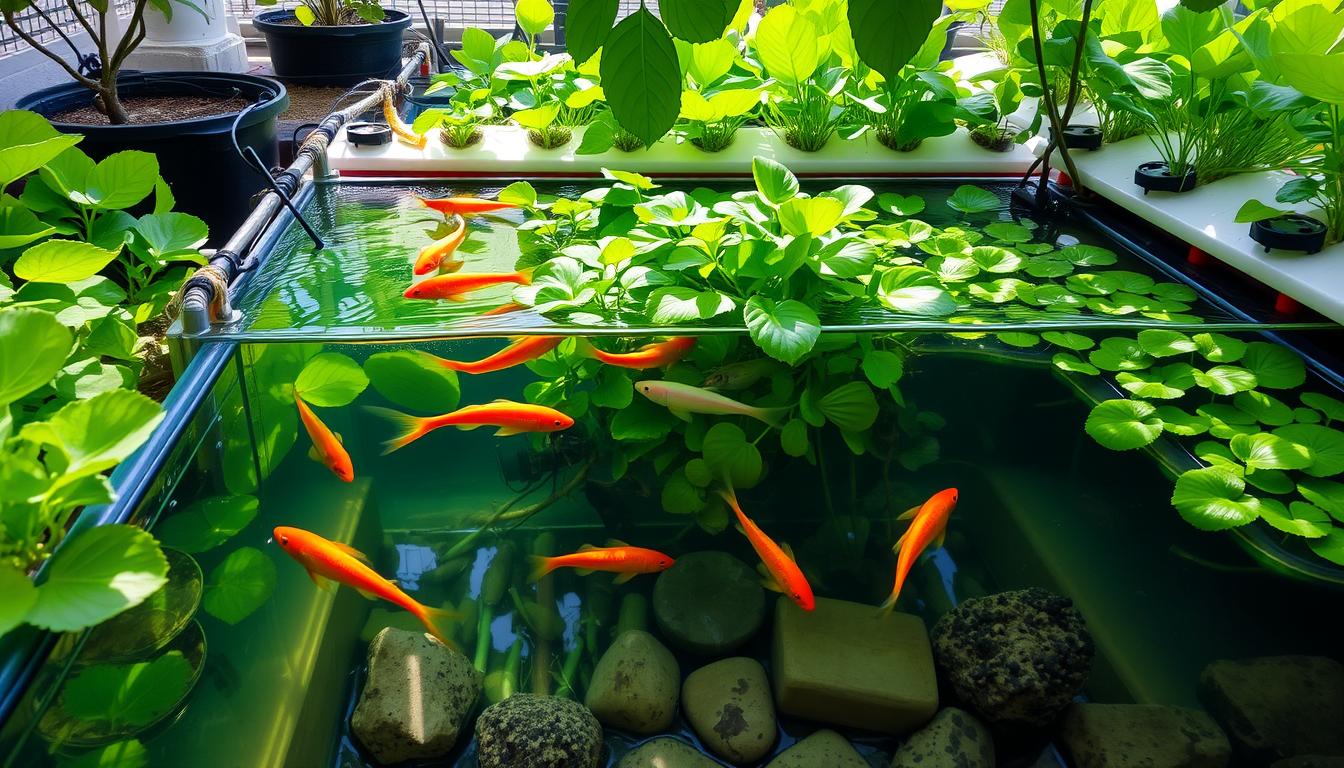
One promising solution is aquaponics—a sustainable farming method that combines fish cultivation and plant production into a single, self-sustaining ecosystem. By integrating aquaculture and hydroponics, aquaponics creates a mutually beneficial relationship between fish, plants, and beneficial bacteria. The result is a highly efficient food production system that conserves water, minimizes waste, and produces fresh vegetables and protein simultaneously.
Whether you're a gardener, homesteader, environmental enthusiast, educator, or aspiring entrepreneur, understanding aquaponics can open the door to a more sustainable future. This guide explores how aquaponics works, its environmental benefits, system designs, maintenance requirements, and how you can build your own thriving fish-and-plant ecosystem.
What Is Aquaponics?
Aquaponics is a food production system that combines two established agricultural methods:
- Aquaculture (raising fish or other aquatic animals)
- Hydroponics (growing plants without soil)
In an aquaponic system, fish produce waste that naturally becomes fertilizer for plants. The plants absorb these nutrients, helping purify the water before it is returned to the fish tank.
This creates a continuous cycle where:
- Fish feed the plants.
- Plants clean the water.
- Beneficial bacteria support both.
The relationship mirrors many natural ecosystems found in lakes, rivers, and wetlands, where plants and aquatic life coexist in balance.
The History of Aquaponics
Although aquaponics may seem like a modern innovation, its principles have existed for centuries.
Ancient civilizations developed integrated farming systems that resembled modern aquaponics.
Examples include:
The Aztec Chinampas
The Aztecs created floating agricultural islands in shallow lakes. Nutrient-rich water supported crop growth while aquatic life contributed to fertility.
Asian Rice-Fish Farming
For centuries, farmers in China and Southeast Asia raised fish in flooded rice paddies. Fish helped control pests while their waste nourished crops.
Modern aquaponics combines these ancient concepts with contemporary technology, creating highly productive and controllable growing environments.
Understanding the Science Behind Aquaponics
The success of aquaponics relies on a biological process called the nitrogen cycle.
Without this cycle, fish waste would quickly become toxic.
Let's examine how the process works.
Step 1: Fish Produce Waste
Fish consume food and release waste through:
- Excretion
- Respiration
- Uneaten food decomposition
This waste contains ammonia, a compound that can be harmful to fish when concentrations become too high.
Step 2: Beneficial Bacteria Convert Ammonia
Specialized nitrifying bacteria naturally colonize surfaces throughout the system.
Two important bacterial groups perform critical functions:
Nitrosomonas
These bacteria convert ammonia into nitrites.
Nitrobacter
These bacteria convert nitrites into nitrates.
Nitrates are much less toxic and serve as an excellent nutrient source for plants.
Step 3: Plants Absorb Nutrients
Plant roots take up:
- Nitrates
- Potassium
- Phosphorus
- Calcium
- Magnesium
- Micronutrients
As plants remove nutrients from the water, they effectively act as a biological filtration system.
Step 4: Clean Water Returns to the Fish
After passing through the grow beds, cleaner water flows back into the fish tank.
The cycle then repeats continuously.
This closed-loop process creates remarkable efficiency while minimizing environmental impact.
Why Aquaponics Is Considered Sustainable
Aquaponics addresses several major environmental challenges associated with conventional agriculture.
Significant Water Conservation
One of the biggest advantages of aquaponics is water efficiency.
Traditional farming loses large amounts of water through:
- Runoff
- Soil absorption
- Evaporation
Aquaponic systems continuously recirculate water.
As a result, they often use up to 90% less water than conventional agriculture.
This makes aquaponics especially attractive in drought-prone regions.
Reduced Fertilizer Use
Conventional farms often rely heavily on synthetic fertilizers.
These fertilizers can cause:
- Water pollution
- Algal blooms
- Soil degradation
- Greenhouse gas emissions
Aquaponics naturally generates plant nutrients through fish waste, dramatically reducing the need for external fertilizers.
Minimal Waste Production
In conventional aquaculture, fish waste can accumulate and become an environmental problem.
Aquaponics transforms that waste into a valuable resource.
Instead of disposal, nutrients are recycled directly into plant production.
Less Land Required
Aquaponic systems can produce substantial amounts of food within compact spaces.
Systems can be installed:
- In greenhouses
- On rooftops
- In warehouses
- In urban environments
- In backyards
This allows food production closer to consumers.
Components of an Aquaponics System
A successful aquaponics setup consists of several key elements.
Fish Tank
The fish tank serves as the ecosystem's nutrient engine.
Common tank materials include:
- Food-grade plastic
- Fiberglass
- Polyethylene
- Glass aquariums
Tank size depends on production goals.
Larger systems generally offer greater stability.
Grow Beds
Grow beds support plant growth while helping filter water.
Popular growing media include:
- Expanded clay pebbles
- Gravel
- Lava rock
Grow beds provide surface area for beneficial bacteria to colonize.
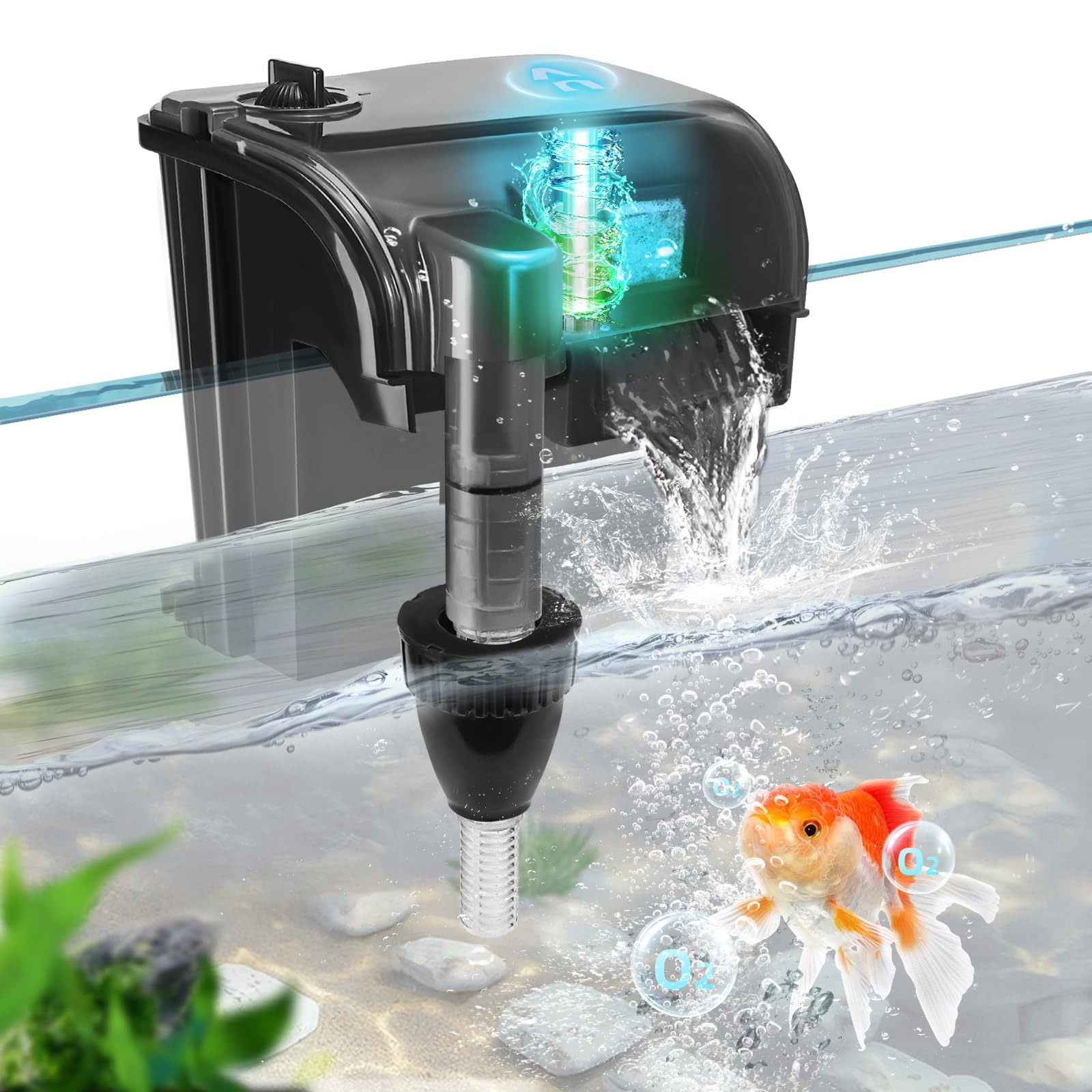
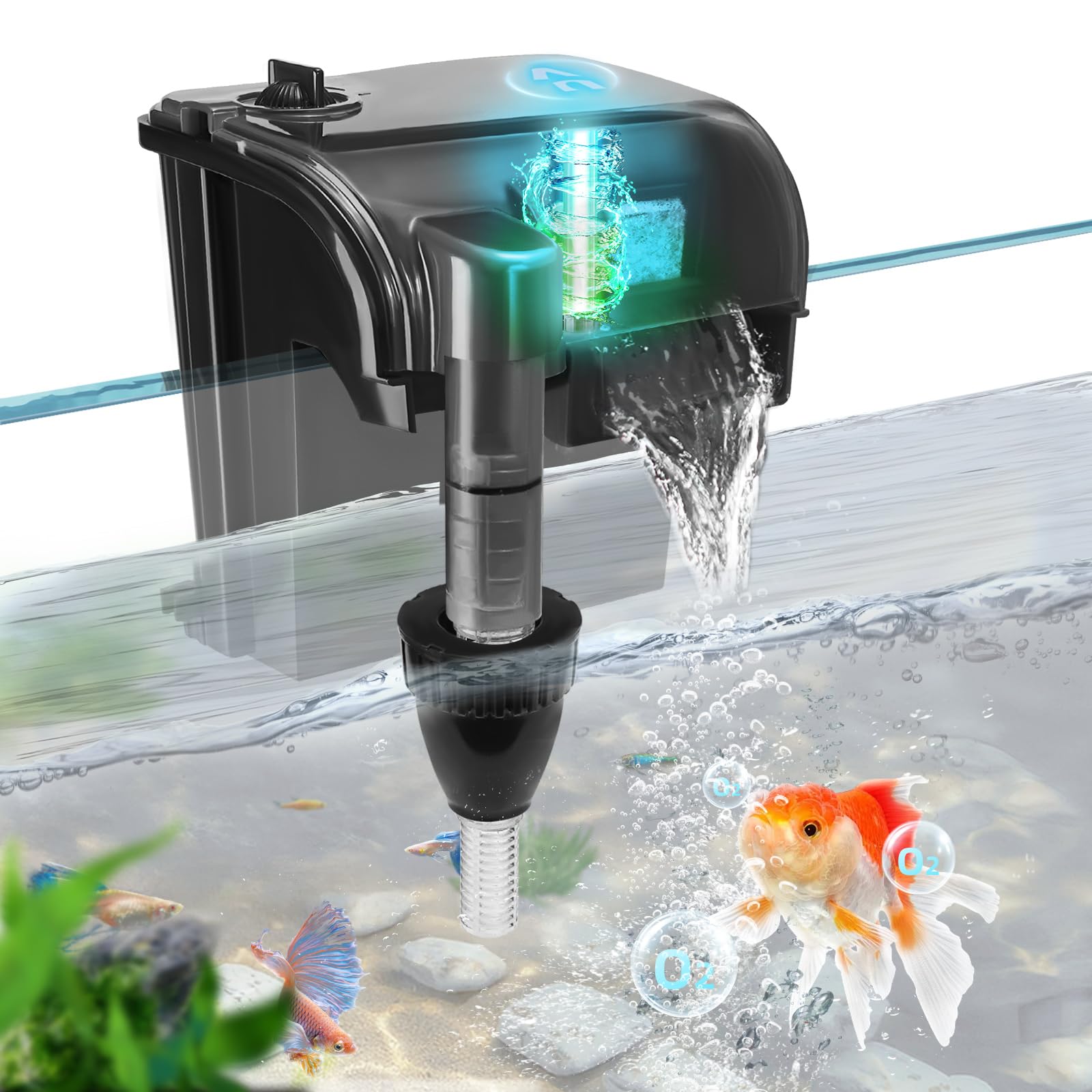
Water Pump
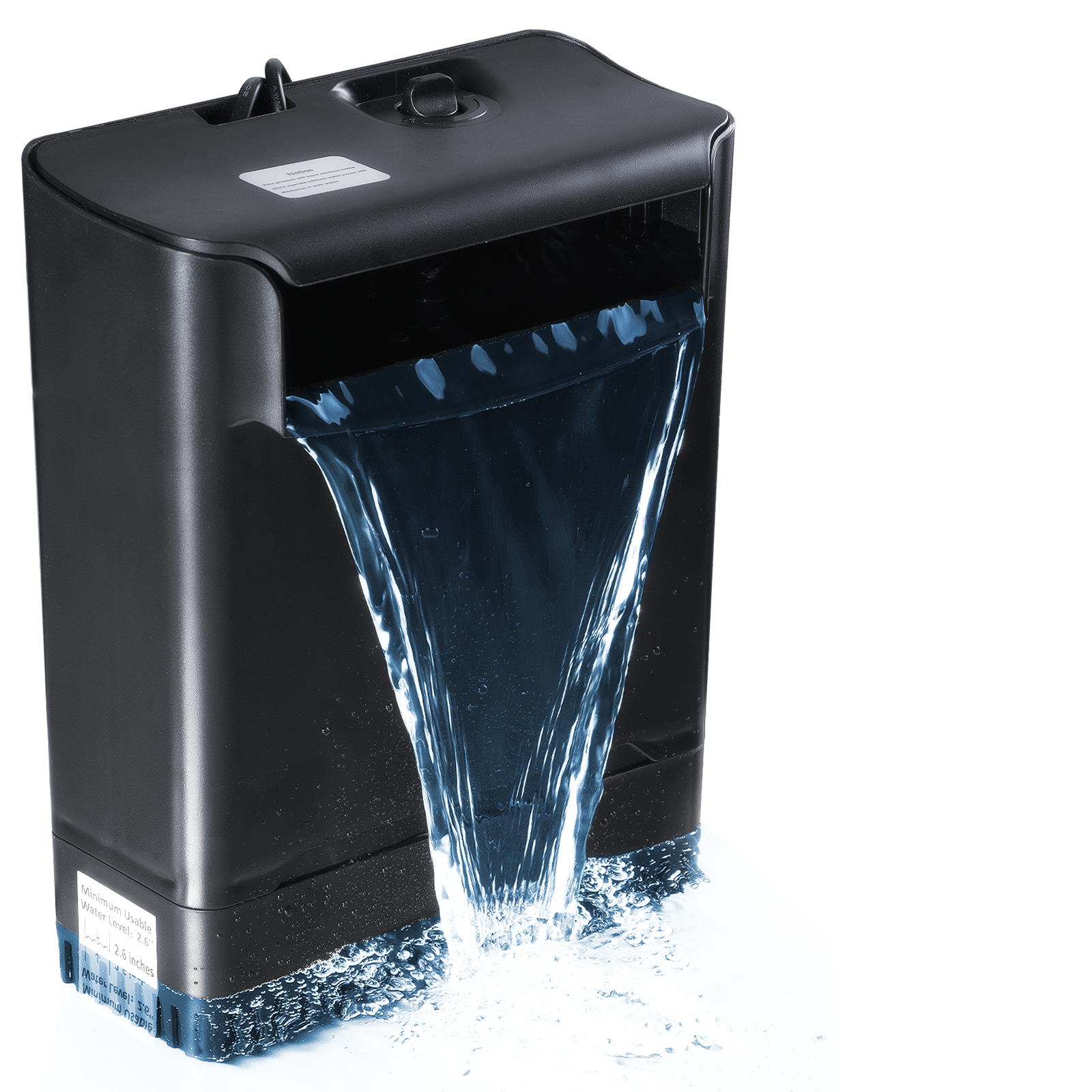
A water pump circulates water throughout the system.
Continuous movement:
- Delivers nutrients
- Increases oxygen levels
- Prevents stagnation
Reliable pumps are critical for system success.
Aeration System
Fish, plants, and bacteria all require oxygen.
Air pumps and air stones improve dissolved oxygen levels.
Proper aeration helps maintain healthy biological activity.
Plumbing and Pipes
Pipes transport water between components.
Good plumbing design ensures:
- Efficient circulation
- Consistent flow rates
- Reliable drainage
Types of Aquaponics Systems
Several aquaponic system designs exist, each offering unique advantages.
Media Bed Systems
This is one of the most popular choices for beginners.
Features include:
- Gravel or clay media
- Excellent filtration
- Easy maintenance
- Versatile crop options
Media beds work well for home gardeners.
Deep Water Culture (DWC)
In DWC systems, plants float on rafts above nutrient-rich water.
Benefits include:
- Fast plant growth
- High yields
- Commercial scalability
Many large farms utilize this design.
Nutrient Film Technique (NFT)
NFT systems use narrow channels where a thin film of water flows over roots.
Advantages include:
- Lightweight construction
- Efficient water use
- Excellent oxygen exposure
NFT is commonly used for leafy greens and herbs.
Hybrid Systems
Commercial operations often combine multiple methods.
Hybrid systems optimize production while maximizing space utilization.
Choosing Fish for Aquaponics
Different fish species thrive under different conditions.
Tilapia
Tilapia are among the most popular aquaponic fish.
Advantages include:
- Fast growth
- Disease resistance
- High tolerance to environmental changes
They perform best in warm water.
Catfish
Catfish are hardy and adaptable.
Benefits include:
- Rapid growth
- Strong market demand
- Ability to tolerate crowded conditions
Trout
Trout prefer cooler water.
Advantages include:
- Excellent taste
- High market value
However, they require greater water quality management.
Perch
Perch are suitable for moderate climates and offer good growth rates.
Ornamental Fish
Many hobbyists choose:
- Koi
- Goldfish
These species create visually appealing systems while supporting plant growth.
Best Plants for Aquaponics
Not all crops perform equally in aquaponic systems.
Certain plants thrive particularly well.
Leafy Greens
Leafy vegetables are ideal for beginners.
Examples include:
- Lettuce
- Spinach
- Kale
- Swiss chard
- Arugula
These crops grow rapidly and require moderate nutrients.
Herbs
Herbs often produce exceptional yields.
Popular choices include:
- Basil
- Mint
- Parsley
- Cilantro
- Oregano
- Thyme
Fruiting Vegetables
More advanced systems can support:
- Tomatoes
- Cucumbers
- Peppers
- Eggplants
These plants typically require higher nutrient levels.
Strawberries
Strawberries adapt surprisingly well to aquaponic environments and can provide excellent yields.
Water Quality Management
Water quality determines the health of the entire ecosystem.
Several factors require regular monitoring.
pH Levels
Ideal pH typically ranges from:
6.8 to 7.2
This balance supports:
- Fish health
- Plant nutrient absorption
- Beneficial bacteria
Temperature
Temperature affects every component.
Warm-water species like tilapia require higher temperatures than trout.
Maintaining stability is essential.
Dissolved Oxygen
Healthy oxygen levels improve:
- Fish growth
- Root health
- Bacterial activity
Most systems target at least 5 ppm dissolved oxygen.
Ammonia Monitoring
Ammonia should remain close to zero.
Elevated levels indicate system imbalance.
Nitrite Monitoring
Nitrites are toxic to fish.
Consistent testing helps identify problems early.
Nitrate Monitoring
Moderate nitrate levels indicate a functioning nitrogen cycle.
Plants utilize nitrates as fertilizer.
Cycling an Aquaponics System
Before adding large numbers of fish or plants, the system must be cycled.
Cycling establishes beneficial bacterial populations.
The process generally takes:
- Four to eight weeks
Patience during this stage prevents future problems.
A fully cycled system is more stable and productive.
Pest Management Without Chemicals
One major advantage of aquaponics is the reduced need for pesticides.
Because chemicals may harm fish, growers typically use natural solutions.
Methods include:
- Beneficial insects
- Physical barriers
- Companion planting
- Manual pest removal
This approach supports healthier food production.
Common Challenges in Aquaponics
While aquaponics offers numerous benefits, challenges can arise.
Power Outages
Pumps and aerators depend on electricity.
Backup systems help prevent fish losses.
Nutrient Deficiencies
Some plants may require supplemental:
- Iron
- Potassium
- Calcium
Careful supplementation maintains plant health without harming fish.
Disease Outbreaks
Proper hygiene and water quality reduce disease risks.
Prevention is easier than treatment.
Overstocking Fish
Too many fish can overwhelm filtration capacity.
Maintaining appropriate stocking densities is essential.
Aquaponics for Urban Farming
Cities increasingly embrace aquaponics because space is limited.
Urban benefits include:
- Fresh local food
- Reduced transportation emissions
- Year-round production
- Community engagement
Aquaponics can transform unused spaces into productive food-growing environments.
Commercial Aquaponics Opportunities
Aquaponics is expanding beyond hobby gardening.
Commercial producers supply:
- Restaurants
- Farmers markets
- Grocery stores
- Community-supported agriculture programs
Popular products include:
- Fresh herbs
- Specialty greens
- Live fish
- Microgreens
Consumers increasingly value locally produced, sustainably grown food.
Educational Benefits of Aquaponics
Schools frequently use aquaponics as a teaching tool.
Students learn about:
- Ecology
- Biology
- Chemistry
- Environmental science
- Sustainable agriculture
The hands-on nature of aquaponics makes scientific concepts easier to understand.
Building Your First Home Aquaponics System
For beginners, simplicity is key.
A starter system typically includes:
- A 50–100 gallon fish tank
- A media grow bed
- An efficient water pump
- Air stones for oxygenation
- Hardy fish species
- Easy-to-grow vegetables
Starting small allows growers to learn system dynamics before expanding.
The Future of Aquaponics
As environmental pressures increase, aquaponics may play an increasingly important role in sustainable food production.
Emerging innovations include:
- Smart monitoring systems
- Automated nutrient management
- Solar-powered operations
- Vertical aquaponic farms
- Climate-controlled greenhouses
These advancements continue improving productivity and accessibility.
Researchers, farmers, and entrepreneurs worldwide are exploring ways to integrate aquaponics into future food systems.
Conclusion
Aquaponics represents one of the most fascinating examples of nature-inspired agriculture. By creating a balanced partnership between fish, plants, and beneficial bacteria, this sustainable farming method transforms waste into resources and establishes a highly efficient ecosystem.
The system conserves water, reduces environmental impact, minimizes fertilizer dependence, and produces both fresh vegetables and healthy protein from a single integrated operation. Whether implemented in a backyard greenhouse, an urban rooftop farm, a school laboratory, or a commercial facility, aquaponics demonstrates how ecological principles can be applied to modern food production.
As global demand for sustainable agriculture grows, aquaponics offers a practical path toward greater food security and environmental stewardship. By understanding and embracing the natural relationships that exist between aquatic life and plants, we can cultivate healthier ecosystems while producing nutritious food for generations to come.