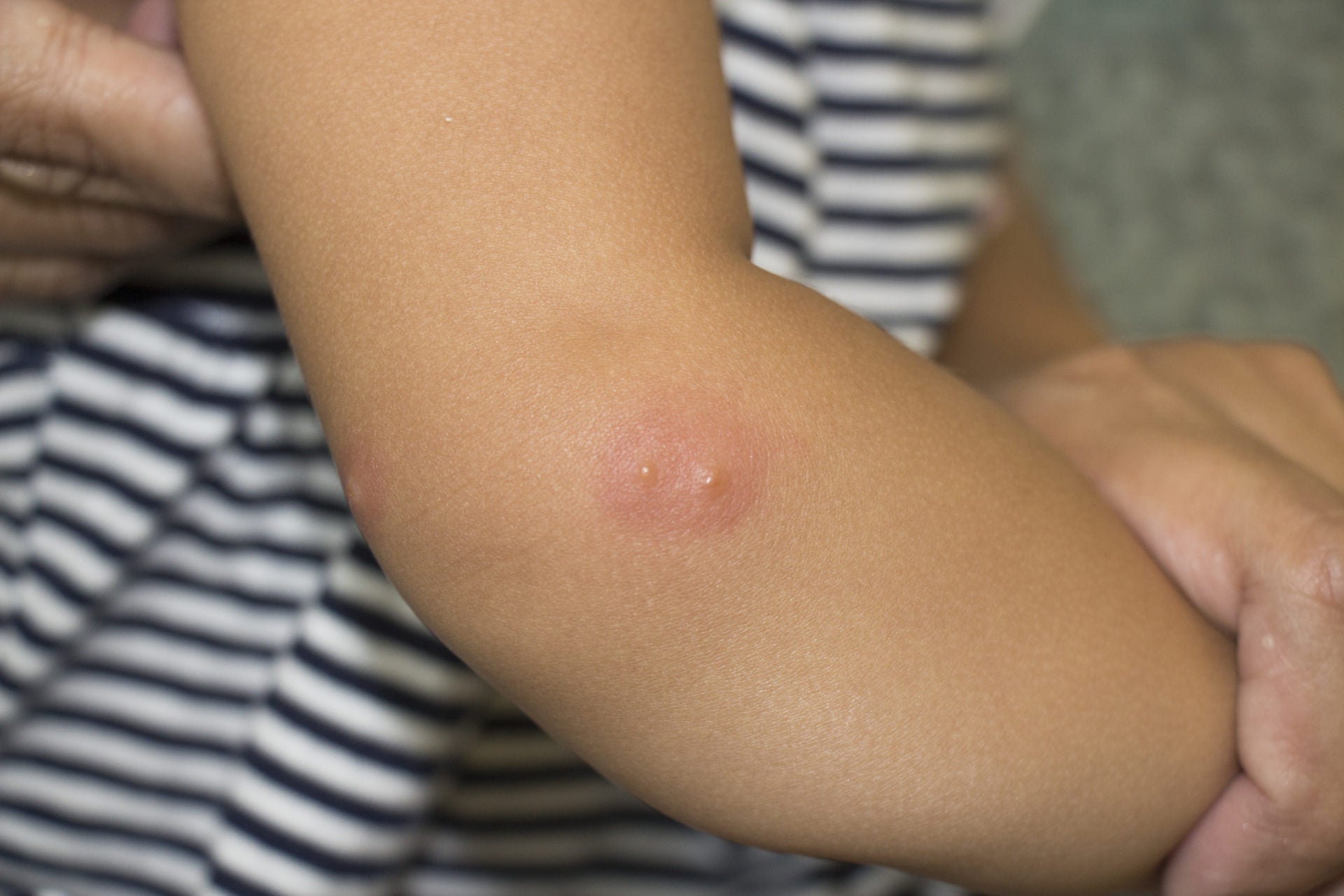
Few things can ruin a relaxing evening outdoors faster than an itchy bug bite.
Whether you are camping in the woods, gardening in your backyard, hiking on a summer trail, relaxing on your patio, or simply sleeping with the windows open, insect bites are an unavoidable part of life in many regions.
Mosquitoes, fleas, ants, chiggers, bed bugs, biting flies, and other insects can leave behind itchy, swollen, and irritating skin reactions that range from mildly annoying to intensely uncomfortable.
For some people, bug bites become more than a temporary inconvenience. Excessive scratching may lead to:
-
Skin irritation
-
Infection
-
Scarring
-
Sleep disruption
-
Allergic reactions
-
Long-lasting inflammation
The good news is that there are many effective ways to relieve itching quickly.
From common household products and over-the-counter medications to outdoor survival tricks and natural soothing methods, understanding how to respond properly after a bite can dramatically reduce discomfort.
This comprehensive guide explains:
-
Why bug bites itch
-
How to reduce itching fast
-
The best over-the-counter treatments
-
Home remedies that actually help
-
Outdoor emergency relief techniques
-
When bug bites become dangerous
-
How to avoid infections
-
The best prevention strategies for future protection
Whether you are dealing with a mosquito bite during summer vacation or an unexpected outdoor insect attack while camping, these practical itch-relief methods can help you recover more comfortably and quickly.
Why Bug Bites Itch in the First Place
Understanding the cause of itching helps explain why certain remedies work.
When an insect bites, it often injects saliva or venom into the skin.
The human immune system reacts to these foreign substances by releasing histamine and other inflammatory chemicals.
This immune response causes:
-
Itching
-
Swelling
-
Redness
-
Warmth
-
Small bumps
Mosquito bites are especially itchy because mosquito saliva contains proteins that trigger strong immune reactions in many people.
Some individuals experience only mild irritation, while others develop larger swollen areas.
Children often react more strongly because their immune systems are still developing sensitivity to insect saliva.
The First Thing You Should Do After a Bite
Quick action can reduce both itching and inflammation.
Step 1: Wash the Area
Clean the bite with:
-
Mild soap
-
Cool water
This removes:
-
Dirt
-
Bacteria
-
Residual insect irritants
Cleaning the area also reduces the risk of infection caused by scratching.
Step 2: Avoid Scratching
Scratching provides temporary relief but often worsens inflammation.
Excess scratching can:
-
Break the skin
-
Increase swelling
-
Cause bleeding
-
Introduce bacteria
-
Delay healing
Keeping nails short can help minimize skin damage.
Step 3: Reduce Swelling Quickly
Applying a cold compress early may reduce:
-
Histamine activity
-
Swelling
-
Inflammation
-
Itching intensity
Cold temperatures temporarily numb nerve endings and calm irritated tissue.
Fast Home Remedies for Itch Relief
Many effective itch-relief methods use common household products.
Ice Packs and Cold Compresses
One of the fastest ways to reduce itching is cold therapy.
Apply:
-
Ice wrapped in cloth
-
Cold packs
-
Chilled towels
for several minutes at a time.
Cold therapy works by:
-
Reducing inflammation
-
Slowing nerve signals
-
Minimizing swelling
Avoid placing ice directly on bare skin for prolonged periods.
Baking Soda Paste
Baking soda is a classic home remedy for itchy bites.
How It Works
Baking soda may help neutralize skin irritation while calming inflammation.
How to Use It
Mix:
-
Baking soda
-
Small amounts of water
until a paste forms.
Apply gently to the bite for several minutes before rinsing.
Many people find this especially helpful for mosquito bites.
Oatmeal Treatments
Oatmeal has soothing anti-inflammatory properties.
It is widely used in products designed for irritated skin.
Methods
You can use:
-
Colloidal oatmeal baths
-
Oatmeal paste
-
Oatmeal creams
This approach is especially useful for multiple bites.
Aloe Vera Gel
Aloe vera is known for its cooling and soothing effects.
It may help reduce:
-
Itching
-
Redness
-
Skin irritation
Natural aloe vera gel is commonly used after:
-
Sunburn
-
Minor burns
-
Insect bites
Refrigerated aloe vera can provide extra cooling relief.
Honey
Honey has natural antimicrobial and soothing properties.
Small amounts may help:
-
Calm irritation
-
Reduce inflammation
-
Lower infection risk
However, honey can feel sticky outdoors and may attract insects.
It is usually best used indoors.
Apple Cider Vinegar
Some people use diluted apple cider vinegar for itch relief.
The mild acidity may help reduce irritation temporarily.
However, vinegar should never be applied to:
-
Broken skin
-
Open wounds
-
Severely irritated areas
Sensitive skin may react negatively.
Tea Bags
Cool tea bags are another traditional remedy.
Tea contains tannins that may help reduce inflammation.
Chilled black tea bags are commonly applied directly to bites.
Toothpaste: Does It Really Work?
Some people apply toothpaste to bug bites because the menthol creates a cooling sensation.
While it may provide temporary distraction from itching, toothpaste is not ideal for sensitive skin.
Certain ingredients can actually increase irritation.
It is generally safer to use products specifically designed for skin care.
Over-the-Counter Medications That Help Fast
For stronger itching or swelling, nonprescription medications can be highly effective.
Hydrocortisone Cream
Hydrocortisone is one of the most commonly recommended anti-itch treatments.
It helps reduce:
-
Inflammation
-
Redness
-
Itching
Low-strength hydrocortisone creams are widely available.
They are often effective for:
-
Mosquito bites
-
Mild allergic reactions
-
Irritated skin
Use according to label directions.
Antihistamines
Because histamine plays a major role in itching, antihistamines can help significantly.
Oral Antihistamines
Common over-the-counter options may reduce:
-
Itching
-
Swelling
-
Allergic skin reactions
Some antihistamines may cause drowsiness.
Topical Antihistamines
Creams or gels containing antihistamines are also available.
However, prolonged use on irritated skin may not always be recommended.
Calamine Lotion
Calamine lotion has been used for generations.
It helps soothe:
-
Itching
-
Mild rashes
-
Insect bites
-
Poison ivy irritation
Its cooling effect can provide noticeable relief.
Anti-Itch Gels With Menthol or Pramoxine
Some modern itch-relief products contain:
-
Menthol
-
Camphor
-
Pramoxine
These ingredients work by numbing nerve sensations temporarily.
Many people find them especially helpful during outdoor activities.
Outdoor Emergency Itch Relief Tricks
Sometimes bug bites happen far from home.
Campers, hikers, anglers, and travelers may need quick relief using whatever is available.
Cold Water From Streams or Bottles
Even cold bottled water can reduce itching temporarily.
Cooling the skin slows inflammatory activity.
Mud: Use Caution
Some survival advice suggests applying mud to bites.
This is risky because mud may contain bacteria or parasites.
It is generally safer to avoid this method.
Plant-Based Remedies
Certain plants have traditionally been used for bug bite relief.
Examples include:
-
Plantain leaves
-
Witch hazel
-
Lavender oil
-
Tea tree oil
However, natural products can still irritate sensitive skin.
Always test cautiously.
Essential Oils for Itch Relief
Some essential oils may help reduce irritation.
Popular choices include:
-
Lavender oil
-
Tea tree oil
-
Peppermint oil
-
Chamomile oil
These oils should usually be diluted before skin application.
Undiluted essential oils may cause irritation or allergic reactions.
Why Mosquito Bites Affect Some People More Than Others
Some individuals seem to attract mosquitoes constantly.
Scientists believe mosquito attraction may be influenced by:
-
Body heat
-
Carbon dioxide output
-
Sweat composition
-
Skin bacteria
-
Blood type
-
Genetics
People who react strongly to mosquito bites may experience:
-
Larger welts
-
Longer-lasting itching
-
Greater swelling
Children often show more dramatic reactions.
Chigger Bites and Intense Itching
Chigger bites are notorious for severe itching.
These tiny mites are often found in:
-
Tall grass
-
Forest edges
-
Brushy areas
Symptoms
-
Extremely itchy red bumps
-
Clusters of bites
-
Irritation around tight clothing areas
Relief Tips
-
Cold compresses
-
Hydrocortisone cream
-
Antihistamines
-
Oatmeal baths
Avoid scratching aggressively.
Flea Bites
Flea bites commonly affect:
-
Ankles
-
Lower legs
-
Pets owners
Symptoms
-
Small itchy bumps
-
Bite clusters
-
Red halos
Flea infestations require both skin treatment and environmental control.
Treating only the bites without eliminating fleas often leads to recurring problems.
Bed Bug Bites
Bed bug bites can cause significant emotional stress in addition to itching.
Common Signs
-
Lines or clusters of bites
-
Morning itching
-
Bite patterns on exposed skin
Relief methods are similar to other bites, but eliminating the infestation is critical.
Fire Ant Bites and Stings
Fire ants cause painful stings that may later itch intensely.
Symptoms
-
Burning sensation
-
Red bumps
-
Pus-filled blisters
-
Swelling
Avoid popping blisters because this increases infection risk.
Cold compresses and anti-itch creams may help.
Bee Stings and Wasp Stings
Stinging insects can produce stronger reactions than typical bug bites.
Immediate Steps
Remove the Stinger
If visible, remove it carefully.
Wash the Area
Reduce contamination.
Apply Cold Therapy
Cold compresses reduce swelling.
Monitor for Allergic Reactions
Watch for:
-
Difficulty breathing
-
Facial swelling
-
Dizziness
-
Rapid heartbeat
These symptoms require emergency medical attention.
How to Stop Bug Bites From Swelling
Swelling is caused by inflammation.
Helpful methods include:
-
Cold compresses
-
Elevating affected areas
-
Antihistamines
-
Hydrocortisone
-
Avoiding scratching
Prompt treatment usually limits swelling severity.
Signs a Bug Bite May Be Infected
Most bug bites heal without major problems.
However, infection may occur if bacteria enter damaged skin.
Warning Signs
-
Increasing redness
-
Warmth
-
Pus
-
Severe swelling
-
Red streaks
-
Fever
-
Persistent pain
Medical care may be needed if infection develops.
Why Scratching Makes Things Worse
Scratching temporarily distracts the brain from itching by stimulating pain nerves.
Unfortunately, scratching also:
-
Increases inflammation
-
Damages skin
-
Delays healing
-
Raises infection risk
Breaking the itch-scratch cycle is one of the most important parts of recovery.
Best Bug Bite Relief for Kids
Children often struggle to resist scratching.
Helpful options may include:
-
Cold packs
-
Oatmeal baths
-
Child-safe anti-itch creams
-
Loose clothing
-
Short fingernails
Always follow pediatric guidance for medications.
Some products designed for adults may not be appropriate for young children.
Best Bug Bite Relief for Camping Trips
Outdoor adventures increase exposure to insects.
A good camping first-aid kit may include:
-
Hydrocortisone cream
-
Antihistamines
-
Alcohol wipes
-
Cold packs
-
Tweezers
-
Calamine lotion
-
Insect repellent
Preparedness reduces discomfort during outdoor travel.
Natural Remedies vs Medical Treatments
Many natural remedies provide temporary comfort.
However, severe allergic reactions or infections require proper medical care.
Natural approaches work best for:
-
Mild irritation
-
Temporary relief
-
Supportive skin care
More serious symptoms should never be ignored.
When Bug Bites Become Dangerous
Most bug bites are harmless.
However, some symptoms require immediate attention.
Seek Emergency Care If You Experience:
-
Difficulty breathing
-
Swollen throat
-
Severe facial swelling
-
Chest tightness
-
Confusion
-
Fainting
-
Rapidly spreading rash
These may indicate anaphylaxis, a potentially life-threatening allergic reaction.
Tick Bites Require Special Attention
Ticks can transmit diseases.
Proper Tick Removal
Use fine-tipped tweezers.
Pull steadily upward without twisting.
Avoid crushing the tick.
Watch for Symptoms
Monitor for:
-
Fever
-
Rash
-
Joint pain
-
Fatigue
Medical evaluation may be necessary.
Preventing Bug Bites Before They Happen
The best itch relief is prevention.
Use Insect Repellent
Effective repellents help reduce exposure.
Wear Protective Clothing
Long sleeves and pants reduce skin exposure.
Eliminate Standing Water
Mosquitoes breed in stagnant water.
Use Fans Outdoors
Mosquitoes are weak flyers.
Air movement helps reduce bites.
Avoid Peak Mosquito Hours
Mosquito activity often increases:
-
At dawn
-
At dusk
Why Outdoor Living Spaces Need Better Bug Control
Patios, decks, gardens, and outdoor kitchens are increasingly popular.
Unfortunately, these areas also attract insects.
Helpful prevention tools include:
-
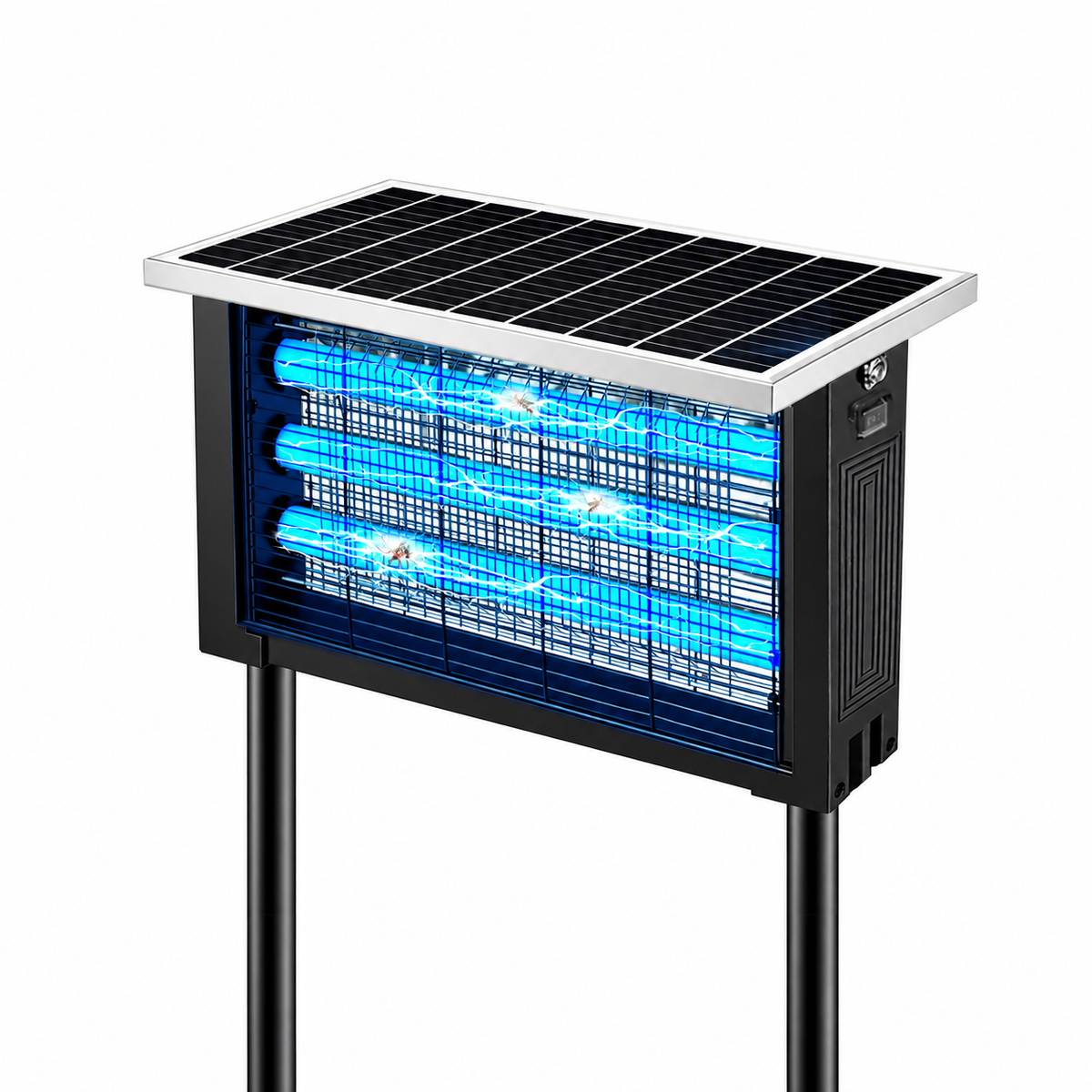
Mosquito traps
-
Citronella products
-
Outdoor fans
-
Screen enclosures
-
Proper drainage
-
Yard maintenance
Combining prevention with quick itch relief creates a far more comfortable outdoor experience.
The Role of Skin Sensitivity
Not all skin reacts the same way.
People with:
-
Allergies
-
Eczema
-
Sensitive skin
may experience stronger reactions.
Patch testing new products can help avoid additional irritation.
Why Some Bug Bites Last for Days
Itching duration depends on:
-
Immune response
-
Type of insect
-
Skin sensitivity
-
Amount of scratching
-
Secondary irritation
Repeated scratching often prolongs healing significantly.
How Heat Therapy Sometimes Helps
Some itch-relief tools use controlled heat.
Heat may temporarily disrupt itch-related nerve signals.
Certain commercial devices are specifically designed for this purpose.
However, excessive heat can burn skin.
Always use caution.
Building the Ultimate Home Bug Bite Relief Kit
A useful home kit may include:
-
Hydrocortisone cream
-
Antihistamines
-
Calamine lotion
-
Ice packs
-
Alcohol wipes
-
Bandages
-
Aloe vera gel
-
Tweezers
-
Insect repellent
Quick access to supplies makes treatment easier.
Smart Outdoor Emergency Tips for Travelers
Travelers often encounter unfamiliar insects.
Helpful precautions include:
-
Carrying repellent
-
Wearing long clothing
-
Keeping first-aid supplies available
-
Avoiding heavily infested areas
-
Checking hotel bedding carefully
Prepared travelers handle bug bites more effectively.
Common Myths About Bug Bite Relief
Myth: Scratching Helps Healing
Scratching usually worsens irritation.
Myth: All Natural Remedies Are Safe
Natural products can still trigger allergic reactions.
Myth: Toothpaste Is the Best Solution
It may irritate sensitive skin.
Myth: Mosquitoes Only Bite Certain Blood Types
Attraction involves many factors beyond blood type alone.
Final Thoughts: Fast Relief Starts With the Right Response
Bug bites are a common part of outdoor life, but intense itching does not have to ruin your comfort.
The key to fast relief is responding quickly and intelligently.
Simple actions such as:
-
Cleaning the bite
-
Applying cold therapy
-
Using anti-itch products
-
Avoiding scratching
can dramatically reduce discomfort.
Home remedies like oatmeal, aloe vera, and baking soda may help mild irritation, while over-the-counter medications often provide stronger relief for more severe reactions.
For campers, hikers, travelers, and outdoor enthusiasts, carrying basic itch-relief supplies can make a major difference during emergencies.
Most importantly, prevention remains the best long-term strategy.
Using insect repellents, protective clothing, proper yard maintenance, and outdoor bug-control methods can significantly reduce future bites.
Whether you are dealing with a single mosquito bite or multiple itchy insect attacks after a long day outdoors, understanding the right relief techniques helps you recover faster, protect your skin, and enjoy outdoor activities more comfortably.