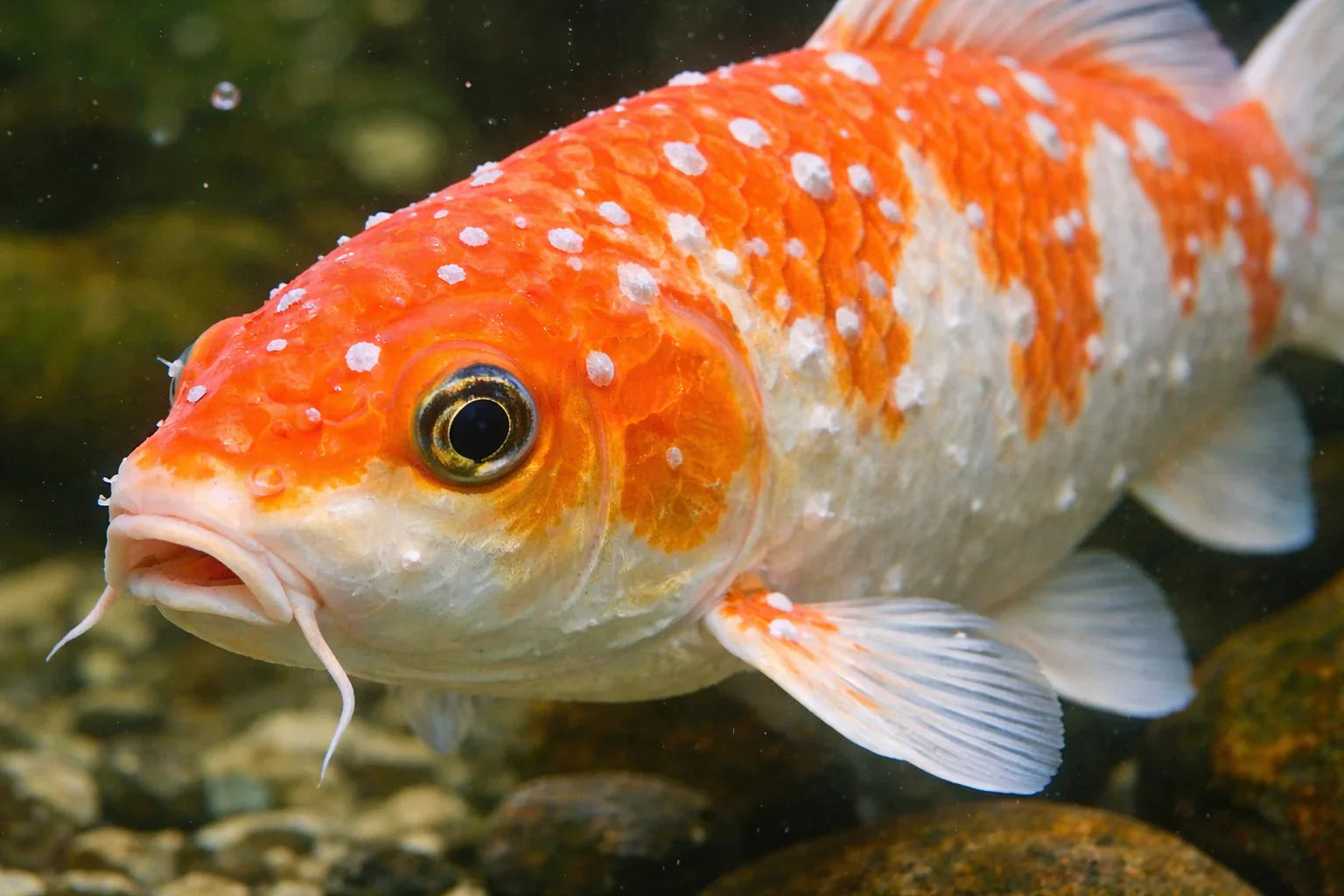
Koi are admired around the world for their beauty, graceful movement, and calming presence in garden ponds. However, even the healthiest koi can become vulnerable to disease when water quality declines, parasites invade, or stress weakens the immune system. One of the biggest challenges for pond owners is recognizing the early warning signs of illness before a manageable problem becomes a serious outbreak.
Many beginners notice something is wrong only after a koi stops eating, isolates itself, or develops visible skin damage. Unfortunately, by that point, the disease may already be spreading throughout the pond.
The good news is that many common koi diseases can be successfully treated when identified early.
This complete koi disease identification guide explains the most common illnesses affecting pond koi, including:
-
White spot disease (Ich)
-
Fin rot
-
Ulcers
-
Fungal infections
-
Gill disease
-
Costia
-
Flukes
-
Anchor worms
-
Fish lice
-
Swim bladder disorders
-
Dropsy (pinecone disease)
-
Bacterial infections
-
Viral concerns
You will also learn:
-
How to identify symptoms quickly
-
What causes each disease
-
Emergency treatment options
-
Which medications are commonly used
-
How to improve recovery success
-
Ways to prevent future outbreaks
Whether you are a beginner koi keeper or an experienced pond hobbyist, understanding koi disease management is one of the most important skills in long-term pond care.
Why Koi Become Sick
Koi are surprisingly hardy fish, but they are still vulnerable to environmental stress.
Most disease outbreaks occur because the koi’s immune system becomes weakened.
The most common causes include:
-
Poor water quality
-
Sudden temperature swings
-
Overstocked ponds
-
Inadequate filtration
-
Low oxygen levels
-
Parasite introduction
-
Stress from transport
-
Poor nutrition
-
Dirty pond conditions
-
Lack of quarantine procedures
In many cases, disease is not caused by a single factor.
Instead, several stressors combine to create conditions where pathogens can multiply rapidly.
Healthy koi living in stable, clean water are far more resistant to illness.
The First Signs of Illness in Koi
Early detection is critical.
Watch for these common warning signs:
Behavioral Symptoms
-
Flashing or rubbing against surfaces
-
Isolating from other fish
-
Hanging near waterfalls or air stones
-
Gasping at the surface
-
Clamped fins
-
Reduced appetite
-
Lethargy
-
Erratic swimming
-
Sitting on the pond bottom
Physical Symptoms
-
White spots
-
Red streaks
-
Torn fins
-
Raised scales
-
Excess slime coat
-
Cloudy eyes
-
Open sores
-
Cotton-like growths
-
Swollen abdomen
-
Pale coloration
-
Rapid gill movement
Even subtle behavior changes may indicate the beginning of a disease outbreak.
White Spot Disease (Ich)
White spot disease, also called Ich or Ichthyophthirius multifiliis, is one of the most common koi illnesses.
It is caused by a protozoan parasite.
Symptoms of Ich
Koi with Ich often develop:
-
Tiny white salt-like spots
-
Flashing behavior
-
Rapid breathing
-
Clamped fins
-
Lethargy
-
Loss of appetite
The spots usually appear on:
-
Fins
-
Body
-
Gills
Severe infestations can damage the gills and become fatal.
Causes
Ich outbreaks often occur after:
-
Sudden temperature drops
-
Introduction of infected fish
-
Stressful transport
-
Poor water conditions
Emergency Treatment
Immediate action is important.
Step 1: Improve Water Quality
Test for:
-
Ammonia
-
Nitrite
-
pH
-
Oxygen levels
Perform partial water changes if needed.
Step 2: Raise Water Temperature Carefully
Ich reproduces faster in warmer water, making treatments more effective.
Raise temperatures gradually when possible.
Step 3: Use Anti-Parasite Medication
Common treatments include:
-
Formalin
-
Malachite green
-
Salt therapy
-
Commercial Ich medications
Always follow dosage instructions carefully.
Step 4: Increase Aeration
Many medications reduce oxygen levels.
Additional aeration is essential during treatment.
Fin Rot
Fin rot is usually caused by bacterial infection.
It often develops when koi are stressed or injured.
Symptoms
-
Frayed fins
-
Red or inflamed fin edges
-
White erosion along fins
-
Fin deterioration
-
Bloody streaks
In severe cases, the fins may appear to melt away.
Causes
Common causes include:
-
Poor water quality
-
Physical injury
-
Aggressive fish
-
High organic waste
-
Untreated parasite problems
Emergency Treatment
Step 1: Correct Water Conditions
Poor water quality must be addressed immediately.
Step 2: Use Antibacterial Treatments
Common treatments include:
-
Antibiotic foods
-
Pond-safe antibacterial medications
-
Salt support therapy
Step 3: Isolate Severe Cases
Hospital tanks help reduce stress and improve treatment control.
Koi Ulcers
Ulcers are among the most serious bacterial conditions affecting koi.
They often begin as small red areas before progressing into open wounds.
Symptoms
-
Red sores
-
Open lesions
-
Missing scales
-
Inflamed tissue
-
Deep skin wounds
-
Lethargy
Advanced ulcers may expose muscle tissue.
Causes
Ulcers commonly result from:
-
Parasite damage
-
Poor water quality
-
Stress
-
Physical injuries
-
Opportunistic bacteria
Emergency Treatment
Step 1: Isolate the Fish
Move affected koi to a clean quarantine system.
Step 2: Sedate If Necessary
Large ulcers may require topical treatment.
Experienced keepers sometimes sedate koi for wound cleaning.
Step 3: Disinfect the Wound
Common topical treatments include:
-
Iodine
-
Hydrogen peroxide (carefully applied)
-
Antibacterial ointments
Step 4: Antibiotic Support
Serious ulcers may require injectable antibiotics prescribed by aquatic veterinarians.
Step 5: Maintain Excellent Water Quality
Clean water is critical for healing.
Fungal Infections
Fungal infections often appear after injuries or secondary infections.
The most common appearance resembles white cotton growing on the fish.
Symptoms
-
Cotton-like patches
-
White fuzzy growths
-
Damaged skin
-
Lethargy
Causes
Fungi usually attack weakened tissue.
Contributing factors include:
-
Injury
-
Parasites
-
Poor water quality
-
Stress
Emergency Treatment
Step 1: Treat the Underlying Cause
Fungus is often secondary to another problem.
Step 2: Apply Antifungal Medications
Common options include:
-
Malachite green
-
Salt treatments
-
Antifungal pond medications
Step 3: Improve Pond Hygiene
Remove decaying organic matter and improve filtration.
Costia
Costia is a microscopic parasite capable of killing koi quickly.
It is especially dangerous in stressed or newly imported fish.
Symptoms
-
Excess slime coat
-
Flashing
-
Clamped fins
-
Grey patches
-
Rapid breathing
-
Lethargy
In severe cases, the skin may appear cloudy.
Causes
Costia spreads rapidly in:
-
Crowded ponds
-
Dirty water
-
Weak immune systems
Emergency Treatment
Step 1: Confirm Diagnosis
Microscope examination is ideal.
Step 2: Use Anti-Parasite Treatments
Common treatments include:
-
Formalin
-
Potassium permanganate
-
Salt in some cases
Step 3: Increase Oxygen
Strong aeration is critical during treatment.
Gill Flukes and Skin Flukes
Flukes are common parasites in koi ponds.
They attach to skin or gills and weaken fish over time.
Symptoms
-
Flashing
-
Heavy breathing
-
Clamped fins
-
Excess mucus
-
Lethargy
-
Poor appetite
Gill flukes are particularly dangerous because they damage respiratory tissue.
Causes
Flukes often enter ponds through:
-
New fish
-
Contaminated equipment
-
Shared nets
Emergency Treatment
Step 1: Diagnose Correctly
Microscopic confirmation is highly recommended.
Step 2: Use Fluke Medication
Praziquantel is commonly used.
Other anti-fluke medications are also available.
Step 3: Repeat Treatment if Needed
Some fluke eggs survive initial treatment.
Follow-up dosing may be necessary.
Anchor Worms
Anchor worms are visible parasites that embed into koi skin.
Despite the name, they are actually crustaceans.
Symptoms
-
Thread-like worms protruding from skin
-
Red inflammation
-
Flashing
-
Ulcers around attachment sites
Causes
Anchor worms spread through:
-
Infected fish
-
Contaminated pond systems
Emergency Treatment
Step 1: Remove Visible Parasites
Large parasites may be carefully removed with tweezers.
Step 2: Disinfect Wounds
Use antiseptic treatments on affected areas.
Step 3: Treat Entire Pond
Medication is needed to eliminate unseen parasites.
Fish Lice
Fish lice are another visible crustacean parasite.
They appear as small disc-shaped insects attached to koi skin.
Symptoms
-
Visible parasites
-
Flashing
-
Red irritation
-
Stress behavior
-
Ulcers
Emergency Treatment
Step 1: Confirm Presence
Fish lice are usually visible without magnification.
Step 2: Use Parasite Medication
Organophosphate-free parasite treatments are commonly used.
Step 3: Monitor for Secondary Infection
Damaged skin may become infected.
Bacterial Gill Disease
Gill disease can become life-threatening because it affects oxygen exchange.
Symptoms
-
Rapid breathing
-
Hanging near waterfalls
-
Gasping at surface
-
Lethargy
-
Reduced appetite
Causes
Gill damage may result from:
-
Bacteria
-
Parasites
-
Poor water quality
-
Ammonia burns
Emergency Treatment
Step 1: Test Water Immediately
Check:
-
Ammonia
-
Nitrite
-
Oxygen
-
Temperature
Step 2: Increase Aeration
Strong oxygen support is critical.
Step 3: Use Appropriate Medication
Treatment depends on whether bacteria or parasites are involved.
Swim Bladder Disorders
Swim bladder issues affect buoyancy control.
Symptoms
-
Floating sideways
-
Difficulty diving
-
Sinking uncontrollably
-
Loss of balance
Causes
Potential causes include:
-
Constipation
-
Infection
-
Physical injury
-
Internal organ problems
Emergency Treatment
Step 1: Stop Feeding Temporarily
Short fasting periods may help mild digestive issues.
Step 2: Improve Water Conditions
Stress reduction is important.
Step 3: Observe Closely
Persistent buoyancy problems may indicate severe internal disease.
Dropsy (Pinecone Disease)
Dropsy is one of the most feared koi conditions.
It is not a single disease but rather a symptom of severe internal failure.
The classic “pinecone” appearance occurs when scales stick outward.
Symptoms
-
Raised scales
-
Swollen abdomen
-
Lethargy
-
Bulging eyes
-
Poor appetite
-
Fluid retention
Causes
Dropsy is commonly linked to:
-
Kidney failure
-
Internal bacterial infection
-
Organ dysfunction
-
Severe stress
Emergency Treatment
Step 1: Quarantine Immediately
Affected koi should be isolated.
Step 2: Improve Water Quality
Pristine water is essential.
Step 3: Salt Support Therapy
Salt may help reduce osmotic stress.
Step 4: Antibiotic Treatment
Advanced bacterial cases may require veterinary antibiotics.
Prognosis
Unfortunately, dropsy often carries a poor survival rate once advanced.
Early intervention offers the best chance.
Viral Diseases in Koi
Some viral diseases are extremely serious.
Koi Herpesvirus (KHV)
KHV is highly contagious and potentially devastating.
Symptoms
-
Sudden deaths
-
Gill damage
-
Lethargy
-
Skin lesions
-
Sunken eyes
Prevention
-
Strict quarantine
-
Purchasing from reputable dealers
-
Avoiding contaminated equipment
There is no guaranteed cure.
Carp Pox
Carp pox is generally less dangerous.
Symptoms
-
Waxy white growths
-
Smooth skin lesions
Carp pox often appears during cooler temperatures.
Parasites vs Bacterial Infections
One of the biggest mistakes beginners make is confusing parasites with bacterial disease.
Parasites often create:
-
Flashing
-
Irritation
-
Excess mucus
-
Rapid breathing
Bacterial infections more commonly produce:
-
Ulcers
-
Redness
-
Fin erosion
-
Tissue decay
However, parasites frequently lead to bacterial infections.
This is why accurate diagnosis matters.
The Importance of Quarantine Tanks
A quarantine tank is one of the best investments for koi health.
New fish should ideally be quarantined for several weeks before entering the main pond.
Benefits include:
-
Disease observation
-
Safer treatment
-
Reduced outbreak risk
-
Stress recovery
Quarantine systems do not need to be elaborate.
Even simple setups can dramatically reduce disease introduction.
Essential Pond Water Parameters
Healthy water supports strong immunity.
Recommended targets include:
-
Ammonia: 0 ppm
-
Nitrite: 0 ppm
-
Stable pH
-
Strong aeration
-
Moderate nitrate levels
-
Consistent temperature
Sudden water changes can stress koi significantly.
Stability matters more than chasing perfect numbers.
Emergency Koi Hospital Tank Setup
Every serious koi keeper should understand how to build a temporary hospital tank.
Basic Equipment
-
Large tank or tub
-
Air pump
-
Sponge filter
-
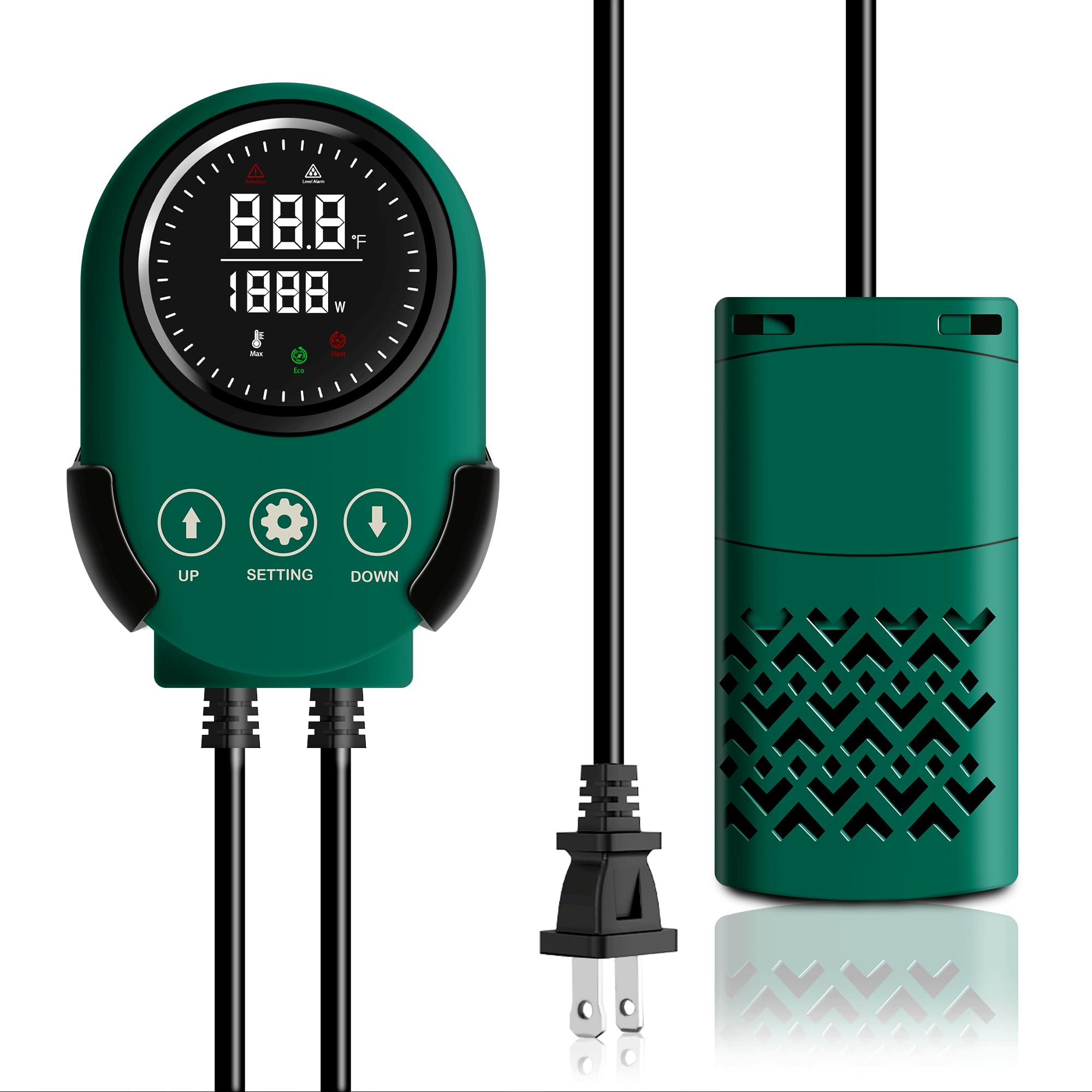
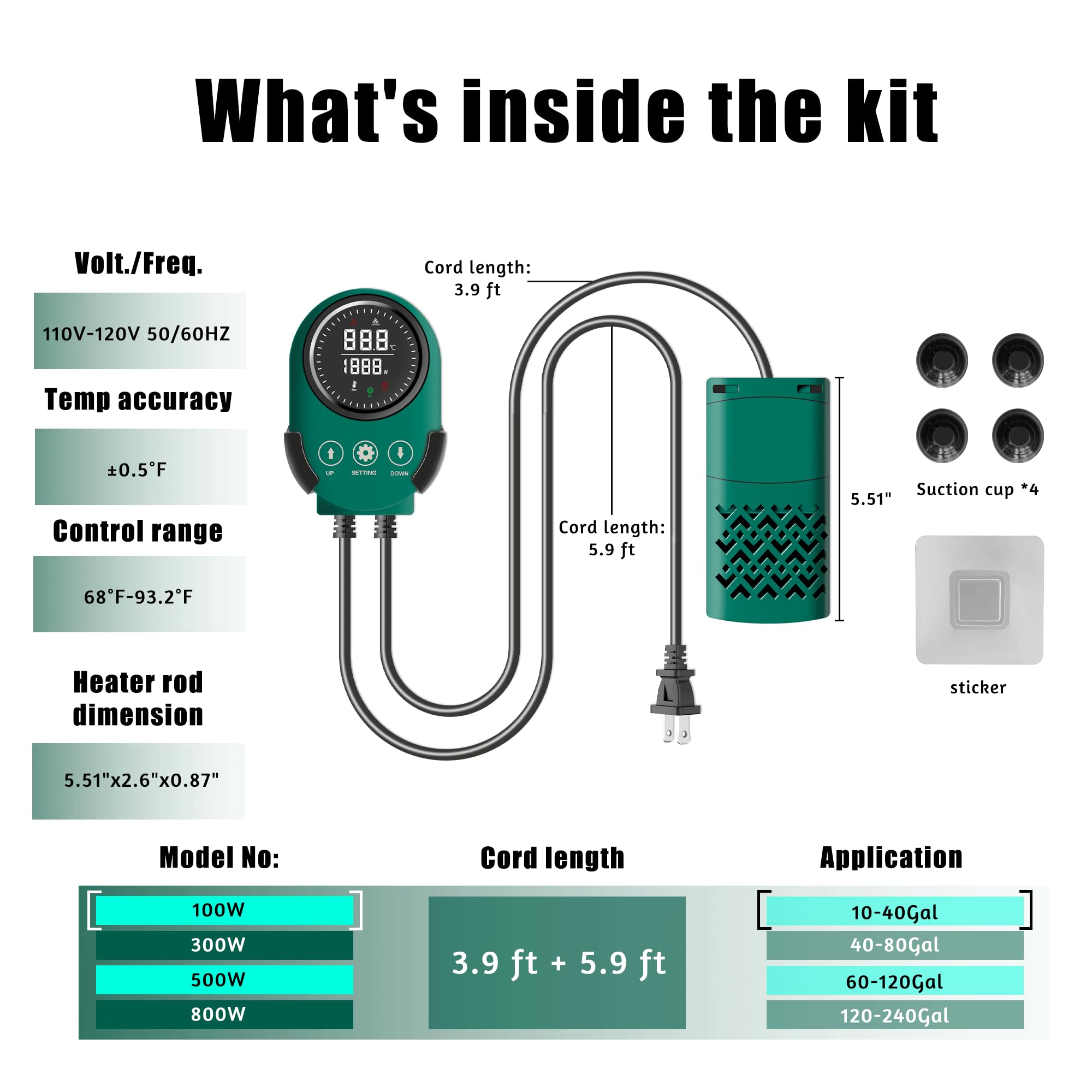
Heater if necessary
-
Water test kits
-
Net cover
Hospital Tank Goals
-
Reduce stress
-
Improve observation
-
Control medication dosing
-
Prevent disease spread
Always cycle filtration when possible.
Poor hospital water can worsen illness.
Salt Therapy for Koi
Salt is widely used in koi keeping.
It may help with:
-
Osmotic stress
-
Mild parasite support
-
Nitrite toxicity reduction
However, salt is not a cure-all.
Overuse can harm:
-
Plants
-
Biofilters
-
Sensitive fish
Always measure salinity carefully.
When to Call an Aquatic Veterinarian
Some conditions require professional help.
Seek veterinary assistance when:
-
Fish stop eating for extended periods
-
Large ulcers appear
-
Multiple fish die suddenly
-
Dropsy develops
-
Severe bleeding occurs
-
Viral disease is suspected
Advanced diagnostics may include:
-
Microscopy
-
Culture testing
-
Biopsy
-
Laboratory analysis
Common Beginner Mistakes During Treatment
Mixing Medications Randomly
Some medications interact dangerously.
Ignoring Water Quality
Medication cannot compensate for toxic water.
Overdosing
More medication is not always better.
Treating Without Diagnosis
Guesswork may worsen the situation.
Failing to Increase Aeration
Many treatments lower oxygen levels.
Skipping Quarantine
New fish are a major disease source.
Preventing Koi Diseases Long-Term
Prevention is always easier than treatment.
Maintain Excellent Filtration
Good biological filtration reduces stress and toxins.
Avoid Overstocking
Crowded ponds spread disease faster.
Feed High-Quality Nutrition
Healthy koi resist infections better.
Perform Regular Water Changes
Fresh water improves stability.
Quarantine New Fish
Never add new koi directly into the main pond.
Monitor Fish Daily
Early detection saves lives.
Clean Equipment
Nets and tools can spread pathogens.
Seasonal Disease Risks
Different seasons create different disease pressures.
Spring
Koi immunity is weaker after winter.
Parasites often become active quickly.
Summer
Warm water accelerates bacterial growth.
Oxygen levels may drop during heat waves.
Fall
Temperature swings stress fish.
Winter
Cold temperatures slow immune response.
Poor winter preparation increases spring disease risk.
Building a Strong Immune System in Koi
Healthy koi are naturally more disease-resistant.
Important factors include:
-
Stable water
-
Proper nutrition
-
Low stress
-
Adequate oxygen
-
Seasonal feeding adjustments
-
Clean pond conditions
Strong immunity is the best defense against many pathogens.
Understanding Stress in Koi
Stress plays a major role in disease outbreaks.
Common stress sources include:
-
Predator attacks
-
Handling
-
Transportation
-
Rapid temperature changes
-
Poor water chemistry
-
Aggressive tankmates
Chronically stressed koi become vulnerable to parasites and bacterial infections.
Reducing stress should always be part of treatment.
How to Observe Koi Properly
Daily observation is one of the most valuable skills in koi keeping.
Healthy koi usually:
-
Swim confidently
-
Feed aggressively
-
Interact socially
-
Display smooth breathing
-
Show clean skin and fins
Subtle changes often appear before obvious disease symptoms.
Even five minutes of observation per day can help catch problems early.
Are Natural Remedies Effective?
Some pond owners experiment with natural approaches such as:
-
Garlic supplements
-
Herbal additives
-
Probiotics
-
Mineral support
While some methods may provide supportive benefits, serious infections often require proven medications.
Natural remedies should never replace proper diagnosis and water management.
Final Thoughts: Successful Koi Disease Management Starts With Observation
Koi disease prevention and treatment can feel overwhelming at first, especially when symptoms appear suddenly. However, most successful koi keepers eventually realize that healthy ponds are built on consistency rather than emergency reactions.
The most important lessons include:
-
Watch your koi daily
-
Maintain excellent water quality
-
Quarantine new fish
-
Respond quickly to symptoms
-
Avoid panic treatments
-
Improve oxygenation during illness
-
Focus on long-term stability
From white spot disease and parasites to severe conditions like ulcers and dropsy, early intervention dramatically improves survival rates.
No medication can replace clean water, proper filtration, balanced nutrition, and low-stress pond conditions.
When these fundamentals are managed correctly, koi become far more resilient and capable of resisting disease naturally.
The healthiest koi ponds are not necessarily the most expensive ones.
They are the ponds where owners pay attention consistently, act carefully, and create stable environments where fish can thrive year after year.
Common Koi Diseases Identification Guide: Practical Emergency Treatments From Ich to Dropsy
Koi are admired around the world for their beauty, graceful movement, and calming presence in garden ponds. However, even the healthiest koi can become vulnerable to disease when water quality declines, parasites invade, or stress weakens the immune system. One of the biggest challenges for pond owners is recognizing the early warning signs of illness before a manageable problem becomes a serious outbreak.
Many beginners notice something is wrong only after a koi stops eating, isolates itself, or develops visible skin damage. Unfortunately, by that point, the disease may already be spreading throughout the pond.
The good news is that many common koi diseases can be successfully treated when identified early.
This complete koi disease identification guide explains the most common illnesses affecting pond koi, including:
-
White spot disease (Ich)
-
Fin rot
-
Ulcers
-
Fungal infections
-
Gill disease
-
Costia
-
Flukes
-
Anchor worms
-
Fish lice
-
Swim bladder disorders
-
Dropsy (pinecone disease)
-
Bacterial infections
-
Viral concerns
You will also learn:
-
How to identify symptoms quickly
-
What causes each disease
-
Emergency treatment options
-
Which medications are commonly used
-
How to improve recovery success
-
Ways to prevent future outbreaks
Whether you are a beginner koi keeper or an experienced pond hobbyist, understanding koi disease management is one of the most important skills in long-term pond care.
Why Koi Become Sick
Koi are surprisingly hardy fish, but they are still vulnerable to environmental stress.
Most disease outbreaks occur because the koi’s immune system becomes weakened.
The most common causes include:
-
Poor water quality
-
Sudden temperature swings
-
Overstocked ponds
-
Inadequate filtration
-
Low oxygen levels
-
Parasite introduction
-
Stress from transport
-
Poor nutrition
-
Dirty pond conditions
-
Lack of quarantine procedures
In many cases, disease is not caused by a single factor.
Instead, several stressors combine to create conditions where pathogens can multiply rapidly.
Healthy koi living in stable, clean water are far more resistant to illness.
The First Signs of Illness in Koi
Early detection is critical.
Watch for these common warning signs:
Behavioral Symptoms
-
Flashing or rubbing against surfaces
-
Isolating from other fish
-
Hanging near waterfalls or air stones
-
Gasping at the surface
-
Clamped fins
-
Reduced appetite
-
Lethargy
-
Erratic swimming
-
Sitting on the pond bottom
Physical Symptoms
-
White spots
-
Red streaks
-
Torn fins
-
Raised scales
-
Excess slime coat
-
Cloudy eyes
-
Open sores
-
Cotton-like growths
-
Swollen abdomen
-
Pale coloration
-
Rapid gill movement
Even subtle behavior changes may indicate the beginning of a disease outbreak.
White Spot Disease (Ich)
White spot disease, also called Ich or Ichthyophthirius multifiliis, is one of the most common koi illnesses.
It is caused by a protozoan parasite.
Symptoms of Ich
Koi with Ich often develop:
-
Tiny white salt-like spots
-
Flashing behavior
-
Rapid breathing
-
Clamped fins
-
Lethargy
-
Loss of appetite
The spots usually appear on:
-
Fins
-
Body
-
Gills
Severe infestations can damage the gills and become fatal.
Causes
Ich outbreaks often occur after:
-
Sudden temperature drops
-
Introduction of infected fish
-
Stressful transport
-
Poor water conditions
Emergency Treatment
Immediate action is important.
Step 1: Improve Water Quality
Test for:
-
Ammonia
-
Nitrite
-
pH
-
Oxygen levels
Perform partial water changes if needed.
Step 2: Raise Water Temperature Carefully
Ich reproduces faster in warmer water, making treatments more effective.
Raise temperatures gradually when possible.
Step 3: Use Anti-Parasite Medication
Common treatments include:
-
Formalin
-
Malachite green
-
Salt therapy
-
Commercial Ich medications
Always follow dosage instructions carefully.
Step 4: Increase Aeration
Many medications reduce oxygen levels.
Additional aeration is essential during treatment.
Fin Rot
Fin rot is usually caused by bacterial infection.
It often develops when koi are stressed or injured.
Symptoms
-
Frayed fins
-
Red or inflamed fin edges
-
White erosion along fins
-
Fin deterioration
-
Bloody streaks
In severe cases, the fins may appear to melt away.
Causes
Common causes include:
-
Poor water quality
-
Physical injury
-
Aggressive fish
-
High organic waste
-
Untreated parasite problems
Emergency Treatment
Step 1: Correct Water Conditions
Poor water quality must be addressed immediately.
Step 2: Use Antibacterial Treatments
Common treatments include:
-
Antibiotic foods
-
Pond-safe antibacterial medications
-
Salt support therapy
Step 3: Isolate Severe Cases
Hospital tanks help reduce stress and improve treatment control.
Koi Ulcers
Ulcers are among the most serious bacterial conditions affecting koi.
They often begin as small red areas before progressing into open wounds.
Symptoms
-
Red sores
-
Open lesions
-
Missing scales
-
Inflamed tissue
-
Deep skin wounds
-
Lethargy
Advanced ulcers may expose muscle tissue.
Causes
Ulcers commonly result from:
-
Parasite damage
-
Poor water quality
-
Stress
-
Physical injuries
-
Opportunistic bacteria
Emergency Treatment
Step 1: Isolate the Fish
Move affected koi to a clean quarantine system.
Step 2: Sedate If Necessary
Large ulcers may require topical treatment.
Experienced keepers sometimes sedate koi for wound cleaning.
Step 3: Disinfect the Wound
Common topical treatments include:
-
Iodine
-
Hydrogen peroxide (carefully applied)
-
Antibacterial ointments
Step 4: Antibiotic Support
Serious ulcers may require injectable antibiotics prescribed by aquatic veterinarians.
Step 5: Maintain Excellent Water Quality
Clean water is critical for healing.
Fungal Infections
Fungal infections often appear after injuries or secondary infections.
The most common appearance resembles white cotton growing on the fish.
Symptoms
-
Cotton-like patches
-
White fuzzy growths
-
Damaged skin
-
Lethargy
Causes
Fungi usually attack weakened tissue.
Contributing factors include:
-
Injury
-
Parasites
-
Poor water quality
-
Stress
Emergency Treatment
Step 1: Treat the Underlying Cause
Fungus is often secondary to another problem.
Step 2: Apply Antifungal Medications
Common options include:
-
Malachite green
-
Salt treatments
-
Antifungal pond medications
Step 3: Improve Pond Hygiene
Remove decaying organic matter and improve filtration.
Costia
Costia is a microscopic parasite capable of killing koi quickly.
It is especially dangerous in stressed or newly imported fish.
Symptoms
-
Excess slime coat
-
Flashing
-
Clamped fins
-
Grey patches
-
Rapid breathing
-
Lethargy
In severe cases, the skin may appear cloudy.
Causes
Costia spreads rapidly in:
-
Crowded ponds
-
Dirty water
-
Weak immune systems
Emergency Treatment
Step 1: Confirm Diagnosis
Microscope examination is ideal.
Step 2: Use Anti-Parasite Treatments
Common treatments include:
-
Formalin
-
Potassium permanganate
-
Salt in some cases
Step 3: Increase Oxygen
Strong aeration is critical during treatment.
Gill Flukes and Skin Flukes
Flukes are common parasites in koi ponds.
They attach to skin or gills and weaken fish over time.
Symptoms
-
Flashing
-
Heavy breathing
-
Clamped fins
-
Excess mucus
-
Lethargy
-
Poor appetite
Gill flukes are particularly dangerous because they damage respiratory tissue.
Causes
Flukes often enter ponds through:
-
New fish
-
Contaminated equipment
-
Shared nets
Emergency Treatment
Step 1: Diagnose Correctly
Microscopic confirmation is highly recommended.
Step 2: Use Fluke Medication
Praziquantel is commonly used.
Other anti-fluke medications are also available.
Step 3: Repeat Treatment if Needed
Some fluke eggs survive initial treatment.
Follow-up dosing may be necessary.
Anchor Worms
Anchor worms are visible parasites that embed into koi skin.
Despite the name, they are actually crustaceans.
Symptoms
-
Thread-like worms protruding from skin
-
Red inflammation
-
Flashing
-
Ulcers around attachment sites
Causes
Anchor worms spread through:
-
Infected fish
-
Contaminated pond systems
Emergency Treatment
Step 1: Remove Visible Parasites
Large parasites may be carefully removed with tweezers.
Step 2: Disinfect Wounds
Use antiseptic treatments on affected areas.
Step 3: Treat Entire Pond
Medication is needed to eliminate unseen parasites.
Fish Lice
Fish lice are another visible crustacean parasite.
They appear as small disc-shaped insects attached to koi skin.
Symptoms
-
Visible parasites
-
Flashing
-
Red irritation
-
Stress behavior
-
Ulcers
Emergency Treatment
Step 1: Confirm Presence
Fish lice are usually visible without magnification.
Step 2: Use Parasite Medication
Organophosphate-free parasite treatments are commonly used.
Step 3: Monitor for Secondary Infection
Damaged skin may become infected.
Bacterial Gill Disease
Gill disease can become life-threatening because it affects oxygen exchange.
Symptoms
-
Rapid breathing
-
Hanging near waterfalls
-
Gasping at surface
-
Lethargy
-
Reduced appetite
Causes
Gill damage may result from:
-
Bacteria
-
Parasites
-
Poor water quality
-
Ammonia burns
Emergency Treatment
Step 1: Test Water Immediately
Check:
-
Ammonia
-
Nitrite
-
Oxygen
-
Temperature
Step 2: Increase Aeration
Strong oxygen support is critical.
Step 3: Use Appropriate Medication
Treatment depends on whether bacteria or parasites are involved.
Swim Bladder Disorders
Swim bladder issues affect buoyancy control.
Symptoms
-
Floating sideways
-
Difficulty diving
-
Sinking uncontrollably
-
Loss of balance
Causes
Potential causes include:
-
Constipation
-
Infection
-
Physical injury
-
Internal organ problems
Emergency Treatment
Step 1: Stop Feeding Temporarily
Short fasting periods may help mild digestive issues.
Step 2: Improve Water Conditions
Stress reduction is important.
Step 3: Observe Closely
Persistent buoyancy problems may indicate severe internal disease.
Dropsy (Pinecone Disease)
Dropsy is one of the most feared koi conditions.
It is not a single disease but rather a symptom of severe internal failure.
The classic “pinecone” appearance occurs when scales stick outward.
Symptoms
-
Raised scales
-
Swollen abdomen
-
Lethargy
-
Bulging eyes
-
Poor appetite
-
Fluid retention
Causes
Dropsy is commonly linked to:
-
Kidney failure
-
Internal bacterial infection
-
Organ dysfunction
-
Severe stress
Emergency Treatment
Step 1: Quarantine Immediately
Affected koi should be isolated.
Step 2: Improve Water Quality
Pristine water is essential.
Step 3: Salt Support Therapy
Salt may help reduce osmotic stress.
Step 4: Antibiotic Treatment
Advanced bacterial cases may require veterinary antibiotics.
Prognosis
Unfortunately, dropsy often carries a poor survival rate once advanced.
Early intervention offers the best chance.
Viral Diseases in Koi
Some viral diseases are extremely serious.
Koi Herpesvirus (KHV)
KHV is highly contagious and potentially devastating.
Symptoms
-
Sudden deaths
-
Gill damage
-
Lethargy
-
Skin lesions
-
Sunken eyes
Prevention
-
Strict quarantine
-
Purchasing from reputable dealers
-
Avoiding contaminated equipment
There is no guaranteed cure.
Carp Pox
Carp pox is generally less dangerous.
Symptoms
-
Waxy white growths
-
Smooth skin lesions
Carp pox often appears during cooler temperatures.
Parasites vs Bacterial Infections
One of the biggest mistakes beginners make is confusing parasites with bacterial disease.
Parasites often create:
-
Flashing
-
Irritation
-
Excess mucus
-
Rapid breathing
Bacterial infections more commonly produce:
-
Ulcers
-
Redness
-
Fin erosion
-
Tissue decay
However, parasites frequently lead to bacterial infections.
This is why accurate diagnosis matters.
The Importance of Quarantine Tanks
A quarantine tank is one of the best investments for koi health.
New fish should ideally be quarantined for several weeks before entering the main pond.
Benefits include:
-
Disease observation
-
Safer treatment
-
Reduced outbreak risk
-
Stress recovery
Quarantine systems do not need to be elaborate.
Even simple setups can dramatically reduce disease introduction.
Essential Pond Water Parameters
Healthy water supports strong immunity.
Recommended targets include:
-
Ammonia: 0 ppm
-
Nitrite: 0 ppm
-
Stable pH
-
Strong aeration
-
Moderate nitrate levels
-
Consistent temperature
Sudden water changes can stress koi significantly.
Stability matters more than chasing perfect numbers.
Emergency Koi Hospital Tank Setup
Every serious koi keeper should understand how to build a temporary hospital tank.
Basic Equipment
-
Large tank or tub
-
Air pump
-
Sponge filter
-
Heater if necessary
-
Water test kits
-
Net cover
Hospital Tank Goals
-
Reduce stress
-
Improve observation
-
Control medication dosing
-
Prevent disease spread
Always cycle filtration when possible.
Poor hospital water can worsen illness.
Salt Therapy for Koi
Salt is widely used in koi keeping.
It may help with:
-
Osmotic stress
-
Mild parasite support
-
Nitrite toxicity reduction
However, salt is not a cure-all.
Overuse can harm:
-
Plants
-
Biofilters
-
Sensitive fish
Always measure salinity carefully.
When to Call an Aquatic Veterinarian
Some conditions require professional help.
Seek veterinary assistance when:
-
Fish stop eating for extended periods
-
Large ulcers appear
-
Multiple fish die suddenly
-
Dropsy develops
-
Severe bleeding occurs
-
Viral disease is suspected
Advanced diagnostics may include:
-
Microscopy
-
Culture testing
-
Biopsy
-
Laboratory analysis
Common Beginner Mistakes During Treatment
Mixing Medications Randomly
Some medications interact dangerously.
Ignoring Water Quality
Medication cannot compensate for toxic water.
Overdosing
More medication is not always better.
Treating Without Diagnosis
Guesswork may worsen the situation.
Failing to Increase Aeration
Many treatments lower oxygen levels.
Skipping Quarantine
New fish are a major disease source.
Preventing Koi Diseases Long-Term
Prevention is always easier than treatment.
Maintain Excellent Filtration
Good biological filtration reduces stress and toxins.
Avoid Overstocking
Crowded ponds spread disease faster.
Feed High-Quality Nutrition
Healthy koi resist infections better.
Perform Regular Water Changes
Fresh water improves stability.
Quarantine New Fish
Never add new koi directly into the main pond.
Monitor Fish Daily
Early detection saves lives.
Clean Equipment
Nets and tools can spread pathogens.
Seasonal Disease Risks
Different seasons create different disease pressures.
Spring
Koi immunity is weaker after winter.
Parasites often become active quickly.
Summer
Warm water accelerates bacterial growth.
Oxygen levels may drop during heat waves.
Fall
Temperature swings stress fish.
Winter
Cold temperatures slow immune response.
Poor winter preparation increases spring disease risk.
Building a Strong Immune System in Koi
Healthy koi are naturally more disease-resistant.
Important factors include:
-
Stable water
-
Proper nutrition
-
Low stress
-
Adequate oxygen
-
Seasonal feeding adjustments
-
Clean pond conditions
Strong immunity is the best defense against many pathogens.
Understanding Stress in Koi
Stress plays a major role in disease outbreaks.
Common stress sources include:
-
Predator attacks
-
Handling
-
Transportation
-
Rapid temperature changes
-
Poor water chemistry
-
Aggressive tankmates
Chronically stressed koi become vulnerable to parasites and bacterial infections.
Reducing stress should always be part of treatment.
How to Observe Koi Properly
Daily observation is one of the most valuable skills in koi keeping.
Healthy koi usually:
-
Swim confidently
-
Feed aggressively
-
Interact socially
-
Display smooth breathing
-
Show clean skin and fins
Subtle changes often appear before obvious disease symptoms.
Even five minutes of observation per day can help catch problems early.
Are Natural Remedies Effective?
Some pond owners experiment with natural approaches such as:
-
Garlic supplements
-
Herbal additives
-
Probiotics
-
Mineral support
While some methods may provide supportive benefits, serious infections often require proven medications.
Natural remedies should never replace proper diagnosis and water management.
Final Thoughts: Successful Koi Disease Management Starts With Observation
Koi disease prevention and treatment can feel overwhelming at first, especially when symptoms appear suddenly. However, most successful koi keepers eventually realize that healthy ponds are built on consistency rather than emergency reactions.
The most important lessons include:
-
Watch your koi daily
-
Maintain excellent water quality
-
Quarantine new fish
-
Respond quickly to symptoms
-
Avoid panic treatments
-
Improve oxygenation during illness
-
Focus on long-term stability
From white spot disease and parasites to severe conditions like ulcers and dropsy, early intervention dramatically improves survival rates.
No medication can replace clean water, proper filtration, balanced nutrition, and low-stress pond conditions.
When these fundamentals are managed correctly, koi become far more resilient and capable of resisting disease naturally.
The healthiest koi ponds are not necessarily the most expensive ones.
They are the ponds where owners pay attention consistently, act carefully, and create stable environments where fish can thrive year after year.