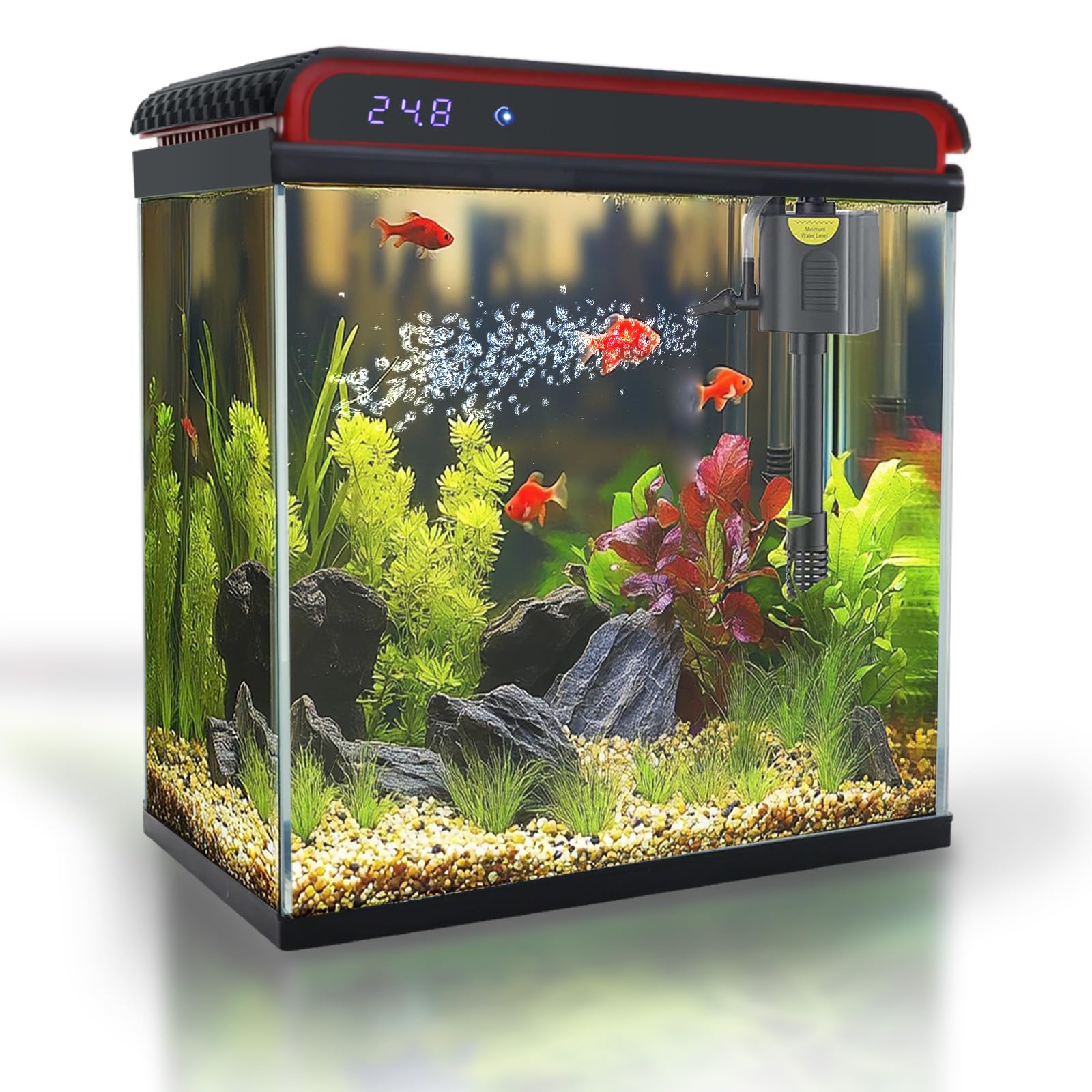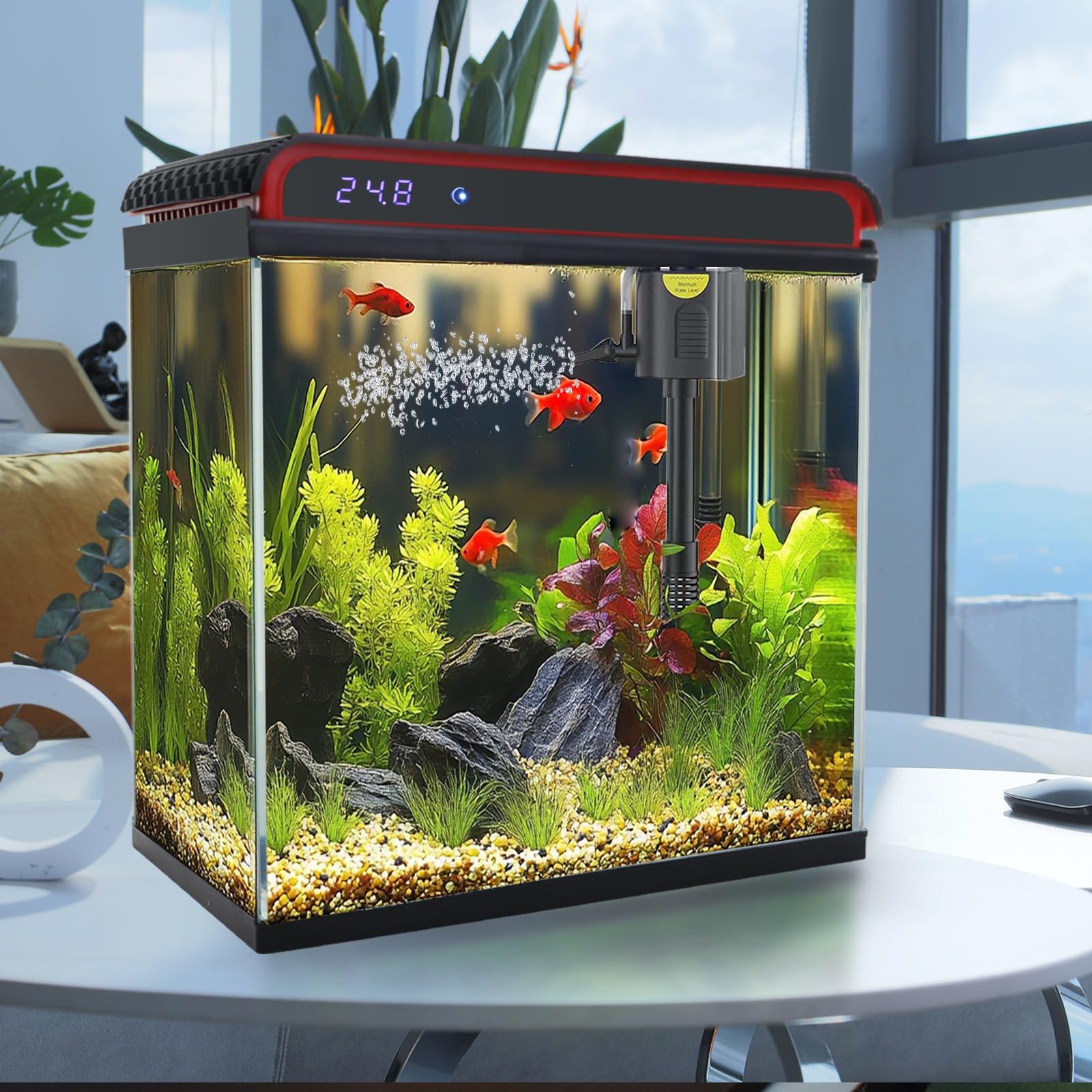
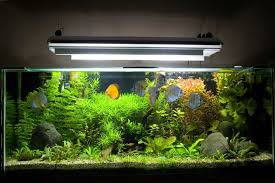
One day your tank looks crystal clear, showcasing vibrant fish and carefully arranged plants. The next, the water turns cloudy green, visibility drops, and the entire aquarium begins to resemble pea soup. Water changes help temporarily, algae treatments offer inconsistent results, and cleaning seems endless.
What many hobbyists don’t realize is that the solution to this problem has roots far beyond home aquariums. The technology behind aquarium UV sterilizers originates from natural ecosystem science and water management strategies used in forests, lakes, and large-scale environmental systems.
UV sterilization works not by masking algae symptoms but by interrupting the biological cycle that allows green algae to multiply.
Understanding how this process works — and why it’s so effective — changes how aquarists approach algae control entirely.
Why Green Algae Appears So Suddenly
Green water algae, often caused by microscopic phytoplankton, behaves differently from algae growing on glass or decorations.
Unlike surface algae, green water algae floats freely in the water column.
This means:
-
it multiplies rapidly,
-
spreads evenly through circulation,
-
and reproduces faster than mechanical filtration can remove it.
Under ideal conditions, algae populations can double within hours.
Common triggers include:
-
excess nutrients
-
intense lighting
-
unstable biological balance
-
new tank setups
-
seasonal sunlight changes
Even well-maintained aquariums experience outbreaks.
Lessons from Natural Forest Waters
In forest ecosystems, water clarity depends on delicate biological balance.
Streams flowing through forests rarely turn opaque green despite abundant organic matter. This stability occurs because multiple natural mechanisms limit uncontrolled microbial growth:
-
sunlight filtration through tree canopies
-
microbial competition
-
ultraviolet radiation exposure
-
continuous water movement
Natural UV radiation from sunlight plays a significant role in limiting free-floating microorganisms.
Shallow streams exposed to sunlight often maintain clearer water because UV wavelengths disrupt microbial reproduction.
Aquarium UV sterilizers replicate this natural regulatory mechanism in a controlled way.
What a UV Sterilizer Actually Does
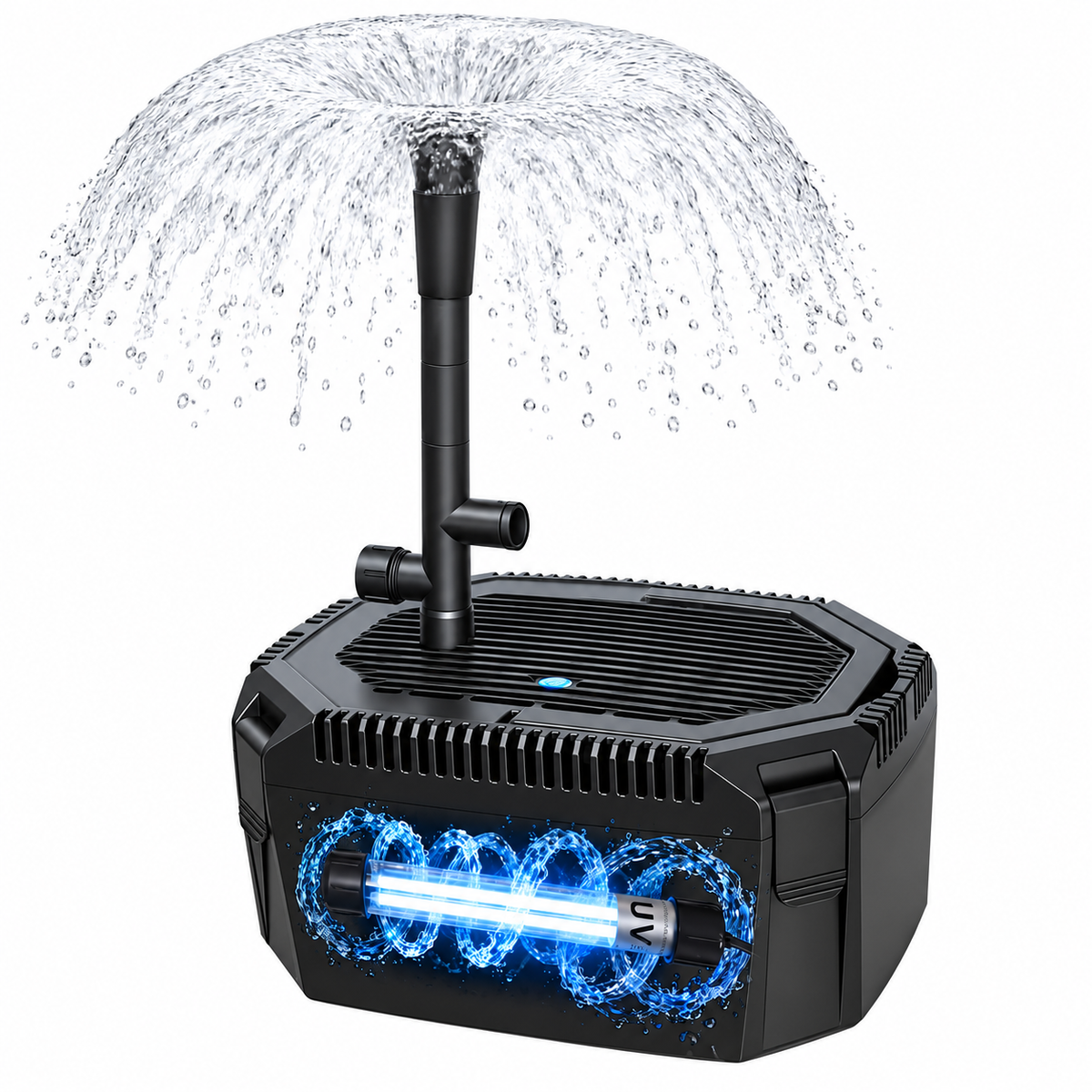
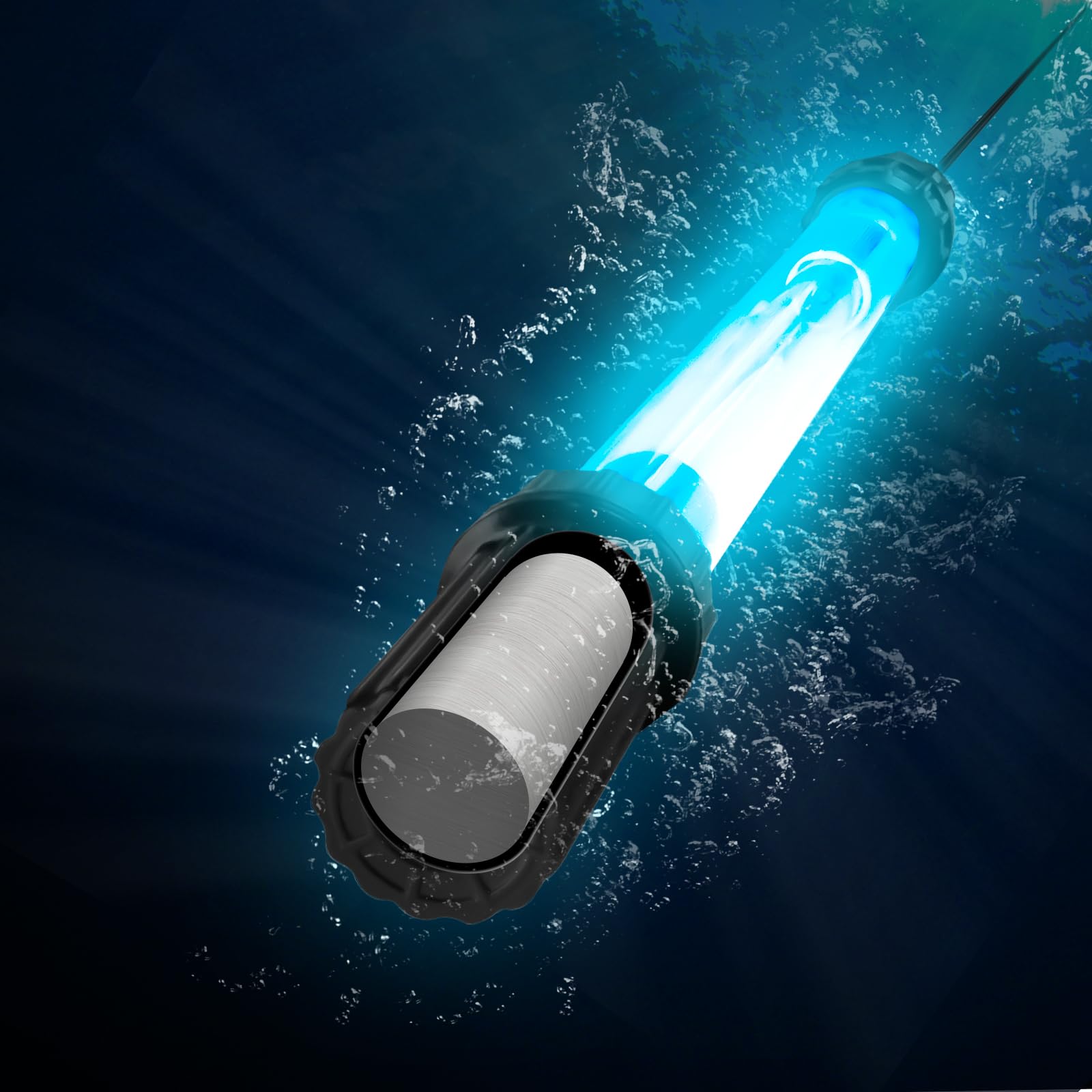
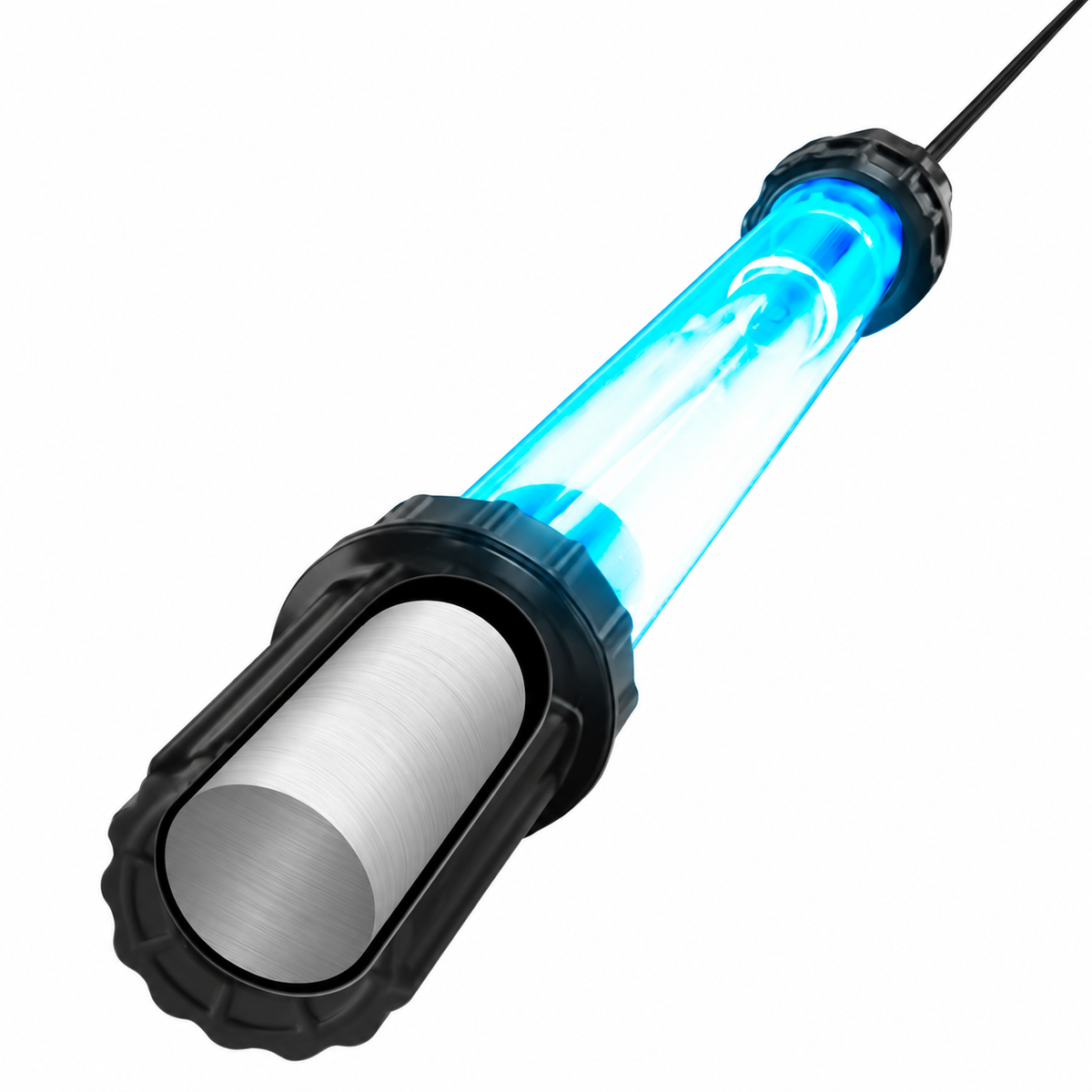
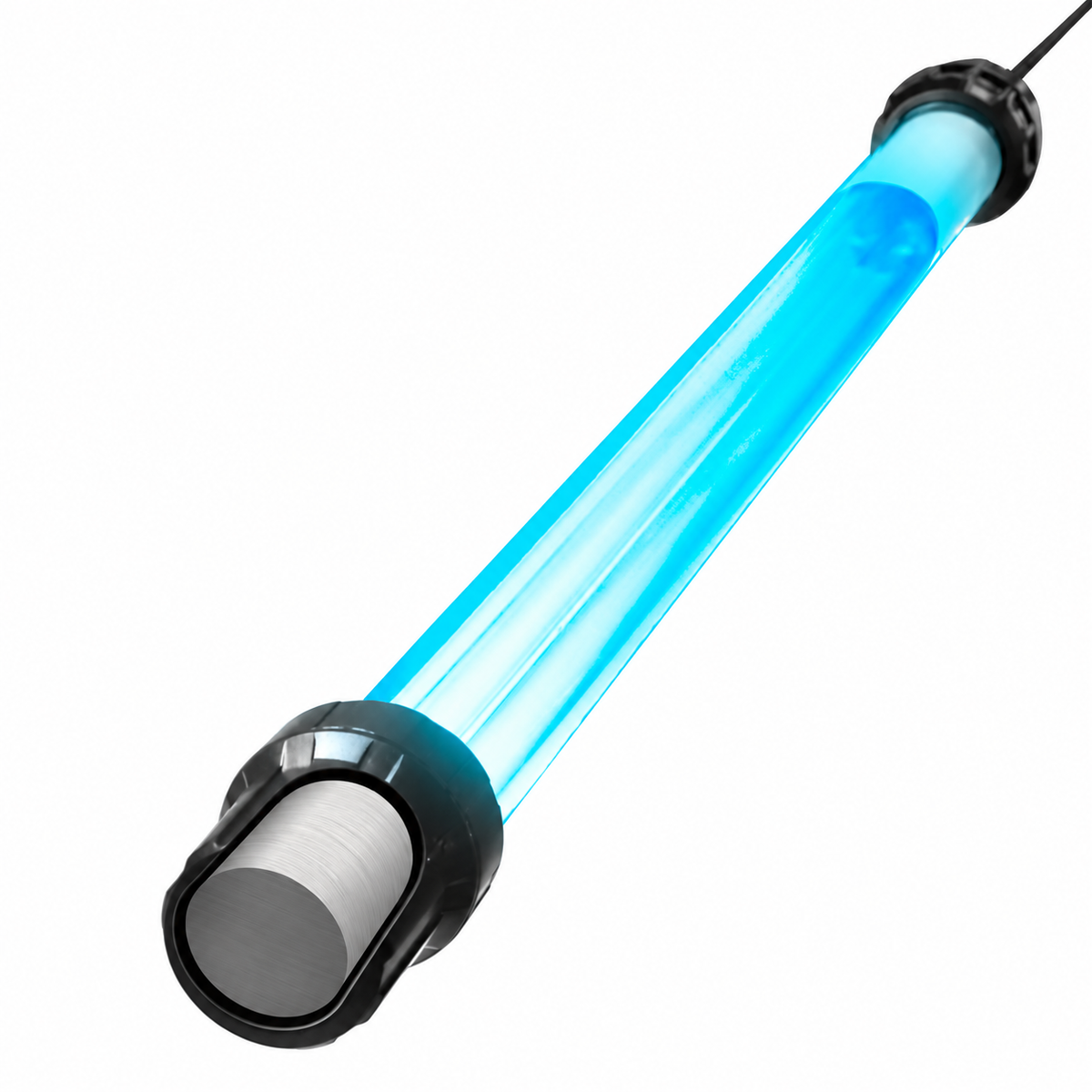
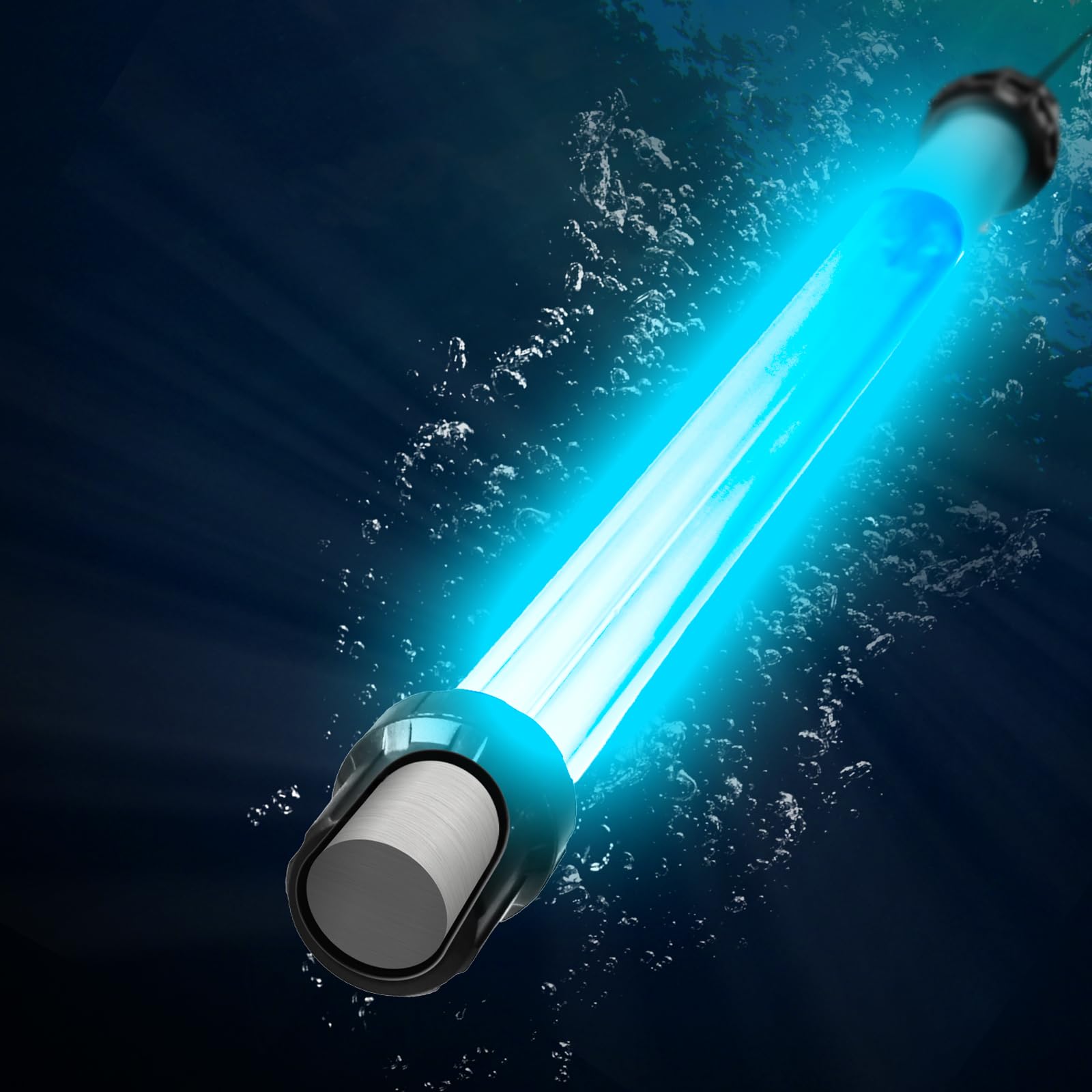
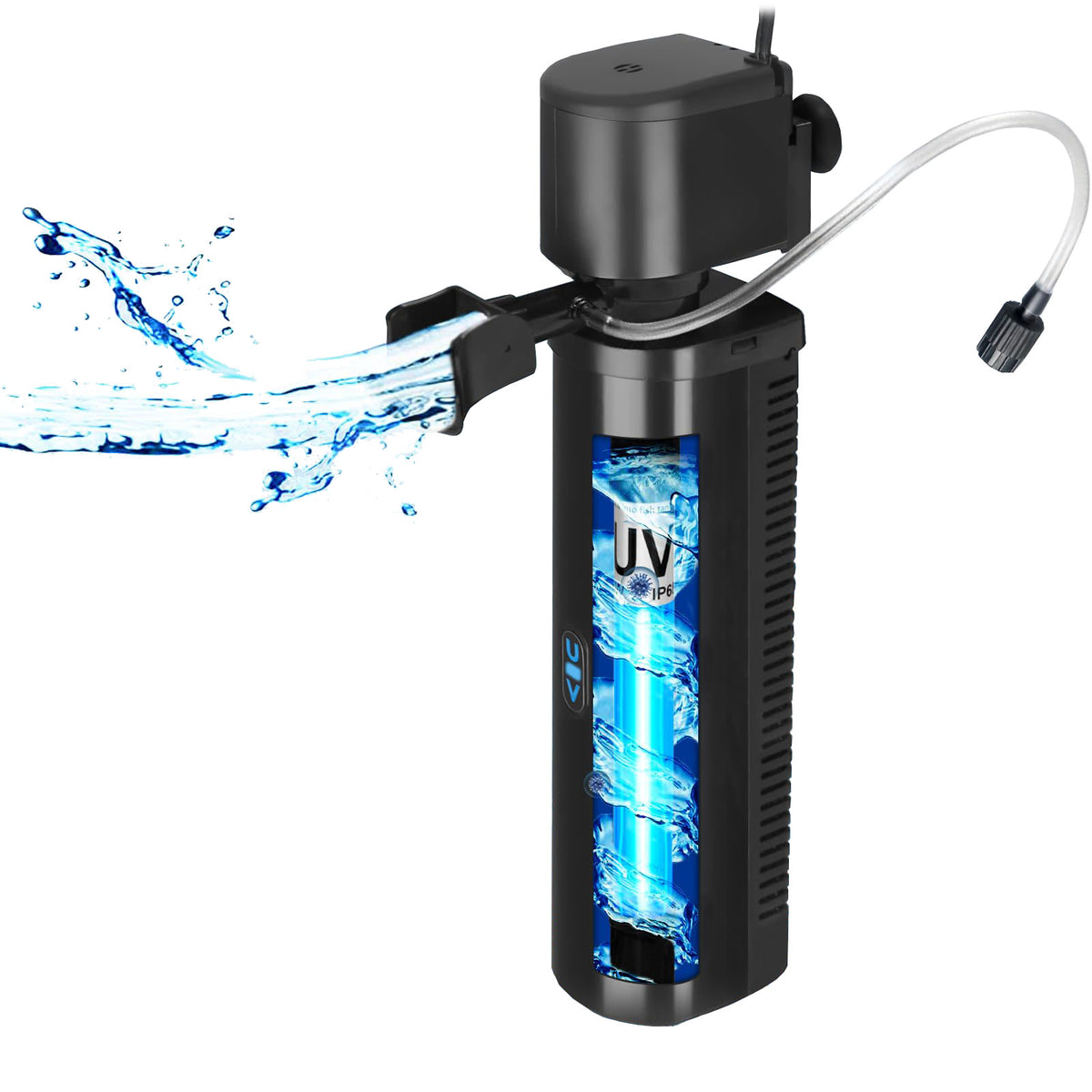
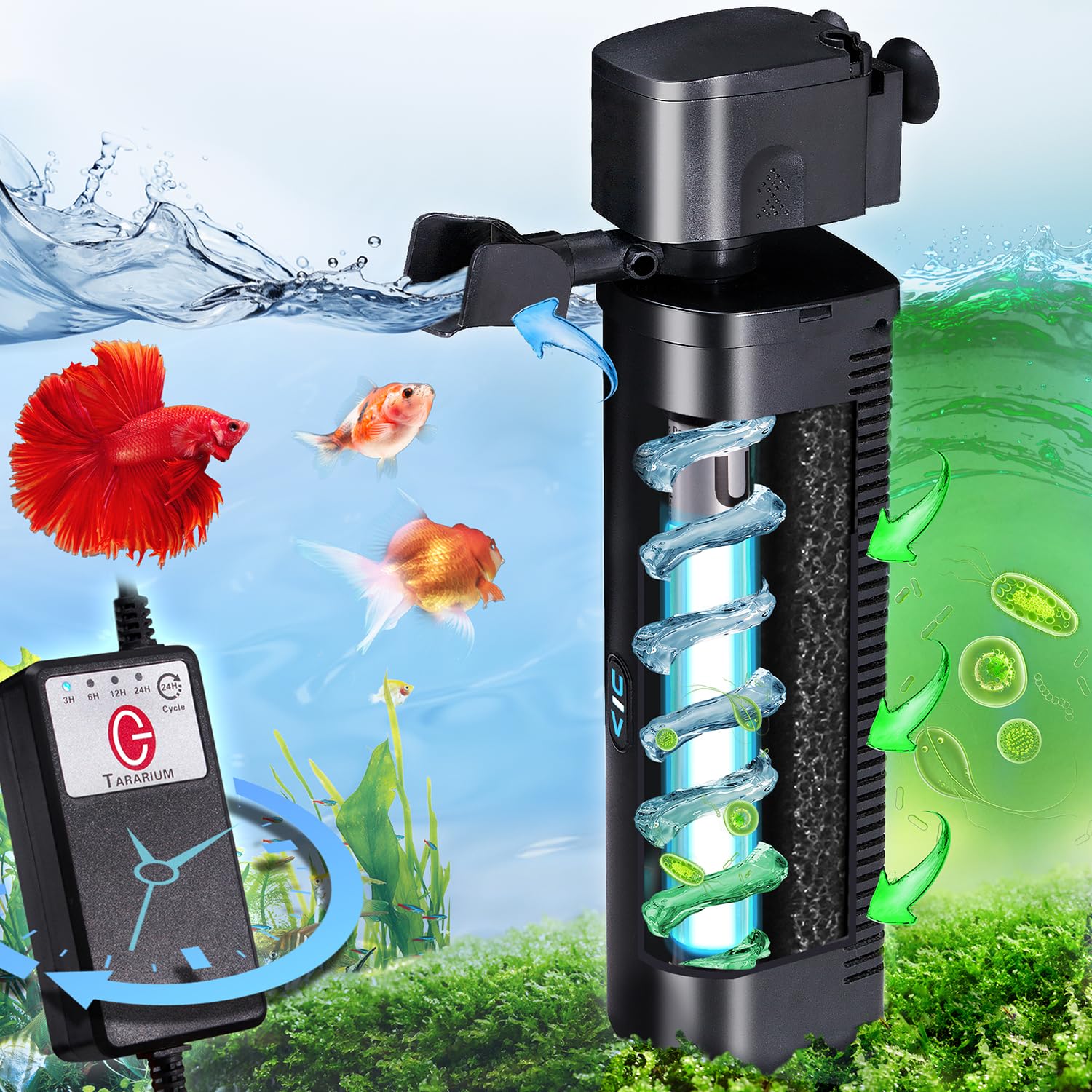
A UV sterilizer is not a filter in the traditional sense.
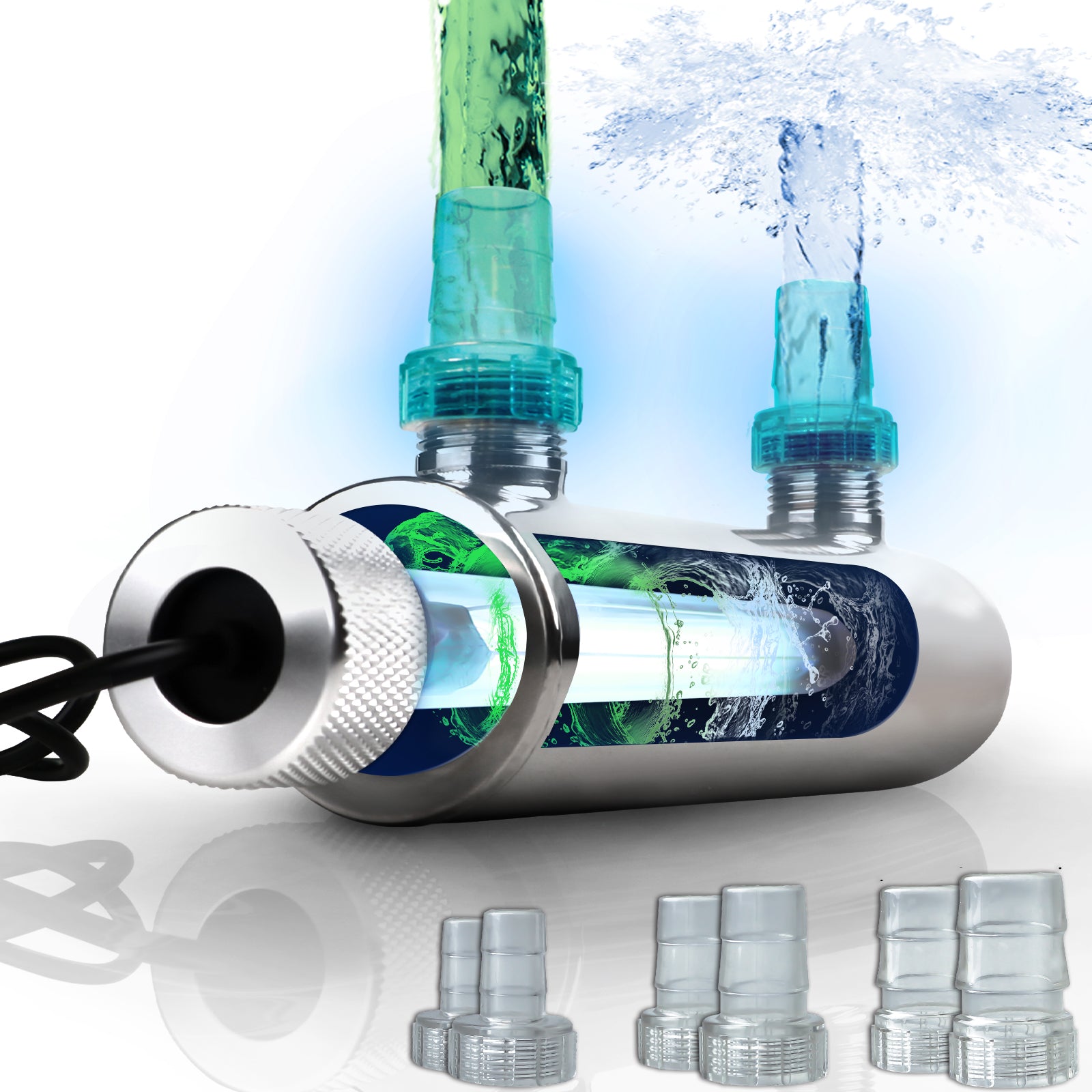
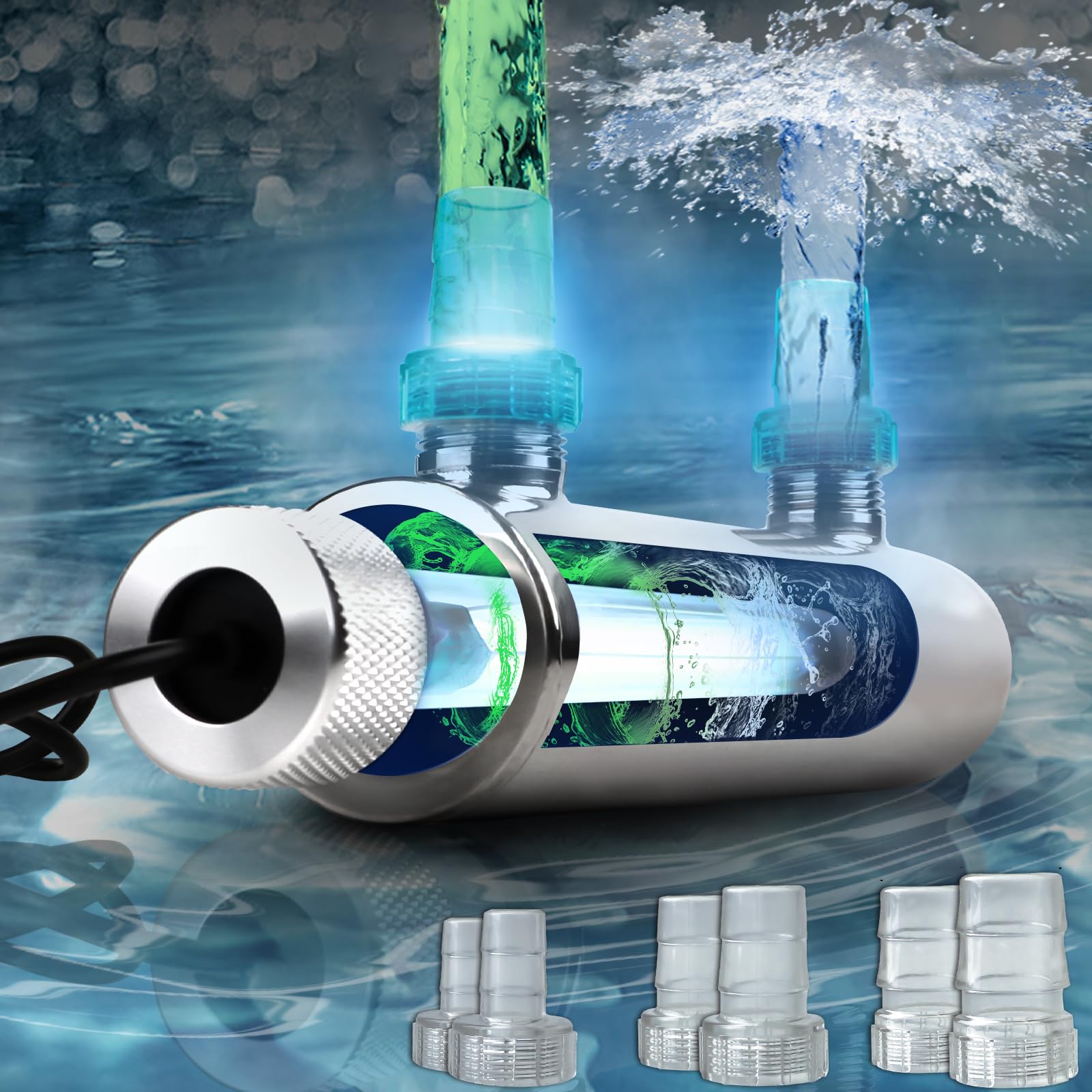
Instead of trapping particles, it uses ultraviolet light to alter the DNA of microorganisms passing through the unit.
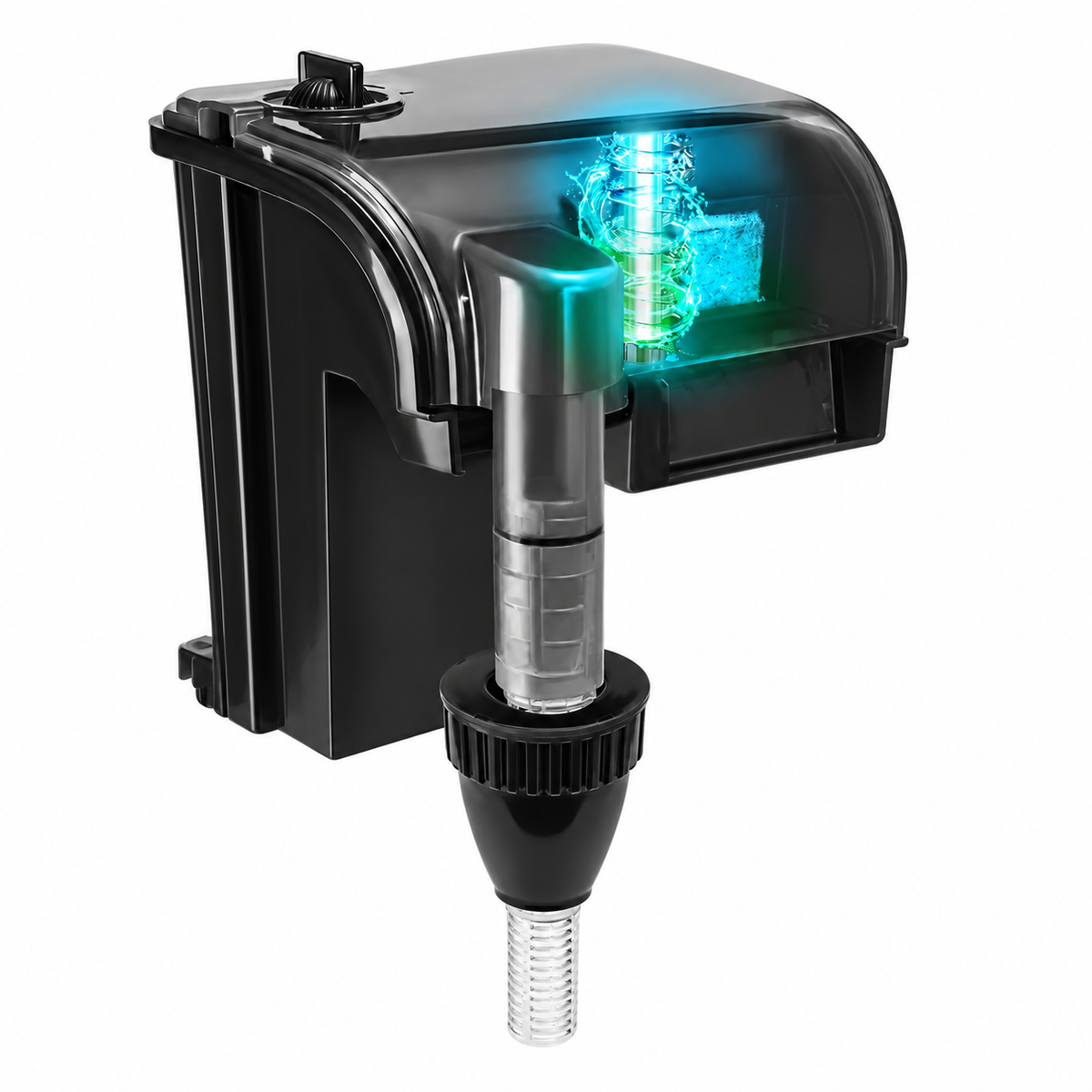
Inside the sterilizer:
-
Aquarium water flows through a sealed chamber.
-
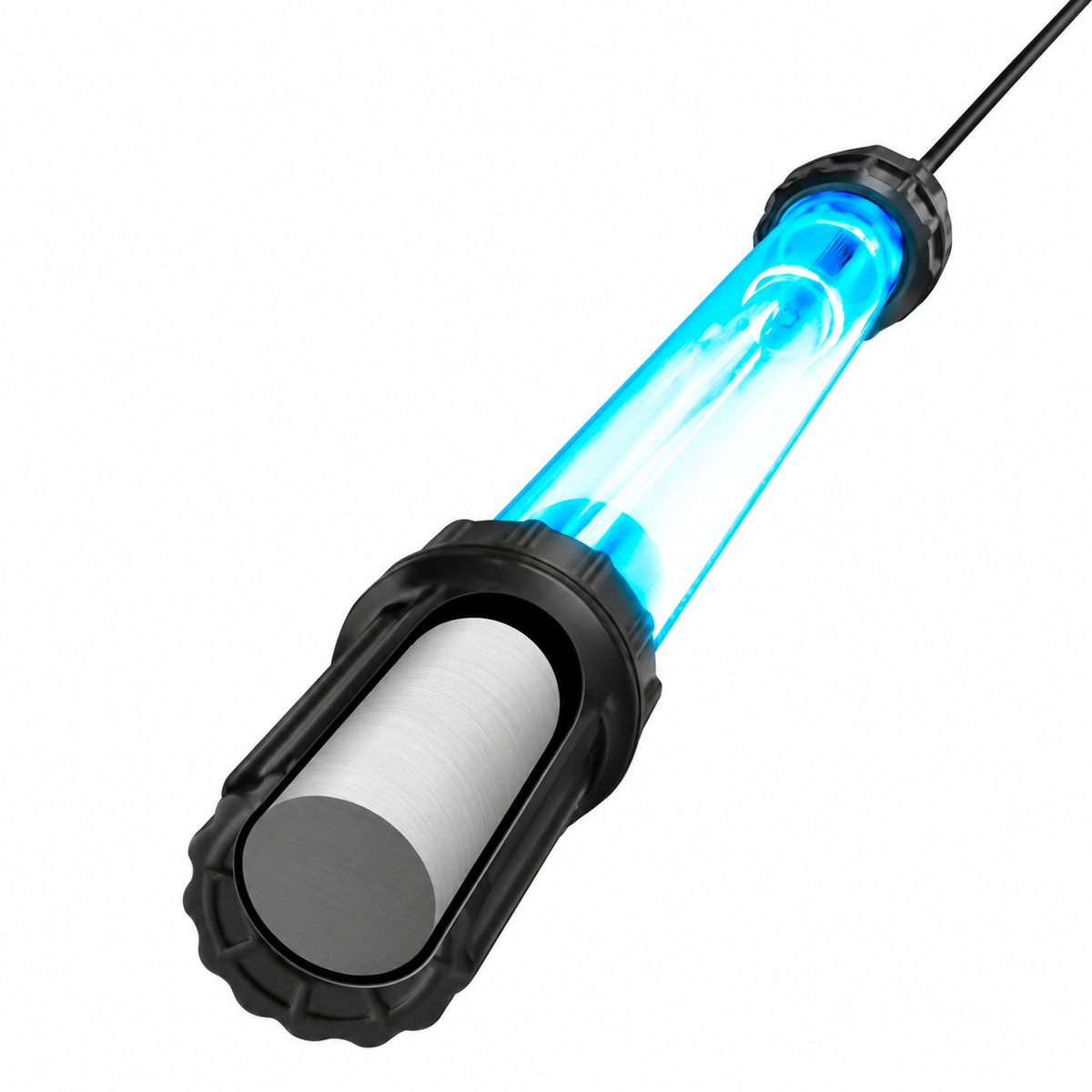
Water passes near a UV-C lamp.
-
UV radiation penetrates microscopic organisms.
-
DNA damage prevents reproduction.
Algae cells cannot divide, and populations collapse naturally over time.
Importantly, the sterilizer does not “kill everything instantly.” It stops reproduction, allowing existing algae to die off gradually while filtration removes debris.
Why UV Light Targets Green Water So Effectively
Green algae’s greatest strength — being free-floating — is also its weakness.
Because algae drifts through circulation systems, it repeatedly passes through the sterilizer.
Each pass increases exposure.
Eventually, enough cells lose reproductive ability that the bloom cannot sustain itself.
Within days, water clarity improves dramatically.
This is why UV sterilizers often produce results faster than chemical treatments.
Understanding UV-C: The Science Behind Sterilization
Ultraviolet light exists in three main ranges:
-
UV-A (long wavelength)
-
UV-B (medium wavelength)
-
UV-C (short wavelength)
UV-C carries the highest energy and is responsible for sterilization effects.
At specific wavelengths, UV-C damages nucleic acids inside microorganisms.
Without intact DNA, cells cannot reproduce.
Because algae depends on rapid replication, reproduction failure quickly reduces population density.
Why Fish and Plants Remain Safe
A common concern is whether UV sterilizers harm aquarium inhabitants.
Properly designed units are completely enclosed.
UV light never enters the aquarium directly.
Only microorganisms inside the chamber receive exposure.
Fish, plants, and beneficial bacteria living on surfaces remain unaffected because they do not pass through the sterilizer continuously.
This targeted approach makes UV sterilization one of the safest algae-control methods available.
The Difference Between Algae Types
UV sterilizers excel at controlling certain algae but not all forms equally.
Free-Floating Green Algae
Highly effective control.
String or Hair Algae
Limited effect because algae attaches to surfaces.
Brown Diatoms
Indirect improvement through water clarity stabilization.
Blue-Green Cyanobacteria
Partial effectiveness depending on flow and exposure time.
Understanding this distinction prevents unrealistic expectations.
Flow Rate: The Hidden Key to Success
Many users install UV sterilizers but see weak results because of improper flow rate.
Water must move slowly enough for sufficient UV exposure.
Too fast:
-
organisms receive insufficient radiation.
Too slow:
-
filtration efficiency decreases.
Manufacturers typically recommend flow rates based on sterilizer wattage.
Matching flow to device specifications dramatically improves effectiveness.
The Role of Exposure Time
UV effectiveness depends on dosage, which combines:
-
light intensity
-
exposure duration
-
water clarity
Clear water allows deeper UV penetration.
This creates a positive feedback loop:
clearer water → stronger UV performance → even clearer water.
Why Mechanical Filtration Still Matters
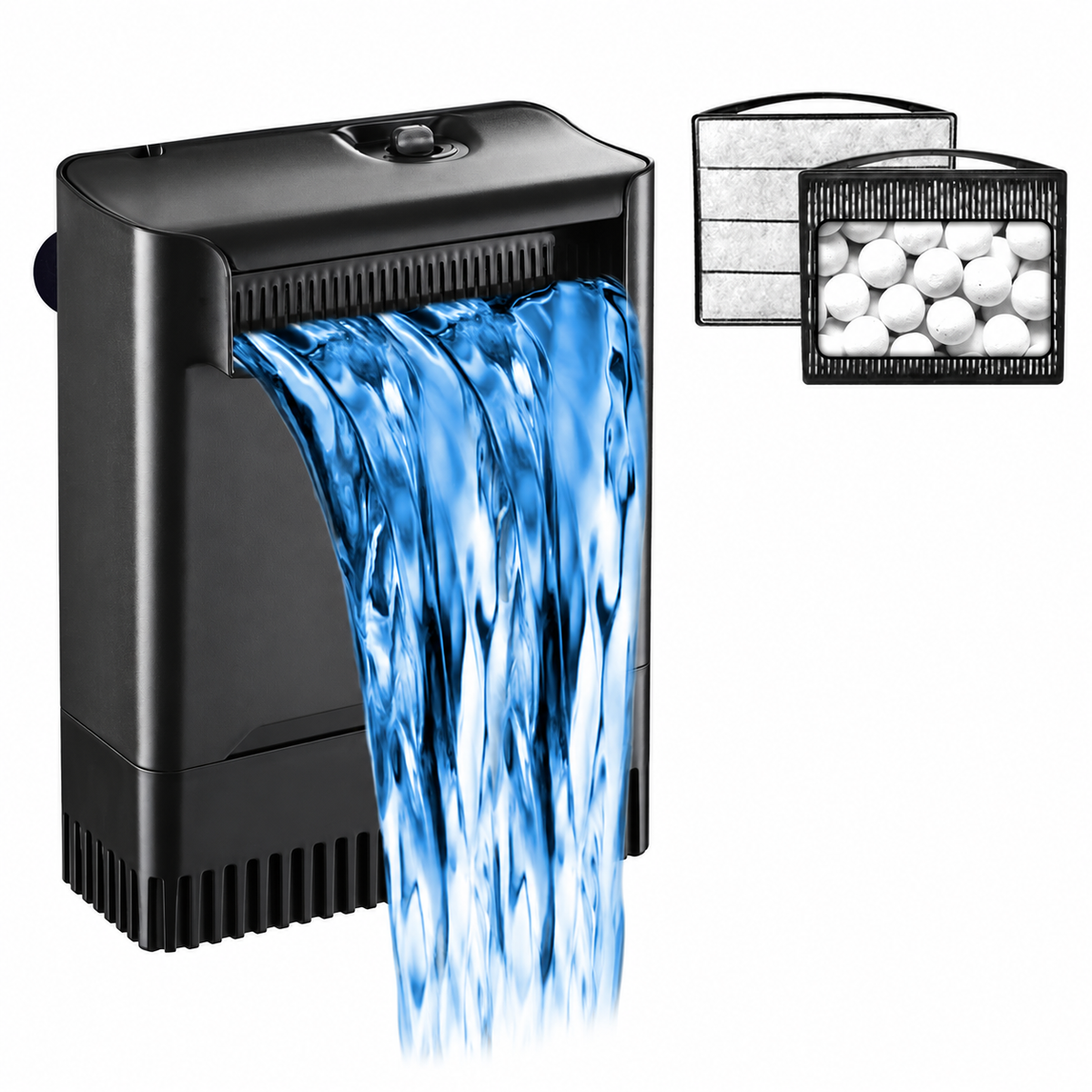
UV sterilizers work best alongside filtration systems.
Mechanical filters remove:
-
dead algae cells
-
organic debris
-
suspended particles
Without filtration, dead algae remains in suspension, delaying visible improvement.
Think of UV as stopping reproduction and filters as cleaning up the aftermath.
Nutrient Control and UV Sterilization
UV devices control algae growth but do not remove nutrients directly.
Excess nutrients still encourage future blooms.
Balanced aquarium care includes:
-
controlled feeding
-
regular water changes
-
plant competition
-
stable biological filtration
UV sterilization acts as a stabilizer rather than a replacement for good maintenance.
Why New Tanks Benefit Most
New aquariums frequently experience green water due to immature biological systems.
Beneficial bacteria populations take time to establish balance.
During this phase, algae often outcompetes microbes temporarily.
UV sterilizers provide stability while ecosystems mature naturally.
Many aquarists consider UV essential during early tank development.
How UV Sterilizers Improve Overall Aquarium Health
Beyond algae control, UV sterilizers help reduce:
-
harmful bacteria populations
-
waterborne parasites
-
cloudy water caused by microbial blooms
Clear water improves light penetration, benefiting aquatic plants and enhancing fish coloration.
Healthier environmental conditions reduce stress among inhabitants.
Placement Matters: Where to Install UV Units
Common installation points include:
-
external canister filter return lines
-
sump systems
-
dedicated circulation loops
The goal is consistent water flow through the sterilizer without disrupting tank circulation patterns.
Avoid placing units where debris clogs intake quickly.
Maintenance: Why Performance Declines Over Time
UV sterilizers require periodic care.
Key maintenance tasks include:
Bulb Replacement
UV output declines long before visible light fades.
Most bulbs require replacement every 6–12 months.
Quartz Sleeve Cleaning
Mineral deposits block UV transmission.
Regular cleaning restores efficiency.
Flow Inspection
Ensure pumps maintain recommended flow rates.
Neglected maintenance is the most common reason users believe UV “stopped working.”
Comparing UV Sterilization to Chemical Algae Treatments
Chemical treatments:
-
act quickly but temporarily
-
may stress fish
-
alter water chemistry
UV sterilization:
-
works gradually
-
maintains stability
-
avoids chemical residue
Many experienced aquarists prefer UV as a long-term solution rather than a quick fix.
The Psychological Impact of Clear Water
Clear aquariums change how people experience their tanks.
Visibility enhances:
-
appreciation of fish behavior
-
perception of cleanliness
-
relaxation benefits
Studies on visual environments suggest clear water reduces stress and increases engagement with aquatic displays.
UV sterilizers indirectly enhance this emotional connection.
Energy Efficiency and Modern UV Technology
Modern UV systems use energy-efficient lamps and optimized chamber design.
Continuous operation typically consumes less electricity than expected — often comparable to a small aquarium pump.
Advances in design have made UV sterilization accessible even for smaller home aquariums.
Common Mistakes Beginners Make
Oversizing Without Flow Adjustment
Large units still require correct flow.
Turning UV On Only During Problems
Continuous operation provides stability.
Ignoring Maintenance
Output declines silently over time.
Expecting Instant Results
Most tanks clear within several days, not hours.
From Natural Ecosystems to Home Aquariums
The beauty of UV sterilization lies in its ecological inspiration.
Nature constantly regulates microbial populations through environmental forces. UV sterilizers replicate one of those forces inside a closed aquatic system.
Rather than fighting algae aggressively, the technology restores balance by limiting unchecked reproduction.
This mirrors how forest streams maintain clarity despite constant biological activity.
When UV Sterilizers Make the Biggest Difference
They are especially valuable in:
-
high-light aquariums
-
large community tanks
-
outdoor ponds
-
newly established systems
-
tanks exposed to sunlight
In these environments, algae pressure is naturally higher.
Long-Term Benefits Beyond Algae Control
Over time, consistent UV use can lead to:
-
fewer algae outbreaks
-
improved water stability
-
reduced disease transmission
-
clearer viewing conditions year-round
Many hobbyists find maintenance becomes easier once UV stabilization is introduced.
Final Thoughts: Clarity Through Balance
Green water often feels like an uncontrollable problem, but it is simply biology operating without regulation.
Aquarium UV sterilizers succeed because they address the root cause — reproduction — rather than symptoms.
Borrowing principles from natural ecosystems, UV technology restores equilibrium inside artificial aquatic environments.
From shaded forest streams to carefully maintained home aquariums, the same rule applies:
Balance creates clarity.
By understanding how UV sterilization works and maintaining it properly, aquarists can enjoy consistently clear water, healthier ecosystems, and a viewing experience that reflects the true beauty of underwater life.
In the end, the transformation from cloudy green water to crystal clarity isn’t magic — it’s science inspired by nature itself.