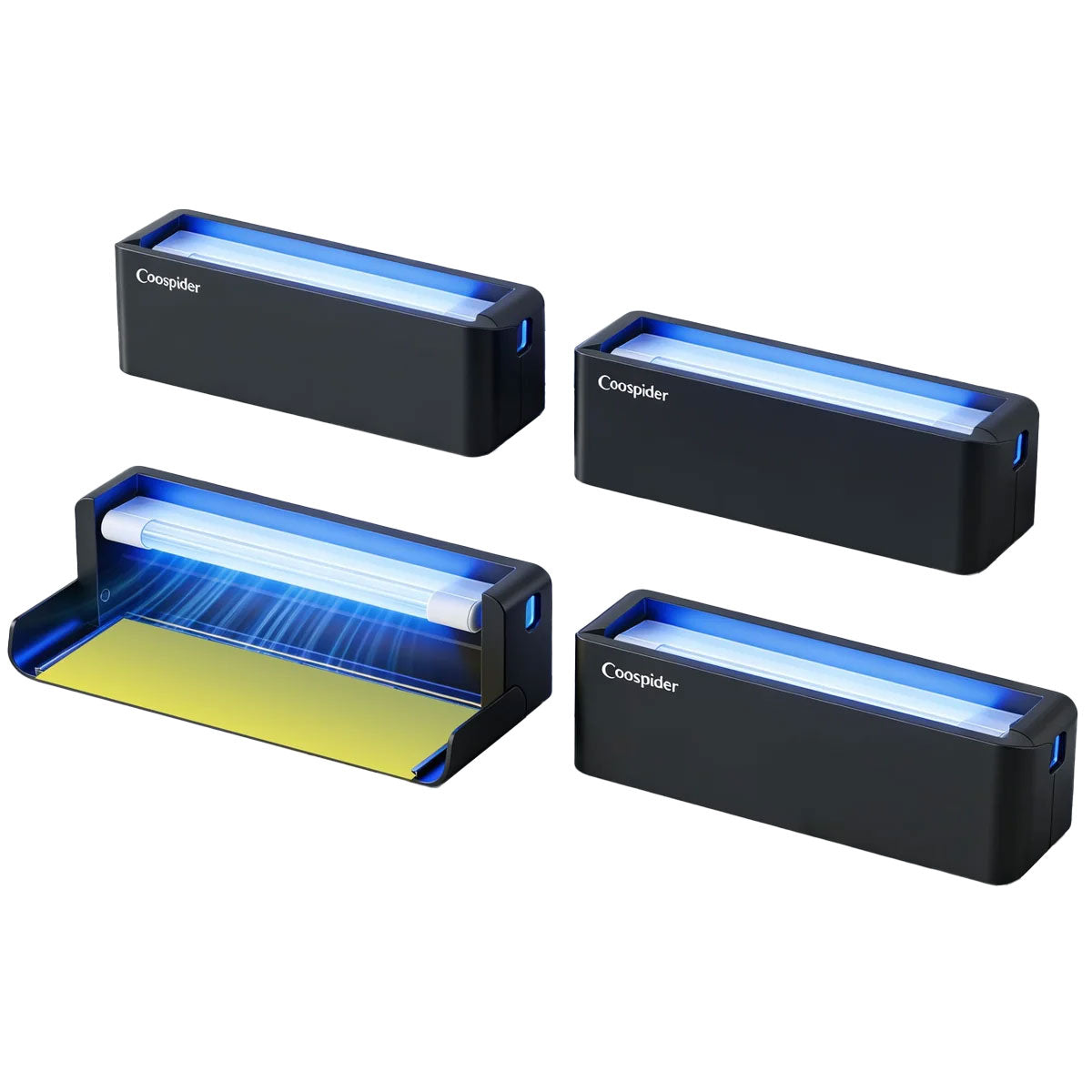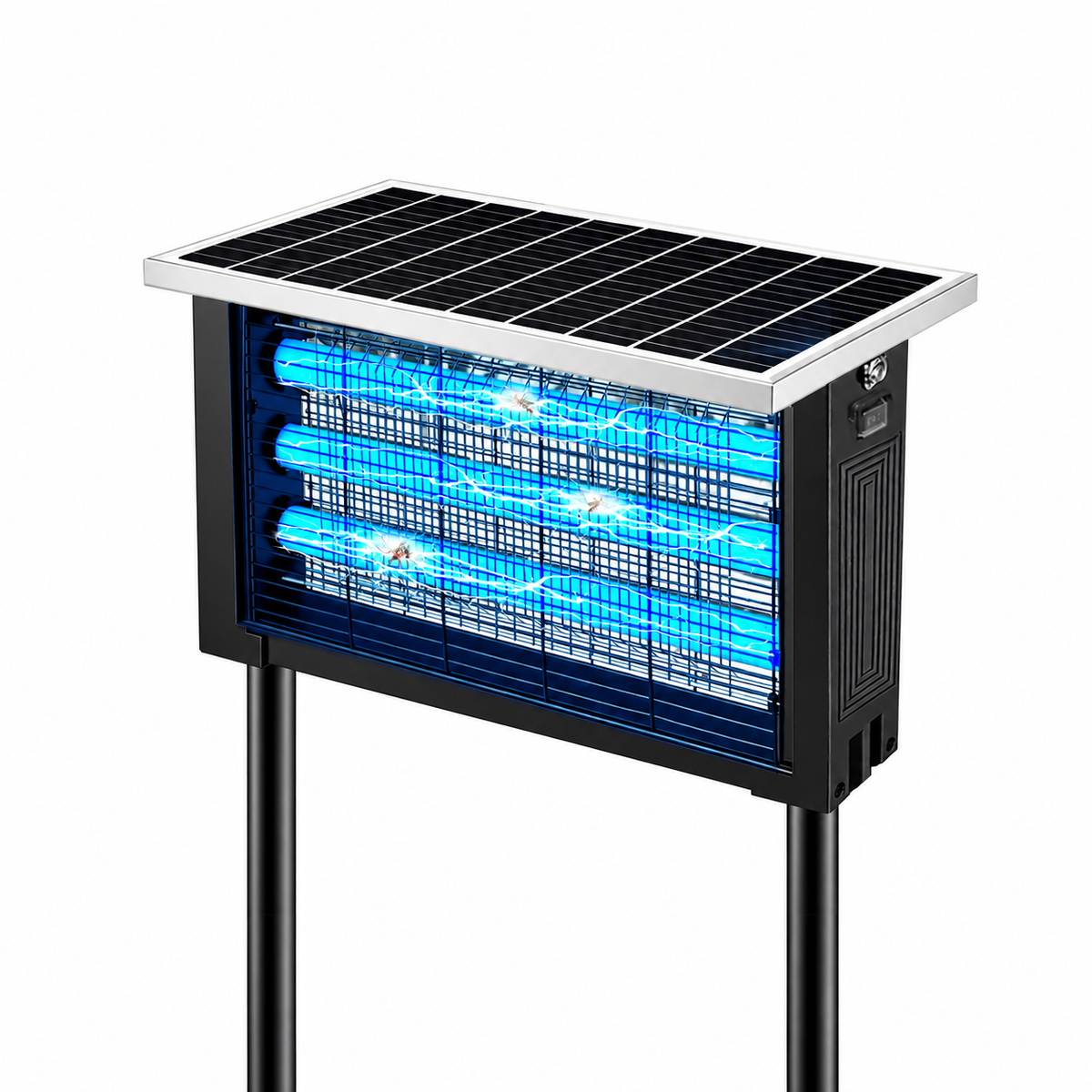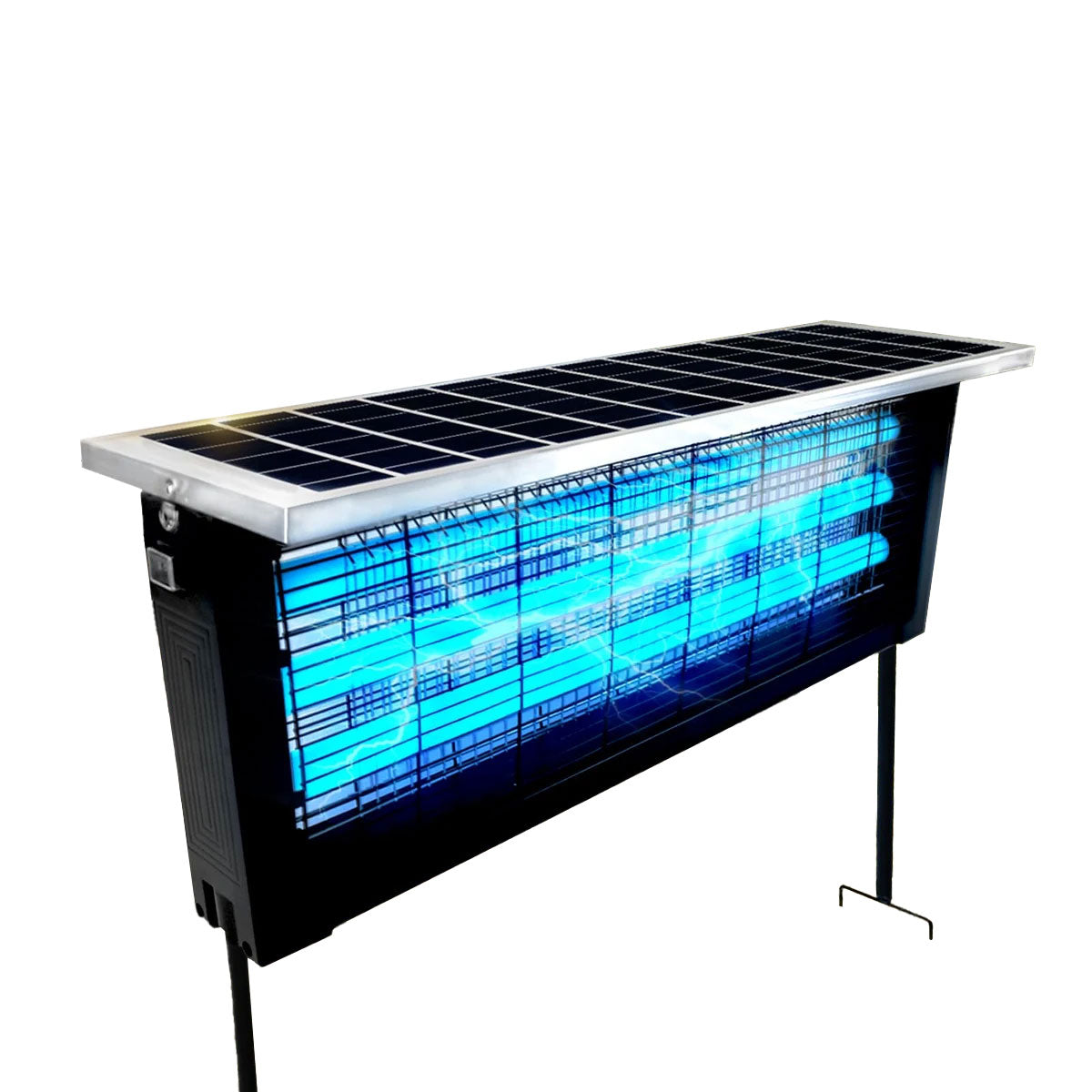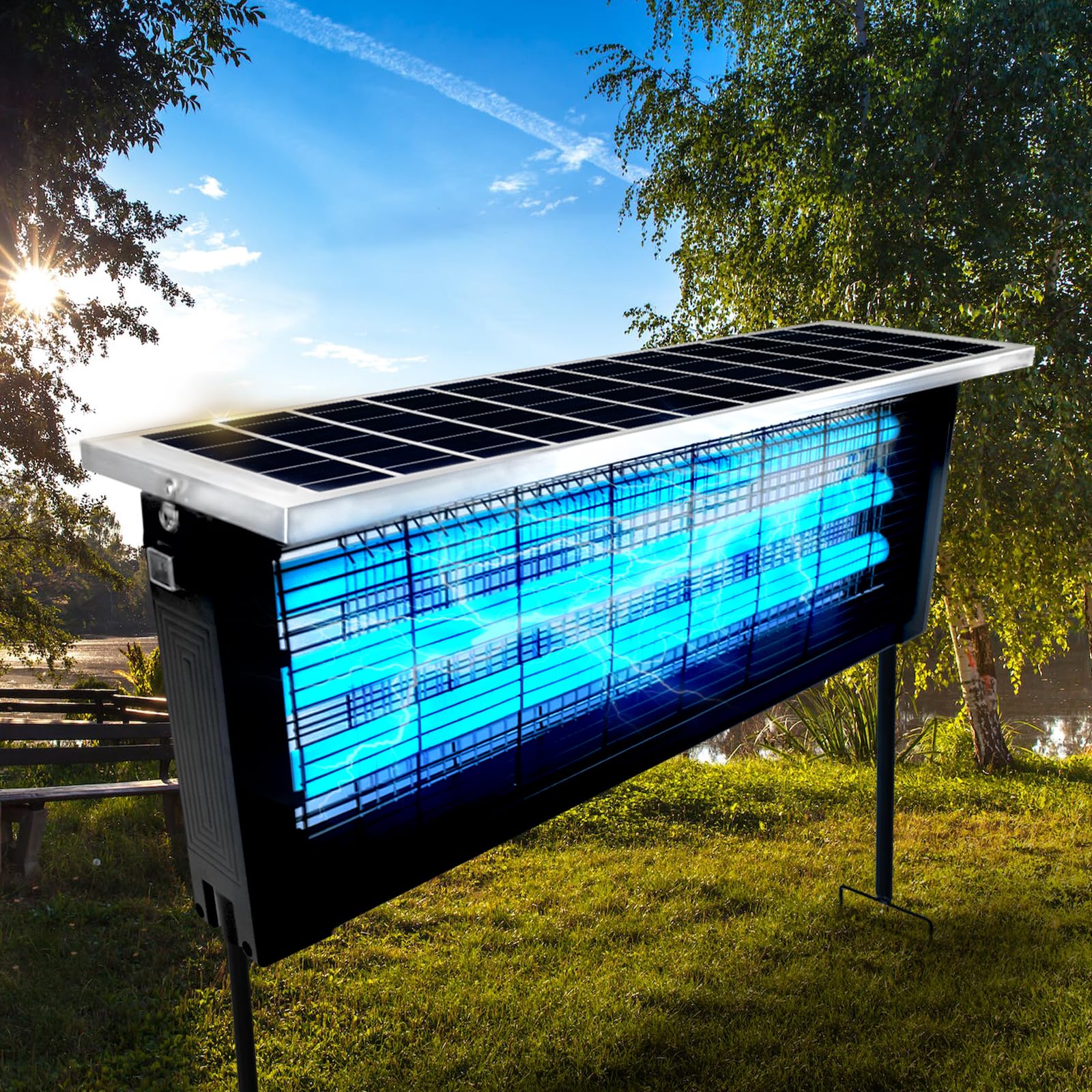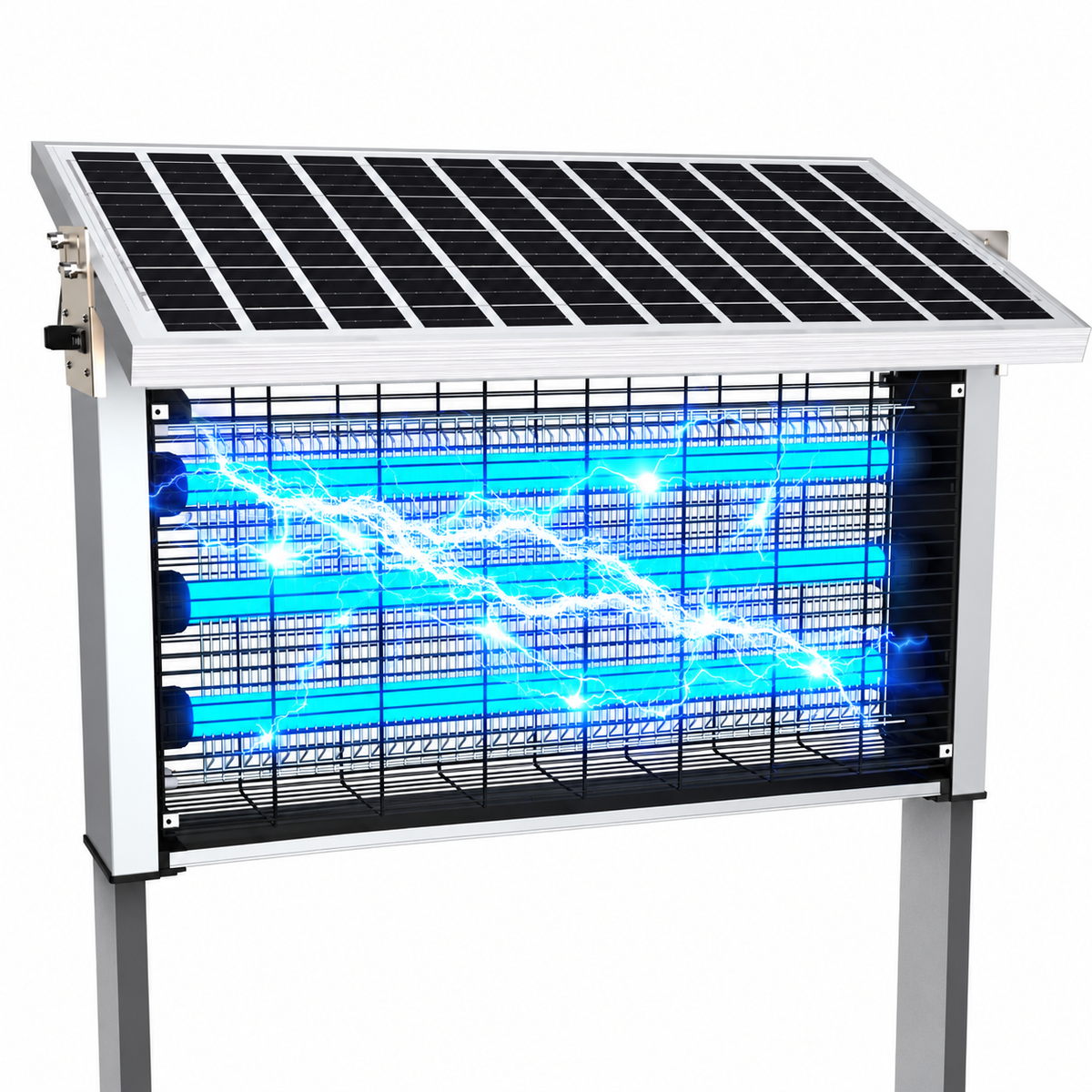
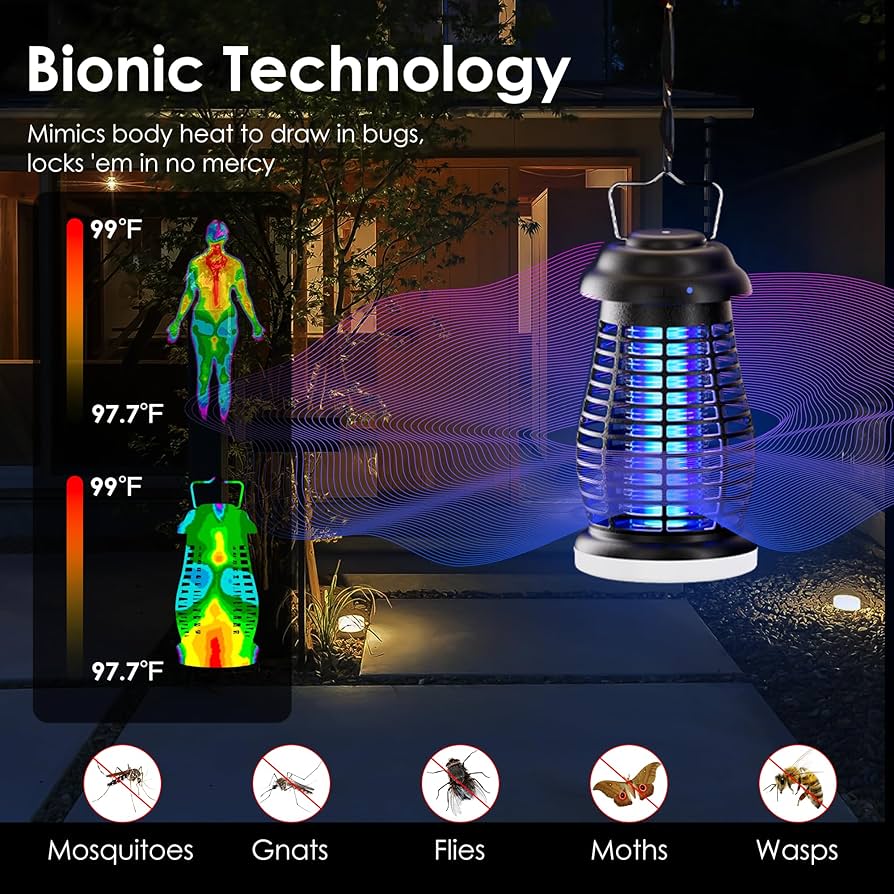
Outdoor smart mosquito lamps have quickly evolved from simple bug zappers into sophisticated electronic systems. Today’s devices combine UV attraction technology, sensors, rechargeable batteries, smart controls, airflow engineering, and energy-efficient lighting — all packed into compact housings designed to survive outdoor conditions.
Because many products advertise waterproof and dustproof ratings such as IP44, IP65, or even IP67, users often assume these devices require little to no maintenance. The logic seems reasonable: if a lamp is waterproof, it should handle rain, humidity, dust, and seasonal exposure without problems.
Unfortunately, this assumption leads to one of the most common causes of premature device failure.
Ingress protection ratings reduce risk — they do not eliminate it.
Every year, countless outdoor mosquito lamps fail not because they were poorly designed, but because owners misunderstood what waterproof and dustproof ratings actually mean. Internal circuit damage often develops slowly and invisibly until performance drops or the unit stops working altogether.
This guide explains why protection ratings are limited, how environmental stress affects internal circuits, and how proper maintenance dramatically extends the life and effectiveness of outdoor smart mosquito lamps.
The Rise of Smart Outdoor Mosquito Control
Modern mosquito lamps are far more complex than traditional electric zappers.
Typical smart devices now include:
-
UV LEDs calibrated to mosquito attraction wavelengths
-
Microcontrollers regulating light cycles
-
Motion or ambient light sensors
-
Fans creating airflow traps
-
Rechargeable lithium batteries
-
Wireless connectivity or timers
-
Safety shutoff circuits
These features improve efficiency and energy use but also increase sensitivity to environmental stress.
Electronics thrive in stable indoor environments. Outdoor spaces, however, introduce unpredictable variables: moisture, heat cycles, airborne particles, insects, and chemical exposure.
Even well-engineered devices need preventive care.
What Waterproof and Dustproof Ratings Actually Mean
Before discussing maintenance, it’s essential to understand ingress protection ratings correctly.
Understanding IP Ratings
An IP (Ingress Protection) rating uses two numbers:
First digit: protection against solid particles (dust)
Second digit: protection against liquids (water)
For example:
-
IP44 — protected against splashes and larger particles
-
IP65 — dust resistant and protected against water jets
-
IP67 — protected against temporary immersion
These ratings are tested under controlled laboratory conditions.
The Key Misunderstanding
Many users interpret IP ratings as permanent immunity. In reality, they indicate limited resistance under specific testing scenarios.
They do not guarantee protection against:
-
Long-term humidity exposure
-
Aging seals
-
Temperature expansion and contraction
-
Chemical corrosion
-
Improper storage
-
Dirt accumulation around seals
Think of IP ratings as raincoats, not submarines.
A raincoat keeps you dry during rain, but it does not make you waterproof forever.
Why Outdoor Electronics Still Need Circuit Maintenance
Even sealed devices gradually experience environmental intrusion through microscopic pathways.
Over time:
-
Rubber gaskets compress
-
Plastic housings expand and shrink
-
Dust accumulates around vents
-
Moisture enters during temperature changes
These processes happen slowly and invisibly.
By the time problems appear externally, circuit degradation may already be advanced.
Hidden Threat #1: Humidity Is More Dangerous Than Rain
Most people worry about rainwater exposure, but humidity is often the real enemy.
How Humidity Damages Circuits
Moisture in air penetrates devices through:
-
Ventilation openings
-
Cable entry points
-
Button seals
-
Microscopic gaps in joints
Once inside, humidity condenses when temperatures drop at night.
This creates thin water films on circuit boards.
Even tiny amounts of moisture can cause:
-
Oxidation of copper traces
-
Increased electrical resistance
-
Signal instability
-
Sensor malfunction
Unlike visible water damage, humidity corrosion develops gradually.
The Condensation Cycle Problem
Outdoor devices experience daily temperature swings:
-
Warm daytime air enters housing.
-
Night cooling causes condensation.
-
Moisture settles on internal components.
-
Daytime heat evaporates water but leaves residue.
Repeated cycles accelerate corrosion dramatically.
Waterproof ratings rarely account for long-term condensation exposure.
Maintenance Tip: Control Internal Moisture
Every few weeks during heavy-use seasons:
-
Turn off the device.
-
Move it indoors temporarily.
-
Allow it to dry in a ventilated space for several hours.
This simple habit reduces accumulated internal moisture.
Hidden Threat #2: Dust Isn’t Just Dirt — It Becomes Conductive
Dust may seem harmless, but outdoor dust contains complex materials:
-
Soil minerals
-
Pollen
-
Soot particles
-
Organic debris
-
Insect fragments
When combined with humidity, dust becomes electrically conductive.
What Happens Inside the Circuit
Dust buildup can:
-
Bridge circuit contacts
-
Block cooling airflow
-
Trap heat near components
-
Absorb moisture
This leads to intermittent failures — devices that randomly shut off or behave inconsistently.
Fans and ventilation areas are especially vulnerable because mosquito traps actively pull air inward.
Ironically, the airflow that captures mosquitoes also draws contaminants into the device.
Maintenance Tip: Gentle External Cleaning
Once a month:
-
Use a soft brush or microfiber cloth.
-
Clean ventilation openings.
-
Remove debris from grills.
Avoid high-pressure air, which can force dust deeper inside.
Hidden Threat #3: Seal Aging and Material Fatigue
Waterproof protection depends heavily on seals.
These include:
-
Silicone rings
-
Rubber gaskets
-
Adhesive seams
-
Cable insulation
All degrade over time.
Why Seals Fail Gradually
Outdoor exposure causes:
-
UV radiation breakdown
-
Heat expansion cycles
-
Hardening of rubber materials
-
Loss of elasticity
As seals age, microscopic gaps appear — invisible but sufficient for moisture intrusion.
A device rated IP65 when new may perform closer to IP44 after two seasons.
Maintenance Tip: Inspect Seals Seasonally
Check for:
-
Cracks or brittleness
-
Flattened gasket edges
-
Loose cable entries
If seals appear dry or stiff, replacement or protective treatment may be necessary.
Hidden Threat #4: Heat Accumulation Inside Smart Lamps
Electronics generate heat during operation.
Outdoor mosquito lamps combine multiple heat sources:
-
UV LEDs
-
Charging circuits
-
Fan motors
-
Batteries
Dust or debris blocking airflow raises internal temperatures.
Why Heat Damages Circuits
Excess heat accelerates:
-
Capacitor aging
-
Battery degradation
-
Solder joint fatigue
-
LED efficiency loss
High temperature also increases internal pressure, pulling humid air inside as the device cools.
Maintenance Tip: Maintain Airflow
Ensure:
-
Vents remain unobstructed.
-
Lamps are not placed against walls.
-
Leaves or furniture do not block intake areas.
Air circulation is part of the cooling system.
Hidden Threat #5: Insects Themselves
Mosquito devices naturally attract insects — not just mosquitoes.
Small insects may enter through vents and remain inside.
Over time, insect remains create:
-
Organic residue
-
Acidic decomposition
-
Electrical contamination
This is a major yet overlooked cause of circuit corrosion.
Maintenance Tip: Seasonal Deep Cleaning
At least twice per season:
-
Open accessible compartments (if manufacturer allows).
-
Remove debris carefully.
-
Clean collection areas thoroughly.
Never wash electronic sections directly with water.
Understanding “Waterproof” vs. “Weather Resistant”
Many marketing descriptions blur these terms.
Waterproof
Temporary protection under defined conditions.
Weather Resistant
Designed for outdoor exposure but still requires care.
Outdoor mosquito lamps fall closer to weather-resistant electronics than fully sealed industrial equipment.
They are built to survive weather — not neglect.
Smart Placement Reduces Circuit Stress
Where you install the device matters as much as maintenance.
Best Placement Practices
Choose locations that:
-
Avoid direct sprinkler spray
-
Receive partial overhead cover
-
Allow airflow around the unit
-
Stay elevated from ground moisture
Covered patios often extend device life significantly.
Avoid Ground-Level Placement
Ground moisture increases humidity exposure dramatically.
Raising devices even 2–3 feet reduces condensation risk.
Battery and Charging Circuit Care
Rechargeable mosquito lamps rely heavily on battery management systems.
Moisture and heat affect charging circuits first because they carry higher electrical loads.
Warning Signs of Circuit Stress
Watch for:
-
Slower charging
-
Shorter runtime
-
Warm charging ports
-
Flickering lights
These symptoms often indicate early corrosion or thermal stress.
Maintenance Tip
Keep charging ports clean and dry.
Use protective caps when available.
Never charge devices immediately after rain exposure — allow drying time first.
Seasonal Storage Still Matters
Even perfectly maintained devices suffer if stored improperly.
Before off-season storage:
-
Clean thoroughly.
-
Dry completely.
-
Remove batteries if possible.
-
Store indoors with stable temperature.
Storage environments influence circuit longevity more than usage hours.
Why Preventive Maintenance Saves Money
Replacing outdoor mosquito lamps annually becomes expensive.
Proper circuit care can:
-
Extend lifespan by several seasons
-
Maintain attraction efficiency
-
Prevent sudden failures
-
Improve safety
A few minutes of maintenance monthly can double usable life.
Creating a Simple Maintenance Routine
Monthly (During Use Season)
-
Clean vents
-
Inspect seals
-
Remove debris
Mid-Season
-
Dry device indoors briefly
-
Inspect charging ports
End of Season
-
Deep clean
-
Dry completely
-
Store properly
Consistency matters more than complexity.
The Future of Smart Mosquito Lamps — and Why Care Matters Even More
As devices become smarter, internal electronics become more sensitive.
Features like:
-
automation sensors
-
app connectivity
-
energy optimization
-
adaptive lighting cycles
depend on stable circuit performance.
Minor corrosion that once caused cosmetic issues now disrupts intelligent functions.
Proper maintenance ensures smart features continue operating accurately.
Final Thoughts: Protection Ratings Are a Starting Point, Not a Guarantee
Waterproof and dustproof ratings are valuable engineering achievements, but they are not permanent shields against environmental stress.
Outdoor smart mosquito lamps operate in one of the harshest everyday environments: warm, humid, insect-rich outdoor air combined with electrical systems.
Understanding the limits of protection ratings changes how owners care for their devices.
Remember these key principles:
-
Humidity causes more damage than rain.
-
Dust becomes harmful when combined with moisture.
-
Seals age and require inspection.
-
Heat and airflow directly affect circuit health.
-
Preventive care extends performance dramatically.
Treat your outdoor mosquito lamp not as a disposable seasonal gadget, but as precision outdoor electronics.
With proper circuit maintenance, your device will deliver consistent mosquito control, improved efficiency, and reliable performance season after season — long after less carefully maintained units have failed.