
Dust mites are one of the most common and least visible bedroom threats. They live deep inside mattresses, pillows, and bedding, feeding on dead skin cells and thriving in warm, humid environments. While they don’t bite, the allergens they produce are a major trigger for allergies, asthma, eczema, and poor sleep quality.
This is where UV light technology steps in—not as a miracle cure, but as a scientifically proven upgrade to traditional bedroom hygiene. By combining mite suppression and microbial disinfection, UV light offers a powerful two-in-one solution that goes far beyond surface cleaning.
In this comprehensive guide, we’ll explore how dust mites really behave, why conventional cleaning methods fall short, and how UV light can help your mattress and pillows finally become a clean, healthy place to rest.
1. The Uncomfortable Truth: Your Bedroom Is a Dust Mite Paradise
Dust mites love bedrooms for three simple reasons:
-
Warmth
-
Moisture
-
Food supply
A single mattress can host hundreds of thousands to millions of dust mites, especially if it’s more than a few years old.
Where Dust Mites Hide
-
Mattresses (especially the upper layers)
-
Pillows and pillowcases
-
Quilts, comforters, and duvets
-
Upholstered headboards
-
Fabric bed frames
-
Carpets and curtains near the bed
Because dust mites are microscopic, you never see them—but your body feels their presence.
2. Why Dust Mites Are a Health Problem (Not Just a Cleanliness Issue)
Dust mites themselves are harmless. The problem lies in:
-
Their feces
-
Their decomposing bodies
-
The proteins they release into the air
Common Symptoms of Dust Mite Exposure
-
Sneezing and nasal congestion
-
Itchy or watery eyes
-
Persistent coughing
-
Skin irritation or eczema
-
Asthma flare-ups
-
Poor sleep quality
For children, seniors, and allergy sufferers, dust mites can significantly reduce quality of life.
3. Traditional Bedroom Cleaning: Helpful, but Incomplete
Washing Bedding
Hot water washing helps—but:
-
Mattresses and pillows can’t be washed easily
-
Inner layers remain untouched
-
Re-infestation happens quickly
Vacuuming
Even with HEPA filters:
-
Suction rarely reaches deep mattress layers
-
Mites cling tightly to fibers
-
Eggs often remain intact
Sun Exposure
Sunlight helps reduce moisture, but:
-
UV intensity is inconsistent
-
Exposure time is unpredictable
-
Not practical year-round
Traditional methods reduce symptoms, but rarely solve the root problem.
4. Why Dust Mites Are So Hard to Eliminate Completely
Dust mites are resilient because:
-
They live deep inside fabric
-
They thrive at normal indoor temperatures
-
They reproduce quickly
-
They don’t require light
Most importantly, they are protected by layers of fabric, skin debris, and moisture—making surface cleaning insufficient.
5. Enter UV Light: A New Approach to Bedroom Hygiene
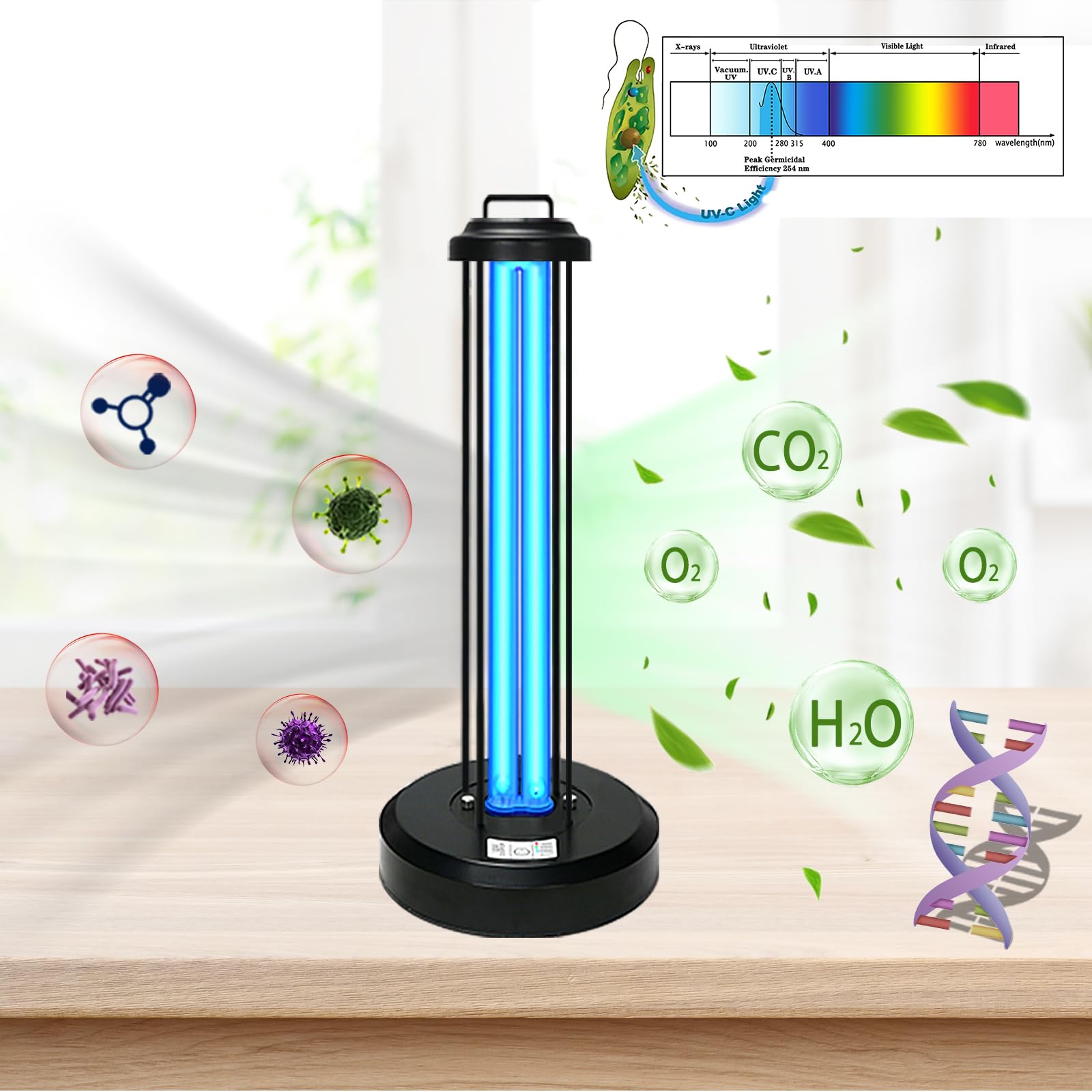
UV (ultraviolet) light—specifically UV-C—has been used for decades in hospitals, laboratories, and cleanrooms to control microorganisms.
In recent years, this technology has become accessible for home use, especially for bedroom disinfection and mite control.
What UV Light Does
-
Disrupts DNA and RNA
-
Prevents reproduction
-
Inactivates bacteria, viruses, mold spores
-
Suppresses dust mite activity
UV light doesn’t rely on chemicals, fragrances, or heat—making it ideal for sleeping environments.
6. How UV Light Affects Dust Mites
It’s important to clarify expectations.
What UV Light CAN Do
-
Damage dust mite DNA
-
Reduce mite reproduction
-
Kill bacteria and fungi that mites depend on
-
Neutralize allergens on surfaces
What UV Light CANNOT Do
-
Instantly “vacuum away” mites
-
Penetrate very deep into thick mattresses
-
Replace basic cleaning and ventilation
That’s why UV works best as part of a system, not a standalone solution.
7. The Two-in-One Advantage: Mite Control + Disinfection
Dust mites don’t live alone. They coexist with:
-
Bacteria
-
Mold spores
-
Yeast
-
Microbial biofilms
UV light addresses both sides of the problem:
-
Reduces mite viability
-
Disinfects the microbial environment
By removing bacteria and fungi, UV makes the mattress a far less hospitable place for mites to survive and reproduce.
8. Why Mattresses and Pillows Need Special Attention
Mattresses
-
Absorb sweat and moisture
-
Accumulate skin flakes
-
Rarely cleaned internally
-
Used for 6–10 hours every night
Pillows
-
Constant contact with face and airway
-
Trap oils and moisture
-
Often replaced too late
UV light provides non-contact disinfection, ideal for items that can’t be washed frequently.
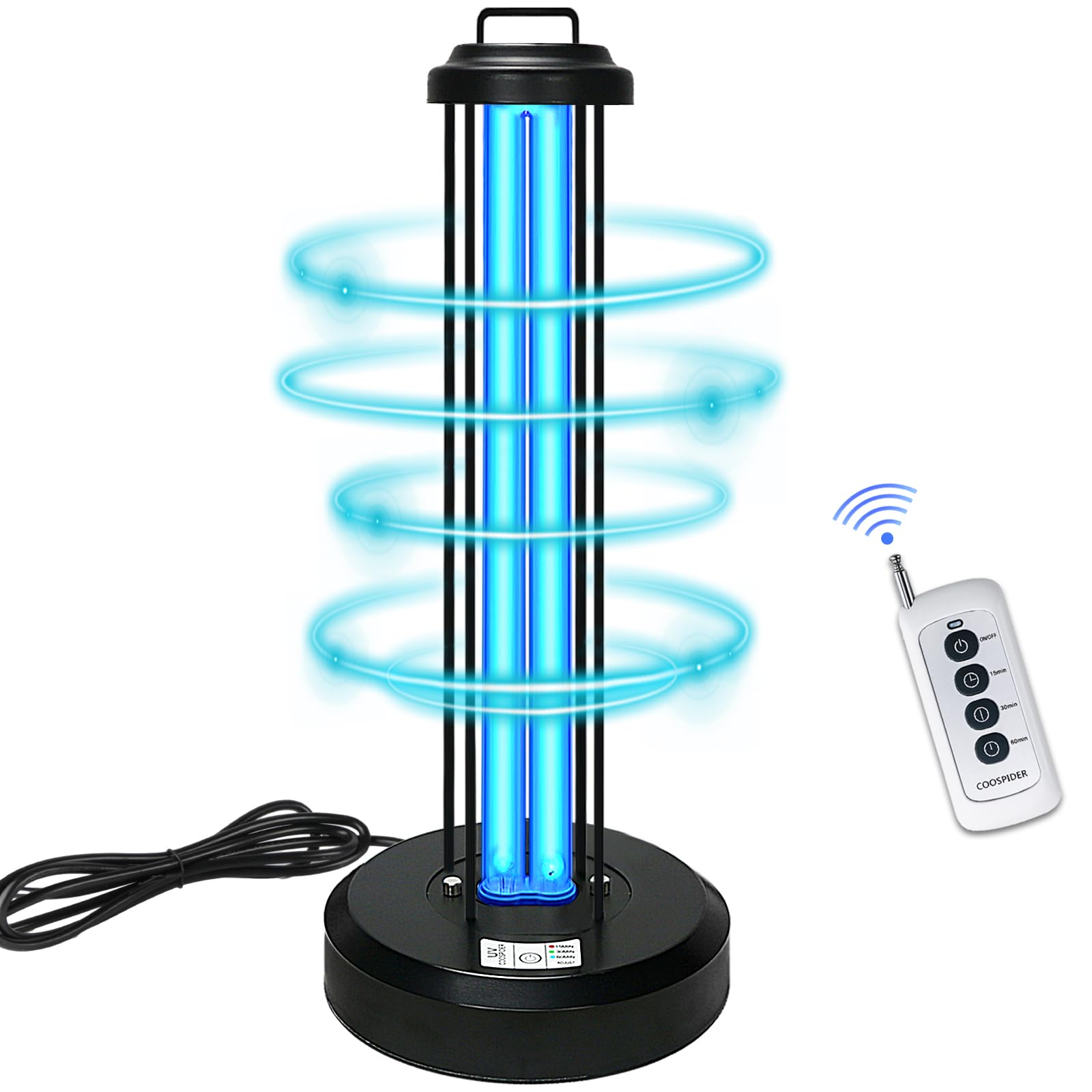
9. Types of UV Devices Suitable for Bedroom Use
UV Mattress Vacuums
-
Combine suction + UV
-
Most popular for dust mite control
-
Designed specifically for bedding
Handheld UV Lamps
-
Flexible
-
Best for pillows, headboards, and surfaces
-
Require careful handling
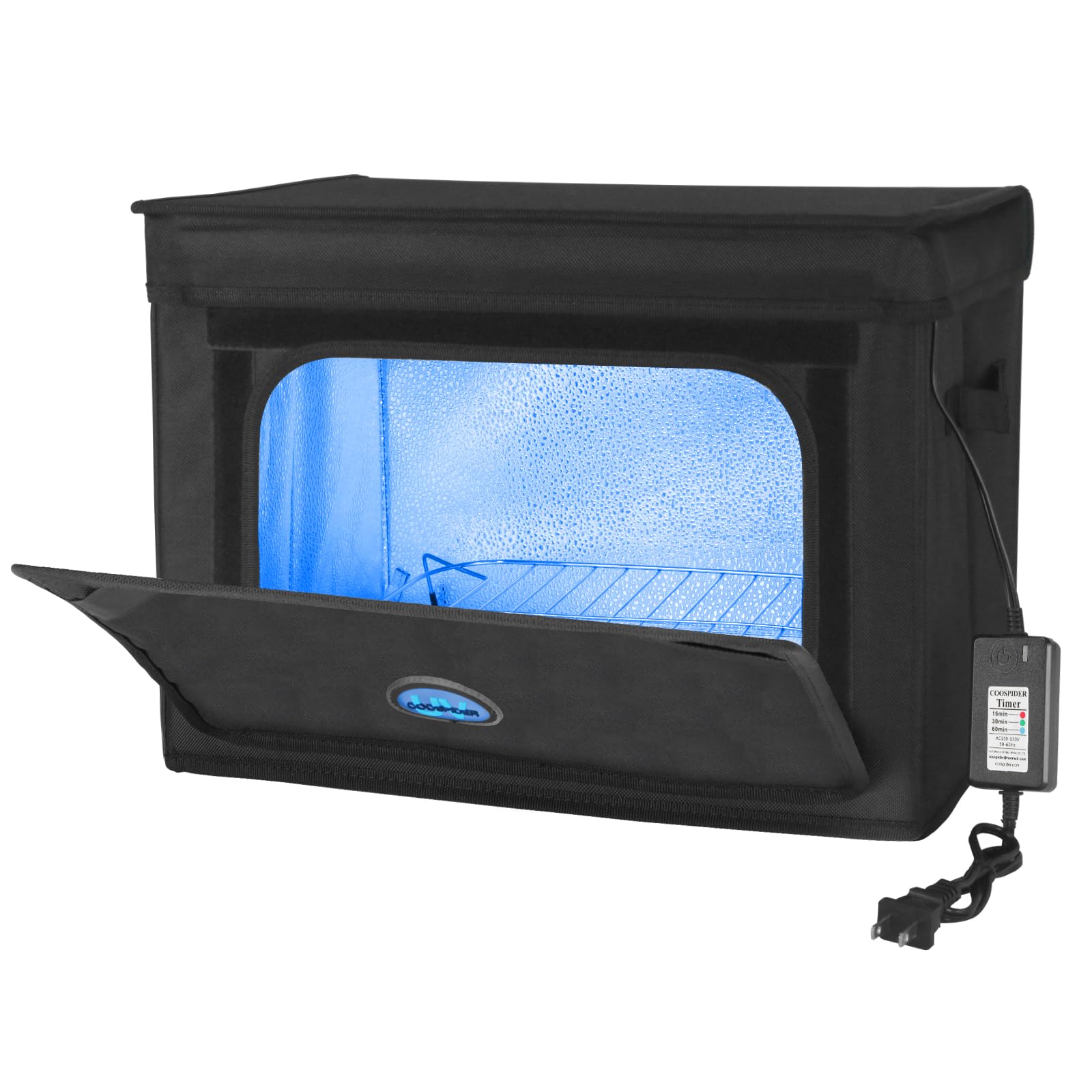
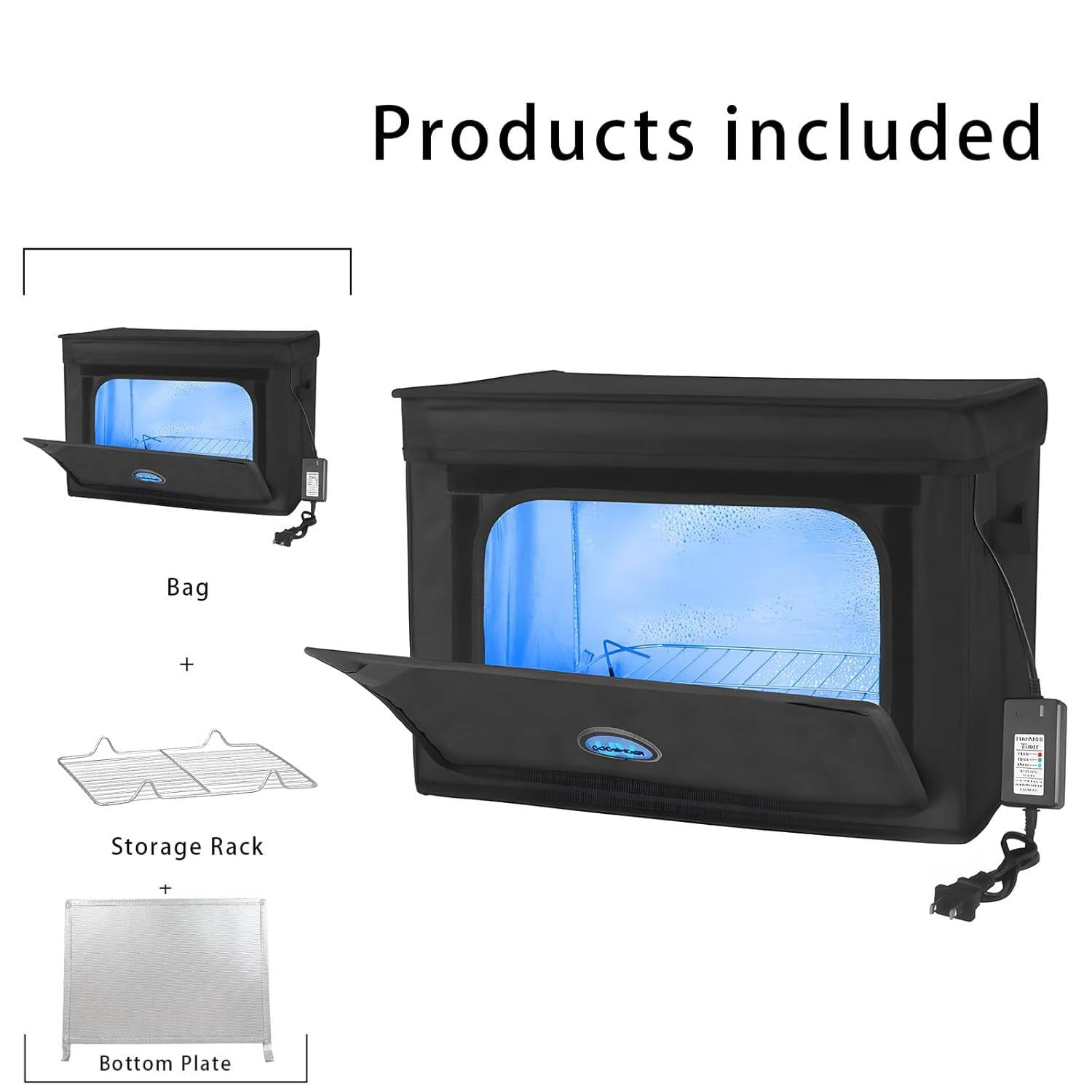
UV Sterilization Boxes
-
Suitable for pillowcases and small bedding items
-
Enclosed and safer
When choosing a device, look for certified UV-C output, not just blue or purple lights.
10. The Right Way to Use UV Light on Bedding
UV effectiveness depends on method, not just power.
Step-by-Step Routine
-
Remove sheets and covers
-
Vacuum mattress surface
-
Apply UV light slowly and evenly
-
Focus on high-contact zones
-
Repeat weekly or biweekly
Consistency matters more than intensity.
11. UV Light vs Chemical Anti-Mite Sprays
| Feature | Chemical Sprays | UV Light |
|---|---|---|
| Odor | Often strong | None |
| Residue | Yes | No |
| Long-term use | Limited | Safe when used correctly |
| Effect on microbes | Partial | Broad-spectrum |
| Child/pet friendly | Mixed | Higher (with precautions) |
UV light is especially appealing to households seeking low-chemical lifestyles.
12. Is UV Light Safe in the Bedroom?
Used incorrectly, UV-C can be harmful. Used properly, it’s safe.
Safety Best Practices
-
Never expose skin or eyes directly
-
Use devices with shields or automatic shutoff
-
Keep pets and children away during use
-
Follow manufacturer instructions strictly
Modern home UV devices are designed with safety in mind—but responsibility still matters.
13. How Often Should You Use UV Light on Bedding?
General guidelines:
-
Mattresses: once every 1–2 weeks
-
Pillows: weekly
-
During allergy season: increase frequency
UV is preventative—regular use maintains results.
14. Who Benefits Most from UV Bedroom Disinfection?
-
Allergy sufferers
-
Asthma patients
-
Families with children
-
Pet owners
-
People living in humid climates
-
Anyone sensitive to chemicals
Better sleep starts with a cleaner sleep environment.
15. Common Myths About UV Light and Dust Mites
Myth: UV light instantly kills all mites
Truth: It suppresses populations and reduces allergens over time
Myth: Purple light equals UV-C
Truth: Many decorative lights have no germicidal effect
Myth: One session is enough
Truth: Maintenance is key
16. UV Light as Part of a Complete Bedroom Hygiene System
For best results, combine:
-
Regular washing
-
Mattress covers
-
Ventilation
-
Humidity control
-
UV disinfection
No single method works alone—but together, they’re powerful.
17. The Psychological Benefit: Sleeping with Peace of Mind
Knowing your bed is not just “clean-looking” but scientifically disinfected reduces anxiety and improves sleep quality.
Clean air, clean surfaces, clean rest.
18. The Future of Bedroom Hygiene
As health awareness grows, bedrooms are becoming wellness spaces.
Expect to see:
-
Smart UV mattress devices
-
Integrated allergen control systems
-
UV built into home appliances
-
Greater consumer education
UV light is moving from niche to normal.
Conclusion: A Cleaner Bed Means Better Sleep
Dust mites may be invisible—but their impact is real.
By combining mite suppression and disinfection, UV light offers a practical, chemical-free upgrade to traditional bedroom cleaning. It won’t replace washing or vacuuming—but it will take your bedroom hygiene to a level that traditional methods can’t reach alone.
Because better sleep doesn’t start with a new mattress—it starts with a cleaner one.