The kitchen is often called the heart of the home—but from a hygiene standpoint, it can also be one of the most dangerous rooms in the house.
Between raw meat, food residue, grease splatter, moisture, and constant human contact, kitchens provide the perfect breeding ground for bacteria, mold, and viruses. Traditional cleaning removes what you can see, but what about the invisible threats left behind on countertops, cutting boards, utensils, and appliances?
This is where UV light disinfection, when combined with proper cleaning, becomes a powerful tool. Not as a replacement for cleaning—but as a force multiplier.
In this guide, we’ll explore how grease and germs work together to create hidden hygiene risks, why cleaning alone isn’t always enough, and how UV light can be safely and effectively integrated into your kitchen routine to achieve a true “double kill.”
1. The Hidden Reality of Kitchen Contamination
Most people associate bacteria with bathrooms. In reality, studies have consistently shown that kitchens often harbor higher bacterial counts than toilets.
Common Kitchen Hotspots for Bacteria
-
Cutting boards (especially wooden or plastic)
-
Kitchen sponges and dishcloths
-
Countertops and backsplashes
-
Sink basins and drains
-
Refrigerator handles and shelves
-
Knife handles and appliance buttons
What makes kitchens especially risky is not just the presence of bacteria, but the combination of grease, moisture, and organic residue.
2. Why Grease Makes Germs Harder to Kill
Grease is more than just a cosmetic problem—it actively protects bacteria.
Grease as a Protective Shield
-
Forms a thin film that shields microbes from disinfectants
-
Traps food particles that bacteria feed on
-
Prevents cleaners from fully contacting the surface
-
Creates micro-environments where moisture is retained
Even after wiping a surface until it “looks clean,” bacteria can remain alive beneath greasy residues.
This is why kitchens require a two-step approach:
-
Remove grease and dirt
-
Neutralize remaining microorganisms
3. The Limits of Traditional Cleaning Methods
Chemical Cleaners
While effective, chemical disinfectants have drawbacks:
-
Require precise contact time
-
Lose effectiveness on greasy surfaces
-
Leave chemical residues
-
Can irritate skin and respiratory systems
-
Risk of improper dilution or misuse
Hot Water and Soap
Excellent for removing grease—but:
-
Not all bacteria are eliminated
-
Ineffective on porous surfaces
-
Depends heavily on technique and time
Cleaning alone reduces bacterial load—but it rarely achieves true disinfection.
4. What UV Light Actually Does (and What It Doesn’t)
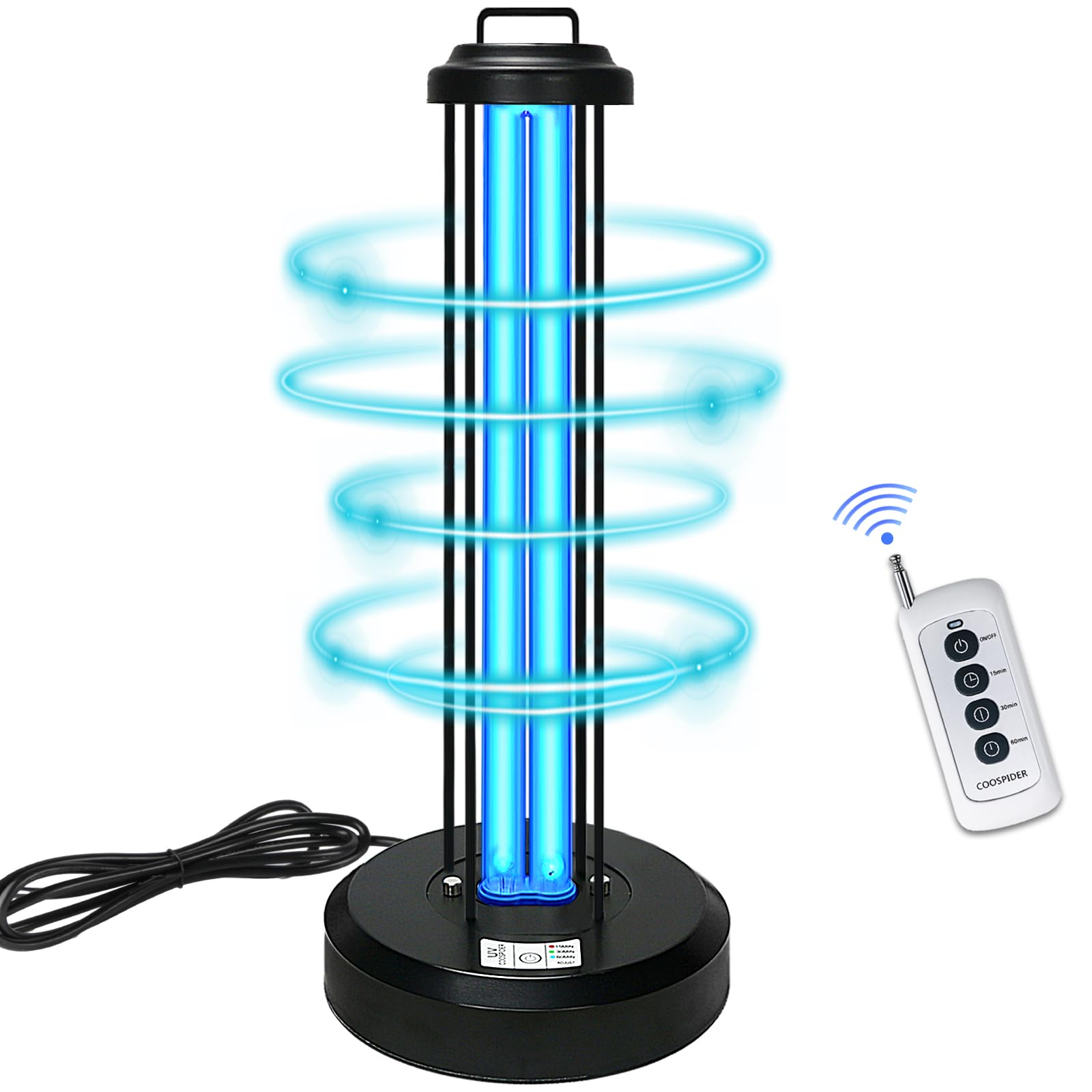
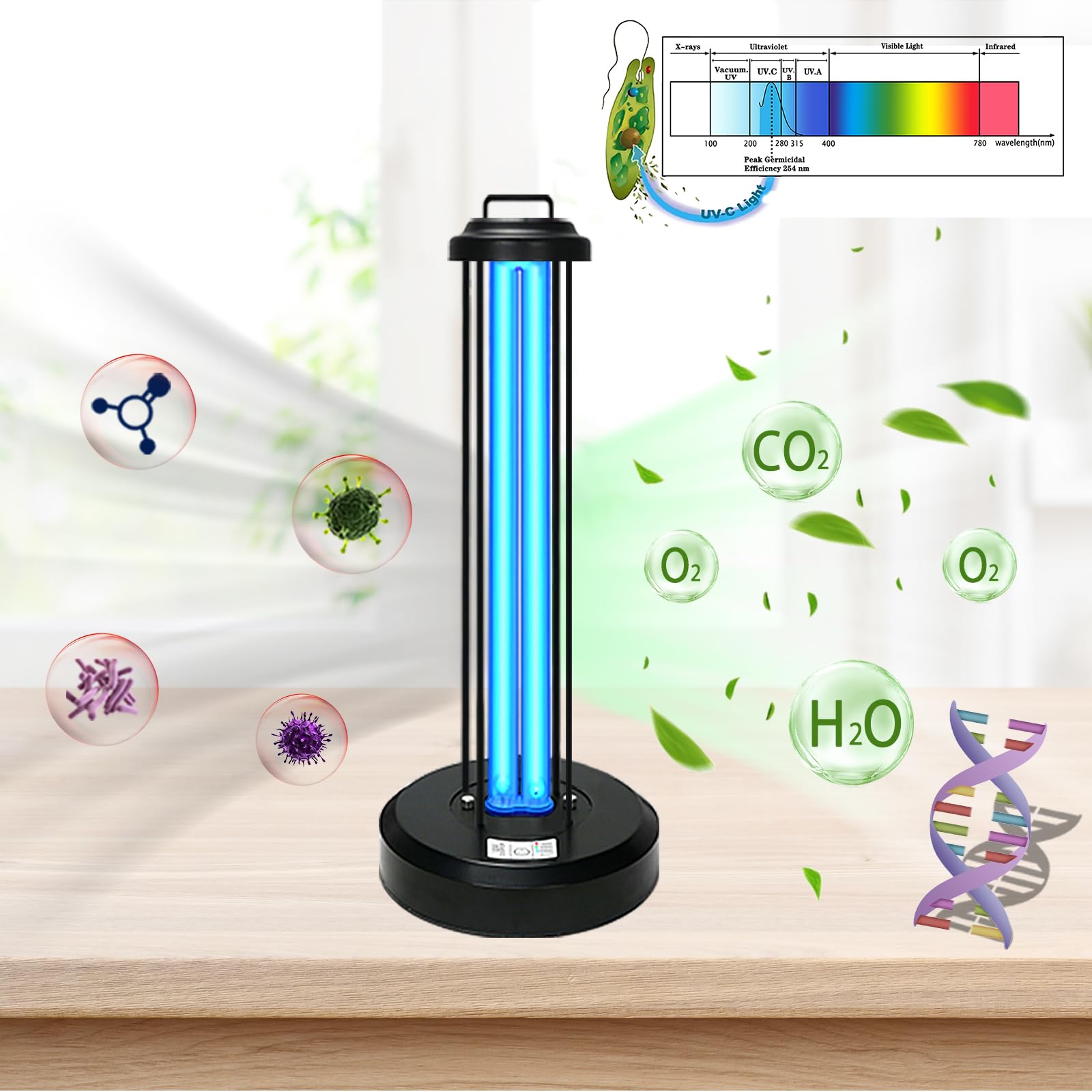
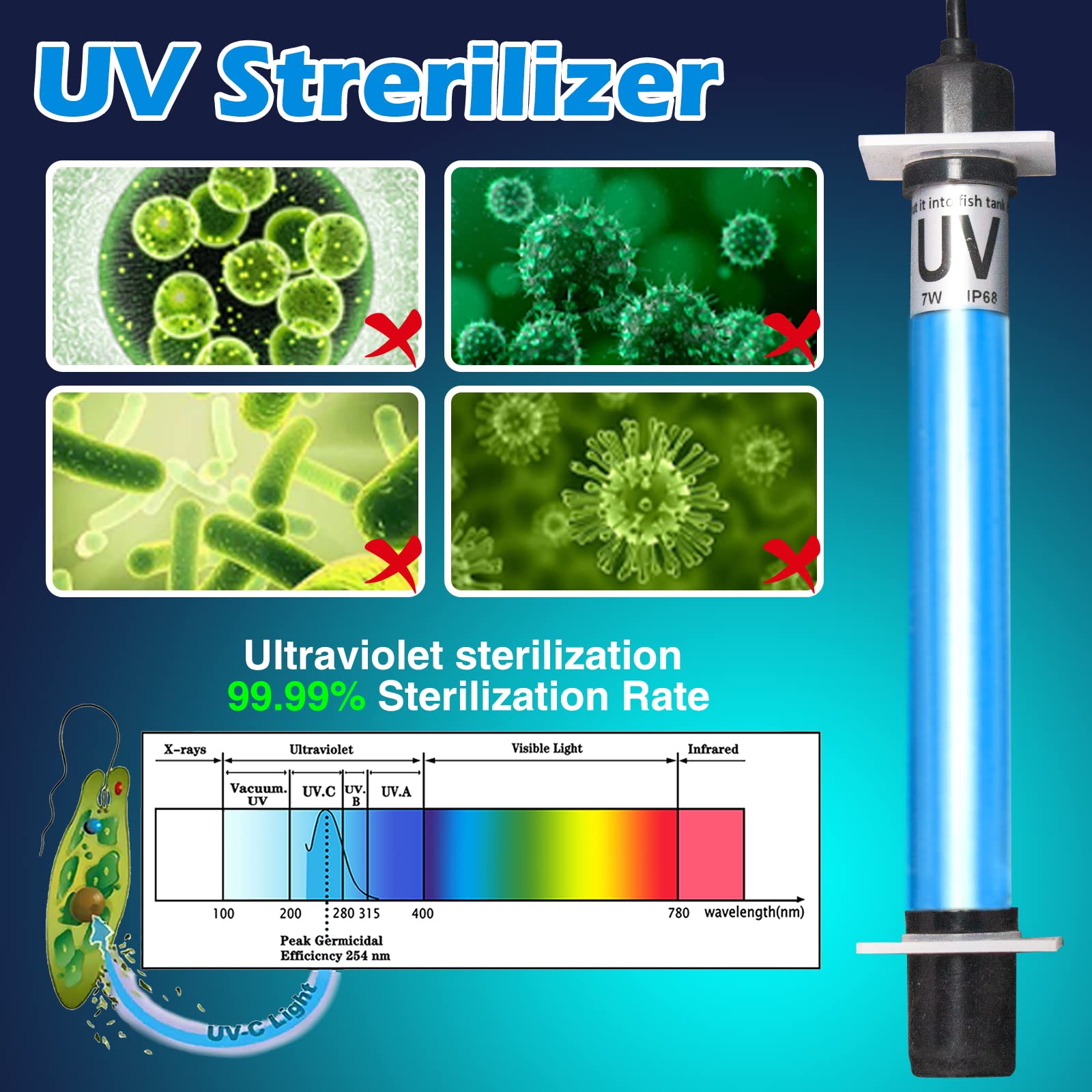
UV disinfection—specifically UV-C light (200–280 nm)—works by damaging the DNA and RNA of microorganisms.
How UV Light Kills Germs
-
Breaks molecular bonds in DNA/RNA
-
Prevents replication
-
Inactivates bacteria, viruses, and mold spores
-
Leaves no chemical residue
What UV Light Does NOT Do
-
It does not remove grease
-
It does not clean dirt
-
It does not penetrate solid objects or thick grime
That’s why UV light is most powerful after cleaning, not instead of it.
5. The “Double Kill” Strategy: Cleaning + UV Light
Think of cleaning and UV disinfection as complementary tools.
Step 1: Mechanical Cleaning
-
Remove visible grease and food residue
-
Wash with detergent or degreaser
-
Rinse and dry surfaces
This exposes bacteria and removes their protective layer.
Step 2: UV Disinfection
-
Apply UV light to cleaned surfaces
-
Inactivate remaining microorganisms
-
Reach microscopic areas chemicals may miss
Together, these steps create a far higher level of hygiene than either alone.
6. Kitchen Items That Benefit Most from UV Disinfection
Cutting Boards
Even after washing, cutting boards can retain bacteria in knife grooves.
UV benefits:
-
Non-contact disinfection
-
Ideal for plastic and glass boards
-
Effective against E. coli and Salmonella
Kitchen Utensils
-
Tongs, knives, spatulas
-
Especially those with textured handles
UV cabinets or boxes are ideal for daily utensil disinfection.
Dishware and Baby Items
-
Plates, bowls, cups
-
Baby bottles and feeding tools
UV avoids chemical residue concerns, making it popular for families.
Countertops and Prep Areas
-
Especially near sinks and stoves
-
High-touch food prep zones
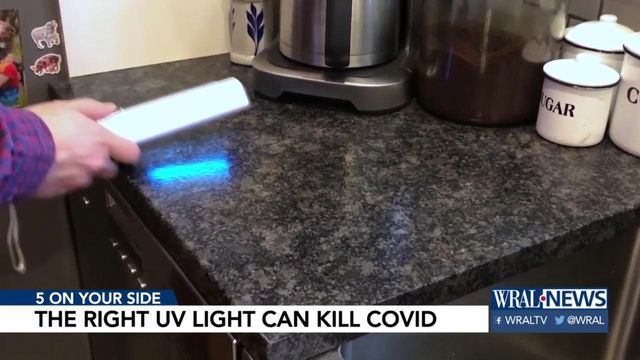
UV handheld lamps can add an extra safety layer after cleaning.
7. UV Light and Grease: Why Order Matters
A common misconception is that UV light can “burn through” grease. It cannot.
Why UV Must Come After Cleaning
-
Grease absorbs and scatters UV rays
-
Bacteria hidden under residue remain unaffected
-
Uneven surfaces create shadow zones
Proper cleaning ensures UV energy reaches microorganisms directly.
8. Choosing the Right UV Device for Kitchen Use
Not all UV products are created equal.
Recommended UV Options for Kitchens
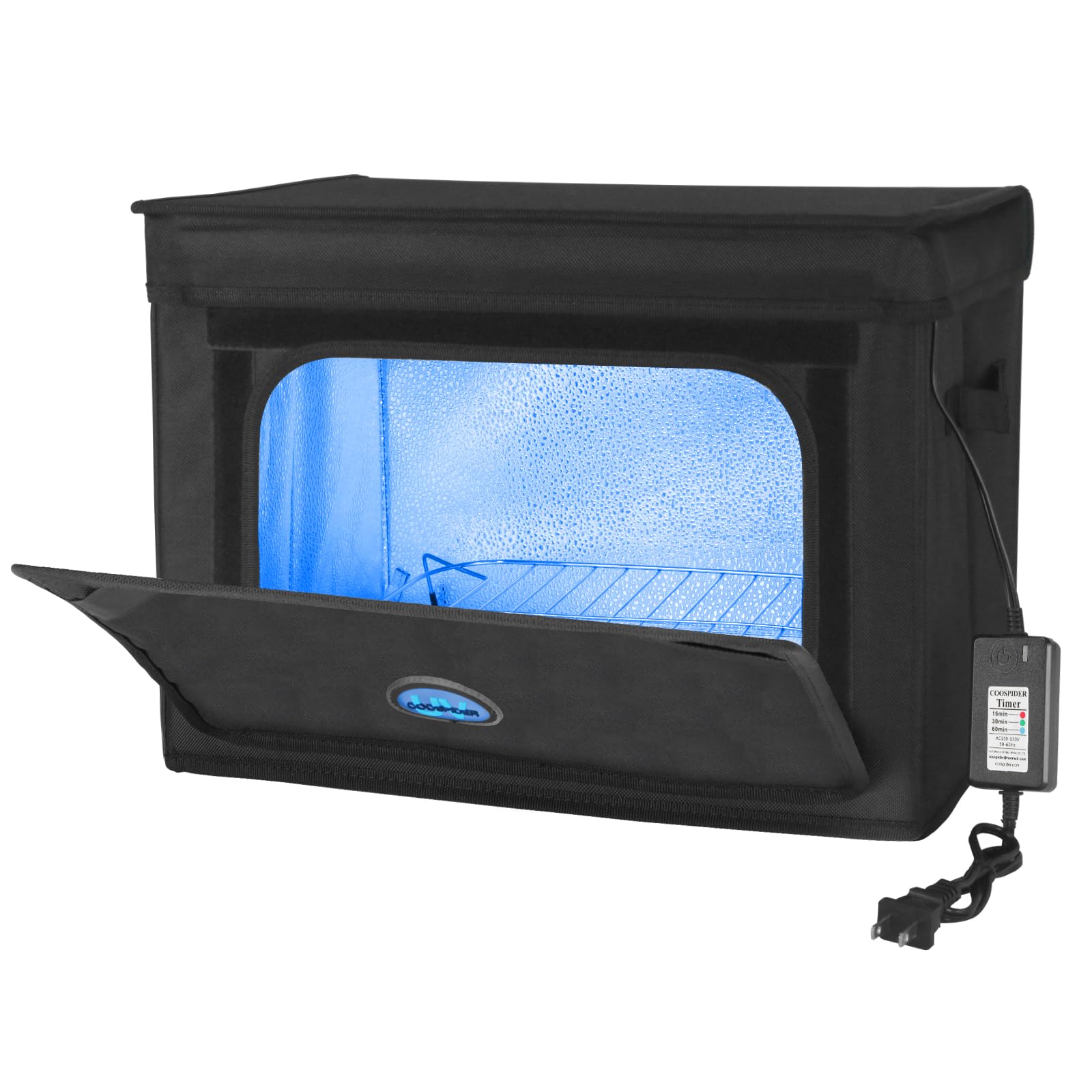
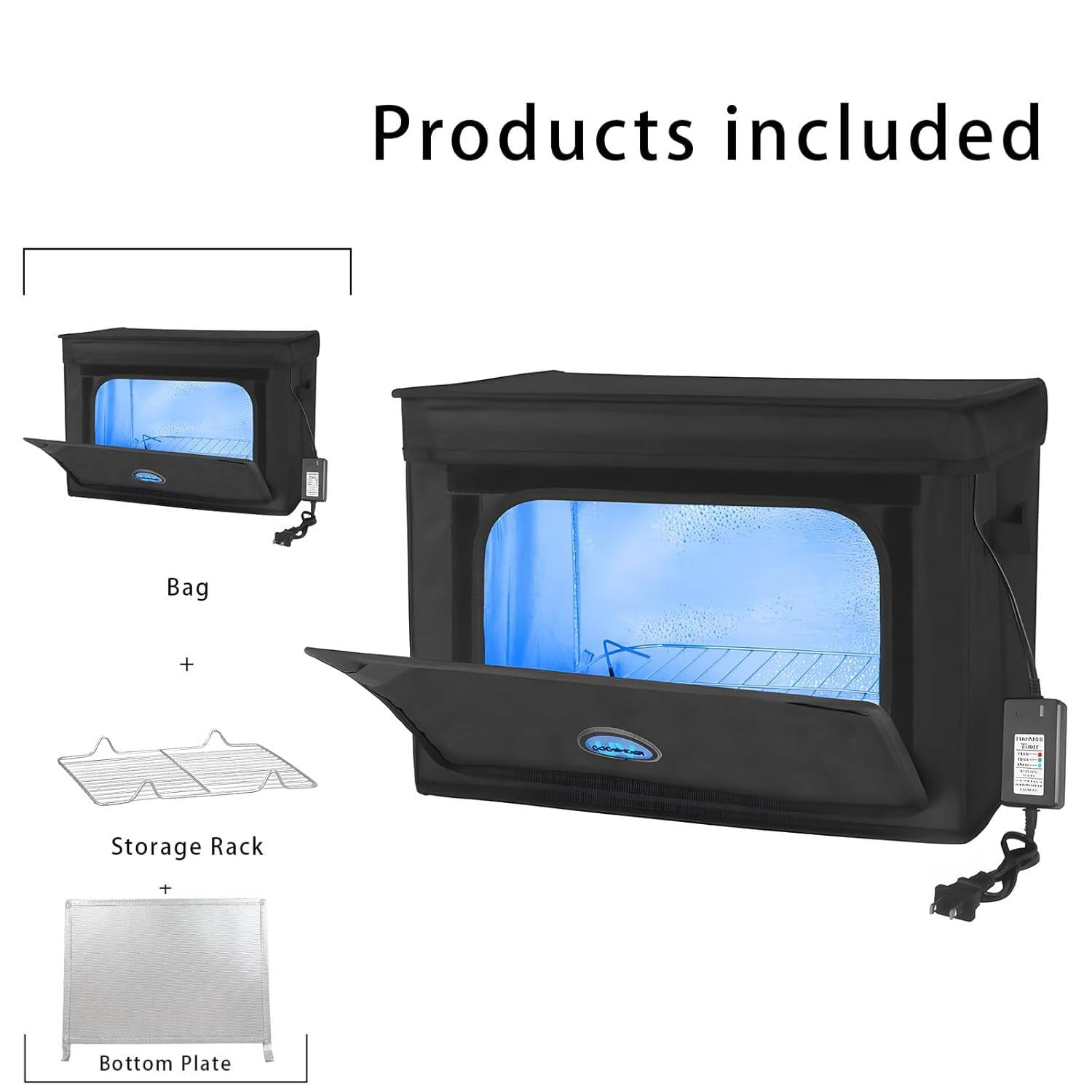
UV Sterilization Boxes
-
Ideal for utensils, knives, baby items
-
Enclosed and safer for home use
UV Cabinets
-
Suitable for larger tools or small appliances
-
Common in commercial kitchens
Handheld UV Lamps
-
Flexible for countertops and sinks
-
Must be used carefully to avoid exposure
What to Look For
-
UV-C wavelength (around 254 nm)
-
Safety features (auto shut-off, enclosed design)
-
Certified testing data
-
Clear usage instructions
9. Safety First: Using UV Light Responsibly
UV-C light is effective—but powerful.
Key Safety Rules
-
Never expose skin or eyes directly
-
Use enclosed or motion-sensor devices when possible
-
Keep children and pets away during use
-
Follow manufacturer timing guidelines
When used correctly, UV disinfection is safe, efficient, and residue-free.
10. UV Light vs Chemical Disinfectants in the Kitchen
| Aspect | Chemical Cleaners | UV Light |
|---|---|---|
| Removes grease | Yes | No |
| Kills microbes | Yes | Yes |
| Residue | Yes | No |
| Odor | Often | None |
| Reusable | No | Yes |
| Environmental impact | Medium–High | Low |
The best kitchens don’t choose one—they combine both intelligently.
11. Ideal Kitchen Hygiene Routine (Step-by-Step)
-
Clear food debris
-
Degrease with detergent
-
Rinse and dry surfaces
-
Apply UV disinfection
-
Store tools in clean, dry areas
This routine minimizes cross-contamination and long-term bacterial buildup.
12. Commercial Kitchens and Professional Applications
Restaurants, cafés, and food prep facilities increasingly rely on UV technology.
Benefits include:
-
Reduced chemical usage
-
Faster turnover between prep cycles
-
Improved food safety compliance
-
Enhanced customer trust
UV is no longer experimental—it’s becoming standard.
13. Myths About UV Light in Kitchens
Myth: UV light replaces cleaning
Truth: It complements cleaning
Myth: UV is dangerous in any form
Truth: Risk depends on design and usage
Myth: More UV time equals better results
Truth: Correct dosage matters more than duration
14. Is UV Disinfection Worth It for Home Kitchens?
If you:
-
Cook frequently
-
Have children or elderly family members
-
Handle raw meat often
-
Want to reduce chemical exposure
Then yes—UV light is a valuable upgrade, not a gimmick.
15. The Future of Kitchen Hygiene
As consumers become more health-conscious, kitchens are evolving from “clean-looking” to scientifically clean.
Expect to see:
-
Built-in UV cabinets
-
Smart UV appliances
-
Combination cleaning + disinfection systems
-
Wider adoption in residential homes
Conclusion: Cleaner Isn’t Enough—Safer Is Better
Grease hides germs. Cleaning removes grease. UV light neutralizes what remains.
When used together, traditional cleaning and UV disinfection form a powerful, modern hygiene strategy—one that delivers peace of mind along with visibly clean surfaces.
In a world where food safety matters more than ever, a grease-and-germ double kill isn’t overkill—it’s smart living.