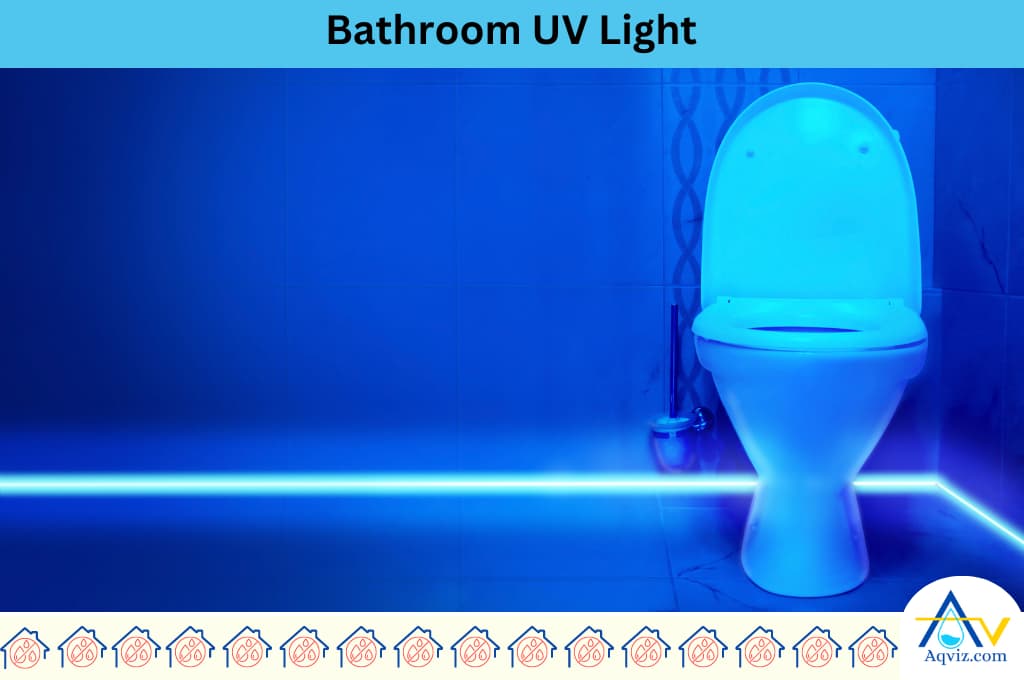
When people think about household hygiene, bathrooms often feel deceptively simple: wipe the sink, scrub the toilet, spray a little disinfectant, and the job is done.
But the truth is far more unsettling.
The bathroom is one of the most bacteria-dense environments in any home—often ranking higher than kitchens, bedrooms, or living rooms. Warmth, moisture, organic residue, and limited ventilation create the perfect breeding ground for bacteria, viruses, and mold.
Even worse, some of the dirtiest areas in the bathroom are also the ones most frequently overlooked.
This raises an important question for modern households:
Can UV light be used effectively to tackle bathroom “bacterial hotspots” and push sanitation closer to true germ control—especially for toilets and floor drains?
Let’s explore the science, the risks, and the right way to use UV light in the bathroom—without myths, exaggeration, or unsafe shortcuts.
1. Why the Bathroom Is a Microbial Battlefield
Bathrooms combine nearly every condition microorganisms love:
-
Constant moisture
-
Warm temperatures
-
Organic matter
-
Limited airflow
-
Frequent human contact
These factors allow bacteria and mold to persist even after routine cleaning.
Common microbes found in bathrooms include:
-
E. coli
-
Salmonella
-
Staphylococcus
-
Mold spores
-
Fungal colonies
Routine cleaning removes visible dirt, but microscopic contamination often remains—especially in hard-to-reach or damp areas.
2. The Real “Bacteria Hotspots” in Your Bathroom
Most people focus on obvious surfaces like sinks and toilet seats. In reality, the most contaminated areas are often less visible.
Toilet Bowl and Rim
-
Splash-back during flushing spreads bacteria
-
Under-rim areas are difficult to clean manually
-
Biofilm forms quickly in moist environments
Toilet Handle and Lid
-
Touched before and after use
-
Frequently missed during cleaning
-
High transfer risk
Floor Drains and Shower Drains
-
Constant moisture
-
Accumulation of hair, soap residue, and organic matter
-
Ideal for mold and bacteria growth
Sink Overflow Holes
-
Rarely cleaned
-
Dark, damp, and stagnant
Toothbrush Area
-
Aerosolized bacteria from flushing
-
Proximity to moisture and warmth
These are precisely the areas where UV light can play a supporting but powerful role.
3. Why Traditional Bathroom Disinfection Falls Short
Chemical cleaners are effective—but imperfect.
Common Limitations:
-
Missed crevices and shadowed areas
-
Chemical residue concerns
-
Strong odors and fumes
-
Material degradation over time
-
Inconsistent application
Even diligent cleaning can leave behind:
-
Biofilms
-
Mold spores
-
Bacteria embedded in micro-scratches
This is why bathrooms often “re-contaminate” so quickly.
4. How UV Light Disinfection Works in Bathrooms
The Science Behind UV Germicidal Action
UV-C light (200–280 nm) disrupts microbial DNA and RNA by:
-
Breaking molecular bonds
-
Preventing replication
-
Rendering microorganisms inactive
UV does not rely on chemicals or moisture—it works through direct exposure.
This makes it especially useful for:
-
Hard surfaces
-
Moist environments
-
Items that shouldn’t be sprayed repeatedly
5. Can UV Light Really Make Toilets and Drains “Germ-Free”?
The phrase “germ-free” is often used loosely.
From a scientific standpoint:
-
UV light can significantly reduce microbial load
-
It cannot sterilize through solid objects
-
It does not work through dirt or standing water
However, when used correctly, UV can:
-
Suppress bacterial growth
-
Disrupt biofilm formation
-
Reduce odor-causing microbes
-
Complement routine cleaning
The key is correct application.
6. Using UV Light on Toilets: What Works and What Doesn’t
Effective UV Targets on Toilets:
-
Toilet seat (top and underside)
-
Flush handle or button
-
Outer bowl surface
-
Rim area (after manual cleaning)
Best Practices:
-
Clean visible dirt first
-
Dry surfaces when possible
-
Apply UV light directly to exposed areas
-
Maintain appropriate exposure time
UV light works best on:
-
Smooth ceramic surfaces
-
Plastic components
-
Exposed contact points
What UV Can’t Do:
-
Penetrate deep into standing water
-
Replace mechanical scrubbing
-
Reach fully enclosed under-rim areas without proper angles
UV is a final sanitation step, not a replacement for cleaning.
7. Floor Drains and Shower Drains: A Hidden Microbial Reservoir
Drains are among the most problematic areas in bathrooms.
Why Drains Are So Hard to Sanitize:
-
Constant moisture
-
Organic buildup
-
Limited light and airflow
-
Biofilm formation
Chemical drain cleaners:
-
Are harsh and corrosive
-
Often damage pipes
-
Do not prevent regrowth
How UV Light Helps:
UV light can:
-
Reduce surface bacteria around drain openings
-
Suppress mold growth at the drain mouth
-
Minimize odor-causing microbes
Practical Application:
-
Use UV lamps aimed at the drain opening, not deep inside
-
Combine with routine physical cleaning
-
Use UV as a maintenance tool, not a one-time fix
8. UV Light and Mold Control in Bathrooms
Mold thrives in:
-
Damp corners
-
Grout lines
-
Silicone sealants
-
Under sinks
UV light is effective at:
-
Inhibiting mold spores on exposed surfaces
-
Slowing regrowth in problem areas
-
Supporting dehumidification efforts
However, UV does not remove existing mold stains—it prevents spread.
9. Toothbrushes, Razors, and Personal Items
Personal hygiene items are often stored in the bathroom, where contamination risk is high.
UV Sterilization Boxes Are Ideal For:
-
Toothbrush heads
-
Razor blades
-
Makeup tools
-
Nail clippers
These enclosed systems:
-
Prevent UV exposure to users
-
Provide controlled sanitation
-
Reduce cross-contamination
This is one of the safest and most effective bathroom UV applications.
10. Safety First: UV Light in a Small, Enclosed Space
Bathrooms are compact spaces, which makes UV safety especially important.
Essential Safety Rules:
-
Never expose skin or eyes directly to UV-C light
-
Use enclosed UV devices whenever possible
-
Avoid operating open UV lamps while people or pets are present
-
Follow manufacturer exposure guidelines strictly
Modern consumer UV products often include:
-
Motion sensors
-
Auto shut-off
-
Enclosed designs
These features are not optional—they’re critical.
11. The “Shadow Problem”: Why Placement Matters
UV light only disinfects surfaces it can directly reach.
Shadowed areas remain untreated.
To minimize this:
-
Adjust lamp angles
-
Reposition devices during use
-
Focus on high-contact zones rather than entire rooms
Understanding this limitation prevents unrealistic expectations.
12. UV Light vs Chemical Disinfectants in Bathrooms
| Aspect | UV Light | Chemical Cleaners |
|---|---|---|
| Residue | None | Often present |
| Odor | None | Common |
| Moisture | None | Required |
| Material damage | Minimal | Possible |
| Reach | Line-of-sight | Physical contact |
The most effective approach combines both methods strategically.
13. Building a Practical Bathroom UV Routine
A realistic routine might look like this:
Daily or Every Other Day:
-
UV box for toothbrushes and razors
Weekly:
-
UV sanitation for toilet seat and handle
-
UV exposure around drain openings
Monthly:
-
Under-sink cabinet sanitation
-
Mold-prone corners and seals
Consistency is far more effective than occasional overuse.
14. Common Myths About UV Bathroom Disinfection
Myth 1: UV light can sterilize the entire bathroom at once
→ False. UV works locally and directionally.
Myth 2: Stronger UV is always better
→ False. Safety and exposure time matter more.
Myth 3: UV eliminates the need for cleaning
→ False. Cleaning is still essential.
15. Choosing the Right UV Device for Bathroom Use
Look for:
-
Clearly stated wavelength (UV-C range)
-
Safety certifications
-
Enclosed or sensor-controlled designs
-
Moisture-resistant construction
Avoid:
-
Vague “UV” claims
-
No safety documentation
-
Products without clear instructions
16. Who Benefits Most from Bathroom UV Disinfection?
UV sanitation is especially valuable for:
-
Families with children
-
Elderly households
-
Shared bathrooms
-
Homes with pets
-
Mold-prone environments
It’s about risk reduction, not fear.
17. Is “Bathroom Sterilization” a Realistic Goal?
Absolute sterility is not realistic—or necessary—in a home.
The real goal is:
-
Reducing microbial load
-
Interrupting bacterial reproduction
-
Improving overall hygiene consistency
UV light supports these goals effectively when used correctly.
18. The Future of Bathroom Hygiene
Advances in:
-
UV-C LED technology
-
Smart sensors
-
Compact designs
are making UV disinfection:
-
Safer
-
More energy-efficient
-
More user-friendly
Bathrooms are becoming smarter—and cleaner—by design.
19. Final Thoughts: A Smarter Way to Tackle Bathroom Germs
Bathrooms will always be high-risk zones for bacteria and mold—but they don’t have to be problem areas.
UV light, when used responsibly and strategically, offers a chemical-free, science-backed upgrade to traditional bathroom hygiene.
It doesn’t replace cleaning.
It doesn’t perform miracles.
But it does help close the gap between “looks clean” and actually cleaner.
And in the most bacteria-prone room of your home, that difference matters.