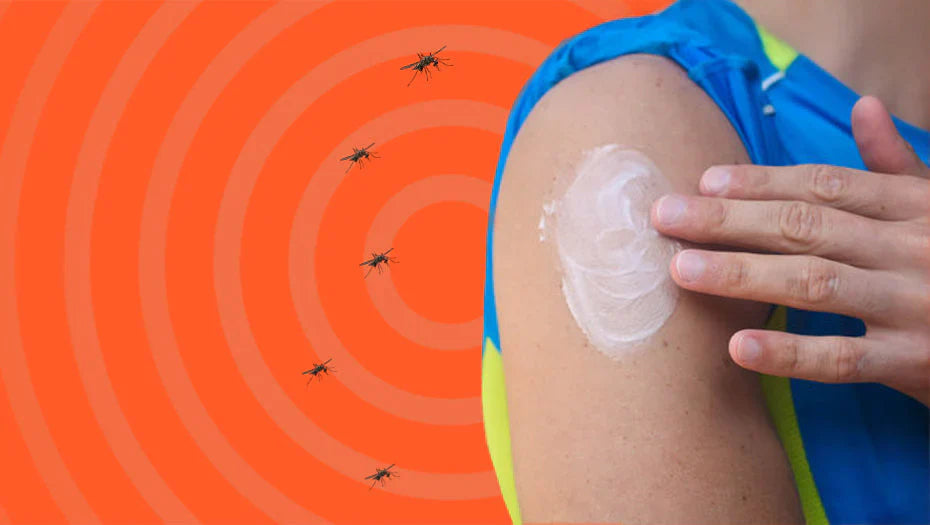
When heading into the great outdoors, there’s more to prepare for than just a backpack, tent, or hiking boots. One of the most underestimated hazards during outdoor activities is insects. Mosquitoes, ticks, gnats, and biting flies are not only irritating—they can carry diseases, trigger allergic reactions, and ruin an otherwise enjoyable trip.
For outdoor enthusiasts, understanding how to protect yourself from insects from head to toe is essential. The strategies go beyond simply spraying on repellent. Proper planning, layering, and targeted protection can prevent bites and keep you comfortable, even in heavily infested areas. This guide will cover the full spectrum of insect protection, from headgear to footwear, along with expert tips, product recommendations, and practical techniques for both casual outings and extended wilderness adventures.
Understanding Outdoor Insect Risks
Before diving into prevention techniques, it’s important to understand what you’re up against. Different insects pose different levels of risk depending on location, season, and activity.
Mosquitoes
Mosquitoes are the most common nuisance in outdoor settings. They are attracted to body heat, carbon dioxide, and sweat. Some species can transmit diseases such as West Nile virus, Zika, or malaria in certain regions.
Ticks
Ticks are commonly found in grassy, wooded, or brushy areas. They can transmit serious illnesses like Lyme disease or Rocky Mountain spotted fever. They often latch onto clothing before reaching exposed skin, making clothing treatment an essential preventive measure.
Biting Flies and Midges
Biting flies, including black flies and horseflies, can be particularly aggressive in river valleys, near wetlands, or during summer months. Midges and gnats are smaller but can cause persistent itching and irritation.
Chiggers and Other Tiny Pests
Chiggers are tiny mites that attach to the skin and cause intense itching. Other small pests, such as fleas, can also be present in campsites or areas with wildlife activity.
Preparing Your Body from Head to Toe
Protection requires a holistic approach. Here’s how to cover yourself effectively.
1. Head and Face Protection
The head and face are often the first targets for mosquitoes and gnats.
-
Hats with brims: Wide-brim hats reduce mosquito access to your forehead, ears, and neck.
-
Head nets: Essential in heavily infested areas, particularly for camping near wetlands or forests. These fine mesh nets allow full visibility while keeping insects away from your face.
-
Facial repellent sprays: Non-toxic, DEET-based, or natural repellents can be lightly applied to the face and neck. Avoid eye contact, and wash hands after application.
2. Neck and Upper Body
The neck and shoulders are prime landing areas for mosquitoes and biting flies.
-
Long-sleeve shirts: Lightweight, breathable fabrics protect skin without overheating. Moisture-wicking fabrics reduce sweat, which can attract insects.
-
Permethrin-treated clothing: Permethrin is a long-lasting insecticide that can be applied to clothing and gear. Treated fabrics repel ticks and mosquitoes effectively.
-
Bandanas or neck gaiters: Useful for both sun and insect protection. Can be soaked in permethrin for enhanced defense.
3. Hands and Arms
Hands and arms are constantly exposed while hiking, cooking, or setting up camp.
-
Lightweight gloves: For areas with ticks or chiggers, gloves reduce exposed skin.
-
Topical repellents: Apply to exposed areas, using small amounts of DEET, picaridin, or oil of lemon eucalyptus.
-
Avoid scented lotions or perfumes: Sweet or floral scents attract insects.
4. Torso and Lower Body
Mosquitoes and ticks are likely to land on the torso and legs, especially during breaks or while resting.
-
Long pants: Lightweight, loose-fitting pants provide a physical barrier against bites.
-
Tuck pants into socks: This prevents ticks from crawling up your legs.
-
Permethrin-treated pants: Offers extended protection for longer trips.
-
Layering: Combining base layers with outer garments enhances protection while maintaining breathability.
5. Feet and Ankles
Feet and ankles are frequent targets for ticks, chiggers, and ants.
-
High socks: Preferably thick and light-colored to make ticks easier to spot.
-
Boots: Sturdy, closed shoes prevent insects from entering.
-
Permethrin on socks: Adds another layer of defense.
-
Inspect regularly: Check feet and ankles during breaks to remove attached ticks or other pests promptly.
Applying Insect Repellents Correctly
Choosing the right insect repellent and using it properly is crucial.
Types of Repellents
-
DEET: Highly effective for mosquitoes, ticks, and biting flies. Concentrations of 20-30% are usually sufficient for several hours of protection.
-
Picaridin: Less oily than DEET, odorless, and safe for most materials. Works well against mosquitoes and ticks.
-
Oil of Lemon Eucalyptus (OLE): Plant-based option, effective for 3-5 hours against mosquitoes. Not recommended for children under three years old.
-
Permethrin: For clothing and gear, not direct skin application. Provides long-lasting protection after multiple washes.
Application Tips
-
Apply repellent to exposed skin and clothing according to product instructions.
-
Avoid contact with eyes, mouth, and broken skin.
-
Reapply after heavy sweating, swimming, or extended exposure.
-
Use separate sprays for clothing (permethrin) and skin (DEET, picaridin, OLE) for maximum coverage.
Integrating Gear and Environmental Awareness
Insect protection is enhanced when combined with thoughtful gear choices and awareness of your surroundings.
Tents and Sleeping Areas
-
Mesh tents: Fine mesh prevents mosquito entry while allowing airflow.
-
Screened enclosures: Great for cooking or sitting areas during evenings.
-
Avoid standing water: Mosquitoes breed in stagnant water, so choose campsites wisely.
Clothing Color
-
Light colors: Mosquitoes and ticks are less attracted to white, beige, or light-colored fabrics.
-
Avoid dark or bright clothing: Dark colors attract certain biting flies; bright colors can trigger aggressive behavior in some species.
Timing and Movement
-
Dawn and dusk caution: Many mosquitoes are most active during early morning and late evening.
-
Stay on trails: Avoid dense vegetation where ticks and chiggers reside.
-
Minimize lingering near swamps or wetlands: Areas with high insect density require additional precautions.
Advanced Protection Strategies
For frequent adventurers, consider higher-level preventive methods:
-
Insect-repellent clothing brands: Brands like ExOfficio, Columbia, and Insect Shield offer factory-treated clothing.
-
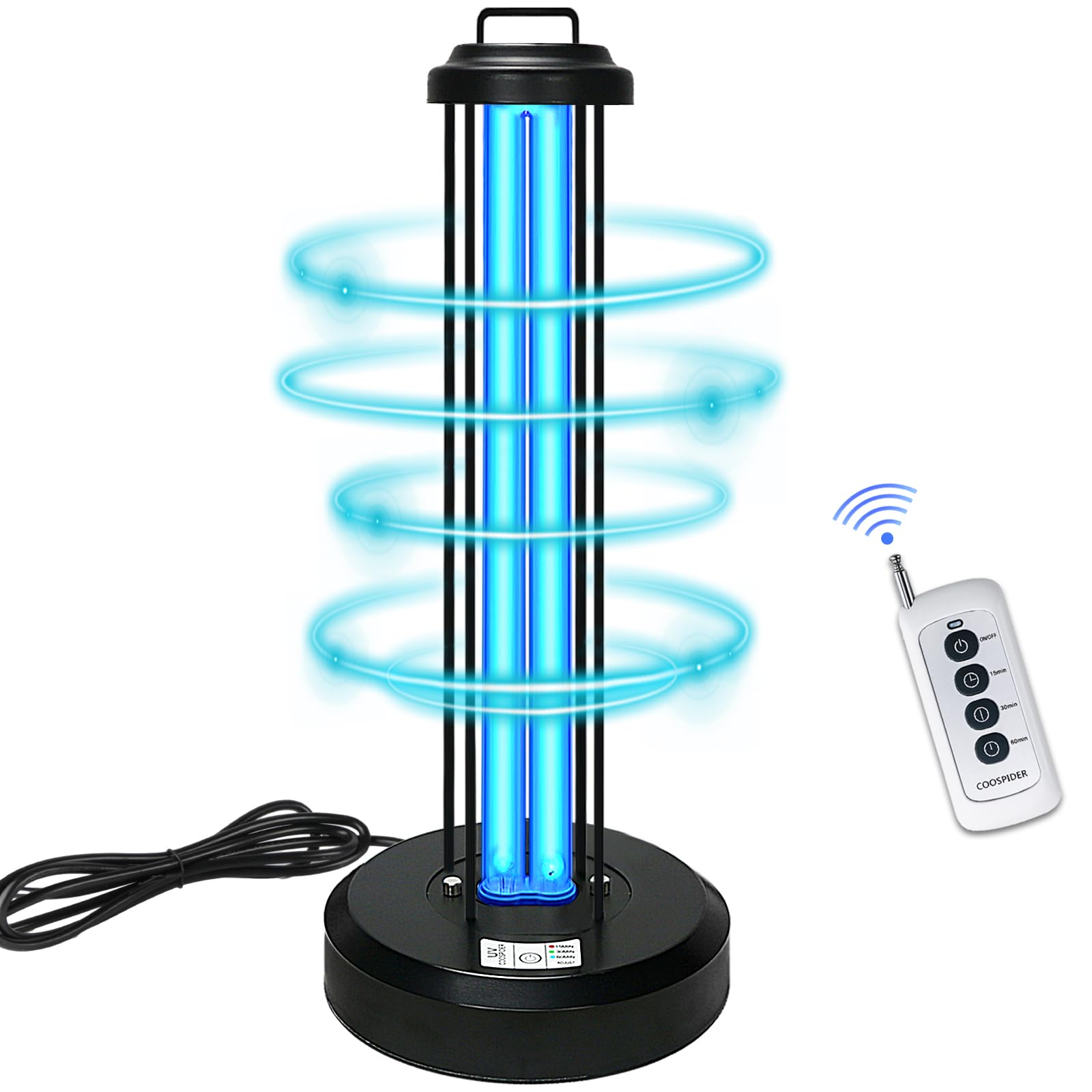
Spatial repellents: Devices that create a mosquito-free zone, including battery-operated diffusers or candles.
-
Travel-sized wipes: Convenient for quick repellent application during hikes or unexpected stops.
-
Layer rotation: Changing socks and shirts regularly prevents sweat accumulation that attracts insects.
Managing Bites and Reactions
Even with the best precautions, occasional bites can occur. Knowing how to respond reduces discomfort and infection risk.
-
Immediate cleaning: Wash bites with soap and water to remove irritants.
-
Topical relief: Calamine lotion, hydrocortisone cream, or aloe vera can reduce itching.
-
Avoid scratching: Scratching increases infection risk.
-
Monitor for symptoms: Redness, swelling, fever, or flu-like symptoms may indicate infection or disease; seek medical attention promptly.
Educating Children and Beginners
Teaching proper insect protection from a young age ensures lifelong habits.
-
Demonstrate repellent application for face, arms, and legs.
-
Emphasize inspection routines after outdoor activities.
-
Make protective clothing fun with bright, child-friendly designs.
-
Show children how to identify ticks and safely remove them.
Packing Checklist for Head-to-Toe Protection
Here’s a practical checklist to prepare for outdoor trips:
Head & Face: Wide-brim hat, head net, facial repellent
Neck & Shoulders: Long-sleeve shirts, permethrin-treated bandana, neck gaiter
Arms & Hands: Lightweight gloves, topical repellent
Torso & Legs: Long pants, permethrin-treated clothing, tucking pants into socks
Feet & Ankles: High socks, boots, permethrin on socks, foot inspection tools
Extras: Mosquito coils, spatial repellents, wipes, calamine lotion, tweezers for tick removal
Conclusion
Protecting yourself from insects during outdoor adventures doesn’t have to be complicated, but it does require a structured approach. From headgear and facial protection to socks and boots, every layer of your clothing and gear contributes to reducing bites and preventing discomfort or disease.
By integrating high-quality repellents, permethrin-treated clothing, strategic campsite selection, and attentive monitoring, you can enjoy the outdoors with minimal interference from insects. These practices not only preserve comfort but also safeguard your health, making your next hike, camping trip, or fishing adventure more enjoyable from head to toe.
The combination of proactive preparation, smart clothing choices, proper repellent use, and environmental awareness is the most effective strategy for long-term insect protection. With these tactics, outdoor enthusiasts of all skill levels can experience nature with confidence, comfort, and peace of mind.
If you want, I can **expand this blog with specific 30-day insect prevention routines, product reviews, and region-specific