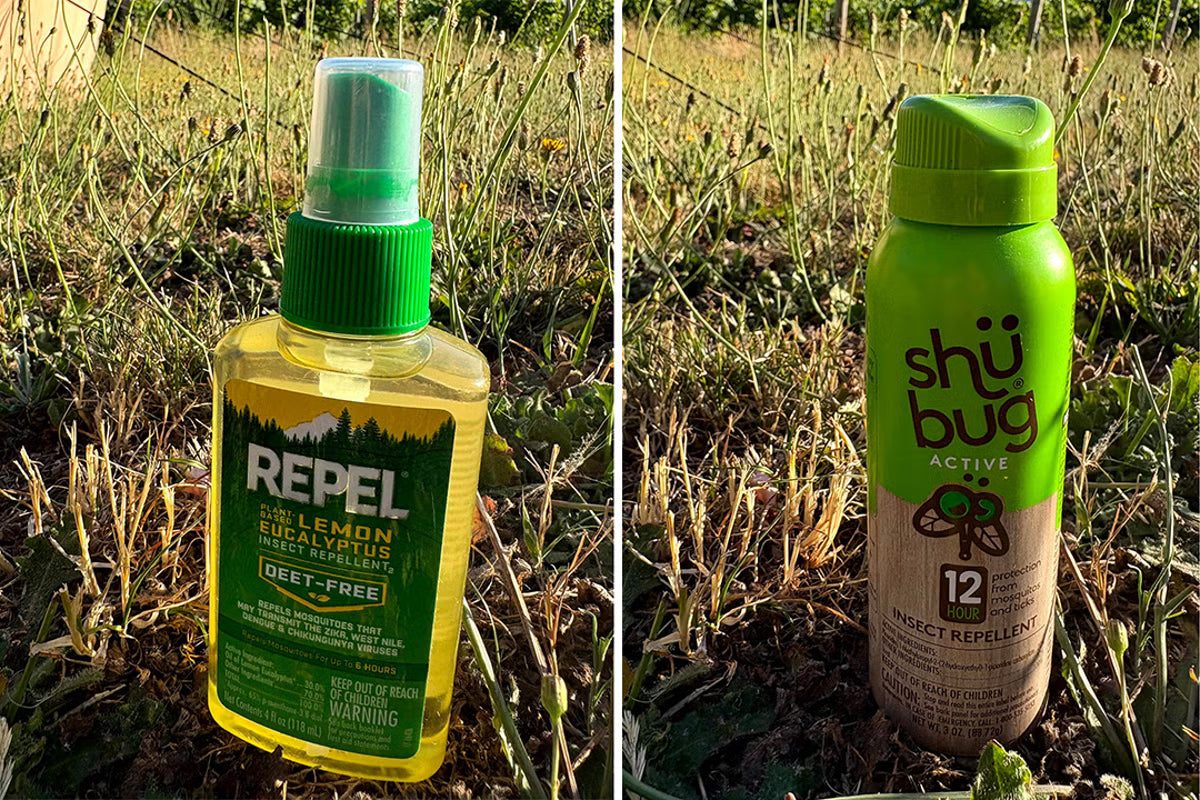
Outdoor adventures offer countless opportunities to reconnect with nature, whether you're hiking through mountain trails, camping under the stars, gardening in your backyard, fishing by a lake, or simply enjoying a summer picnic. Unfortunately, mosquitoes, ticks, biting flies, gnats, and other insects often come along for the experience.
For many consumers, selecting an insect repellent can feel overwhelming. Store shelves are packed with sprays, lotions, wipes, wearable devices, natural formulas, and plant-based alternatives. Marketing claims promise everything from all-day protection to chemical-free solutions, making it difficult to determine what truly works.
This is why ingredient-conscious consumers increasingly focus on one critical question: What ingredients actually provide safe and reliable insect protection?
Understanding the science behind insect repellent ingredients allows you to make informed decisions based on effectiveness, safety, duration, skin compatibility, environmental considerations, and outdoor activity needs.
This comprehensive guide breaks down the most important active ingredients, common misconceptions, safety considerations, and practical selection strategies for choosing the right outdoor insect repellent.
Why Ingredient Knowledge Matters
Most people purchase repellents based on packaging claims or recommendations from friends. However, two products that appear similar can perform very differently depending on their active ingredients.
Understanding ingredients helps consumers:
-
Compare products objectively
-
Identify scientifically proven formulas
-
Avoid ineffective marketing claims
-
Choose appropriate protection levels
-
Reduce unnecessary exposure
-
Match products to specific outdoor activities
-
Protect children and sensitive users
The ingredient list often tells you far more about performance than the front label.
Understanding How Insect Repellents Work
Contrary to popular belief, most insect repellents do not kill insects.
Instead, they interfere with an insect's ability to detect human hosts.
Mosquitoes locate humans through:
-
Carbon dioxide
-
Body heat
-
Skin odors
-
Sweat compounds
-
Lactic acid
-
Breath emissions
Repellent ingredients disrupt these sensory cues, making it harder for insects to find and bite people.
The effectiveness of a repellent depends largely on:
-
Active ingredient type
-
Concentration level
-
Application coverage
-
Environmental conditions
-
Sweat and water exposure
-
Insect species
The Four Most Proven Repellent Ingredients
Health authorities and entomologists consistently recognize four major active ingredients as highly effective for personal protection.
DEET
DEET remains one of the most extensively studied insect repellent ingredients in the world.
Developed in the 1940s, it has decades of scientific evidence supporting its effectiveness.
Benefits of DEET
-
Strong mosquito protection
-
Effective against ticks
-
Long-lasting performance
-
Widely available
-
Suitable for high-risk environments
Concentration Matters
Many consumers mistakenly believe higher DEET percentages provide stronger protection.
In reality, concentration mainly affects duration.
Approximate protection times:
-
10% DEET: 2–4 hours
-
20% DEET: 4–6 hours
-
30% DEET: 6–8 hours
-
50% DEET: up to 12 hours
Beyond certain levels, additional benefits become limited.
Considerations
DEET may:
-
Damage some plastics
-
Affect synthetic fabrics
-
Feel greasy on skin
-
Produce a noticeable odor
Despite common myths, decades of research support its safety when used as directed.
Picaridin
Picaridin has become one of the fastest-growing alternatives to DEET.
Originally developed based on compounds found in pepper plants, it offers excellent protection while improving user comfort.
Advantages
-
Nearly odorless
-
Non-greasy texture
-
Safe for most fabrics
-
Comfortable for daily use
-
Excellent mosquito protection
-
Strong tick defense
Many outdoor enthusiasts consider Picaridin the ideal balance between effectiveness and user experience.
Common Concentrations
Products typically contain:
-
10% Picaridin
-
20% Picaridin
The 20% concentration generally provides longer-lasting protection for extended outdoor activities.
Oil of Lemon Eucalyptus (OLE)
Oil of Lemon Eucalyptus is often misunderstood.
Consumers frequently assume it is simply a standard essential oil.
In reality, effective insect-repellent products contain a refined compound known as PMD (p-menthane-3,8-diol), derived from lemon eucalyptus oil.
Advantages
-
Plant-derived origin
-
Strong mosquito protection
-
Good alternative for ingredient-conscious consumers
-
Pleasant scent compared to some synthetic repellents
Limitations
-
Typically shorter duration
-
May require more frequent reapplication
-
Not suitable for very young children in some regions
OLE products can provide impressive protection when used correctly.
IR3535
IR3535 has been used internationally for decades.
It is commonly found in family-oriented insect repellents.
Benefits
-
Good mosquito protection
-
Gentle skin profile
-
Established safety record
-
Suitable for various outdoor settings
Best Uses
IR3535 often performs well for:
-
Gardening
-
Walking
-
Casual outdoor recreation
-
Travel
It may not always offer the longest protection duration compared to higher-concentration DEET or Picaridin products.
Understanding Natural Insect Repellents
Natural products continue gaining popularity among ingredient-focused shoppers.
However, "natural" does not automatically mean more effective or safer.
Many plant oils demonstrate insect-repellent properties, including:
-
Citronella
-
Peppermint
-
Cedarwood
-
Geranium
-
Lemongrass
-
Rosemary
-
Lavender
Advantages
Natural formulas often provide:
-
Pleasant scents
-
Plant-based ingredients
-
Reduced synthetic chemical content
Challenges
Many natural ingredients:
-
Evaporate quickly
-
Require frequent reapplication
-
Provide shorter protection periods
-
Show inconsistent performance
For short outdoor activities, natural products may be sufficient.
For areas with heavy mosquito populations or disease-carrying insects, stronger evidence-based ingredients are often preferred.
How to Read an Insect Repellent Label
Ingredient-conscious consumers should focus on several key sections.
Active Ingredient
The active ingredient determines protection performance.
Always identify:
-
Ingredient name
-
Concentration percentage
These two pieces of information reveal most of what you need to know.
Protection Claims
Look for realistic language.
Reliable products typically specify:
-
Protection duration
-
Target insects
-
Usage instructions
Be cautious of vague claims such as:
-
Ultimate protection
-
Maximum defense
-
Chemical-free miracle formula
Without supporting information, such statements provide little value.
Choosing the Right Repellent for Different Activities
Not all outdoor situations require the same level of protection.
Backyard Activities
For:
-
Barbecues
-
Gardening
-
Walking pets
Moderate protection is usually sufficient.
Recommended ingredients:
-
Picaridin
-
IR3535
-
OLE
Hiking
Trails often expose hikers to:
-
Mosquitoes
-
Ticks
-
Biting flies
Long-lasting protection becomes more important.
Recommended options:
-
20% Picaridin
-
20–30% DEET
Camping
Multi-day outdoor exposure increases insect contact.
Look for:
-
Extended protection duration
-
Sweat resistance
-
Broad-spectrum effectiveness
Higher-performance formulations become valuable.
Fishing
Water environments often attract large mosquito populations.
Effective choices include:
-
Picaridin
-
DEET
Both provide reliable protection during long hours outdoors.
Tick Protection: An Often Overlooked Priority
Many consumers focus exclusively on mosquitoes.
However, ticks present serious health concerns in many regions.
Ticks can transmit diseases through prolonged attachment and feeding.
When evaluating products, verify whether protection against ticks is specifically listed.
The strongest options for tick protection typically include:
-
DEET
-
Picaridin
Not all natural repellents provide adequate tick defense.
Safety Considerations for Children
Parents often seek the safest protection options for outdoor activities.
The key principle is balancing effectiveness with age-appropriate use.
Important factors include:
-
Child's age
-
Exposure risk
-
Activity duration
-
Product instructions
Adults should apply repellent to their own hands first before applying it to young children.
Avoid:
-
Eyes
-
Mouth
-
Broken skin
Following product directions remains essential.
Sensitive Skin and Repellent Selection
People with sensitive skin should pay close attention to formulation details.
Potential irritants may include:
-
Fragrances
-
Preservatives
-
Alcohol
-
Certain essential oils
Patch testing new products before extensive use is often helpful.
Lotion-based formulas may feel gentler than alcohol-heavy sprays.
Spray, Lotion, Wipe, or Stick?
Delivery format influences convenience and coverage.
Sprays
Advantages:
-
Fast application
-
Broad coverage
-
Convenient outdoors
Disadvantages:
-
Inhalation concerns
-
Potential overspray
Lotions
Advantages:
-
Controlled application
-
Reduced waste
-
Better skin coverage
Disadvantages:
-
Slower application
Wipes
Advantages:
-
Travel friendly
-
Convenient for children
-
Easy portability
Disadvantages:
-
Limited coverage area
Sticks
Advantages:
-
Precise application
-
Useful for faces
Disadvantages:
-
Less practical for full-body use
Water Resistance and Sweat Resistance
Outdoor conditions can dramatically affect repellent performance.
Factors reducing effectiveness include:
-
Swimming
-
Heavy sweating
-
Rain
-
High humidity
Even long-lasting ingredients require reapplication under these conditions.
Always follow manufacturer instructions regarding water exposure.
Common Myths About Insect Repellents
Myth 1: Natural Means Better
Natural ingredients can be useful but are not automatically superior.
Effectiveness depends on scientific performance, not ingredient origin.
Myth 2: Higher Concentration Always Means Better Protection
Higher concentrations primarily extend duration.
They do not necessarily make insects avoid you more effectively.
Myth 3: One Application Lasts All Day
Heat, sweat, swimming, and physical activity reduce protection.
Reapplication remains important.
Myth 4: Ultrasonic Devices Replace Repellents
Scientific evidence supporting wearable ultrasonic insect-repellent devices remains limited.
Traditional active ingredients continue to provide the most reliable protection.
Environmental Considerations
Many consumers want protection while minimizing environmental impact.
Helpful practices include:
-
Applying only necessary amounts
-
Avoiding overspray
-
Using targeted application
-
Selecting refillable packaging when available
-
Following disposal instructions
Responsible use benefits both users and the environment.
What Ingredient-Conscious Consumers Should Prioritize
When comparing products, consider the following hierarchy.
First: Proven Active Ingredient
Look for:
-
DEET
-
Picaridin
-
OLE/PMD
-
IR3535
These ingredients have substantial evidence supporting effectiveness.
Second: Appropriate Concentration
Match concentration to activity duration and exposure risk.
Third: Comfort
Consider:
-
Texture
-
Odor
-
Skin feel
-
Fabric compatibility
Fourth: Intended Use
A backyard gathering requires different protection than a week-long camping trip.
Building Your Personal Insect Protection Strategy
The most effective approach often combines multiple protective measures.
These may include:
-
Repellents
-
Protective clothing
-
Long sleeves
-
Long pants
-
Mosquito netting
-
Avoiding peak mosquito activity times
-
Eliminating standing water
No single product provides complete protection on its own.
Signs of a High-Quality Outdoor Repellent
Quality products typically provide:
-
Clearly listed active ingredients
-
Transparent concentration levels
-
Realistic protection claims
-
Detailed usage instructions
-
Safety guidance
-
Target insect information
Transparency often reflects greater product reliability.
Future Trends in Insect Repellent Technology
The insect protection industry continues evolving.
Emerging innovations include:
-
Longer-lasting formulations
-
Improved skin-feel technologies
-
Sustainable packaging
-
Controlled-release ingredients
-
Enhanced fabric treatments
Consumers increasingly demand both performance and ingredient transparency.
Final Thoughts
Choosing an outdoor insect repellent becomes much easier when you focus on ingredients rather than marketing claims. Understanding how active ingredients work allows you to select products that match your lifestyle, activity level, climate, and personal preferences.
For most situations, DEET, Picaridin, Oil of Lemon Eucalyptus (PMD), and IR3535 remain the most scientifically supported options available today. Each offers distinct advantages, and the best choice depends on where you are going, how long you will be outside, and the level of insect exposure you expect.
Ingredient-conscious consumers do not need to choose between safety and effectiveness. By learning how to evaluate active ingredients, concentrations, product formats, and real-world performance, you can confidently build an outdoor protection strategy that keeps you comfortable while enjoying nature.
The smartest insect repellent purchase starts with understanding what is inside the bottle—not just what is written on the front label.