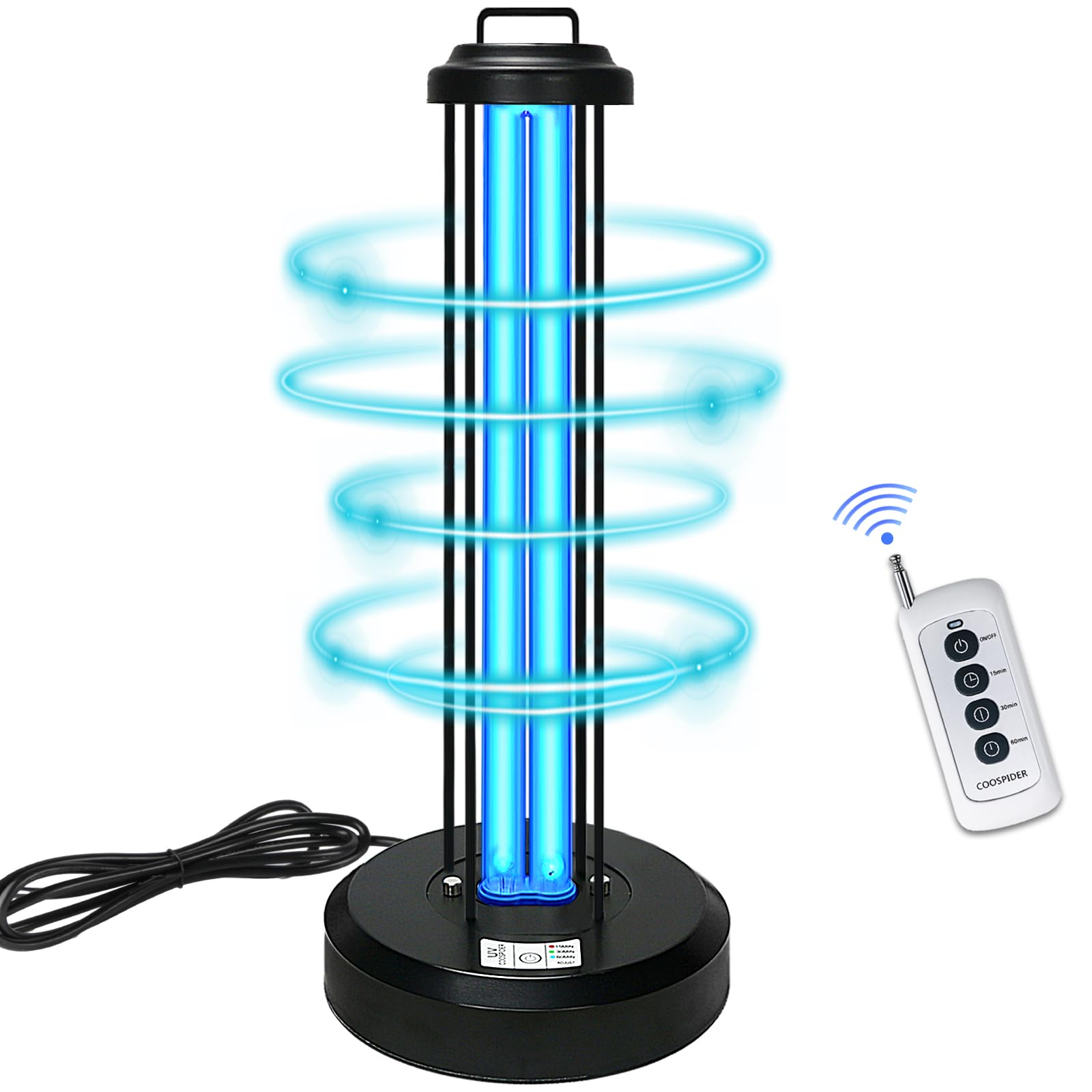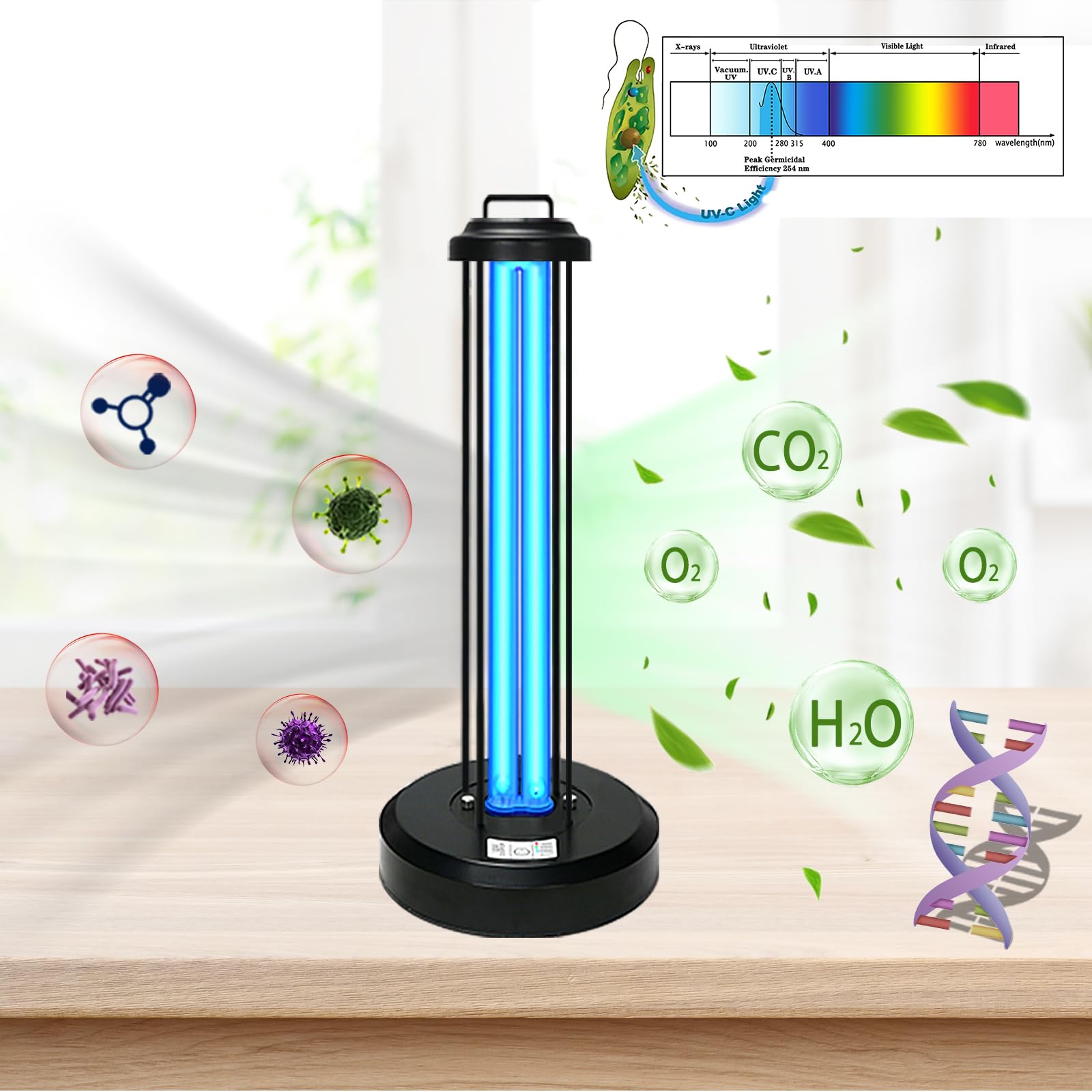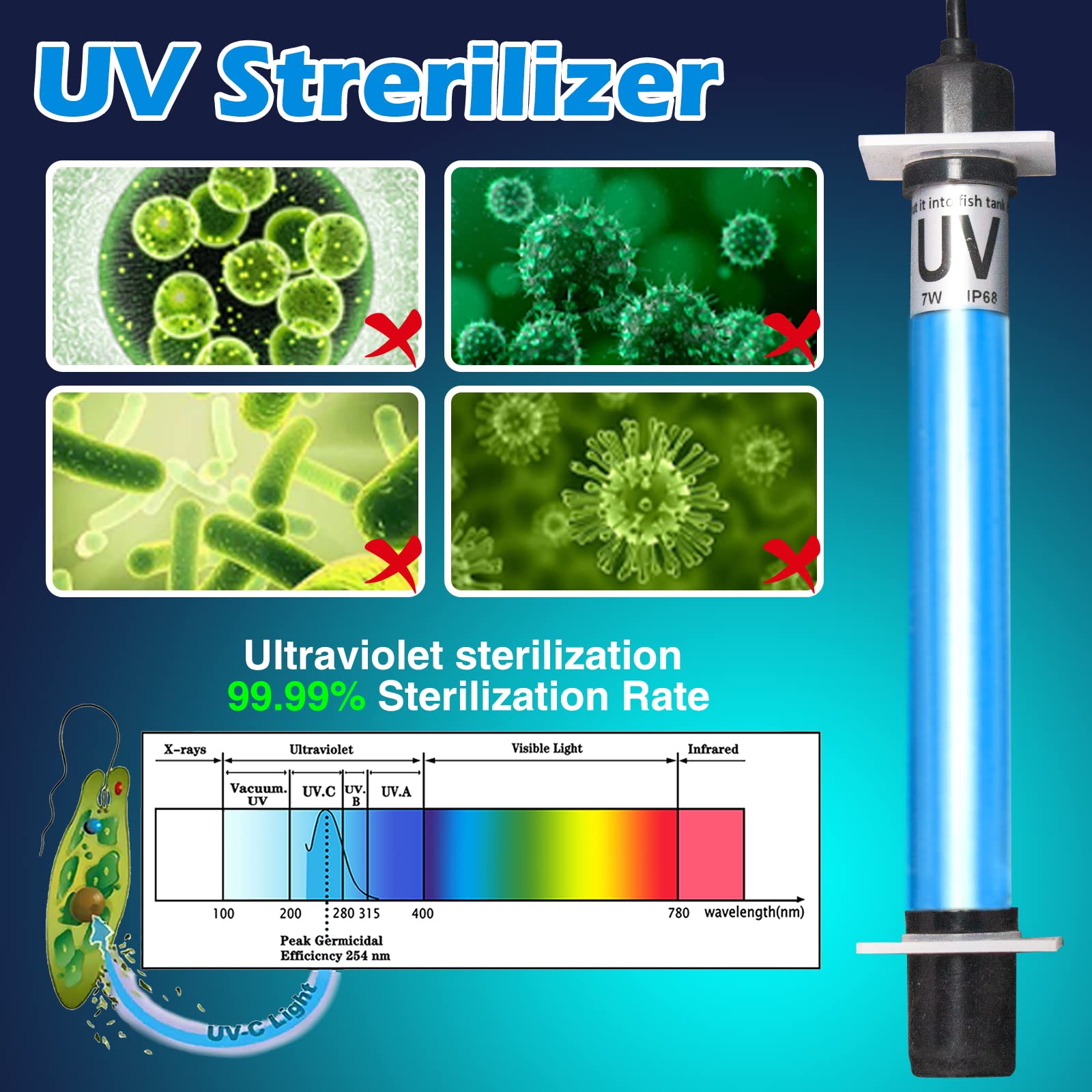
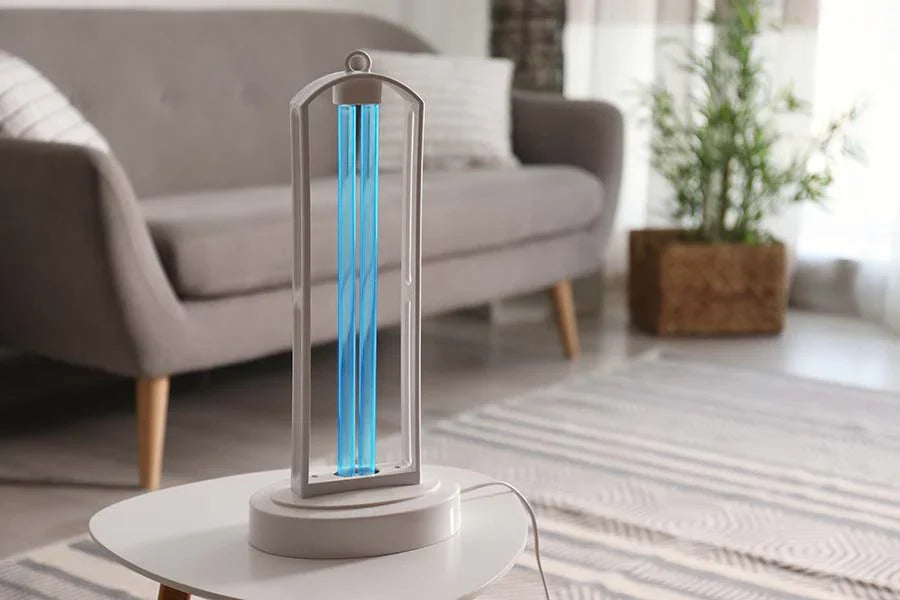
When most people hear the term UV lamp, they think of just one thing:
Disinfection.
Hospitals.
Baby bottles.
Toothbrushes.
That’s it.
But here’s the truth most brands never tell you:
Disinfection is only the tip of the iceberg.
UV lamps have quietly made their way into industries, hobbies, and everyday scenarios you’d never expect—and once you see these hidden uses, it’s impossible to go back to thinking of them as “just a sterilization tool.”
This article is a deep dive into the unexpected, underestimated, and surprisingly practical ways UV lamps are being used today.
Some of these might completely change how you look at that small device sitting on your shelf.
First, a Quick Reality Check: What UV Light Actually Does
Before we go any further, let’s clear up a common misconception.
UV light doesn’t just “kill germs.”
Depending on wavelength and intensity, UV light can:
-
Break down organic bonds
-
Trigger chemical reactions
-
Reveal invisible substances
-
Accelerate curing processes
-
Interact with fluorescent materials
That’s why UV technology shows up in so many unrelated fields—from forensics to fashion.
Disinfection is simply the most widely marketed use.
1. The Invisible Stain Detector in Your Home
Your house is cleaner than it looks.
And dirtier than you think.
UV light reveals substances that are completely invisible under normal lighting, including:
-
Pet urine residue
-
Food spills
-
Body oils
-
Detergent buildup
Shine a UV lamp on carpets, sofas, or mattresses and you may see glowing spots you didn’t know existed.
For pet owners and parents, this use alone can be eye-opening.
It turns cleaning from guesswork into visual confirmation.
2. A Secret Weapon for Laundry Quality Control
Ever rewash clothes that look clean but don’t feel clean?
UV lamps are increasingly used to:
-
Check detergent residue
-
Spot leftover stains before drying
-
Identify sweat and oil buildup
Especially useful for:
-
White clothing
-
Baby garments
-
Activewear
-
Underwear
Drying fabric locks stains in permanently. A quick UV check before drying can save clothes—and money.
3. Nail Art and DIY Beauty: Beyond the Salon
Most people associate UV curing with professional nail salons.
But at home, UV lamps can:
-
Cure nail gels evenly
-
Reduce smudging
-
Improve finish durability
Beyond nails, UV curing is also used in:
-
Resin jewelry
-
Craft coatings
-
DIY cosmetic packaging
For creators, UV lamps unlock a whole new level of precision.
4. Resin, Glue, and DIY Repairs You Didn’t Know Were Possible
UV-curable adhesives are changing how people fix things.
With the right UV lamp, you can:
-
Repair cracked plastic
-
Reinforce small electronic parts
-
Fix glasses frames
-
Seal tiny leaks
Unlike traditional glue, UV adhesives:
-
Don’t cure until exposed to light
-
Allow precise positioning
-
Create clean, controlled bonds
For home DIY enthusiasts, this is a game-changer.
5. Fluorescent Agent Detection in Daily Products
Many household items contain fluorescent agents—sometimes intentionally, sometimes not.
UV lamps can reveal:
-
Optical brighteners in paper
-
Residue in sanitary products
-
Fluorescent additives in detergents
-
Fabric treatments in clothing
This use has gained popularity among:
-
Parents
-
People with sensitive skin
-
Consumers seeking cleaner products
UV light turns invisible additives into visible information.
6. Hotel, Travel, and Rental Space Reality Checks
When traveling, you trust strangers with your hygiene.
UV lamps are increasingly used by travelers to:
-
Inspect hotel bedding
-
Check bathroom cleanliness
-
Examine towels and pillows
It’s not about paranoia—it’s about awareness.
A quick scan can help travelers decide:
-
What needs extra cleaning
-
Where to place personal items
-
When to use protective barriers
Peace of mind fits easily into a carry-on.
7. Food Safety Beyond the Refrigerator
UV light plays a role in food handling that goes beyond surface sterilization.
At home, it can help:
-
Inspect cutting boards for residue
-
Check reusable food containers
-
Identify leftover oils on utensils
While UV lamps don’t replace washing, they help identify where washing wasn’t enough.
8. Smell Control Through Source Identification
Odors rarely come from nowhere.
UV lamps can help locate:
-
Hidden mold
-
Pet-related residue
-
Organic buildup in drains
-
Spilled liquids under furniture
Once you see the source, deodorizing becomes targeted—not trial and error.
9. Closet and Storage Space Management
Closets are dark, enclosed, and often ignored.
UV lamps are used to:
-
Inspect moisture buildup
-
Detect mold-prone areas
-
Check shoes and bags
This is especially useful in:
-
Humid climates
-
Seasonal clothing storage
-
Long-term luggage storage
Seeing invisible risks early prevents long-term damage.
10. Art, Collectibles, and Authenticity Checks
UV light has long been used in the art world.
At home, it can help:
-
Examine antiques
-
Spot restoration work
-
Identify reproduction materials
Collectors use UV lamps to understand what time and treatment have done to their items.
11. Paper, Documents, and Currency Inspection
UV lamps reveal features not meant for the naked eye.
They’re used to:
-
Check security features on currency
-
Inspect official documents
-
Spot paper inconsistencies
This is why UV light is common in banks and offices—but increasingly used at home for verification.
12. Cleaning Tools Need Cleaning Too
Sponges, brushes, and mops are notorious bacteria collectors.
UV lamps can be used to:
-
Dry and sanitize sponges
-
Reduce odor in cleaning tools
-
Extend tool lifespan
It’s a reminder that cleaning tools deserve care too.
13. Baby Product Quality Control
Parents are extra cautious—and rightfully so.
UV lamps help:
-
Check bottle residue
-
Inspect pacifiers
-
Identify leftover milk proteins
This isn’t about over-sterilizing—it’s about visibility.
14. Tech Accessories and Everyday Electronics
Phones, earbuds, keyboards—things we touch constantly.
UV lamps can:
-
Reduce microbial buildup
-
Help inspect dirt accumulation
-
Reach areas hard to wipe
Used correctly, they complement—not replace—physical cleaning.
15. The Psychology of “Seeing Clean”
Here’s something interesting:
People clean better when they can see what they’re cleaning.
UV lamps create feedback.
They:
-
Reinforce habits
-
Improve consistency
-
Reduce uncertainty
This psychological benefit is one of the most overlooked advantages of UV technology.
16. Small Businesses and Home Studios
From photographers to online sellers, UV lamps are used to:
-
Inspect products before shipping
-
Check packaging cleanliness
-
Ensure presentation quality
They act as a silent quality control assistant.
17. Outdoor Gear and Equipment Care
Camping gear, sports equipment, and backpacks can harbor moisture and residue.
UV lamps help:
-
Identify mold risk
-
Spot sweat buildup
-
Extend gear lifespan
Especially useful for people who store gear between seasons.
18. Why These Uses Aren’t Talked About More
Simple answer: marketing.
Disinfection is easy to explain.
Hidden value takes education.
But once users discover these additional uses, UV lamps shift from:
“Nice-to-have”
to
“Why didn’t I buy this sooner?”
19. One Tool, Many Roles
Modern households value versatility.
UV lamps stand out because they:
-
Serve multiple functions
-
Reduce reliance on chemicals
-
Adapt to changing needs
They don’t demand a new routine—they fit into existing ones.
20. The Future of UV in Daily Life
As designs become:
-
Smaller
-
Safer
-
More energy-efficient
UV lamps are moving from niche tools to everyday utilities.
Not because people want more devices—but because they want smarter ones.
Final Thoughts: Seeing Changes Everything
UV lamps don’t just clean.
They reveal.
They turn invisible problems into visible decisions.
They replace assumptions with information.
They empower users to act with confidence.
Once you experience that shift, it’s hard to go back.
Disinfection may be how UV lamps entered homes—but these hidden uses are why they stay.