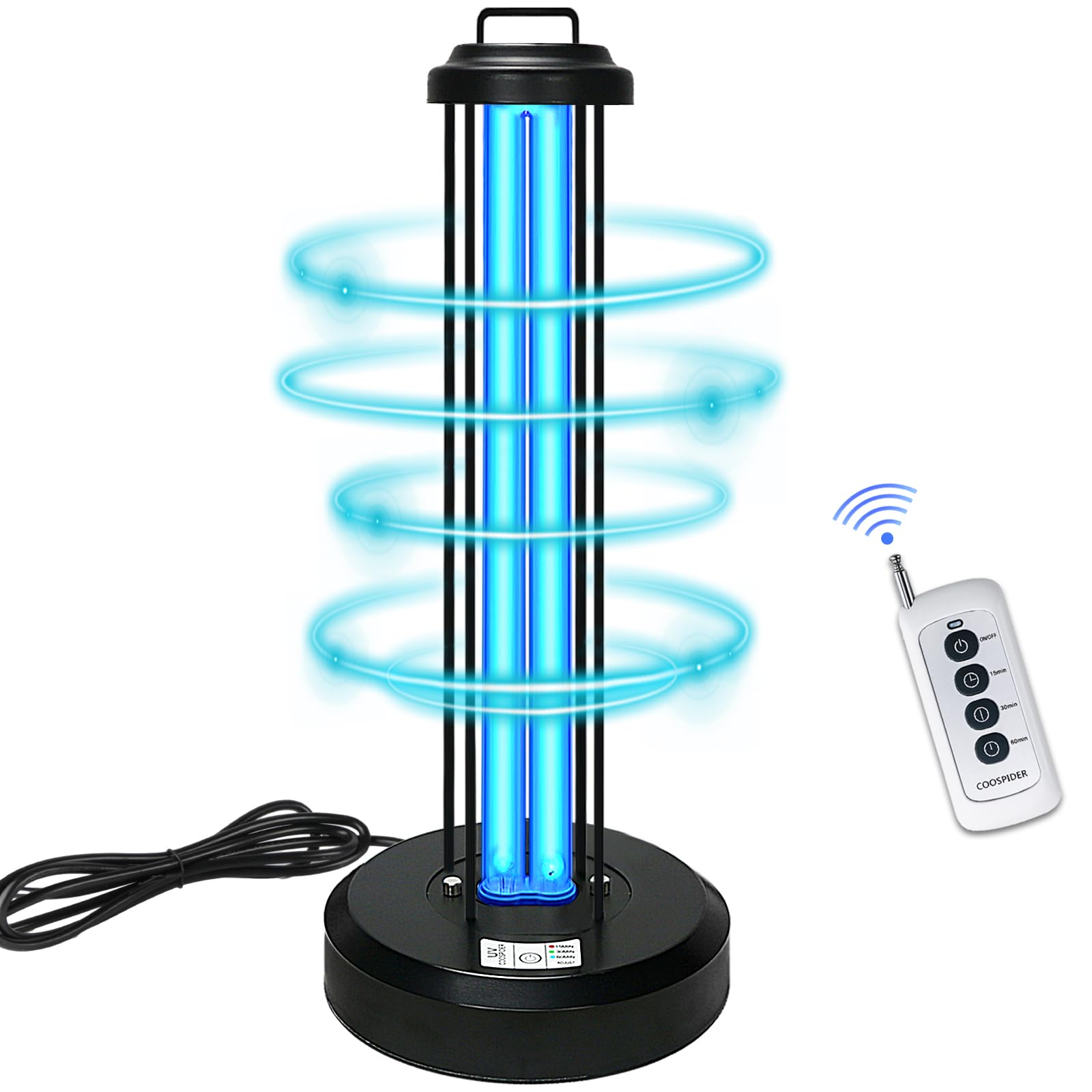
When most people hear “UV lamp,” they think of one thing:
Sterilization.
Killing bacteria.
Disinfecting surfaces.
Making things “clean.”
And while that’s true—UV lamps are powerful sterilization tools—it’s only part of the story.
In reality, UV light has quietly become one of the most versatile technologies in everyday life. From curing glue and nail polish to detecting fluorescent substances you can’t see with the naked eye, UV lamps are doing far more than most people realize.
They’re not just disinfectors.
They’re problem-solvers.
Understanding UV Light: A Quick, Practical Overview
Before diving into applications, let’s clarify what UV light actually is.
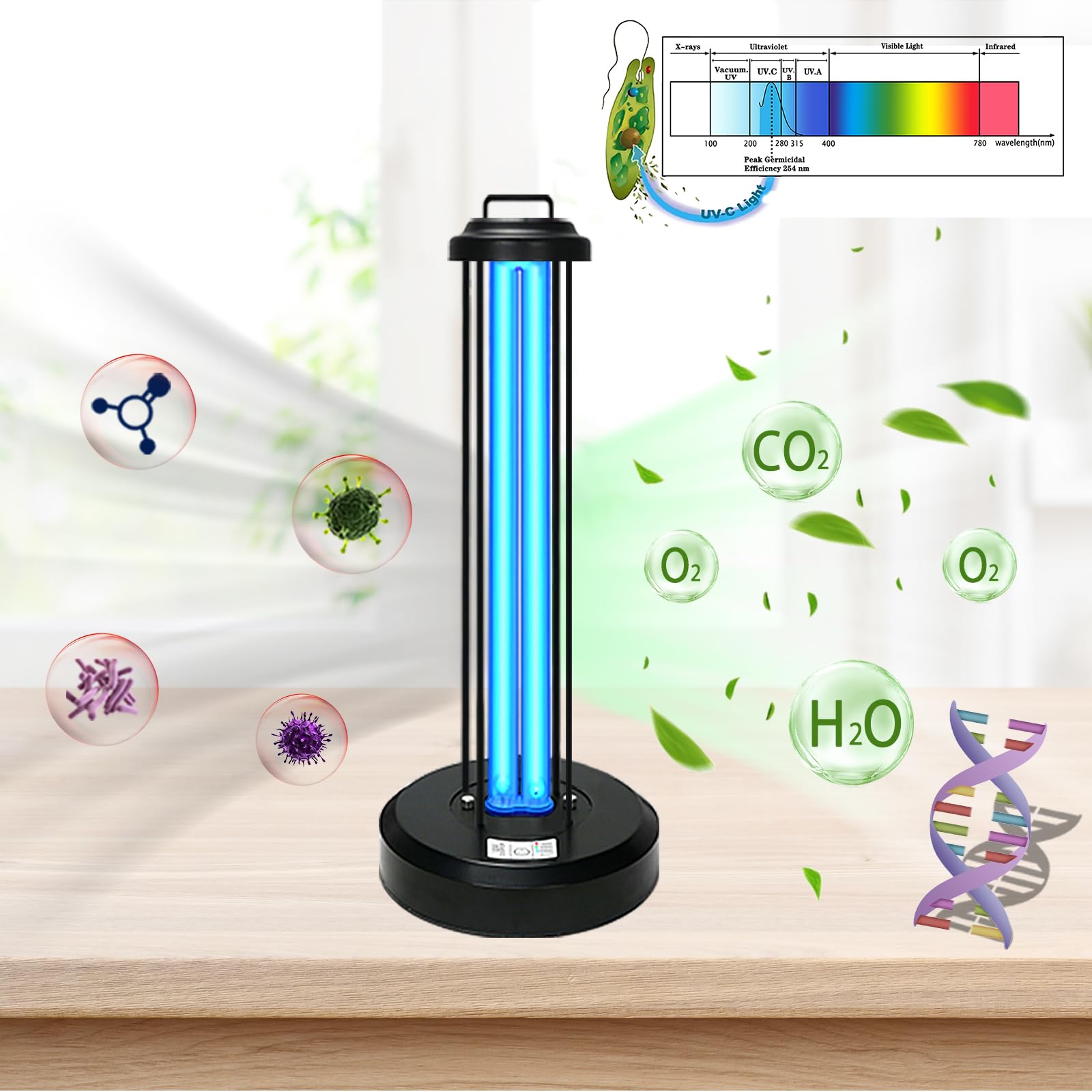
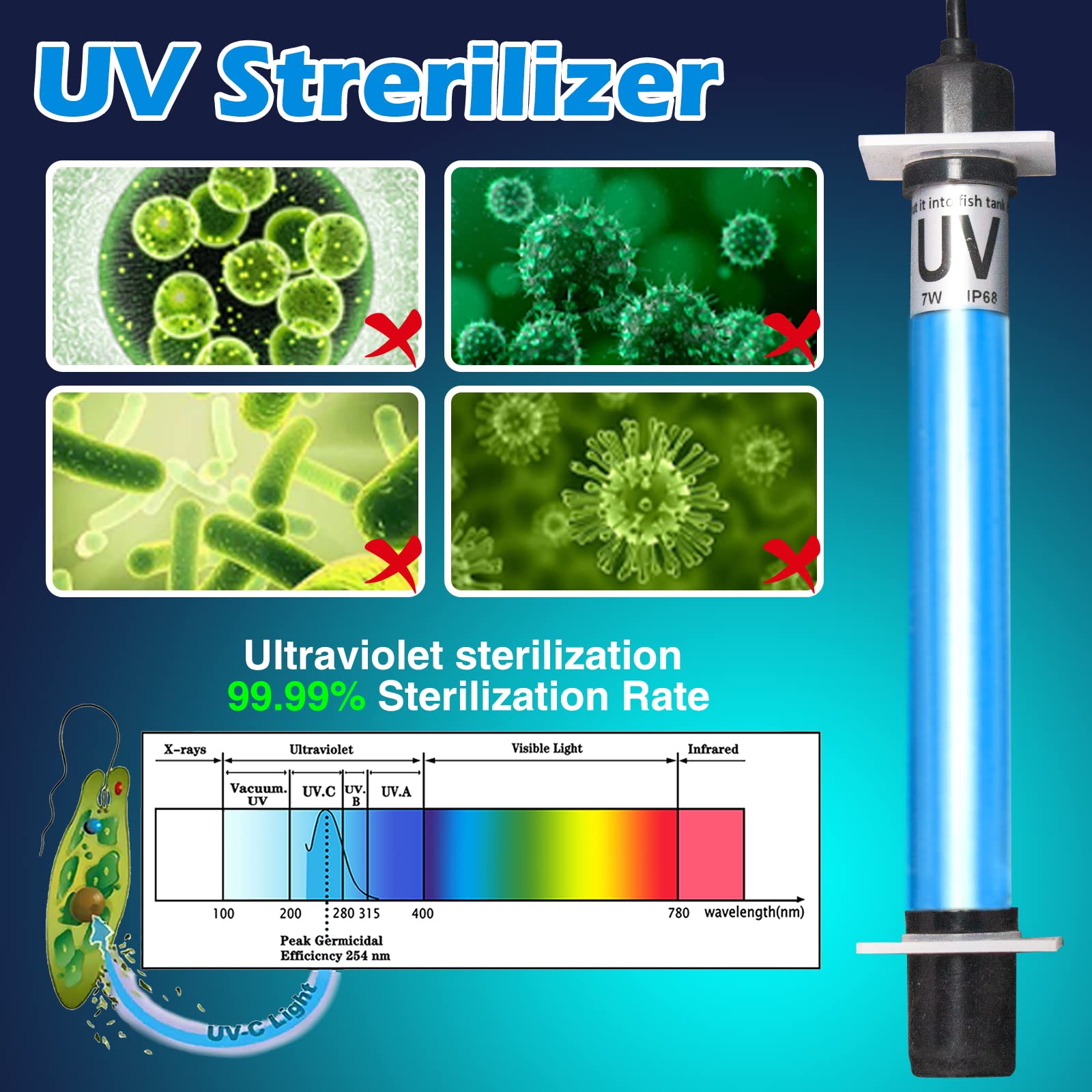
Ultraviolet (UV) light sits just beyond visible violet light on the electromagnetic spectrum. Humans can’t see it, but many materials and organisms respond strongly to it.
UV light is typically divided into:
-
UVA (315–400 nm) – most common in household UV lamps
-
UVB (280–315 nm) – stronger, more biologically active
-
UVC (100–280 nm) – powerful sterilization wavelength
Most consumer UV lamps primarily use UVA, sometimes combined with UVC in controlled designs.
And that’s where the magic happens.
Why UV Light Is So Useful in Daily Life
UV light interacts with materials in ways visible light simply can’t.
It can:
-
Trigger chemical reactions
-
Activate special resins and adhesives
-
Cause certain substances to glow (fluoresce)
-
Disrupt DNA and microorganisms
This unique interaction makes UV lamps incredibly versatile—even in small, affordable household forms.
Application 1: UV Curing — Fast, Clean, and Precise
One of the most underrated uses of UV lamps is curing.
What Is UV Curing?
UV curing is a process where UV light triggers a chemical reaction that hardens or “sets” a material almost instantly.
You’ll find it used in:
-
Industrial manufacturing
-
Dental procedures
-
Electronics assembly
And increasingly—in everyday life.
UV Lamps and Glue Curing
Certain adhesives are designed to cure only when exposed to UV light.
These include:
-
UV resin
-
UV-curable glue
-
Optical adhesives
Why UV-Curable Glue Is a Game-Changer
Compared to traditional glue, UV-curable adhesives:
-
Don’t dry until you want them to
-
Set in seconds under UV light
-
Create clean, precise bonds
-
Reduce mess and guesswork
This is why they’re popular for:
-
Jewelry repair
-
Phone screen fixes
-
Small crafts
-
DIY projects
With a UV lamp, “hold and wait” becomes “shine and done.”
UV Lamps in Nail Art and Beauty
One of the most familiar uses of UV curing is in nail salons.
Gel nail polish:
-
Looks liquid when applied
-
Hardens instantly under UV light
-
Creates durable, glossy finishes
This same principle applies to many at-home beauty tools, turning UV lamps into essential grooming accessories—not just sanitation devices.
Application 2: Fluorescence Detection — Seeing the Invisible
Another fascinating ability of UV light is fluorescence detection.
Some substances absorb UV light and re-emit it as visible light. This glow reveals things you simply cannot see otherwise.
Detecting Fluorescent Whitening Agents
Fluorescent whitening agents are commonly used in:
-
Laundry detergents
-
Paper products
-
Some fabrics
Under UV light, these substances glow bright blue or white.
This makes UV lamps useful for:
-
Checking fabric quality
-
Identifying treated materials
-
Comparing “natural” vs. chemically enhanced textiles
For parents, this can be especially helpful when choosing baby clothing or towels.
Spotting Residue and Contamination
UV light can reveal:
-
Invisible stains
-
Residual cleaning agents
-
Bodily fluids
-
Certain food residues
Hotels, inspectors, and professional cleaners use UV lamps to verify cleanliness beyond what looks “clean” to the eye.
At home, this can:
-
Improve cleaning accuracy
-
Highlight missed spots
-
Encourage better hygiene habits
Sometimes, seeing is believing.
Application 3: Authentication and Anti-Counterfeiting
UV light is widely used to verify authenticity.
Many official items include UV-reactive elements:
-
Currency
-
ID cards
-
Passports
-
Tickets
A small UV lamp can reveal:
-
Hidden markings
-
Security threads
-
Fluorescent inks
This makes UV lamps surprisingly useful for:
-
Small business owners
-
Collectors
-
Event staff
-
Anyone handling documents
Application 4: Pet and Home Maintenance
Pet owners often discover UV lamps by accident—and never look back.
UV light can reveal:
-
Pet urine stains
-
Marked territories
-
Hidden messes
This helps:
-
Target deep cleaning
-
Eliminate odors at the source
-
Prevent repeat marking
Suddenly, cleaning becomes strategic instead of random.
Application 5: DIY, Crafts, and Creative Work
Crafters and makers love UV lamps for good reason.
They’re used for:
-
Resin art
-
Jewelry making
-
Model building
-
Custom decorations
UV curing allows creators to:
-
Control timing
-
Achieve smooth finishes
-
Work in layers
Creativity thrives when tools are predictable—and UV light is extremely predictable.
So Where Does Sterilization Fit In?
Sterilization is still a major benefit—but it’s just one chapter.
UV lamps can help reduce microorganisms on:
-
Toothbrushes
-
Phones
-
Keys
-
Baby items
-
Small tools
When used properly, they add an extra layer of hygiene—especially in situations where heat or chemicals aren’t ideal.
But it’s important to understand:
UV lamps are assistive tools, not magic wands.
Safety Matters: Using UV Lamps Responsibly
With great versatility comes responsibility.
UV light should be used carefully:
-
Avoid direct eye exposure
-
Limit skin exposure
-
Follow manufacturer guidelines
Most household UV lamps are designed with safety in mind, but respect for the technology is essential.
Smart use unlocks benefits.
Careless use creates risk.
Why UV Lamps Are Becoming Household Staples
As technology improves, UV lamps are becoming:
-
Smaller
-
Safer
-
More affordable
-
More specialized
They’ve moved from labs and factories into homes.
Not because they’re trendy—but because they’re genuinely useful.
One device.
Multiple functions.
Minimal space.
The “Life Helper” Mindset
The real shift isn’t about UV lamps themselves.
It’s about how we think about tools.
A UV lamp isn’t:
-
Just a sterilizer
-
Just a nail tool
-
Just a detector
It’s a multi-purpose problem-solving device.
Once you understand what UV light can do, you start seeing opportunities everywhere.
Choosing the Right UV Lamp for Everyday Use
Not all UV lamps are created equal.
When choosing one, consider:
-
Wavelength range
-
Power output
-
Intended applications
-
Safety features
A lamp designed only for sterilization may not work well for curing.
A curing lamp may not be ideal for detection.
Matching the tool to the task matters.
Common Misconceptions About UV Lamps
“UV Lamps Are Dangerous”
They can be—if misused.
But so can knives, heat guns, and chemicals.
Used correctly, household UV lamps are manageable and safe.
“They’re Only for Professionals”
Not anymore.
Modern designs are built for everyday users.
“They Replace Cleaning”
They don’t.
They enhance it.
A Tool That Grows With You
One of the best things about UV lamps is that their usefulness grows over time.
You might buy one for:
-
Disinfection
Then discover it helps with:
-
DIY repairs
-
Quality checks
-
Craft projects
-
Home maintenance
Few tools expand their role so naturally.
Final Thoughts: Small Light, Big Impact
UV lamps don’t look impressive.
They don’t make noise.
They don’t sparkle.
They don’t shout for attention.
But quietly, they solve problems.
They cure when you need precision.
They reveal what you can’t see.
They support cleanliness without chemicals.
In a world full of single-purpose gadgets, the UV lamp stands out as something rare:
A true everyday helper.
Not just killing germs—but making life a little easier, smarter, and more controlled.
And once you start using one beyond sterilization, you may wonder how you ever lived without it.